
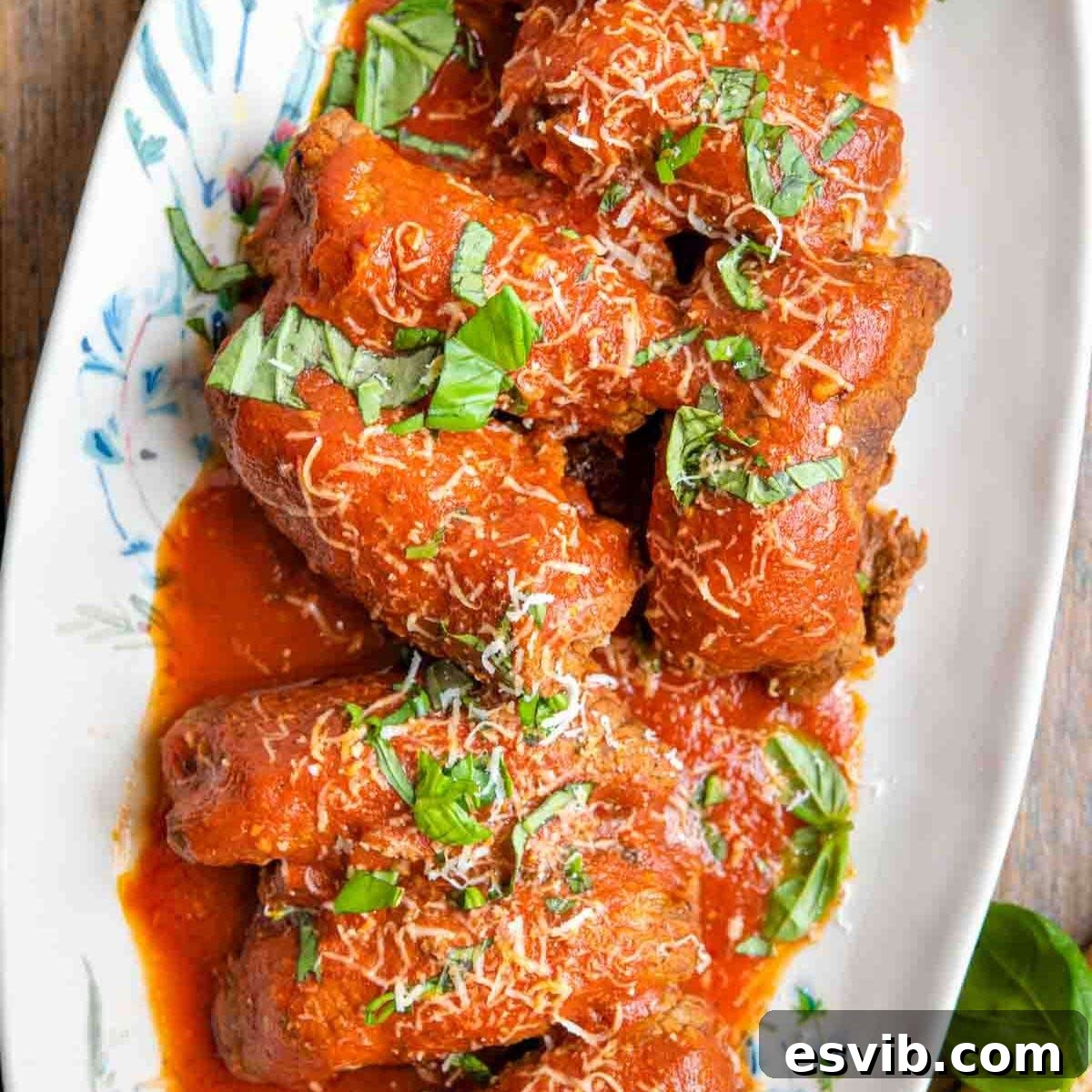
Authentic Italian Beef Braciole: A Timeless Southern Italian Classic
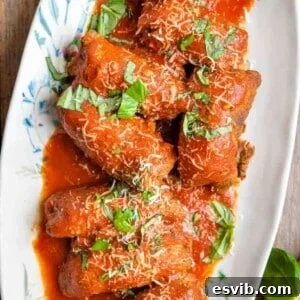
Step into the heart of Southern Italian culinary tradition with our authentic Italian Beef Braciole recipe. This iconic dish, known for its rich, slowly simmered tomato sauce, is the epitome of comfort food. It features tender, thin slices of beef lovingly stuffed with layers of savory prosciutto, tangy Pecorino cheese, aromatic garlic, and fresh herbs. The result is a profoundly flavorful meal that has graced Italian tables for generations, making it the perfect centerpiece for a traditional Italian Sunday lunch.
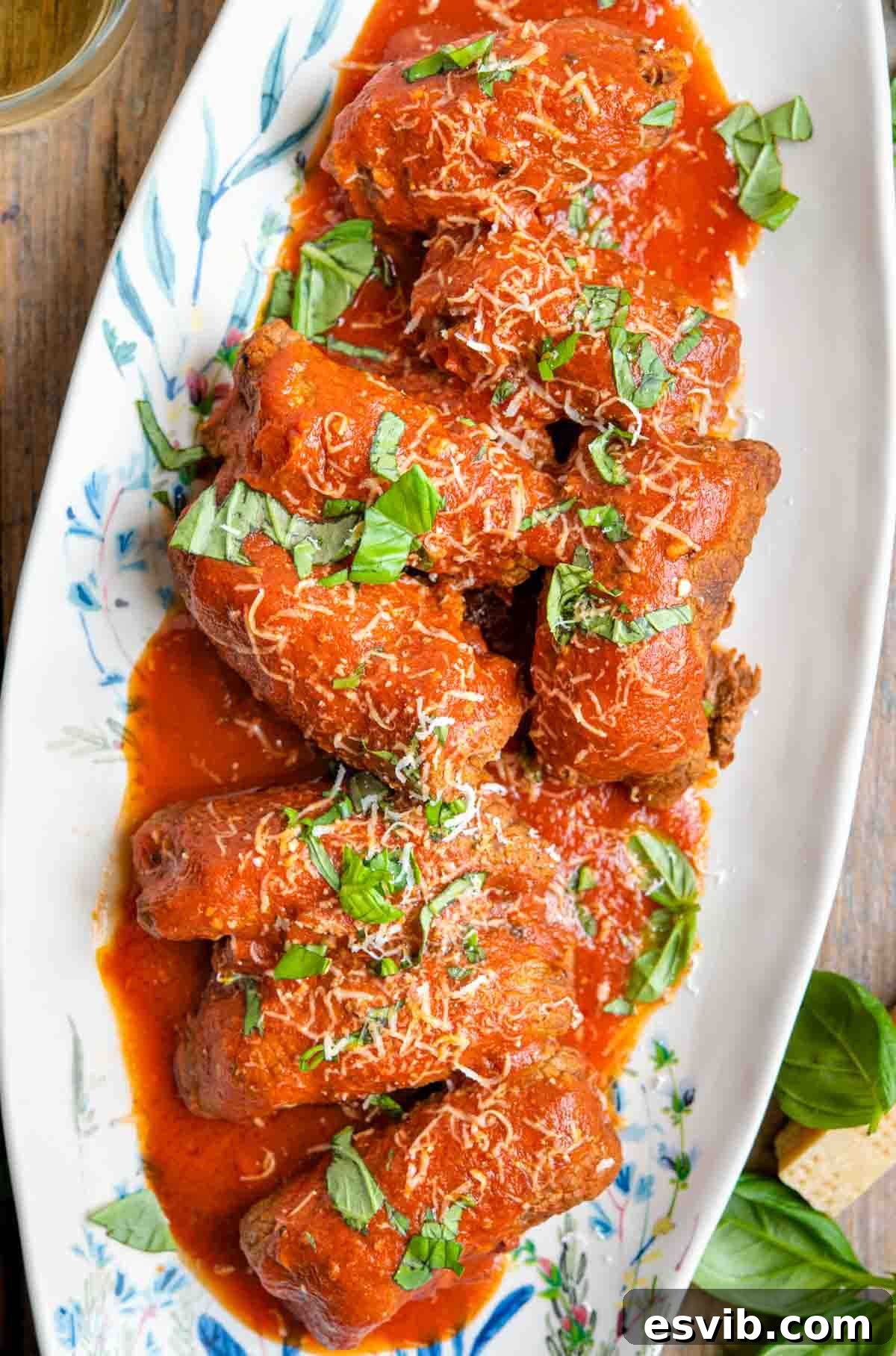
Why You Will Love This Authentic Braciole Recipe
Italian Beef Braciole, often referred to as involtini (meaning “little rolls”), is more than just a meal; it’s an experience. This cherished dish transforms humble ingredients into a symphony of flavors that will transport you straight to a Nonna’s kitchen. Here’s why this recipe deserves a place in your culinary repertoire:
- A Taste of Southern Italy: Our recipe is deeply rooted in the traditions of Southern Italy, particularly Puglia, where slow-cooked Sunday meals are a way of life. It’s an authentic culinary journey you can recreate at home.
- Hearty & Comforting: With its tender beef, savory filling, and deeply flavored tomato sauce, Braciole is the ultimate comfort food. It’s hearty enough to satisfy the biggest appetites and comforting enough to soothe the soul.
- Bursting with Flavor: Each bite offers a delightful explosion of taste, thanks to the perfect balance of rich prosciutto, salty Pecorino, pungent garlic, and fresh herbs, all infused into the beef and the luscious tomato sauce during its long, slow simmer.
- Simple Yet Impressive: While Braciole might sound sophisticated, the process is surprisingly straightforward. We’ll guide you through each step, making it accessible for home cooks of all skill levels.
- Versatile Serving Options: Learn the traditional Italian way to serve Braciole – as both a Primo (first course with pasta tossed in the incredible sauce) and a Secondo (main course featuring the stuffed beef rolls themselves). This dual serving method truly showcases the dish’s versatility and richness.
- Perfect for Gatherings: Whether it’s a casual family dinner or a festive gathering, Braciole makes an impressive dish that’s perfect for sharing and creating lasting memories around the table.
Table of Contents
- Why You Will Love This Authentic Braciole Recipe
- Understanding Braciole and Its Southern Italian Roots
- Ingredient Deep Dive and Smart Substitutions
- Step-by-Step Visual Guide to Perfect Braciole
- The Traditional Italian Way to Serve Braciole: Primo e Secondo
- Exploring Delicious Filling Options for Your Braciole
- Expert Tips for Braciole Perfection
- Frequently Asked Questions About Beef Braciole
- More Italian Dinner Recipes You Might Like
- Full Recipe: Italian Beef Braciole
Understanding Braciole and Its Southern Italian Roots
Braciole, also known as involtini in many parts of Italy, refers to thin slices of meat (beef, pork, or veal) that are rolled around a savory filling and then slowly braised in a rich sauce. This method of cooking allows the meat to become incredibly tender while the filling infuses the sauce with incredible depth of flavor. While similar dishes exist across Italy, Braciole holds a special place in Southern Italian cuisine, particularly in regions like Puglia, Campania, and Sicily.
In Puglia, where this version of Braciole is particularly popular, the filling often features robust ingredients like prosciutto, Pecorino, garlic, and parsley, providing a bold and aromatic counterpoint to the beef. The slow simmering in a vibrant tomato sauce transforms these simple components into a deeply satisfying meal. It’s the kind of dish that fills your home with an irresistible aroma, signaling a day of family, food, and tradition. Don’t be intimidated by the name; preparing Braciole is a labor of love that is far less complicated than you might imagine. With a sharp knife (or a helpful butcher) to get your beef slices just right, you’ll be well on your way to creating a truly memorable Italian feast.
To complete your traditional Italian meal, consider pairing Braciole with classic sides such as Italian Roast Potatoes, crisp Sautéed Broccolini, or tender Peas and Pancetta. These simple accompaniments perfectly complement the rich flavors of the beef and sauce without overpowering them.
Ingredient Deep Dive and Smart Substitutions
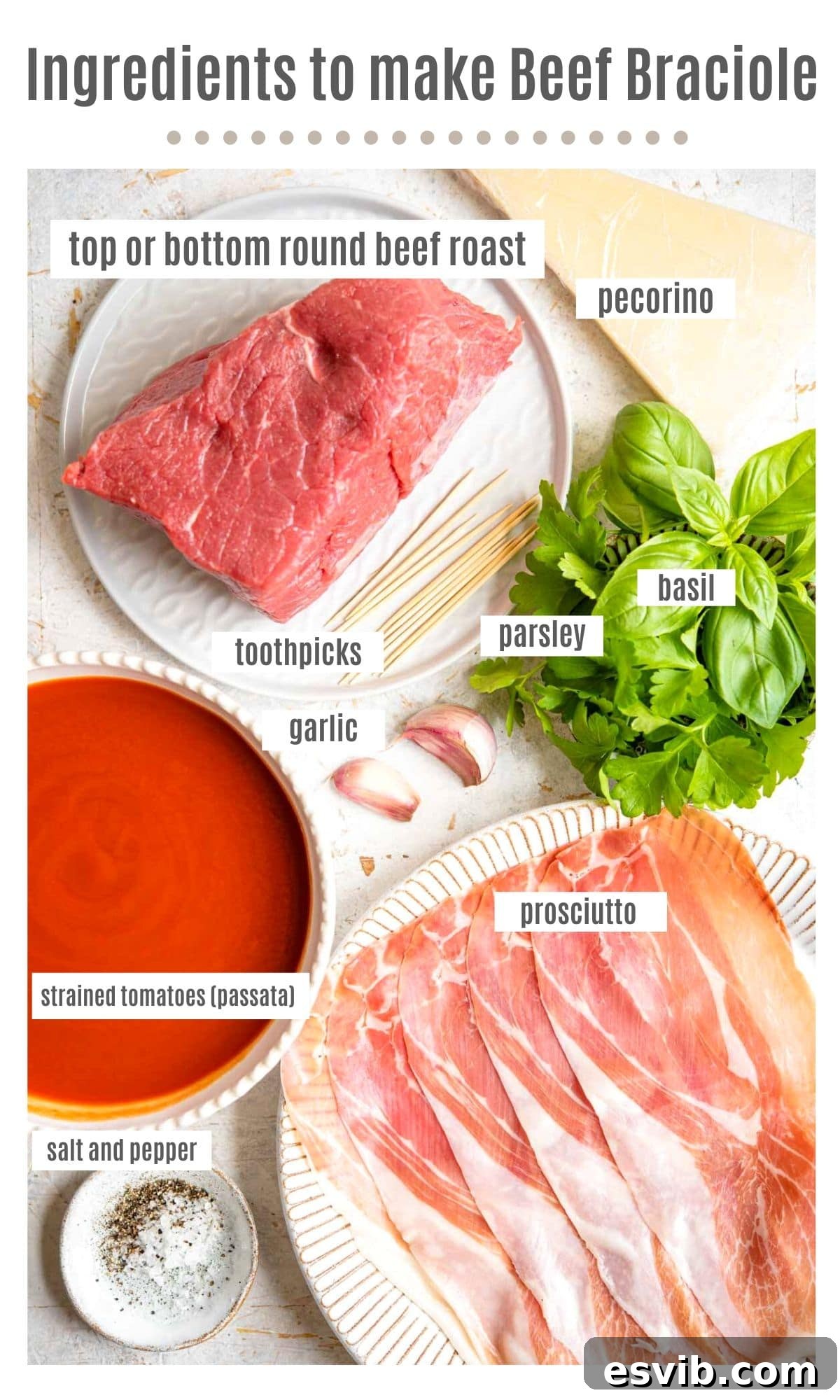
The beauty of Braciole lies in the quality and freshness of its ingredients. While the recipe calls for specific items, there’s always room for informed substitutions to suit your pantry or dietary needs.
- Beef Roast (Top or Bottom Round): Also known as silverside, these cuts are ideal for braciole due to their leanness and ability to become incredibly tender when slow-braised. You want slices that are sturdy enough to hold a filling but thin enough to roll easily.
- Substitutions: Sirloin, flank steak, or even thinly sliced pork loin or veal cutlets can be used. If using pork or veal, reduce the cooking time slightly as they tend to cook faster than beef.
- Pecorino Cheese: This hard, salty sheep’s milk cheese provides a distinctive sharp and piquant flavor that is traditional in Southern Italian cooking. Its robust profile stands up beautifully to the rich beef and tomato sauce.
- Substitutions: Parmigiano Reggiano can be used for a milder, nuttier flavor, though it’s less traditional for Braciole from Puglia. A good quality aged provolone or even a sharp cheddar could work in a pinch, but the flavor profile will differ significantly.
- Fresh Basil: Essential for its sweet, aromatic lift to the tomato sauce. Add it towards the end of cooking to preserve its delicate flavor.
- Substitutions: Fresh parsley is a common alternative and is often used in the filling. Dried basil can be used in the sauce during simmering, but fresh is highly recommended for the finishing touch.
- Slices of Prosciutto: This dry-cured Italian ham adds a wonderful layer of salty, savory depth to both the filling and the overall sauce as it breaks down during cooking.
- Substitutions: Good quality, thinly sliced ham (such as Black Forest or even a rich deli ham) can be used. For a different flavor, consider pancetta (thinly sliced) or even speck.
- Garlic: Fresh garlic is non-negotiable for authentic Italian flavor. It provides a pungent aroma and taste that complements all other ingredients.
- Substitutions: Avoid garlic powder or minced garlic from a jar; they simply won’t deliver the same vibrant taste. If fresh garlic is unavailable, consider thinly sliced shallots for a milder alternative.
- Passata (Pureed Tomatoes): Also known as tomato puree in the US, passata is strained, uncooked tomato pulp, offering a smooth consistency and intense tomato flavor. It creates a rich, smooth sauce without requiring long cooking times to break down whole tomatoes.
- Substitutions: Canned whole peeled plum tomatoes (San Marzano are excellent) can be crushed by hand or blended lightly for a rustic sauce. Diced tomatoes can also work but will result in a chunkier sauce.
- Olive Oil: Always use a good quality extra virgin olive oil for both browning the meat and for the overall flavor of the sauce.
Step-by-Step Visual Guide to Perfect Braciole
Follow these detailed steps to craft your delicious Braciole. The full written recipe can be found in the recipe card below.
1. Prepare the Beef
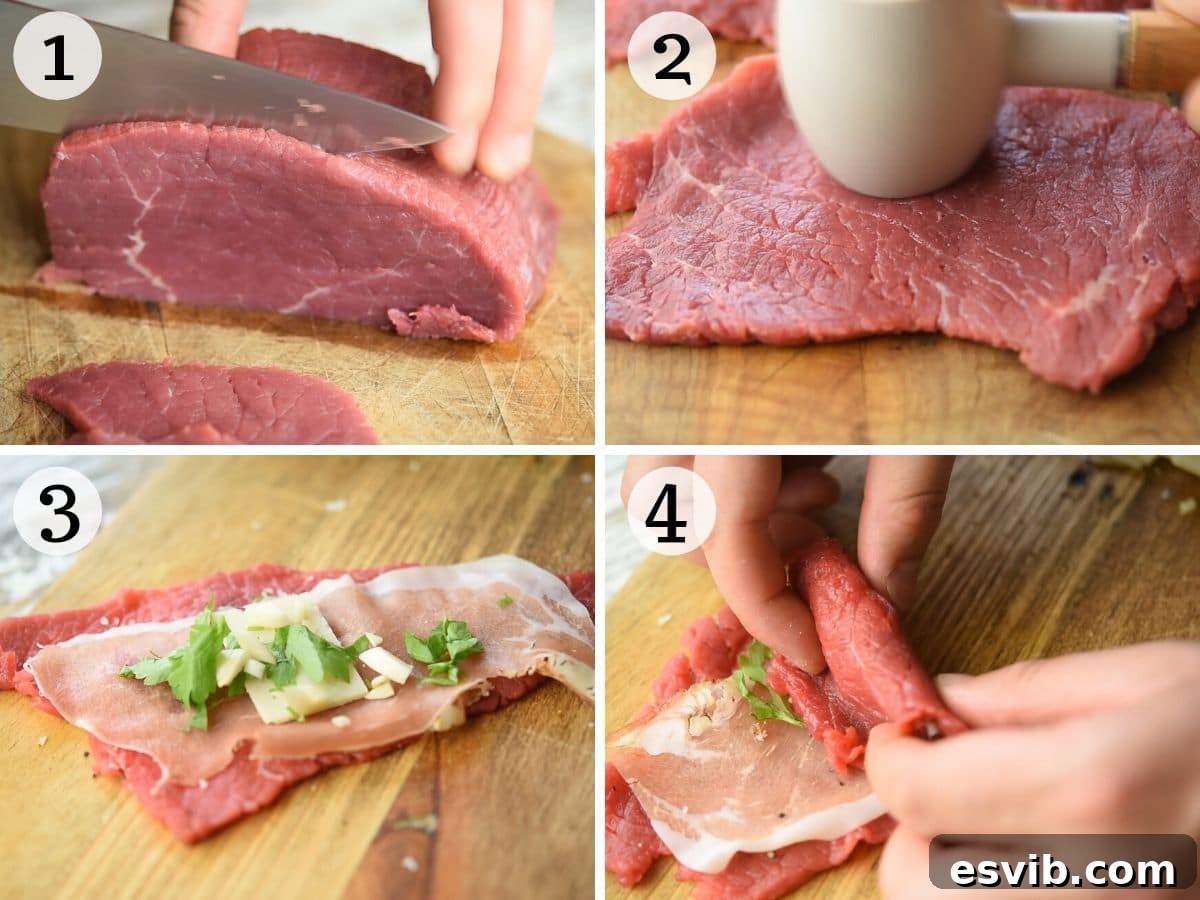
Start by slicing your beef roast into ¼ inch (0.5 cm) thick pieces. It’s crucial to cut against the grain to ensure tenderness. Once sliced, place the beef between two sheets of baking parchment or plastic wrap and pound them to half their original thickness using a meat mallet or a rolling pin. This tenderizes the meat and creates a larger, thinner surface area for rolling. Aim for an even thickness across all slices.
2. Stuff and Roll the Braciole
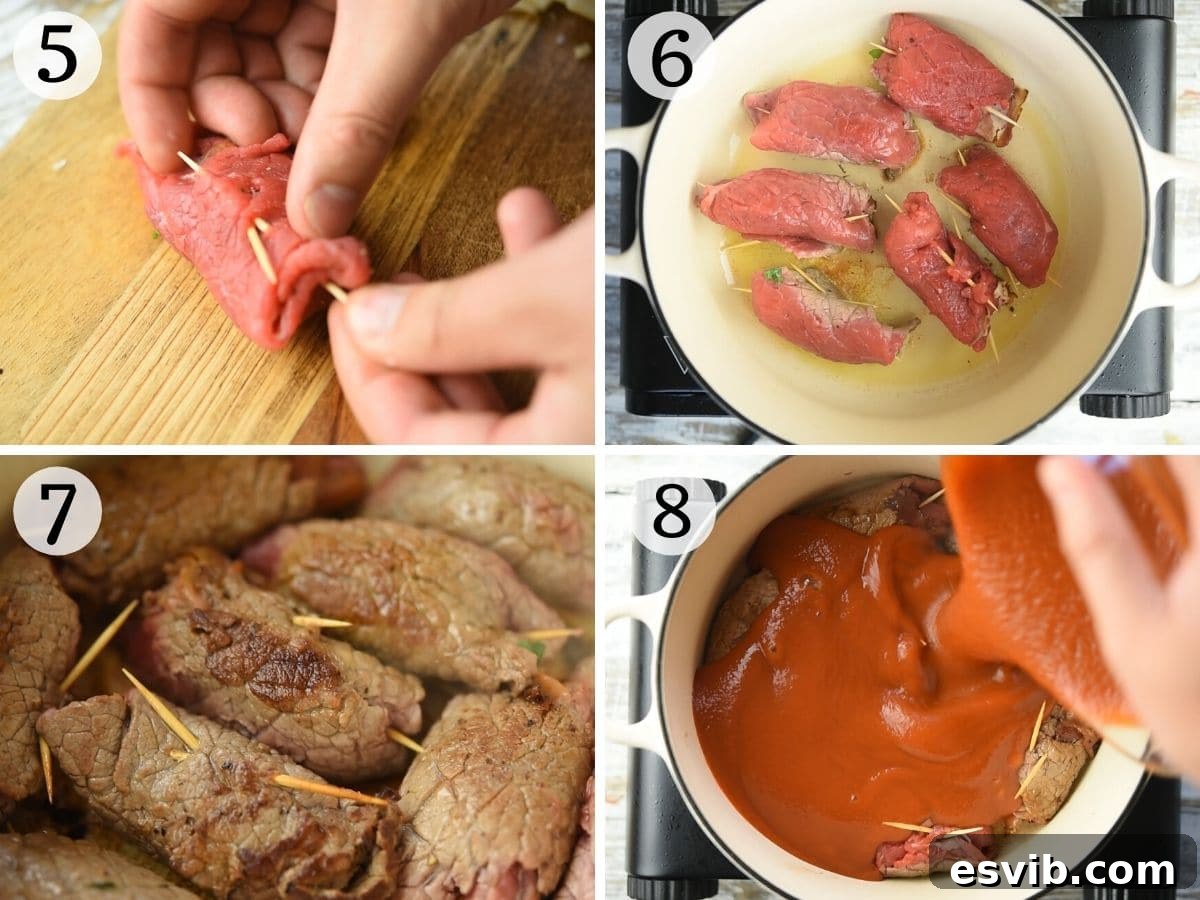
Lightly season the inside of each beef slice with a pinch of salt and freshly ground black pepper. Lay a slice of prosciutto neatly over the beef. Sprinkle a small amount of finely chopped garlic and parsley evenly over the prosciutto, then place a slice of Pecorino cheese in the center. Carefully roll up each slice of beef, starting from one end and tucking in the sides as you go. Secure each rolled Braciole with one or two toothpicks to prevent the filling from escaping during cooking.
3. Sear the Braciole
In a large, heavy-bottomed pot or Dutch oven, heat the olive oil over medium-high heat. Once shimmering, carefully place the rolled braciole into the pot, ensuring not to overcrowd it. Brown the braciole on all sides until they develop a beautiful golden-brown crust. This crucial step adds a significant depth of flavor to both the meat and the final sauce through the Maillard reaction.
4. Simmer in Tomato Sauce
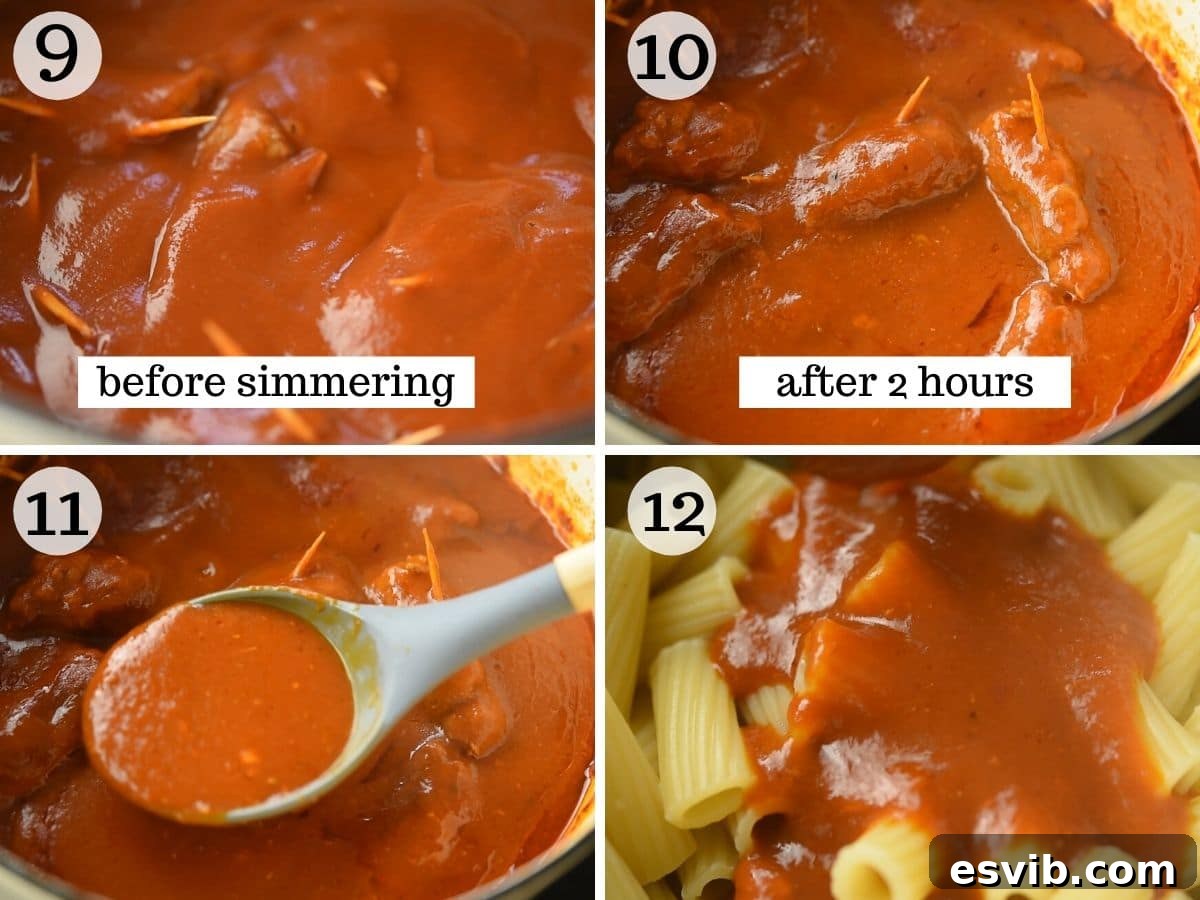
Once all the braciole are browned, pour the passata (pureed tomatoes) into the pot. Stir well to combine, ensuring the braciole are submerged in the sauce. Bring the sauce to a gentle simmer, then reduce the heat to low, cover the pot with a lid, and let it slowly cook for at least 2 hours. This long, gentle simmer is what transforms the beef into fork-tender perfection and allows all the flavors to meld beautifully into a rich “Sunday gravy.”
5. Finish and Serve
After 2 hours, the braciole should be incredibly tender and the sauce rich and fragrant. Remove the lid, add the fresh basil to the sauce, and stir to combine. Allow it to cook for another 5 minutes to let the basil’s aroma permeate. The braciole is now ready to be served according to your preference, either as part of a traditional Primo and Secondo course or as a hearty main dish.
The Traditional Italian Way to Serve Braciole: Primo e Secondo
One of the most authentic and delightful ways to enjoy Beef Braciole is by embracing the Italian tradition of serving it as two separate courses: a Primo (first course) and a Secondo (main course). This method truly highlights the versatility of the dish and celebrates its slow-cooked perfection.
Primo (First Course): Pasta with Sunday Gravy
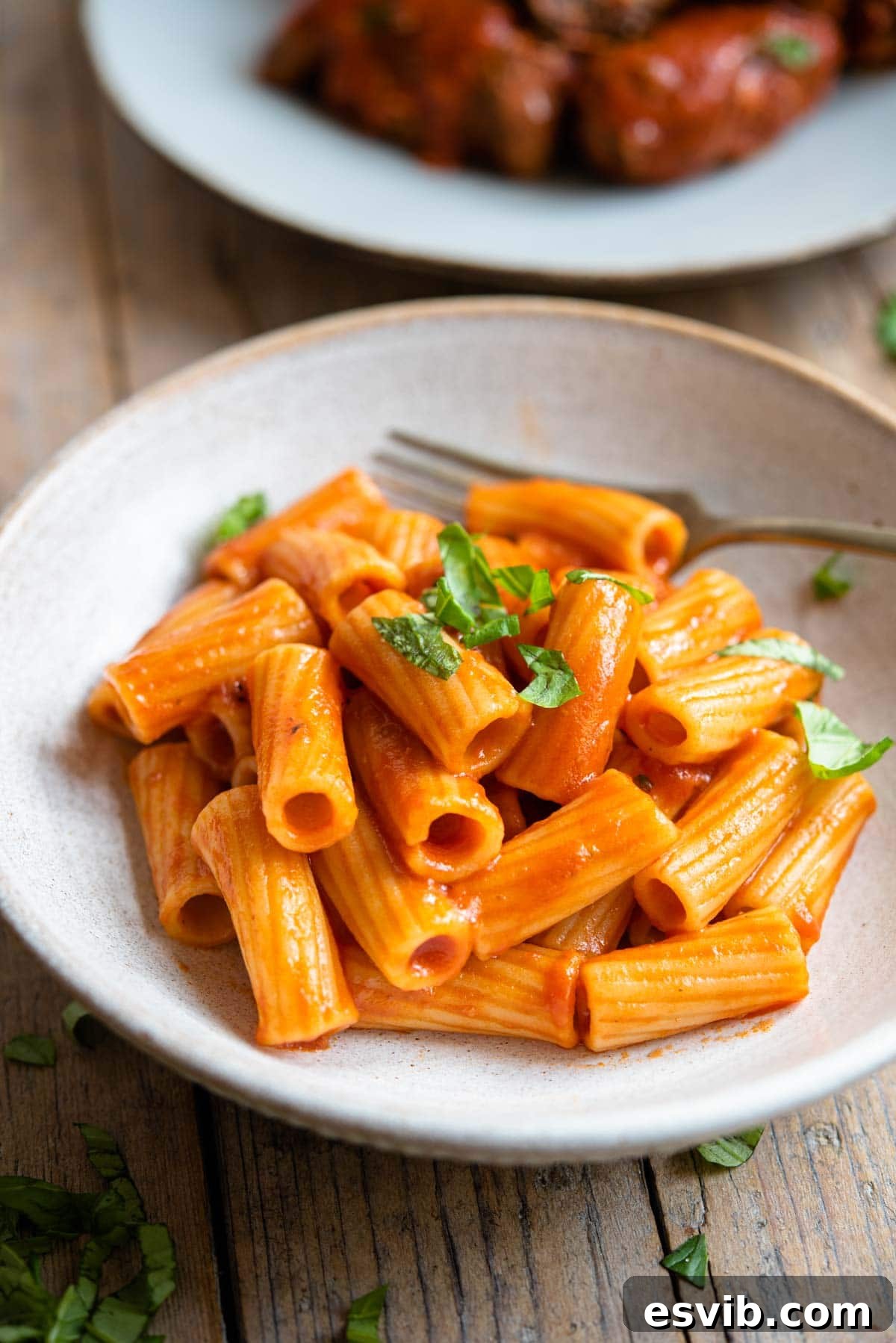
After the braciole has finished simmering, carefully remove the cooked beef rolls from the pot and set them aside to keep warm. The rich, flavorful tomato sauce, now deeply infused with the essence of the beef and its savory filling, becomes the star of your first course. Toss a generous amount of this incredible “Sunday gravy” with freshly cooked pasta. Ideal pasta shapes include sturdy options like rigatoni, paccheri, bucatini, or even orecchiette, which can hold the thick sauce beautifully. The portion for the Primo should be modest, just enough to savor the magnificent sauce without being overly filling. Garnish with a sprinkle of fresh Pecorino Romano and basil. This simple yet profound pasta dish is a testament to the power of slow cooking and is often the most anticipated part of the meal.
Secondo (Main Course): The Braciole with Accompaniments
Following the Primo, the tender braciole rolls themselves take center stage as the main course. Serve the beef rolls with a little more of the remaining tomato sauce spooned over them. Pair them with a selection of fresh and vibrant side dishes to complement the richness of the meat. Excellent choices include:
- Sautéed Green Vegetables: Such as garlicky spinach, broccolini, or green beans.
- Roasted Potatoes: Crispy on the outside, fluffy on the inside, like Italian Roast Potatoes.
- Fresh Beans: Steamed or lightly sautéed green beans or cannellini beans.
- Grilled or Steamed Vegetables: Zucchini, asparagus, or bell peppers.
- Crusty Bread: Essential for soaking up every last drop of that glorious sauce.
Serving Braciole this way is not only a delightful culinary experience but also incredibly practical. Both the starter and the main course are essentially prepared in one pot, allowing you to focus on developing the sauce while preparing your simple sides. It’s a truly rustic, home-cooked meal that fills your home with the most incredible aromas and brings families together around a table of shared tradition and delicious food.
Exploring Delicious Filling Options for Your Braciole
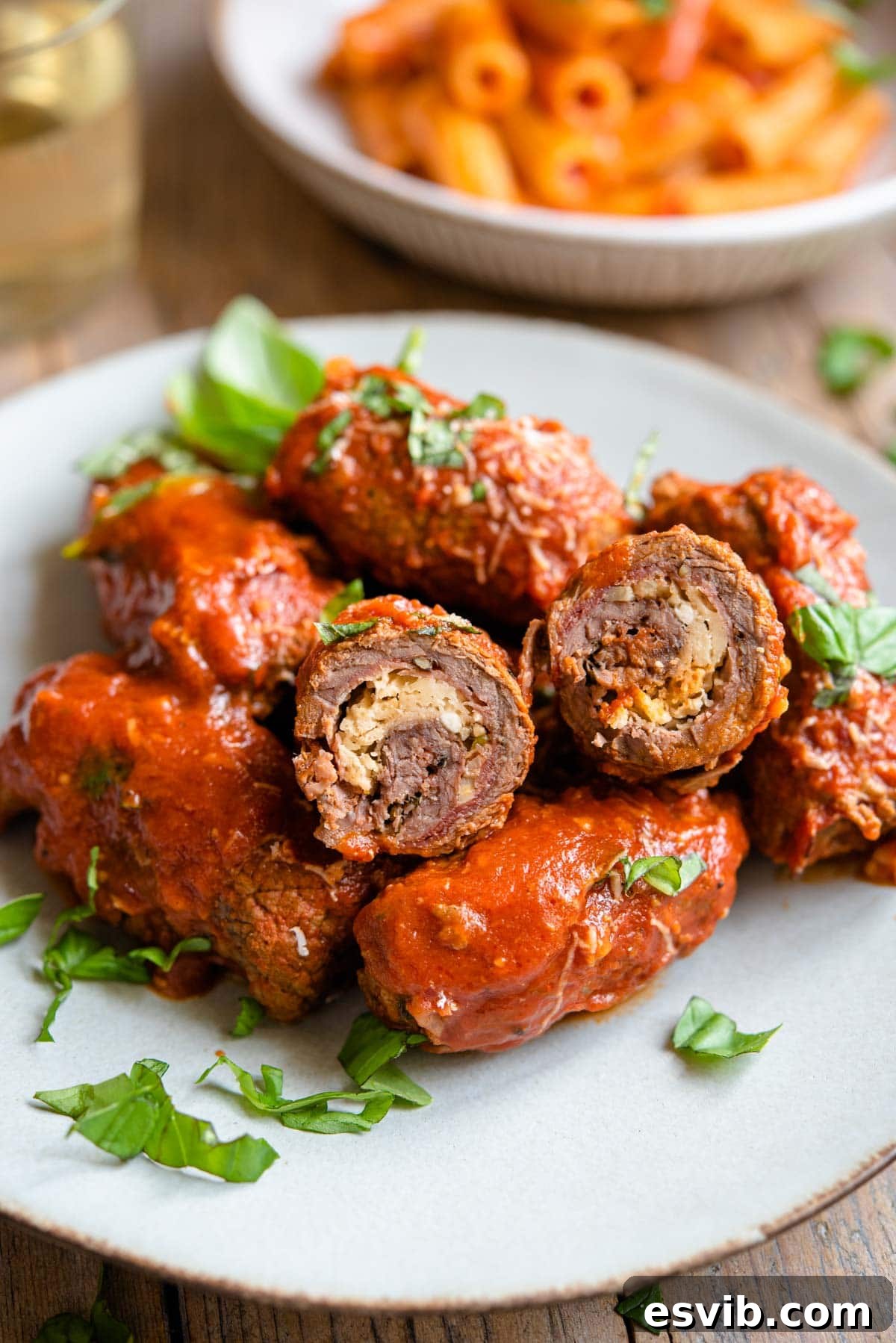
While our featured recipe showcases a popular Pugliese filling, Braciole is wonderfully versatile, allowing for endless creative variations. The beauty of involtini lies in its adaptability – you can customize the stuffing to reflect regional tastes or your personal preferences. Remember, a common Italian adage applies here: “less is more.” Don’t overcomplicate the filling; simple, quality ingredients often yield the best results.
Here are some popular and delicious filling ideas:
- Neapolitan Style (Pine Nuts & Raisins): A classic from Naples, this sweet and savory combination often omits prosciutto and includes a blend of pine nuts, raisins, grated Pecorino or Parmigiano, and sometimes breadcrumbs. This gives the braciole a unique, slightly sweet finish.
- Breadcrumb & Cheese Blend: Mix stale breadcrumbs with grated Parmesan or Pecorino, finely chopped parsley, garlic, a whisked egg (to bind), and a touch of black pepper. This creates a moist and flavorful interior.
- Spinach and Ricotta: For a lighter, creamy texture, combine blanched and squeezed spinach with fresh ricotta cheese, a hint of nutmeg, and grated Parmesan. This works beautifully with veal or chicken involtini as well.
- Sausage & Fennel: Crumble cooked Italian sausage (mild or spicy) and mix with sautéed fennel, a little grated cheese, and a sprinkle of fennel seeds for an aromatic filling.
- Provolone & Salami: Layer thin slices of provolone cheese and mild salami or soppressata for a richer, more robust flavor profile.
- Hard-Boiled Egg & Parsley: A traditional Neapolitan addition, finely chopped hard-boiled egg can be mixed with parsley, breadcrumbs, and cheese for a unique texture and flavor.
When experimenting, consider how the flavors of your chosen filling will interact with the beef and the tomato sauce. A good balance will ensure each component shines without overwhelming the others.
Expert Tips for Braciole Perfection
Achieving perfect Braciole is a rewarding experience. These expert tips will help ensure your dish is tender, flavorful, and a true testament to Italian culinary art.
- Beef Thickness is Key: For the ideal braciole, the beef slices must be thin – about 1/4 inch (0.5 cm) before pounding. A very sharp knife is essential for this. Don’t hesitate to ask your butcher to cut the beef into thin slices for you; they often have the tools and expertise to do it perfectly. If your top round slices are very large, consider cutting them in half lengthwise to create more manageable pieces for rolling.
- Pound Evenly: When pounding the beef, aim for an even thickness throughout each slice. This ensures uniform cooking and prevents some parts from being tough while others are tender. The meat should be pliable enough to roll without tearing.
- Don’t Skimp on Toothpicks: Toothpicks are your best friends in this recipe! They are crucial for securing the rolled beef and preventing the precious filling from falling out during the long simmering process. Use two per roll if needed, one at each end, and make sure they are firmly inserted. Remember to remove them before serving!
- Sear for Flavor: Don’t rush the browning step. A good, dark sear on all sides of the braciole creates a rich fond (the caramelized bits at the bottom of the pot) that will deepen the flavor of your tomato sauce significantly.
- Low and Slow Simmer: Braciole is a dish that thrives on patience. The 2-hour simmering time at a low heat is non-negotiable for achieving truly tender beef and a fully developed sauce. Resist the urge to crank up the heat; a gentle simmer prevents the meat from toughening.
- Prepare in Advance: Braciole is an excellent make-ahead meal. You can stuff and roll the braciole up to a day in advance and store them covered in the fridge before cooking. Alternatively, cook the entire dish, let it cool, and refrigerate it. The flavors often deepen overnight, making it even more delicious when reheated.
- Leftovers and Storage: Cooked braciole will keep beautifully in an airtight container in the fridge for up to 3 days. To reheat, gently warm on the stovetop over low heat or in the oven until piping hot.
- Freezing Instructions: Braciole freezes exceptionally well. Once completely cooled, transfer the braciole and sauce to freezer-safe containers or heavy-duty freezer bags. It can be stored for up to 3 months. Thaw completely in the refrigerator overnight before reheating.
- Deglaze for Maximum Flavor: After browning the braciole, you can deglaze the pot with a splash of red wine or beef broth. Scrape up all the delicious browned bits from the bottom of the pot before adding the passata. This adds another layer of complexity to your sauce.
Frequently Asked Questions About Beef Braciole
What’s the difference between Braciole and Involtini?
The terms “Braciole” and “Involtini” are often used interchangeably, but there’s a subtle distinction. “Involtini” is a more general term in Italian that refers to any small, rolled food item, whether it’s meat, vegetables, or even pastry. “Braciole” specifically refers to rolled and stuffed slices of meat (typically beef, pork, or veal) that are then braised or pan-fried. So, all braciole are involtini, but not all involtini are braciole!
What cut of beef is best for Braciole?
Top round (or silverside), bottom round, or flank steak are excellent choices. These cuts are lean but become incredibly tender when slow-braised. Sirloin can also be used for a slightly richer flavor. The key is to have them thinly sliced and then pounded even thinner for easy rolling and maximum tenderness.
How do I prevent my Braciole from unrolling during cooking?
The best way to prevent unrolling is to secure the rolls tightly with toothpicks. Use at least one toothpick at each end of the roll, or even two or three if the roll is large. Pounding the meat to an even thickness and not overfilling them also helps maintain their shape.
Can I make Braciole in a slow cooker?
Yes, Braciole is well-suited for a slow cooker! After browning the braciole and making the sauce on the stovetop as directed, transfer everything to your slow cooker. Cook on low for 6-8 hours or on high for 3-4 hours, or until the beef is fork-tender. This method is great for hands-off cooking.
How can I make the sauce even richer?
For an even richer sauce, you can add a splash of red wine (like a robust Chianti or Montepulciano) to deglaze the pot after browning the braciole. Simmer for a few minutes to cook off the alcohol before adding the passata. A small amount of beef broth can also enhance the depth of flavor.
What kind of pot is best for cooking Braciole?
A heavy-bottomed pot, such as a Dutch oven or a large, thick-bottomed stockpot, is ideal. These types of pots distribute heat evenly and retain it well, which is crucial for the long, slow simmering process that makes Braciole so tender and flavorful.
Can Braciole be made with other meats?
Absolutely! While beef braciole is a classic, you can also make delicious involtini with thinly sliced pork loin, veal cutlets, or even chicken breasts. Adjust cooking times as needed, as pork, veal, and chicken tend to cook faster than beef.
More Italian Dinner Recipes You Might Like
- Lasagne al Forno (Classic Beef Lasagna)
- Ossobuco Milanese (Braised Veal Shanks)
- Steak Pizzaiola (Steak in Tomato Sauce)
- Spinach and Ricotta Cannelloni
- Florentine Steak (Bistecca alla Fiorentina)
If you tried this Beef Braciole recipe or any other recipes on the blog, please be sure to leave me a comment below to let me know how you got on. I love hearing from you! You can also Follow me on Facebook, Instagram, and Pinterest to see more delicious food and what I’m getting up to.
Step By Step Photos Above
Most of our recipes come with step by step photos, helpful tips and tricks to make it perfectly first time and even video!
Italian Beef Braciole
By Emily
30
2
2
30
4 servings
Equipment
-
Toothpicks (for securing the meat)
-
Meat mallet or rolling pin
-
Baking parchment
-
Large heavy-bottomed pot or Dutch oven
Ingredients
- 1.3 lbs top or bottom round beef roast, can also use sirloin or silverside (600g)
- 8-10 slices prosciutto
- 2 garlic cloves, finely chopped
- 2 tbsp fresh parsley, finely chopped
- 8-10 slices of pecorino cheese
- 3 cups passata (pureed tomatoes), (700g)
- 1 tbsp fresh basil, chopped
- 1 tbsp olive oil
- Salt and freshly ground black pepper, to taste
Instructions
-
Cut the beef into ¼ inch (1/2 cm) thick slices (make sure to cut the meat against the grain). Place between baking parchment and pound them to half the thickness with a meat mallet or rolling pin.
-
Sprinkle the inside of each slice of beef with a little salt and pepper then lay a slice of prosciutto on top.
-
Sprinkle over a small amount of garlic, parsley and place a slice of pecorino in the middle. Roll up the slice of beef and secure each end with a toothpick. Repeat with all slices of beef.
-
Heat the olive oil in a large pot and brown the braciole on all sides until nicely caramelized. Once browned, add the passata and stir to combine, ensuring the braciole are covered by the sauce. Cover with a lid and turn the heat down to low, simmer slowly for 2 hours.
-
Once the braciole are cooked and very tender, add the fresh basil to the sauce and stir to combine. Allow to simmer for another 5 minutes, then serve.
How to serve it traditionally (Primo & Secondo)
-
Once cooked, carefully remove the beef braciole from the pot and set aside or keep warm on a plate. Add the fresh basil to the sauce and toss a portion of the sauce with freshly cooked and drained pasta to serve as a first course (Primo). Then, serve the beef braciole as a second course (Secondo) with a little reserved tomato sauce spooned over and your choice of side dishes.
Video
Notes
Helpful Info for All Recipes
- I always use extra virgin olive oil in all of my recipes unless stated otherwise.
- When I use canned or jarred tomatoes of any kind, I always recommend using Cirio or Mutti brands for the best results and flavor.
- All vegetables are medium-sized unless stated otherwise.
- All recipes are tested and developed using a fan (convection) oven.
- Find out more about how nutrition is calculated.
- Check out our must-have Italian Pantry Staples.
- You can also find all our Essential Kitchen Tools for Italian Cooking.
Nutrition
Carbohydrates: 18g |
Protein: 39g |
Fat: 18g |
Saturated Fat: 6g |
Cholesterol: 104mg |
Sodium: 266mg |
Potassium: 1368mg |
Fiber: 4g |
Sugar: 9g |
Vitamin A: 1199IU |
Vitamin C: 23mg |
Calcium: 91mg |
Iron: 7mg
Nutrition information is automatically calculated, so should only be used as an approximation.