
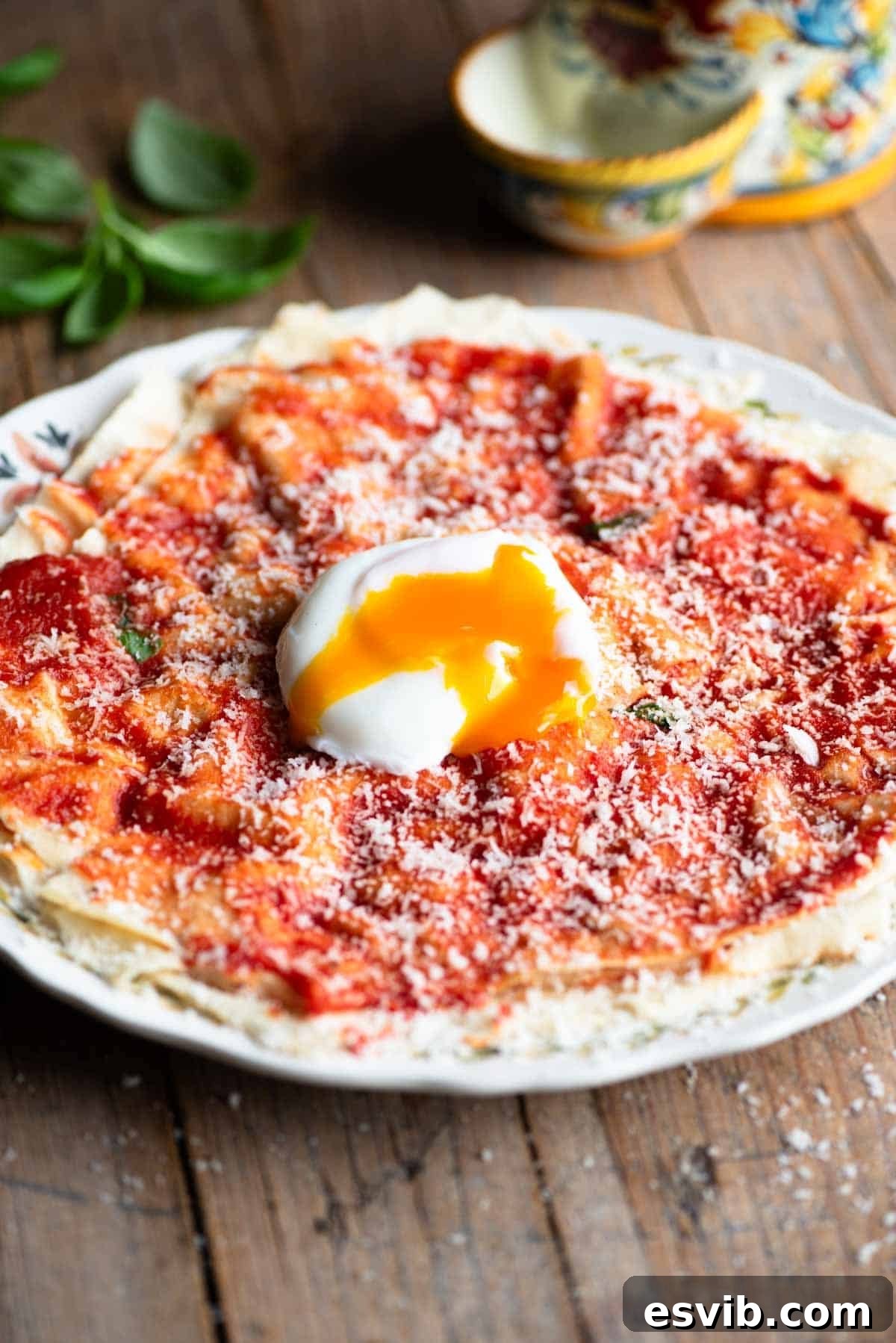
Pane Frattau: An Authentic Sardinian Culinary Jewel
Pane Frattau is not just a dish; it’s an experience, a humble yet extraordinary culinary tradition hailing from the sun-drenched island of Sardinia. This delightful creation layers thin, crispy sheets of traditional Sardinian bread, known as Pane Carasau, which are delicately softened in warm stock. These softened layers are then generously spread with a simple yet flavorful tomato sauce, sprinkled with a generous hand of Pecorino cheese, and crowned with a perfectly poached egg. The result is a symphony of textures and tastes – a dish so unbelievably delicious and comforting, it’s perfect for a hearty breakfast, a leisurely brunch, or truly, any moment you crave something special.
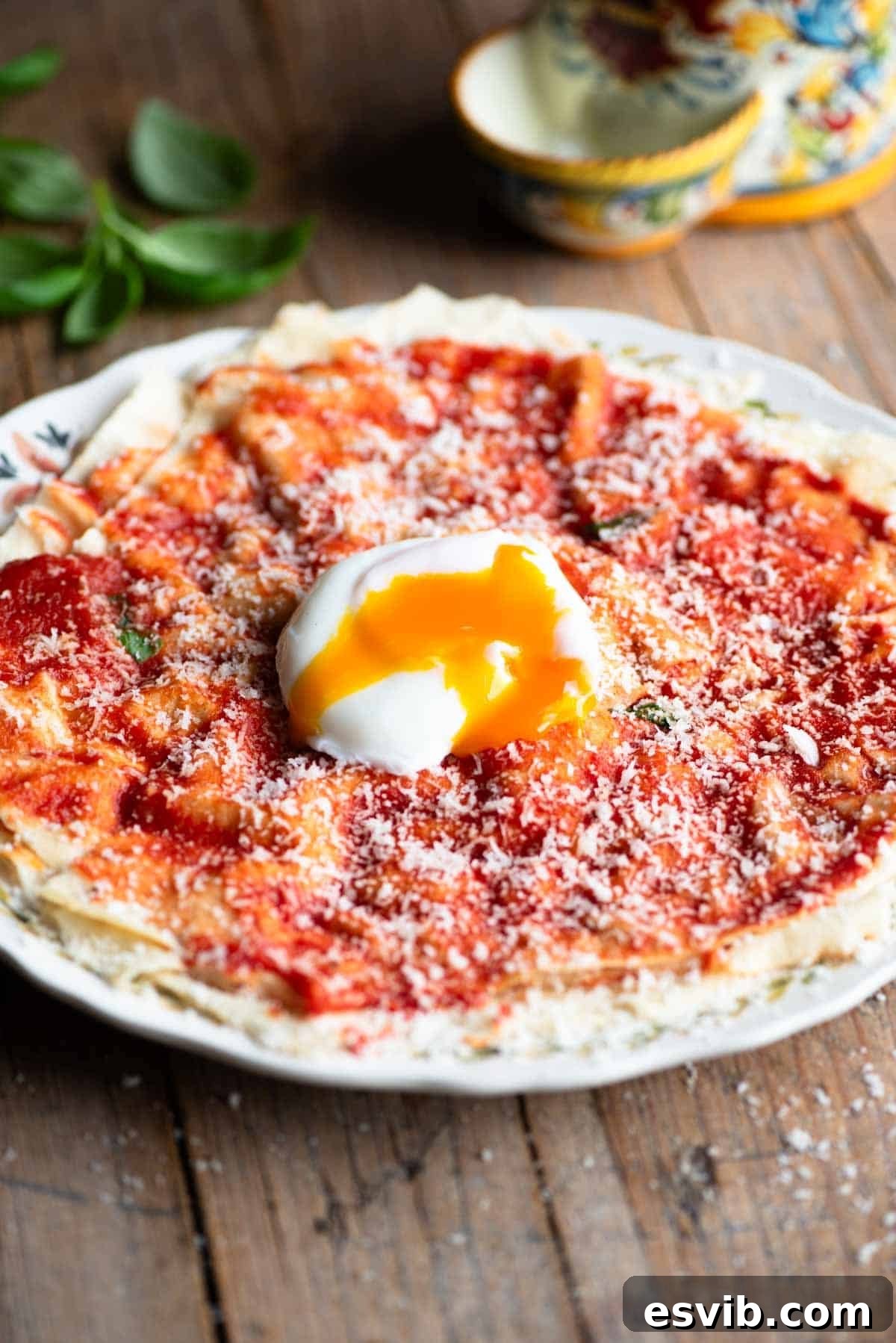
This traditional Sardinian recipe captures the essence of island cooking: simple ingredients elevated to gastronomic heights through time-honored techniques. The beauty of Pane Frattau lies in its deceptive simplicity. With just a few core components, you can create a dish that transports your palate straight to the heart of Sardinia.
The Magic of Pane Carasau: Sardinia’s “Music Paper” Bread
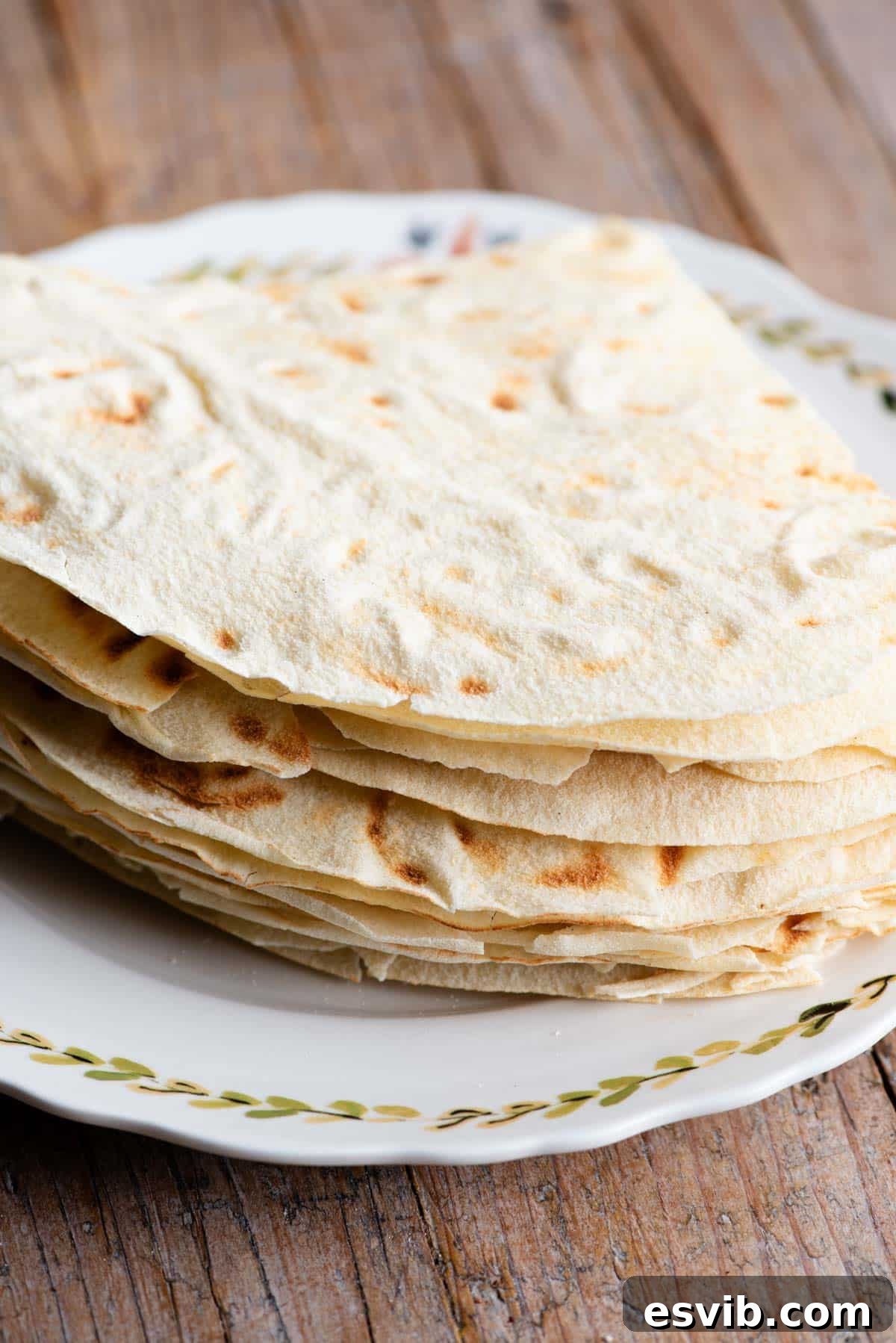
Central to Pane Frattau is the iconic Pane Carasau, also affectionately known as “Carta di Musica” or “music paper bread.” This name perfectly describes its defining characteristic: incredibly thin, almost translucent sheets that become wonderfully crispy when baked. Historically, Pane Carasau was the staple bread for Sardinian shepherds, designed to last for weeks or even months without spoiling, making it ideal for their long journeys. Its long shelf life and unique texture make it an indispensable ingredient in many Sardinian dishes, but none showcase its versatility quite like Pane Frattau.
You can typically find Pane Carasau in specialty Italian food stores or readily available online. Its preparation for Pane Frattau involves a brief dip in warm stock, a crucial step that rehydrates the bread just enough to make it pliable and slightly chewy, without losing its inherent character. This transformation from crunchy cracker to tender base is what gives the dish its unique foundation.
A Culinary Journey to Sardinia
Sardinia, with its rugged landscapes and pristine coastline, boasts a rich culinary heritage deeply rooted in its pastoral traditions. Sardinian cuisine emphasizes fresh, seasonal, and locally sourced ingredients, reflecting the island’s strong connection to its land and sea. Pane Frattau embodies this philosophy perfectly. It’s a dish that tells a story of ingenuity and resourcefulness, transforming humble staples into a dish that is both nourishing and profoundly satisfying. The layers symbolize the island’s historical agricultural practices, while the vibrant colors and bold flavors are a testament to its Mediterranean spirit.
Why Pane Frattau Should Be Your Next Culinary Adventure
If you’re looking for a dish that offers a unique blend of comfort, tradition, and incredible flavor, Pane Frattau is an absolute must-try. Its appeal extends beyond its delicious taste; it’s a relatively easy recipe to master, making it accessible even for novice cooks. The simple preparation allows the quality of each ingredient to shine through. The interplay of the savory stock-soaked bread, the tangy sweetness of the tomato sauce, the sharp, salty kick of Pecorino, and the creamy richness of a perfectly poached egg creates a harmonious balance that is truly unforgettable.
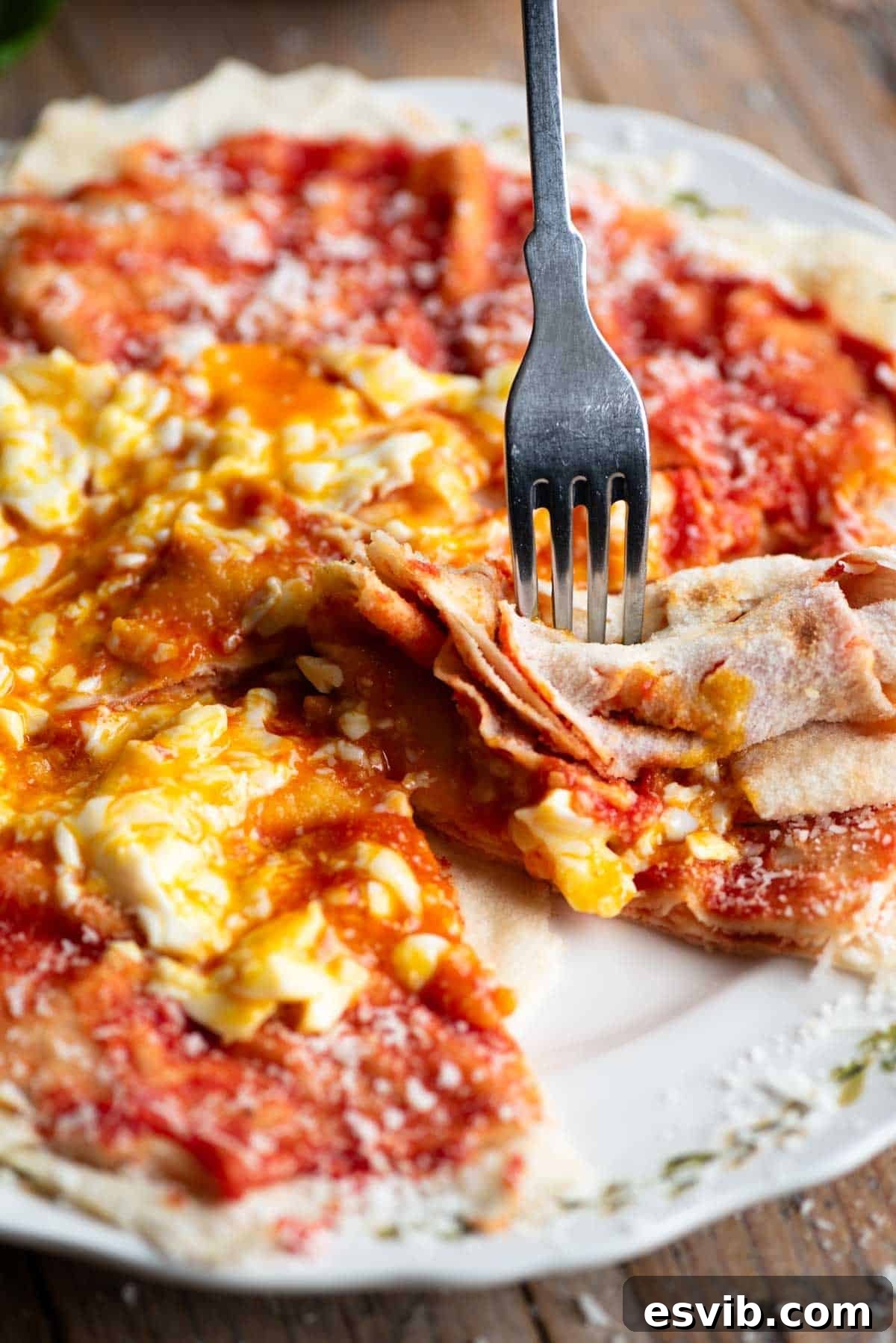
Imagine breaking into that soft poached egg, watching the golden yolk cascade down over the warm layers of bread and cheese – it’s a moment of pure culinary bliss. This dish isn’t just food; it’s an experience, a taste of Sardinian hospitality that you can recreate in your own kitchen.
Table of Contents
- Ingredients You’ll Need
- Ingredient Notes and Substitutions
- Visual Walk-through of the Recipe
- Tips for Perfect Poached Eggs
- Creative Variations
- Full Recipe Card
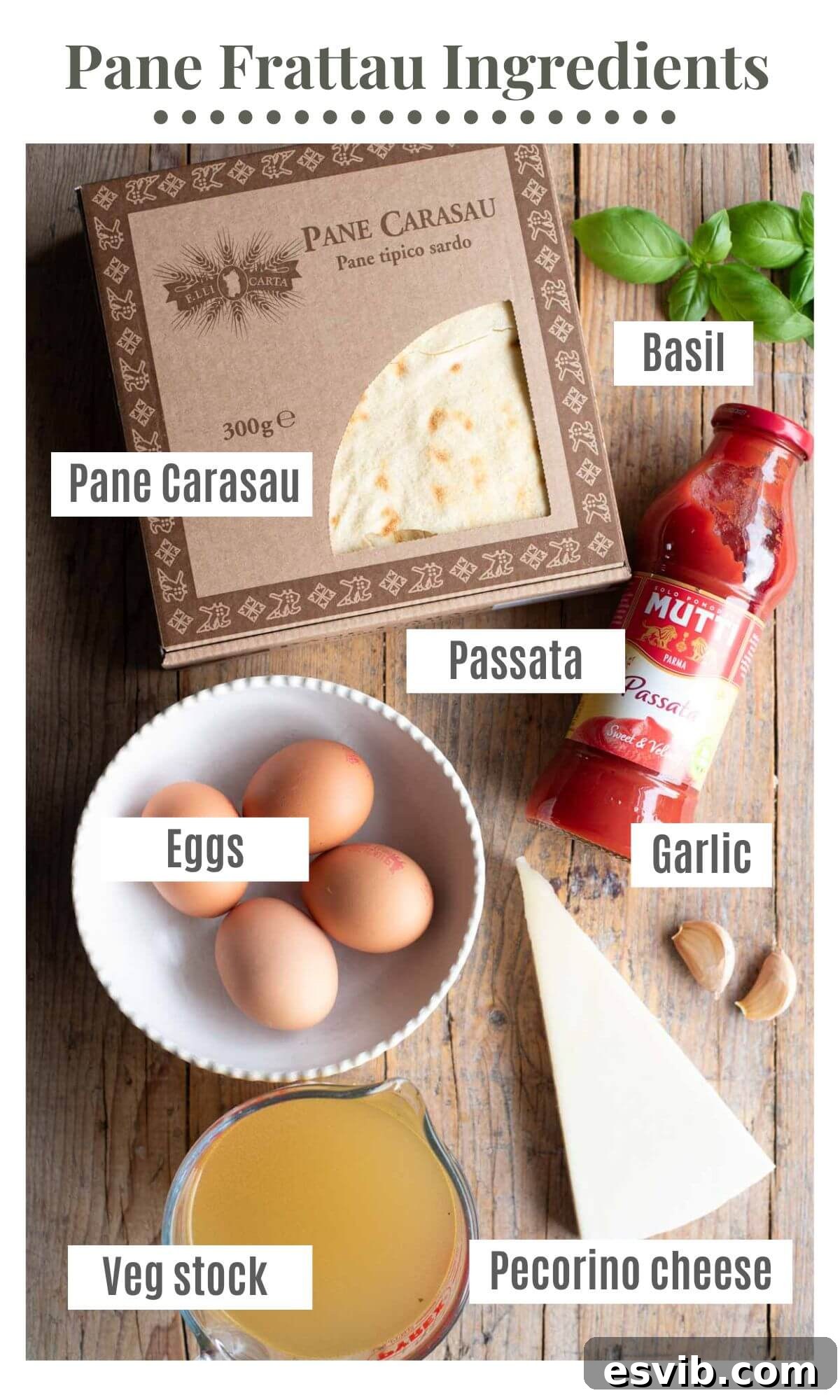
Ingredients You’ll Need
Ingredient Notes and Substitutions
- Pane Carasau: This is the star of the show. As mentioned, look for it online or in well-stocked Italian delis. If unavailable, while not traditional, a very thin, unleavened cracker-bread could be an experimental substitute, though it won’t replicate the exact texture.
- Stock: Traditionally, a rich sheep or goat stock would be used, reflecting Sardinia’s pastoral roots. However, high-quality vegetable or chicken stock works beautifully and is more readily available. We used vegetable stock for this recipe. Choose a low-sodium option to control the overall saltiness of the dish.
- Pecorino Cheese: Pecorino Sardo, from Sardinia itself, is the authentic choice, offering a distinct, slightly sweeter, and less salty flavor than its Roman counterpart. If Pecorino Sardo is hard to find, Pecorino Romano (pictured above) is an excellent and widely available alternative, known for its sharp, salty, and pungent profile. Freshly grated is always best for maximum flavor and melt.
- Passata (Tomato Purée): A cornerstone of Italian cooking, passata is strained, uncooked tomato purée. It provides a smooth, vibrant tomato base. We highly recommend using a good quality brand like Mutti or Cirio for the best flavor, as the sauce is quite simple and relies on the quality of the tomatoes. In the US, this is often labeled as tomato purée or strained tomatoes.
- Eggs: The fresher the eggs, the better your poached eggs will turn out. Fresh eggs have a thicker white that holds together well during poaching, resulting in a neat, compact egg. Older eggs tend to spread more in the water. Bringing them to room temperature before poaching can also help them cook more evenly.
- Garlic: Whole, peeled cloves are used to infuse the sauce with a subtle aromatic flavor without overpowering the tomatoes. They are removed before serving.
- Fresh Basil: Adds a burst of fresh, aromatic notes to the tomato sauce. Always use fresh basil for the best results.
- Olive Oil: A good quality extra virgin olive oil is essential for sautéing the garlic and adding richness to the sauce.
- Salt: To season the sauce and the poached eggs.
Visual Walk-through of the Recipe
Step 1: Make the Simple Tomato Sauce
- Start by adding a generous drizzle of olive oil to a medium pan over low to medium heat. Add two whole, peeled garlic cloves. Gently sauté the garlic for just a few seconds until it becomes fragrant, being careful not to let it brown, which can make it bitter.
- Pour in the passata (tomato purée) and add a pinch of salt. Stir well to combine.
- Bring the sauce to a gentle simmer and let it cook for 15-20 minutes, or until it has reduced slightly and thickened to your desired consistency. The slow simmer allows the flavors to meld beautifully.
- About 5 minutes before the sauce is ready, tear fresh basil leaves and stir them in. This ensures their vibrant flavor is retained. Taste the sauce for seasoning and adjust with more salt if needed. Remove the whole garlic cloves before proceeding.
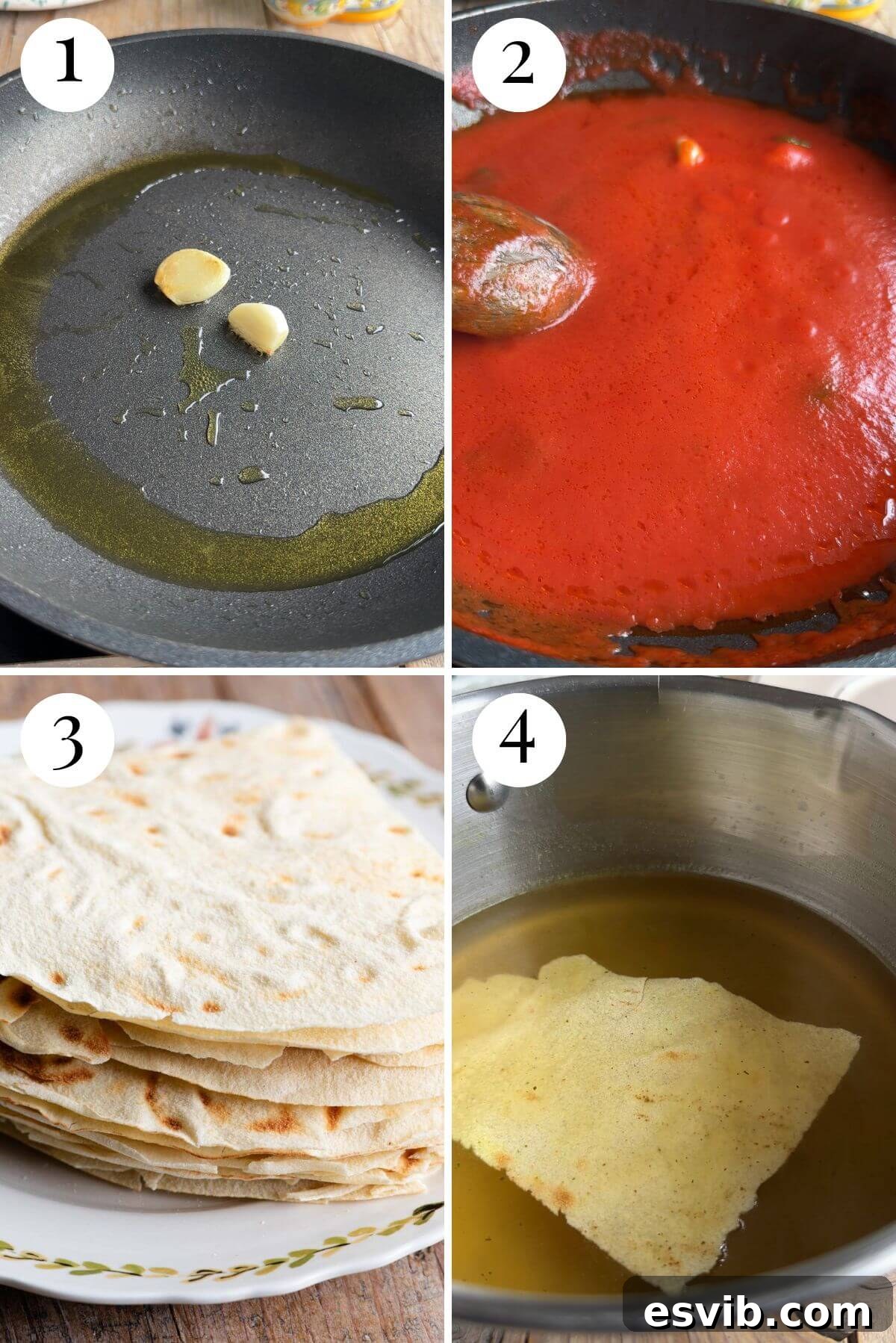
Step 2: Assemble the Pane Frattau Layers
- While the sauce simmers, heat your stock in a separate pot. Keep it warm but not boiling.
- One at a time, gently dunk a piece of Pane Carasau into the warm stock. The bread is delicate, so a quick dip (just a second or two) is usually enough to soften it without making it soggy. You might need to break the larger sheets of bread to fit them into your pot or serving plate.
- Carefully lay the softened bread onto your serving plate. Continue with another 2 or 3 pieces, overlapping slightly if necessary, to create one even layer that covers the base of your plate.
- Spread 1-2 tablespoons of the prepared tomato sauce evenly over this layer of bread.
- Generously grate some Pecorino cheese over the tomato sauce.
- Repeat this layering process twice more, building two additional layers of bread, sauce, and cheese, so you have three delicious layers in total.
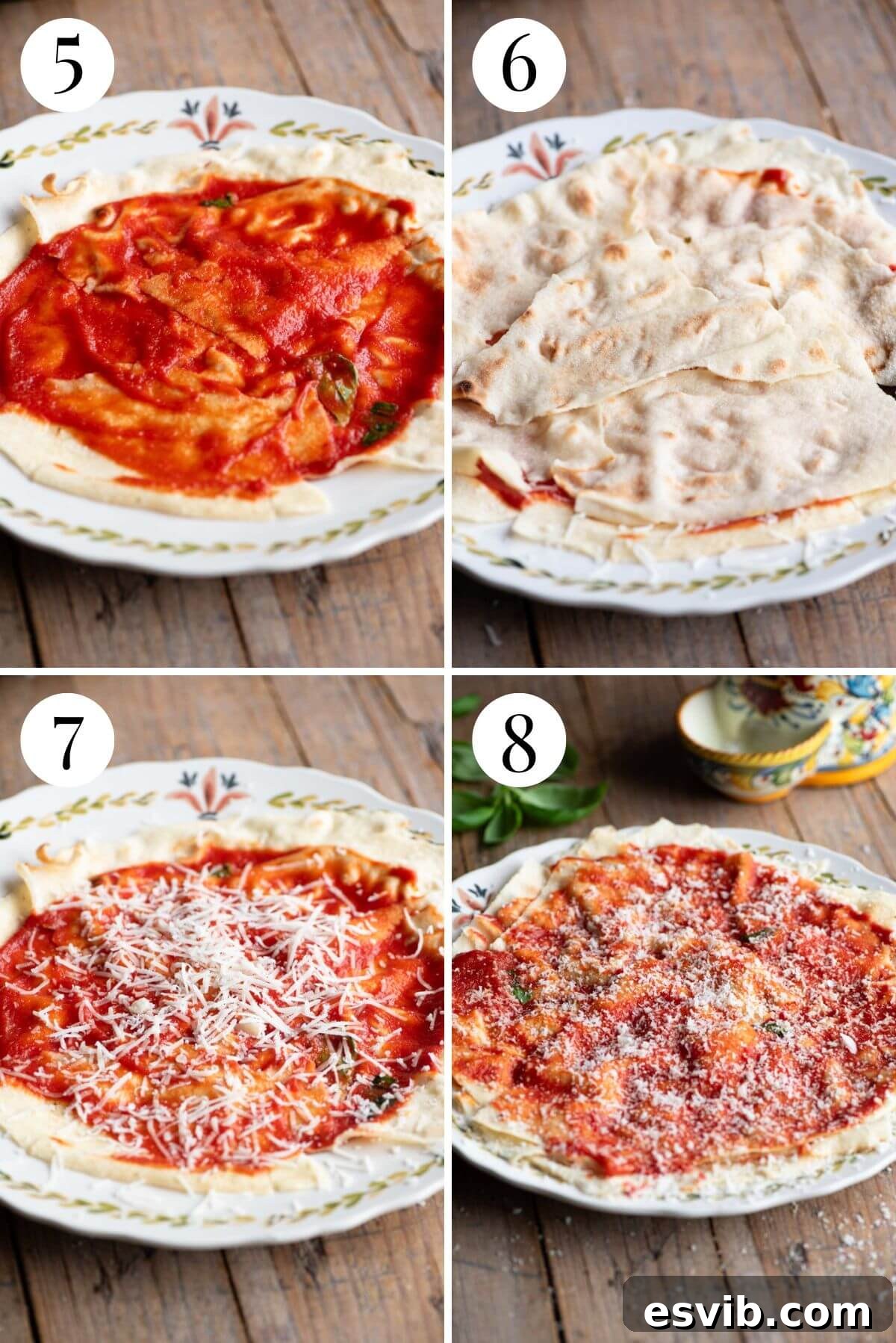
Step 3: Poach Your Eggs
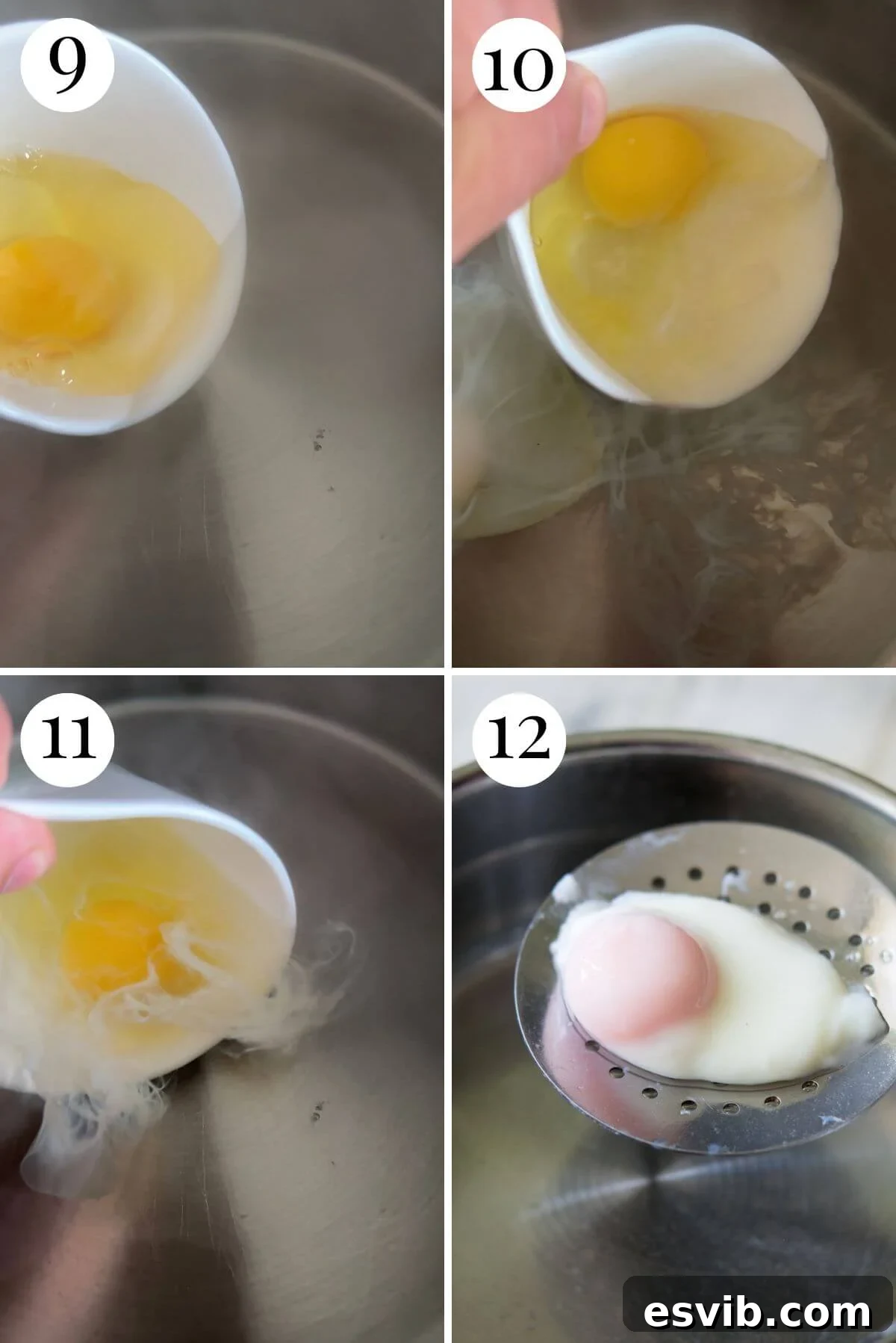
- Bring a large pot of water to a rolling boil. While the water heats, crack each egg individually into its own small ramekin or bowl. This makes it easier to gently transfer them to the poaching water.
- Once the water is at a rolling boil, turn the heat off completely. This is a key technique for perfectly poached eggs, as it prevents the whites from dispersing.
- Gently submerge the rim of one ramekin into the hot water, then carefully tip the egg into the water. Repeat with the second egg. It’s helpful to note which egg went in first so you can remove them in order.
- Allow the eggs to poach in the hot water for 4-5 minutes. The exact time depends on your preferred yolk consistency (4 minutes for a very runny yolk, 5 minutes for slightly firmer).
- Using a slotted spoon, carefully remove the first poached egg from the water. Gently dab the bottom of the spoon on a piece of kitchen paper to remove any excess water.
- Place the perfectly poached egg directly onto the center of your layered Pane Frattau.
- Repeat the poaching process for the second egg, if making two servings. Sprinkle each egg with a small pinch of salt just before serving.
- Traditionally, the poached egg is gently burst with a fork, allowing the creamy yolk to spread over the warm layers of bread, sauce, and cheese before you begin to cut and eat. Enjoy this truly incredible Sardinian dish!
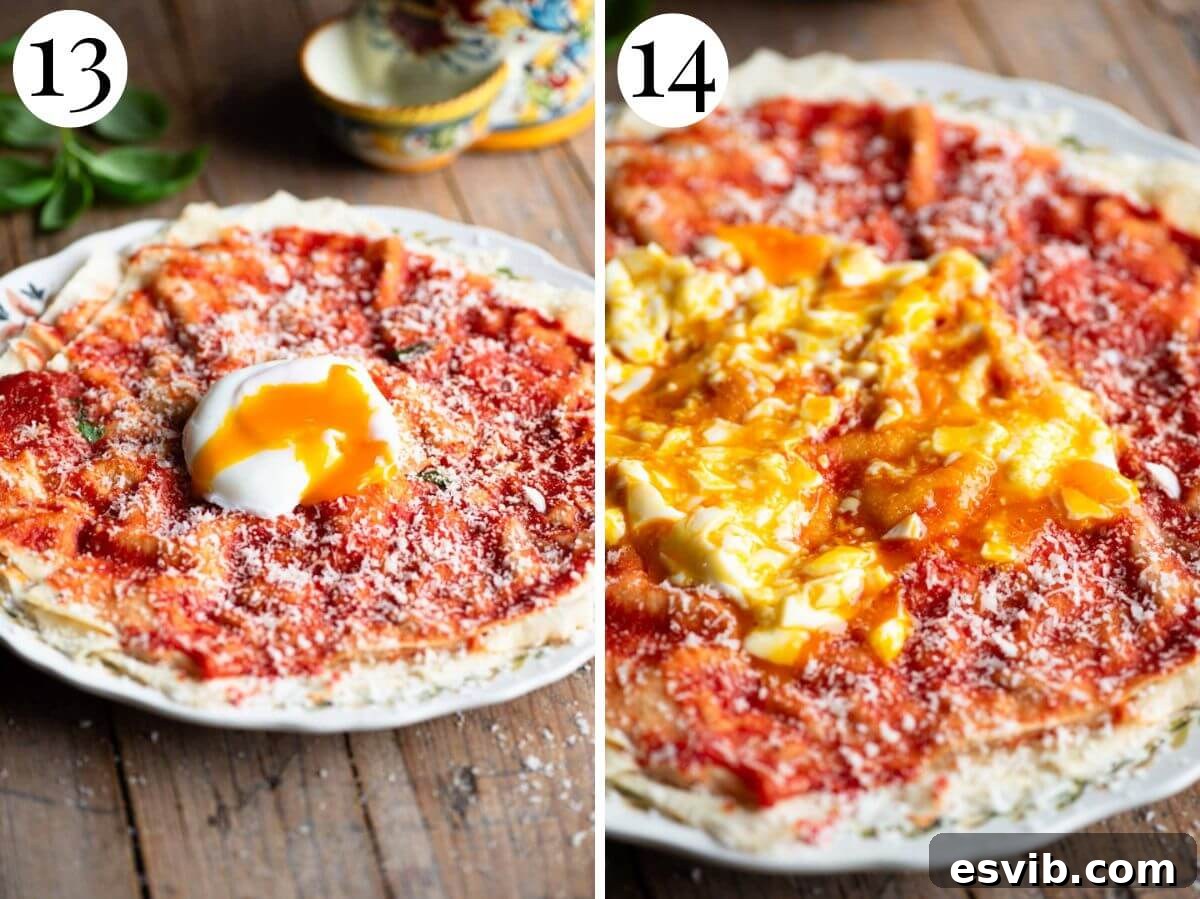
Tips for Perfect Poached Eggs
Poaching eggs can seem daunting, but with these simple tips, you’ll achieve perfect results every time, ensuring your Pane Frattau is topped with that luscious, runny yolk it deserves:
- Fresh Eggs at Room Temperature: This is arguably the most critical tip. Very fresh eggs have firm whites that hold their shape beautifully in the water. Older eggs tend to spread out, creating wispy whites. Bringing eggs to room temperature helps them cook more evenly and prevents the cold from lowering the water temperature too quickly.
- Boil, Then Turn Off Heat: Instead of poaching in simmering water, bring a large pot of water to a full, rolling boil, then immediately turn off the heat. This technique creates still, hot water that gently cooks the eggs without disturbing their shape. No need for swirling the water or adding vinegar – just pure, simple poaching.
- Use Ramekins for Transfer: Crack each egg into an individual ramekin or small bowl. This allows you to gently lower the ramekin to the water’s surface and delicately slide the egg into the hot water, minimizing splashing and ensuring the egg enters the water as a compact unit.
- A Slotted Spoon is Your Best Friend: To remove the delicate poached eggs, a slotted spoon (as shown in photo 12 in the visual guide) is indispensable. It allows the water to drain away without damaging the egg.
- Gentle Dab with Kitchen Paper: After removing the poached egg, you can gently dab it with a piece of kitchen paper to remove any excess water. This prevents diluting your Pane Frattau with water droplets. You can also wipe the bottom of your slotted spoon before transferring.
- Prepping in Advance: If you’re cooking for a crowd or want to save time, you can poach eggs in advance. Immediately after poaching, transfer them to a bowl of ice-cold water to stop the cooking process. When ready to serve, gently reheat them by placing them in hot (not boiling) water for about one minute.
Creative Variations for Your Pane Frattau
While the traditional Pane Frattau is perfect as is, it’s a versatile dish that can be adapted to suit different tastes and dietary preferences. Here are some ideas to inspire your culinary creativity:
- Double the Recipe: This recipe makes two generous servings, ideal for a cozy meal. However, it can easily be doubled or even tripled to cater to 4-6 guests or a larger family gathering. Simply ensure you have enough Pane Carasau, sauce, and cheese to build the additional layers.
- Embrace the Heat (Spicy Kick): For those who appreciate a bit of spice, infuse your tomato sauce with some heat. You can add a pinch of red pepper flakes (peperoncino) during the sautéing of the garlic, or incorporate fresh, finely chopped chillies. For an even more intense, smoky, and spicy flavor, consider adding a small amount of ‘Nduja salami, a spreadable Calabrian pork sausage, to the simmering tomato sauce.
- Aromatic Onion Infusion: Some traditional Pane Frattau recipes begin by sautéing finely chopped white onion until soft and translucent before adding the passata. This adds an extra layer of sweetness and depth to the tomato sauce, creating a richer flavor profile. Caramelizing the onion slightly can also add a complex sweetness.
- Herbacious Twist: While basil is traditional, experiment with other fresh herbs. A touch of oregano or a sprig of thyme could complement the tomato sauce beautifully.
- Vegetarian/Vegan Adaptations: For a vegetarian version, simply stick to vegetable stock. To make it fully vegan, use a high-quality plant-based Pecorino alternative and a plant-based egg substitute for poaching, if desired, or omit the egg altogether and perhaps add some sautéed mushrooms or spinach for extra texture.
- Added Protein (Non-Traditional): For a heartier meal, you could sparingly add other toppings between the layers. Crispy pancetta or crumbled, cooked Italian sausage could be integrated for a more robust, non-traditional version.
More Recipes You Might Like
Breakfast
Sauteed Tomato Breakfast Crostini With Poached Eggs
Bread & Savory Bakes
La Piadina: Italian Flatbread
Antipasti
Italian Farinata Chickpea Flatbread (La Cecina Toscana)
Bread & Savory Bakes
Brustengo (Umbrian Flatbread)
If you’ve tried this Pane Frattau recipe or any other recipe on the blog, please don’t forget to leave a comment below and let me know how it turned out! I truly love hearing from you. You can also follow us on Facebook, Instagram, and Pinterest for more delicious food ideas.
Pane Frattau (Sardinian Bread with Tomato and Poached Egg)
A traditional Sardinian dish featuring layers of crispy bread softened in stock, simple tomato sauce, Pecorino cheese, and a perfect poached egg.
- Prep Time: 10 mins
- Cook Time: 25 mins
- Total Time: 35 mins
- Servings: 2 servings
- By: Emily
Ingredients
- 6.5 oz (180g) Pane Carasau (about 90g/3oz per person)
- 1.5 cups (400g) passata (tomato puree US)
- 2 whole garlic cloves, peeled
- 1 small handful fresh basil, torn
- 2 cups (500ml) vegetable stock
- 2 large eggs, at room temperature
- Pecorino Sardo or Pecorino Romano, for grating
- Salt, to taste
- Olive oil, for cooking
Instructions
Make the Sauce
- Add a drizzle of olive oil to a pan and add the 2 whole, peeled garlic cloves. Sauté the garlic for a few seconds until fragrant, then add the passata (tomato puree) and a pinch of salt.
- Simmer the tomato sauce for 15-20 minutes until reduced slightly. Stir in the fresh torn basil leaves 5 minutes before the end of cooking. Taste for seasoning and add more salt if needed. Remove the garlic cloves.
Assemble the Pane Frattau
- Heat the stock in a separate pot and keep it warm.
- Gently dunk a piece of Pane Carasau into the warm stock (you may need to break it to fit). Lay it on a serving plate. Repeat with another 2 or 3 pieces to create one even layer.
- Spread 1-2 tablespoons of the prepared tomato sauce over the bread layer and grate some Pecorino cheese on top.
- Continue this process two more times, building a total of 3 layers of bread, sauce, and cheese.
Poach Your Eggs
- Bring a large pot of water to a rolling boil. Crack each egg into a separate ramekin or small bowl.
- Once the water is boiling, turn off the heat completely. Gently lower the ramekins, one at a time, to the water’s edge and pour the eggs into the hot water. Try to remember which egg was dropped in first.
- Let the eggs poach in the water for 4-5 minutes (for runny to medium yolks).
- Carefully remove the first egg with a slotted spoon, draining any excess water. Place the egg in the middle of the Pane Frattau.
- Repeat with the second egg. Sprinkle each poached egg with a small pinch of salt and serve immediately.
- Traditionally, gently burst the egg yolk and spread it over the layers before cutting into the Pane Frattau and eating. Enjoy!
Notes
- Eggs: For the best results with poached eggs, use the freshest eggs possible and ensure they are at room temperature.
- Poaching Eggs in Advance: If preparing eggs ahead, transfer poached eggs immediately to a bowl of ice-cold water to halt cooking. To serve, warm them by submerging in hot (not boiling) water for about 1 minute.
- Double the Recipe: This recipe yields 2 generous servings. Easily scale up by doubling ingredients to serve 4-6 people.
- Add Onion: For a deeper flavor, sauté finely chopped white onion until soft before adding the tomato passata.
- Make it Spicy: Introduce a spicy kick by adding red pepper flakes or finely chopped fresh chilies to the tomato sauce. A small amount of ‘Nduja salami can also be added for a smoky, spicy depth.
Helpful Info for All Recipes
- I always use extra virgin olive oil in all of my recipes unless stated otherwise.
- When I use canned or jarred tomatoes of any kind, I always use Cirio or Mutti brands for the best results and flavor.
- All vegetables are medium-sized unless stated otherwise.
- All recipes are tested and developed using a fan (convection) oven.
- Find out more about how nutrition is calculated.
- Check out our must-have Italian Pantry Staples.
- You can also find all our Essential Kitchen Tools for Italian Cooking.
Nutrition Information (Approximate per serving)
Calories: 471 kcal | Carbohydrates: 20g | Protein: 9g | Fat: 5g | Saturated Fat: 1g | Polyunsaturated Fat: 1g | Monounsaturated Fat: 2g | Trans Fat: 0.01g | Cholesterol: 164mg | Sodium: 1059mg | Potassium: 852mg | Fiber: 3g | Sugar: 11g | Vitamin A: 1657IU | Vitamin C: 20mg | Calcium: 62mg | Iron: 4mg
Nutrition information is automatically calculated, so should only be used as an approximation.