
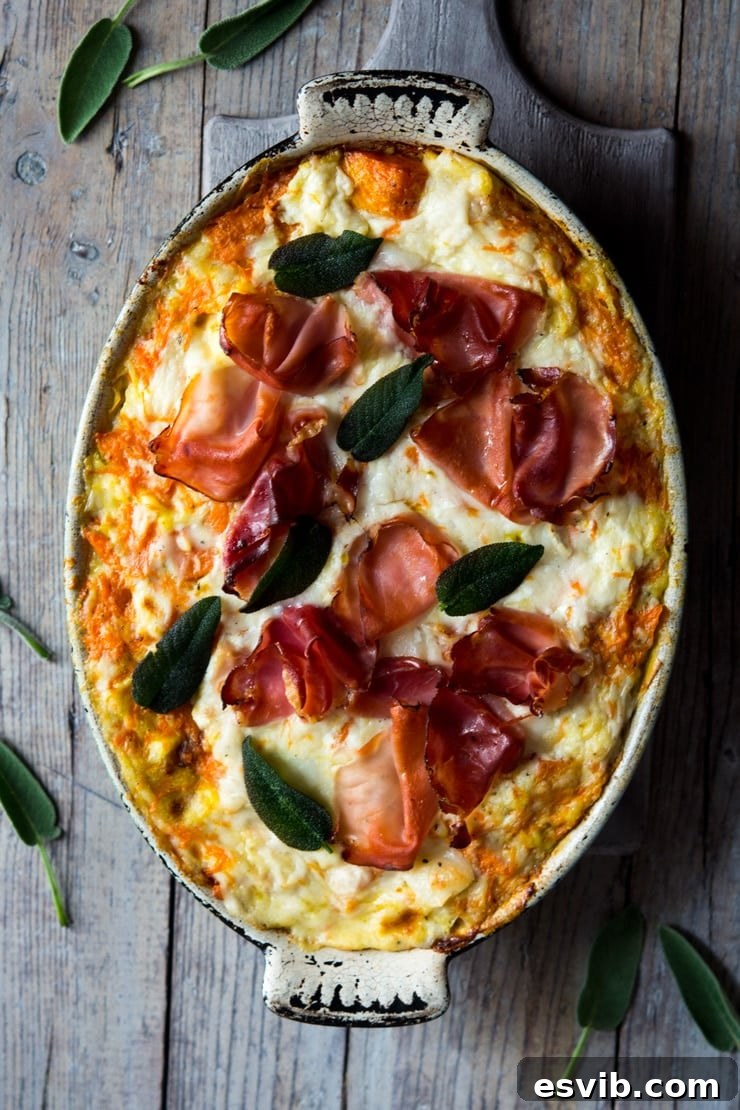
Ultimate Butternut Squash Lasagna: A Winter Comfort Food Masterpiece
Prepare to fall in love with what might just become your new favorite winter indulgence: a truly exceptional butternut squash lasagna. This isn’t just any lasagna; it’s a gourmet experience crafted with layers of sweet roasted butternut squash, savory prosciutto, creamy ricotta, tangy goat cheese, and aromatic crispy sage leaves. It’s the quintessential comfort food, designed to warm you from the inside out and make any evening feel special. While undeniably rich, every forkful is an explosion of flavor that will leave you craving more, making it perfect for cozy gatherings or a luxurious treat.
Forget the notion of “healthy January” for a moment and embrace the joy of a truly decadent meal. After all, life is about balance, and some dishes are simply too delicious to pass up. This butternut squash lasagna is a prime example, a culinary masterpiece that promises warmth and satisfaction, proving that comfort food can be both elegant and deeply fulfilling.
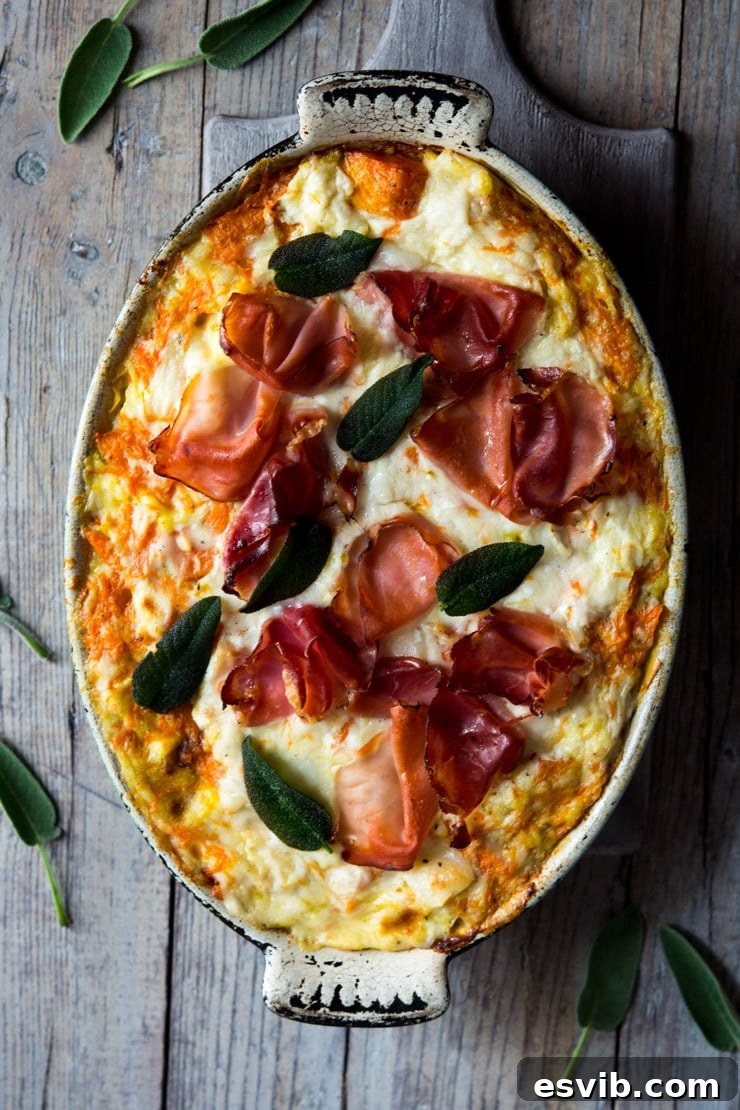
Why This Butternut Squash Lasagna Will Be Your New Favorite
Lasagna holds a special place in the hearts of comfort food enthusiasts worldwide, and for good reason. Whether it’s a classic meat ragu, a hearty vegetarian lentil version, or this vibrant butternut squash rendition, the allure lies in the harmonious layering of fresh pasta, rich sauces, and flavorful fillings. There’s an irresistible magic to a bubbling lasagna emerging from the oven, promising warmth and deliciousness. This recipe, in particular, has been a favorite all winter long, a truly delightful escape into culinary bliss.
This particular white lasagna recipe offers a refreshing departure from traditional tomato-based dishes, presenting a sophisticated flavor profile perfect for cooler months. The inherent sweetness of the roasted squash perfectly complements the savory depth of prosciutto, the creamy blend of ricotta and goat cheese, and the earthy, aromatic notes of sage. It’s a dish that feels both elegant and deeply comforting, making it ideal for family dinners, holiday gatherings, or simply treating yourself to something truly extraordinary. While everyone else might be sipping smoothies and eating salads, you’ll be indulging in this delightful creation, and trust us, you won’t regret it.

The Symphony of Flavors: Key Ingredients Unveiled
Each component of this butternut squash lasagna plays a crucial role in creating its unforgettable taste and texture, meticulously chosen to build a complex yet balanced flavor profile:
- Roasted Butternut Squash: The undisputed star, roasting the butternut squash isn’t just about cooking it; it’s about transforming it. The high heat caramelizes its natural sugars, intensifying its inherent sweetness and giving it a wonderfully tender, almost melt-in-your-mouth texture. This adds a beautiful golden hue and a healthy, earthy foundation to the dish.
- Prosciutto: Thin slices of this delicate Italian cured ham introduce a delightful saltiness and a subtle, meaty depth that beautifully contrasts with the creamy fillings. Its presence elevates the lasagna, adding a sophisticated savory dimension. For another delightful prosciutto pairing, consider trying this prosciutto chicken involtini with spinach and ricotta.
- Goat Cheese: The inclusion of crumbly goat cheese is a stroke of genius. Its distinctive tangy kick cuts through the richness of the other ingredients, adding a layer of sophisticated flavor and a slight sharpness that keeps the dish from being overly heavy.
- Ricotta Cheese: Ricotta contributes a lovely creaminess and lightness to the filling. It acts as a binder, ensuring the layers are incredibly smooth, moist, and cohesive, distributing flavor evenly throughout.
- Crispy Sage Leaves: Fried until golden and crisp, fresh sage leaves provide an aromatic garnish and a textural counterpoint that elevates the dish from delicious to truly extraordinary. The herbaceous notes of sage are a classic and indispensable pairing with squash and creamy dishes.
- Creamy Béchamel Sauce: This classic white sauce forms the luxurious foundation of the lasagna. Made with butter, flour, and milk, then enhanced with Parmesan cheese, it offers a velvety texture and a subtle nutty flavor. It’s the key element that defines this as a “white lasagna” and contributes significantly to its rich, comforting character.
Crafting Your Lasagna: Fresh Pasta or Store-Bought?
One of the most frequent questions when making lasagna revolves around the pasta: should you make your own or opt for store-bought sheets? Both approaches have their merits, and your choice often depends on the time you have available and your culinary preferences, but rest assured, a fantastic lasagna can be made either way.
Let’s be clear: there is absolutely nothing wrong with using high-quality, fresh store-bought lasagna sheets. They are a fantastic shortcut that significantly reduces preparation time without compromising too much on taste. In fact, for many busy home cooks, they are the preferred option for a quick yet delicious weeknight meal. These sheets are readily available and often produce excellent results, making lasagna accessible even on a tight schedule.
However, if you have an extra half hour and genuinely enjoy the process of making pasta, then homemade fresh pasta truly elevates this dish to another level. There’s an undeniable difference in the delicate, tender texture and nuanced flavor that freshly made pasta brings to the table. The effort involved in kneading and rolling the dough is genuinely rewarded with a more delicate bite and an overall more authentic, gourmet experience. Making pasta can also be a fun, therapeutic activity, transforming the cooking process into a delightful culinary adventure. If you choose this route, you’ll find the specific ingredients and detailed steps included in the recipe card below, promising a truly memorable lasagna.
The Art of Layering: Building a Perfect Lasagna
Achieving a perfectly structured and flavorful lasagna hinges on mastering the art of layering. A common pitfall for aspiring lasagna makers is under-layering, which can result in a soggy, collapsed dish lacking the satisfying interplay of textures and flavors that makes lasagna so beloved. For a truly robust and delightful lasagna, one that holds its shape beautifully when served, aim for approximately 6-7 layers of pasta.
When spreading your fillings, don’t feel the need to overload each individual layer with an excessive amount. The goal is a harmonious balance between the pasta and the rich, creamy ingredients. A thin, even spread of filling across each pasta sheet is far more effective than thick, uneven dollops. This ensures that every bite contains a perfect ratio of pasta to filling, preventing any one element from overpowering another. Crucially, always reserve a generous amount of béchamel sauce for the very top layer. This not only keeps the pasta moist during baking but also helps it develop that beautiful, golden, bubbling crust that is so characteristic of a perfectly cooked lasagna.
How To Make Butternut Squash Lasagna – Step By Step
Creating this butternut squash lasagna is a rewarding experience. Follow these detailed steps for a truly delicious result that will impress everyone at your table:
1. Prepare the Roasted Butternut Squash
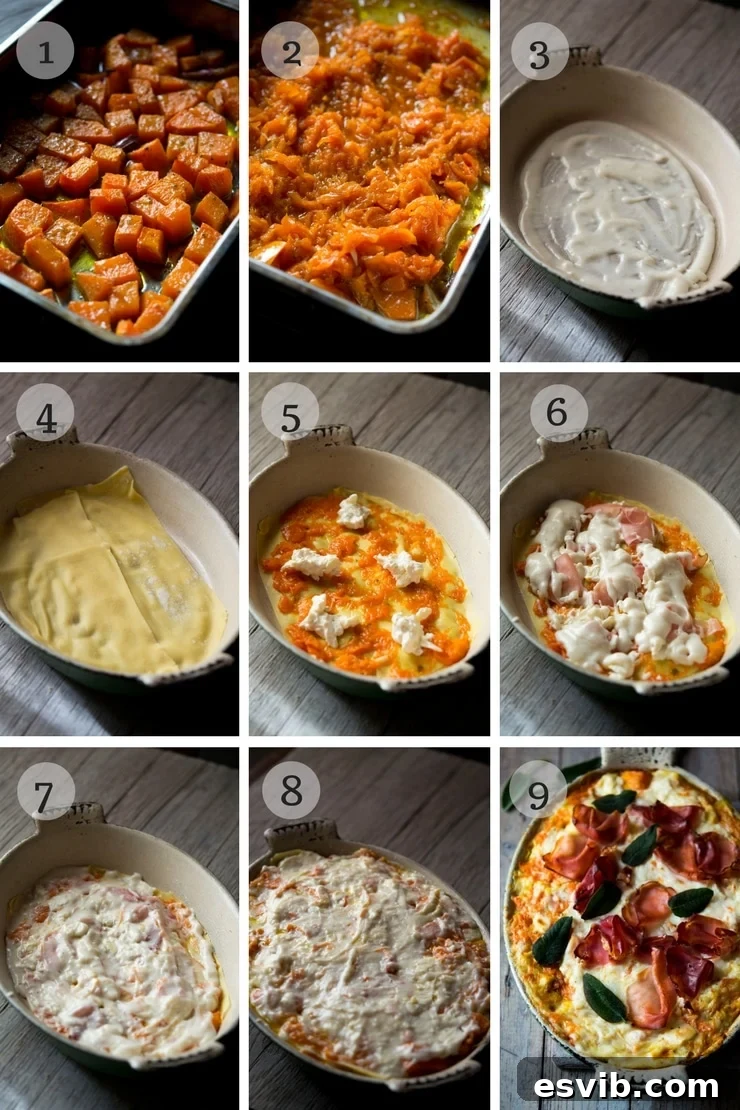
Begin by preheating your oven to 180°C (350F) / Gas Mark 4. Carefully remove the skin from the butternut squash using a sharp knife and chop the flesh into medium-sized chunks. Place the squash on a large baking tray. Add the garlic cloves (with their skins still on) to the tray. Sprinkle generously with 1/2 tablespoon of dried oregano, a good pinch of salt and pepper, and drizzle with 1 tablespoon of olive oil. Toss everything together to coat the squash and garlic evenly. Roast in the preheated oven for 30-35 minutes, or until the squash is perfectly tender and cooked through, and slightly caramelized at the edges.
Once roasted, remove the squash and garlic from the oven and allow them to cool for about 5 minutes. Squeeze the softened, sweet garlic from their skins and add them to the roasted squash. Mash the garlic and squash together with a fork until smooth, or use a potato masher for a slightly chunkier texture. If there’s any excess liquid at the bottom of the tray after roasting, try to drain as much as you can to prevent the lasagna from becoming watery.
2. Prepare the Cheese Mixture
While the squash is cooling, grate your chosen melting cheese – whether it’s Fontal, Fontina, Gruyere, or a good quality sharp Cheddar – into a mixing bowl. Add the ricotta cheese, half of the specified nutmeg (approximately 1/4 teaspoon), and a pinch of salt and pepper. Mix thoroughly until all ingredients are well combined and the mixture is smooth and evenly seasoned. Set this flavorful cheese mixture aside, ready for layering.
3. Make the Creamy Béchamel Sauce
Now, prepare your luscious béchamel sauce, which will bring incredible creaminess and richness to the lasagna. In a medium saucepan over medium heat, melt the butter. Once the butter has completely melted and begins to foam slightly, add the all-purpose flour and stir continuously with a whisk or wooden spoon to form a smooth paste (known as a roux). Cook this roux for about 1 minute, stirring constantly to prevent it from burning or developing a raw flour taste. Gradually add half of the milk while vigorously whisking to avoid any lumps. Continue whisking as the sauce heats and begins to thicken. Then, add the remaining milk and whisk again until the sauce is thick, smooth, and beautifully creamy. Stir in the freshly grated Parmesan cheese, the remaining pinch of nutmeg, and season generously with salt and pepper to taste. Remove from heat once the Parmesan has melted and incorporated smoothly. For a more detailed guide on perfecting béchamel, you can refer to this recipe, which also includes an olive oil variation for a lighter touch.
4. Prepare Your Pasta Sheets (If Homemade)
If you’ve opted for the rewarding experience of homemade pasta, now is the time to roll it out. You’ll want pasta sheets long enough to fit the dimensions of your baking dish. The easiest and most consistent way to achieve thin, even sheets is with a pasta machine. Begin by dividing your prepared pasta dough into three manageable pieces. Set your pasta machine to its widest setting (this is usually designated as ‘0’). Feed one piece of dough through the machine. Once it passes through, fold one end of the pasta dough into the middle, and then fold the other end over that to create a neat “third.” Feed it through the machine again. Repeat this folding and feeding process 2-3 times to create a smooth, pliable sheet. Then, gradually pass the dough through each subsequent setting, narrowing the rollers, until you reach number 7 or 8 on your machine. At this point, the pasta should be thin enough to be slightly translucent but still strong enough to handle. Repeat this entire process for all three pieces of dough.
5. Assemble Your Lasagna Layers
It’s time for the exciting part – layering your lasagna! Begin by spreading a couple of generous spoonfuls of the creamy béchamel sauce evenly across the bottom of an oven-proof baking dish. This crucial base layer prevents the bottom pasta layer from sticking and adds essential moisture right from the start.
Next, lay a sheet of pasta over the béchamel. If using store-bought or homemade sheets, trim them to fit the dish perfectly. Spoon a portion of the mashed butternut squash mixture over the pasta and spread it out evenly from edge to edge. Then, dot spoonfuls of the ricotta cheese mixture over the squash, crumble some of the tangy goat cheese over the top, and carefully tear pieces of the savory prosciutto to distribute over this layer. Finally, drizzle a little more white sauce over these toppings and gently spread it out to cover them.
Repeat these layers – pasta, squash, ricotta mixture, goat cheese, prosciutto, and béchamel – until all your ingredients are used up. You should aim for at least 5 to 6 distinct layers for the best structure and a balanced distribution of flavors and textures. Remember to save a slightly larger portion of béchamel sauce for the very top layer, as this will create that gorgeous golden crust.
Chef’s Tip: For an extra visual appeal and a burst of salty texture, reserve a few slices of prosciutto to add to the very top during the final stages of baking. This ensures it gets beautifully crisp and slightly charred without burning. If you’re doing this, add the prosciutto when you remove the foil for the second bake.
6. Bake to Golden Perfection
Once assembled, cover your lasagna tightly with aluminum foil. Bake in the preheated oven for 20 minutes. After 20 minutes, carefully remove the foil (be cautious of steam) and continue baking for another 10-15 minutes, or until the top is beautifully golden brown, bubbling around the edges, and the cheese is melted and slightly browned. This allows the top layer to crisp up and develop incredible flavor.
Once baked, remove the lasagna from the oven and let it rest for 5-10 minutes on a wire rack. This crucial resting period allows the layers to set properly, making it much easier to slice and serve neat portions without the lasagna falling apart.
7. Garnish and Serve
For the perfect finishing touch, heat 1 tablespoon of olive oil in a small pan over medium heat. Fry the fresh sage leaves for just a few seconds until they become beautifully crispy and fragrant. Remove them from the pan and drain on kitchen paper to absorb any excess oil. Garnish your rested lasagna with these delicate crispy sage leaves (and your reserved prosciutto, if you chose to add it during the second bake). Slice into generous portions, serve immediately, and savor every indulgent bite of this spectacular butternut squash lasagna.
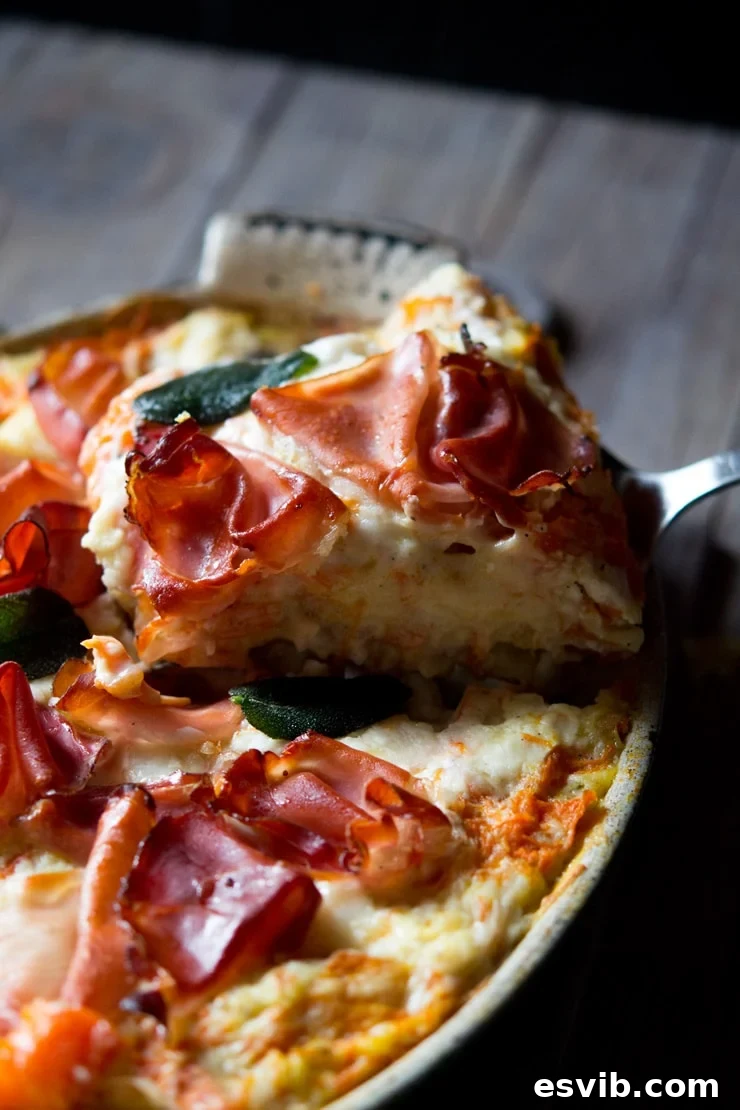
Expert Tips for the Best Butternut Squash Lasagna
To ensure your butternut squash lasagna turns out perfect every time, consider these expert tips:
- Quality Ingredients Matter: This recipe shines because of its distinct, flavorful ingredients. Investing in good quality cheeses, savory prosciutto, and a flavorful extra virgin olive oil will make a noticeable difference in the depth and overall taste of the final dish.
- Don’t Rush the Béchamel: A smooth, lump-free béchamel sauce is fundamental. Whisk constantly when gradually adding the milk to the roux, and ensure it reaches a creamy, velvety consistency before seasoning. Patience here pays off.
- Adjust Seasoning to Taste: Always taste your squash mixture and béchamel sauce before assembling the lasagna. Adjust salt and pepper as needed, but be mindful that the prosciutto will add significant saltiness to the overall dish.
- Make Ahead Option: This lasagna is an excellent candidate for making ahead. You can assemble the entire dish a day in advance, cover it tightly with plastic wrap and then foil, and refrigerate. If baking from chilled, add an extra 10-15 minutes to the initial covered baking time.
- Freezing Instructions: Lasagna freezes wonderfully, making it ideal for meal prep. Assemble the lasagna completely but do not bake it. Cover it tightly with a double layer of foil and then plastic wrap, ensuring it’s airtight, and freeze for up to 3 months. When ready to bake, thaw the lasagna in the refrigerator overnight before baking as directed (you may need to add extra baking time due to its initial cold temperature).
- Serving Suggestions: This rich and satisfying lasagna pairs beautifully with simple accompaniments. A crisp green salad with a light vinaigrette will balance the flavors, or serve it with some crusty Italian bread to soak up any extra creamy sauce.
More Comfort Food Recipes To Explore:
- Parmigiana di Melanzane (Aubergine Parmigiana)
- Broccoli Rabe Ricotta Gnudi With Parmesan Cream
- Pizzoccheri Pasta with Potatoes and Cabbage
- Mozzarella in Carrozza – Fried Mozzarella Sandwiches
- Baked Polenta with Beef and Sausage Ragu
We truly hope you enjoy making and devouring this butternut squash lasagna recipe. If you try it, or any other recipe from our collection, please consider leaving a comment and rating the recipe below. We absolutely love hearing from you and seeing your culinary creations! For more delicious food and kitchen adventures, remember to FOLLOW US on FACEBOOK, TWITTER, INSTAGRAM, and PINTEREST for daily inspiration.
Do you have a specific meal in mind you’d like to see featured? Don’t hesitate to let us know in the comments or send us an email using our contact form. Your suggestions help us bring more amazing recipes to Inside The Rustic Kitchen!
Butternut Squash Lasagna Recipe
This indulgent butternut squash lasagna, featuring roasted squash, savory prosciutto, creamy ricotta, tangy goat cheese, and crispy sage, is a perfect cozy meal for a winter evening. It’s rich, flavorful, and utterly delicious.
Prep Time: 40 mins
Cook Time: 1 hr 10 mins
Total Time: 1 hr 50 mins
Servings: 4-6 people
Ingredients
Main Lasagna Components:
- 2.2 lbs (1 kg) butternut squash
- 5-6 garlic cloves
- 1/2 tbsp dried oregano
- 1 tbsp olive oil (for roasting)
- 5.2 oz (150g) fontal (or other good melting cheese such as fontina, gruyere, or cheddar), grated
- 8.8 oz (250g) good quality ricotta cheese
- 1/2 tsp nutmeg, divided
- Salt and freshly ground black pepper to taste
- 3.5 oz (100g) crumbly goat cheese
- 3.5 oz (100g) prosciutto crudo
- 5-6 fresh sage leaves
- Store-bought fresh lasagna sheets (enough for 6-7 layers) OR homemade pasta (see below for ingredients)
For the Béchamel (White Sauce):
- 1.7 oz (50g) unsalted butter
- 1 heaped tbsp (30g) all-purpose flour
- 2.5 cups (600 ml) full-fat milk
- 1 tbsp freshly grated Parmesan cheese
- Pinch of nutmeg
- Salt and freshly ground black pepper to taste
To Make Fresh Pasta (Optional):
- 1 1/3 cup + 1 tbsp (200g) Italian 00 flour or all-purpose flour
- 2 large eggs
Instructions
- Roast the Squash: Preheat your oven to 180°C (350F) / Gas Mark 4. Peel and roughly chop the butternut squash into medium-sized chunks. Place it on a large baking tray with the garlic cloves (skins still on). Sprinkle with 1/2 tbsp dried oregano, a good pinch of salt and pepper, and drizzle with 1 tbsp olive oil. Roast for 30-35 minutes until the squash is soft and cooked through. Let cool for 5 minutes. Squeeze the softened garlic from its skins, then mash the garlic and squash together with a fork until smooth. If there’s any excess liquid, drain it.
- Prepare Cheese Mixture: Grate the fontal cheese (or your chosen melting cheese) and combine it in a bowl with the ricotta cheese, half of the nutmeg, and a pinch of salt and pepper. Mix thoroughly until all ingredients are well combined. Set aside.
- Make Béchamel Sauce: In a saucepan over medium heat, melt the butter. Add the flour and stir continuously to form a smooth paste (roux). Cook for 1 minute, stirring constantly to prevent burning. Gradually whisk in half of the milk until lump-free and the sauce begins to thicken. Add the remaining milk and whisk again until the sauce is thick and creamy. Stir in the freshly grated Parmesan cheese, the remaining pinch of nutmeg, and season with salt and pepper to taste. Remove from heat once the Parmesan has melted.
- Make Fresh Pasta (If using homemade): If making pasta from scratch, combine the flour on a clean work surface and make a well in the center. Crack the eggs into the well and whisk with a fork, slowly incorporating the flour. Once the dough comes together, knead it with your hands for 8-10 minutes until it’s very smooth. Cut the dough in half; if there are tiny air bubbles inside, it’s ready. Wrap the pasta dough in cling film and set aside. To roll out with a pasta machine: cut the dough into 3 pieces. Set the dial to the widest point (usually 0). Feed one piece through, fold one end to the middle, the other end over it, and feed through again. Repeat 2-3 times. Then, feed the dough through each number of the machine until you reach number 7 or 8 (the dough should be thin). Repeat with all 3 pieces of dough.
- Assemble Lasagna: Spread a couple of spoonfuls of the prepared béchamel (white sauce) evenly on the bottom of an oven-proof baking dish. Lay a layer of pasta over the sauce (cut to size if needed). Spoon a portion of the mashed butternut squash mixture over the pasta and spread it out evenly. Dot with spoonfuls of the ricotta cheese mixture, crumble some goat cheese, and tear pieces of prosciutto over this layer. Finally, drizzle with more white sauce and gently spread it over the toppings. Repeat these layers until all ingredients are used, aiming for at least 5 to 6 layers. Ensure you save a slightly larger portion of béchamel sauce for the very top layer.
- Bake: Cover the assembled lasagna tightly with aluminum foil and bake for 20 minutes in the preheated oven. Carefully remove the foil and continue baking for another 10-15 minutes, or until the top is golden brown and bubbling. Remove from the oven and let it rest for 5-10 minutes before slicing.
- Garnish and Serve: In a small pan, heat 1 tbsp of olive oil. Fry the fresh sage leaves for a few seconds until they are crispy. Drain them on kitchen paper. Garnish the rested lasagna with the crispy sage leaves (and any reserved prosciutto, if you chose to add it during the foil-off bake). Slice and serve immediately.
Notes
- For an extra touch, save a few slices of prosciutto to add to the very top when the foil is removed during the second bake. This will make it beautifully crisp and add wonderful texture.
Helpful Info for All Recipes
- We always use extra virgin olive oil in all of our recipes unless stated otherwise.
- When using canned or jarred tomatoes of any kind, we recommend Cirio or Mutti brands for the best results and flavor.
- All vegetables are medium-sized unless stated otherwise.
- All recipes are tested and developed using a fan (convection) oven.
- Find out more about how nutrition is calculated.
- Check out our must-have Italian Pantry Staples.
- You can also find all our Essential Kitchen Tools for Italian Cooking.
Nutrition
Calories: 587kcal | Carbohydrates: 41g | Protein: 35g | Fat: 55g | Saturated Fat: 29g | Cholesterol: 225mg | Sodium: 813mg | Potassium: 1256mg | Fiber: 5g | Sugar: 14g | Vitamin A: 28050IU | Vitamin C: 53.5mg | Calcium: 699mg | Iron: 3.3mg
Nutrition information is automatically calculated and should only be used as an approximation.