
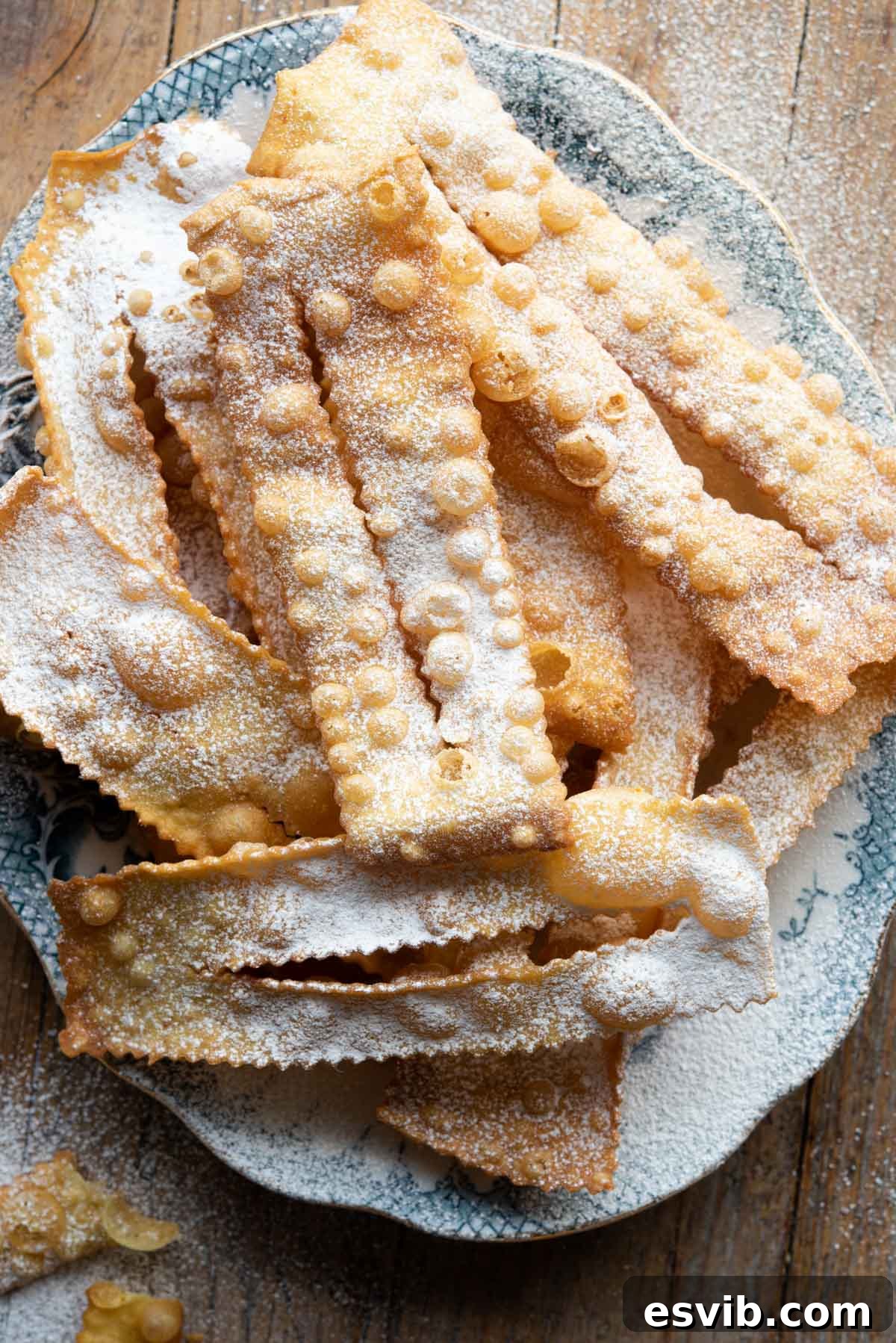
Step into the festive spirit of Italian Carnevale with Cenci di Carnevale, delightful sweet and crispy fried pastries that capture the essence of celebration. These traditional Italian treats boast a beautiful citrus and vanilla aroma, a wonderfully crunchy, bubbly, and incredibly light texture, all gracefully dusted with powdered sugar before serving. This comprehensive guide will walk you through our easy, step-by-step recipe, allowing you to recreate these addictively delicious sweets right in your own kitchen.
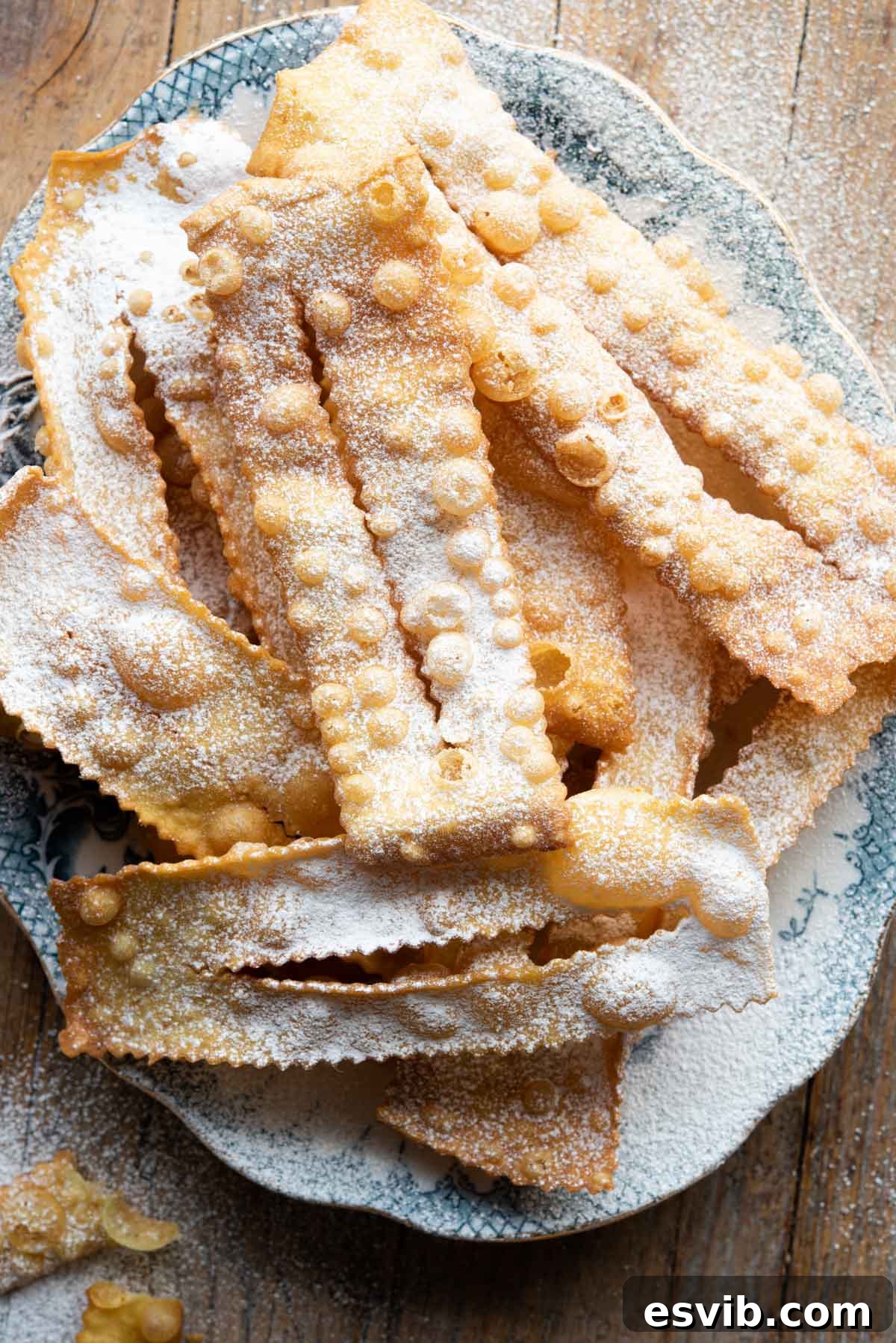
Carnevale, a vibrant and joyous period in Italy, kicks off several weeks before the solemn season of Lent. It’s a time of exuberant celebrations filled with elaborate costumes, mysterious masks, lively parades, showers of confetti, infectious music, and, perhaps best of all, an abundance of delectable food. Among the myriad of culinary delights, fried pastries like Cenci hold a special place, marking the last hurrah before the fasting traditions begin. The air is filled with an palpable sense of joy and anticipation, as communities come together to indulge in merriment and culinary delights.
Across Italy’s diverse regions, these iconic fried pastries are known by a fascinating array of names, each reflecting local dialect and tradition. You might encounter them as Chiacchiere, meaning “gossip” or “chat,” a nod to the light, airy texture that might inspire lively conversation. In other areas, they’re playfully called Bugie, or “lies,” perhaps because their simple appearance belies their incredible flavor and delicate preparation. The satisfyingly crunchy texture earns them the name Crostoli in some regions, while Frappe refers to their delicate fritter-like quality. In Tuscany, where our recipe originates, they are lovingly known as Cenci, a charming term that translates to “rags,” due to their rustic, irregular, and often elongated shapes. No matter the name, the appeal of these crispy, sugar-dusted treats remains universal.
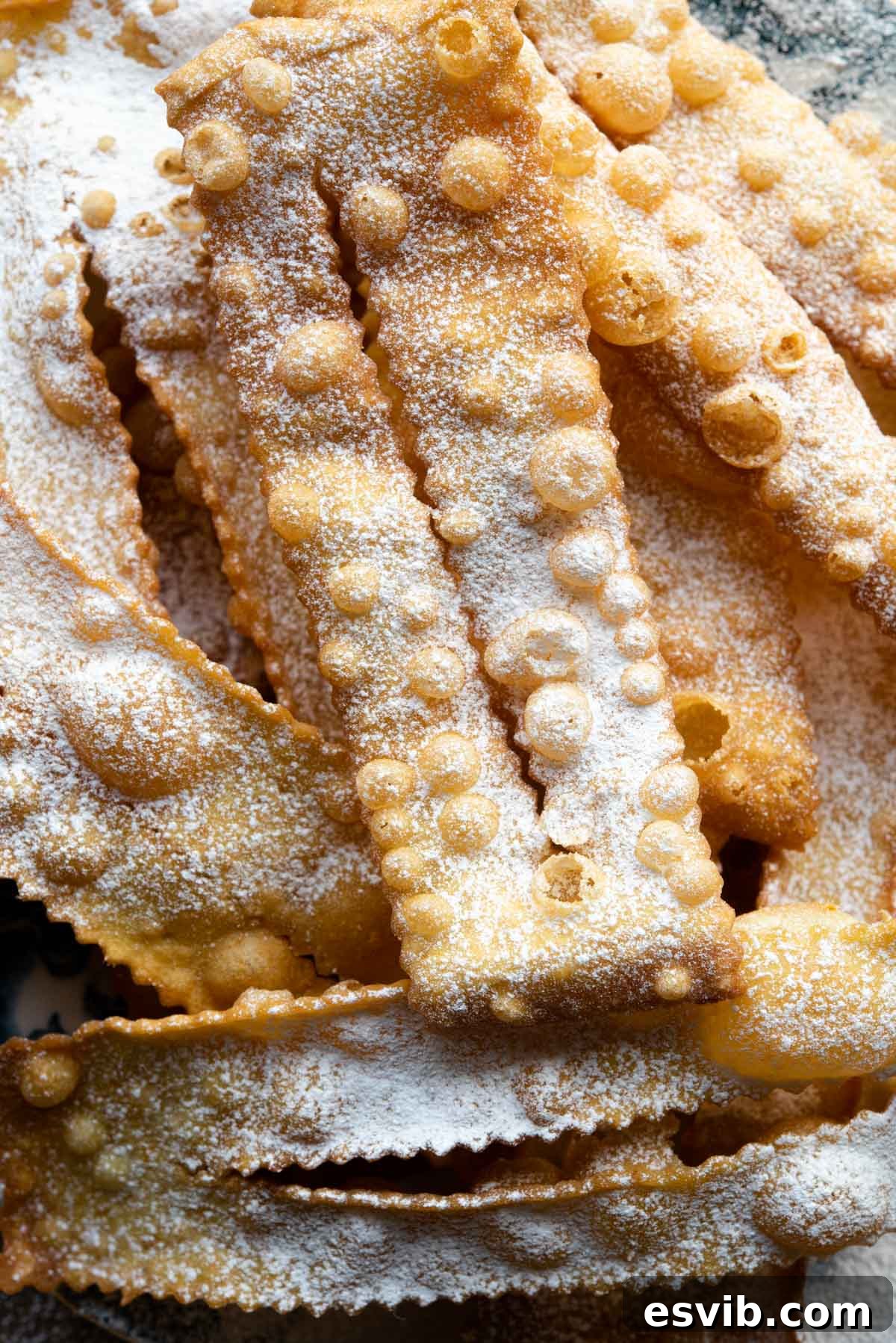
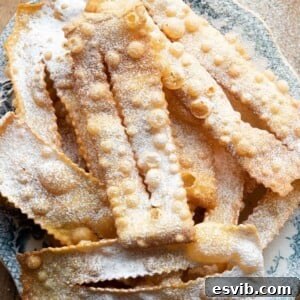
Regardless of their name, Cenci are universally adored. They are crafted from a sweet, tender dough, meticulously rolled out to a paper-thin consistency, a technique vital for achieving their signature airy crispness. This delicate sheet is then artfully cut into charmingly rustic “rags” – often ribbons with a slit in the middle – and deep-fried to golden perfection. The result is a pastry that is wonderfully crunchy, delightfully crispy, perfectly sweet, and utterly irresistible. The final flourish, a generous dusting of powdered sugar, completes these timeless carnival treats, making them a festive staple and a true testament to Italian pastry-making tradition.
Essential Ingredients for Authentic Cenci di Carnevale
Crafting the perfect Cenci begins with understanding the role of each ingredient. Each component contributes to the pastry’s unique flavor and delicate texture. Here’s a detailed look at what you’ll need and potential substitutions to ensure your homemade Cenci are as delicious as they are traditional.
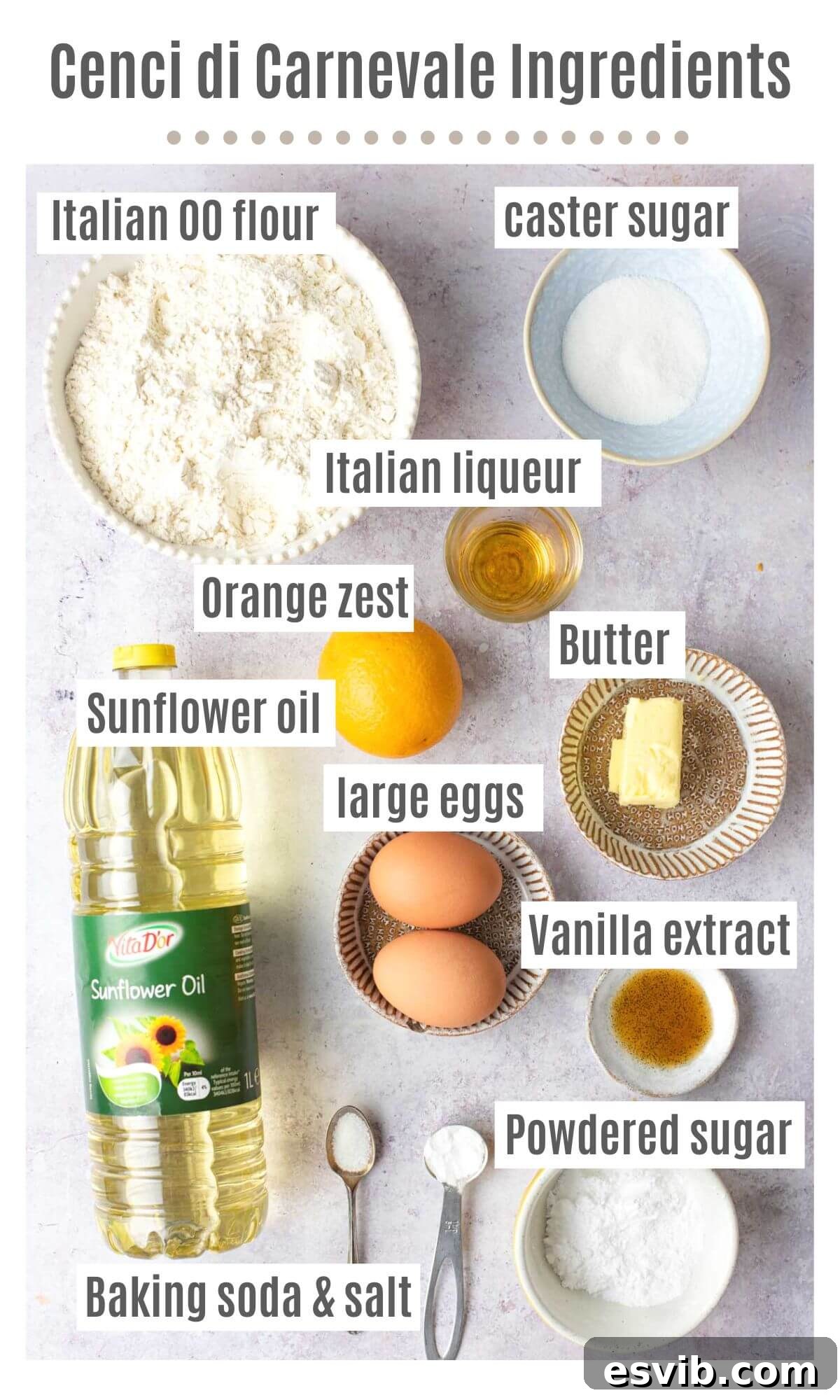
- Flour: For an authentic texture that is exceptionally light and delicate, we highly recommend using Italian 00 flour. This finely milled flour has a low protein content, which is ideal for pastries that need to be rolled very thin without becoming tough. However, if 00 flour is unavailable, standard all-purpose flour will also yield good results, though the texture might be slightly chewier.
- Butter: Always use unsalted butter at room temperature. Softened butter creams smoothly into the dry ingredients, ensuring an even distribution of fat throughout the dough, which is essential for a tender crumb. Avoid cold, hard butter, which will be difficult to incorporate, and melted butter, which can make the dough greasy.
- Sugar: Caster sugar, also known as superfine sugar, is preferred over granulated sugar. Its finer crystals dissolve more readily into the dough, creating a smoother texture without any residual graininess. This also contributes to the delicate nature of the pastry.
- Eggs: Large eggs are crucial for this recipe. They provide essential moisture, act as a binding agent, and enrich the dough, contributing to its color and flavor. Using smaller eggs might result in a dry, crumbly dough that is challenging to roll out to the desired thinness.
- Baking Soda: A small amount of baking soda (bicarbonate of soda in the UK) is added to the dough. When combined with the moisture and heat of frying, it helps create the characteristic light, airy, and bubbly texture that Cenci are famous for.
- Italian Liqueur: This ingredient is key for imparting the unique, fragrant aroma and subtle depth of flavor to Cenci. While we used Tuaca, a delightful vanilla and orange flavored brandy, you have several excellent traditional options. Marsala, a fortified wine, Strega, an herbal liqueur with notes of saffron, Vin Santo, a sweet dessert wine, or even a splash of Grappa, a grape brandy, can be used. Each will impart its own distinct character, so choose one that appeals to your palate.
- Orange Zest: Freshly grated orange zest adds a bright, vibrant, and fragrant citrus note that beautifully complements the sweetness and other subtle flavors in the dough. Lemon zest is an equally wonderful alternative if you prefer its brighter, more tangy aroma.
- Frying Oil: Opt for a neutral-flavored oil with a high smoke point for frying. Sunflower oil is our preferred choice, but canola oil, vegetable oil, or peanut oil are also excellent options. Using a neutral oil ensures that the delicate flavors of the pastries shine through without any undesirable oily or strong flavors masking them.
- Powdered Sugar: (Known as icing sugar in the UK) A final, generous dusting of powdered sugar is not merely for aesthetics; it provides the perfect balance of sweetness and a beautiful, ethereal finish. You can even infuse your powdered sugar with a vanilla bean for an extra aromatic touch, though regular powdered sugar is perfectly fine and delicious.
Step-by-Step Guide: Crafting Your Perfect Cenci
Follow these detailed instructions carefully to create airy, crispy Cenci di Carnevale right in your own kitchen. Each step is designed to guide you to culinary success, ensuring a delightful batch of these traditional Italian pastries.
- Step 1: Combine Dry Ingredients & Incorporate Butter. In a large mixing bowl, begin by thoroughly combining all the dry ingredients: the Italian 00 flour (or all-purpose flour), caster sugar, baking soda, fine salt, and the fragrant fresh orange zest. Whisk them together for a minute or two to ensure they are evenly distributed. Next, add the room-temperature unsalted butter to the dry mixture. Using your fingertips, gently rub the butter into the flour until the mixture achieves the consistency of coarse breadcrumbs. This crucial step helps to tenderize the dough and prevents it from becoming tough.
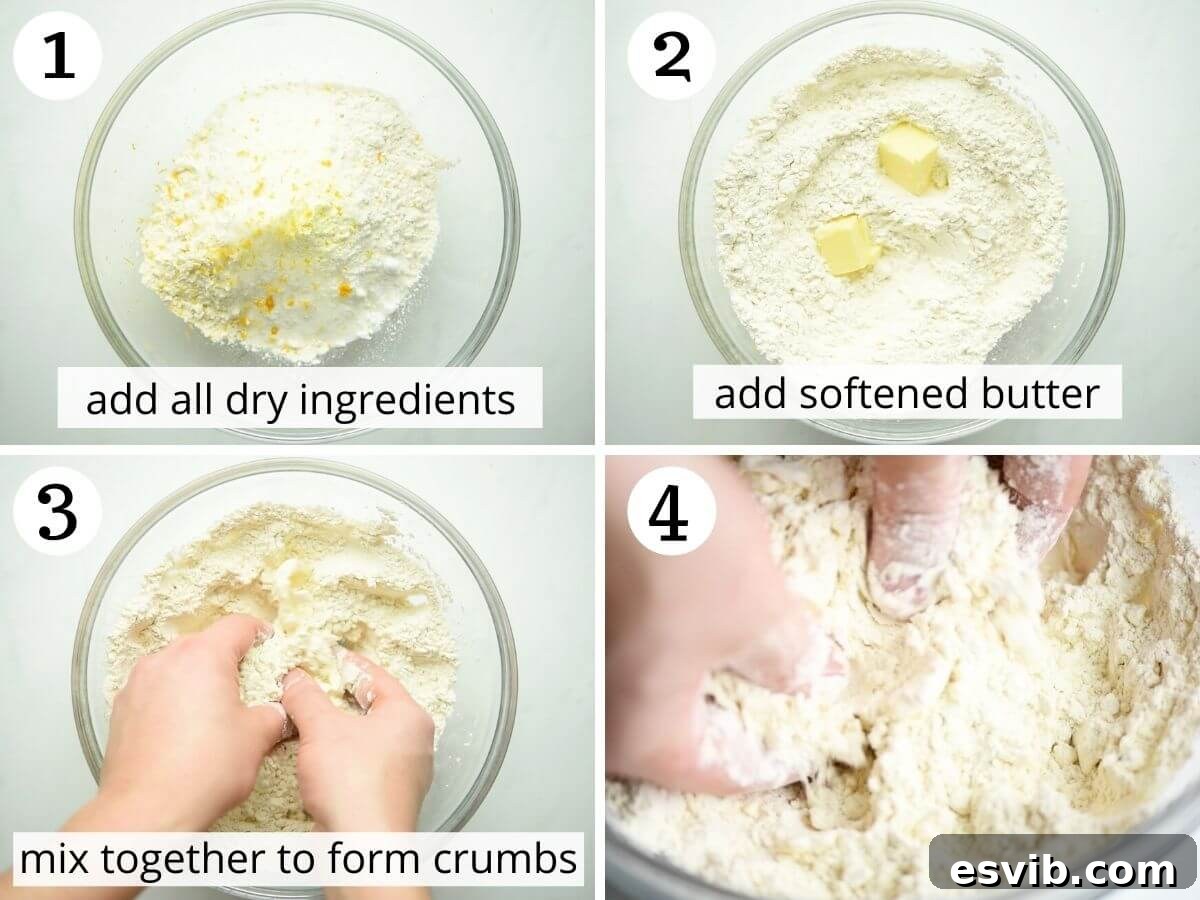
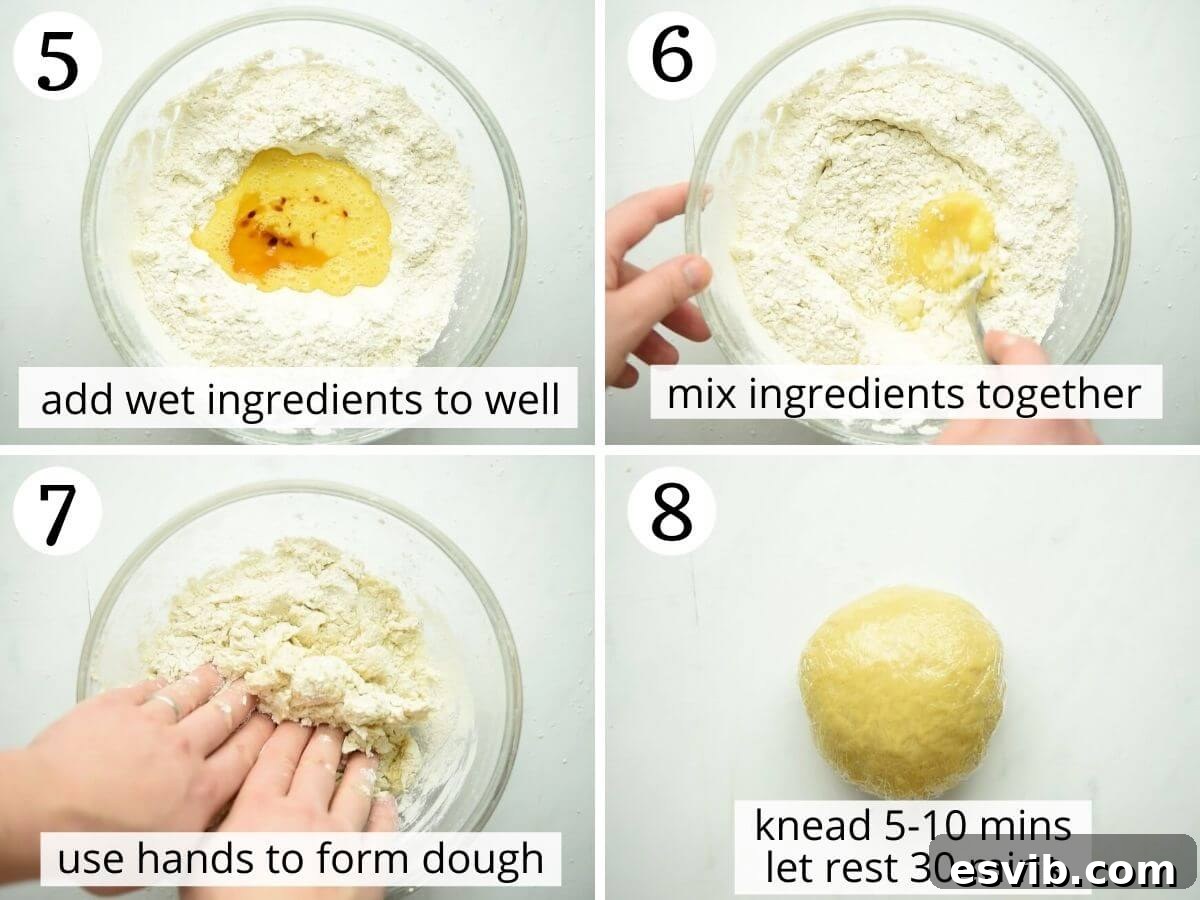
- Step 2: Form and Knead the Dough. Once your dry ingredients are ready, create a well in the center of the mixture. In a separate small bowl, whisk together the large eggs, vanilla extract, and your chosen Italian liqueur until well combined. Pour this wet mixture into the well. Using a fork, begin to incorporate the wet ingredients into the dry, gradually bringing everything together from the sides until a rough, shaggy dough forms. Transfer this dough onto a clean, lightly floured work surface. Knead the dough vigorously for 5-10 minutes. The goal is to achieve a dough that is perfectly smooth, elastic, and no longer sticky to the touch. Proper kneading develops the gluten, which is essential for rolling the dough out incredibly thin. After kneading, wrap the dough tightly in plastic wrap and allow it to rest at room temperature for at least 30 minutes. This resting period is critical as it relaxes the gluten, making the dough much more pliable and easier to roll without tearing.
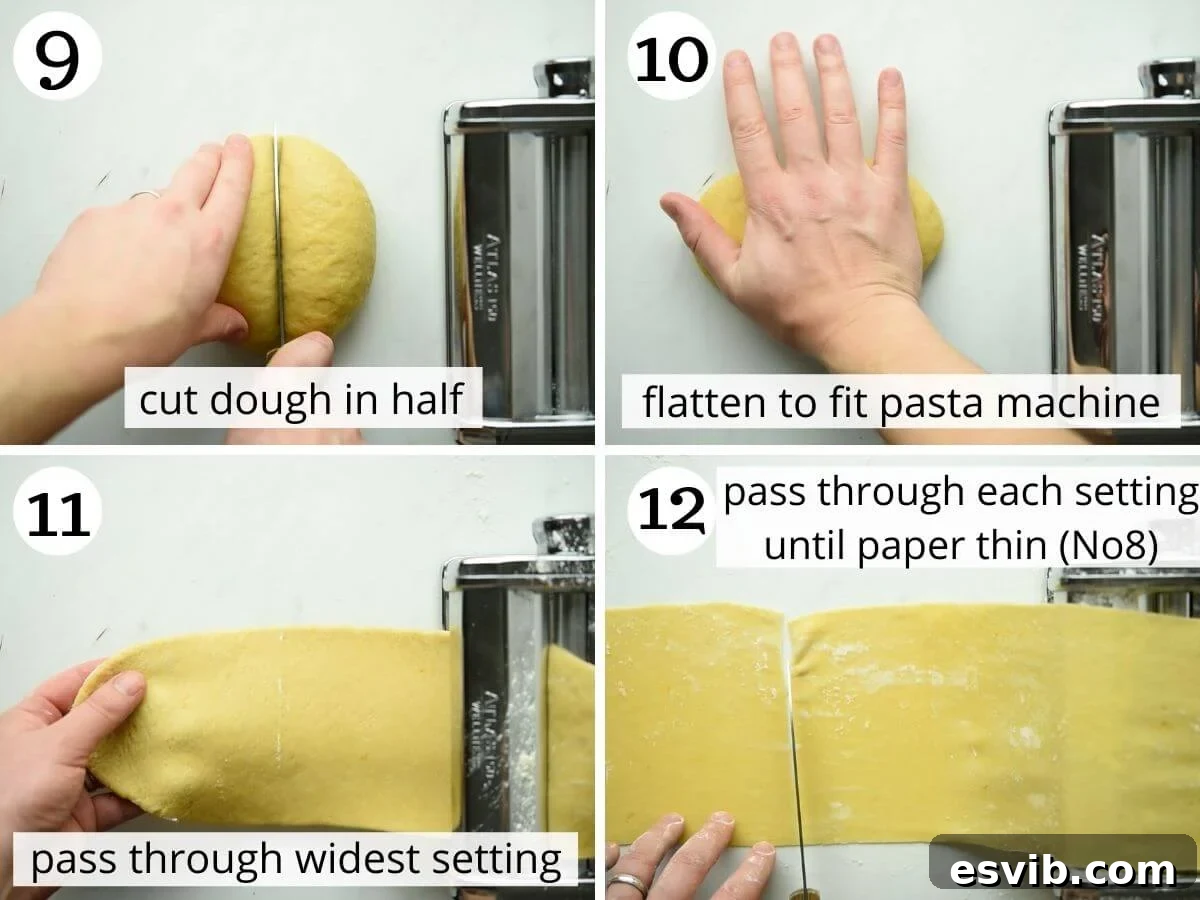
- Step 3: Roll the Dough Paper-Thin. After the dough has sufficiently rested, divide it in half. Make sure to keep one half wrapped tightly in plastic film to prevent it from drying out while you work. Lightly flatten the piece of dough you’re currently working with so that it can comfortably fit through the widest setting of your pasta machine (which is typically marked as number 0 on most models). Lightly dust both your work surface and the pasta machine with a minimal amount of flour. Pass the dough through the widest setting. Then, progressively feed the dough through each narrower setting, moving up one number at a time, until the dough is incredibly thin – almost translucent. On most pasta machines, you’ll aim for the second-to-last setting, which is usually number 8. If the dough becomes excessively long and difficult to manage during this process, simply cut it in half and continue rolling. The key to truly crispy and bubbly Cenci lies in rolling the dough as thinly as possible.
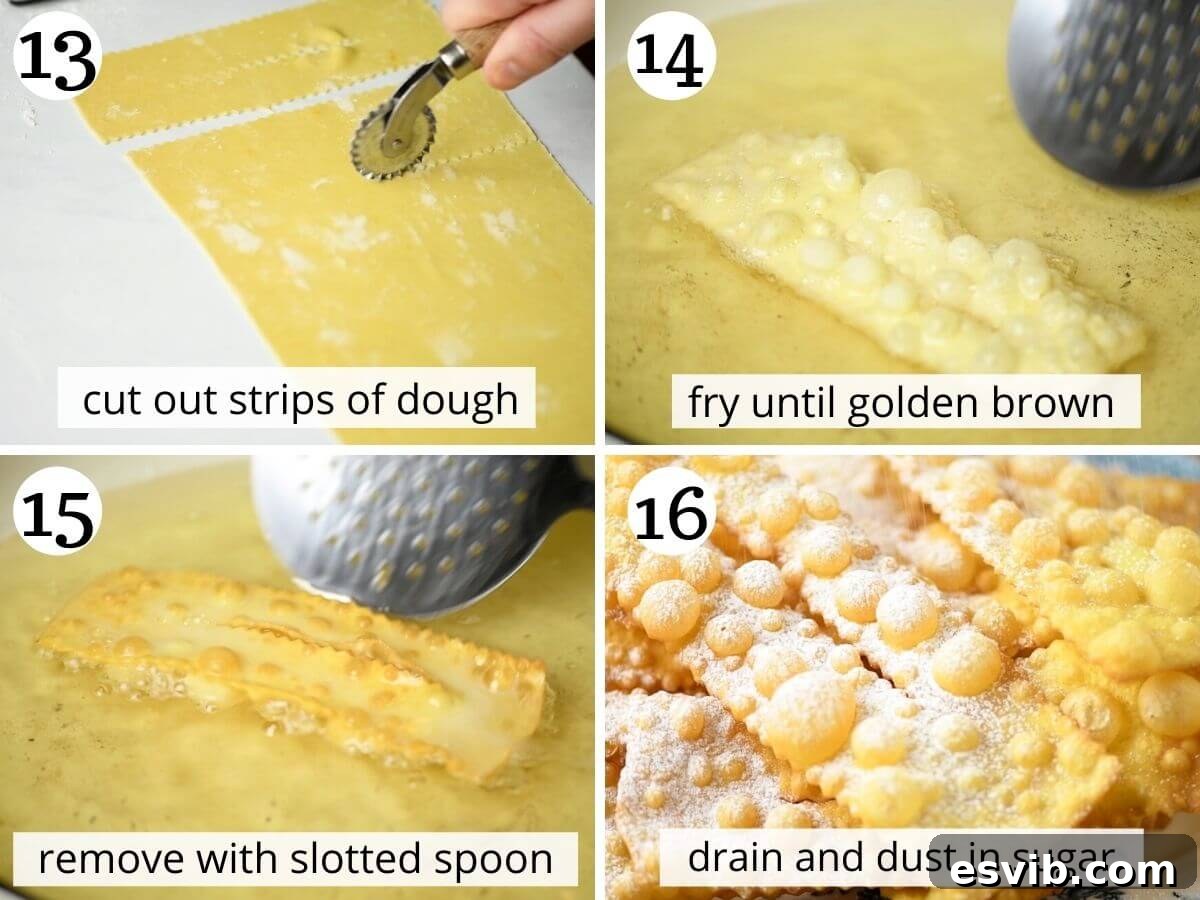
- Step 4: Cut and Fry to Golden Perfection. Once the dough is rolled paper-thin, it’s time to shape your Cenci. Using either a sharp knife or a fluted pasta wheel (for those charming ruffled edges), cut the dough into ribbons approximately 2 inches (5 cm) wide and about 4-6 inches (10-15 cm) long. For a classic Cenci appearance, make a small slit in the center of each ribbon, ensuring you don’t cut all the way to the edges. While this is the traditional method, feel free to get creative and cut them into any rustic shapes you like. Next, heat about 2 inches (5 cm) of neutral frying oil in a large, heavy-bottomed pot over medium-high heat. The ideal frying temperature is between 180-190°C (350-375°F). If you don’t have a kitchen thermometer, test the oil by dropping a tiny piece of scrap dough into it; it should immediately sizzle, puff up, and turn golden in a few seconds. Carefully drop the shaped Cenci into the hot oil in small batches, ensuring not to overcrowd the pan, which can lower the oil temperature. Fry for just a few seconds on each side until they turn a beautiful golden brown and develop their characteristic airy bubbles. Using a slotted spoon or spider skimmer, quickly remove the fried Cenci and transfer them to a plate generously lined with kitchen paper to drain any excess oil. Allow them to cool slightly before arranging them on a serving plate and dusting generously with powdered sugar for a delightful finish.
Creative Flavor Variations & Elegant Serving Suggestions
While traditional Cenci are utterly delightful in their classic form, there’s always room for creativity in the kitchen. Don’t hesitate to experiment with different flavor profiles and serving presentations to make them uniquely yours. Here are some inspiring ideas to elevate your Cenci experience:
- Alcohol Options for Dough: The choice of Italian liqueur profoundly impacts the Cenci’s aroma and depth of flavor. Beyond Tuaca, consider:
- Grappa: A potent grape pomace brandy that adds a sharp, aromatic kick and a distinct Italian character.
- Vin Santo: A rich, sweet dessert wine that imparts a honeyed, nutty, and complex nuance, perfect for a more luxurious pastry.
- Strega: An herbaceous, golden liqueur with intriguing notes of saffron, mint, and fennel, offering a unique aromatic twist.
- Marsala: A versatile fortified wine, available in sweet or dry varieties, adding a delightful nutty, caramelized undertone to the dough.
- Dry White Wine: For a more budget-friendly or readily available option, a dry white wine can contribute a pleasant acidity and subtle fruitiness to the dough, helping to tenderize it as well.
- Citrus Zest Enhancements: The bright notes of citrus are essential for cutting through the richness of the fried pastry. While orange zest provides a sweet, sunny aroma, lemon zest offers a sharper, more zesty lift. For a complex citrus medley, you can even combine both orange and lemon zests, or try lime zest for a different aromatic profile.
- Beyond Vanilla: If you’re feeling adventurous and want to explore new dimensions of flavor, consider swapping out the vanilla extract for other aromatic extracts:
- Almond Extract: For a delicate, nutty fragrance that pairs beautifully with the light, crispy fried dough.
- Rum Extract: To impart a warm, slightly boozy flavor reminiscent of classic rum desserts, without adding extra alcohol.
- Orange Extract: To intensify the orange notes, especially if you’ve used orange zest in the dough, creating a more pronounced citrus profile.
Serving Suggestions for an Unforgettable Treat
Traditionally, Cenci are simply presented with a generous dusting of powdered sugar. In some regions of Italy, vanilla-flavored powdered sugar is commonly used, which adds an extra layer of aromatic sweetness, though regular powdered sugar is perfectly acceptable and widely available.
For a unique regional flair, particularly prevalent in Emilia-Romagna, Cenci are sometimes drizzled with vibrant Alchermes liqueur before serving. This distinct liqueur, known for its bright red color and rose-like aroma, not only infuses the pastries with a delicate fragrance but also stains them a stunning, festive pink color, making them even more visually appealing. Alchermes is also a key ingredient in another iconic Italian dessert, Zuppa Inglese.
Another indulgent option, perfect for chocolate lovers, is to drizzle your cooled Cenci with melted dark or milk chocolate. Alternatively, a rich chocolate hazelnut spread (like homemade Nutella) can be warmed slightly and drizzled over the pastries, transforming them into an even more decadent and irresistible treat.
Expert Tips & Frequently Asked Questions for Cenci Success
Achieving perfectly light and crispy Cenci is easier with a few insider tips and answers to common questions. Read through these pointers to ensure your pastries turn out beautifully every time.
- Watch Them Closely – Cenci Fry Fast! These delicate Italian pastries cook incredibly quickly, often in a matter of mere seconds. Once you gently drop them into the hot oil, they will immediately begin to puff up and become golden. It’s crucial to flip them over after just a few seconds to ensure even browning on both sides, then remove them promptly from the oil. Over-frying will result in Cenci that are tough, hard, and less enjoyable, losing their characteristic lightness.
- Drain Thoroughly on Kitchen Towels: To maintain their signature crispness and prevent them from becoming greasy, always transfer freshly fried Cenci immediately to a plate generously lined with several layers of clean kitchen paper towels. The paper will efficiently absorb any excess oil, leaving you with perfectly light, airy, and non-greasy pastries that will delight your palate.
- Keep Your Dough Covered: Dough, especially thin pastry dough, dries out remarkably quickly when exposed to air, becoming brittle and difficult to work with. When rolling out your Cenci, work with only one half of the dough at a time. Always keep the other half tightly wrapped in plastic film (or cling film in the UK) to maintain its moisture and pliability. Additionally, when dusting your work surface and pasta machine, use flour very sparingly – just enough to prevent sticking. Too much flour can be incorporated into the dough, making it tough and compromising the delicate texture of the finished Cenci.
- Fry with Utmost Caution: Safety is paramount when deep-frying. Always exercise extreme care and attention when working with hot oil. Use a sturdy, heavy-bottomed pot that is stable and unlikely to tip over, and ensure it’s placed on a level surface. Never, under any circumstances, leave hot oil unattended, even for a moment. Keep a fire extinguisher (specifically suitable for grease fires) readily accessible nearby, and ensure children and pets are kept at a safe distance from the cooking area to prevent accidents.
Absolutely! For added convenience, you can certainly make the Cenci dough in a stand mixer. Use the dough hook attachment and mix on a medium-low speed for approximately 5-7 minutes. Continue mixing until the dough comes together beautifully, becoming completely smooth, elastic, and pulling away cleanly from the sides of the bowl. This method is particularly helpful if you prefer to avoid extensive hand-kneading.
A pasta machine is highly recommended for achieving the exceptionally thin, almost transparent dough that gives Cenci their characteristic delicate and bubbly texture. It provides consistent thickness with minimal effort and makes the process much quicker. However, if you don’t own a pasta machine, don’t worry! You can absolutely roll the dough out by hand using a rolling pin. Just be prepared to exert even pressure and patiently roll the dough as thinly and evenly as possible. This will require more time and effort, but it yields equally delicious results – just a bit more of a workout!
The ideal temperature for frying Cenci is around 180-190°C (350-375°F). If you have a kitchen thermometer, it’s the most accurate way to monitor the oil’s temperature. If you don’t have one, a simple and effective test works wonders: drop a small piece of scrap dough (about the size of a pea) into the hot oil. If it immediately floats to the surface, is surrounded by vigorous, consistent bubbles, and turns golden brown within a few seconds, your oil is perfectly ready for frying. Remember to keep a close eye on the oil temperature throughout the frying process, adjusting the heat as needed to maintain this ideal range.
Freshly made Cenci are undoubtedly at their best when enjoyed on the day they are made, offering maximum crispness and aroma. However, they will keep remarkably well for up to 5-7 days when stored correctly. To store, place the completely cooled Cenci in an airtight container at room temperature, in a cool, dry place away from direct sunlight or humidity. Avoid refrigerating them, as the cold can cause them to lose their characteristic crispness and become soft. For the best flavor and texture, dust with fresh powdered sugar just before serving.
Understanding Italian Carnevale: History and Celebrations
Carnevale, or Carnival in English, is one of Italy’s most eagerly awaited and beloved annual festivals. Its origins trace back to ancient Roman traditions, evolving into a grand celebration before the Christian period of Lent. This vibrant festival is steeped in history and cultural significance, offering a final burst of revelry before a period of solemnity.
The official culmination of Carnevale is **Fat Tuesday**, known in Italy as Martedì Grasso (and widely recognized as Mardi Gras in the US and other parts of the world). This day marks the vibrant peak of festivities, immediately preceding Ash Wednesday, which ushers in the forty-day period of Lent. Lent traditionally involves fasting, abstinence, and giving up indulgent foods, making Carnevale a final, joyous opportunity for feasting, merriment, and sweet indulgence.
In Italy, the celebrations for Carnevale don’t just happen on Fat Tuesday; they typically commence a couple of weeks prior, building up to the grand finale. Towns and cities across the country burst into life with spectacular parades featuring elaborately decorated floats, skilled acrobats, and energetic musicians. Streets are thronged with people adorned in imaginative masks and vibrant, colorful costumes, creating a truly magical and immersive atmosphere. Confetti fills the air, creating a kaleidoscopic shower, and the joyous sounds of music, laughter, and cheer resonate everywhere. And, of course, no Italian Carnevale would be complete without an abundance of special fried treats and desserts, with Cenci being a prime example, symbolizing the sweetness and indulgence that define this cherished festive season.
Explore More Traditional Italian Desserts
If you’ve enjoyed making these delightful Cenci di Carnevale and wish to delve deeper into Italy’s rich culinary heritage, you’ll surely love exploring other classic Italian sweets. From festive breads to delicate pastries, these recipes capture the essence of Italian dessert traditions. Here are a few recommendations to expand your baking repertoire and sweeten your table:
- Italian Easter Bread (Pane di Pasqua): A beautifully braided sweet bread, often adorned with colored eggs, perfect for spring and Easter celebrations.
- Apple Crostata with Apricot Jam: A rustic, elegant open-faced tart showcasing seasonal fruits and a sweet apricot glaze, a simple yet sophisticated dessert.
- Struffoli – Italian Honey Balls: Tiny, crispy fried dough balls piled high into a festive mound and drenched in a warm honey syrup, often enjoyed during the Christmas season.
- Homemade Sicilian Cannoli (shells and filling): Iconic crispy pastry shells, traditionally fried and filled with a creamy, sweetened ricotta cheese mixture.
- Bomboloni – Italian Doughnuts: Soft, fluffy Italian doughnuts, often filled with rich pastry cream or fruit jam and generously dusted with granulated sugar.
We sincerely hope you thoroughly enjoy preparing and sharing these delightful Cenci di Carnevale. If you’ve tried this recipe or any other on our blog, please don’t hesitate to rate the recipe and share your valuable feedback in the comments section below – we truly love hearing from you! You can also FOLLOW US on FACEBOOK, INSTAGRAM, and PINTEREST, or sign up for our exclusive NEWSLETTER to receive new and delicious recipes directly in your inbox every week.
Step By Step Photos Above
Most of our recipes come with step by step photos, helpful tips and tricks to make it perfectly first time!
Cenci di Carnevale (Italian Fried Pastries for Carnival)
By Emily
30 minutes
15 minutes
30 minutes
1 hour
15 minutes
48
– 50 pastries
Print Recipe
Equipment
-
Pasta machine or rolling pin
-
Plastic wrap (cling film UK)
-
Large heavy-bottomed pot for frying
-
Slotted spoon or spider skimmer
-
Kitchen paper towels
-
Large mixing bowl
-
Whisk or fork
Ingredients
-
2
cups*
Italian 00 flour,
*spooned and leveled (280g or 9.9 oz) -
2
tablespoons
caster sugar (superfine),
(30g or 1.1 oz) -
1
teaspoon
baking soda,
(bicarbonate of soda UK) - Zest of 1 large orange or lemon
-
2
tablespoons
unsalted butter,
at room temperature (30g or 1.1 oz) -
2
large eggs -
1
teaspoon
vanilla extract -
1
tablespoon
Italian liqueur ,
such as Marsala, Tuaca, Strega, Grappa or Vin Santo -
½
teaspoon
fine salt -
1-2
tablespoons
powdered sugar,
for dusting (icing sugar UK) -
Sunflower oil,
for frying (or other neutral-flavored oil with high smoke point)
Instructions
To make the dough
-
In a large bowl, combine the flour, caster sugar, baking soda, salt, and orange zest. Stir thoroughly until all ingredients are well combined. Add the room-temperature butter and, using your fingertips, rub it into the dry ingredients until the mixture resembles fine breadcrumbs. Form a well in the center of this mixture.
-
In a small separate bowl, whisk together the eggs, vanilla extract, and Italian liqueur until smooth. Pour this liquid mixture into the well in the flour. Use a fork to gradually incorporate the wet ingredients into the dry, stirring until a rough, shaggy dough begins to form.
-
Turn the rough dough out onto a clean, lightly floured work surface. Knead the dough vigorously for 5-10 minutes until it becomes completely smooth, elastic, and no longer sticky to the touch. Wrap the dough tightly in plastic wrap and allow it to rest at room temperature for at least 30 minutes. This resting period is crucial for relaxing the gluten, making the dough much easier to roll thinly.
Rolling out the Cenci
-
After the dough has rested, cut it in half. Keep one half wrapped in plastic wrap to prevent it from drying out while you work. Lightly flatten the piece of dough you’re working with, making it thin enough to fit through the widest setting on your pasta machine (typically setting 0).
-
Lightly dust your work surface and pasta machine with a minimal amount of flour. Pass the dough through the widest setting. Continue to pass the dough through your machine, incrementally decreasing the thickness setting one number at a time, until the dough is incredibly thin and almost transparent. For most pasta machines, you’ll aim for setting number 8 (where 0 is widest and 9 is thinnest). If the dough becomes too long, cut it into manageable pieces. Remember, the thinner the dough, the crisper your Cenci will be.
-
Once rolled thin, use a sharp knife or a fluted pasta cutter to cut the dough into strips about 2 inches (5 cm) wide and roughly 4-6 inches (10-15 cm) long. For the traditional Cenci shape, make a small slit in the middle of each strip, being careful not to cut all the way to the edges. While this is the classic method, feel free to cut them into any rustic shapes you desire.
Frying the Cenci
-
Pour sunflower oil (or other neutral frying oil) into a large, heavy-bottomed pot to a depth of about 2 inches (5 cm). Heat the oil over medium-high heat.
-
Monitor the oil temperature: ideally, it should reach between 180-190°C (350-375°F). If you don’t have a thermometer, test the oil by dropping a small piece of dough into it. If it immediately sizzles, bubbles vigorously, and turns golden brown within a few seconds, the oil is ready for frying.
-
Carefully fry the Cenci in small batches, ensuring you don’t overcrowd the pot. They will cook very quickly, turning golden brown and becoming delightfully bubbly within seconds on each side. Using a slotted spoon or spider skimmer, remove the fried pastries from the oil and transfer them immediately to a plate lined with several layers of kitchen paper to drain excess oil.
-
Once the Cenci have cooled slightly and are no longer hot to touch, arrange them attractively on a serving plate. Generously dust them with powdered sugar before serving. Enjoy these crispy, sweet treats!
Video
Notes
- Measuring flour: For the most accurate results, especially with baking, it’s always best practice to use a kitchen scale to weigh your flour. If measuring by cups, gently spoon the flour into the measuring cup and level it off with a straight edge like a knife, rather than scooping directly, which can compact the flour and lead to over-measurement.
- Drain on kitchen towels: This step is absolutely critical for ensuring your Cenci remain crisp and do not become greasy. The paper towels will effectively absorb any excess oil from the freshly fried pastries, allowing them to achieve and maintain their desired light and airy texture.
- Keep the dough covered: Dough, especially thin pastry dough, has a tendency to dry out very quickly when exposed to air. When rolling out your Cenci, always work with one portion of the dough at a time, diligently keeping the remaining dough tightly wrapped in plastic film (cling film in the UK) to preserve its moisture and pliability. Additionally, use flour sparingly when dusting your work surface and pasta machine; too much added flour can make the dough tough and diminish the delicate quality of the finished Cenci.
- Fry with caution: Safety is paramount when undertaking deep-frying. Always exercise extreme care and maintain constant vigilance when working with hot oil. Use a sturdy, heavy-bottomed pot that is stable and unlikely to tip over easily. Critically, never leave hot oil unattended, even for a brief moment. It’s also wise to keep a fire extinguisher (specifically suitable for grease fires) readily accessible nearby, and ensure that children and pets are kept at a safe distance from the cooking area to prevent any accidents.
- Storage: While Cenci are undeniably best enjoyed fresh, when they are at their absolute crispiest, they can be stored in an airtight container in a cool, dry place at room temperature for up to 5-7 days. It is important to avoid refrigerating them, as the cold environment can cause them to lose their crispness and become soft. For the optimal flavor and presentation, dust them with fresh powdered sugar just before serving.
Helpful Info for All Recipes
- I always use extra virgin olive oil in all of my savory recipes unless stated otherwise.
- When I use canned or jarred tomatoes of any kind, I always recommend using high-quality brands like Cirio or Mutti for the best results and authentic flavor.
- All vegetables mentioned in our recipes are assumed to be medium-sized unless specifically stated otherwise.
- All recipes on this site are tested and developed using a fan (convection) oven. Baking times may vary slightly if you are using a conventional oven.
- Find out more about how nutrition is calculated, keeping in mind that these values are approximations.
- Check out our must-have Italian Pantry Staples to stock your kitchen with authentic ingredients.
- You can also find all our recommendations for Essential Kitchen Tools for Italian Cooking to equip your culinary adventures.
Nutrition
Carbohydrates: 8g |
Protein: 1g |
Fat: 7g |
Saturated Fat: 1g |
Polyunsaturated Fat: 1g |
Monounsaturated Fat: 5g |
Trans Fat: 1g |
Cholesterol: 8mg |
Sodium: 54mg |
Potassium: 14mg |
Fiber: 1g |
Sugar: 1g |
Vitamin A: 24IU |
Calcium: 3mg |
Iron: 1mg
Nutrition information is automatically calculated, so should only be used as an approximation and not a substitute for professional dietary advice.
Did you try this recipe?
Leave a comment below! We love hearing from you!