
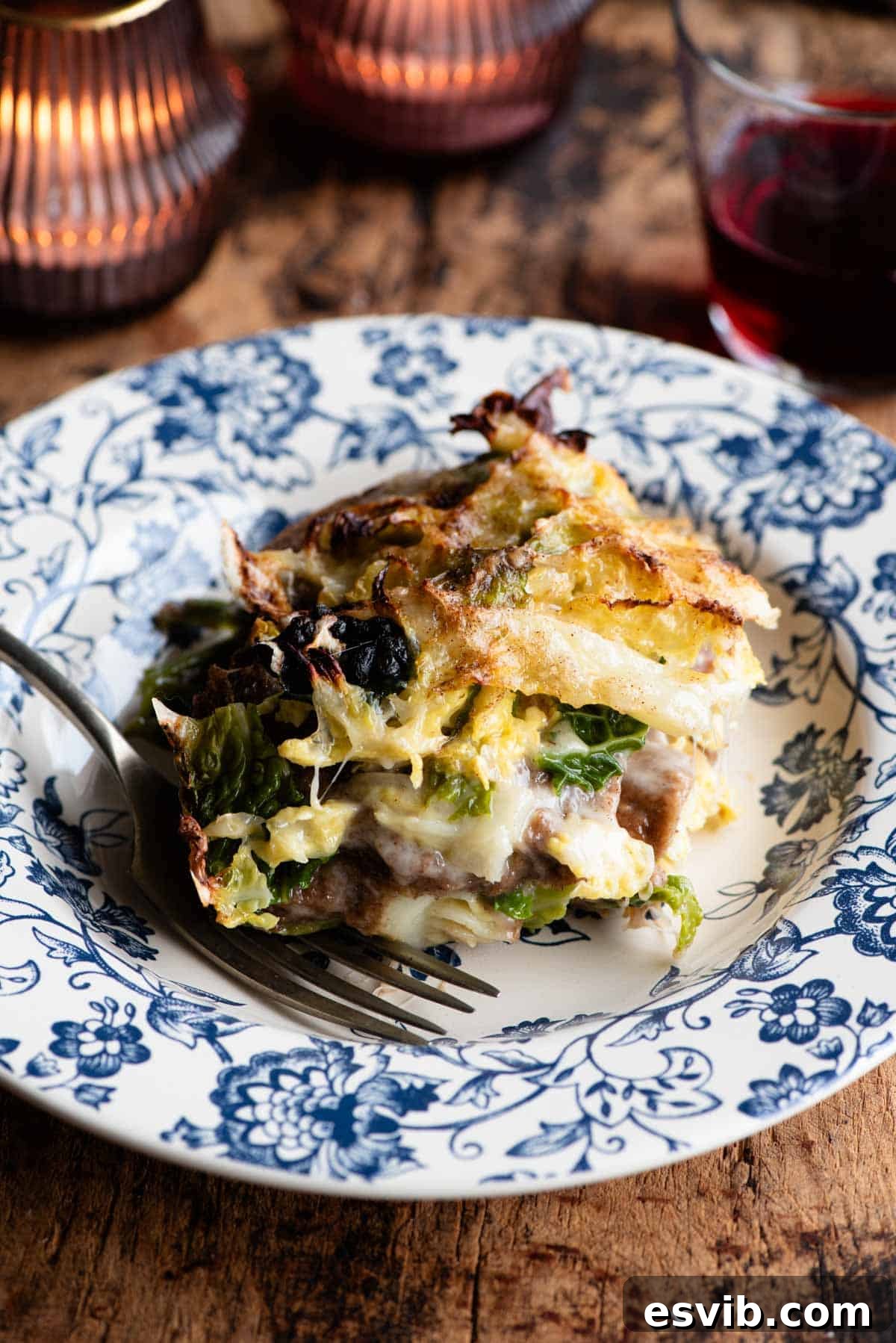
Zuppa alla Valpellinese: A Hearty Italian Cabbage and Cheese Casserole
Discover the ultimate comfort food from the Italian Alps with Zuppa alla Valpellinese. This exquisite casserole is a testament to rustic Italian cooking, boasting layers of robust crusty bread, tender cabbage, rich Fontina cheese, savory beef stock, and a surprising whisper of cinnamon. It’s a beautifully simple yet deeply satisfying dish, perfect for warming you from the inside out. Easy to prepare and bursting with authentic Alpine flavors, Zuppa alla Valpellinese is more than just a meal; it’s an experience of cozy tradition.
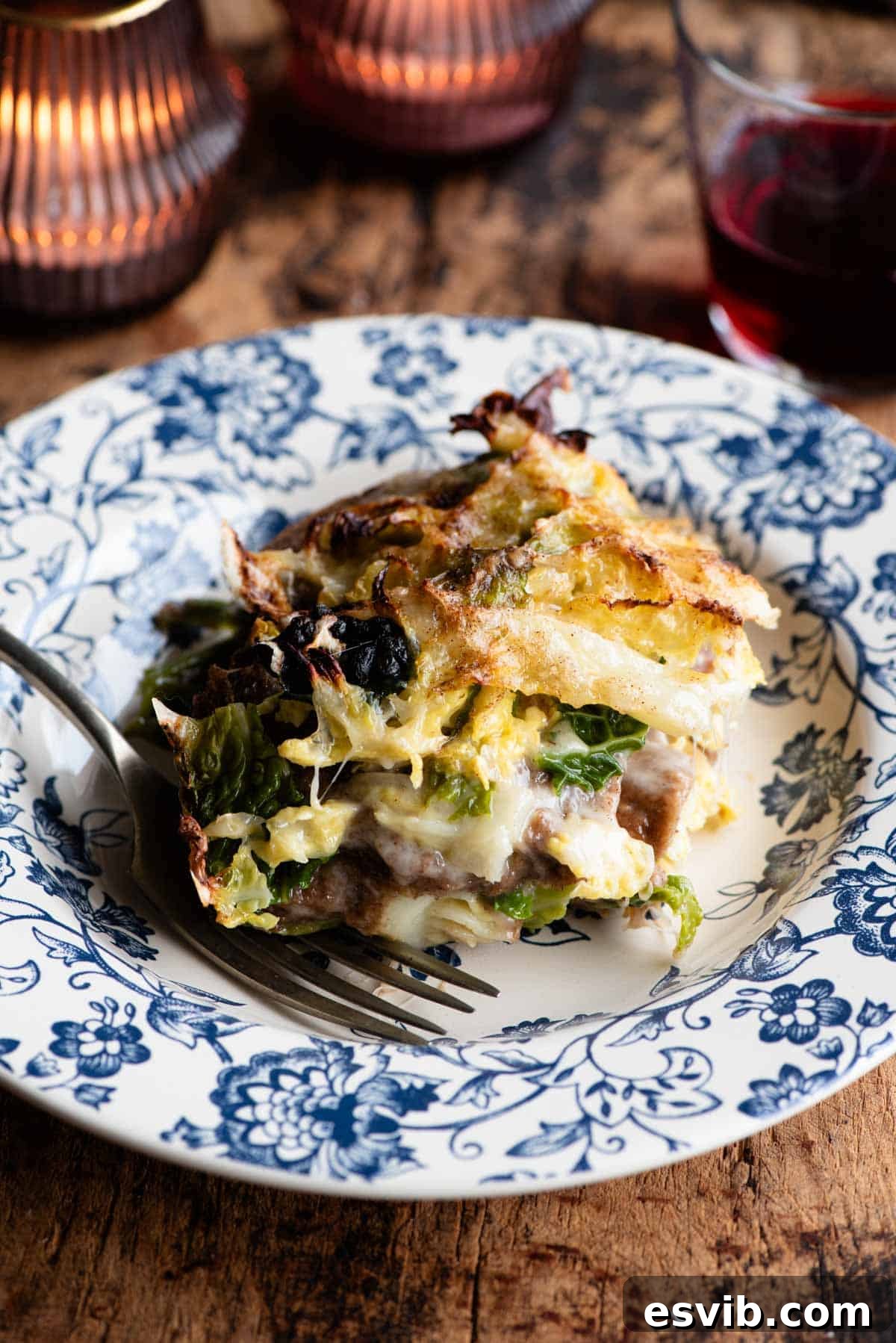
The Aosta Valley, nestled high in the Italian Alps, is renowned for its hearty and inviting cuisine. Zuppa alla Valpellinese stands as a quintessential example of this culinary heritage, embodying the region’s spirit of warmth and substantial, nourishing dishes. This rustic masterpiece layers humble ingredients to create a symphony of flavors and textures.
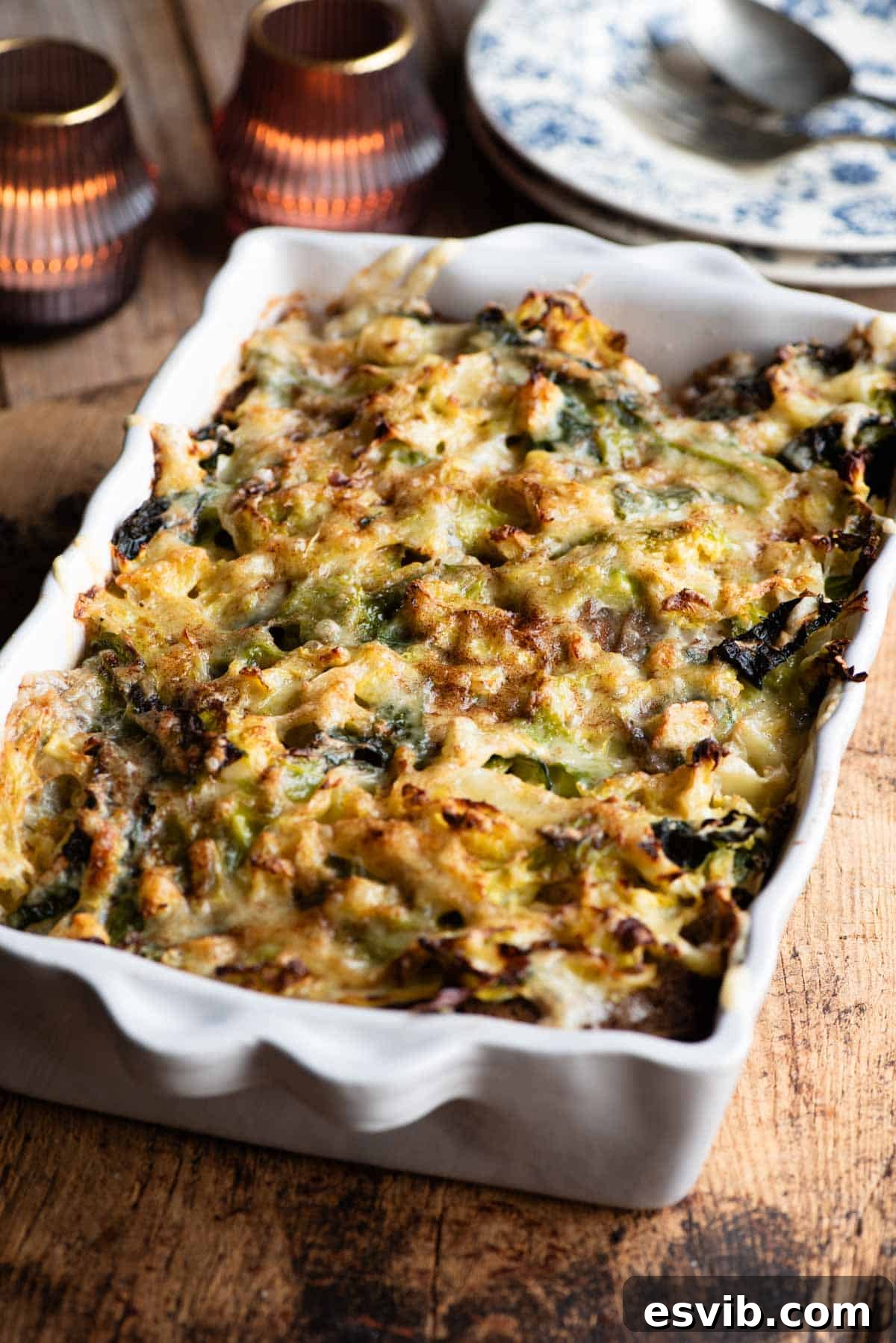
At its core, Zuppa alla Valpellinese features thick slices of crusty bread, generously interspersed with blanched cabbage and slices of creamy Fontina cheese. These layers are then bathed in a rich beef broth and subtly spiced with ground cinnamon before being baked to golden perfection. The bread acts like a sponge, soaking up all the incredible, savory liquid, transforming into a deeply flavorful and tender foundation for the casserole.
While the name ‘zuppa’ might conjure images of a brothy soup, in Italian culinary tradition, ‘zuppa’ often refers to a thick stew or casserole, much like this delightful dish. Unlike a thin soup, Zuppa alla Valpellinese offers a robust, comforting consistency that makes it a satisfying main course. It’s truly a casserole in the most traditional sense.
For the best results, using stale bread is a crucial tip for this recipe. Stale bread absorbs the beef stock more effectively than fresh bread, preventing the casserole from becoming soggy and ensuring that each bite is packed with flavor. It’s also an excellent way to utilize leftover bread, reducing waste while enhancing your meal. If you don’t have stale bread on hand, simply slice fresh bread and let it air-dry for a day or two.
Essential Ingredients for Zuppa alla Valpellinese
Crafting an authentic Zuppa alla Valpellinese begins with selecting the right ingredients. Each component plays a vital role in achieving the dish’s signature taste and texture. Our testing has shown that certain choices make a significant difference.
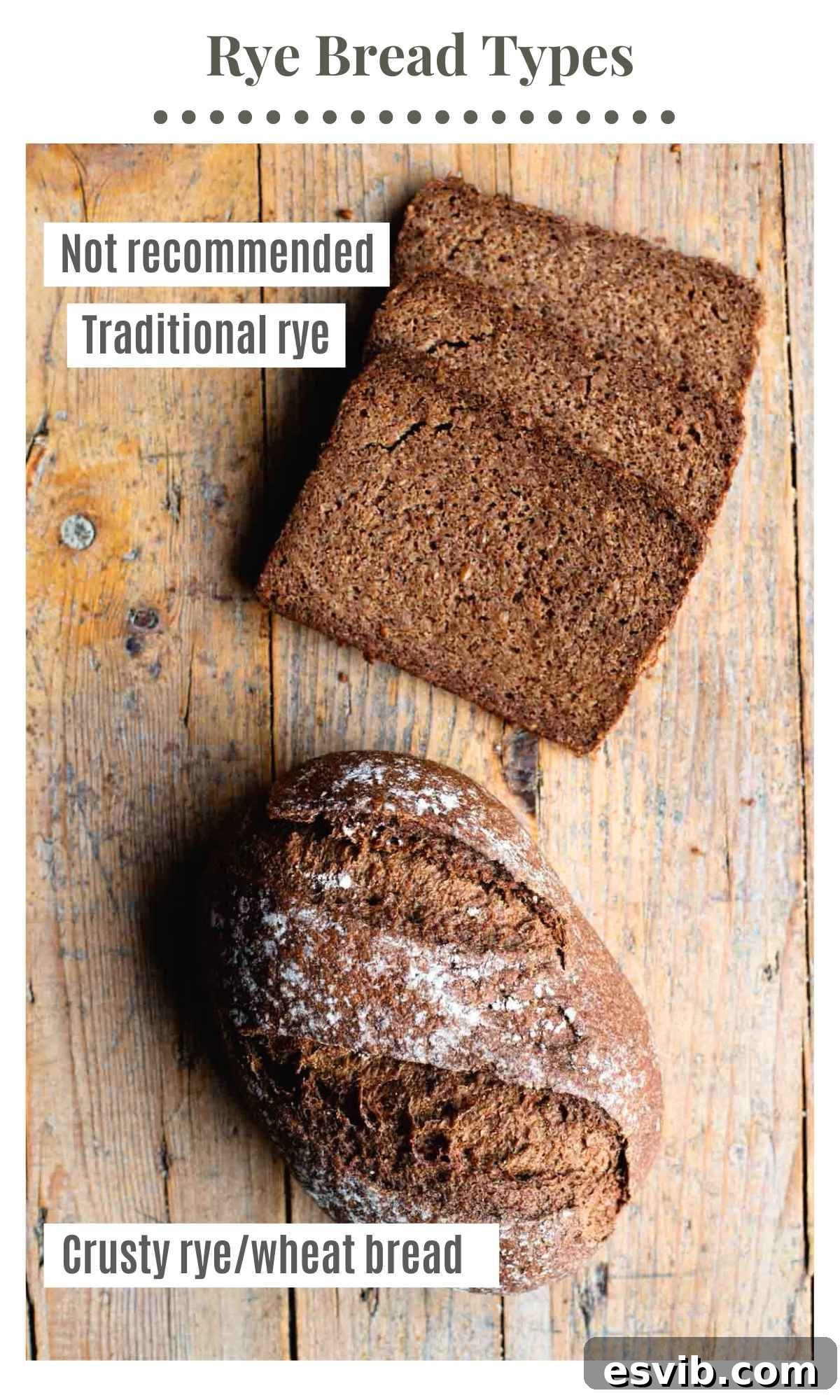
When it comes to bread, the foundation of this casserole, careful selection is key. We experimented with various types and found that traditional, wheat-free rye bread, known for its dense, crumbly texture, did not yield satisfactory results in terms of both flavor and how it absorbed the liquid. Therefore, we strongly advise against using it.
Instead, opt for a crusty loaf that combines rye and wheat. This blend offers the perfect balance of structure and absorbency. If a rye and wheat blend isn’t available, a good quality brown or wholemeal crusty bread makes an excellent substitute. Our tests with wholemeal bread proved very successful, delivering a robust texture and hearty flavor that complements the other ingredients beautifully.
Ingredient Notes and Smart Substitutions
- Beef Stock: The quality and salt content of your beef stock are paramount. We highly recommend using a reduced-salt beef stock to prevent the final dish from becoming overly salty or intensely flavored. A beef jelly stock pot dissolved in water offers excellent depth without excessive sodium. If using liquid store-bought beef stock, which can sometimes be richer, consider diluting it with an equal part of water to achieve the perfect balance.
- Cabbage: Both savoy cabbage and green cabbage are excellent choices for this recipe. Savoy cabbage offers a slightly crinkled texture and mild flavor, while green cabbage is widely available and provides a crisp, fresh taste that softens beautifully during cooking.
- Fontina Cheese: This semi-firm Italian cheese, with its nutty and earthy flavor, is a cornerstone of Zuppa alla Valpellinese. Its excellent melting properties create a wonderfully creamy and rich texture. If Fontina is difficult to find, Gruyère cheese is a fantastic alternative, offering a similar nutty profile and smooth melt. Other alpine-style cheeses can also work well.
- Cinnamon: The subtle touch of cinnamon is a unique and traditional element that adds warmth and a hint of sweet spice, beautifully complementing the savory and earthy tones of the casserole. Don’t skip this ingredient, as it truly elevates the dish.
Why You’ll Love This Comforting Casserole
Zuppa alla Valpellinese is more than just a meal; it’s an experience. Here’s why this rustic Italian casserole is destined to become a beloved addition to your culinary repertoire:
- Uncomplicated Comfort: Despite its impressive flavor profile, this dish is remarkably straightforward to prepare, making it perfect for both weeknight dinners and special occasions.
- Rich & Hearty: It’s a substantial meal designed to satisfy. The layers of bread, cheese, and cabbage, infused with savory beef broth, create a deeply satisfying texture and taste that’s ideal for colder months.
- Flavorful Simplicity: Using humble ingredients, Zuppa alla Valpellinese showcases how simple components can create extraordinary flavor. The unexpected touch of cinnamon adds a layer of complexity that will delight your palate.
- Perfect for Using Leftovers: A fantastic way to give stale bread a new lease on life, transforming it into a delicious and nourishing centerpiece.
- A Taste of the Alps: Transport yourself to the charming Aosta Valley with every bite, experiencing a genuine piece of Northern Italian culinary tradition.
Crafting Your Zuppa alla Valpellinese: A Step-by-Step Guide
Follow this detailed guide to create your perfect Zuppa alla Valpellinese. The steps are designed to be clear and easy to follow, ensuring a delicious result every time.
- Prepare the Cabbage: Begin by removing the tough core from the cabbage, then slice it into even strips. Rinse the cabbage thoroughly under cold running water to ensure it’s clean. Bring a large pot of water to a rolling boil and salt it generously. Add the prepared cabbage to the boiling water and blanch for approximately 5 minutes until it softens slightly but still retains some bite. Drain the cabbage completely and let it sit to release any excess moisture. (See corresponding photos for visual reference of cabbage preparation and initial layering steps).
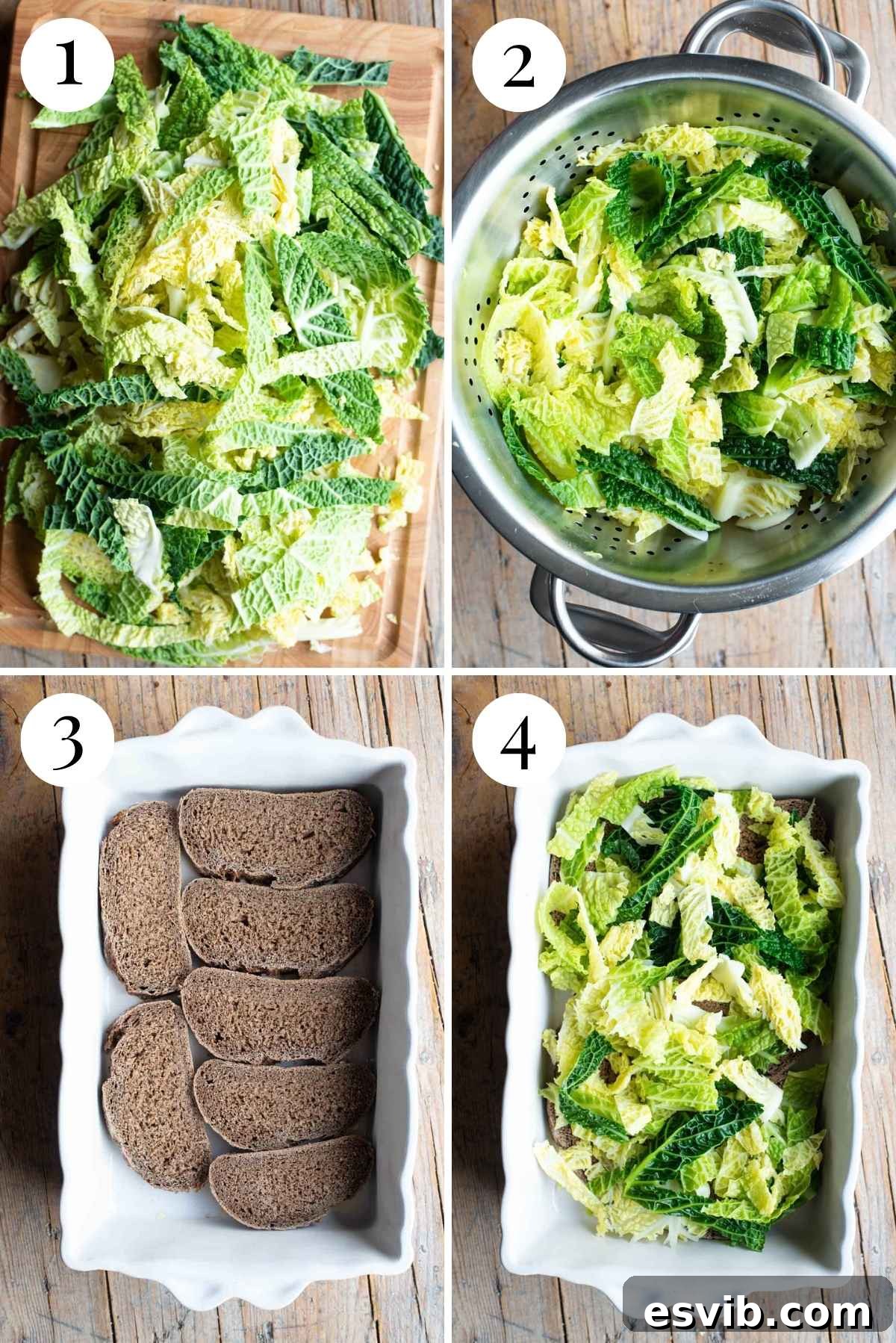
- Layer the Bread: Grease your chosen baking dish generously with butter. This prevents sticking and adds a wonderful flavor to the crust. Arrange a single, even layer of your sliced crusty bread (aim for ½-inch thick slices) across the bottom of the dish, ensuring good coverage. This forms the essential base for your casserole. (See corresponding photos for visual reference of bread layering).
- Add Cabbage and Cheese: Follow the bread layer with a substantial layer of the blanched cabbage, spreading it evenly. Then, distribute a layer of grated Fontina cheese over the cabbage. Remember to use just under half of your total cheese at this stage, reserving a slightly larger portion for the top layer to achieve a beautiful golden crust. (See corresponding photos for visual reference of cabbage and cheese layering).
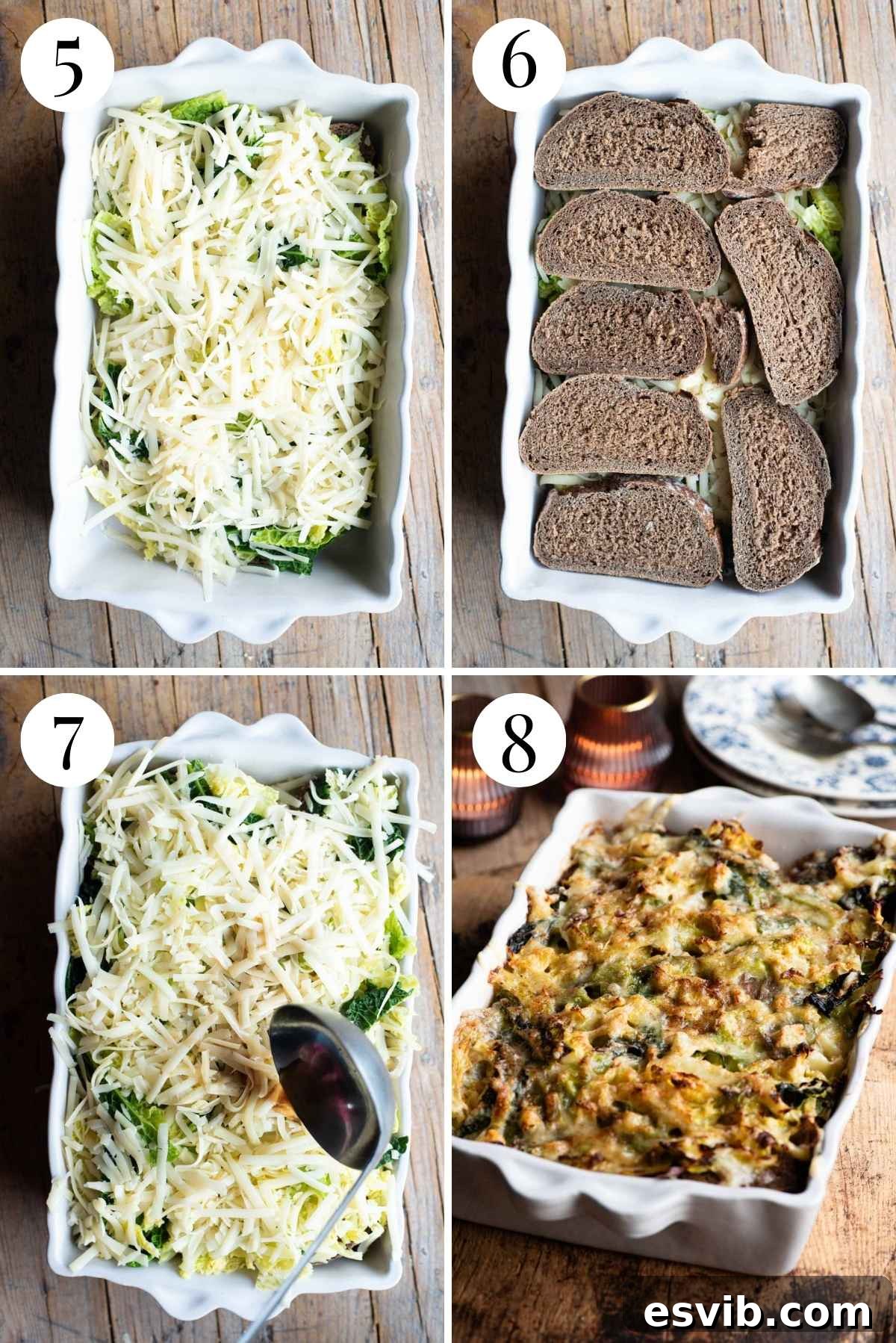
- Repeat Layers and Bake: Create a second set of layers, starting with another layer of sliced bread, followed by the remaining cabbage, and finally, top with the rest of the Fontina cheese. Carefully pour the warm beef stock over the entire casserole, ensuring it’s distributed as evenly as possible so the bread can fully absorb it. Finish with a delicate sprinkling of ground cinnamon—just under ¼ teaspoon should provide the perfect aromatic touch. Transfer the baking dish to your preheated oven and bake for 30-35 minutes, or until the cheese is bubbling, melted, and beautifully golden brown. (See corresponding photos for visual reference of the final layering, stock addition, and baked result).
Expert Tips for a Flawless Zuppa
Achieving Zuppa alla Valpellinese perfection is easy with these insider tips:
- Salt Balance is Key: While the cabbage boiling water should be salted, there’s no need to add additional seasoning to the casserole itself. The Fontina cheese, savory beef stock, and even the bread contribute ample flavor. Using reduced-salt beef stock ensures the dish isn’t overwhelmed.
- The Right Bread, Every Time: As mentioned, steer clear of traditional wheat-free rye bread, which struggles to absorb the stock. A crusty rye and wheat blend or a good quality wholemeal/brown crusty bread will provide the ideal texture and absorbency. For stale bread, slice it and let it sit uncovered for a day or two.
- Cheese Matters: Fontina is the traditional choice for its nutty flavor and superior melting qualities. If substituting, choose an alpine-style cheese like Gruyère that melts well and offers a similar richness.
- Don’t Overcrowd Your Dish: Ensure your baking dish isn’t too small, allowing enough space for the layers without compacting them excessively. This promotes even baking and broth absorption.
- Even Broth Distribution: After layering, pour the beef stock slowly and evenly over the top, tilting the dish gently to help it permeate all the bread layers. This ensures a moist and flavorful casserole throughout.
- The Importance of Resting: Once baked, resist the urge to dig in immediately. Let the Zuppa alla Valpellinese rest for at least 5-10 minutes. This allows the flavors to meld further and the casserole to set, making it easier to serve and enhancing its texture.
Serving Suggestions
Zuppa alla Valpellinese is a complete and satisfying meal on its own, but it pairs beautifully with simple accompaniments. Consider serving it with a light, crisp green salad dressed with a vinaigrette to cut through the richness. A glass of dry red wine, perhaps a local Valle d’Aosta varietal, would also complement its rustic flavors perfectly. It’s a dish best enjoyed warm, straight from the oven.
Storage and Reheating
This casserole is at its peak flavor and texture on the day it’s made, but leftovers are still delicious. Store any remaining Zuppa alla Valpellinese in an airtight container in the refrigerator for 1-2 days. To reheat, place individual portions in an oven-safe dish, cover loosely with foil to prevent drying, and warm in a preheated oven (around 160°C/325°F) until heated through and bubbling. You may add a splash of extra broth if it appears dry.
More Recipes from the Aosta Valley
Italian Cookies
Tegole Valdostane (Hazelnut and Almond Cookies)
Mains
Costoletta alla Valdostana (Stuffed Breaded Veal)
Risotto
Risotto alla Valdostana (Fontina Cheese Risotto)
Sides
Creamy Polenta (Italian Cornmeal)
We hope you thoroughly enjoy preparing and savoring this authentic Zuppa alla Valpellinese recipe. Your feedback is invaluable, so please don’t hesitate to share your thoughts and experiences in the comments section below! We love hearing from our community. For more delicious Italian recipes and culinary inspiration, remember to follow us on Facebook, Instagram, and Pinterest. You can also sign up for our Newsletter to receive weekly updates on our latest culinary adventures and mouth-watering dishes directly in your inbox.
Step By Step Photos Above
Most of our recipes come with step by step photos, helpful tips and tricks to make it perfectly first time and even video!
Zuppa alla Valpellinese (Cheese and Cabbage Casserole)
By Emily
20 minutes
35 minutes
55 minutes
6 – 8 servings
Pin
Equipment
-
11.5×7.5 inch baking dish
Ingredients
- 1 savoy cabbage
- 700 ml (3 cups/23.5 fl oz) beef stock (reduced salt)
- 600 g (1.4 lbs) stale rye and wheat crusty bread, (or wholemeal crusty bread)
- 400 g (14 oz) Fontina cheese, (4.5 cups grated)
- Butter for greasing
- Generous pinch of ground cinnamon, (just under 1/4 teaspoon)
Instructions
-
Preheat the oven to 180℃ (350℉). Bring a large pot of water to a boil and salt it well.
-
Keep the beef stock warm but do not let it simmer or boil. Turn off the heat if it does.
-
Remove the tough core from the cabbage and cut it into strips. Wash it well in cold running water, then add it to the salted boiling water. Boil the cabbage for 5 minutes, then drain thoroughly and let it sit to release excess moisture.
-
Cut the stale bread into ½-inch thick slices and grate the Fontina cheese.
-
Generously grease your baking dish with butter. Arrange an even layer of sliced bread at the bottom of the dish. Cover this bread layer with a layer of the blanched cabbage, followed by a layer of the grated cheese (use just under half of the cheese, reserving a slightly larger portion for the top layer).
-
Add another complete layer of bread, followed by the remaining cabbage, and then top with all the remaining Fontina cheese. Carefully pour the warm beef stock evenly over the entire casserole. Finish by sprinkling a generous pinch of ground cinnamon over the top (approximately ¼ teaspoon).
-
Bake the casserole in the preheated oven, uncovered, for 30-35 minutes, or until the cheese is bubbling, melted, and beautifully golden. Remove from the oven and let it sit for 5 minutes before serving to allow the flavors to meld and the casserole to set.
Notes
- Salt: Even with reduced-salt beef stock, there’s no need to add extra salt to the casserole itself. The Fontina cheese, bread, and stock contribute sufficient seasoning. Only salt the water for boiling the cabbage.
- Bread: Avoid traditional wheat-free rye bread as it doesn’t absorb enough liquid for the best texture. A crusty loaf made from a mix of rye and wheat is ideal, or a good quality wholemeal or brown crusty bread can be used. Stale bread is essential for optimal absorption.
- Cheese: Fontina cheese is traditional. Good alternatives include Gruyère or other semi-firm alpine cheeses with excellent melting properties and a nutty flavor.
- Leftovers: Leftovers can be stored in an airtight container in the fridge for 1-2 days. Reheat covered in the oven until piping hot. While still delicious, the casserole’s texture is best on the day it’s made.
Helpful Info for All Recipes
- I always use extra virgin olive oil in all of my recipes unless stated otherwise.
- When I use canned or jarred tomatoes of any kind, I always use Cirio or Mutti brands for the best results and flavor.
- All vegetables are medium sized unless stated otherwise.
- All recipes are tested and developed using a fan (convection) oven.
- Find out more about how nutrition is calculated.
- Check out our must-have Italian Pantry Staples.
- You can also find all our Essential Kitchen Tools for Italian Cooking.
Nutrition
Nutrition information is automatically calculated, so should only be used as an approximation.