
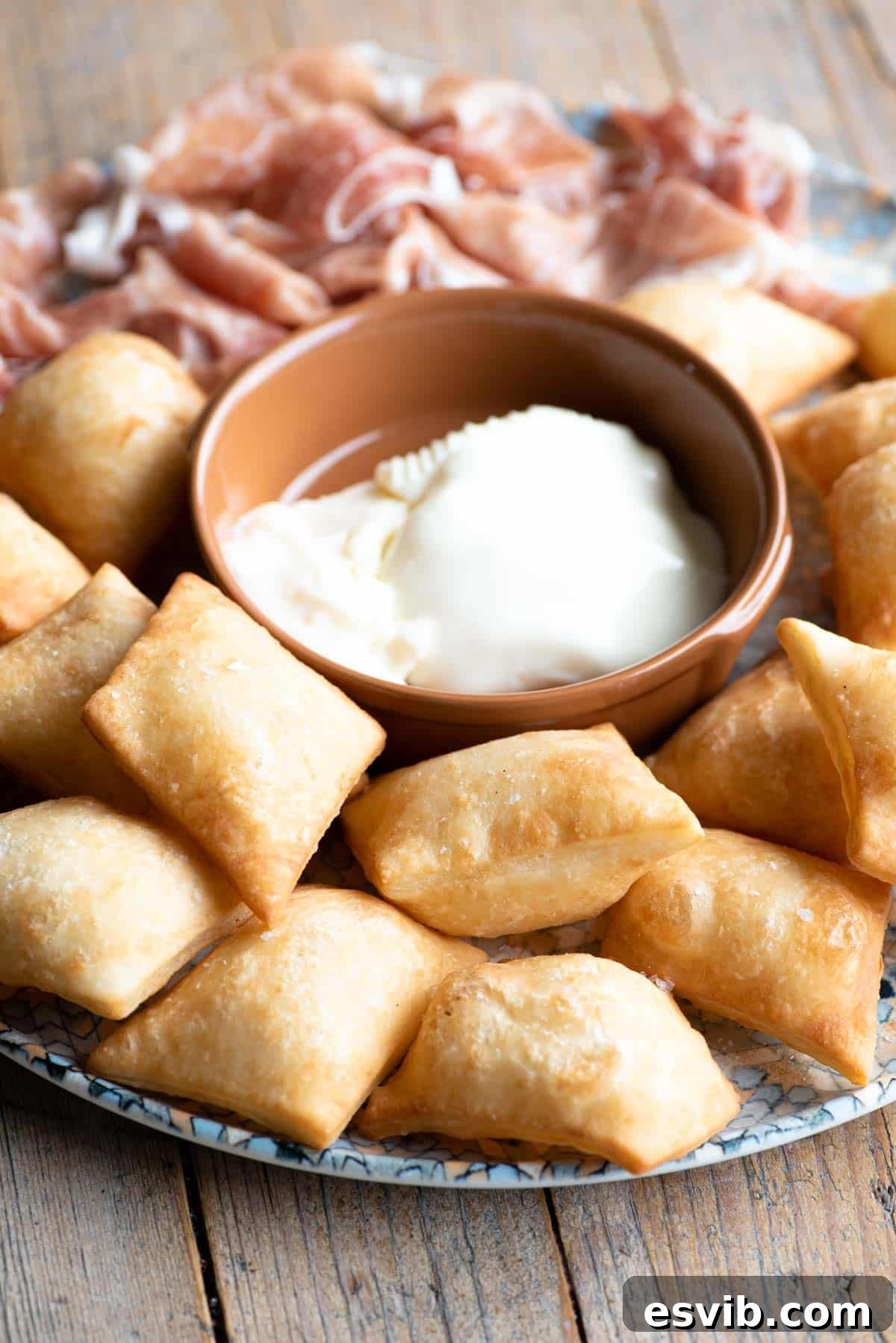
Gnocco Fritto, also affectionately known as Crescentine in some parts of Italy, is a truly exquisite Italian culinary delight hailing from the heart of the Emilia-Romagna region. These savory, golden pillows of fried dough are renowned for their irresistible crispy exterior and wonderfully soft, airy interior. Served piping hot, Gnocco Fritto forms the perfect accompaniment to an array of delectable cured meats and rich, creamy cheeses, making it an essential experience for anyone exploring the authentic flavors of Northern Italy.
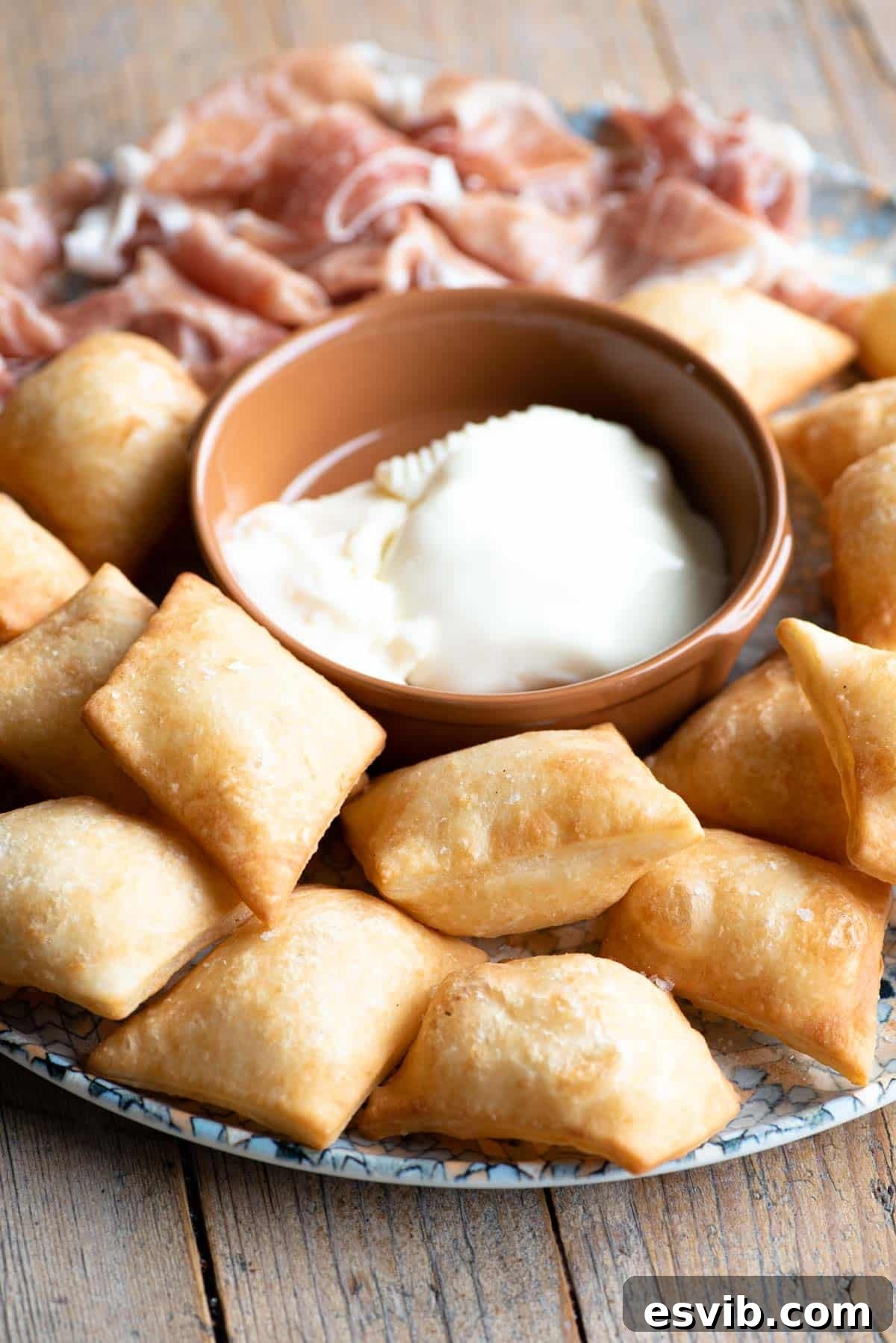
Emilia-Romagna is a region celebrated globally for its profound culinary heritage, often referred to as Italy’s food valley. It’s the birthplace of iconic ingredients such as the revered Parmigiano Reggiano cheese, the delicate and intensely flavored Prosciutto di Parma, and the rich, velvety Mortadella. Beyond these world-famous products, Emilia-Romagna boasts a repertoire of beloved dishes that have captivated palates for centuries, including the slow-simmered, comforting Ragu alla Bolognese and the intricate, heartwarming Tortellini in Brodo. Gnocco Fritto stands proudly among these culinary masterpieces, offering a unique textural and flavor experience that perfectly embodies the region’s rustic yet refined gastronomic traditions.
For those uninitiated in the simple pleasures of Gnocco Fritto, be prepared for an immediate and profound addiction. The magical combination of salty, crispy fried dough, served steaming warm, creates an unparalleled canvas for the robust flavors of cured meats and the subtle nuances of artisanal cheeses. This snack is more than just food; it’s an invitation to savor a moment, a true taste of Italian hospitality and tradition.
Historically, Gnocco Fritto has graced tables during significant family gatherings, especially Sunday lunches, and at vibrant public festivals where communities come together to celebrate. Its presence signifies joy and conviviality. Increasingly, it’s also found its way onto aperitivo menus, served alongside refreshing drinks, offering a delightful precursor to dinner. This versatility makes it a beloved treat for any occasion, from a casual snack to an elegant starter.
Discover the full recipe below, complete with detailed notes on essential ingredients, helpful step-by-step photographs, expert tips, exciting variations, and a convenient video tutorial. For the complete printable recipe, simply scroll to the very bottom of the page or click on the dedicated recipe link.
Mastering Gnocco Fritto: Essential Ingredients You’ll Need
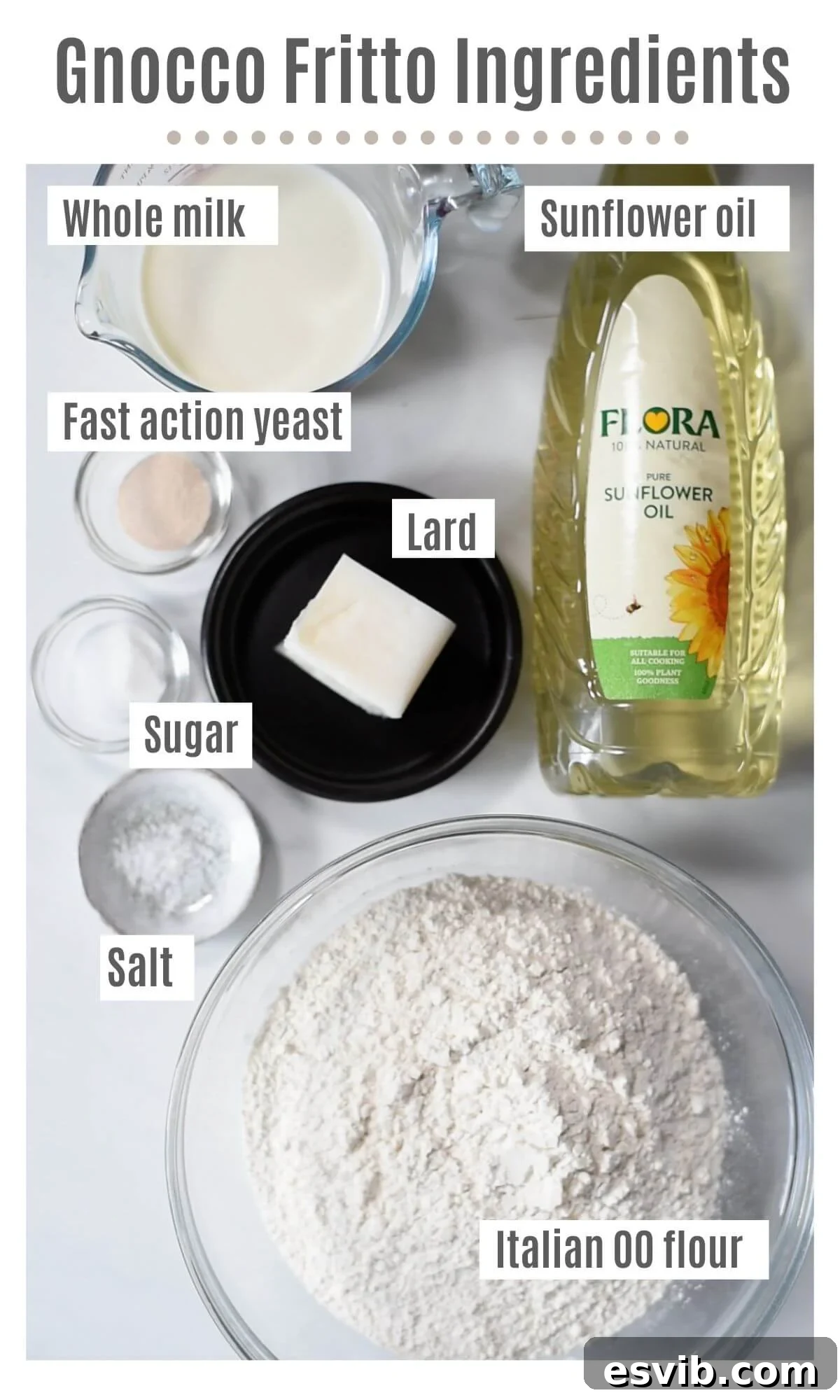
Crafting perfect Gnocco Fritto begins with selecting the right ingredients. Each component plays a vital role in achieving that signature light, airy texture and rich, savory flavor. Here’s a detailed look at what you’ll need to gather:
Ingredient Notes and Expert Substitutions
Understanding the role of each ingredient and knowing how to make smart substitutions is key to successful Gnocco Fritto. Here are some essential notes:
- Italian 00 Flour: This finely milled soft wheat flour is the traditional choice for Italian baked goods, imparting a delicate texture to the dough. Its low protein content results in a tender, less chewy crumb, ideal for achieving that characteristic melt-in-your-mouth quality of Gnocco Fritto. However, if 00 flour is not readily available, you can confidently substitute it with **bread flour** for a slightly chewier result or **all-purpose flour** for a more standard texture.
- Lard: Traditionally, lard is considered essential for authentic Gnocco Fritto, as it contributes significantly to the dough’s tenderness, flakiness, and unique depth of flavor. Its high smoke point also makes it excellent for frying. If you prefer not to use lard, or if it’s difficult to find, **unsalted butter** is an acceptable substitute, though it will slightly alter the flavor profile and texture, making the dough a touch less rich and delicate. Ensure the butter is at room temperature for easy incorporation.
- Whole Milk: Slightly warmed milk is crucial for activating the yeast and promoting a good rise in the dough. The warmth creates an optimal environment for the yeast to thrive, resulting in a lighter and airier Gnocco Fritto. Be careful not to overheat the milk; it should be warm to the touch, not hot, as excessive heat can kill the yeast and prevent the dough from rising.
- Yeast: This recipe calls for **fast-action (instant) yeast**, which is convenient as it doesn’t require prior activation in liquid. It can be mixed directly with the dry ingredients. However, it is paramount to always read the instructions on your yeast packet, as some brands or types of yeast (like active dry yeast) may still necessitate activation in warm liquid before being added to the flour. Proper yeast activation is fundamental for a well-risen dough.
- Sugar and Salt: The timing of adding sugar and salt is critical. Sugar acts as food for the yeast, helping it to activate and contribute to the browning of the dough during frying. Salt, on the other hand, enhances flavor and regulates yeast activity. It is vital to add salt separately from the yeast, as direct contact can inhibit or even kill the yeast, preventing the dough from rising properly. Always ensure these two are introduced at different stages of the mixing process.
- Sunflower Oil (for Frying): While Gnocco Fritto is traditionally fried in lard, which deepens its authentic flavor, **sunflower oil** or other neutral vegetable oils (such as canola or peanut oil) are widely used as easier and lighter alternatives. These oils have a high smoke point, which is crucial for achieving that desirable golden-brown crispness without burning. They also allow the delicate flavor of the dough and its accompaniments to shine through more prominently.
Crafting Your Gnocco Fritto: Detailed Step-by-Step Instructions
Follow these detailed steps carefully to create perfect, puffy Gnocco Fritto that will impress your family and friends. Precision in each stage ensures a delightful result.
Begin by gently warming the whole milk in a small saucepan. Once it reaches a lukewarm temperature – warm to the touch, but not hot – remove it from the heat and set it aside. This warmth is vital for activating the yeast without scalding it.
In a spacious mixing bowl, combine the Italian 00 flour, instant yeast, and sugar. Stir these dry ingredients thoroughly to ensure an even distribution. Next, create a distinct well in the center of the flour mixture. Carefully pour the warmed milk into this well. (Important Note: Always refer to your specific yeast packet instructions. If your yeast requires prior activation in liquid, gently whisk it into the warm milk and let it sit for 5-10 minutes until foamy before adding it to the flour mixture.)
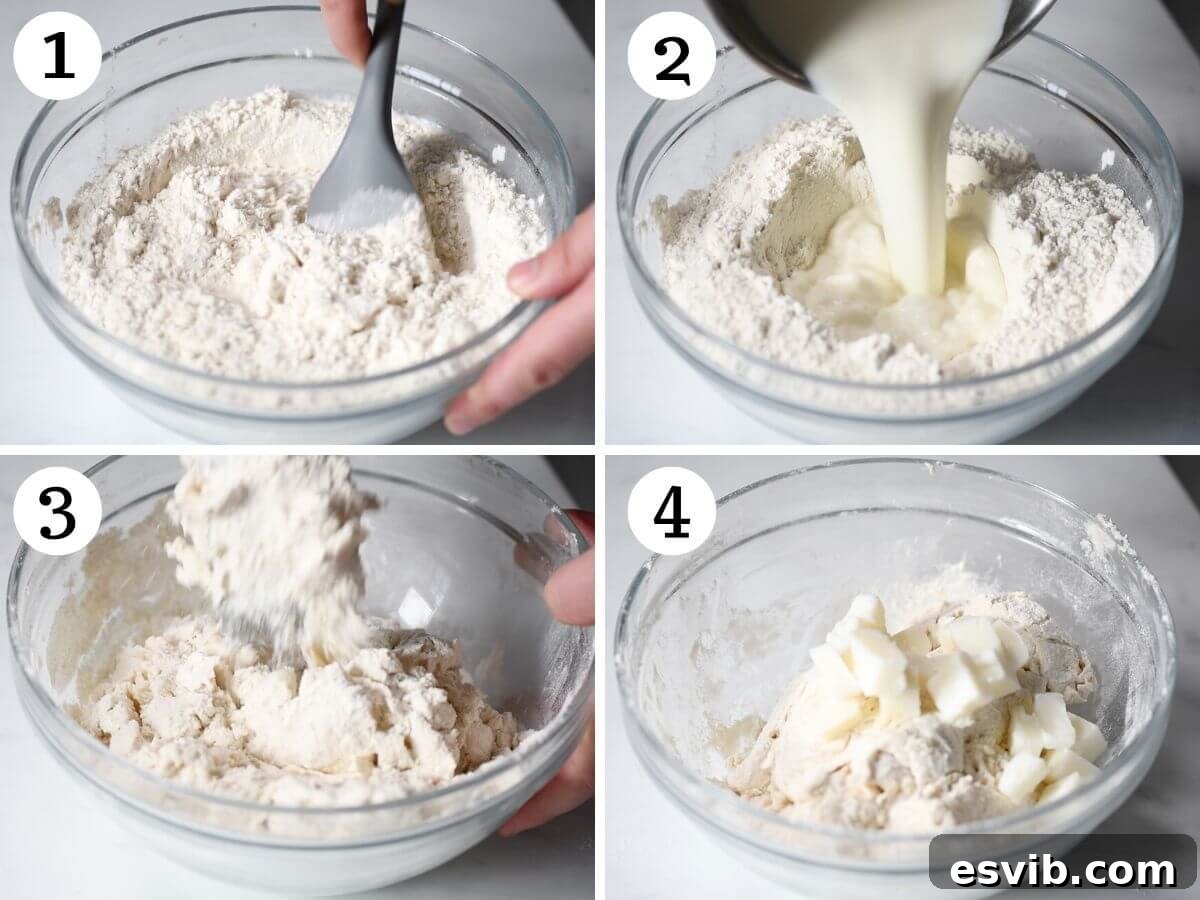
Using a sturdy spoon or a flexible spatula, gradually incorporate the wet and dry ingredients, stirring until a very rough, shaggy dough begins to form. At this stage, the dough won’t be smooth or uniform, but rather clumpy and just coming together.
Now, add the softened lard (or butter, if substituting) and the fine salt to the rough dough. Using your hands, knead the dough directly in the bowl or on a lightly floured surface. Continue kneading until the lard is completely integrated and the dough becomes smooth, elastic, and no longer sticky. This process usually takes about 5-7 minutes of consistent kneading, developing the gluten and ensuring a tender final product.
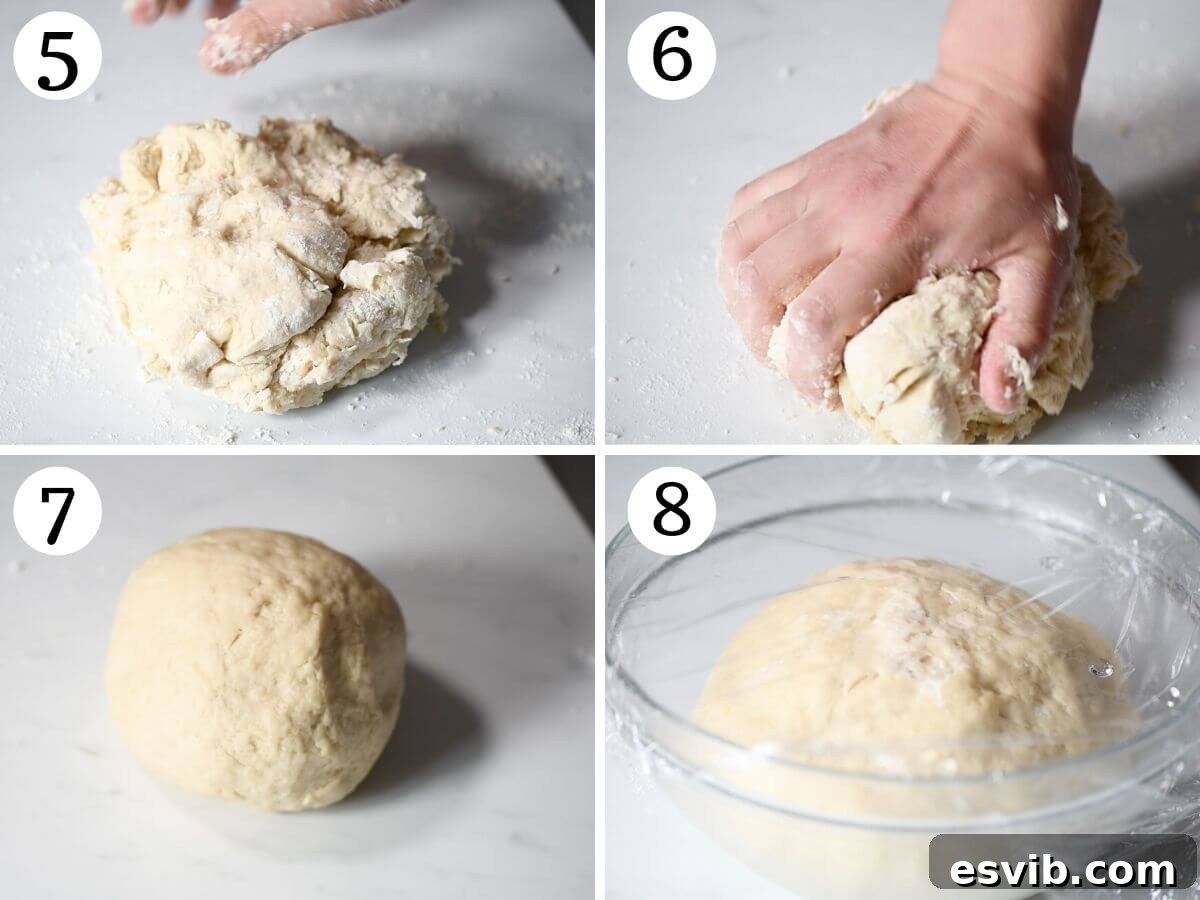
Once kneaded, transfer the dough to a clean bowl that has been lightly oiled. Cover the bowl tightly with plastic wrap (cling film) or a clean kitchen towel. Allow the dough to rise in a warm, draft-free spot at room temperature for approximately 2 hours, or until it has visibly doubled in size. This proving period is crucial for developing flavor and achieving the desired light and airy texture.
As the dough nears the end of its proving time, prepare for frying. Pour sunflower oil into a large, heavy-bottomed frying pan or Dutch oven, ensuring the oil is about 2 inches deep. Heat the oil over medium-high heat to a precise temperature of 180°C (350°F). A kitchen thermometer is highly recommended to accurately monitor the oil temperature, as consistent heat is key to perfectly fried Gnocco Fritto.
While the oil heats, gently punch down the risen dough to release any air. Lightly sprinkle a clean work surface with flour. Transfer the dough onto this surface and, using a rolling pin, roll it out evenly until it is approximately 3mm (⅛ inch) thick. Aim for a consistent thickness to ensure even cooking.
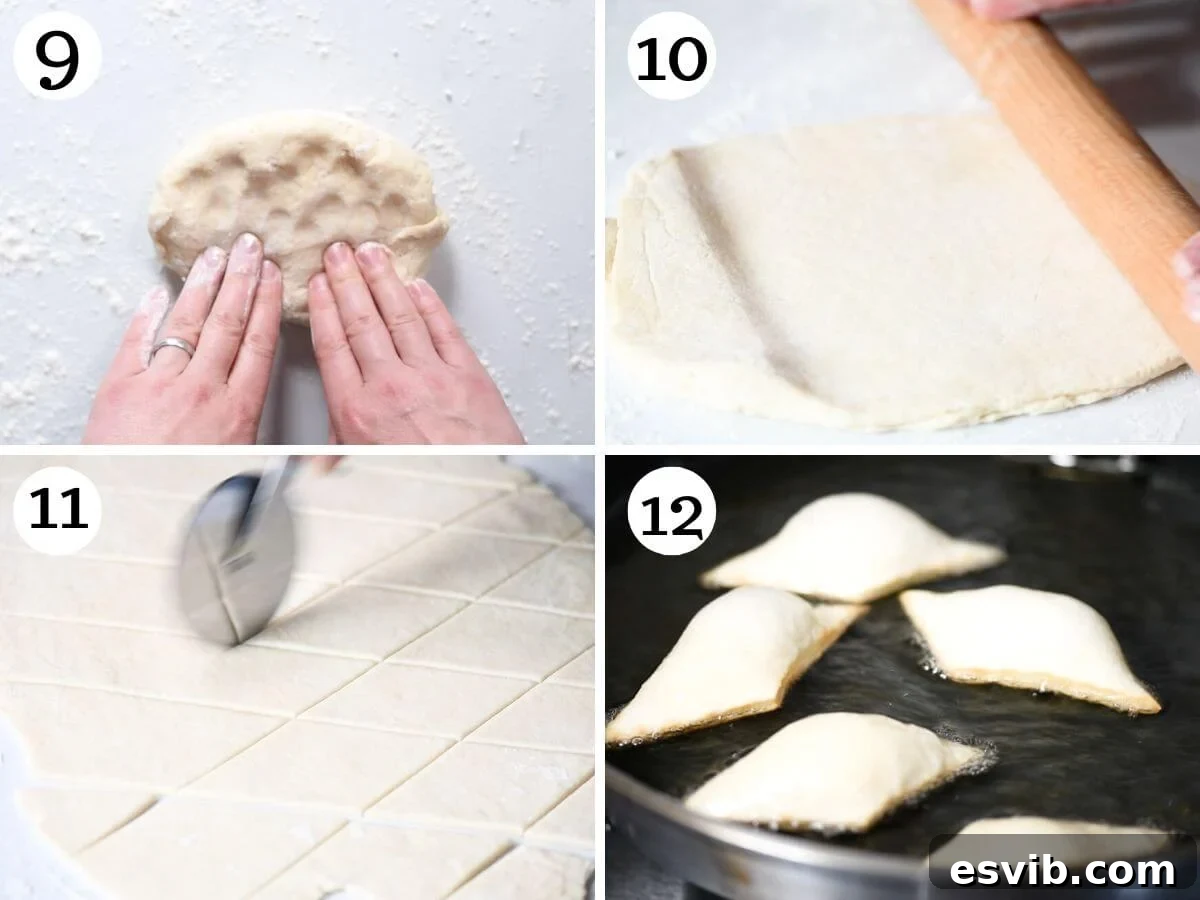
Using a pizza wheel or a sharp knife, cut the rolled-out dough into rough squares, each measuring approximately 5-6cm (2-2.5 inches) wide. These traditional shapes will puff up beautifully when fried. Carefully drop the dough squares into the hot oil in small batches. Avoid overcrowding the pan, as this can lower the oil temperature and result in greasy Gnocco Fritto. Fry each batch for 1-2 minutes per side, or until they puff up significantly and turn a glorious golden brown. Once cooked, use a slotted spoon to transfer the Gnocco Fritto to a plate lined with kitchen paper to drain any excess oil. Serve them immediately, sprinkled with a touch of salt, alongside your chosen cured meats and cheese.
How to Serve Gnocco Fritto: Classic Pairings and Creative Ideas
The beauty of Gnocco Fritto lies not only in its delightful taste and texture but also in its incredible versatility when it comes to serving. While delicious on its own, it truly shines when paired thoughtfully. Here are some of the most cherished ways to enjoy this Emilia-Romagna staple:
My absolute favorite way to indulge in Gnocco Fritto is served directly from the pan, still hot and lightly dusted with a fine sprinkling of salt. This simple preparation, accompanied by a refreshing aperitivo cocktail such as an invigorating Aperol Spritz, creates an instant moment of bliss. The warmth and crispness of the dough, combined with the effervescence of the drink, is pure Italian charm.
Traditionally, Gnocco Fritto is presented as an antipasto, a starter designed to awaken the palate before a main meal. The classic pairing involves a selection of exquisite cured meats (salumi) and soft, creamy Italian cheeses. Imagine plates laden with delicate slices of Prosciutto Crudo, the rich and aromatic Mortadella, or the savory Coppa. These meats are often complemented by fresh, spreadable cheeses like Stracchino or the famously delicate Squacquerone, which melt slightly into the warm dough. To complete this authentic experience, a glass of sparkling Lambrusco wine, also from Emilia-Romagna, is the perfect beverage, its fruity notes cutting through the richness of the food.
Beyond savory applications, Gnocco Fritto can surprisingly transform into a delightful dessert! For those with a sweet tooth, try serving these fried dough pillows with a generous spoonful of luscious Nutella chocolate spread. The warm dough softens the Nutella, creating a wonderfully indulgent treat. Other sweet variations include dusting them with powdered sugar, drizzling with honey, or serving with a side of fruit preserves or creamy mascarpone cheese.
Expert Recipe Tips for Perfect Gnocco Fritto Every Time
Achieving perfectly puffy and golden Gnocco Fritto is a rewarding experience. Here are some essential tips to guide you through the process and ensure outstanding results:
- Activating the Yeast: While many modern fast-action (instant) yeasts do not require pre-activation in water, it’s always best practice to consult the specific instructions on your yeast packet. If your yeast variety suggests or requires activation, gently stir it into a small portion of the warmed milk (or water, if specified) and let it bloom for 5-10 minutes until a foamy layer appears on the surface. This step confirms the yeast is active and ready to make your dough rise beautifully.
- Proving the Dough Successfully: The environment in which your dough rises significantly impacts its texture. I recommend allowing the dough to rise at a consistent room temperature, ideally in a location away from direct sunlight or drafts. Extreme temperatures (too hot or too cold) can either over-proof or under-proof the dough, affecting its final lightness and structure. A warm, consistent spot is crucial for a slow, steady, and effective rise.
- Utilize a Thermometer for Frying Oil: Maintaining the correct oil temperature is perhaps the most critical factor in successful frying. An oil that is too cool will result in greasy, heavy Gnocco Fritto that absorbs too much oil, while oil that is too hot will burn the exterior before the interior has a chance to cook through and puff up. Invest in a reliable kitchen thermometer to accurately monitor and regulate the oil temperature, keeping it consistently around 180°C (350°F). Additionally, fry the Gnocco Fritto in small batches to prevent the oil temperature from dropping drastically, which helps ensure even cooking and a perfectly crispy texture for each piece.
- Precision with a Kitchen Scale: When working with flour and other dry ingredients, measuring cups can be notoriously inaccurate, leading to inconsistent results. The volume of flour in a cup can vary significantly depending on how it’s scooped and packed. For precise and repeatable results, I strongly advocate for using a digital kitchen scale to measure ingredients by weight. This method eliminates variability and ensures that your dough has the exact proportions needed for optimal texture and rise.
- Proper Storage for Best Enjoyment: Gnocco Fritto is undeniably at its peak when served immediately after frying, while still warm and wonderfully crispy. However, if you have leftovers, they can be stored in an airtight container at room temperature for 1-2 days. While they will lose some of their initial crispness, they can be gently reheated in a dry pan or oven to regain some warmth. If you prepare the dough in advance, it can be stored in an airtight container in the refrigerator for 1-2 days before frying. For longer storage, the dough can be frozen; simply defrost it in the refrigerator overnight and then bring it to room temperature before rolling and frying.
Common Questions About Gnocco Fritto
While “Gnocco Fritto” is the most recognized name, particularly in Modena, this beloved fried dough has a delightful array of regional aliases across Emilia-Romagna. In Bologna, for instance, it’s widely known as “Crescentine,” referring to its moon-like shape. Travel to Parma, and you’ll hear it called “Torta Fritta,” or “fried cake.” In the smaller town of Chieza, it takes on the charming name “Chizza Fritta.” These different names highlight the rich culinary diversity and local traditions within a single region, each bringing its own unique touch to this popular snack.
Absolutely! Preparing the dough in advance or having leftovers is quite convenient. Unfried Gnocco Fritto dough can be stored effectively in the refrigerator for 1-2 days. Simply place it in an airtight container or a bowl covered tightly with plastic wrap to prevent it from drying out. When you’re ready to use it, remember to bring the dough to room temperature for about 30-60 minutes before rolling and frying. This allows the gluten to relax and ensures a proper rise. For longer-term storage, the dough freezes beautifully. Divide it into portions, wrap tightly in plastic wrap, and then place in a freezer-safe bag. To use, defrost the dough in the refrigerator overnight, then bring it to room temperature before proceeding with the rolling and frying steps.

Explore More Authentic Italian Bread Recipes
If you’ve enjoyed making and tasting Gnocco Fritto, you’ll love delving deeper into the diverse world of Italian bread. From flaky flatbreads to savory sticks, Italian breadmaking offers endless culinary adventures. Here are some more beloved recipes to try:
Bread & Savory Bakes
La Piadina: Italian Flatbread
Pizza
Rosemary Focaccia Bread
Antipasti
Grissini – Italian Breadsticks
Antipasti
Taralli Pugliesi (Italian Snack)
If you’ve had the pleasure of trying this Gnocco Fritto recipe or any other delightful recipe from our blog, please don’t hesitate to share your experience! We would absolutely love for you to rate the recipe and leave a comment below to let us know how it turned out – your feedback is incredibly valuable to us. You can also follow us on Facebook, Instagram, and Pinterest for daily inspiration, or sign up for our exclusive Newsletter to receive weekly updates on our latest and most delicious food creations!
Step By Step Photos Above
Most of our recipes come with step-by-step photos, helpful tips and tricks to make it perfectly first time and even video!
Gnocco Fritto (Italian Fried Dough)
By Emily

Ingredients
- 500 g Italian 00 flour, (4 cups)
- 1 teaspoon sugar
- 1 teaspoon fast action (instant) yeast
- ½ teaspoon fine salt
- 250 ml whole milk, (1 cup plus 1 tablespoon)
- 70 g lard, or butter (2.4oz or 5 tablespoons)
- Sunflower oil, for frying
For serving
- Prosciutto crudo, or other cured meats
- Stracchino or Crescenza cheese
Instructions
- Warm the milk in a saucepan then turn off the heat and set aside. Make sure it’s warm and not hot.
- Put the flour, yeast and sugar in a large mixing bowl and stir together. Make a well in the centre of the flour and add the warm milk (please note: check your packet instruction for how to use your yeast. If it needs activating in liquid first, you can add it to the warm milk for 5-10 minutes before starting).
- Stir everything together until a very rough dough has formed. Add the lard and salt and knead the dough with your hands until the lard is fully incorporated into the dough.
- Put the dough into a clean bowl and cover with plastic wrap (cling film). Let the dough rise at room temperature for 2 hours.
- Put the sunflower oil in a large frying pan so it’s about 2 inches deep. Heat to 180C using a thermometer.
- Meanwhile, lightly sprinkle a clean work surface with flour and roll the dough out until about 3mm thick.
- Using a pizza wheel or knife cut the dough into rough squares about 5-6cm wide. Fry the gnocchi in small batches until puffed and golden brown (1-2 minutes each side). Drain on kitchen paper and serve with cheese and prosciutto.
Video
Notes
-
- Activating the yeast – the yeast we use does not have to be activated in water first but make sure to check your packet instructions in case yours does. If it does, you can add it to a small amount of the warmed milk.
- Proving the dough – I let my dough rise a room temperature, away from direct sunlight.
- Use a thermometer – I recommend using a thermometer to keep an eye on the temperature of the oil. Fry them in small batches and try not to over-crowd the pan to make sure they cook evenly.
- Use a kitchen scale – as always, I recommend using a kitchen scale when working with flour as measuring cups are so inaccurate and give you different results each time.
- Storage – the gnocco fritto are best served immediately but will keep in an air-tight container for 1-2 days. The dough can be stored in the fridge for 1-2 days before frying or can be frozen.
Helpful Info for All Recipes
- I always use extra virgin olive oil in all of my recipes unless stated otherwise
- When I use canned or jarred tomatoes of any kind I always use Cirio or Mutti brands for the best results and flavour.
- All vegetables are medium sized unless stated otherwise
- All recipes are tested and developed using a fan (convection) oven
- Find out more about how nutrition is calculated.
- Check out our must-have Italian Pantry Staples.
- You can also find all our Essential Kitchen Tools for Italian Cooking.
Nutrition
Nutrition information is automatically calculated, so should only be used as an approximation.