
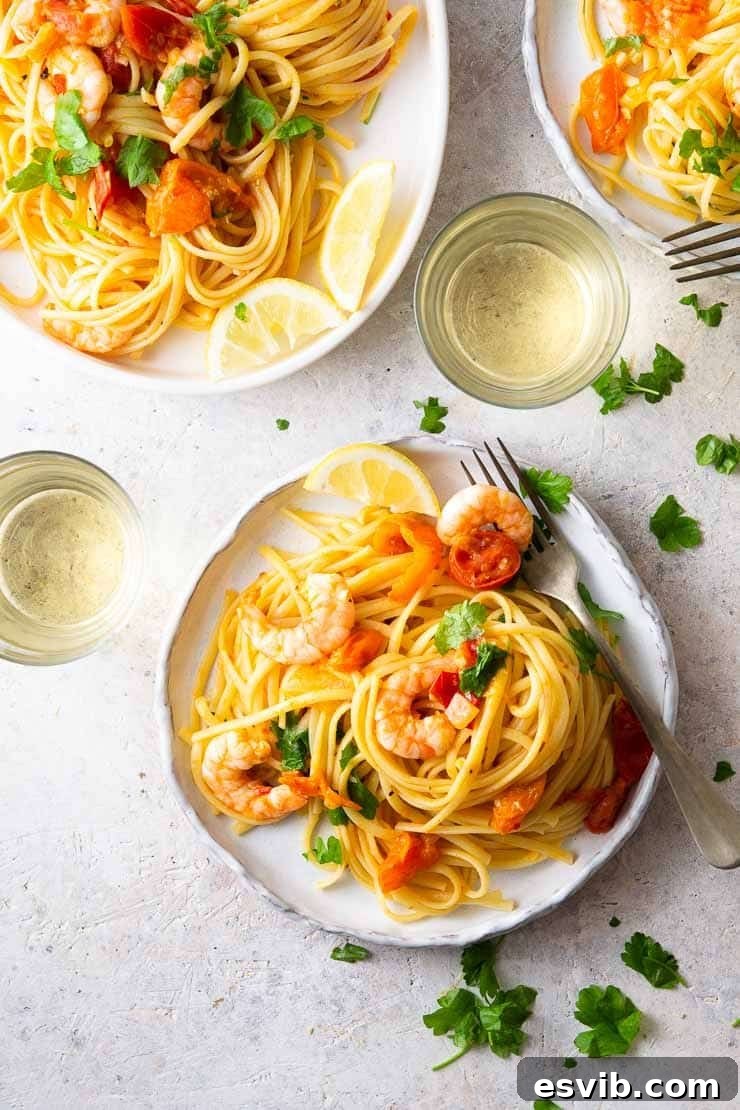
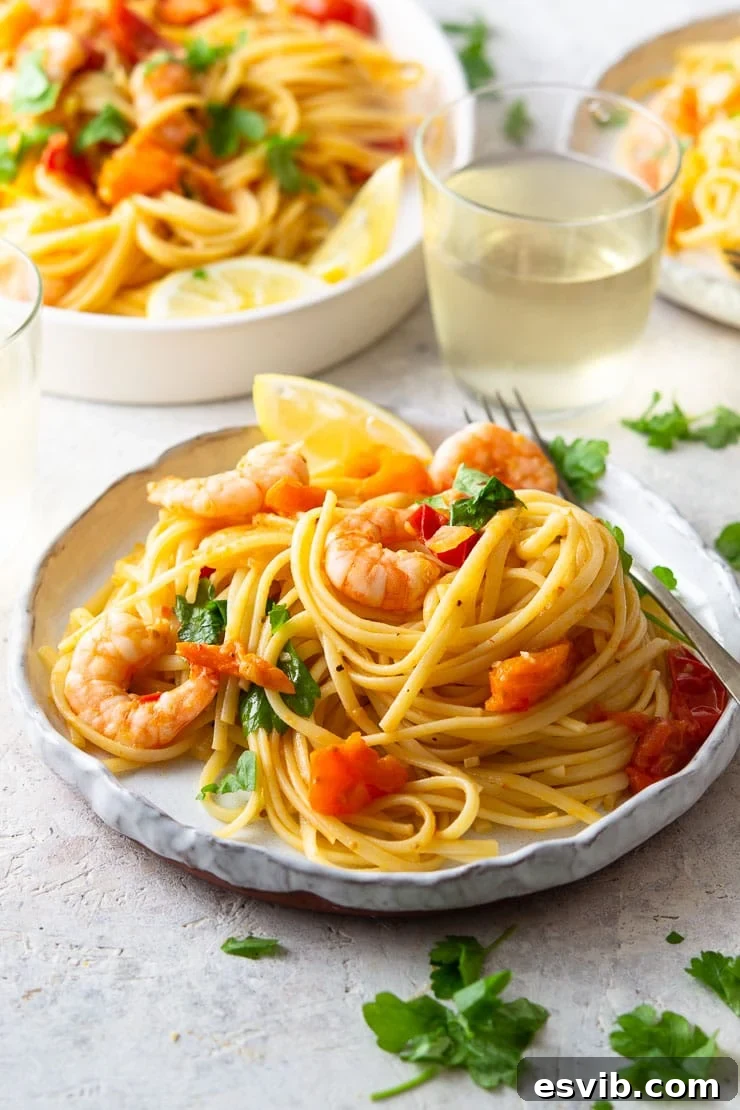
Experience the vibrant, sun-drenched flavors of the Italian coast with our incredibly easy and satisfying 20-minute Shrimp Linguine recipe. This dish is a true testament to the beauty of simple Italian cooking, where a handful of fresh, quality ingredients come together to create a culinary masterpiece. Succulent shrimp, sweet burst cherry tomatoes, fragrant garlic, a subtle kick of chili, and bright, fresh parsley are all tossed with al dente linguine in a delightful white wine sauce. Perfect for a quick weeknight dinner or an elegant meal for guests, this seafood pasta promises a fresh, delicious, and utterly unforgettable experience. Serve it piping hot with a squeeze of lemon and a crisp, chilled glass of your favorite Italian vino.
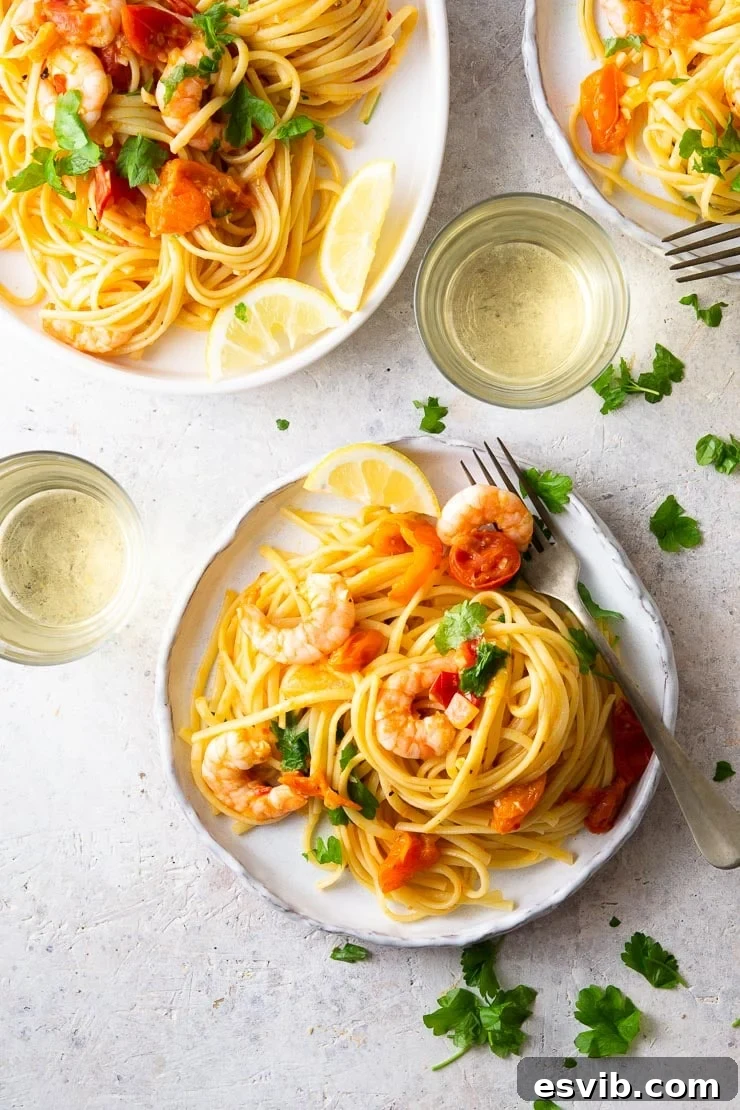
Quick & Flavorful: Your Guide to 20-Minute Shrimp Linguine
In the bustling rhythm of modern life, finding time to cook a wholesome, flavorful meal can often feel like a challenge. That’s where this Shrimp Linguine recipe truly shines. It’s an ode to the simple brilliance of Italian cuisine, proving that you don’t need an endless list of ingredients or hours in the kitchen to create something truly extraordinary. This dish is not just fast; it’s a celebration of fresh produce and tender seafood, coming together in perfect harmony. From the moment you start prepping to the first forkful, you’ll be amazed at how quickly such a delicious and elegant meal can materialize on your table.
Forget complicated recipes and lengthy cooking times. Our easy shrimp linguine emphasizes fresh flavors and a straightforward approach. We’ll guide you through selecting the best ingredients, mastering a few simple techniques, and ultimately, crafting a memorable seafood pasta that will become a cherished go-to in your repertoire. Get ready to transform everyday staples into a dish that tastes like it came straight from a charming trattoria in Italy.
Selecting the Perfect Shrimp for Your Italian Pasta Dish
The success of any seafood pasta hinges on the quality of its main ingredient, and our Shrimp Linguine is no exception. Choosing the right shrimp is paramount for achieving that perfect succulent texture and rich flavor. Here’s what you need to know to pick the best for your dish.
Raw vs. Frozen: The Case for Freshness
Whenever possible, I wholeheartedly recommend opting for fresh, raw shrimp. The difference in taste and texture is genuinely remarkable. Fresh shrimp tend to be firmer, sweeter, and retain their natural moisture better during cooking. While frozen shrimp offers convenience, I’ve often found they can release excess water upon thawing, potentially diluting your delicate sauce and resulting in a less vibrant flavor. If frozen is your only option, ensure they are thoroughly thawed and meticulously patted dry with paper towels before adding them to the pan. This crucial step helps prevent them from steaming rather than searing, ensuring a more desirable texture.
Size and Sustainability: Making Informed Choices
When it comes to size, I prefer large or jumbo shrimp. Their generous size ensures a wonderfully juicy bite and makes for a more substantial and visually appealing dish. However, don’t fret if only medium shrimp are available; they will work beautifully too, just keep an eye on the cooking time as smaller shrimp cook much faster. Always aim for shrimp from sustainable sources. Look for certifications or ask your fishmonger about their sourcing practices to make an environmentally conscious choice.
Preparation for Optimal Taste and Texture
Regardless of size, make sure your shrimp are properly deveined. Many stores offer pre-deveined shrimp, saving you a step. If not, it’s a simple process with a small paring knife. You can choose to leave the tails on for an elegant presentation and an easier grip while eating, or remove them entirely for a cleaner, fork-friendly experience. Whichever you choose, clean shrimp are happy shrimp, ready to soak up all the delicious flavors of your sauce.
The Indispensable Role of White Wine in Shrimp Linguine Sauce
A splash of white wine isn’t just an ingredient in this shrimp linguine recipe; it’s a flavor enhancer that adds depth, acidity, and a touch of sophistication to your sauce. Selecting the right wine is key to unlocking its full potential.
Embrace Dry White Wines for the Best Flavor
For this delightful sauce, a dry white wine is absolutely essential. Its crispness and subtle fruit notes beautifully complement the sweetness of the cherry tomatoes and the delicate flavor of the shrimp. Avoid anything sweet, as it can throw off the balance of the dish. My personal favorites for this white wine sauce include Italian varietals such as Orvieto, Soave, or Vermentino – known for their bright acidity and mineral undertones. Other excellent and widely available options include Pinot Grigio, Sauvignon Blanc, or even an unoaked Chardonnay. The goal is a wine that can stand up to the richness of the seafood without overpowering it.
The Cardinal Rule: Drink It If You Cook With It
Let’s be unequivocally clear: please, for the love of good food, do not use “cooking wine.” These products are often laden with salt and preservatives, offering an inferior taste that will detrimentally impact your dish. The golden rule in cooking with wine is simple: if you wouldn’t enjoy a glass of it, it has no place in your pan. This recipe uses only a modest amount, leaving you with plenty to savor alongside your meal. There’s nothing quite like pairing a vibrant seafood pasta with the very wine that helped create its exquisite flavor.
Alcohol-Free Alternatives for a Flavorful Sauce
For those who prefer to cook without alcohol, a high-quality chicken or vegetable broth makes an excellent substitute for white wine. While it will impart a slightly different flavor profile, it still provides the necessary liquid base for your sauce. To mimic the acidity that wine brings, you can add a tablespoon of fresh lemon juice or a dash of white wine vinegar along with the broth. This will help brighten the sauce and keep the flavors lively.
Crafting Your 20-Minute Shrimp Linguine: A Detailed Step-by-Step Guide
This section breaks down the cooking process into simple, manageable steps, ensuring you achieve a perfect quick pasta recipe every time. Follow along closely to create a luscious Italian pasta dish in minimal time.
Step 1: Prep & Pasta Perfection
Before you even turn on the stove, gather and prepare all your ingredients. This practice, known as “mise en place,” is critical for any 20-minute meal. Devein your shrimp, halve the cherry tomatoes, finely chop your garlic and shallots, and mince the fresh chili. Next, bring a large pot of salted water to a rolling boil for your linguine. Cook the pasta according to the package directions until it reaches a perfect “al dente” texture – firm to the bite, with a slight chewiness, but not hard in the center. This is crucial for authentic Italian pasta. Just before draining, be sure to reserve about ½ cup (125ml) of the starchy pasta water. This liquid is your secret weapon for creating a silky, emulsified sauce that lovingly clings to every strand of linguine.
Step 2: Building the Aromatic Foundation
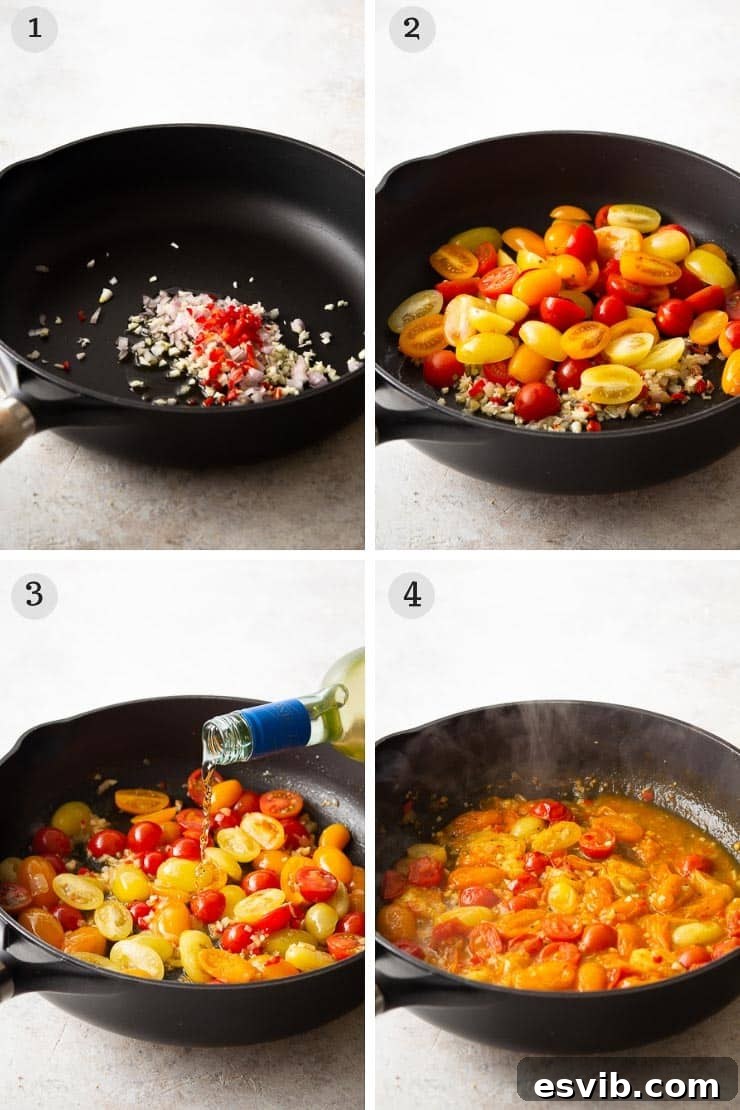
In a large, wide skillet or sauté pan, heat one tablespoon of high-quality extra virgin olive oil over medium heat. Once shimmering, add the finely chopped garlic, shallots, and fresh chili. Sauté gently for 1 to 2 minutes, stirring frequently, until the shallots are soft and translucent, and the garlic is fragrant but not browned. It’s vital to avoid browning the garlic, as it can quickly turn bitter and detract from the dish’s delicate flavors. This aromatic trifecta forms the foundational layer of taste for your delicious shrimp linguine.
Step 3: The Sweet Burst of Cherry Tomatoes
Once your aromatics are fragrant, add the halved cherry tomatoes to the pan. Continue to cook for approximately 5 minutes, stirring occasionally. As they cook, the heat will cause the tomatoes to soften and burst, releasing their vibrant juices and natural sweetness. This creates a wonderfully fresh, slightly chunky, and naturally saucy base that will envelop the shrimp and pasta. The “burst” technique maximizes their flavor, infusing the entire dish with a delightful tang and sweetness.
Step 4: Deglazing, Shrimp, and Sauce Emulsification
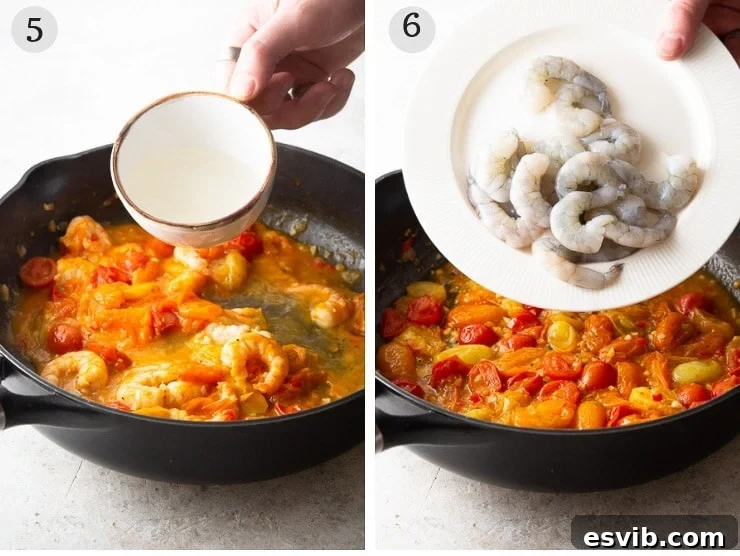
Pour in ¼ cup (60ml) of your chosen dry white wine. Increase the heat slightly and allow the wine to vigorously simmer and reduce by about half. This deglazing step not only concentrates the wine’s flavor but also helps to scrape up any delicious browned bits from the bottom of the pan, adding another layer of complexity to your white wine sauce. The sauce should still maintain a good saucy consistency. Now, add the raw shrimp to the pan. Cook, stirring occasionally, until they curl slightly and turn opaque and pink. This usually takes only 2-3 minutes, as shrimp cook very quickly. Be careful not to overcook them, as they can become rubbery. Once the shrimp are perfectly pink, stir in about ¼ cup (60ml) of the reserved starchy pasta water. This starchy liquid is crucial for binding the sauce, helping it to emulsify into a smooth, glossy consistency that clings beautifully to the pasta.
Step 5: The Grand Finale: Combine and Serve
Finally, add the cooked, al dente linguine directly into the pan with your vibrant shrimp and tomato sauce. Using a pair of tongs, toss everything together vigorously. Continue tossing for a minute or two, allowing the pasta to absorb the rich flavors of the sauce and for the starch from the pasta to further thicken and emulsify the sauce into a perfect consistency. Finish by sprinkling a generous amount of freshly chopped parsley over the dish; its herbaceous notes provide a vital freshness and color. Serve your magnificent Shrimp Linguine immediately with fresh lemon wedges on the side, allowing each diner to add a bright, zesty finish to their plate. Enjoy the simple pleasure of this quick, fresh, and irresistibly delicious Italian masterpiece!
Beyond Shrimp: Exploring Variations and Enhancements
This Shrimp Linguine recipe is fantastic on its own, but its robust base also makes it incredibly adaptable. Don’t be afraid to experiment and customize it to your liking, transforming it into a personalized culinary experience.
Expanding Your Seafood Repertoire
The beauty of this recipe lies in its versatility with other seafood. Feel free to substitute or add other types of seafood to create a truly luxurious mixed seafood pasta. Here are some of my favorite additions:
- Mussels: Add a pound of scrubbed and de-bearded mussels to the pan along with the shrimp. Cover the pan for a few minutes until they open. Discard any mussels that remain closed. Their briny liquor will add incredible depth to the sauce.
- Clams: Similar to mussels, cleaned clams can be added at the same stage. They will steam open beautifully, infusing the sauce with their delicate flavor.
- Calamari (Squid): Thinly sliced calamari rings cook very quickly. Add them during the last minute or two of the shrimp’s cooking time to ensure they remain tender and don’t become rubbery.
A combination of different seafood can turn this into an impressive dish for special occasions or a romantic date night, offering an elevated dining experience without demanding hours of preparation.
Achieving Creaminess: Two Delightful Approaches
While I adore the vibrant freshness of this shrimp linguine, there are times when a touch of creaminess can take it to another level of comfort. Here are two ways to achieve that luscious texture:
- A Dash of Heavy Cream: After the white wine has reduced and the tomatoes have burst, stir in about ¼ cup (60ml) of heavy cream. Allow it to simmer gently for 2-3 minutes, just enough for it to slightly thicken and integrate into the sauce. The goal isn’t to make it taste overtly like cream, but rather to impart a velvety richness. If you choose this option, you might need to reduce the amount of reserved pasta water added in Step 4 to just 2 tablespoons, or even omit it entirely, to ensure your sauce remains perfectly coating the pasta and isn’t too thin or soupy.
- Butter for Silkiness (No Cream Needed): For a creamy texture without adding actual cream, try stirring in a generous knob of unsalted butter at the very end, just as you’re tossing the cooked linguine into the sauce. The butter will melt and emulsify with the existing sauce and pasta water, creating a beautiful sheen and a wonderfully rich, smooth mouthfeel. This method adds a luxurious finish while maintaining a lighter feel than heavy cream.
Essential Tips and Creative Variations for Your Shrimp Linguine
To ensure your shrimp linguine is consistently perfect and to inspire further culinary exploration, consider these expert tips and variations:
- Tomato Variety: While any cherry or grape tomatoes will work due to their inherent sweetness, I particularly enjoy using different colored varieties when they are in season. They add a beautiful visual appeal and a subtly varied sweet-tart dimension to the sauce.
- Pasta Shape Flexibility: Linguine is classic for this dish, but spaghetti is an excellent alternative that holds the sauce beautifully. For optimal sauce adhesion and a true Italian feel, I generally recommend sticking to long pasta shapes rather than shorter ones.
- The Right Wine Matters: Reiterate the importance of using a dry white wine that you genuinely enjoy drinking. It doesn’t need to be expensive, but its quality will directly influence the final flavor of your sauce. Absolutely avoid “cooking wine.”
- Controlling the Heat: My recipe calls for half a fresh red chili, but chili heat varies greatly. Taste a tiny piece of your chili first to gauge its potency, then adjust the amount to your personal preference. For a milder touch or if fresh chili isn’t available, a pinch of red pepper flakes makes a fantastic substitute.
- Fresh Herbs are Non-Negotiable: The bright, clean flavor of freshly chopped parsley is vital to this dish. Dried parsley simply cannot replicate the vibrant taste and aroma. Use it generously!
- Serve It Now: This is a dish that truly shines when served immediately. The delicate shrimp can become tough upon reheating, and the pasta might absorb too much sauce, losing its perfect al dente texture. Savor it fresh!
- Beyond the Recipe: Feel free to add a handful of fresh spinach or thinly sliced asparagus during the last minute of sauce cooking for extra vegetables and color. They will wilt or cook quickly, adding a healthy touch without compromising the cooking time.
Discover More Easy & Authentic Italian Pasta Recipes
If you loved the simplicity and explosive flavors of this 20-minute shrimp linguine, we invite you to explore more of our easy-to-follow Italian pasta creations. Each recipe is designed to bring the heart of Italian cooking directly to your kitchen, offering authentic tastes with minimal fuss.
- Shrimp Spaghetti with ‘Nduja and Lemon
- Pasta Amatriciana – Bucatini, Tomato & Guanciale
- White Truffle Cacio e Pepe
- Eggplant Pasta alla Norma
- Pasta with Puttanesca Sauce
We absolutely love hearing from you! If you’ve tried this Shrimp Linguine or any other recipe on our blog, please don’t hesitate to share your thoughts and experiences in the comments section below. Your feedback and culinary adventures inspire us. You can also follow us on Facebook, Instagram, and Pinterest to stay updated with more delicious food and behind-the-scenes glimpses into our kitchen!
Recipe Card: Shrimp Linguine with Burst Tomatoes and Parsley
By Emily
Prep Time: 5 minutes
Cook Time: 15 minutes
Total Time: 20 minutes
Yields: 4 servings
A quick and fresh 20-minute Shrimp Linguine featuring sweet cherry tomatoes, aromatic garlic, dry white wine, a touch of chili, and vibrant fresh parsley. This simple Italian pasta dish is incredibly easy to make, perfect for a fast, flavorful meal. Serve with lemon wedges and your favorite chilled vino.
Ingredients
- 5.6 oz (160g) Raw jumbo shrimp, peeled and deveined
- 14 oz (400g) Cherry tomatoes, halved
- 1/2 Fresh red chili, finely chopped (adjust to your heat preference)
- 1 Banana shallot, finely chopped
- 2 Cloves garlic, finely chopped
- 1/4 cup (60ml) Dry white wine (e.g., Orvieto, Soave, Vermentino, Pinot Grigio)
- 14 oz (400g) Linguine pasta
- Fresh parsley, finely chopped, for serving
- Lemon wedges, for serving
- 1 tbsp Extra virgin olive oil
- Salt and freshly ground black pepper, to taste
- 1/2 cup (125ml) Reserved starchy pasta water (as needed)
Instructions
- Bring a large pot of generously salted water to a boil. Cook the linguine according to package directions until al dente. Before draining, reserve approximately ½ cup (125ml) of the starchy pasta water.
- Meanwhile, heat 1 tablespoon of olive oil in a large skillet or wide pan over medium heat. Add the finely chopped garlic, shallots, and fresh chili. Sauté for 1-2 minutes, stirring constantly, until the shallots are soft and translucent, and the garlic is fragrant but not browned.
- Add the halved cherry tomatoes to the pan. Cook for about 5 minutes, stirring occasionally, until the tomatoes soften, burst, and release their juices, creating a naturally saucy base.
- Pour in the ¼ cup (60ml) of dry white wine. Increase the heat slightly and allow the wine to simmer and reduce by half, concentrating its flavor. The sauce should still retain a good liquid consistency. Add the raw shrimp to the pan and cook, stirring occasionally, until they turn opaque and pink (typically 2-3 minutes). Immediately after they turn pink, stir in about ¼ cup (60ml) of the reserved pasta water to emulsify and loosen the sauce to your desired consistency.
- Add the cooked linguine directly into the pan with the shrimp and sauce. Using tongs, toss vigorously to ensure every strand of pasta is thoroughly coated. Season with salt and freshly ground black pepper to taste.
- Serve immediately, garnished generously with freshly chopped parsley and accompanied by fresh lemon wedges for a bright, zesty finish.
Notes on this Recipe
Top Tips and Variations
- For maximum sweetness and visual appeal, consider using a mix of different colored cherry or grape tomatoes, especially when they are in season.
- While linguine is traditional, spaghetti is a great alternative. For best results, stick to long pasta shapes for this dish.
- Always use a dry white wine you would enjoy drinking yourself; avoid inferior “cooking wines” which can negatively impact the flavor profile.
- Adjust the amount of fresh red chili to your personal heat preference, as potency can vary. Red pepper flakes are a suitable substitute for fresh chili.
- This dish is best enjoyed fresh. Leftovers do not keep or reheat well, as shrimp can become tough and the pasta may absorb too much sauce.
- Fresh parsley is crucial for this recipe’s vibrant flavor and aroma; do not substitute with dried parsley.
- For added greens, stir in a handful of fresh spinach or thinly sliced asparagus during the last minute of cooking the sauce.
Make It Creamy (Optional)
For a richer sauce, after the wine has reduced, you can stir in about ¼ cup (60ml) of heavy cream and simmer for 2-3 minutes until slightly thickened. If using cream, you might need to reduce the amount of reserved pasta water. Alternatively, for creaminess without cream, stir a knob of unsalted butter into the sauce at the very end when tossing with pasta; it will melt and emulsify, creating a luscious, rich texture.
Helpful Information for All Our Recipes
- We consistently use extra virgin olive oil in all our recipes unless explicitly stated otherwise.
- For canned or jarred tomatoes, we highly recommend using premium brands like Cirio or Mutti for superior flavor and texture results.
- Unless specified, all vegetables referenced are of medium size.
- All our recipes are meticulously tested and developed using a fan (convection) oven.
- Learn more about how our nutrition information is calculated.
- Discover our essential Italian Pantry Staples to stock your kitchen.
- Explore our recommended Essential Kitchen Tools for Italian Cooking.
Nutrition Information (Approximate per serving)
Calories: 466 kcal
Carbohydrates: 80g
Protein: 19g
Fat: 5g
Cholesterol: 50mg
Sodium: 243mg
Potassium: 532mg
Fiber: 4g
Sugar: 6g
Vitamin A: 610 IU
Vitamin C: 31.7mg
Calcium: 56mg
Iron: 2.2mg
Nutrition information is automatically calculated and should only be used as an approximation.
Did you try this delicious recipe?
We’d love to hear from you! Leave a comment below and share your experience with us.