
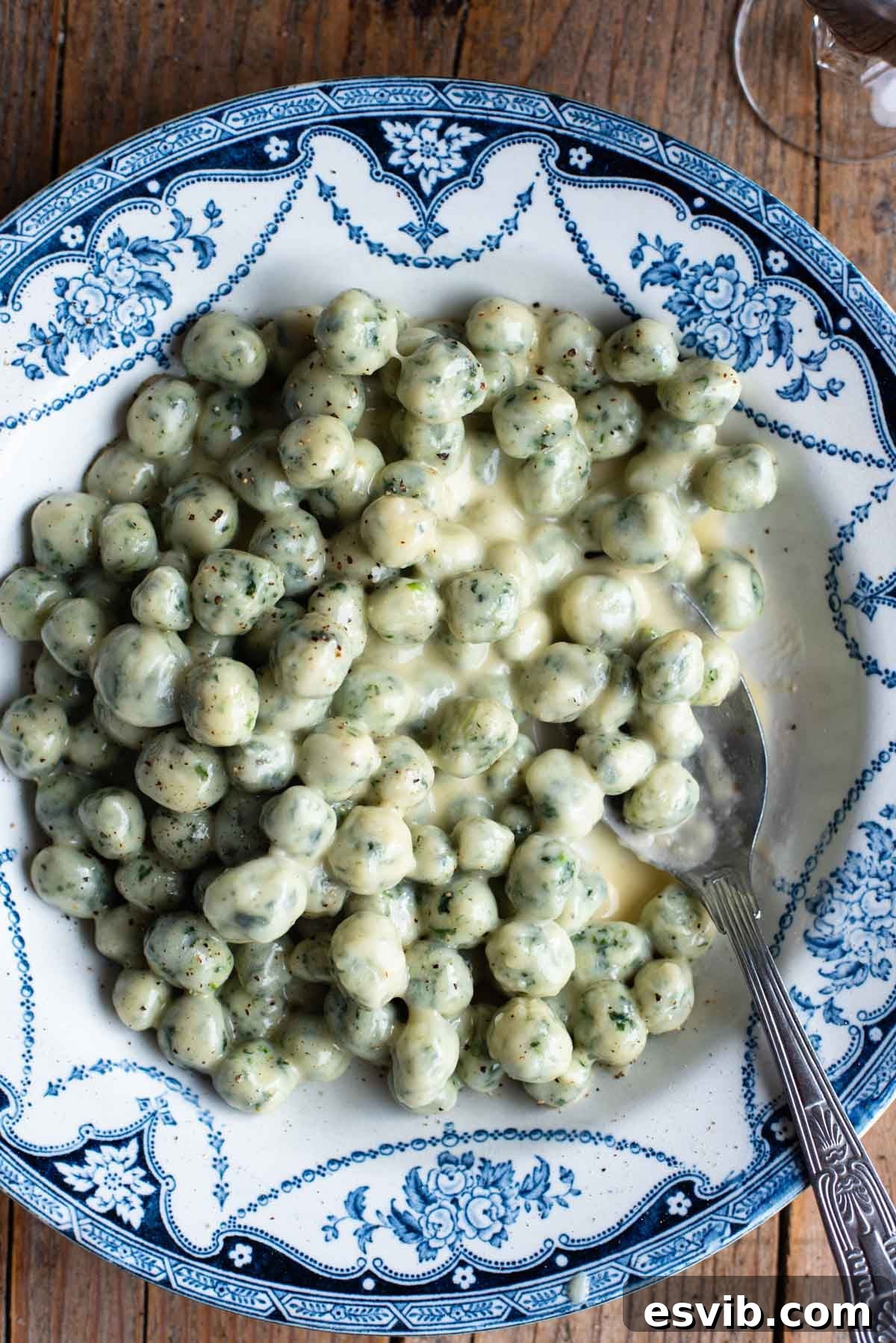
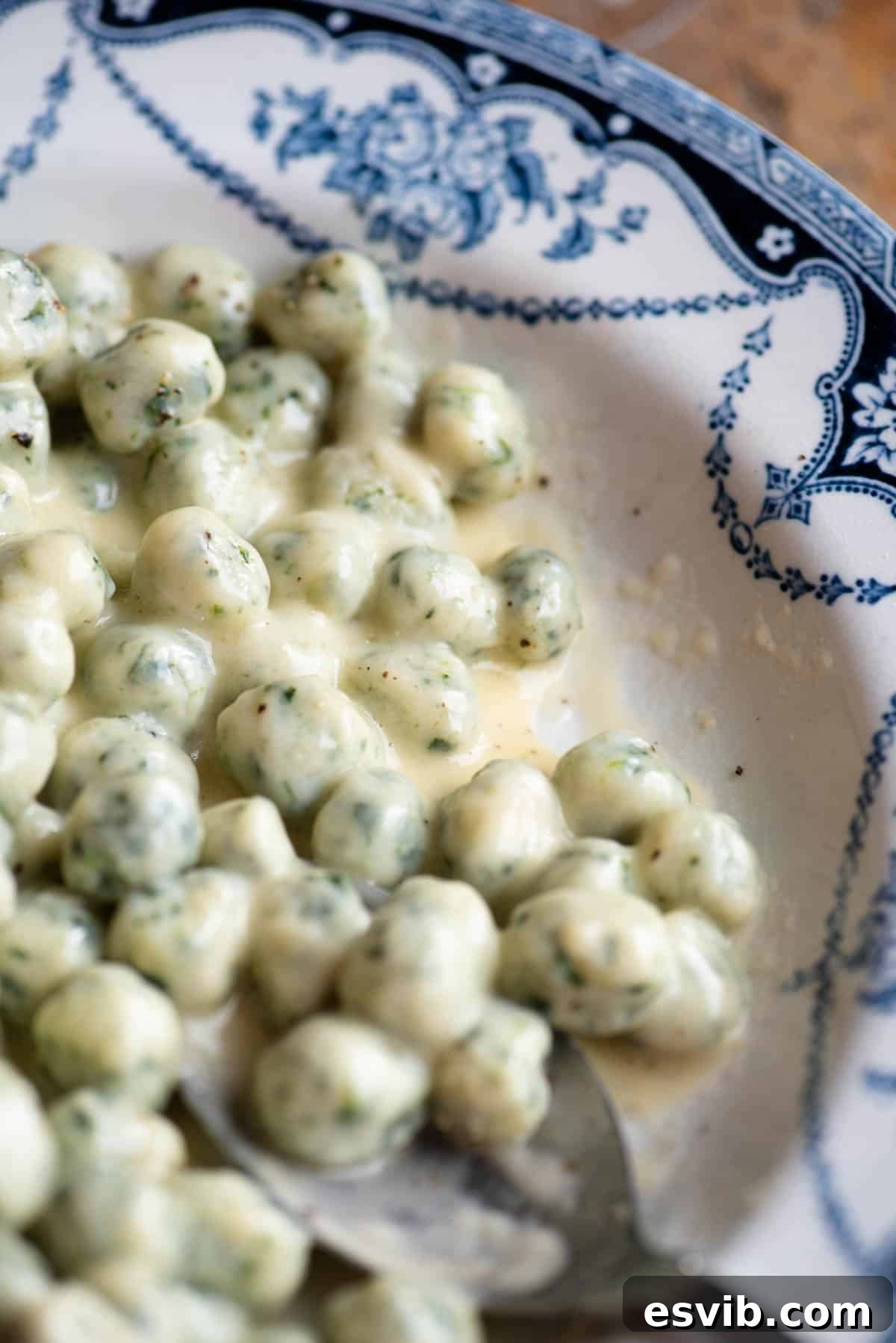
Indulge in an exquisite yet comforting Italian classic with our recipe for **homemade spinach and potato chicche**. These delightful, miniature gnocchi are rolled into charming little balls, offering a wonderfully soft and light texture that’s simply irresistible. We serve them in a luxuriously simple, undeniably delicious **Parmigiano Reggiano and butter sauce**, creating a dish that elevates everyday comfort food to an elegant culinary experience. If you’re seeking a meal that truly satisfies the soul and impresses the palate, this is one recipe you won’t want to miss!
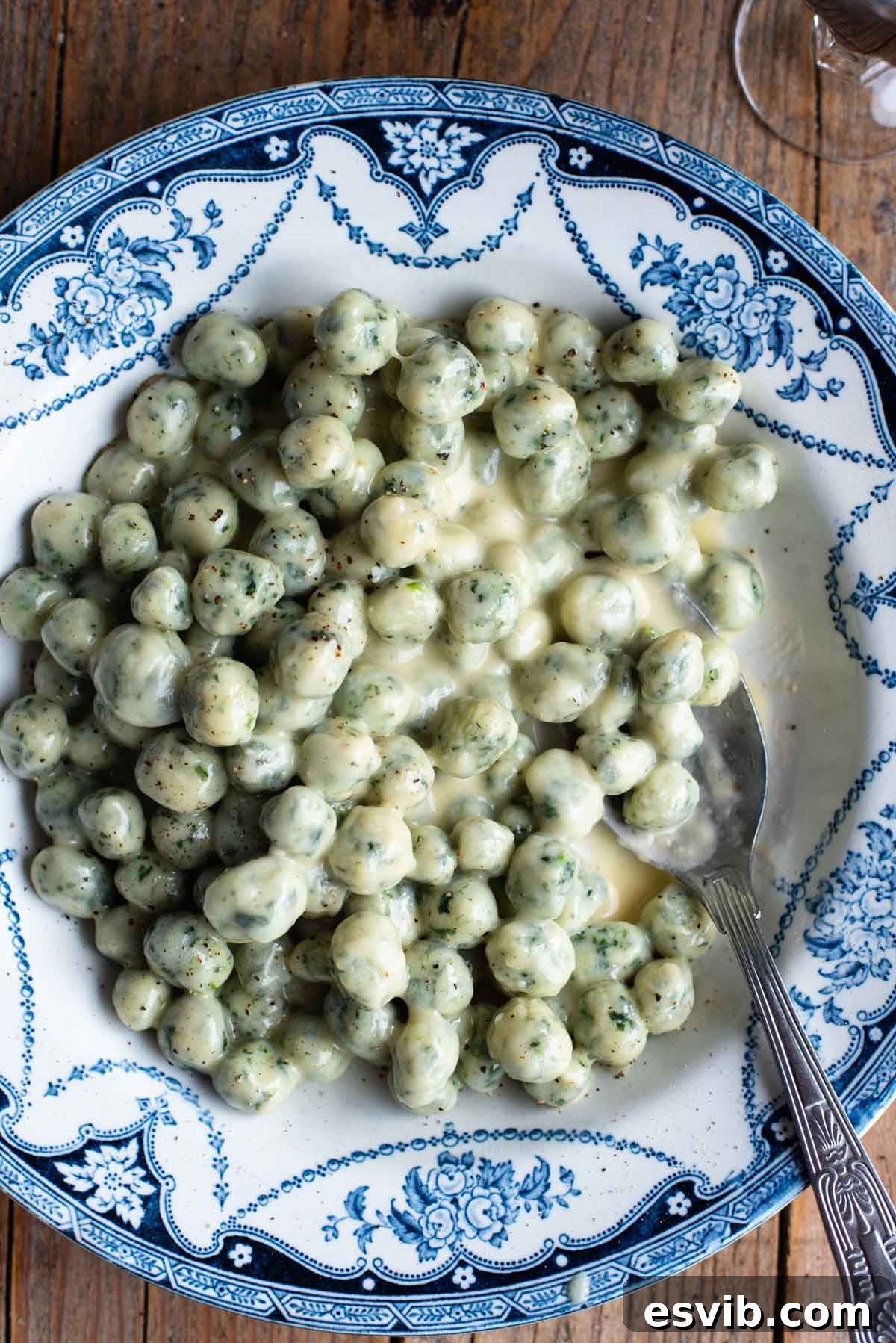
This recipe consistently ranks among the most genuinely delicious dishes I’ve ever created. The sauce, in particular, is an absolute marvel – incredibly silky and rich, boasting an unbelievable depth of cheesy Parmigiano flavor that makes it almost impossible to stop at one bite. It’s the kind of recipe I find myself returning to time and again, whenever a truly satisfying and heartwarming meal is in order. It’s perfect for cozy evenings or when you simply crave a touch of culinary elegance.
At the heart of this dish are the **chicche** (pronounced KEE-keh), which are essentially tiny potato gnocchi. Unlike the more commonly recognized ridged or pillow-shaped gnocchi, chicche are lovingly rolled into small, smooth spheres. For an added layer of flavor and a vibrant pop of color, I’ve incorporated fresh spinach into my version. The result is an incredibly tender and light dumpling, perfectly suited to absorb and complement a rich, cheesy sauce like our simple yet profound butter and Parmigiano creation.
Because chicche are deliberately smaller – typically about half the size of traditional gnocchi – they do require a bit more time and patience during the shaping process. Rolling a full batch usually takes me around 30 minutes. However, I personally find this process incredibly therapeutic, making it an ideal activity for a relaxed weekend afternoon. The repetitive motion and anticipation of the delicious outcome can be quite meditative. If time is a concern, you can certainly opt to shape your gnocchi into regular, larger sizes, which will significantly cut down on the rolling time, perhaps by half. Either way, the flavor remains spectacular!
As for the sauce, its beauty lies in its magnificent simplicity. It’s crafted from just three core ingredients: authentic **Parmigiano Reggiano**, quality unsalted butter, and a touch of reserved pasta water. These humble components come together to create the most exquisitely silky, smooth, and creamy sauce imaginable – a true testament to the power of fresh, high-quality ingredients.
Essential Ingredients for Perfect Chicche
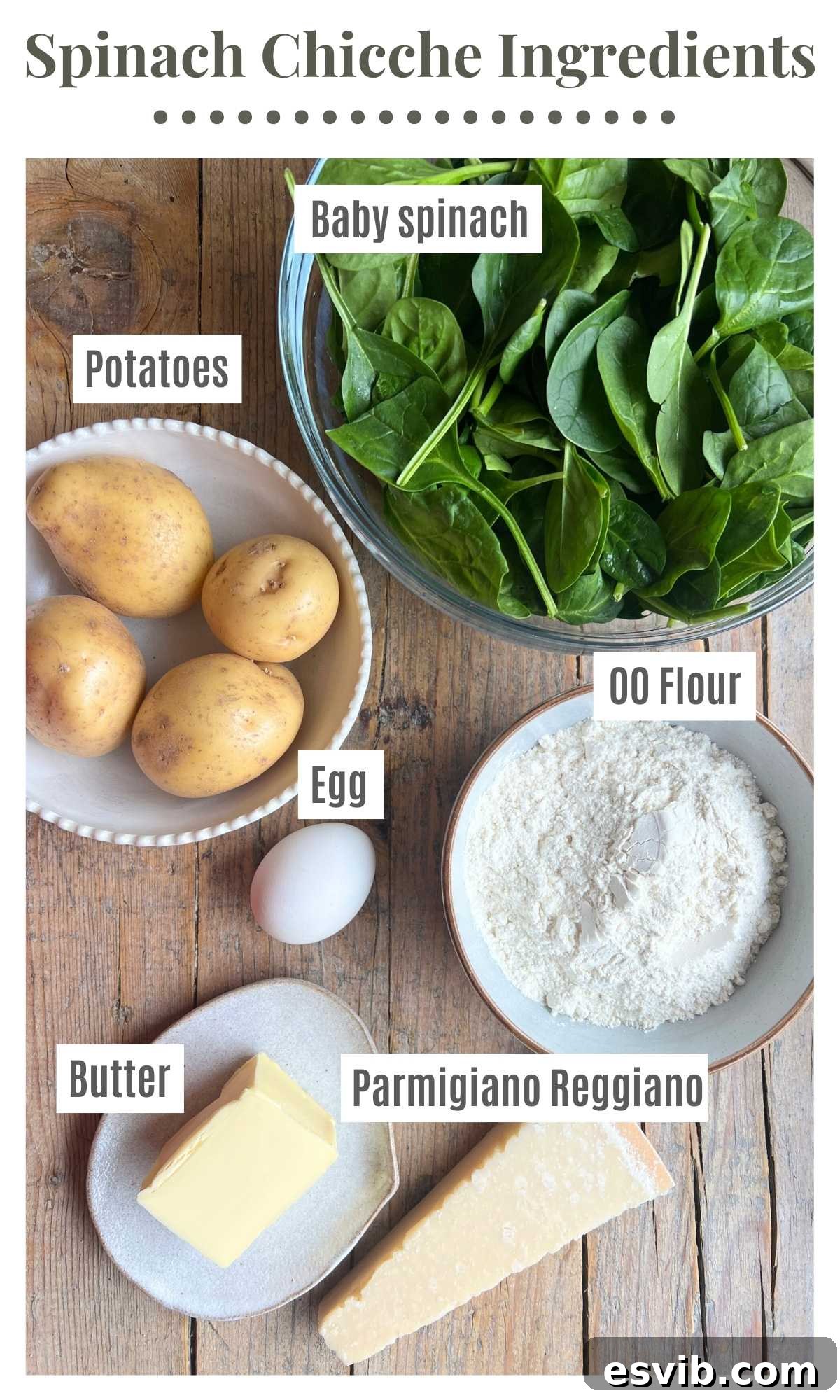
To achieve the best possible texture and flavor for your homemade spinach chicche and their accompanying sauce, selecting the right ingredients is paramount. Here’s a detailed guide to what you’ll need:
- Potatoes: This is arguably the most critical ingredient for perfect gnocchi. It’s essential to use floury potatoes, which are high in starch and low in moisture. Varieties like Maris Piper, Russet, or Yukon Gold are ideal. Avoid waxy potatoes at all costs, as their high moisture content will result in a sticky, dense, and unpleasant gnocchi texture that requires excessive flour, making them heavy.
- Spinach: I always opt for fresh baby spinach, as it requires minimal preparation – no tough stalks to trim! If you’re using mature spinach, ensure you meticulously remove any thick, fibrous stalks before cooking. The spinach adds a lovely earthy flavor and beautiful green hue to the chicche.
- Italian 00 Flour: This finely milled flour is a staple in my kitchen and consistently yields the best results for pasta and gnocchi due to its low protein content, which prevents excessive gluten development and keeps the gnocchi tender. While it’s my preferred choice, you can absolutely use good quality all-purpose flour as a substitute. The difference will be subtle but noticeable to a connoisseur. You can find more about essential Italian pantry items here.
- Butter: For the sauce, invest in a high-quality, unsalted butter. The sauce relies heavily on the butter’s rich, creamy notes, and unsalted allows you to control the overall seasoning of the dish, especially since Parmigiano Reggiano is naturally salty.
- Parmigiano Reggiano: This is a non-negotiable ingredient for the sauce, providing an incredible depth of umami and a nutty, salty complexity. It’s crucial to purchase a block of authentic Parmigiano Reggiano and grate it yourself just before use. Pre-grated cheese often contains anti-caking agents (like cellulose) that can affect both the melting quality and the texture of your sauce, preventing it from becoming perfectly smooth and emulsified. The flavor also tends to be inferior.
- Semola Rimacinata: This is another excellent ingredient to have in your Italian pantry. Fine semolina flour (semola rimacinata) is perfect for dusting your trays to prevent the chicche from sticking. It’s less absorbent than regular flour, so it won’t dry out your gnocchi or significantly alter their flavor or texture. If semola isn’t readily available, a light dusting of regular all-purpose or 00 flour will suffice.
The Art of Grating Parmigiano Reggiano for a Silky Sauce
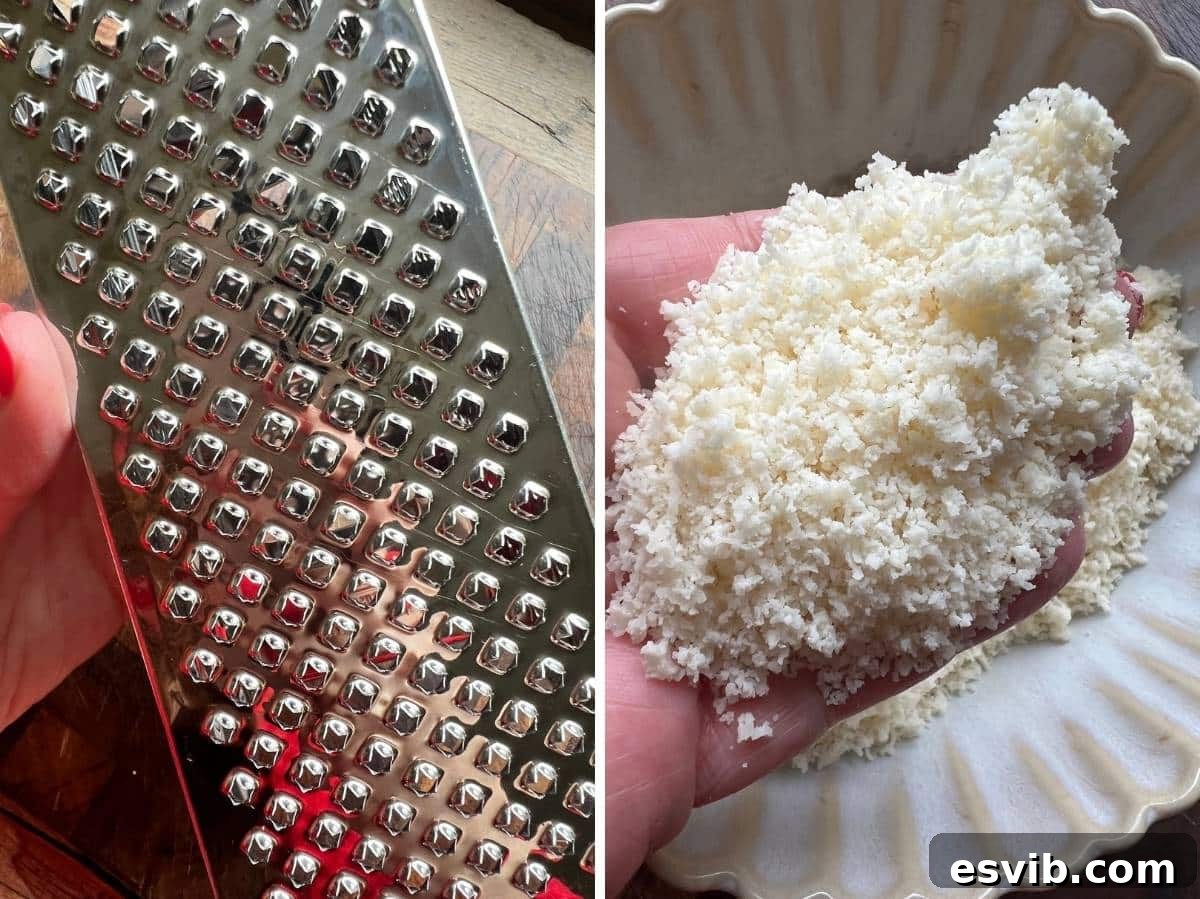
The texture of your Parmigiano Reggiano is a small but significant detail that can make a huge difference in the final sauce. It’s incredibly important to grate the cheese as finely as possible. This ensures it melts quickly and seamlessly into the butter and pasta water, creating a smooth, homogenous sauce free of lumps.
For the best results, I highly recommend using the bumpy or spikey side of a box grater, or even a microplane if you have one available. Grate the Parmigiano in a circular motion; this technique produces a super fine, almost powdery, crumbly cheese that integrates beautifully into the warm sauce. While store-bought pre-grated Parmigiano might appear similar in texture, resist the temptation to use it. As mentioned, these often contain anti-caking agents that hinder proper melting and can leave your sauce grainy, ultimately compromising both its exquisite flavor and luxurious texture. Freshly grated is always the superior choice for this classic Italian sauce.
Pro Tips & Frequently Asked Questions for Perfect Chicche
Mastering homemade gnocchi and a creamy sauce involves a few key techniques. Here are some essential tips to ensure your dish is a resounding success:
- Work Efficiently: The final stages of this recipe – combining the sauce and the chicche – come together very rapidly. It’s crucial to be prepared and move quickly. Have your sauce pan warming gently on the stove, and start melting your butter just as you drop your chicche into the boiling water. By the time your gnocchi float to the surface, signaling they are cooked, your butter should be perfectly melted and ready for the next step. This synchronization is key to preventing overcooked gnocchi or a seized sauce.
- Emulsify the Sauce for Creaminess: The true secret to achieving a gorgeously creamy, velvety sauce isn’t cream at all – it’s the magical **pasta water**. This starchy water, left over from cooking the chicche, is rich in starch molecules that help bind the butter and cheese, creating a smooth emulsion. Always remember to reserve at least 1/2 to 1 cup of pasta water before draining your gnocchi. Instead of pouring all the chicche into a colander, I highly recommend using a strainer ladle to transfer them directly from the boiling water to your sauce pan. This allows the pasta water to remain in the pot, ready for use, and also means the gnocchi carry a little extra starchy water with them, further aiding the emulsification process.
Absolutely! While homemade chicche offer an unparalleled freshness and texture, you can certainly use good quality store-bought potato gnocchi to make this recipe incredibly quick and easy. If opting for pre-made gnocchi, I would recommend using approximately 1.5 lbs (670g) for four servings to ensure a satisfying portion.
Yes, homemade chicche can be prepared in advance. You can make the chicche up to the point of rolling them into balls. Once shaped, arrange them in a single layer on a semolina-dusted tray and freeze them until solid. Once frozen, transfer them to an airtight freezer bag for up to 1-2 months. Cook directly from frozen in boiling salted water; they might take a minute or two longer to cook. For best results, it’s always ideal to cook and serve them fresh, but freezing is a great option for meal prep.
The consistency of gnocchi dough is crucial. If your dough feels too sticky, it likely has too much moisture (perhaps from the potatoes or spinach not being squeezed dry enough). Dust your work surface and hands with a little more 00 flour or semola and gently knead it in, adding just enough to make it manageable without over-flouring. If the dough is too dry and crumbly, it might not come together well. This usually means the potatoes were too dry or not enough egg was used. You can try adding a tiny bit of the reserved spinach water (if you saved any) or a few drops of water at a time, very carefully, to bring it together. Remember, less is more when adjusting moisture; you want a soft, pliable dough.
Explore More Delicious Gnocchi Recipes
If you’ve fallen in love with the comforting charm of gnocchi, you’ll be delighted to explore these other fantastic recipes from our kitchen. From traditional regional specialties to hearty baked dishes, there’s a gnocchi adventure waiting for every palate!
Gnocchi
Strangolapreti (Bread and Spinach Dumplings)
Gnocchi
Spicy Sausage Baked Gnocchi
Gnocchi
Arugula Pesto Gnocchi with Burrata and Pancetta
Gnocchi
Gnocchi alla Sorrentina
If you’ve tried this delightful **Spinach Chicche recipe** or any other recipe on our blog, we would absolutely love to hear from you! Please don’t hesitate to rate the recipe and share your experience in the comments section below – your feedback is invaluable to us! You can also **follow us** on Facebook, Instagram, and Pinterest to stay updated with our latest delicious creations. Alternatively, sign up for our Newsletter to receive new recipes directly in your inbox every week and never miss out on our culinary adventures!
Step By Step Photos Above
Most of our recipes come with detailed step-by-step photos, helpful tips and tricks to ensure you achieve perfect results on your very first try!
Spinach Chicche with Parmigiano Butter Sauce
By Emily
1 hour
40 minutes
1 hour 40 minutes
4 servings
Equipment
-
Potato ricer
-
Strainer ladle
Ingredients
Spinach Chicche (Gnocchi)
Parmigiano Butter Sauce
Instructions
Prep the Ingredients
-
Bring a large pot of water to a rolling boil. Add the fresh spinach and blanch for approximately 30-40 seconds, or until it is completely wilted.
-
Drain the spinach thoroughly. Once it’s cool enough to handle, squeeze out as much excess water as you possibly can. This step is crucial for preventing watery gnocchi dough. Finely chop the squeezed spinach and set it aside.
-
Meanwhile, wash the potatoes but keep them whole with their skins on. Place them in a large pot of cold water, bring it to a boil, and cook for 15-25 minutes (depending on their size) until they are fork-tender.
To Make the Chicche (Gnocchi)
-
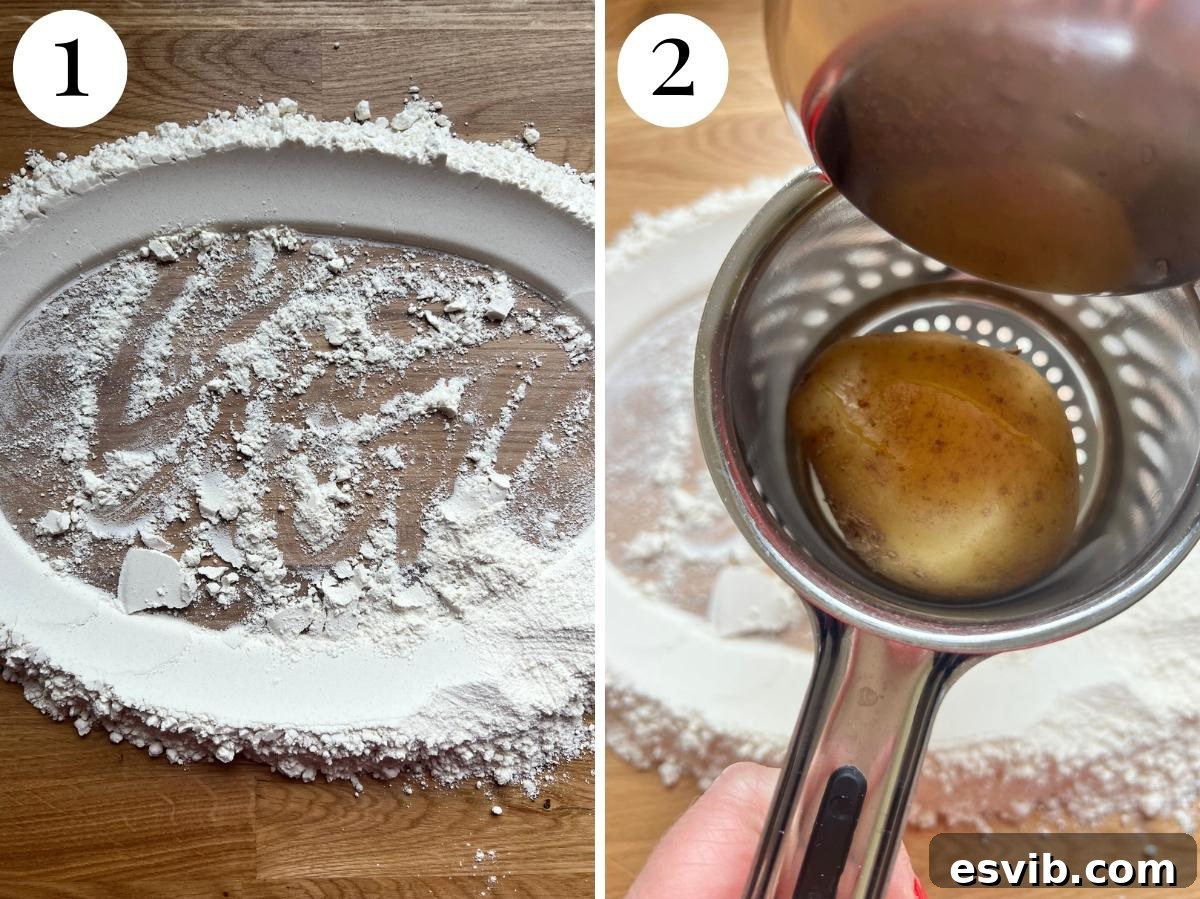
On a clean, spacious work surface, mound the Italian 00 flour. Use the bottom of a bowl or your hand to create a large, wide well in the center of the flour (photo 1).

-
Drain the cooked potatoes and, while they are still hot, pass them through a potato ricer directly into the well of flour. I do this with the skins on, then simply remove the empty skins from the ricer before processing the next potato (photo 2).
-
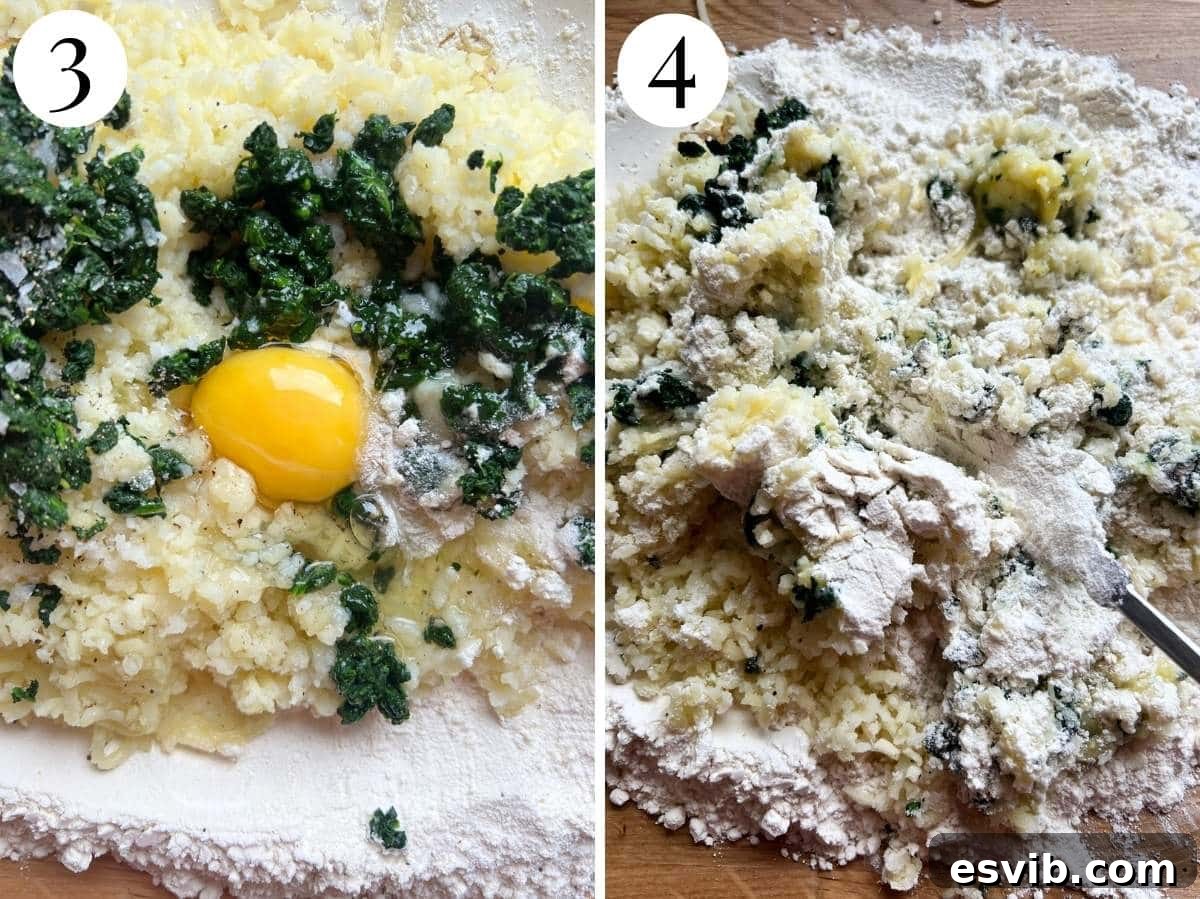
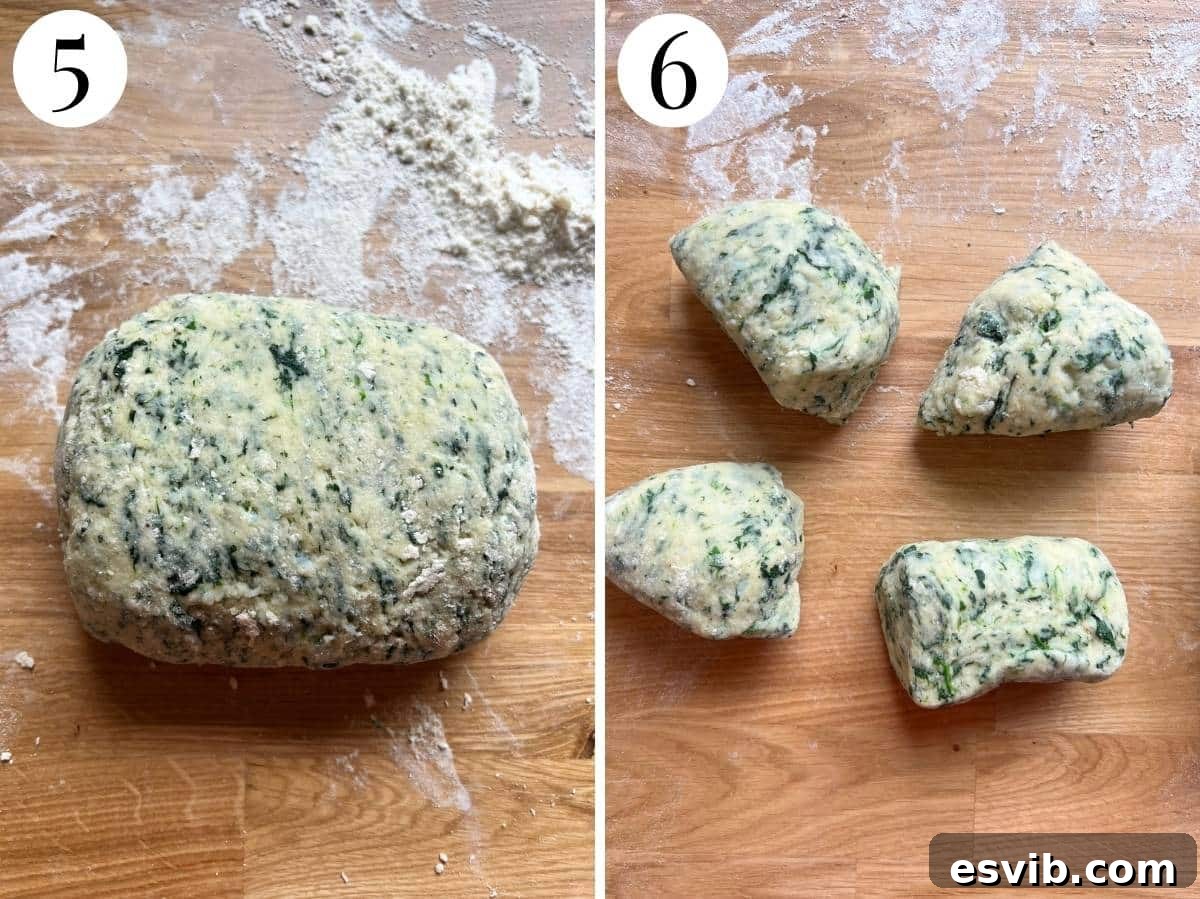
Evenly scatter the finely chopped spinach over the riced potato. Season generously with a good pinch of salt and pepper. Add the egg into the center. Using a fork, gently begin to incorporate the egg into the potato and flour mixture, slowly drawing in the flour from the sides of the well. Once mostly combined, switch to your hands and gently bring everything together until a soft, cohesive dough has formed. Avoid overworking the dough, which can make the gnocchi tough (photos 3-5).
-
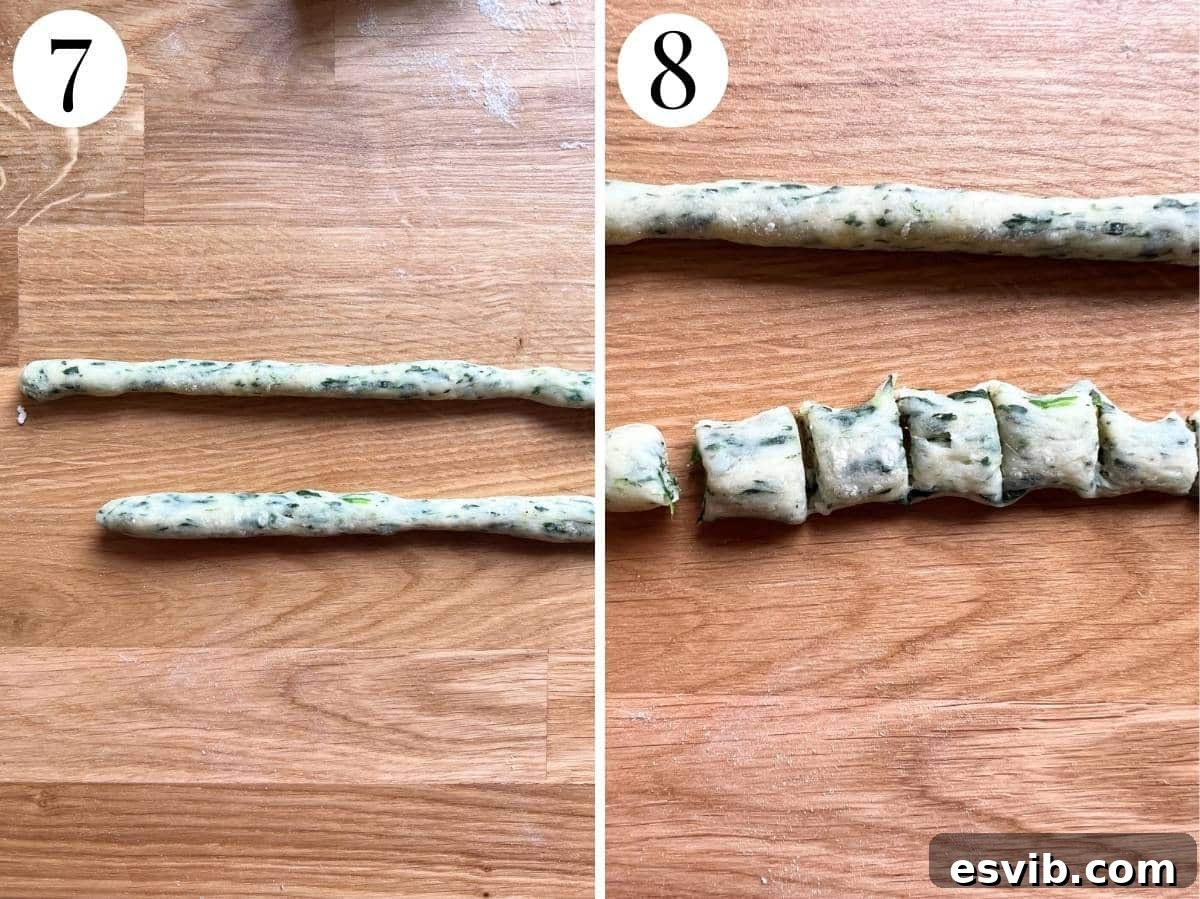
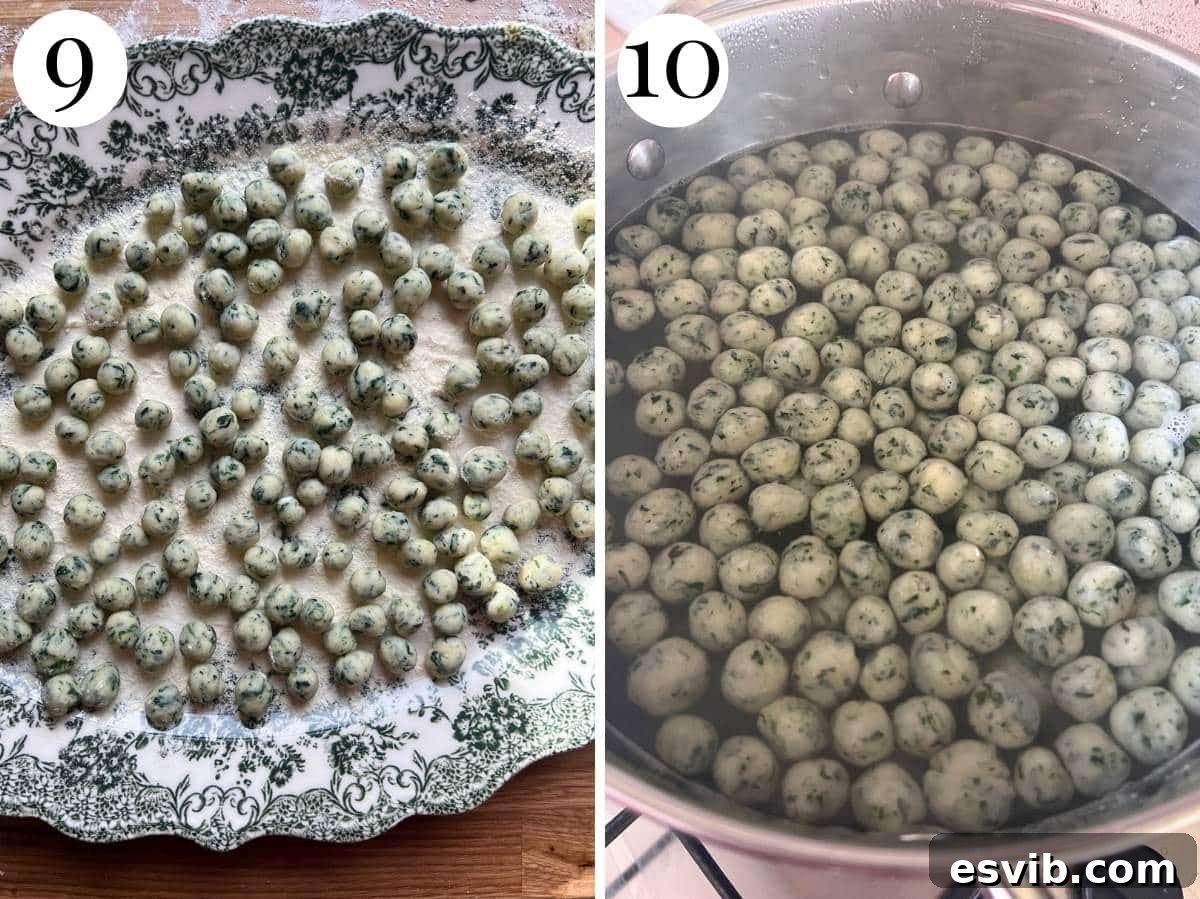
Divide the dough in half, then divide each half into quarters. Take each piece and roll it into long, thin logs, roughly 1/2 inch (1.25 cm) in diameter. Cut these logs into tiny, bite-sized pieces, then gently roll each piece between your palms to form small, round chicche balls. As you finish shaping, place the chicche on a large tray generously sprinkled with flour or semola to prevent sticking (photos 6-9).
-
Tip: If you prefer to save time, you can certainly opt to make regular-sized gnocchi instead of chicche. This will significantly speed up the rolling and shaping process while still delivering delicious results.
To Make the Sauce and Serve
-
Once all your chicche are shaped and ready, bring a large pot of water to a robust boil and season it generously with salt, just like you would for pasta. Get a large, shallow pan ready on your stovetop for the sauce.
-
When the salted water is boiling vigorously, carefully add the chicche. They cook very quickly; once they float to the surface, they are done. This usually takes just 1-2 minutes (photo 10).
-
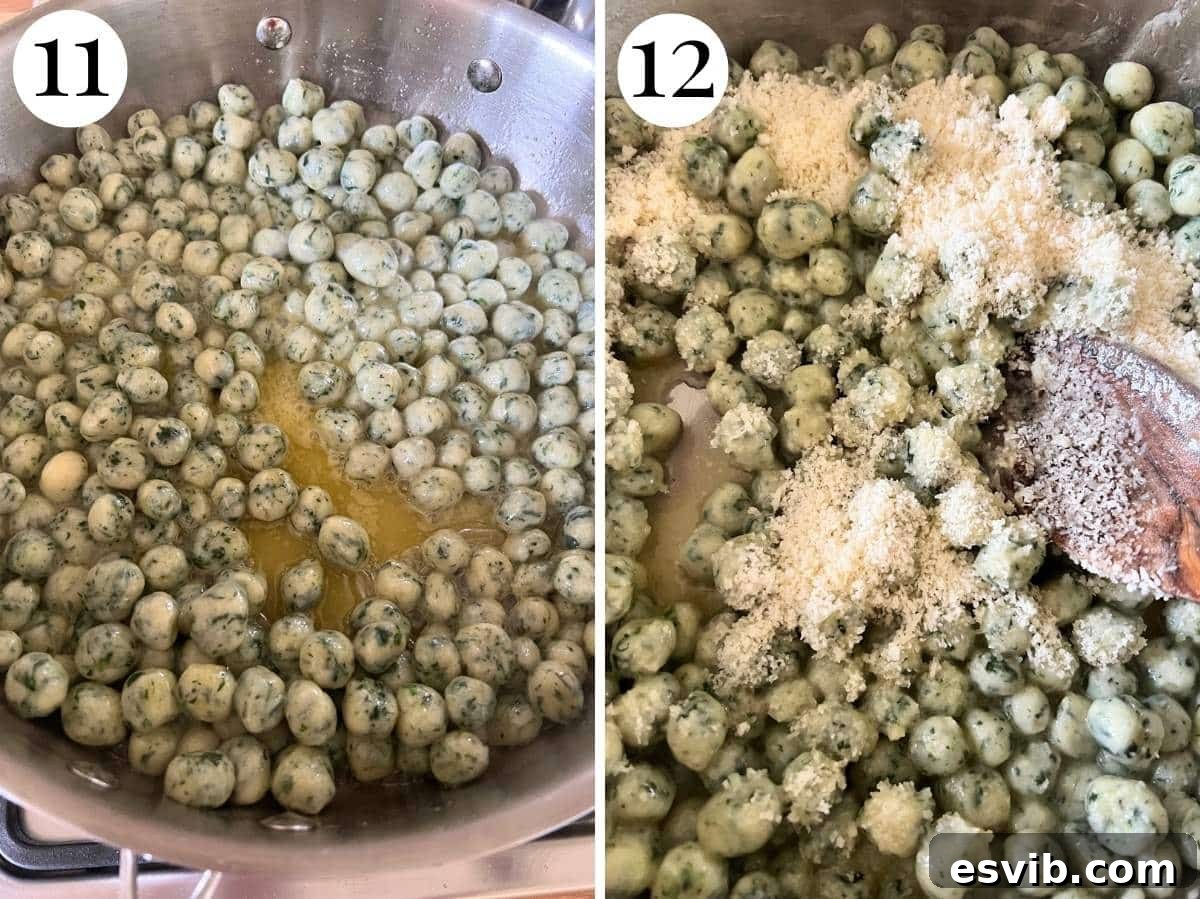
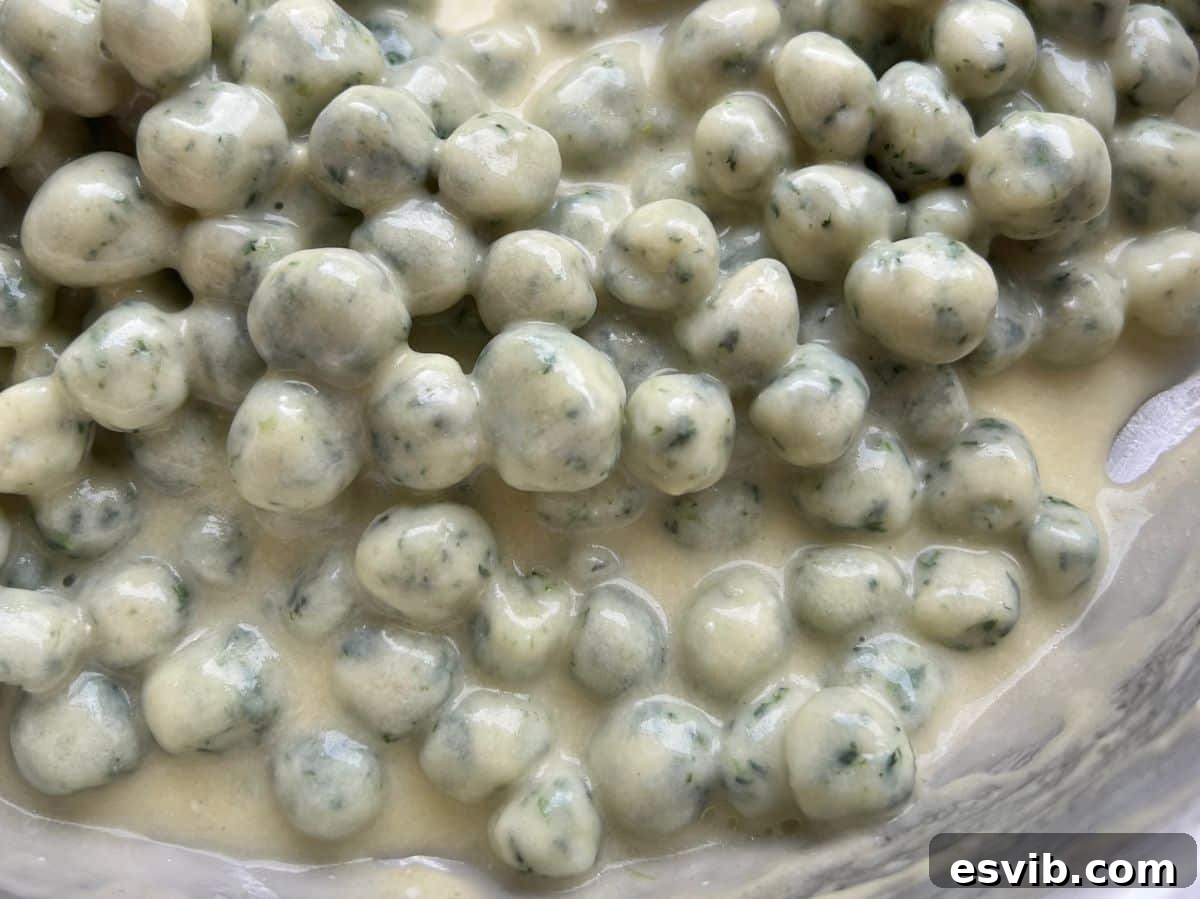
While the chicche are cooking, melt the unsalted butter in your large pan over a medium-low heat. As soon as the chicche are ready and floating, use a strainer ladle to transfer them directly into the melted butter. Stir gently until the butter begins to thicken slightly and coat the chicche (photo 11).
-
Immediately turn off the heat. Add half of the very finely grated Parmigiano Reggiano to the pan, stirring continuously until it has completely melted into the butter. Next, add about 1/4 cup (60ml) of your reserved starchy pasta water, then incorporate the remaining Parmigiano cheese. Continue stirring vigorously until the cheese is fully melted and the sauce has emulsified into a beautiful, creamy consistency. If the sauce seems too thick, gradually add more reserved pasta water, a tablespoon at a time, until it reaches your desired silky texture (photo 12).
-
Sprinkle generously with freshly ground black pepper and serve immediately. Enjoy your exquisite homemade Spinach Chicche!
Recipe Notes
- Why use Semola for Dusting? Semola Rimacinata, a finely ground durum wheat flour, is truly ideal for dusting trays, pasta, gnocchi, and dough. Its coarser texture means it’s less absorbent than all-purpose or 00 flour, so it effectively prevents sticking without drying out your dough or significantly altering the final flavor and texture of your chicche. I always keep it stocked in my pantry for this very reason. If you don’t have it on hand, a very light dusting of all-purpose or Italian 00 flour can be used as an alternative, but be sparing!
- Reheating Leftovers: While these homemade chicche are undeniably best served immediately after preparation, you can gently reheat any leftovers on the stovetop. Be aware that the sauce may have thickened considerably or absorbed into the gnocchi. You might need to add a splash of reserved pasta water (if you saved extra) or a small knob of fresh butter to help loosen and revitalize the sauce and chicche. Reheat slowly over low heat until warmed through, stirring gently to prevent sticking.
Helpful Information for All Recipes
- I consistently use extra virgin olive oil in all of my recipes unless otherwise specified, as it adds a superior flavor and quality.
- When utilizing canned or jarred tomatoes of any variety, I exclusively use Cirio or Mutti brands. Their consistent quality ensures the best results and authentic Italian flavor in my dishes.
- All vegetables are assumed to be medium-sized unless specifically stated otherwise in the ingredient list.
- All recipes featured here are carefully tested and developed using a fan (convection) oven to ensure reliable outcomes.
- Find out more about how nutrition information is calculated on our site.
- Explore our must-have Italian Pantry Staples to elevate your cooking.
- You can also discover all our Essential Kitchen Tools for Italian Cooking for a well-equipped culinary space.
Nutrition
Nutrition information is automatically calculated and should only be used as an approximation. Individual results may vary based on exact ingredients and preparation methods.
Did you try this recipe?
Leave a comment below!