
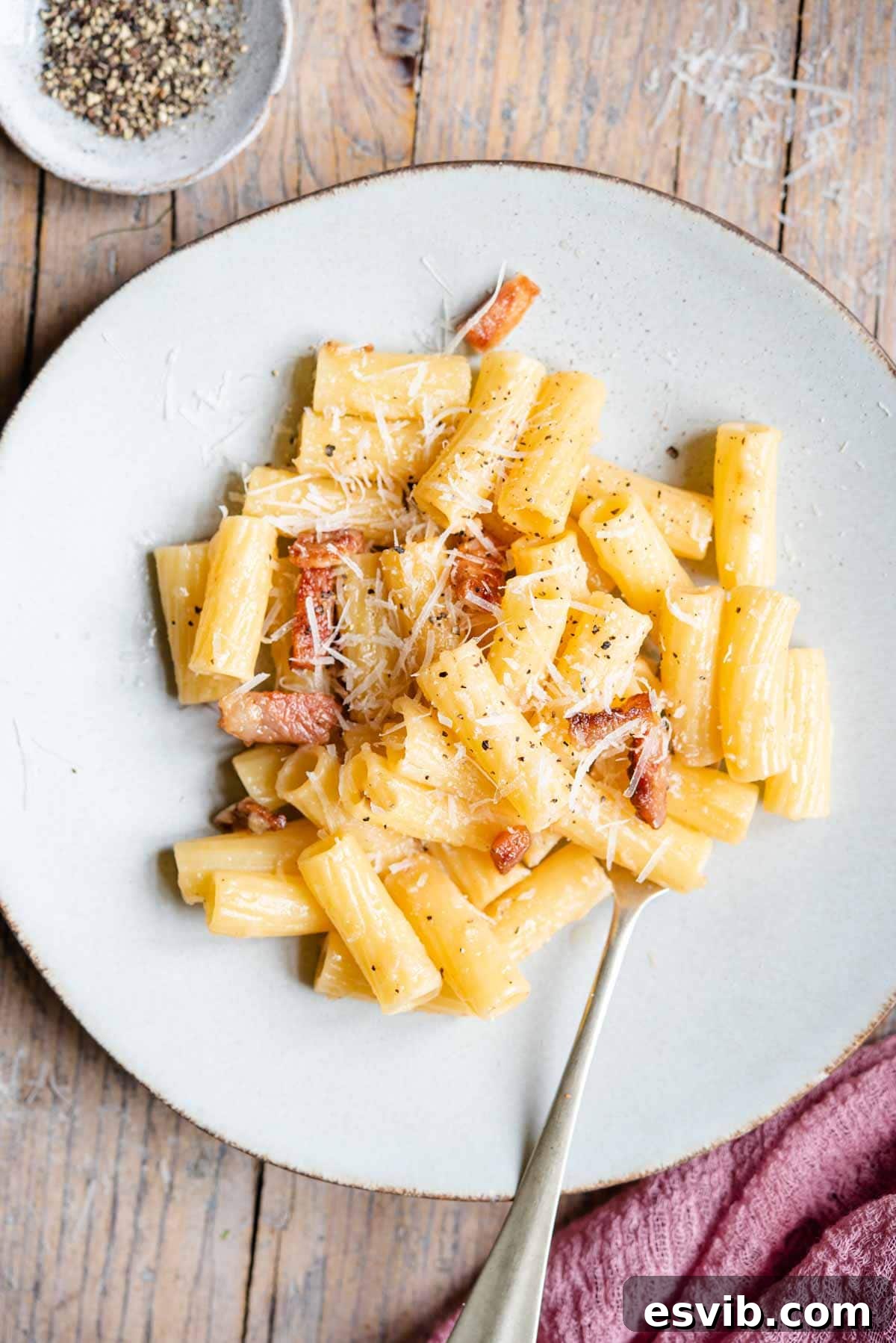
Pasta alla Gricia: The Quintessential Roman Pasta Recipe You Must Try
Step into the heart of Lazio, Italy, with Pasta alla Gricia, a truly classic and elegantly simple pasta dish. Often hailed as the “Amatriciana Bianca” (white Amatriciana), this Roman staple proves that a handful of quality ingredients can create an explosion of flavor. Perfect for a busy weeknight or a cozy weekend meal, Pasta alla Gricia offers an authentic taste of Italian tradition without compromise. Get ready to master this delicious journey to Rome – Buon Appetito!
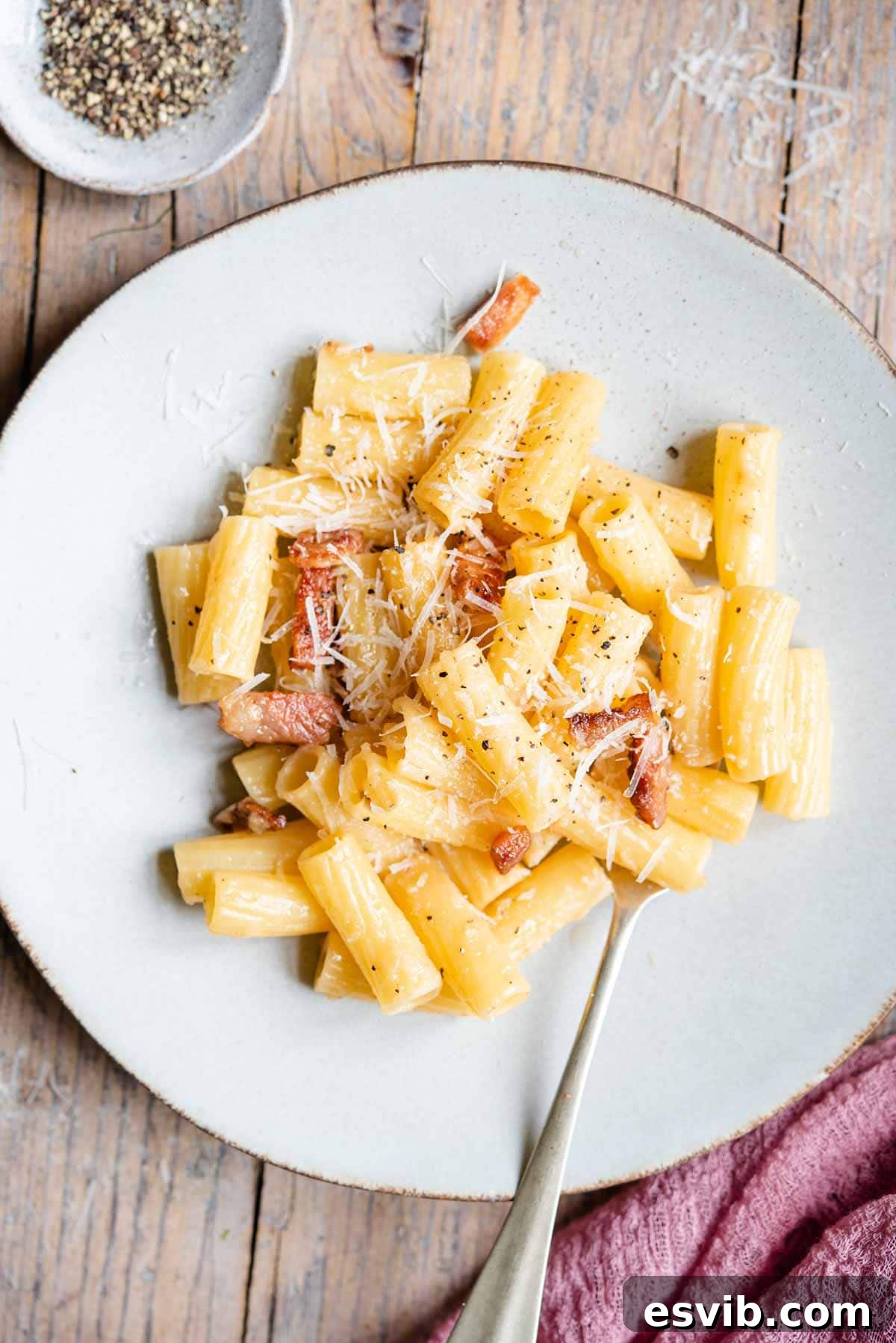
What is Pasta alla Gricia? A Journey to Ancient Roman Flavors
Pasta alla Gricia holds a special place in Roman culinary history, predating even its more famous cousins, Carbonara and Amatriciana. Its origins trace back to the shepherds and farmers of the Lazio region, who needed simple, hearty meals made from non-perishable ingredients. This dish is considered the foundational recipe for what would later become two of Italy’s most beloved pasta dishes.
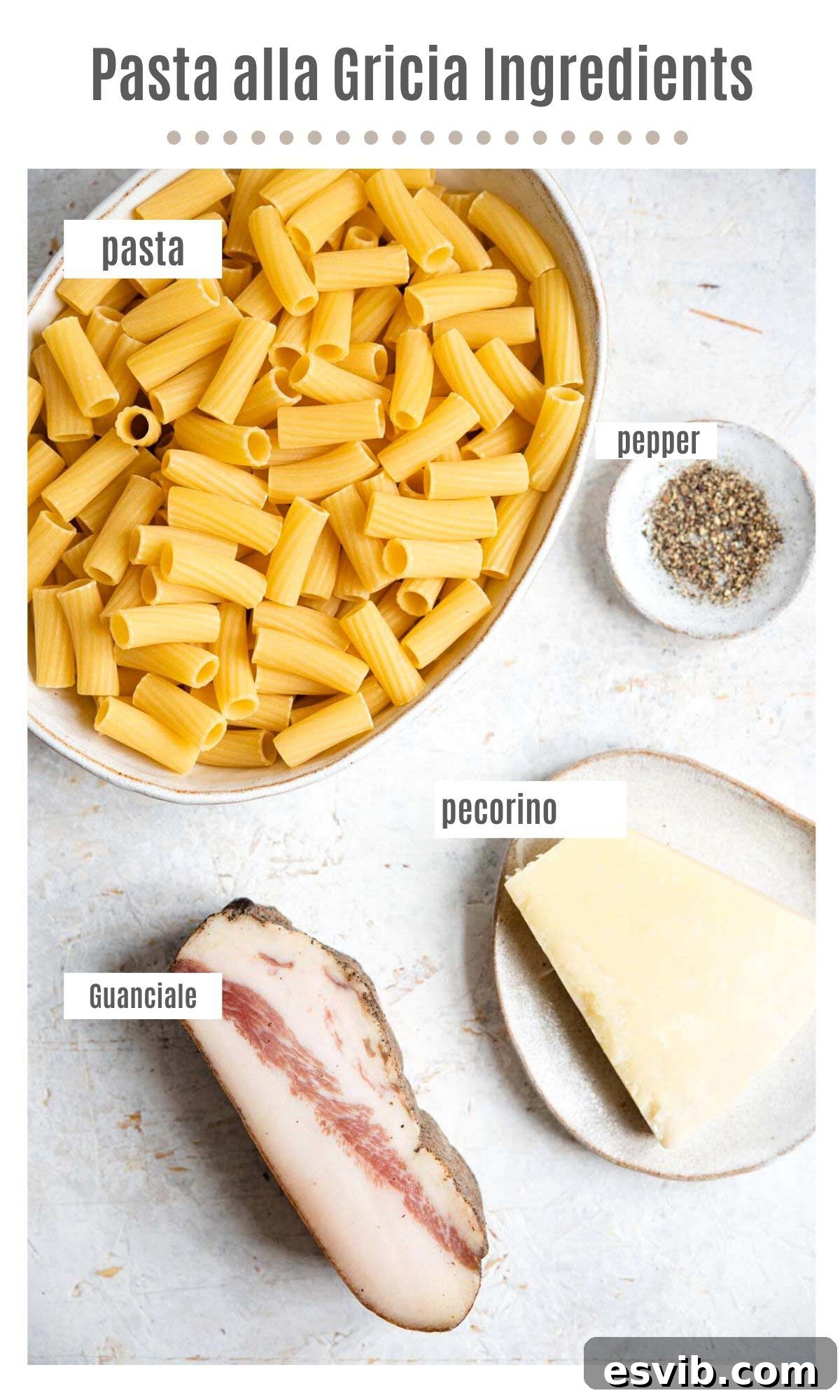
At its core, Pasta alla Gricia is a celebration of Roman simplicity. It features just four key ingredients: cured pork cheek (guanciale), Pecorino Romano cheese, freshly ground black pepper, and pasta. The magic lies in how these humble components interact, creating a rich, deeply savory, and irresistibly creamy sauce that clings beautifully to every strand or piece of pasta.
The Humble Ingredients: Simplicity Meets Unrivaled Flavor
Despite its minimal ingredient list, the secret to an unforgettable Pasta alla Gricia lies in the quality and authenticity of each component. Each plays a crucial role in building the dish’s distinct flavor profile.
Guanciale: The Soul of Roman Pasta
Guanciale, Italian cured pork jowl, is the non-negotiable star of Pasta alla Gricia. Its unique fat renders slowly, releasing an unparalleled depth of flavor that is nutty, slightly sweet, and intensely savory. This rendered fat forms the base of the sauce, providing both richness and a crucial element for emulsification. While you might be tempted to substitute, guanciale offers a distinct taste and texture that pancetta or bacon simply cannot replicate. Look for it at Italian specialty stores or reputable butcher shops. Its texture becomes wonderfully crisp on the outside while remaining tender within.
Pecorino Romano: The Salty Heart
Hailing from the Roman countryside, Pecorino Romano is a hard, salty sheep’s milk cheese that brings a sharp, tangy kick to the dish. Its robust flavor is fundamental to Roman cuisine and complements the richness of the guanciale perfectly. Always use freshly grated Pecorino Romano; pre-grated cheeses often contain anti-caking agents that hinder proper melting and sauce formation. The starchiness of the pasta water, combined with the melted Pecorino, is what creates that signature creamy texture.
Freshly Ground Black Pepper: The Aromatic Kick
More than just a seasoning, freshly ground black pepper is a vital ingredient in Gricia. Its pungent aroma and subtle heat cut through the richness of the guanciale and Pecorino, adding a layer of complexity. For the best results, use a pepper grinder and add a generous amount just before serving to maximize its aromatic impact. It’s a nod to Rome’s famous Cacio e Pepe, where pepper is equally prominent.
The Right Pasta: Rigatoni or Spaghetti
Traditionally, Pasta alla Gricia is made with rigatoni or spaghetti. Rigatoni, with its ridged tubes, is excellent for catching and holding the rich sauce and crispy bits of guanciale. Spaghetti, on the other hand, allows the sauce to coat each strand evenly, creating a silky mouthfeel. However, other short pasta shapes like bucatini or mezze maniche can also work beautifully. The key is to cook your pasta perfectly al dente, ensuring it has a slight bite and contributes its starch to the sauce.
Pasta alla Gricia vs. Its Famous Cousins: Carbonara and Amatriciana
Pasta alla Gricia is often called the grandmother of Roman pastas because it forms the base for two other world-renowned dishes. Understanding their relationship sheds light on the beauty of Italian culinary evolution.
Pasta Carbonara: The Egg-cellent Evolution
The difference between Pasta alla Gricia and Pasta Carbonara is quite simply, the egg. If you take the core Gricia ingredients – guanciale, Pecorino Romano, black pepper, and pasta – and add a luscious egg yolk and sometimes a whole egg, you get the creamy, iconic Carbonara. Gricia offers a purer, perhaps even more ancient, expression of the cured pork and cheese combination, relying solely on fat and starch for its creamy consistency.
Pasta all’Amatriciana: A Splash of Tomato
Similarly, Pasta all’Amatriciana emerges from Gricia with the addition of ripe tomatoes and sometimes a splash of white wine. The rich guanciale base remains, but the vibrant acidity and sweetness of tomatoes transform it into a different, equally beloved, Roman classic. Gricia, in its pure form, allows the savory notes of the guanciale and the sharpness of the Pecorino to truly shine without the intervention of acidic elements.
Step-by-Step Guide: Crafting the Perfect Pasta alla Gricia
Making Pasta alla Gricia is incredibly straightforward, but attention to detail ensures an exceptional outcome. Follow these steps for an authentic Roman experience.
1. Prepare Your Ingredients with Care
Before you begin cooking, ensure your guanciale is cut into even cubes or strips. Grate your Pecorino Romano cheese fresh. Have your black pepper ready for grinding. These small preparations make the cooking process smooth and efficient.
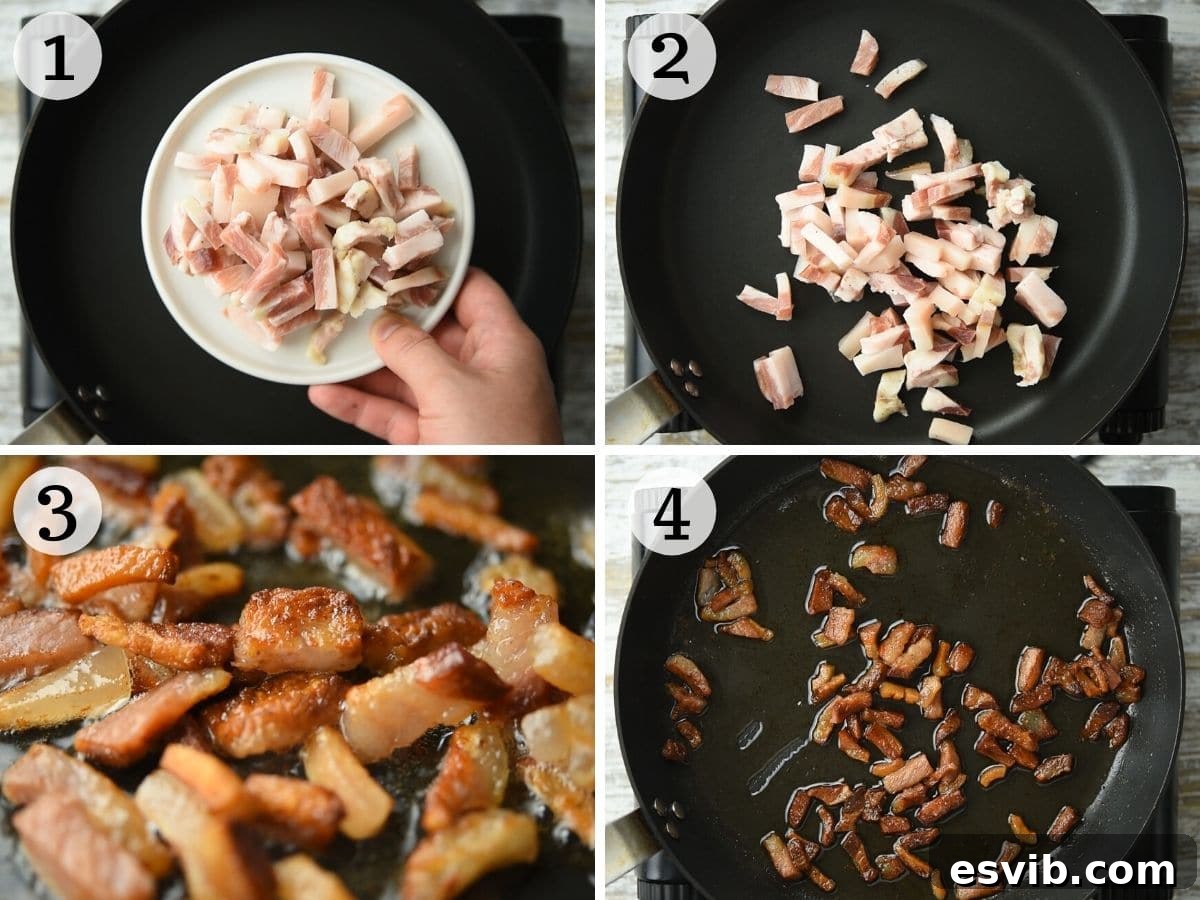
2. Crisp the Guanciale to Golden Perfection
Heat a large skillet or frying pan over medium-low heat. Add the cubed guanciale to the dry pan. There’s no need for oil; the guanciale will release plenty of its own fat. Cook slowly, stirring occasionally, until the guanciale is golden brown and delightfully crispy. This rendering process is crucial for extracting maximum flavor. Once crispy, remove the guanciale pieces from the pan with a slotted spoon and set aside, leaving the rendered fat in the skillet. This fat is liquid gold for your sauce!
3. Cook the Pasta Al Dente
While the guanciale renders, bring a large pot of generously salted water to a rolling boil. Add your chosen pasta (rigatoni or spaghetti are traditional) and cook according to package instructions until it’s al dente. This means it should be firm to the bite, not mushy. Before draining, remember to reserve about 1 cup (240ml) of the starchy pasta water. This water is essential for creating the creamy sauce.
4. Emulsify the Sauce for Creamy Bliss
Drain the pasta and immediately transfer it to the skillet with the rendered guanciale fat (make sure the heat is off or very low). Add about ¼ cup (60ml) of the reserved pasta water, a generous amount of freshly grated Pecorino Romano, and a good crack of black pepper. Toss vigorously with tongs, stirring and swirling, until the cheese melts and combines with the pasta water and guanciale fat to form a luxurious, emulsified sauce that coats every piece of pasta. This dynamic mixing is key to achieving creaminess without adding actual cream.
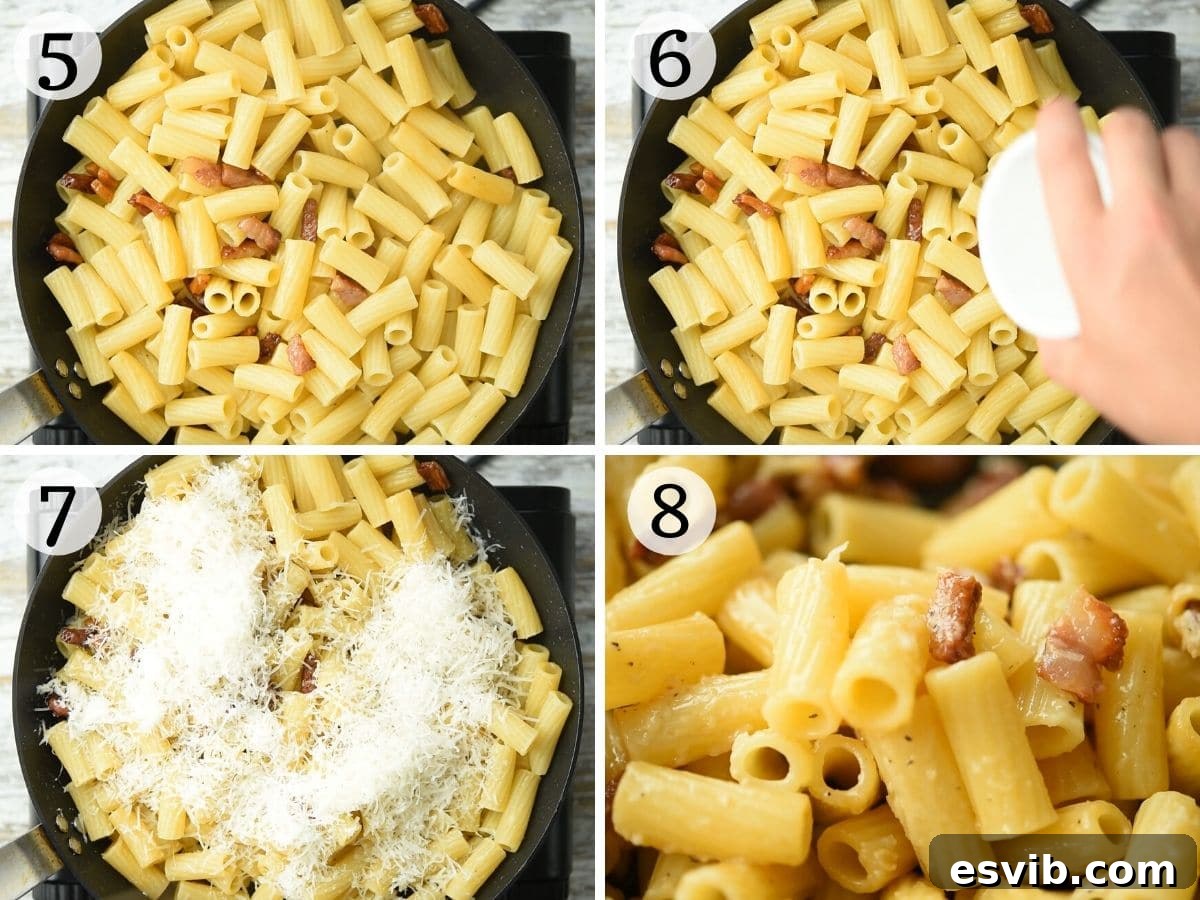
5. Serve Immediately and Savor
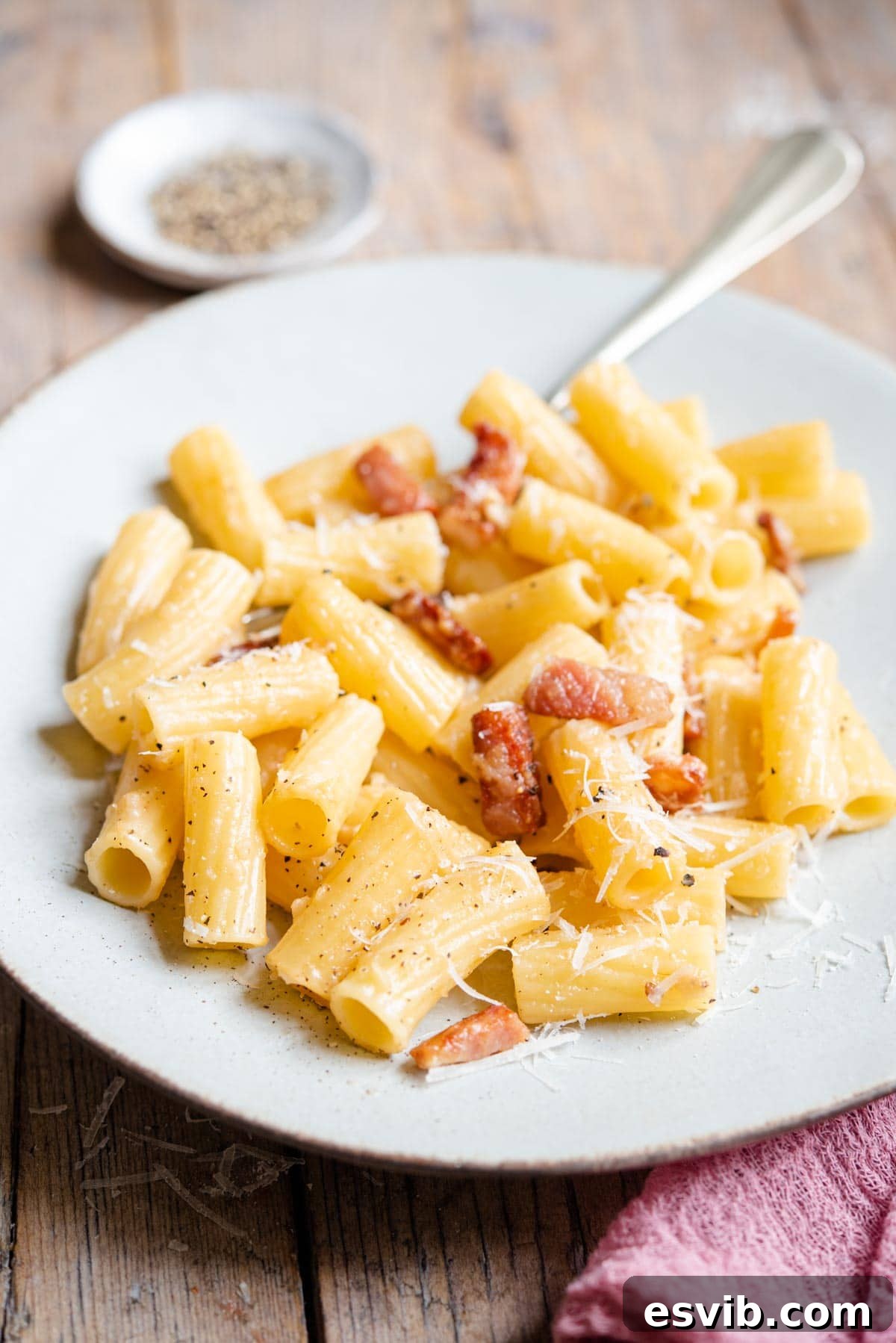
If the sauce seems too dry, or if you used a leaner substitute for guanciale, add an extra splash of reserved pasta water, a little at a time, while continuing to toss until the desired consistency is achieved. Divide the pasta among serving plates, garnish with the reserved crispy guanciale pieces, an extra dusting of Pecorino Romano, and another crack of fresh black pepper. Serve piping hot and enjoy this timeless Roman masterpiece!
Expert Tips for a Flawless Pasta alla Gricia
- Quality Ingredients are King: This dish has so few ingredients that the quality of each truly shines. Invest in good guanciale, authentic Pecorino Romano, and high-quality pasta.
- Don’t Waste the Pasta Water: This starchy liquid is your secret weapon. It’s what helps emulsify the fat and cheese, creating a silky, creamy sauce without any dairy cream. Always reserve more than you think you’ll need.
- Low and Slow for Guanciale: Rendering guanciale over medium-low heat allows the fat to slowly melt and the pork to crisp up without burning. Rushing this step will result in less flavor and potentially burnt bits.
- Toss Vigorously: When combining the pasta, guanciale fat, Pecorino, and pasta water, vigorous tossing is essential. This motion, combined with the heat, emulsifies the sauce into a smooth, creamy texture.
- Serve Immediately: Pasta alla Gricia is best enjoyed fresh off the stove. The sauce is delicate and can separate if left to sit for too long.
Common Questions About Pasta alla Gricia (FAQ)
Q: What is the key to a creamy Gricia sauce?
The creaminess comes from the emulsification of the rendered guanciale fat, the starchy pasta water, and the finely grated Pecorino Romano cheese. Vigorously tossing the ingredients together right after the pasta is drained is crucial for achieving this.
Q: Can I use pancetta or bacon instead of guanciale?
While guanciale is highly recommended for its unique flavor and fat composition, you can substitute with good quality pancetta or even fatty bacon in a pinch. However, be aware that the flavor profile will be milder, and the sauce might not achieve the same depth and richness. Choose fattier cuts for the best possible result.
Q: What is the best pasta shape for Gricia?
Traditionally, rigatoni or spaghetti are preferred because they hold the sauce well. Rigatoni’s ridges and hollow center are perfect for trapping bits of guanciale and sauce, while spaghetti offers a smooth, uniform coating. Any sturdy, quality pasta shape will work, but these two are classic choices.
Q: Can I make Pasta alla Gricia ahead of time?
Pasta alla Gricia is a dish that truly shines when served immediately. The sauce is at its best when freshly emulsified and hot. Preparing it in advance is not recommended as the sauce can separate and the pasta can become dry.
Q: How do I store leftovers?
While best fresh, if you have leftovers, store them in an airtight container in the refrigerator for up to 1-2 days. Reheat gently on the stove with a splash of water or broth to help rehydrate the sauce, though it won’t be as creamy as when first made.
More Authentic Italian Pasta Recipes to Explore
If you’ve fallen in love with the simplicity and flavor of Pasta alla Gricia, explore these other incredible Italian pasta dishes:
- Spaghetti alla Carbonara
- Pasta Amatriciana
- Spaghetti alla Puttanesca
- Penne all’Arrabbiata
- Spaghetti Aglio e Olio
We hope you enjoy preparing and savoring this authentic Pasta alla Gricia recipe. It’s a testament to the power of simple, high-quality ingredients transforming into an extraordinary meal. If you try this recipe, please let us know how it turned out in the comments below. We love hearing from you!
The Complete Pasta alla Gricia Recipe Card
Pasta alla Gricia is a super easy and classic pasta dish from Lazio, Italy. Although simple there’s no compromise in flavour and it’s perfect for whipping up on a busy weeknight.
Author: Emily
Cook Time: 10 mins
Total Time: 10 mins
Servings: 4 servings
Ingredients
- 4 cups rigatoni or other dried pasta (14 oz / 400g)
- 1 cup guanciale, cut into cubes (150g)
- ½ cup Pecorino Romano, freshly grated
- 1 tsp black pepper, freshly ground
Instructions
- Bring a large pot of generously salted water to a boil. Add the pasta and cook until al dente (around 8-9 minutes, check your packet instructions).
- Meanwhile, heat a large skillet or frying pan over medium-low heat. Add the cubed guanciale and cook for a few minutes until crispy and golden brown, allowing its fat to render. Remove crispy guanciale with a slotted spoon and set aside, leaving the rendered fat in the pan.
- Once the pasta is cooked, reserve ¼ cup (60ml) of the starchy pasta water. Drain the pasta then immediately add it to the skillet with the rendered guanciale fat.
- Add the reserved pasta water, freshly grated Pecorino Romano, and a generous amount of black pepper to the skillet. Toss vigorously with tongs until the pasta is completely coated in a creamy, emulsified sauce. If the sauce seems too dry, add an extra splash of pasta water until the desired consistency is reached.
- Serve immediately, garnished with the crispy guanciale pieces, extra black pepper, and Pecorino Romano, if desired.
Notes
- Preparing in advance: This recipe is so quick and easy (taking no more than 10 minutes active cooking time) that there’s no need to prepare it in advance. It’s best served fresh.
- No guanciale? You can use pancetta or even good quality bacon, but try to find fattier cuts. Bear in mind that the flavor will be milder and the final result won’t be exactly the same as with guanciale.
- Leftovers: Pasta alla Gricia is best eaten immediately. The delicate sauce made from guanciale fat and pasta water is designed to be enjoyed while warm and freshly emulsified.
Nutrition Information (Approximate)
Calories: 540kcal | Carbohydrates: 46g | Protein: 16g | Fat: 32g | Saturated Fat: 13g | Cholesterol: 53mg | Sodium: 475mg | Potassium: 145mg | Fiber: 2g | Sugar: 2g | Vitamin A: 52IU | Calcium: 146mg | Iron: 1mg
Nutrition information is automatically calculated and should only be used as an approximation.
Helpful Info for All Recipes
- I always use extra virgin olive oil in all of my recipes unless stated otherwise.
- When I use canned or jarred tomatoes of any kind, I always use Cirio or Mutti brands for the best results and flavor.
- All vegetables are medium sized unless stated otherwise.
- All recipes are tested and developed using a fan (convection) oven.
- Find out more about how nutrition is calculated.
- Check out our must-have Italian Pantry Staples.
- You can also find all our Essential Kitchen Tools for Italian Cooking.