
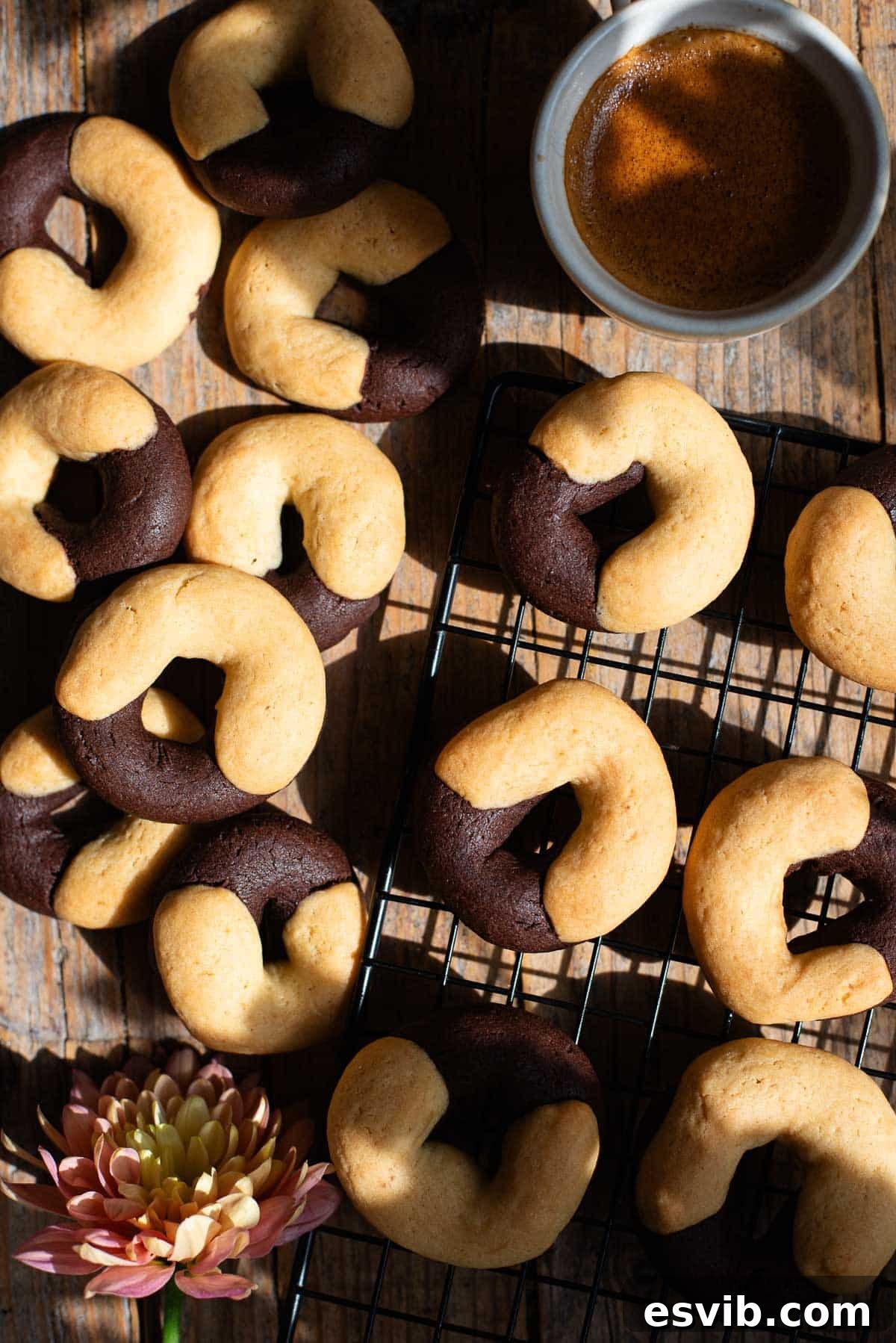
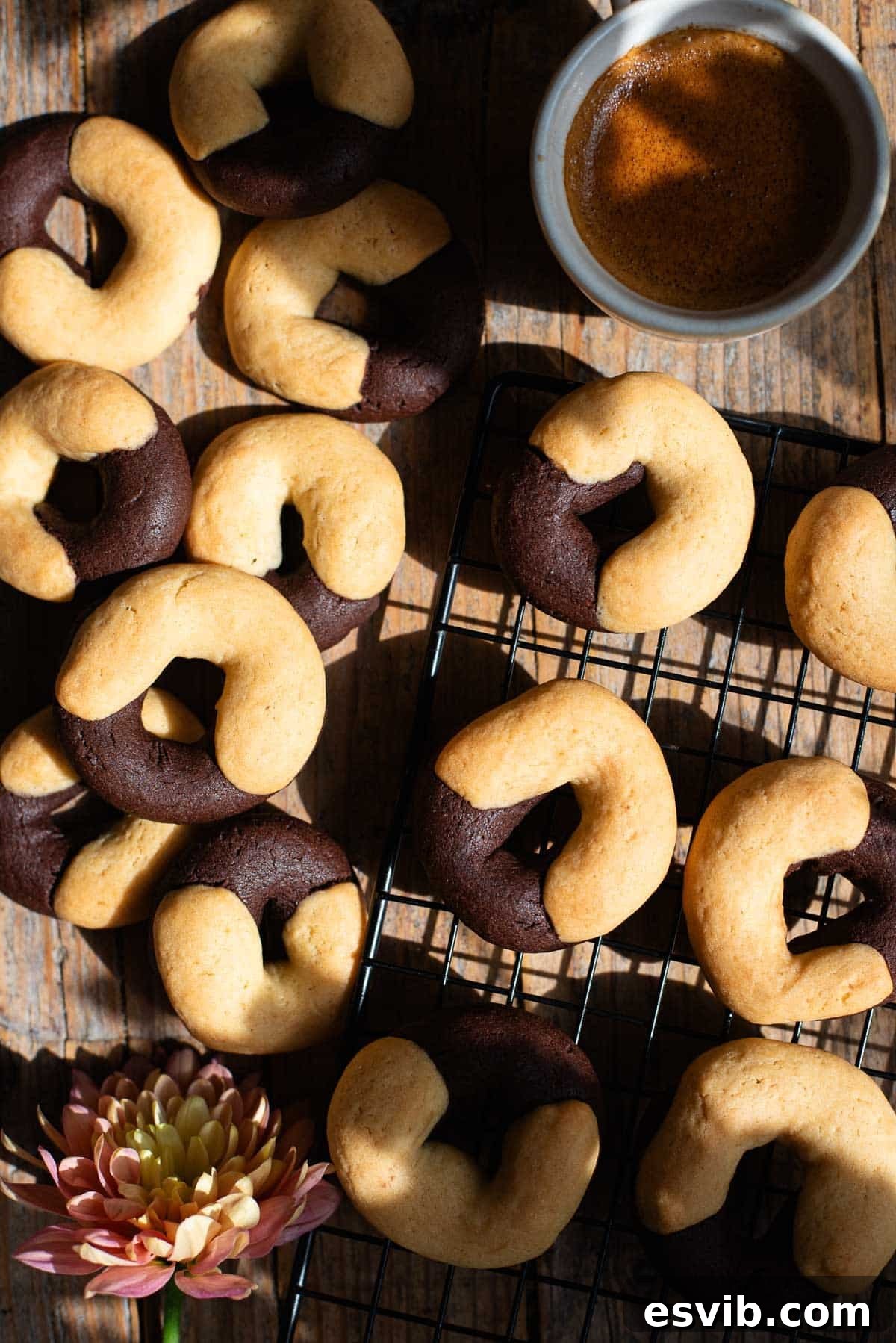
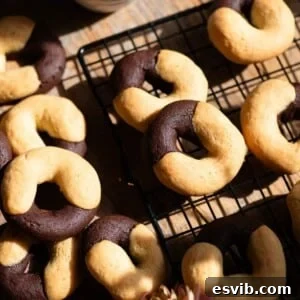
Abbracci are a classic Italian cookie made by combining a vanilla cream dough with a chocolate dough to create a distinctive “hug” shape. This version is inspired by the iconic Mulino Bianco Abbracci, popular at breakfast across Italy. The cookies are buttery and crumbly with a gentle vanilla note paired with cocoa — not overly sweet and perfect with coffee.
Recipe overview
- The recipe: Classic Italian two-tone breakfast cookies inspired by Mulino Bianco Abbracci.
- Texture and taste: Buttery, crumbly cookies with subtle vanilla and chocolate flavours.
- Total time: About 2 hours 40 minutes (including chilling).
- Makes: Approximately 40 cookies.
- Best for: Breakfast, coffee breaks or an afternoon snack.
- Make-ahead: The dough keeps well in the refrigerator for 2–3 days before baking.
Mulino Bianco is among Italy’s best-loved brands for breakfast biscuits, and Abbracci are one of their signature shapes. The name abbracci means “hugs” in Italian — an apt description for the way the two differently flavoured doughs embrace.
These cookies are built from a single enriched base (butter, eggs, sugar and a little honey), which is split and finished two ways: one portion becomes the pale panna (cream) dough, the other becomes a cocoa dough. When baked, they remain tender and crumbly, ideal for dunking in a cappuccino.
Ingredient notes
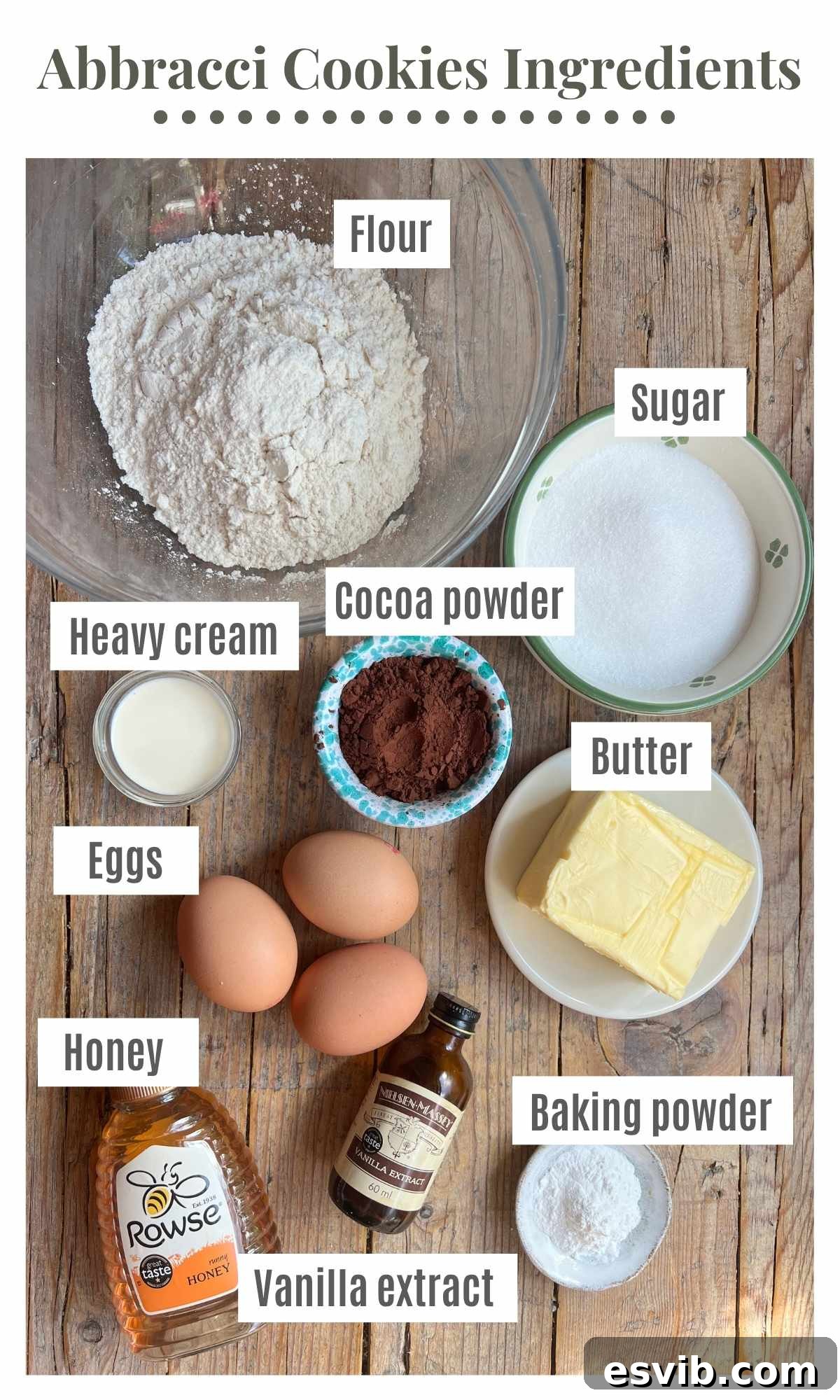
- Italian 00 flour: This is my preferred flour for Italian baking, but plain all-purpose flour works equally well.
- Butter: Use unsalted butter at room temperature for best creaming results.
- Eggs: Bring eggs to room temperature so the dough emulsifies properly.
- Vanilla: A good-quality vanilla extract is used here; vanilla bean or paste may be substituted for extra depth.
- Heavy cream (double cream): A tablespoon adds extra richness to the panna dough; whole milk can be used instead if preferred.
- Honey: Runny honey is traditional in many Mulino Bianco recipes; it contributes flavour and a touch of chewiness.
Tips for making Abbracci Cookies
Use a kitchen scale: Accurate weighing makes it simple to split the base dough evenly and portion each cookie for consistent size and baking time.
Portion size: I recommend 10 g of each dough per cookie (20 g total). Larger portions take much longer to bake and will change the texture.
Allow space on the tray: Cookies spread a little while baking — leave about 1/2 inch between them.
Chill twice: Chill the dough for at least 1 hour before shaping so it’s firm. After shaping, chill the formed cookies for around 20 minutes to prevent excess spreading when baked.
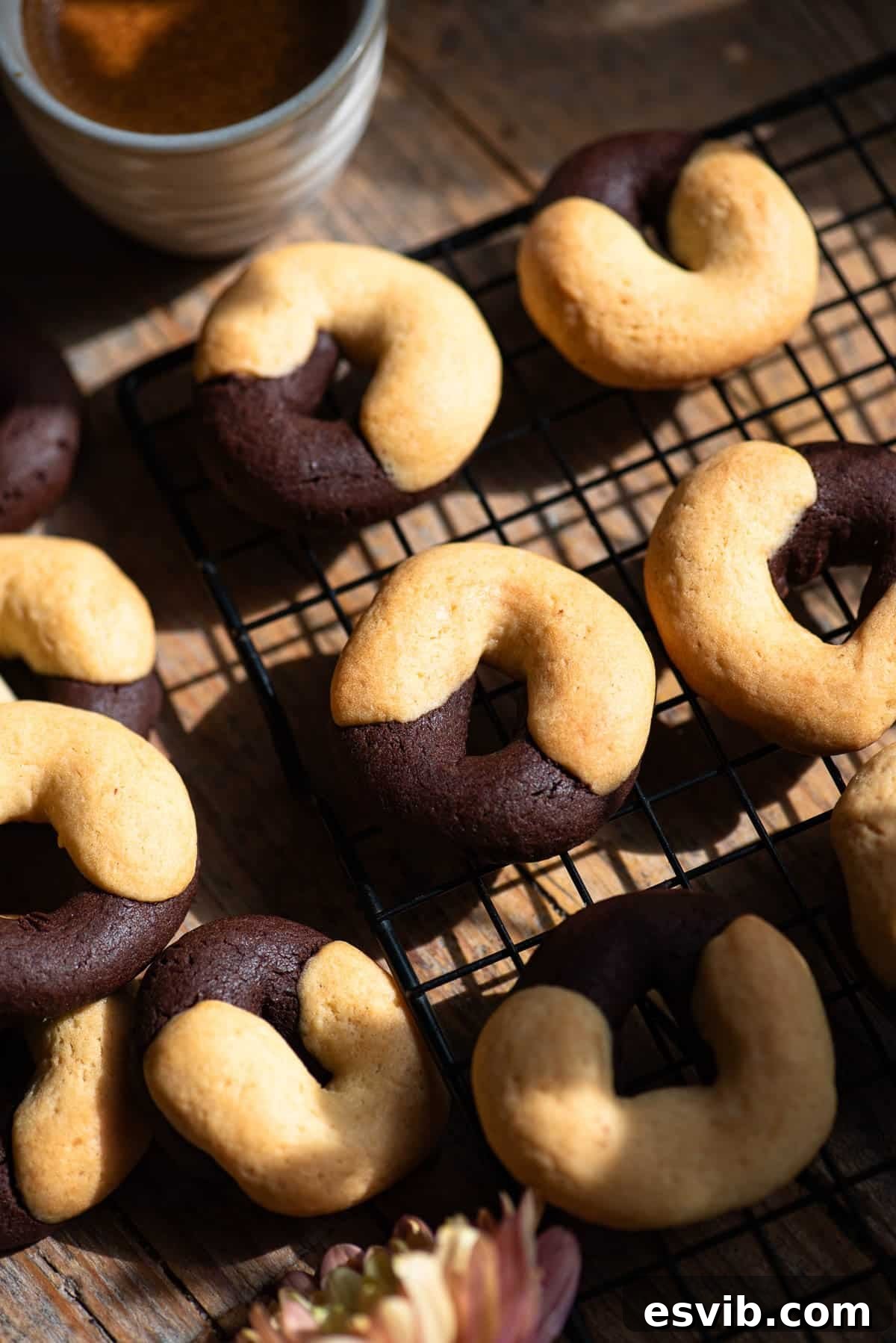
More Italian cookies to try
Italian Cookies
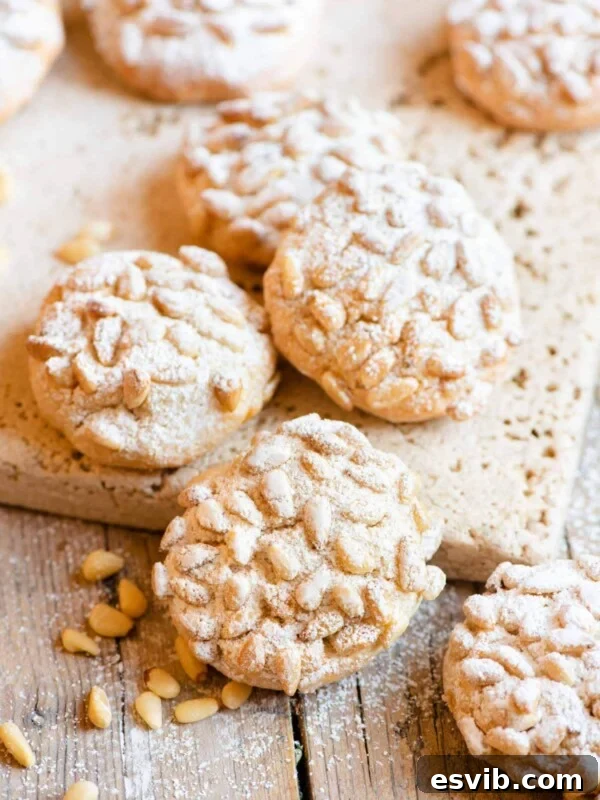
Pignoli Cookies (Biscotti ai Pinoli)
Christmas
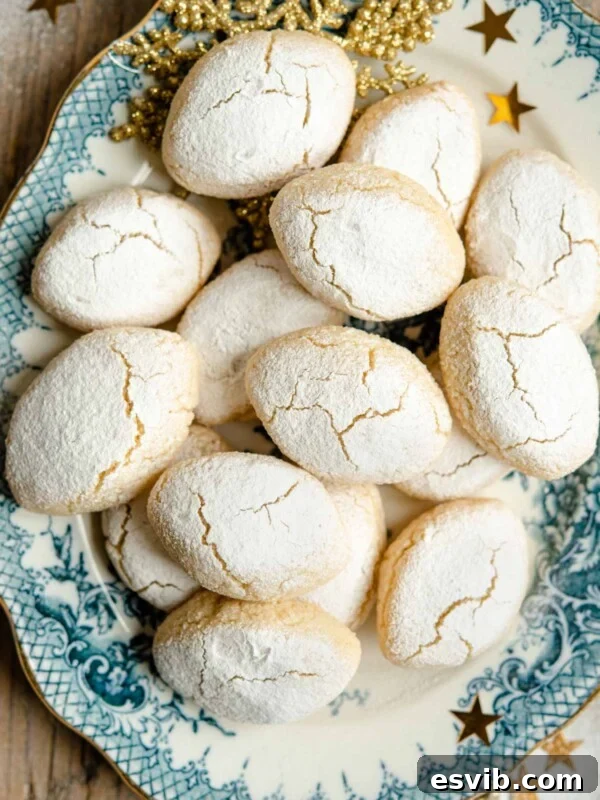
Italian Almond Cookies (Ricciarelli)
Italian Cookies
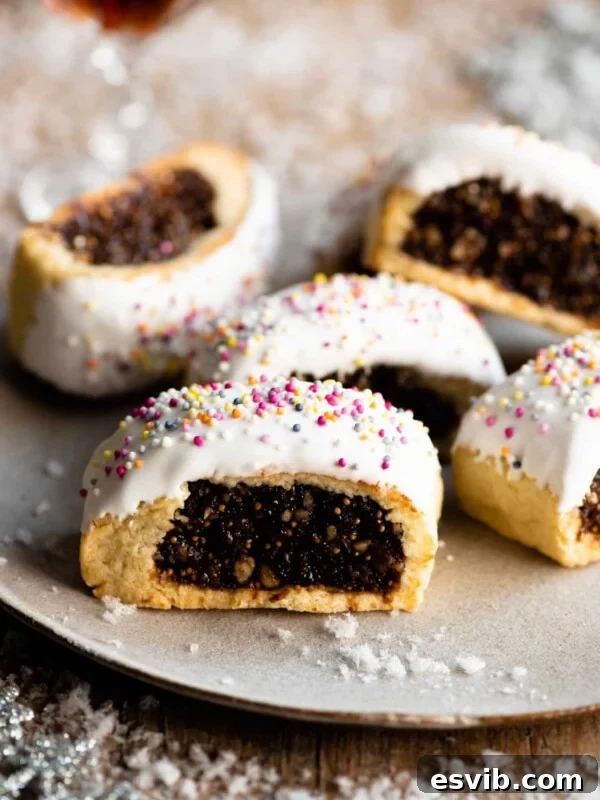
Cuccidati (Italian Fig Cookies)
Italian Cookies
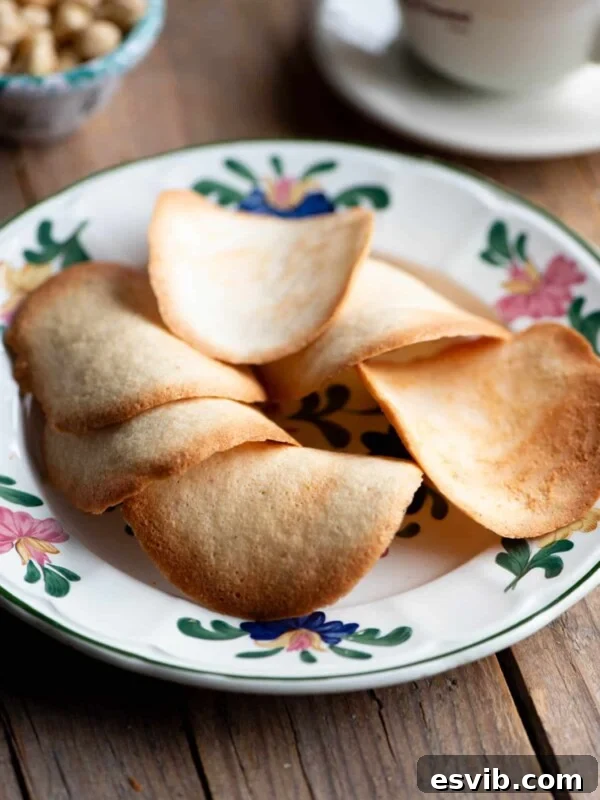
Tegole Valdostane (Hazelnut and Almond Cookies)
Italian Abbracci Cookies (Chocolate and Cream)
By Emily
Equipment
- Stand mixer with paddle attachment
- Kitchen scale
- Plastic wrap
- Silicone spatula
- Mixing bowls
- Baking tray and parchment paper
Ingredients
Base dough
- 185 g unsalted butter (room temperature)
- 130 g caster (superfine) sugar, or granulated
- 2 teaspoons runny honey
- 2 teaspoons vanilla extract
- 2 large egg yolks (room temperature)
- 1 large egg (room temperature)
- 1 1/2 teaspoons baking powder
- Pinch of salt
Panna (cream) dough
- 210 g Italian 00 flour (or all-purpose)
- 1 tablespoon heavy cream (or whole milk)
Cocoa dough
- 30 g cocoa powder
- 180 g Italian 00 flour (or all-purpose)
Instructions
To make the dough
- Place the room-temperature butter and sugar in the bowl of a stand mixer fitted with the paddle attachment. Beat on medium speed until pale and fluffy, about 5 minutes.
- Whisk the whole egg and two yolks together. With the mixer running, add the eggs gradually in three batches, allowing each addition to be absorbed before adding more.
- Add baking powder, vanilla, honey and a pinch of salt. Mix briefly until combined.
- Weigh the combined mixture. Divide it evenly into two bowls so both portions are equal in weight.
- To one bowl add the cocoa powder and 180 g flour; to the other add 210 g flour and the tablespoon of cream. Mix each bowl until large crumbs form, then bring the dough together with your hands and shape into discs.
- Wrap each disc in plastic wrap and refrigerate for at least 1 hour until firm.
Shape the cookies
- When chilled, work with one dough at a time. Weigh 10 g of cocoa dough and roll into a small ball; repeat with 10 g of panna dough.
- Roll each 10 g ball into a log about 2.5 inches (6 cm) long. Shape each log into a gentle C. Place the panna piece over the ends of the cocoa log and press the ends together to form the classic abbracci “hug”.
- Arrange cookies on a parchment-lined tray about 1/2 inch apart. Chill the formed cookies in the refrigerator for 20 minutes to reduce spreading.
Bake
- Preheat the oven to 170°C (340°F) conventional.
- Bake the chilled cookies for 19 minutes. Allow them to cool on the tray before transferring to a wire rack. Store in an airtight container.
Notes
- Storage: Store cookies in an airtight container at room temperature for 1–2 weeks. The dough can be refrigerated for 2–3 days before baking.
- If the butter and sugar look slightly curdled after adding eggs, don’t worry — the flour will bring the dough together and the final texture will be fine.
- Adjusting honey: increasing honey darkens the dough and adds moisture, which can make the final cookie less crumbly. The amount here balances flavour and texture.
Nutrition
Approximate per cookie: Calories: 90 kcal | Carbohydrates: 12 g | Protein: 1 g | Fat: 4 g | Sugar: 4 g
Nutrition information is an approximation and should be used only as a guide.