
Acquacotta: A Wholesome Traditional Tuscan Vegetable Soup with Poached Eggs
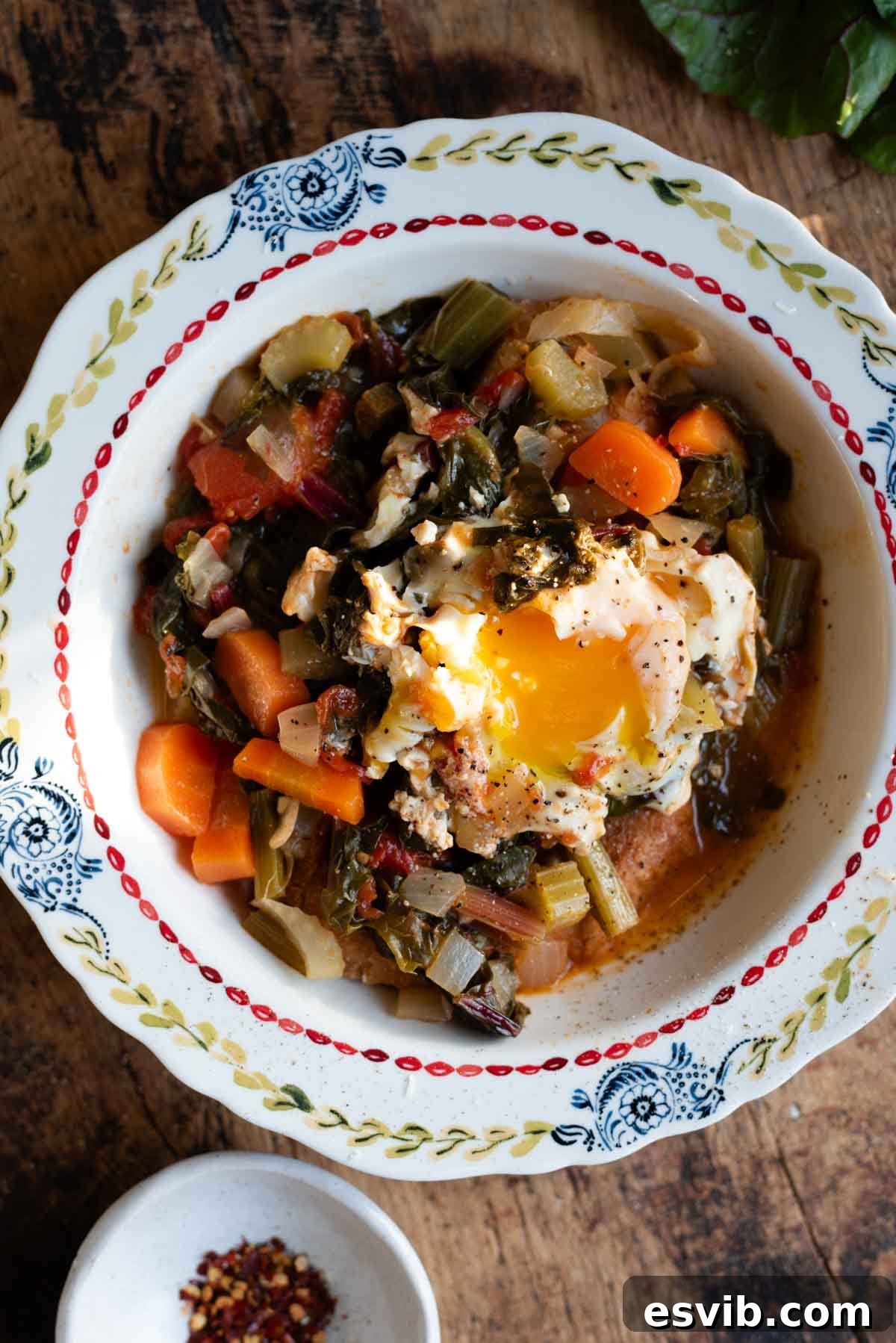
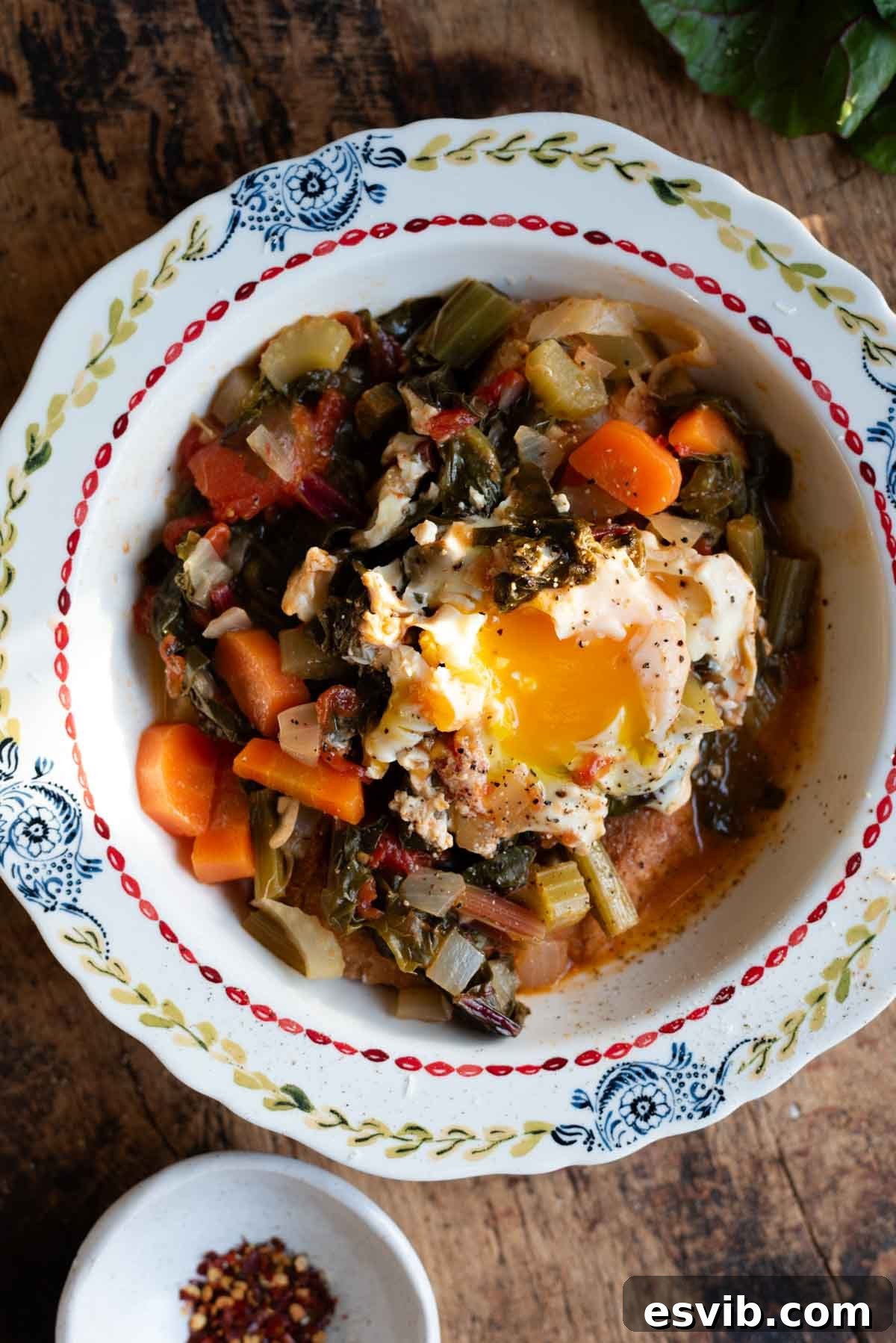
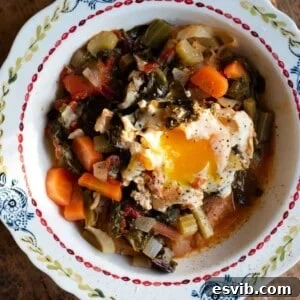
Acquacotta, a name that translates simply to “cooked water,” belies the rich, comforting depth of this traditional Tuscan masterpiece. Far from plain, this rustic soup is a vibrant celebration of seasonal vegetables, transformed into a nourishing and deeply satisfying meal. Served piping hot over slices of toasted crusty bread and generously topped with sharp Pecorino cheese and a perfectly poached egg, Acquacotta embodies the very essence of Italian “cucina povera.” It’s a dish that proves good food doesn’t need to be complicated; it just needs to be fresh, honest, and prepared with a touch of culinary heritage.
The Soul of Acquacotta: Embracing Italy’s Cucina Povera Tradition
Acquacotta stands as a quintessential example of ‘cucina povera’—the ingenious “poor kitchen” tradition that has shaped much of Italy’s regional cooking. This culinary philosophy, born out of necessity and a deep respect for ingredients, focuses on utilizing readily available, inexpensive, and seasonal produce to create dishes that are not only filling but also incredibly flavorful and nourishing. It’s a testament to making the absolute most of what you have, transforming simple components into a meal that feels luxurious in its comfort and taste.
Historically, Acquacotta originated from the rugged Maremma region of Tuscany, a land once primarily populated by outdoor laborers, particularly the ‘butteri’ (Tuscan cowboys) and shepherds. These hardworking individuals would prepare the soup over an open fire, using whatever wild greens, herbs, and vegetables they could forage or had on hand. The inclusion of stale bread was not merely a way to thicken the soup but a clever and essential method to prevent food waste, ensuring every morsel contributed to a satisfying meal. Pecorino cheese, derived from the abundant sheep farming in the region, was a natural addition, providing a salty, tangy depth that perfectly complemented the earthy vegetables and herbaceous broth.
Beyond its historical context, Acquacotta resonates deeply with modern sensibilities. It’s a dish that celebrates simplicity, health, and sustainability, echoing the growing desire for mindful eating and a connection to food sources. It serves as a delicious reminder that “gourmet” doesn’t always necessitate elaborate techniques or expensive ingredients. Often, the most delicious and soul-satisfying meals are those crafted from wholesome, honest components, infused with the wisdom of generations past. This soup is more than just a recipe; it’s a living piece of culinary heritage, a story of resourcefulness, and a delightful lesson in how to create extraordinary flavor from humble beginnings.
Our Acquacotta Recipe: A Harmonious Blend of Tradition and Modern Flavor
While we hold immense respect for the historical authenticity of Acquacotta, our recipe thoughtfully incorporates a few adjustments designed to enhance its flavor profile and appeal for contemporary palates. Traditionally, the vegetables for Acquacotta were merely boiled in water, creating a very delicate and subtle broth. This method certainly highlights the natural freshness of each ingredient, offering a truly ‘poor kitchen’ experience that purists cherish.
However, for our rendition, we’ve chosen to begin by lightly sautéing the soffritto—the aromatic trinity of finely diced carrot, celery, and onion—in high-quality olive oil. This crucial step allows the vegetables to gently caramelize, building a rich, fragrant base that infuses the entire soup with an unparalleled depth and complexity. This foundational layer, a common practice in many Italian dishes, makes a significant difference to the overall savoriness of the broth. Furthermore, instead of plain water, we opt for a good quality vegetable stock. This choice is widely embraced in modern Italian home cooking and elevates the soup’s foundational flavor, creating a more robust and satisfying experience without ever compromising the authentic essence of the dish.
These slight deviations are carefully considered to ensure our Acquacotta remains deeply rooted in its Tuscan soul while delivering a more rounded, engaging, and flavorful experience. It represents a beautiful balance of old-world charm and modern culinary preference, perfect for those seeking an authentic taste of Italy with a comforting and rich depth that truly warms the soul.
Ingredient Spotlight: What Makes This Acquacotta Truly Shine
The inherent beauty of Acquacotta lies in its reliance on fresh, high-quality, and often humble ingredients. Each component, carefully selected, plays a vital role in crafting the soup’s distinctive flavor, comforting texture, and nourishing appeal. Here’s an in-depth look at the key ingredients, along with tips on how to choose and adapt them for your best Acquacotta yet:
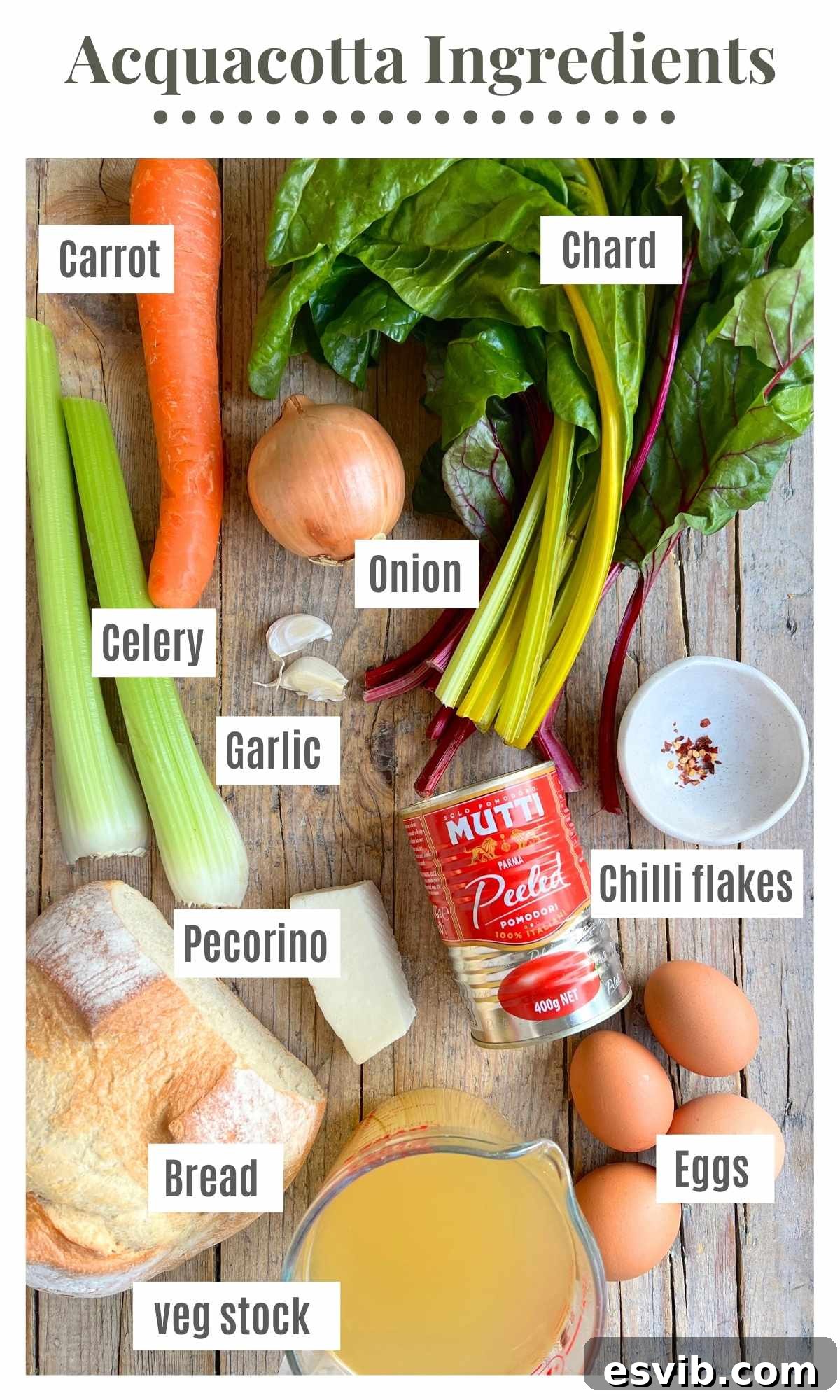
- Soffritto (Carrot, Celery, Onion, Garlic): This aromatic base is the undisputed cornerstone of countless Italian dishes, and our Acquacotta is no exception. We recommend a balanced blend of carrot, celery, and onion, all finely chopped to ensure they release their sweet and savory notes as they gently sauté. While some traditional recipes might emphasize more celery or onion, or even omit carrot entirely, our combination strikes a delightful balance that appeals to most palates. The addition of finely chopped garlic is crucial, infusing the base with its pungent warmth and depth. Don’t hesitate to adjust the proportions of the soffritto vegetables to suit your personal preference—perhaps increasing celery for a more pronounced herbaceous flavor or toning it down if you find it too strong.
- Leafy Greens (Chard, Spinach, Kale, Cavolo Nero): Acquacotta truly thrives on the freshness of seasonal greens. We specifically used vibrant rainbow chard for its beautiful color and current availability, but the beauty of this dish is its flexibility. You can easily substitute it with other robust, leafy greens that are in season. Fresh spinach offers a milder taste and wilts quickly, making it a convenient addition for lighter versions. Kale and cavolo nero (Tuscan kale) will provide a more substantial texture and delightful slightly bitter notes, which are wonderfully complementary in a rustic soup. Always prioritize greens that are crisp, brightly colored, and free from any signs of wilting for the best flavor and texture.
- Tomatoes (Canned Plum or Fresh): In Acquacotta, the tomatoes are meant to be a supporting act, adding nuance and a hint of sweetness, rather than dominating the overall flavor profile. For consistent quality and ease, we prefer using good quality canned plum tomatoes, gently drained to prevent the soup from becoming overly acidic or heavy with tomato flavor. This ensures a subtle sweetness and a touch of color that enhances without overpowering the other vegetables. If fresh, ripe tomatoes are in season, particularly varieties like Roma or San Marzano, feel free to use those—peel and dice them for a fresher taste. For an even more understated tomato note, a small spoon of concentrated tomato paste can also work wonders, adding a deep umami without much bulk.
- Chilli Flakes: A tiny pinch of red pepper flakes is our secret ingredient for introducing a very subtle, warming kick. It’s not intended to make the soup overtly spicy but rather to awaken the other flavors and add an unexpected layer of depth and intrigue. This element is entirely optional, so feel free to adjust the amount to your preferred level of heat or omit it altogether if you prefer a completely mild soup.
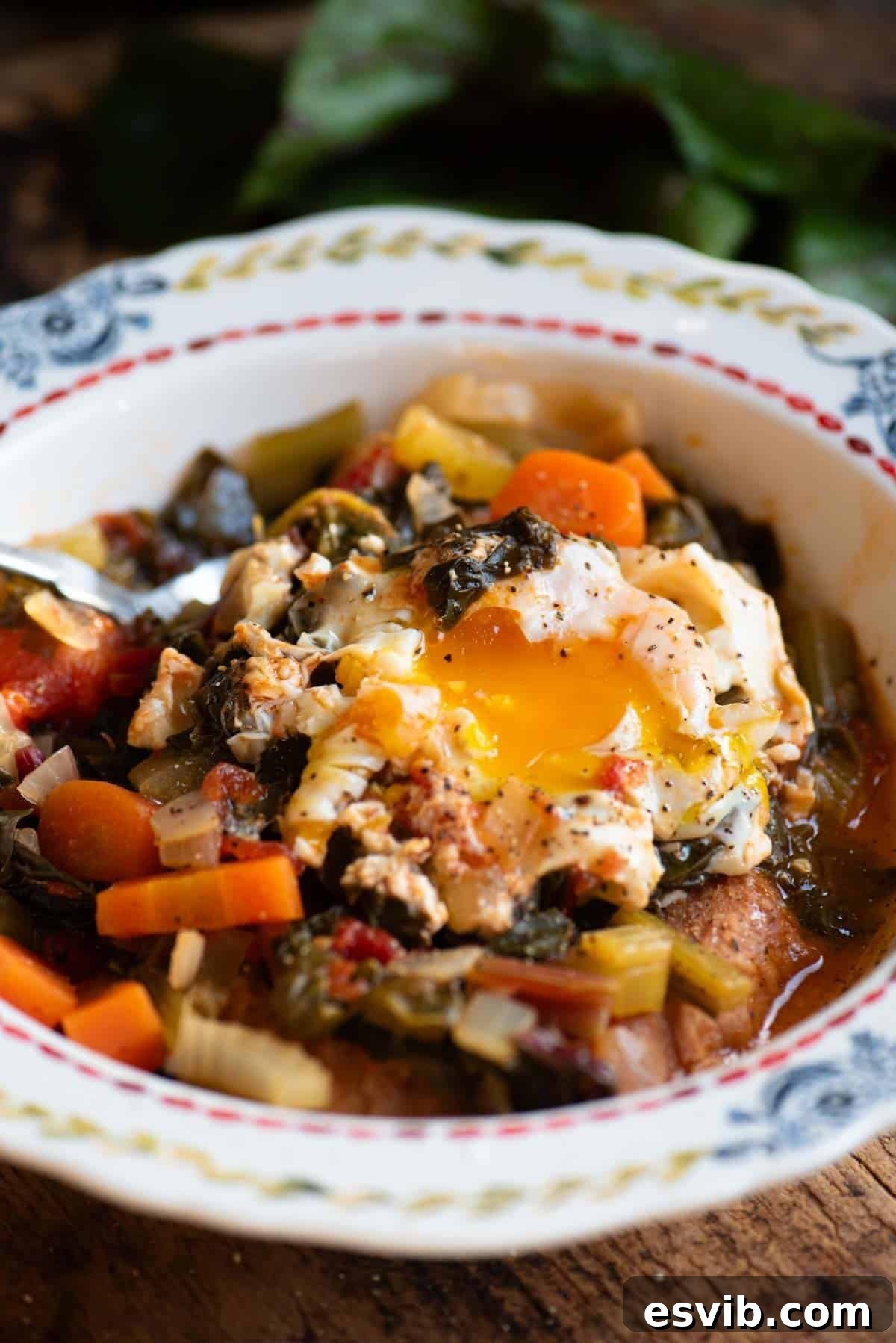
- Eggs: The perfectly poached egg is an iconic and indispensable element of Acquacotta, transforming it from a simple vegetable soup into a truly satisfying and complete meal. As you gently break into the perfectly cooked yolk, its creamy richness delicately spills into the broth, adding a luxurious, velvety texture that coats each spoonful. We highly recommend using the freshest, largest eggs you can find for the best poaching results and most vibrant flavor.
- Pecorino Cheese: This sharp, salty, and intensely flavorful sheep’s milk cheese is an absolute must-have for an authentic Tuscan Acquacotta experience. Grated generously over the hot soup and crusty bread, it melts slightly, releasing its pungent aroma and adding a vital layer of umami that beautifully balances the earthy vegetables. Pecorino Romano or other regional Pecorino varieties are excellent choices that will impart that unmistakable Tuscan character.
- Crusty Bread: The cornerstone of this ‘cucina povera’ dish, crusty bread (ideally a day or two old, or stale) plays a crucial role. It acts as a magnificent sponge, soaking up all the delicious, herbaceous broth and preventing any drop of flavor from going to waste. It also provides a wonderful textural contrast to the tender vegetables and soft egg. If you don’t have stale bread on hand, simply toast fresh slices of rustic bread until they are wonderfully crisp and golden. Ciabatta, sourdough, or any hearty country loaf works beautifully to capture the essence of this dish.
- Vegetable Stock/Water: While traditional Acquacotta often used plain water, our modern recipe leans into the richness of good quality vegetable stock. This decision dramatically elevates the depth and overall savoriness of the broth, creating a more robust and satisfying flavor profile that is both comforting and delicious. Ensure your stock is flavorful to provide the best base for your soup.
Mastering Acquacotta: Expert Tips and Delicious Variations
Acquacotta is a wonderfully adaptable soup, making it a beloved favorite for home cooks who appreciate both tradition and flexibility. Here are some expert tips to help you perfect this Tuscan classic and explore its delicious versatility:
- Enjoy Acquacotta All Year Round: Do not let its hearty appearance confine this incredible soup solely to cold weather months. Much like its beloved Italian cousins, Pappa al Pomodoro and Ribollita, Acquacotta is equally delightful when served “just warm” during the refreshing days of spring and summer. The vibrant freshness of seasonal vegetables truly shines through, making it a light yet satisfying meal perfectly suited for any time of the year.
- The Unwavering Importance of Crusty Bread: This is a non-negotiable component of authentic Acquacotta! The soup was historically designed to utilize and celebrate stale bread, allowing it to soak up every drop of the flavorful broth. If you don’t happen to have stale bread on hand, fear not; simply toast thick slices of fresh, rustic bread until they are wonderfully crisp and golden. Breads like sourdough, ciabatta, or a hearty country loaf will provide the best texture and flavor, ensuring they hold their own against the rich broth without disintegrating too quickly.
- Creative Variations and Flavor Boosters:
- Infuse with Fresh Herbs: Elevate the soup’s aroma and taste with a generous addition of fresh herbs. A handful of fresh basil or parsley, stirred in at the very end of cooking, can brighten the flavors. For a deeper aromatic profile, try simmering a sprig of rosemary and thyme with the vegetables.
- Add Heartiness with Potatoes or Legumes: If you find yourself with potatoes that need using up, they make a fantastic addition, adding creamy body and comforting substance to the soup. Cube them and add them along with the other root vegetables so they can cook down beautifully. For an extra boost of protein and fiber, consider stirring in a can of drained cannellini beans during the last 15-20 minutes of simmering.
- Adjust the Spice Level: While our recipe suggests a pinch of chili flakes for a subtle, warming embrace, don’t hesitate to increase the amount if you prefer a spicier kick. Alternatively, a whole dried chili pepper can be added to the pot during simmering for a gradual, infused heat.
- Experiment with Cheesy Choices: While Pecorino cheese is traditionally specified, a blend of freshly grated Pecorino and Parmesan can also be absolutely delicious, offering a slightly milder, nuttier flavor profile that might appeal to different tastes.
- Achieving the Perfect Poached Egg: For perfectly poached eggs with beautifully runny yolks, ensure your soup is at a gentle simmer, not a vigorous boil, when you add them. Crack each egg into a small ramekin or bowl first; this allows you to gently slide them into the simmering soup, helping them maintain their shape. Cover the pot with a lid and let the steam do its magic. The goal is set whites and yolks that gently spill their richness into the broth when pierced.
- The Finishing Drizzle of Quality Olive Oil: Just before serving, a final, generous drizzle of high-quality extra virgin olive oil over each bowl is highly recommended. This adds a beautiful sheen, a fresh, peppery note, and a luxurious mouthfeel that enhances all the layered flavors within the Acquacotta.
Frequently Asked Questions About Acquacotta
Absolutely! Acquacotta is one of those fantastic soups that often tastes even better the next day as the flavors meld and deepen beautifully. You can prepare the entire vegetable soup base in advance—without the bread or eggs—and store it in an airtight container in the refrigerator for 1-2 days. When you’re ready to serve, gently reheat the soup on the stovetop. However, for the best dining experience and perfect texture, we highly recommend poaching the eggs fresh just before serving each bowl.
Leftover Acquacotta soup (specifically the vegetable base, without already-poached eggs and bread) can be stored in an airtight container in the refrigerator for up to 2-3 days. Reheat it gently on the stovetop over medium-low heat until warmed through, then proceed with adding fresh bread and eggs. If you do have leftover soup that already contains poached eggs, it’s safe to store for 1-2 days, but be aware that the eggs may become slightly rubbery upon reheating. For optimal quality and taste, always poach fresh eggs when serving leftovers.
Yes, Acquacotta is inherently vegetarian when prepared with vegetable stock, as our recipe specifies. To transform it into a completely vegan-friendly dish, simply omit the poached eggs and the Pecorino cheese. The soup base itself is robustly rich in vegetables and flavor, making it a delicious and satisfying vegan meal. For an added layer of umami reminiscent of cheese, you could sprinkle a little nutritional yeast on top when serving.
The most authentic and effective bread for Acquacotta is a rustic, crusty white bread, ideally a day or two old (stale). This allows it to perfectly absorb the savory broth without disintegrating too quickly, providing a wonderful textural contrast. Excellent choices include Italian country bread, ciabatta, or a good quality sourdough. If your bread isn’t stale, simply toast fresh slices until they are delightfully golden and crisp before adding them to your serving bowls.
Absolutely, and this is highly encouraged! The true spirit of Acquacotta, deeply rooted in the ‘cucina povera’ tradition, lies in its remarkable flexibility and adaptability. Feel completely free to customize the recipe with whatever seasonal vegetables you have on hand, or those you find freshest and most appealing at your local market. Great additions could include tender zucchini, vibrant bell peppers, crisp green beans, or even different types of winter squash. The key is to ensure they are chopped to a similar size for even cooking. This dish truly shines brightest when it reflects the abundant bounty of the current season.
Explore More Authentic Tuscan Recipes
Tuscany, with its rolling hills and rich culinary history, offers a treasure trove of incredible flavors, and Acquacotta is truly just the beginning. We’ve dedicated regional categories on our blog to sharing authentic recipes from every corner of Italy, allowing you to embark on a delicious journey. Dive deeper into the culinary heart of Tuscany with more of our delectable recipes:
Soups
Pappa al Pomodoro (Hearty Italian Tomato Bread Soup)
Soups
Carabaccia (Savory Tuscan Onion Soup)
Soups
Ribollita – The Ultimate Tuscan Vegetable and Bread Soup
Mains
Trippa Finta (Delightful Fake Tripe in Tomato Sauce)
We sincerely hope you enjoy making and savoring this authentic Acquacotta recipe. It’s a taste of true Tuscan tradition brought right into your kitchen. If you’ve tried it or any other recipe from our blog, please don’t forget to rate it and share your experience in the comments below! We absolutely love hearing from you and learning about your culinary adventures. You can also follow us on Facebook, Instagram, and Pinterest for more daily culinary inspiration, or simply sign up for our Newsletter to receive our delicious new recipes directly in your inbox every week.
Step By Step Photos Above
Most of our recipes come with detailed step-by-step photos, helpful tips, and clever tricks to ensure you achieve a perfect result every single time.
Acquacotta Maremmana (Tuscan Vegetable Soup with Poached Eggs)
By Emily
15
1
5
1
20
4 servings
Ingredients
- 2 cloves garlic, finely chopped
- 1 white onion, chopped into medium pieces
- 2 celery stalks, chopped into medium pieces
- 1 large carrot, chopped into medium pieces
- 7 oz rainbow chard or other seasonal greens, (200g, thoroughly washed and roughly chopped)
- 14 oz canned plum tomatoes, (400g, well-drained and roughly crushed)
- 4 large eggs
- 1 pinch Chilli flakes, (or more, to taste, for a subtle warmth)
- 3 and 3/4 cups vegetable stock, (900ml, good quality)
- 4 slices crusty white bread, (preferably stale, or toasted until crisp)
- Pecorino cheese, (freshly grated, for generous serving)
- Salt and pepper, (freshly ground, to taste)
- Olive oil, (extra virgin, for cooking and a final drizzle)
Instructions
Preparation Steps
-
Begin your preparation by thoroughly chopping the carrot, celery, and onion into medium-sized, uniform chunks; place them together in a bowl. Next, finely chop the garlic cloves and set them aside separately. Wash your chosen leafy greens (chard, spinach, kale, etc.) thoroughly under cold water and then roughly chop them. Ensure your canned plum tomatoes are well-drained of excess liquid, and have your vegetable stock measured and ready for use.
Crafting the Acquacotta Soup
-
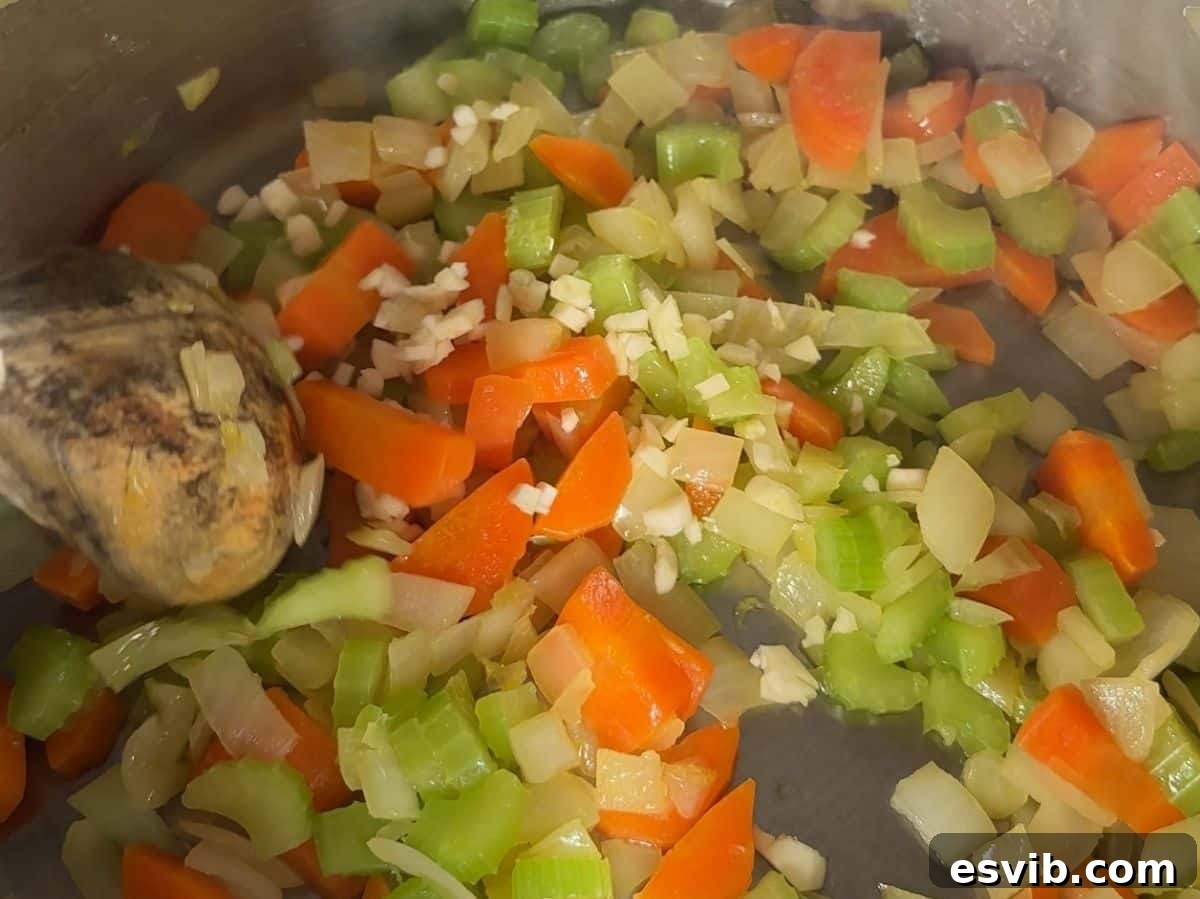
In a large, heavy-bottomed pot or a sturdy Dutch oven, heat approximately 2 tablespoons of good quality extra virgin olive oil over a medium heat setting. Once the oil is shimmering gently, add the chopped onion, carrot, and celery. Sauté these vegetables gently, stirring occasionally, for about 10 minutes. This process allows them to soften and become slightly translucent, forming a flavorful soffritto base.

Sautéing the soffritto creates the rich, aromatic flavor foundation for your Acquacotta soup. -
Now, add the finely chopped garlic and a pinch of chilli flakes to the pot with the softened vegetables. Stir everything together thoroughly and continue to sauté for an additional 30-40 seconds until the garlic becomes wonderfully fragrant, taking care not to let it burn. Season the mixture generously with a good pinch of salt and freshly ground black pepper to taste.
-
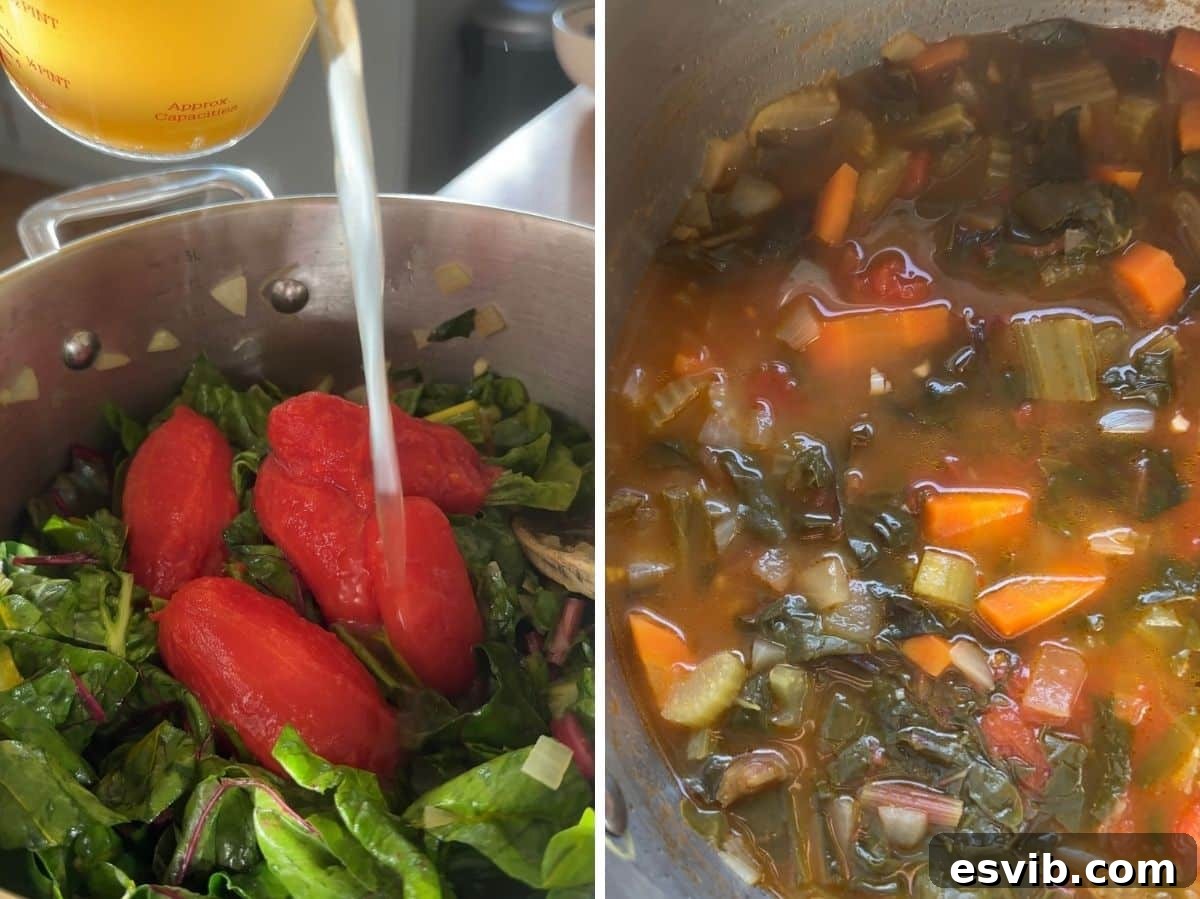
Next, incorporate the roughly chopped chard (or your chosen greens) into the pot. Stir it through the softened vegetables until it just begins to wilt and reduce in volume. Pour in the well-drained plum tomatoes and the vegetable stock. Bring the entire soup mixture to a gentle simmer, then immediately reduce the heat to low. Allow the soup to simmer uncovered for approximately 45 minutes, giving all the wonderful flavors ample time to meld beautifully and the vegetables to become perfectly tender.
Combine the leafy greens, tomatoes, and stock, then simmer to fully develop rich, harmonious flavors. -
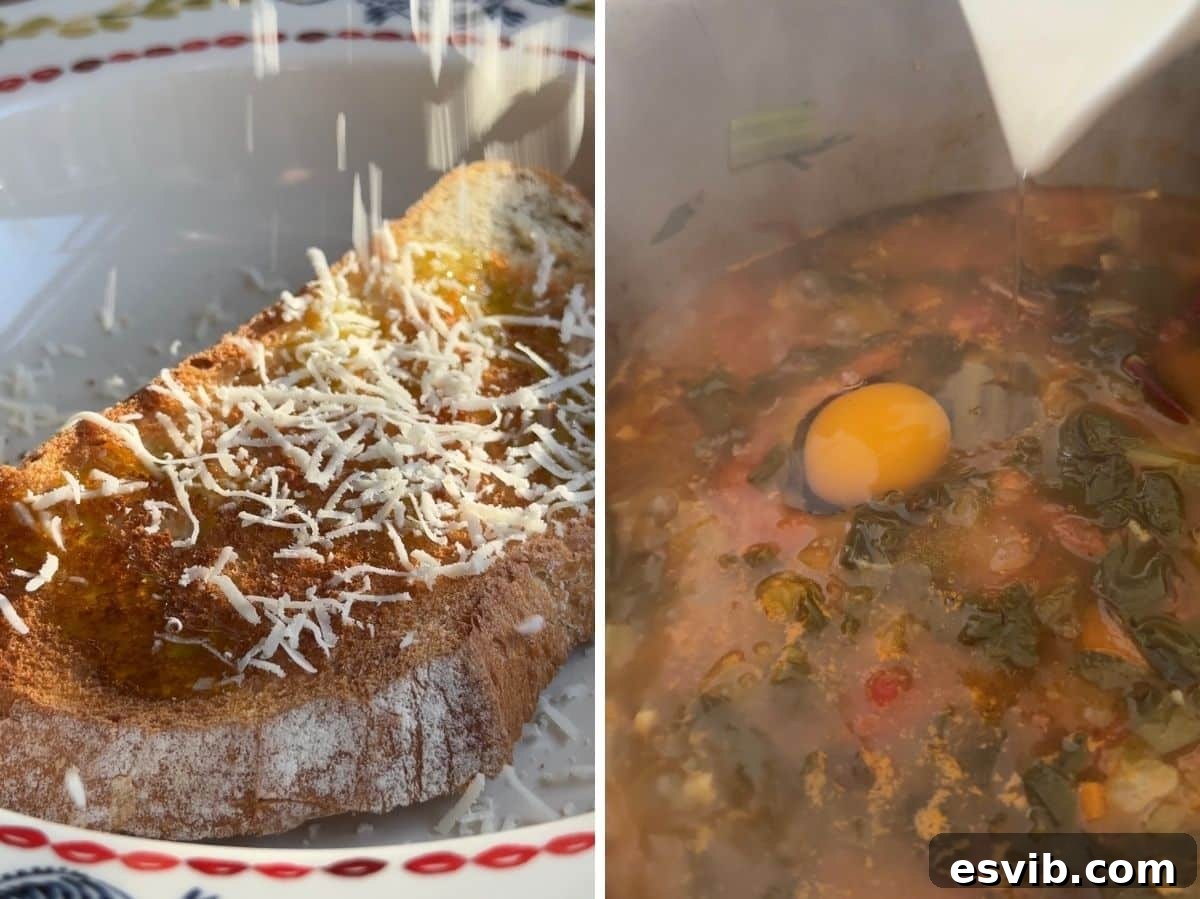
About 5 minutes before the soup is fully ready to serve, begin preparing your serving bowls. Toast the slices of crusty bread until they are wonderfully golden brown and crisp. Place one toasted slice at the bottom of each individual serving bowl. Drizzle a small amount of extra virgin olive oil over each slice of bread and then generously sprinkle with freshly grated Pecorino cheese.
-
When the soup has finished its 45-minute simmering time and the vegetables are tender, lower the heat to its absolute minimum to maintain a very gentle simmer. Carefully crack each egg directly into the soup, ensuring they have enough space to poach without crowding. Cover the pot tightly with a lid and allow the eggs to poach for 6-7 minutes, or until the whites are fully set and the yolks are still wonderfully runny.
Prepare your serving bowls with cheesy bread, then carefully poach eggs directly in the simmering soup for perfect results. -
Using a slotted spoon, very carefully transfer one perfectly poached egg onto the prepared bread in each serving bowl. Ladle a generous amount of the flavorful vegetable soup over and around the egg. To finish each bowl, add another pinch of salt, freshly ground black pepper, an additional drizzle of fine extra virgin olive oil, and if desired, more freshly grated Pecorino cheese. Serve immediately and relish this truly delightful Tuscan classic!
Recipe Notes
- Seasonal Flexibility: This Acquacotta recipe is incredibly adaptable. Feel free to experiment and substitute with any seasonal vegetables you have on hand or personally prefer, such as zucchini, bell peppers, or different varieties of leafy greens.
- Advance Preparation: The complete soup base (excluding the eggs and bread) can be prepared up to 2 days in advance and stored safely in an airtight container in the refrigerator. When ready to serve, simply reheat the base gently before adding freshly poached eggs for optimal taste and texture.
- Crusty Bread Tip: Stale bread is truly ideal for this soup as it soaks up the flavorful broth without becoming overly soggy. If you are using fresh bread, ensure you toast it until it is very crisp to achieve a similar effect and prevent it from disintegrating too quickly.
- Perfect Poaching: For the best poached eggs, it’s crucial that the soup is at a very gentle simmer when you carefully add the eggs. Covering the pot helps to cook the eggs evenly and consistently with minimal disturbance to their delicate structure.
Helpful Information for All Our Recipes
- We consistently recommend using high-quality extra virgin olive oil in all of our recipes, unless a very specific type of oil is explicitly stated otherwise. Its rich, nuanced flavor is fundamentally essential for achieving authentic Italian cooking results.
- For the absolute best results and most profound flavor, when we specify using canned or jarred tomatoes of any kind (whether plum, crushed, or diced), we consistently choose and recommend premium brands such as Cirio or Mutti. Their superior quality makes a truly noticeable difference in the final taste of your dish.
- Unless otherwise clearly specified, please assume that all vegetables mentioned in our recipes are of a medium size. This helps ensure consistency in cooking times and proportions.
- All recipes meticulously published on our blog are thoroughly tested and developed using a fan (convection) oven. Therefore, please note that cooking times may vary slightly if you are using a conventional oven at home.
- Curious about the nutritional aspects of your meals? You can find out more detailed information about how our nutrition information is calculated by visiting our dedicated page.
- Stock your kitchen like an experienced Italian nonna! Be sure to check out our comprehensive guide to Italian Pantry Staples for all the authentic ingredients you’ll need to create true Italian flavors.
- Ensure you have exactly the right tools for the job to make your cooking experience seamless and enjoyable. Explore our curated list of Essential Kitchen Tools for Italian Cooking to equip your kitchen properly.
Nutrition Information (per serving)
Calories: 288kcal
|
Carbohydrates: 45g
|
Protein: 15g
|
Fat: 6g
|
Saturated Fat: 2g
|
Polyunsaturated Fat: 2g
|
Monounsaturated Fat: 2g
|
Trans Fat: 0.02g
|
Cholesterol: 164mg
|
Sodium: 713mg
|
Potassium: 629mg
|
Fiber: 4g
|
Sugar: 8g
|
Vitamin A: 5955IU
|
Vitamin C: 29mg
|
Calcium: 132mg
|
Iron: 5mg
Please note: The provided nutrition information is automatically calculated and should be used solely as an approximation. Actual nutritional values may vary based on specific ingredients, portion sizes, and individual preparation methods.
Did you try this recipe? We’d love to hear your thoughts! Leave a comment below!