
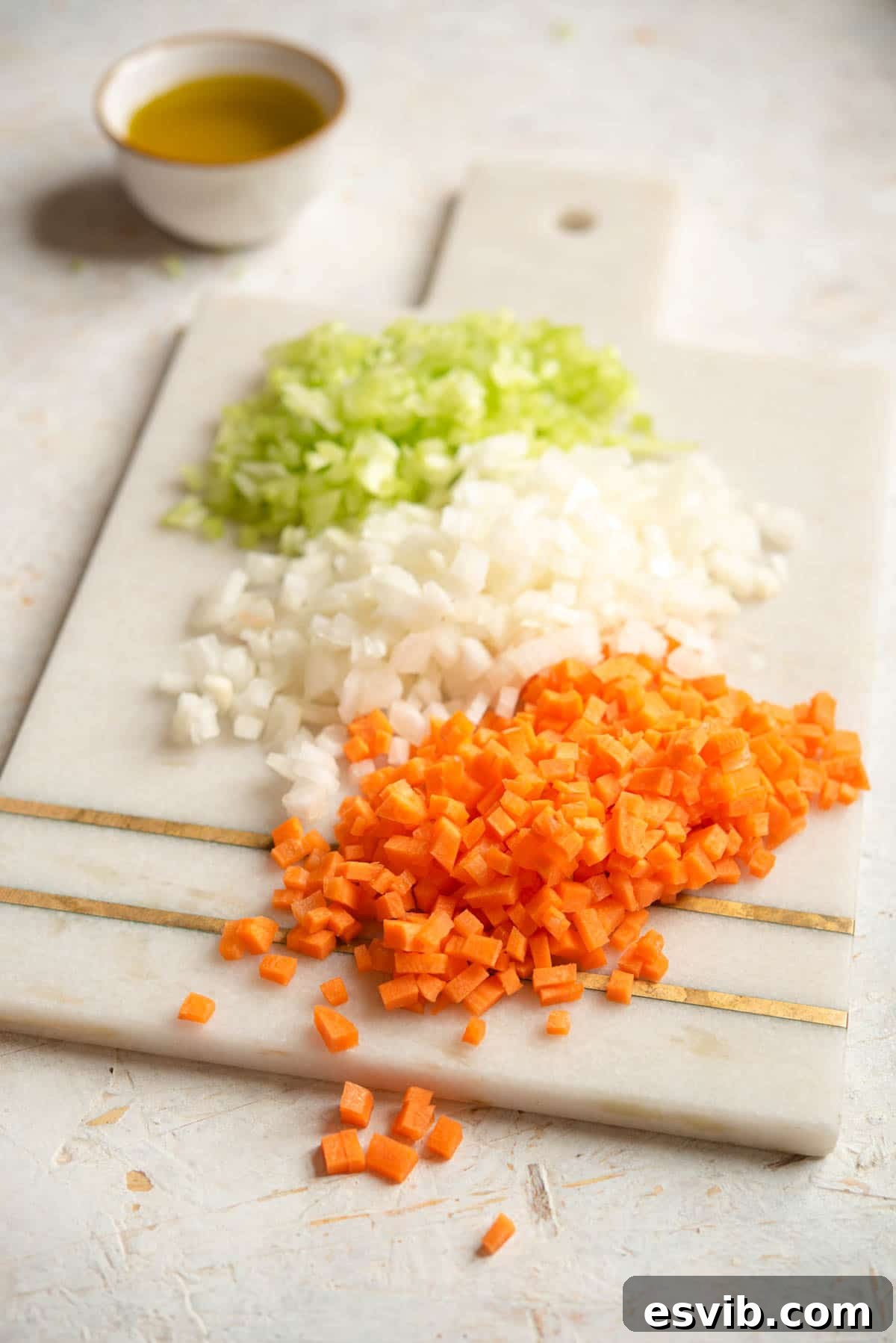
Discover the cornerstone of Italian cuisine: Soffritto. This simple yet profound blend of finely chopped carrot, celery, and onion, slowly cooked to perfection, is the secret weapon of Italian chefs. Mastering how to prepare this aromatic base will infuse your Italian soups, stews, sauces, and countless other dishes with an authentic, deep, and irresistible flavor profile that truly sets them apart.
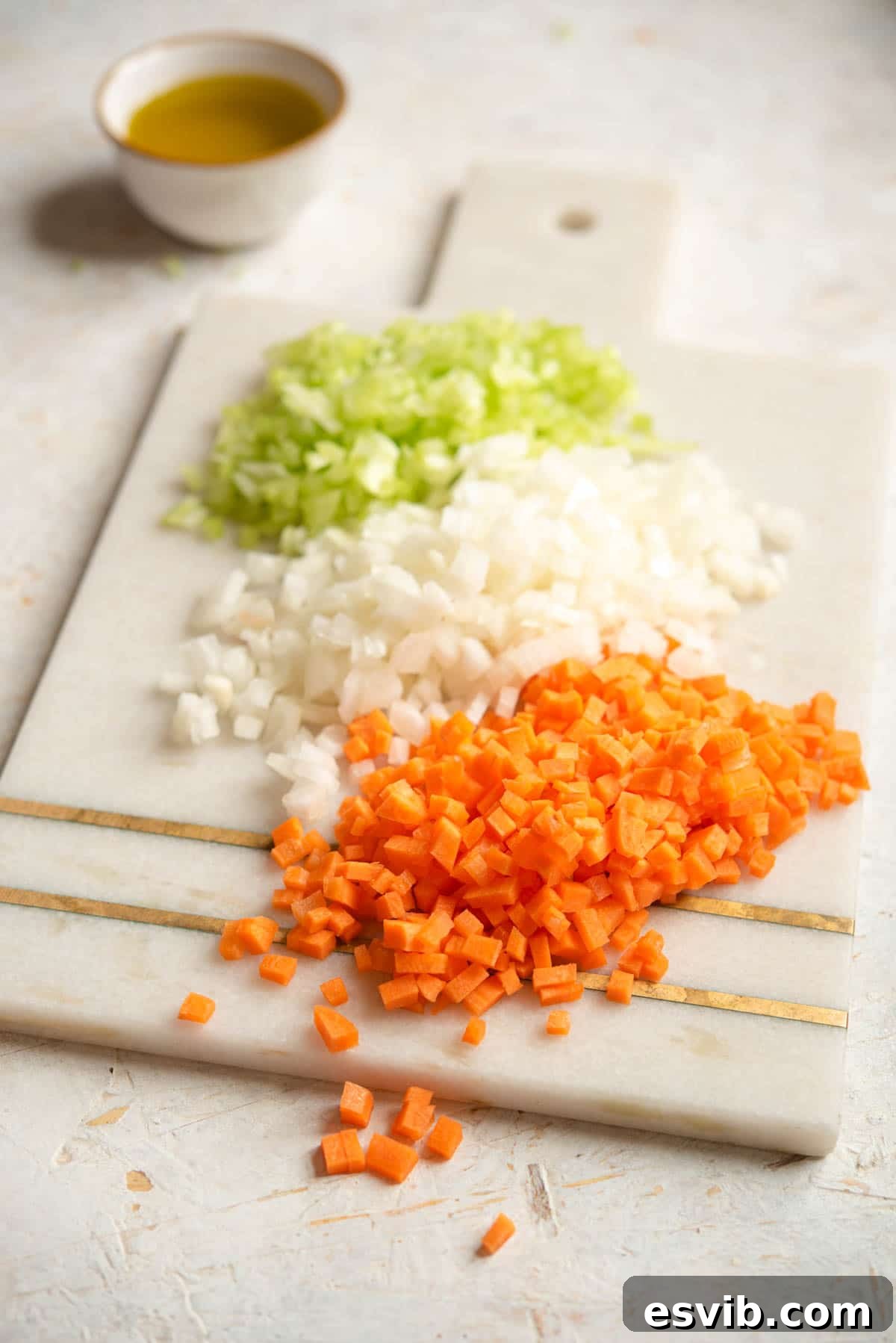
What is Soffritto? The Heart of Italian Flavor
The term Soffritto originates from the Italian verb Soffriggere, which translates to “to slowly fry” or “to sauté gently.” More than just a collection of vegetables, soffritto is a culinary technique and a fundamental flavor base in Italian cooking. It comprises a classic trio of finely diced aromatic vegetables: carrots, celery, and onions. This beloved combination is often referred to as the “holy trinity” of Italian cuisine, much like its French counterpart, mirepoix, or the Cajun/Creole holy trinity of onion, celery, and bell pepper. The magic of soffritto lies in its ability to build an incredible depth of flavor that becomes the soul of numerous Italian dishes.
For centuries, Italian cooks have recognized the power of these humble ingredients to transform simple components into rich, complex meals. From robust Bolognese sauce, which relies on a slow-cooked soffritto to tenderize the meat and create a savory depth, to comforting soups like Pasta e Fagioli, where it provides a sweet and aromatic foundation, and hearty stews such as Chicken Cacciatore, which benefits from its underlying savory notes, soffritto is indispensable. It’s the silent hero, working in the background to elevate every bite.
In Italy, the importance of this aromatic base is so ingrained that supermarkets often sell pre-packaged mixes of these three vegetables, known as ‘gli odori’, which literally translates to ‘the smells’ or ‘the aromas.’ This speaks volumes about how central these ingredients are to creating the characteristic fragrance of Italian cooking.
Soffritto vs. Battuto: Regional Flavor Bases
While carrot, celery, and onion form the core of classic soffritto, regional variations are common. One notable difference is Battuto, a Roman variation. Battuto typically incorporates additional ingredients like fresh parsley, garlic, and sometimes lard or pancetta. These additions introduce a richer, more pungent, and often meatier dimension to the flavor base, making it suitable for specific Roman recipes. Understanding these subtle differences allows for greater culinary authenticity and experimentation in your Italian cooking journey.
Why Soffritto is a Must-Learn Skill for Home Cooks
If you have a passion for Italian cuisine, or simply aspire to expand your cooking repertoire, learning how to make soffritto is an essential skill. It’s incredibly easy to master and profoundly impactful on your dishes. It’s not just about following a recipe; it’s about understanding flavor development. Once you grasp the simple technique, you’ll unlock a new level of appreciation for the nuances of Italian cooking and infuse your homemade meals with truly incredible flavors, making them taste authentic and professional.
Essential Ingredients for Soffritto
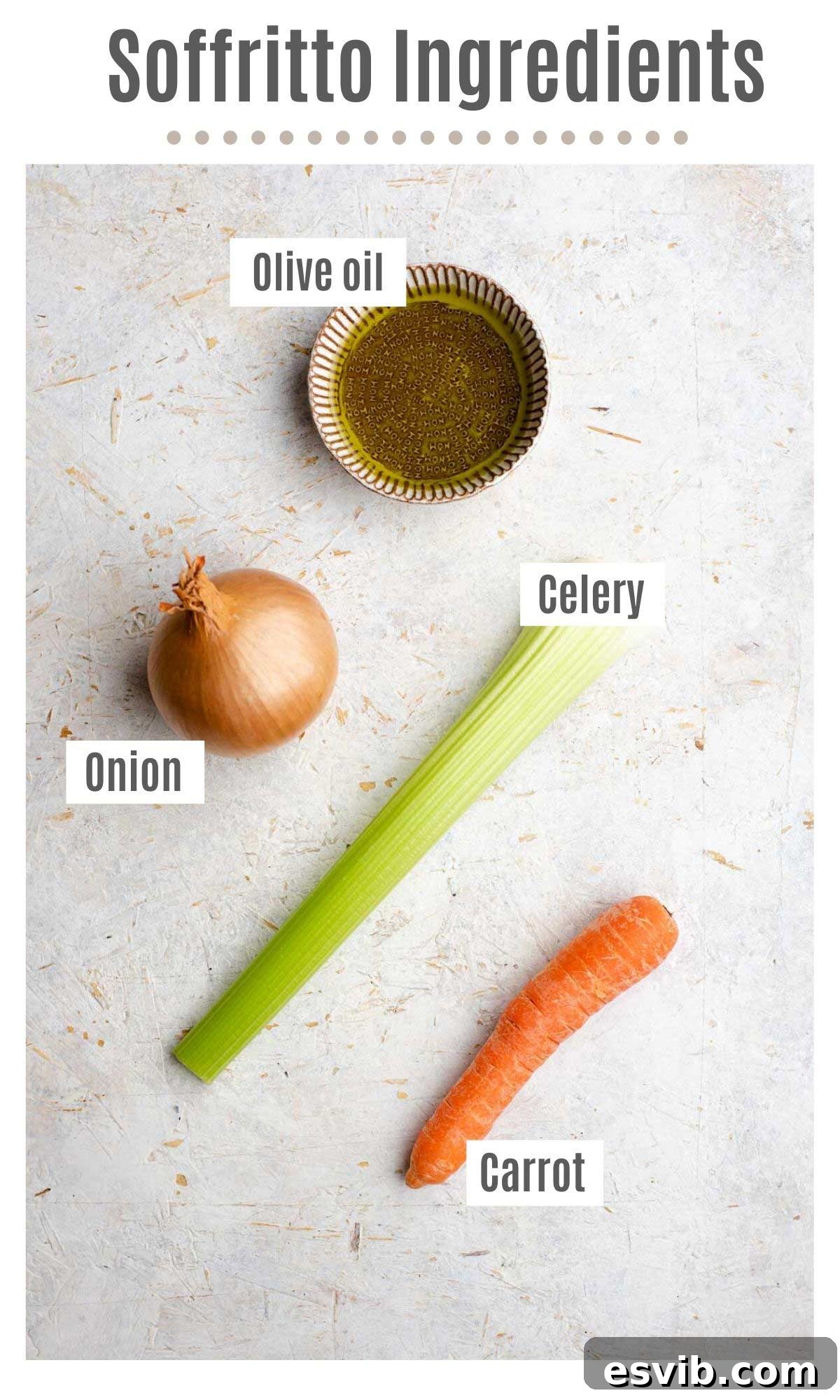
Crafting authentic Italian soffritto requires only a handful of fresh, quality ingredients. You will need:
- Carrot: Adds natural sweetness and color.
- Celery: Provides a subtle salty, earthy note and freshness.
- Onion: The backbone of the aromatics, offering a foundational sweetness and pungency that mellows beautifully with slow cooking. Yellow onions are typically preferred for their balanced flavor.
- Olive Oil: The traditional and essential cooking fat. Extra virgin olive oil is often recommended for its flavor and quality.
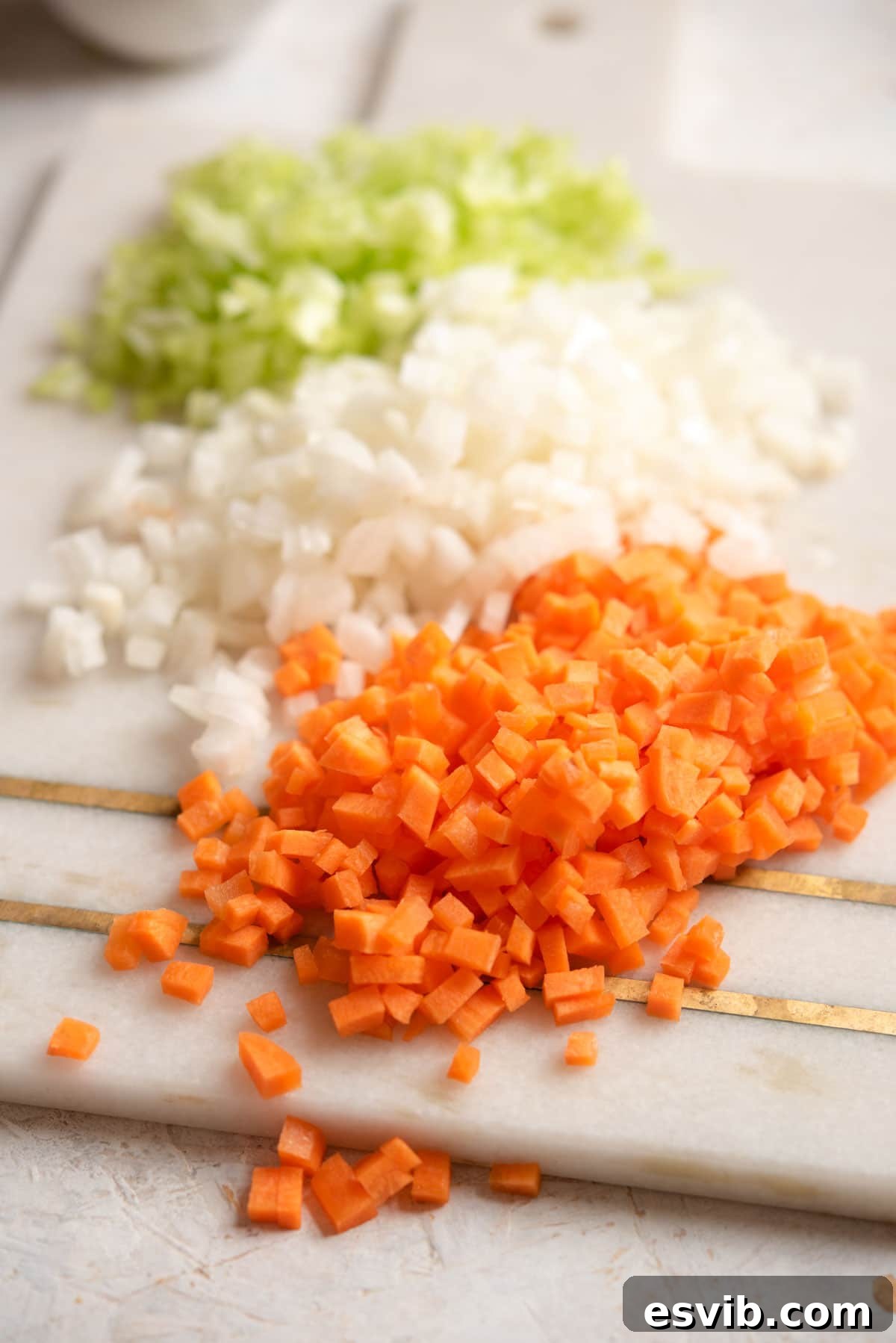
Before you begin, ensure your vegetables are properly prepared: peel the carrot and onion, and thoroughly wash the celery stalk. The quality and freshness of these ingredients will directly impact the final flavor of your soffritto. The photo below illustrates all the simple ingredients you’ll need.
Step-by-Step Guide to Making Perfect Soffritto
The beauty of soffritto lies in its simplicity and the precise method of preparation. Follow these steps for an impeccable flavor base:
1. Precision Chopping: The Foundation of Flavor
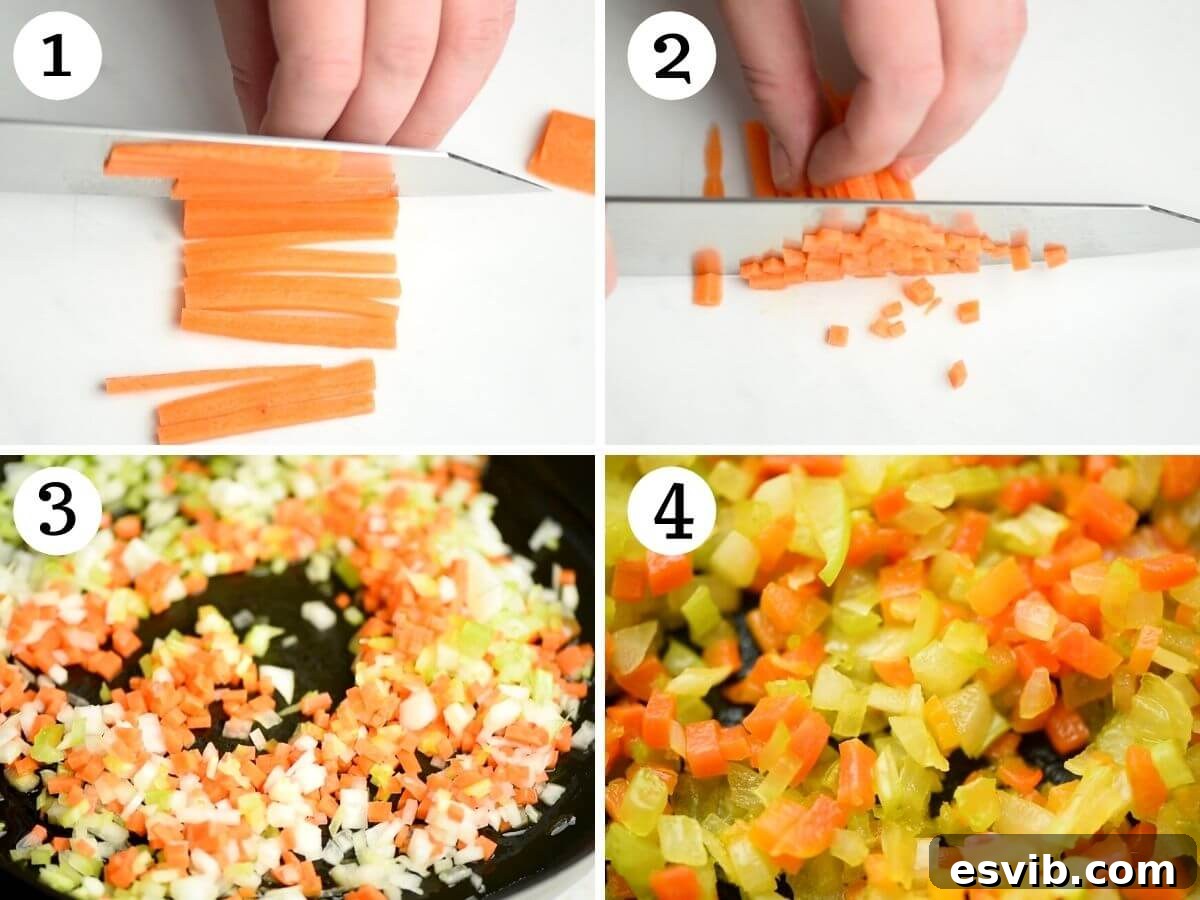
The first and most crucial step is to finely chop your vegetables to roughly the same size. Consistency in chopping ensures that all vegetables cook evenly and release their flavors simultaneously. Aim for a very fine dice, almost a mince, about 1/8 to 1/4 inch (3-6mm) in size. You should strive for roughly equal amounts of each vegetable by volume after chopping. This balance prevents any single vegetable from dominating the overall flavor profile. A sharp chef’s knife or a traditional Italian mezzaluna is ideal for achieving this fine texture. While a food processor can be tempting for speed, hand-chopping often yields a better texture, preventing the vegetables from becoming watery or mushy.
2. The Slow Sauté: Unlocking Sweetness and Aroma
Once your vegetables are chopped, it’s time to cook them. Add a generous “glug” of high-quality olive oil (approximately 2-3 tablespoons, or enough to coat the bottom of your pot) to a heavy-bottomed pot or a large skillet. Add the finely chopped vegetables to the oil. The key here is slow cooking over a medium-low heat. You want the vegetables to soften and become translucent, releasing their natural sugars and aromas, without browning or caramelizing. If the vegetables start to dry out, don’t hesitate to add a little more olive oil. This process is about gentle sweating, not searing.
3. Patience is Key: The Art of Soffriggere
Resist the urge to increase the heat to speed up the cooking process. Rushing will lead to browned or burnt vegetables, which will introduce bitter notes or unwanted flavors that can compromise your entire dish. Keep the heat consistently low and allow the vegetables to cook slowly. This gentle process allows the vegetables to ‘sweat’ out their moisture, intensifying their inherent sweetness and creating a deeply aromatic foundation. This can take anywhere from 10 to 15 minutes, sometimes even longer, depending on the heat and the quantity. The vegetables should be very soft, almost melting, and fragrant when done.
Soffritto Tips & Frequently Asked Questions
- Do Not Brown the Vegetables: This is paramount. The goal is to soften the vegetables and release their flavors without any caramelization or browning. Browning will change the flavor profile dramatically, often introducing a bitter or roasted taste that isn’t desired in traditional soffritto. Keep the heat low and stir occasionally to ensure even cooking.
- Maintain Low Heat: As mentioned, high heat will cause browning. Patience is your best friend when making soffritto. Slow cooking allows the natural sugars to develop and the vegetables to become tender and sweet, creating a smooth flavor foundation.
- Choosing the Right Knife: A sharp knife is essential for finely dicing the vegetables uniformly. A chef’s knife is versatile for this task. Alternatively, a mezzaluna (a curved, double-handled Italian knife) is excellent for rapidly chopping vegetables and herbs with a rocking motion, making quick work of prep.
- Equal Proportions are Best: While there’s no strict rule on the total quantity of soffritto you make – it depends entirely on the recipe you’re preparing – it is crucial to use roughly equal amounts of each vegetable once they are chopped. This ensures a balanced flavor profile, preventing one vegetable’s taste from overpowering the others. For example, if you have one cup of chopped onion, aim for one cup of chopped carrot and one cup of chopped celery.
- Flavor Enhancements & Regional Twists: Soffritto is a fantastic base, but don’t hesitate to experiment! You can deepen the flavor by adding fresh herbs like rosemary or sage, a minced garlic clove, or even a small amount of finely diced pancetta or cured pork fat (lard) at the beginning of the sauté. Italian cuisine is deeply regional, and these additions are common in specific areas, offering exciting new dimensions to your dishes.
- How much soffritto do I need per recipe? A good general guideline for most recipes serving 4-6 people is to use one medium-sized carrot, one medium celery stalk, and one medium onion. Our recipes will specify the exact amounts needed.
- What’s the difference between Soffritto and Mirepoix? Mirepoix is the French equivalent, sharing the same core ingredients (carrot, celery, onion). The main distinction lies in the cooking fat: French mirepoix traditionally uses butter, whereas Italian soffritto exclusively uses olive oil. The chopping size can also vary, with soffritto often being diced more finely.
- Can I prepare soffritto in advance? Absolutely! Soffritto is excellent for meal prep. You can chop more vegetables than you need and store them raw in airtight bags or containers in the refrigerator for 3-4 days. For longer storage, freeze the raw, finely chopped vegetables for up to 3 months. You can use frozen soffritto directly in your recipes without needing to defrost it first.
- Storage of Cooked Soffritto: Cooked soffritto can be stored in an airtight container in the refrigerator for up to 3-4 days. It can also be frozen in ice cube trays or small portions for easy future use. Once frozen, transfer the cubes to a freezer-safe bag and use within 3 months.
Recipes Elevated by Soffritto
Now that you’re an expert in making authentic Italian soffritto, it’s time to put your skills to delicious use. This foundational base will transform your cooking, adding depth and authenticity to a wide array of Italian dishes. Explore some of our favorite recipes that truly shine with the addition of homemade soffritto:
- Italian Lentil Soup (Zuppa di Lenticchie): Soffritto forms the aromatic bedrock, making this wholesome soup incredibly flavorful.
- Lasagne al Forno (Italian Beef Lasagna): The rich ragu base begins with a deeply savory soffritto, essential for a truly authentic lasagna.
- Vegetable Ragu with Pappardelle Pasta: Even meatless ragu benefits immensely from the sweetness and depth imparted by a well-made soffritto.
- Authentic Bolognese Sauce (Ragu alla Bolongese): The classic Italian meat sauce relies heavily on a slow-cooked soffritto to create its signature rich and complex flavor.
- Italian Beef Ragu – A Classic Recipe: Similar to Bolognese, this hearty beef ragu finds its deep flavors rooted in a perfectly prepared soffritto.
- Ribollita – Tuscan Vegetable Soup: This rustic Tuscan bread and vegetable soup starts with soffritto to build layers of wholesome flavor.
- Tuscan Farro Soup with Beans: Soffritto ensures this hearty grain and bean soup is packed with comforting, earthy flavors.
- Pasta Fagioli Soup – Pasta & Beans: The simple combination of pasta and beans is transformed into a delicious meal with the aromatic foundation of soffritto.
Soffritto: The Italian Flavor Base
By Emily
10 mins
10-15 mins
20-25 mins
1 batch
Soffritto is the essential Italian flavor base made from slowly sautéing finely chopped carrot, celery, and onion in olive oil. It adds unparalleled depth to traditional Italian soups, stews, and sauces.
Ingredients
- 1 medium carrot, peeled and finely diced
- 1 medium celery stalk, washed and finely diced
- 1 medium onion, peeled and finely diced
- 2-3 tablespoons extra virgin olive oil, or more as needed for sautéing
Instructions
- Prepare the Vegetables: Finely chop the carrot, celery, and onion into very small, uniform pieces, aiming for roughly the same size. You should have approximately equal amounts of each vegetable by volume.
- Begin Sautéing: Heat the olive oil in a heavy-bottomed pot or large skillet over medium-low heat. Add the finely chopped vegetables to the pot.
- Cook Slowly: Sauté the vegetables gently, stirring occasionally, until they are very soft, translucent, and fragrant, but importantly, not browned. This process typically takes 10-15 minutes. If the vegetables start to dry out, add a little more olive oil. Ensure the heat remains low to prevent caramelization and preserve the delicate sweetness of the soffritto.
- Ready to Use: Your Italian soffritto is now ready to be used as the flavorful base for your favorite Italian soups, stews, and sauces.
Notes
- Storage: Uncooked, finely chopped soffritto can be stored in an airtight container in the refrigerator for 3-4 days or frozen for up to 3 months. Cooked soffritto also keeps well in the fridge for 3-4 days or can be frozen in portions. Use directly from frozen in most recipes.
- Enhancements: For a richer flavor, consider adding a minced garlic clove or a small amount of finely diced pancetta to the pan along with the vegetables.
Nutrition Information (Approximate per batch)
Calories: 323 kcal | Carbohydrates: 17g | Protein: 2g | Fat: 28g | Saturated Fat: 4g | Sodium: 79mg | Potassium: 460mg | Fiber: 4g | Sugar: 8g | Vitamin A: 10372IU | Vitamin C: 13mg | Calcium: 62mg | Iron: 1mg
Nutrition information is automatically calculated and should be used as an approximation.
Helpful Information for All Our Recipes
- We consistently use extra virgin olive oil in all our recipes unless otherwise specified.
- For canned or jarred tomatoes, we recommend using high-quality brands like Cirio or Mutti for the best flavor and results.
- All vegetables are assumed to be medium-sized unless explicitly stated otherwise.
- Our recipes are thoroughly tested and developed using a fan (convection) oven.
- Learn more about how our nutrition information is calculated.
- Discover our must-have Italian Pantry Staples to stock your kitchen.
- Explore our comprehensive guide to Essential Kitchen Tools for Italian Cooking.
If you’ve tried this essential Italian Soffritto recipe or any other recipe on our blog, we would love to hear from you! Don’t forget to rate the recipe and share your thoughts in the comments below. Your feedback is incredibly valuable to us. You can also FOLLOW US on FACEBOOK, INSTAGRAM, and PINTEREST for more delicious food ideas and behind-the-scenes glimpses into our culinary adventures.