
Table of Contents
- An Introduction to Tuscan Tastes
- Exploring Tuscany’s Culinary Landscape
- Daily Rhythms and Italian Gastronomy
- Family, Food, and Cherished Traditions
- The Joy of Festive Italian Feasts
- A Simple Recipe, Unforgettable Memories
An Introduction to Tuscan Tastes: A Glimpse into Italian Culinary Heritage
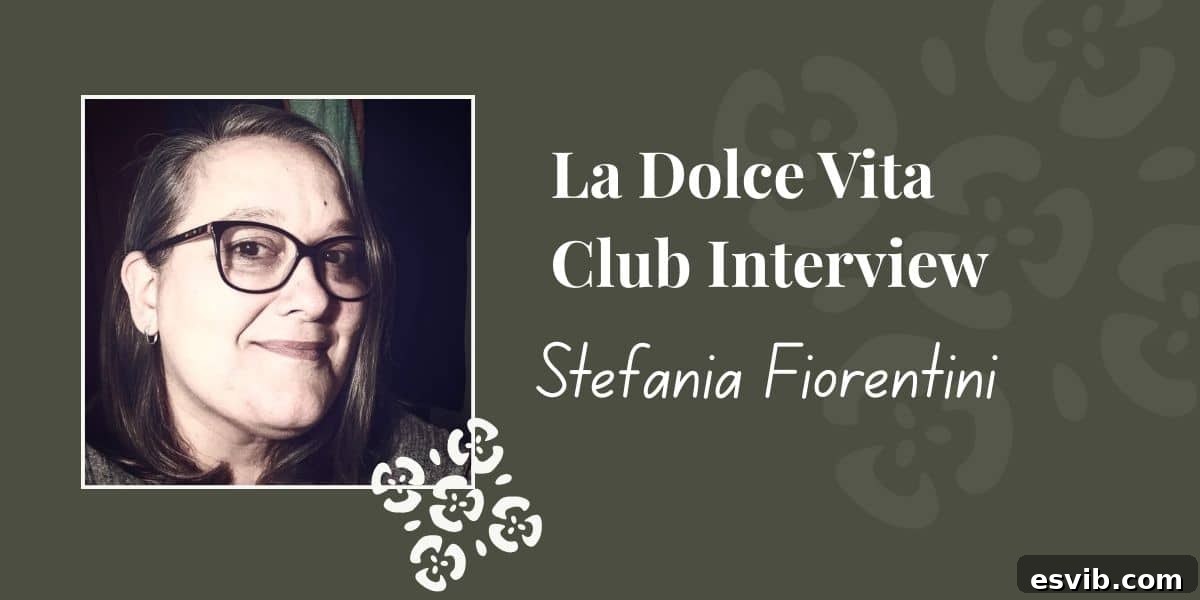
Welcome to an exclusive interview for La Dolce Vita Club, where we delve into the heart of Italian culture through its most beloved expression: food. Today, we have the pleasure of speaking with a delightful individual who will guide us through the vibrant culinary traditions of her native region. Her insights offer a unique perspective on the authentic flavors, customs, and heartwarming experiences that define Italian life, particularly in the enchanting region of Tuscany.
Could you share a little about yourself and your origins within Italy? What town and region do you call home?
It’s wonderful to be here! My journey began in the charming, quaint town of Suvereto, nestled within the picturesque landscapes of Tuscany. I spent the first 31 years of my life immersed in its tranquil beauty and rich local traditions. Later, I moved to Piombino, a town that, while not a bustling metropolis, certainly offered a broader horizon compared to my beloved Suvereto. Both towns, however, remain deeply rooted in the distinctive Tuscan identity, shaping my appreciation for regional cuisine and daily life.
Exploring Tuscany’s Culinary Landscape: Flavors of the Maremma
Tuscan cuisine is celebrated globally for its robust flavors, high-quality ingredients, and timeless simplicity. Yet, within this renowned regional framework, there exists an incredible diversity, with each province and even smaller towns boasting their own unique culinary signatures. This rich tapestry of tastes is what makes exploring Tuscany’s food culture so rewarding.
What are some of the staple dishes and culinary specialities found in your specific region? Are there particular dishes your town or area is especially known for?
Indeed, Tuscan cuisine is a grand mosaic, where every province, and often even individual *comuni* (towns), proudly presents its traditional recipes. In my area, particularly the province of Livorno, the most iconic dish has to be *Cacciucco* – often playfully referred to as “Cacciucco with five Cs” due to its authentic preparation. This rich, flavorful fish stew is a true embodiment of our maritime heritage, traditionally made with at least five different types of fish and shellfish, simmered in a robust tomato broth with garlic, sage, and a hint of chili. While I personally don’t partake in seafood, my family and friends enthusiastically vouch for its exquisite taste, making it an absolute must-try for any visitor to the coast. You’ll just have to trust their enthusiastic recommendations!
However, my personal culinary delight lies in *tortelli maremmani*. These are not just any pasta; they are generously sized ravioli, characteristic of the Maremma area, filled with a creamy mixture of spinach and ricotta cheese. They are traditionally served with a rich, slow-cooked meat *ragù*, often made with wild boar or beef. The combination of the tender pasta, savory filling, and deeply flavored sauce creates a truly unforgettable dish that speaks volumes about the rustic elegance of Tuscan cooking.
Tortelli Maremmani, a regional specialty, are large, square ravioli generously filled with a creamy blend of fresh spinach and delicate ricotta cheese. These delightful pasta pockets are typically bathed in a slow-cooked, deeply savory Tuscan meat ragù, often featuring local game like wild boar (cinghiale) or rich beef, creating a comforting and authentic culinary experience that is a true hallmark of the Maremma region.
Are there any unique or traditional ingredients used in your region’s cuisine that might not be commonly found or utilized in other parts of Italy?
While many Tuscan ingredients are universally appreciated, we do have certain local treasures. One that immediately comes to mind is an aromatic herb called *Nepitella*, or lesser calamint. I have fond memories of foraging for it during walks in the *macchia* (Mediterranean scrubland) with my Nonna when I was a child. It has a distinctive minty, oregano-like flavor. While traditionally used to enhance dishes featuring snails, I find its unique aroma incredibly versatile, often incorporating it into meat preparations and even adding a subtle freshness to the *tortelli* filling. It’s a small detail, but one that truly elevates the local flavor profile.
Italy is renowned for its exceptional seasonal produce. How does the cuisine of your region transform with the changing seasons? Could you provide examples of what’s enjoyed in spring and summer versus autumn and winter, and what you anticipate most?
The rhythm of the seasons dictates everything in Italian cooking, and Tuscany is no exception. Our cuisine beautifully adapts to the bounty each season provides, making every period of the year a distinct culinary adventure.
During the cooler months of autumn and winter, comfort food takes center stage. Hearty *zuppa* (thick vegetable soups, often akin to *ribollita* or *acquacotta* variations) become a staple. These robust soups are enriched with toasted bread, sometimes garlic-infused, and often topped with raw onion for a delightful bite. Wild boar (*cinghiale*) also becomes very common, reflecting the hunting traditions of the region. It’s typically served as a rich second course – perhaps a slow-braised stew – or generously spooned over warm, creamy slices of polenta, offering a truly comforting and earthy meal.
Summer, on the other hand, ushers in lighter, fresher preparations. Pasta salads are a wonderfully easy and versatile solution, perfect for utilizing whatever fresh vegetables, cheeses, or cured meats are available in the fridge. Imagine a vibrant mix of mozzarella, hard-boiled eggs, local sausages or salami, crisp vegetables, tuna, or even *wurstel* (frankfurters) for a quick meal. But the epitome of summer simplicity and deliciousness for me is *Pane Fregato con il Pomodoro*, literally “bread rubbed with tomato.” This incredibly simple yet profoundly satisfying dish involves rubbing ripe, juicy tomatoes onto slices of crusty bread, then adding a pinch of salt, a generous drizzle of the finest local olive oil, and a fresh basil leaf. It’s perfect for main meals, a refreshing snack on the beach, or a casual party appetizer. It embodies the essence of summer flavors: fresh, light, and utterly delightful.
What I look forward to most? That’s a tough choice, but the wild boar dishes in winter always hold a special place. There’s something inherently warming and traditional about them that truly captures the spirit of the season.
For visitors experiencing your region for the very first time, what specific dishes or food experiences would you wholeheartedly recommend they try?
Without a shadow of a doubt, my primary recommendation would be to immerse yourselves in our local *charcuterie*, or *salumi*. Every kind of cold cut you can find here – from the various cuts of pork to the distinctive wild boar and the exquisite *Cinta Senese* (a prized heritage breed of pig renowned for its flavorful meat) – is an absolute must-try. The craftsmanship and flavors are unparalleled. You’ll find a vast array, each with its own unique characteristics and aging process, reflecting generations of tradition.
And please, oh please, do not forget the cheese! Our local *pecorino* is exceptional. Whether fresh, semi-aged, or fully mature, this sheep’s milk cheese offers a spectrum of flavors, from milky and delicate to sharp and intensely savory. It pairs beautifully with our cured meats, local honey, or simply enjoyed on its own. These two elements, charcuterie and pecorino, truly represent the rustic heart and soul of Tuscan gastronomy.
Daily Rhythms and Italian Gastronomy: A Day in the Life of a Tuscan Eater
Italian eating habits are deeply ingrained in the culture, reflecting a philosophy that values fresh ingredients, balanced meals, and the joy of sharing food. Our daily culinary routine is a testament to this cherished way of life.
Could you walk us through what you typically eat on an average day?
My day usually begins with a simple breakfast, often just a rich coffee or a creamy cappuccino. Traditionally, Italians favor something sweet like a croissant (*cornetto*), but I personally lean towards a mini sandwich or anything savory to kickstart my morning. Lunch and dinner then become the main events, where we strive for a balance. If we enjoy a pasta dish for lunch, then dinner will typically feature a second course, such as meat, fish, or cold cuts. This alternation ensures variety and a well-rounded diet.
Occasionally, we indulge in an *aperitivo* – that quintessential Italian pre-dinner ritual. When we do, we approach it with a professional dedication! It’s far more than just a drink; it’s an elaborate spread of small bites, including *focaccia* (which we often call *schiaccia* in Tuscany, served plain or stuffed), miniature pizzas (*pizzette*), a selection of cold cuts, sometimes even small portions of *zuppa* or pasta salad. Quite often, these generous *aperitivi* gracefully transform into a full-fledged dinner, making the evening meal redundant!
If we haven’t already had a substantial *aperitivo*, we typically sit down for dinner around 8 PM. This later dining hour is quite common across Italy, allowing for a relaxed end to the day.
How frequently do you find yourself eating out at restaurants or trattorias?
I’d say we eat out less than once a week, though perhaps a bit more frequently during the warmer summer months when evenings are long and inviting. My genuine passion for cooking means I truly cherish the time I spend in my own kitchen, preparing meals from scratch. There’s a unique satisfaction in creating delicious food at home.
If you were to design your absolute perfect meal, from the very first bite to the final flourish, what would it consist of?
Oh, that’s a delightful question! My ideal meal would begin with a vibrant selection of seasonal *crudités* – crisp, fresh raw vegetables – accompanied by an exquisite assortment of cold cuts and a medley of homemade *giardiniera* (pickled vegetables). For the first course, it would have to be those incredible *tortelli maremmani* with their rich, savory ragù. The main course would be perfectly roasted chicken breast, tender and flavorful, served alongside crispy, golden potatoes. To conclude, a heavenly *crema di mascarpone*, delicately sweet and airy, studded with chocolate chips and served with a few delicate cookies. And, of course, to complete this culinary journey, a perfectly brewed *espresso macchiato freddo* (an espresso ‘stained’ with a dash of cold milk).
Family, Food, and Cherished Traditions: Memories from the Heart of a Tuscan Home
In Italy, food is inextricably linked with family, memory, and tradition. It’s the centerpiece of gatherings, the comfort in daily life, and the thread that weaves through generations. These culinary traditions form the bedrock of cherished childhood memories.
Could you share some of your most cherished memories or traditions connected to food from your childhood or upbringing?
There are so many, it’s hard to choose just one! I vividly recall my Nonna (grandmother) in her tiny kitchen, her apron impeccably white, tirelessly preparing our Sunday lunch. She’d be playfully guarding her fried artichokes, mock-threatening us with a wooden spoon as we tried to sneak bites. The air would be thick with the intoxicating aroma of her simmering *ragù*. Her culinary wisdom often came with amusing warnings, like “Don’t eat that bread, you’ll spoil your stomach!” followed swiftly by “Eat some bread with that meat, you’ll never be full otherwise!” – a true testament to the Italian emphasis on a complete and balanced, yet hearty, meal.
But the memory that holds a truly special place in my heart is the story of “Le Bracioline a Strisce” – literally, “little steaks in strips.” I’m 48 now, and I still find myself doing this sometimes! When my brother and I were very young, we once stubbornly refused to eat the slices of meat Nonna had prepared. Resourceful as she was, she simply cut the meat into thin strips, artfully rearranged them, and triumphantly re-served them, declaring it a new specialty called *Bracioline a Strisce*. We, with the unquestioning faith of children, devoured them, enthusiastically swearing they were the most delicious steaks she had ever cooked. From that day forward, no *braciola* was eaten in our household unless it was presented in strips!
What does the iconic *Pranzo della Domenica* (Sunday lunch) typically look like in your home? What dishes are usually served, and what are the typical timings for this important weekly meal?
*Il Pranzo della Domenica* is truly the no-rules meal of the week, a time for joyous indulgence and extended family time. We often kick things off with some fine local cheese accompanied by a celebratory glass of Prosecco, setting a relaxed and festive tone. This is followed by a substantial *Primo* (first course), which could be anything from a rich, layered lasagna or savory cannelloni to handmade *pasta all’uovo* (egg pasta) served with a classic *ragù*. The *Secondo* (main course) usually features roasted meat, perhaps lamb or chicken, accompanied by comforting roasted potatoes or a fresh, crisp salad. And then, the grand finale: dessert. Hopefully, it’s a scoop (or two!) of delicious ice cream. If not, we might be treated to one of my mum’s infamous cakes – bless her heart, she avoids butter and uses almost no sugar, which unfortunately results in cakes that are famously as hard as iron and decidedly flavor-free! Hence, the fervent wish for ice cream.
The precise start and end times for Sunday lunch can vary depending on my work schedule, but once we’re all seated around the table, this cherished meal can easily stretch out across the entire afternoon, filled with lively conversation, laughter, and the simple pleasure of togetherness.
The Joy of Festive Italian Feasts: Celebrating Christmas with Tuscan Delights
Festive occasions in Italy are synonymous with elaborate meals and treasured traditions, and Christmas is undoubtedly the pinnacle of these celebrations. It’s a time when family gathers, and tables groan under the weight of culinary masterpieces and sweet treats.
What distinctive dishes or desserts are particularly enjoyed during Christmas time in your region of Tuscany?
While I’m not aware of a single, highly specific savory dish that defines Christmas in our immediate area, we are undeniably rich in festive desserts! Our Christmas tables are adorned with an array of traditional Tuscan sweets. We eagerly anticipate *Ricciarelli*, delicate almond biscuits dusted with powdered sugar, and *Cantucci*, the famous hard almond biscuits often enjoyed with Vin Santo. *Stinchi di morto* (literally “dead man’s shins,” a rather grim but delicious name for rich, spicy biscuits) also make an appearance. But my absolute favorite, and a true symbol of Tuscan Christmas, is *Panforte*, a dense, chewy fruit and nut cake with spices, which harks back to medieval times. Each bite of *Panforte* is a flavorful journey through history.
We’d love to hear all about your family’s Christmas Day traditions—what does the meal typically include, and how is the day generally celebrated?
Christmas Day is a beautiful, bustling affair. I usually arrive at my mum’s house mid-morning to lend a hand with setting the magnificent table and a bit of last-minute tidying. Once all the beloved guests have arrived, the lively ritual of exchanging gifts begins. It’s typically a wonderfully chaotic 15 minutes filled with shouts of “thank you!” and everyone trying to find a safe spot for their newly acquired treasures. Then, the grand Christmas lunch commences, a true feast for the senses.
The meal usually includes a delightful starter, followed by two distinct first courses – perhaps a delicate pasta dish and a heartier soup. The main event often features an abundance of roasted meat, meticulously prepared and succulent, accompanied by four or five different side dishes to ensure every palate is satisfied. Fresh fruit is always on the table, offering a refreshing counterpoint to the rich flavors. And, of course, the highlight for many: an overflowing selection of Christmas desserts and cakes, including all the regional specialties I mentioned earlier. To complete the indulgence, there are always nuts and dried fruits to nibble on, and a strong coffee to round off the meal.
We have a cherished family tradition of leaving the table impeccably set after lunch. While we do take some time to wash the main dishes, the glasses, fresh fruits, and all those glorious desserts remain. This encourages a leisurely afternoon of continued “snacking” and sipping drinks while we talk, share jokes, and recount cherished family stories. It’s a testament to our belief that Christmas Day is for lingering, connecting, and savoring every moment.
As my family firmly believes, and I couldn’t agree more, “FOOD HAS NO CALORIES ON CHRISTMAS DAY!” It’s a day for pure, unadulterated enjoyment.
A Simple Recipe, Unforgettable Memories: Nonna’s Sweet and Savory Delight
Sometimes, the most memorable recipes are the simplest, those that connect us directly to our past and the loving hands that prepared them. This particular treat, a favorite winter snack, holds a special place in my heart, inextricably linked to my beloved Nonna.
My Nonna had a knack for transforming humble ingredients into something truly extraordinary. She would take a perfectly ripe, organic orange – the “Tarocco” variety, with its beautiful red flesh and balanced sweetness, being the absolute best choice – and meticulously slice it. These vibrant orange rounds would then be arranged on a plate, generously sprinkled with sugar (the more sugar, she’d say, the juicier and more delectable it would become), and finally, drizzled with a good amount of high-quality olive oil. The combination might sound unconventional, perhaps even a little surprising, but trust me, it’s a revelation.
It’s so straightforward, it almost sounds silly, I know. But the alchemy that occurs when the sweetness of the orange and sugar meets the fruity, slightly peppery notes of the olive oil is pure magic. It’s a refreshing, deeply satisfying, and unexpectedly complex flavor profile that truly highlights the quality of each ingredient. Once you experience this simple Tuscan delight, you will undoubtedly agree that it’s a taste sensation well worth remembering and recreating.