
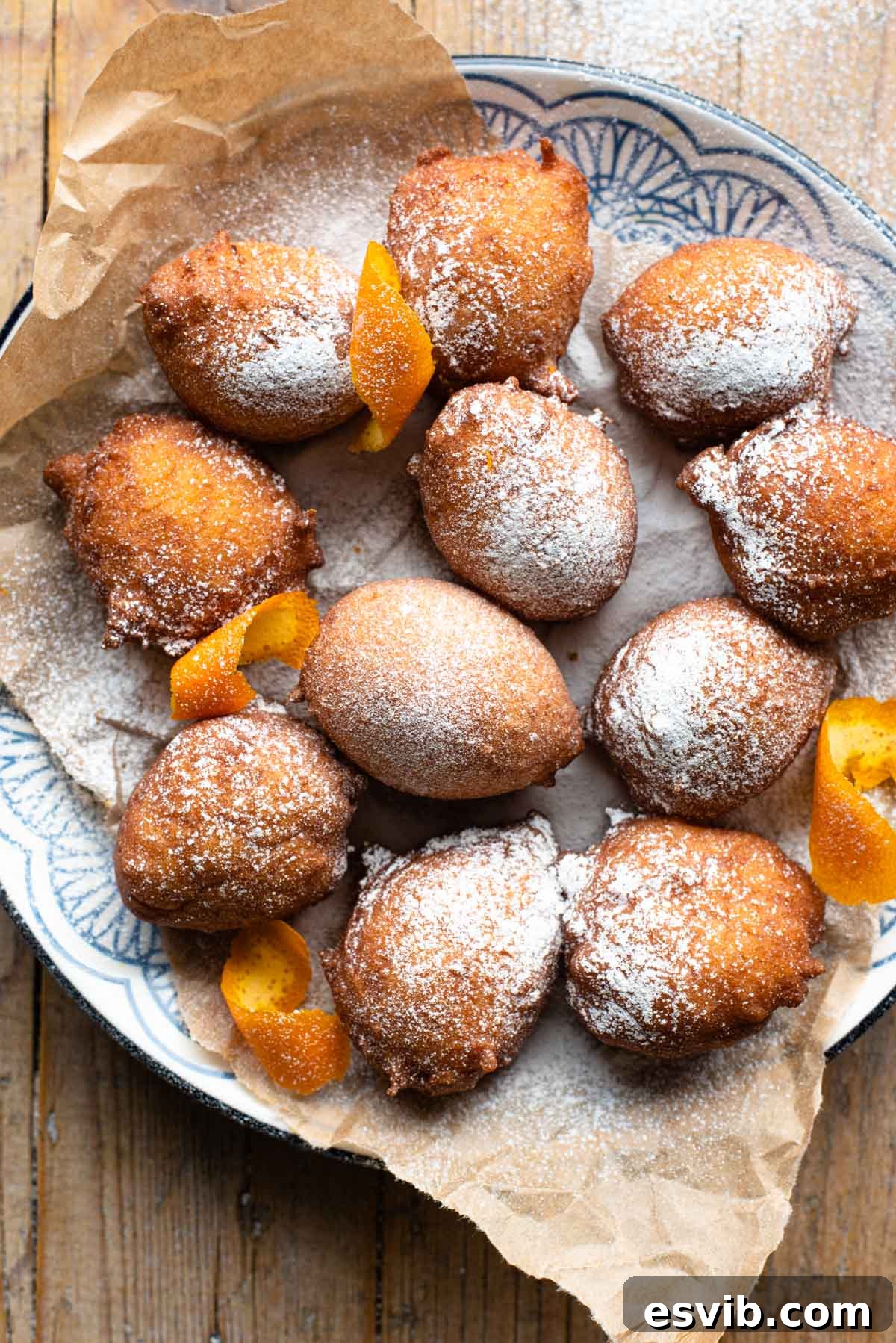
Delight in the simplest yet most exquisite Italian treat: Ricotta Doughnuts. These golden, pillow-soft delights are infused with a bright, zesty orange flavor and lovingly dusted with a generous cloud of powdered sugar. Forget complicated yeast doughs and long proofing times; this recipe brings the incredible taste of authentic Italian doughnuts to your kitchen in just 30 minutes, thanks to its incredibly easy, yeast-free batter.
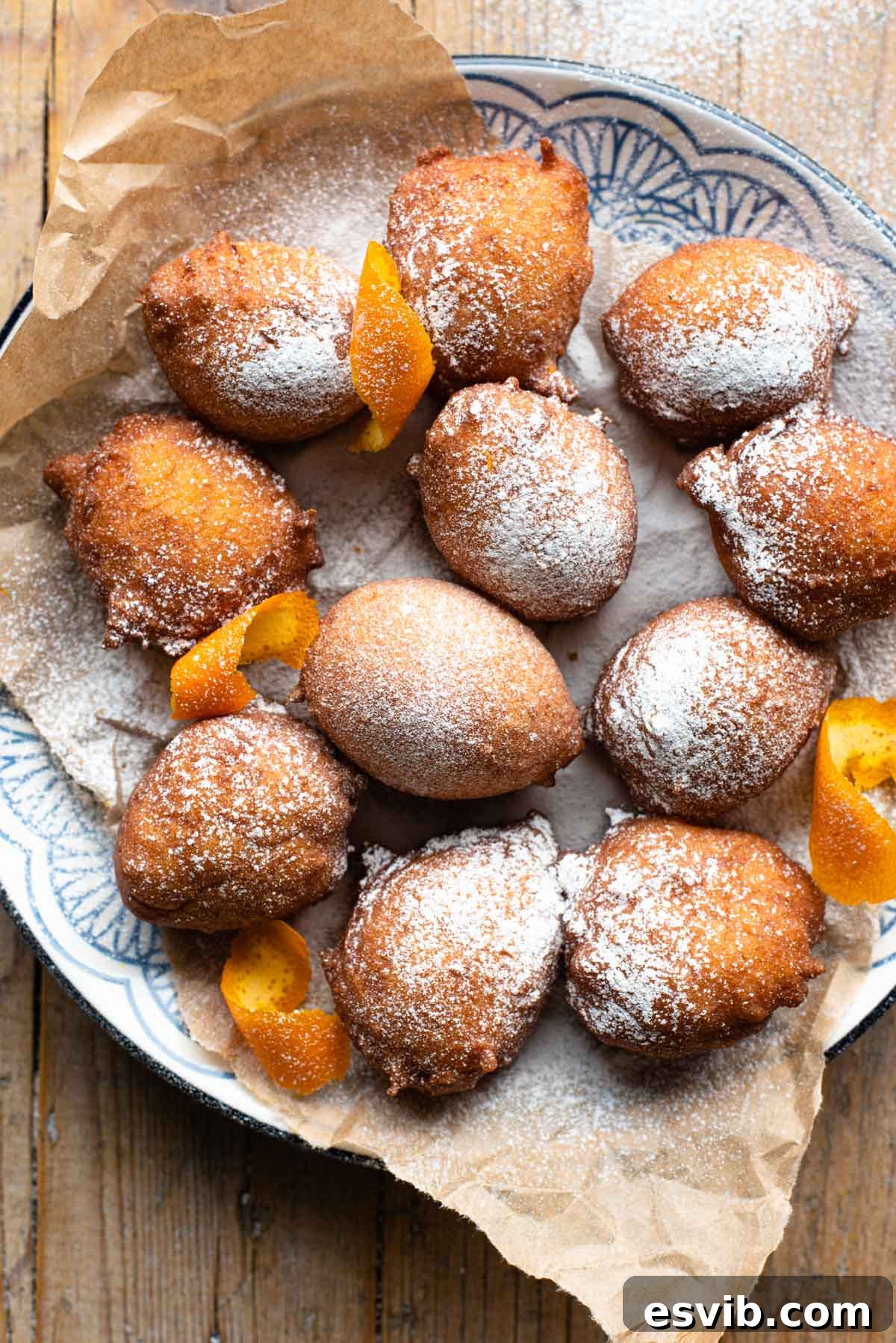
Imagine sinking your teeth into a warm, airy doughnut, where the subtle tang of ricotta perfectly complements the vibrant citrus notes. These aren’t just any doughnuts; they are a celebration of Italian simplicity, perfect for breakfast, dessert, or a delightful snack any time of day. This comprehensive guide will walk you through every step, ensuring you achieve perfect, mouth-watering results every time.
Why Choose Yeast-Free Ricotta Doughnuts?
Traditional Italian doughnuts, like the beloved Bomboloni, are often made with yeast, requiring several hours for the dough to rise and develop its characteristic texture. While delicious, this time commitment can be a deterrent for many home bakers. Our Italian Ricotta Doughnuts, however, offer a fantastic alternative. By eliminating yeast and opting for a baking powder-based batter, we drastically cut down the preparation time, allowing you to enjoy fresh, homemade doughnuts from start to finish in approximately 30 minutes.
This yeast-free approach doesn’t compromise on flavor or texture. In fact, the ricotta cheese inherently lends a unique lightness and moisture that yeast-based doughnuts often strive for. It’s an ideal recipe for spontaneous baking, last-minute dessert cravings, or when you simply want to enjoy a taste of Italy without the wait. The simplicity of this recipe makes it accessible for even beginner cooks, promising a delightful culinary experience with minimal effort and maximum satisfaction.
Crafting these delectable doughnuts is astonishingly simple. The batter comes together in roughly 5 minutes using everyday pantry staples, requiring no special equipment or advanced techniques. Once mixed, spoonfuls of this light and airy dough are gently dropped into hot oil, where they puff up and transform into a beautiful deep golden brown in just a few minutes. The entire frying process is quick and rewarding, leading to a truly delightful outcome.
After a brief cooling period, these warm, fluffy spheres are ready for their final flourish. A generous dusting of powdered sugar is the classic choice, creating a beautiful snowy finish and adding a touch of sweetness. Alternatively, a drizzle of golden honey offers a wonderful counterpoint to the orange zest, or for the chocolate lovers, a warm Nutella sauce provides an indulgent topping. These versatile treats can be customized to your preference, making them a perfect addition to any dessert table or a delightful pick-me-up.
Ready to create these irresistible Italian Orange Ricotta Doughnuts? Below, you’ll find comprehensive notes on ingredients, detailed step-by-step photos, invaluable tips for variations, and a helpful video tutorial to guide you. For the complete printable recipe, simply scroll to the end of this article or click the recipe link provided.
Essential Ingredients for Perfect Ricotta Doughnuts
Crafting truly exceptional ricotta doughnuts begins with selecting the right ingredients. Below, you’ll find a detailed breakdown of what you need, along with essential tips to ensure the best possible flavor and texture for your homemade Italian delicacy.
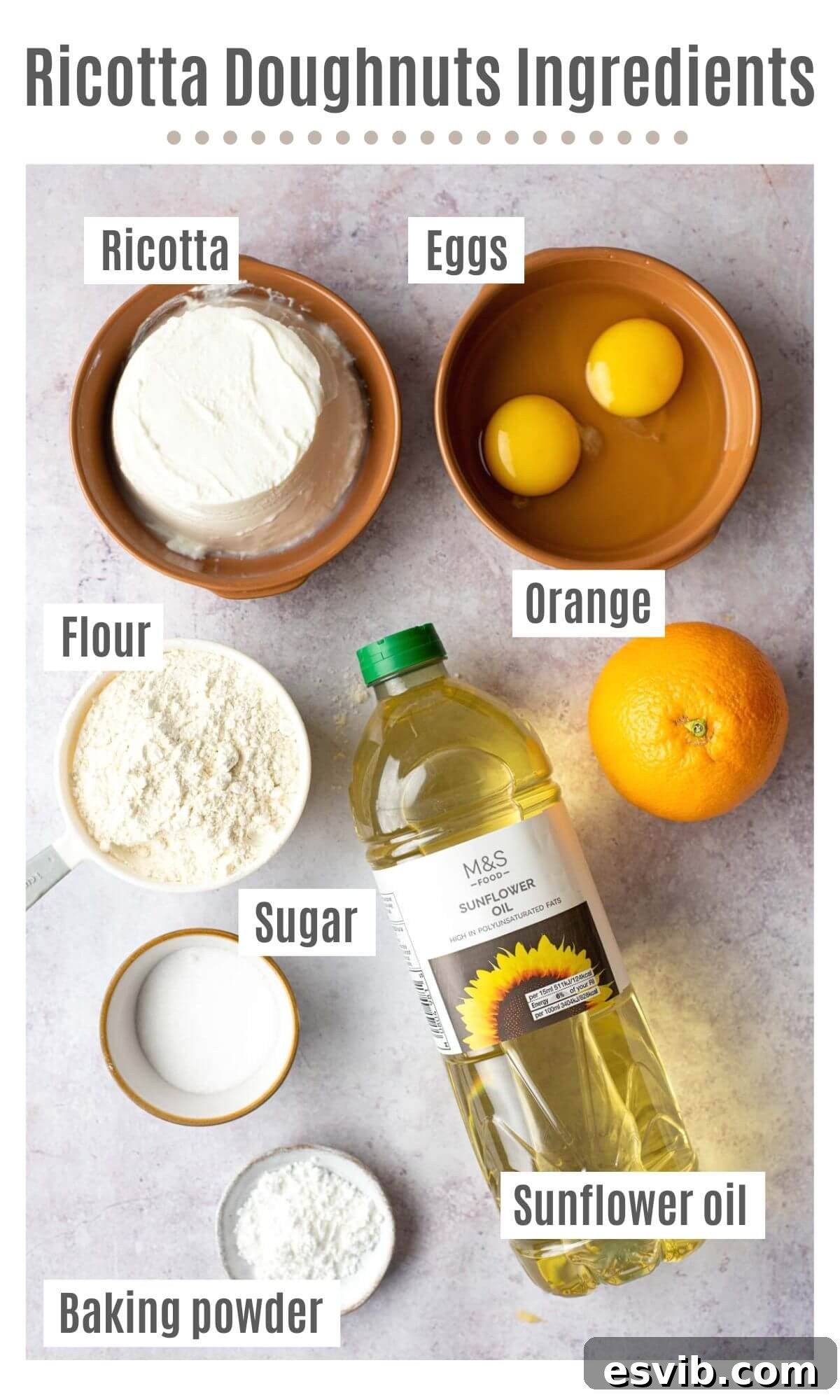
- Ricotta Cheese: This is the star ingredient! Opt for whole milk (full-fat) ricotta. The higher fat content contributes significantly to the doughnuts’ incredible moisture, richness, and delicate texture, making them undeniably soft and fluffy. Avoid low-fat varieties, as they can result in a drier, less flavorful doughnut, lacking the authentic Italian richness.
- Large Eggs: Eggs act as a crucial binding agent, providing structure to the batter and adding a lovely richness. Always use large eggs for consistent results in baking and frying recipes, as egg size can impact the batter’s consistency.
- Fresh Orange (Zest and Juice): The zest of one orange and about 1 tablespoon of fresh orange juice are crucial for imparting that wonderfully bright and aromatic citrus flavor that elevates these doughnuts. Ensure you only zest the colored part of the peel, avoiding the bitter white pith, which can introduce an unwanted bitterness. For a different citrus profile, fresh lemon zest and juice can be used as a delicious alternative.
- Flour: You have flexibility here. Italian 00 flour is ideal for achieving a very fine crumb, resulting in an exceptionally tender doughnut. However, standard all-purpose flour works beautifully and is readily available, still yielding light and tender results.
- Caster Sugar (Superfine Sugar): This type of sugar dissolves easily into the wet ingredients, creating a smooth batter without a gritty texture. While granulated sugar can also be used, ensure it’s fully incorporated into the wet ingredients before adding the dry components. The amount used provides just enough sweetness to balance the ricotta and orange without being overly saccharine.
- Baking Powder: As our primary leavening agent, fresh baking powder is absolutely critical for the doughnuts to rise and become wonderfully airy and light. Always check the expiration date to ensure it’s active. If your baking powder is old or inactive, your doughnuts will not achieve the desired fluffiness and rise.
- Fine Salt: Just a small pinch of fine salt is needed to enhance all the other flavors, particularly the sweetness of the sugar and the brightness of the orange. It balances the flavor profile, preventing the doughnuts from tasting flat or one-dimensional.
- Sunflower Oil (or other neutral frying oil): For deep frying, a neutral-flavored oil with a high smoke point is essential. Sunflower oil is an excellent choice, as are vegetable, canola, or grapeseed oil. You’ll need enough oil to allow the doughnuts to float freely and be fully submerged while frying, typically about 1 liter or 4 cups.
- Powdered Sugar (Icing Sugar UK): This finely milled sugar is perfect for dusting the cooled doughnuts, providing a delicate, melt-in-your-mouth sweetness and a beautiful visual finish. Don’t skip this final, crucial touch, as it completes the classic ricotta doughnut experience.
Step-by-Step Guide to Frying Perfect Ricotta Doughnuts
Crucial Preparation Tips!
- Choose the Right Pot: Use a heavy-bottomed pot or Dutch oven for frying. This type of pot distributes heat evenly and helps maintain a consistent oil temperature, which is key for evenly cooked doughnuts. A sturdy pot also prevents scorching and ensures safer frying.
- Temperature Control is Key: Invest in a reliable candy or deep-fry thermometer. Heat your chosen neutral oil (like sunflower oil) to precisely 355°F (180°C). Maintaining this temperature is vital; if the oil is too cool, the doughnuts will absorb too much oil, becoming heavy and greasy. If it’s too hot, they’ll brown too quickly on the outside while remaining raw and doughy inside. Monitor and adjust your heat as necessary throughout the frying process.
- Prepare Your Draining Station: Before you even start mixing, set up your draining station. Line a large plate or baking sheet with several layers of paper towels. This will be where you transfer the fried doughnuts immediately after cooking to drain any excess oil, ensuring they stay delightfully crisp and light.
Follow these simple steps to create perfectly golden and fluffy Italian ricotta doughnuts:
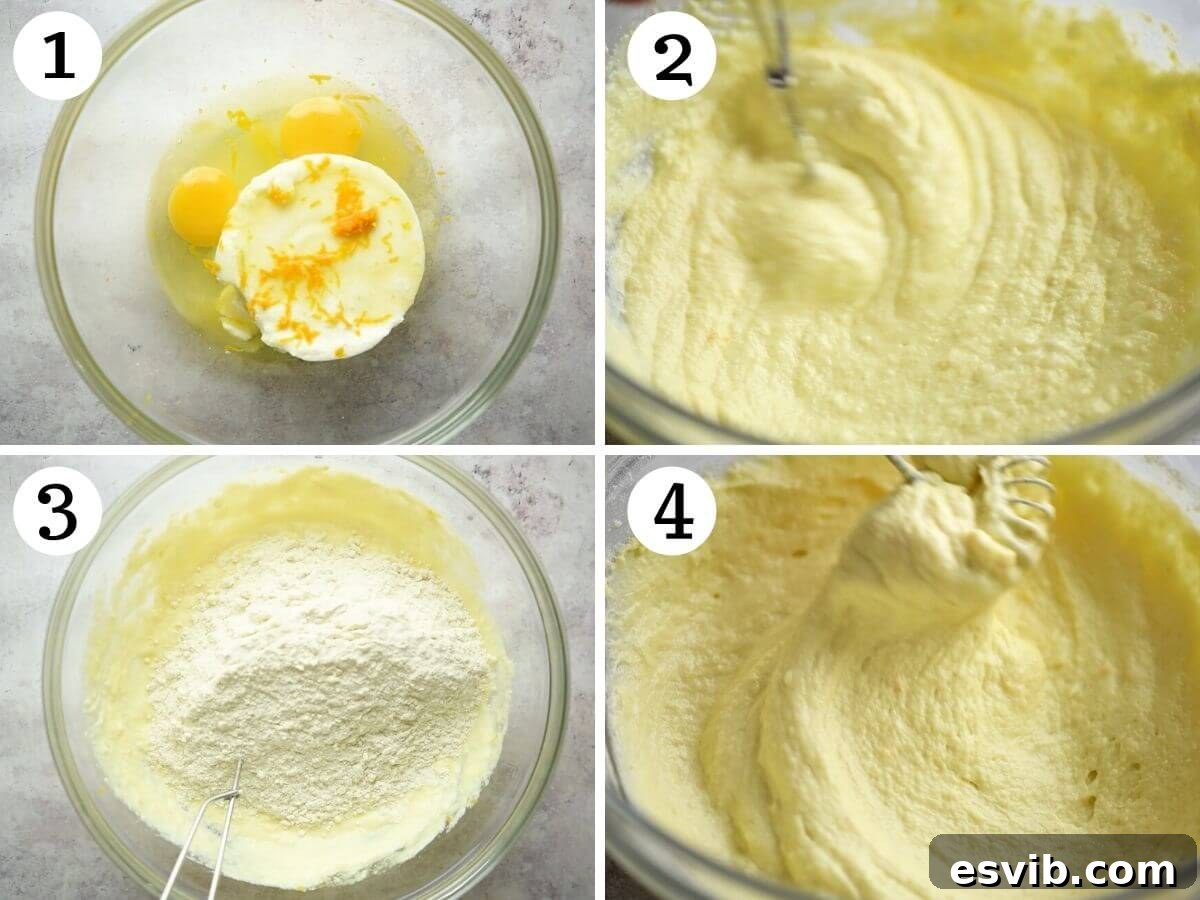
- Combine Wet Ingredients: In a spacious mixing bowl, gently whisk together the creamy ricotta cheese, large eggs, and the bright, aromatic orange zest and juice. Continue whisking until the mixture is completely smooth and well combined, ensuring there are no lumps of ricotta remaining. This creates the foundational moisture and flavor for your doughnuts.
- Mix Dry Ingredients & Fold: In a separate, medium-sized bowl, thoroughly whisk together all your dry ingredients: the flour, caster sugar, baking powder, and a pinch of fine salt. Ensure they are evenly distributed, as this helps with consistent leavening. Gradually add this dry mixture to your wet ricotta mixture. Using a spatula or wooden spoon, gently fold them together until a smooth, slightly sticky batter forms. Be careful not to overmix, as this can develop the gluten too much, leading to tough doughnuts. A few small lumps of flour are acceptable.
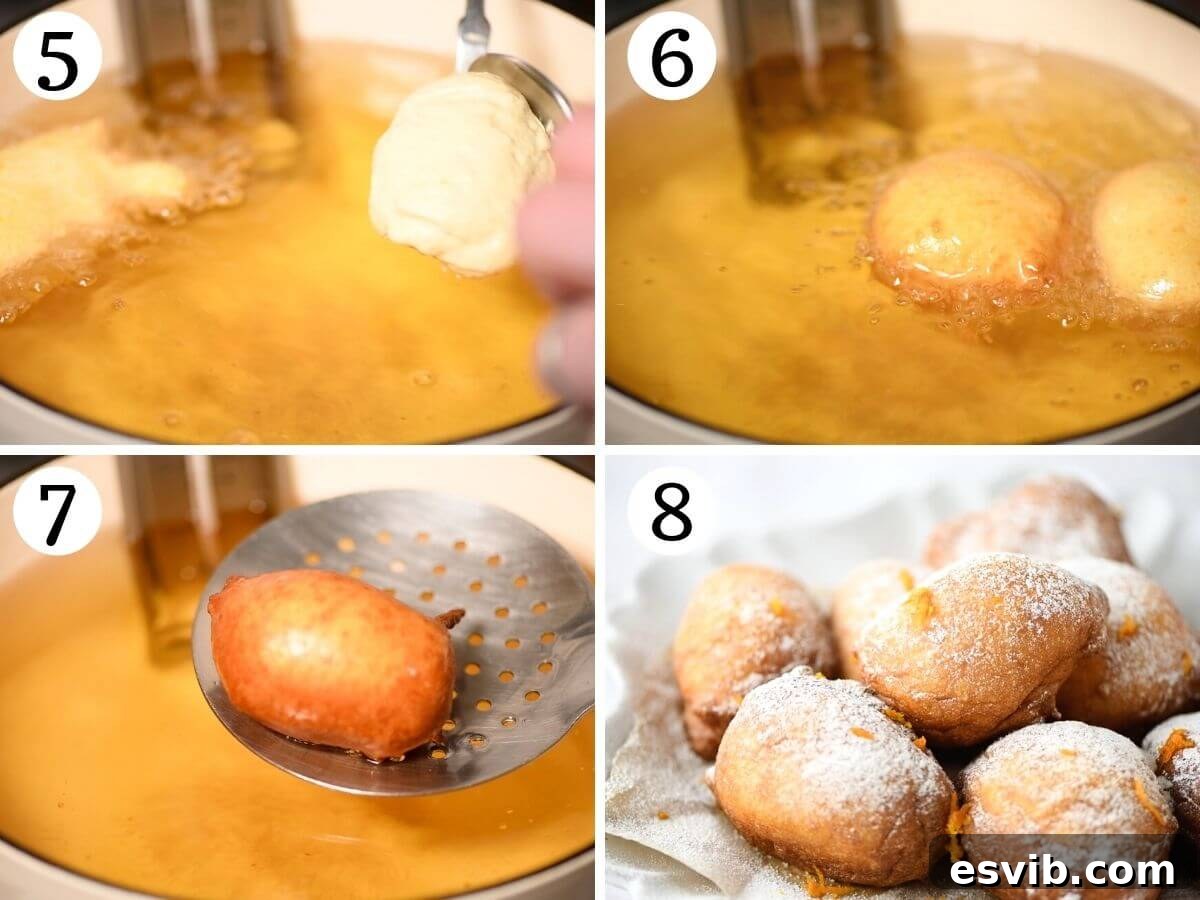
- Fry to Golden Perfection: With your oil at the correct temperature (355°F/180°C), carefully drop tablespoon-sized portions of the batter into the hot oil. Work in small batches, typically 3-4 doughnuts at a time, to avoid overcrowding the pot, which can significantly lower the oil temperature. Fry each batch for approximately 5 minutes. You’ll notice the doughnuts will naturally tumble and turn in the oil as they cook, achieving an even golden-brown hue on all sides. Their internal temperature should reach about 200-205°F (93-96°C).
- Drain and Dust: Once beautifully golden brown and cooked through, use a slotted spoon or spider to carefully remove the doughnuts from the oil. Transfer them immediately to your prepared plate lined with paper towels to drain any excess oil. This quick draining helps maintain their crisp exterior. Allow them to cool slightly, then, for the classic finish, generously dust them with powdered sugar while still warm. Serve and enjoy promptly!
Expert Tips for Perfect Italian Ricotta Doughnuts
Mastering these delightful doughnuts is simple with a few expert tips and answers to common questions:
- Flavor Variations: While orange zest provides a classic and bright Italian flavor, don’t hesitate to experiment! You can substitute lemon zest for a brighter, tangier profile, or lime zest for a unique twist. For an adult treat, a tablespoon of Italian liqueur such as rum, Strega, or amaretto can be added to the batter, infusing the doughnuts with a wonderful depth of flavor. A teaspoon of vanilla extract is also a fantastic addition for a more classic sweet profile that pairs well with any citrus.
- Oil Temperature is Paramount: We cannot stress this enough – a candy or deep-fry thermometer is your best friend here. Maintaining a consistent oil temperature of 355°F (180°C) is absolutely crucial for perfectly cooked doughnuts. If the oil is too hot, the doughnuts will quickly burn on the outside while remaining uncooked and doughy in the center. If the oil is too cool, they will absorb too much oil, resulting in greasy and heavy doughnuts. Adjust your heat as needed between batches to keep it steady and ensure optimal results.
- Avoid Overcrowding the Pot: Resist the urge to fry too many doughnuts at once. Frying in small batches (3-4 at a time) is essential to prevent a significant drop in oil temperature. Overcrowding cools the oil down, leading to uneven cooking, longer frying times, and inevitably, greasy results. Patience ensures each doughnut cooks perfectly and achieves its ideal light texture.
- Uniform Size for Even Cooking: Use a standard tablespoon or a tablespoon-sized cookie scoop to drop the batter into the hot oil. This ensures each doughnut is roughly the same size, which is critical for even cooking. If doughnuts are of varying sizes, some will cook faster than others. Use a second spoon to gently push the sticky batter off the first spoon into the oil.
- Proper Draining for Crispness: After frying, immediately transfer the hot doughnuts to a plate lined with several layers of paper towels. This step is critical for absorbing any excess oil on the surface, ensuring your doughnuts remain delightfully light, crisp, and non-greasy.
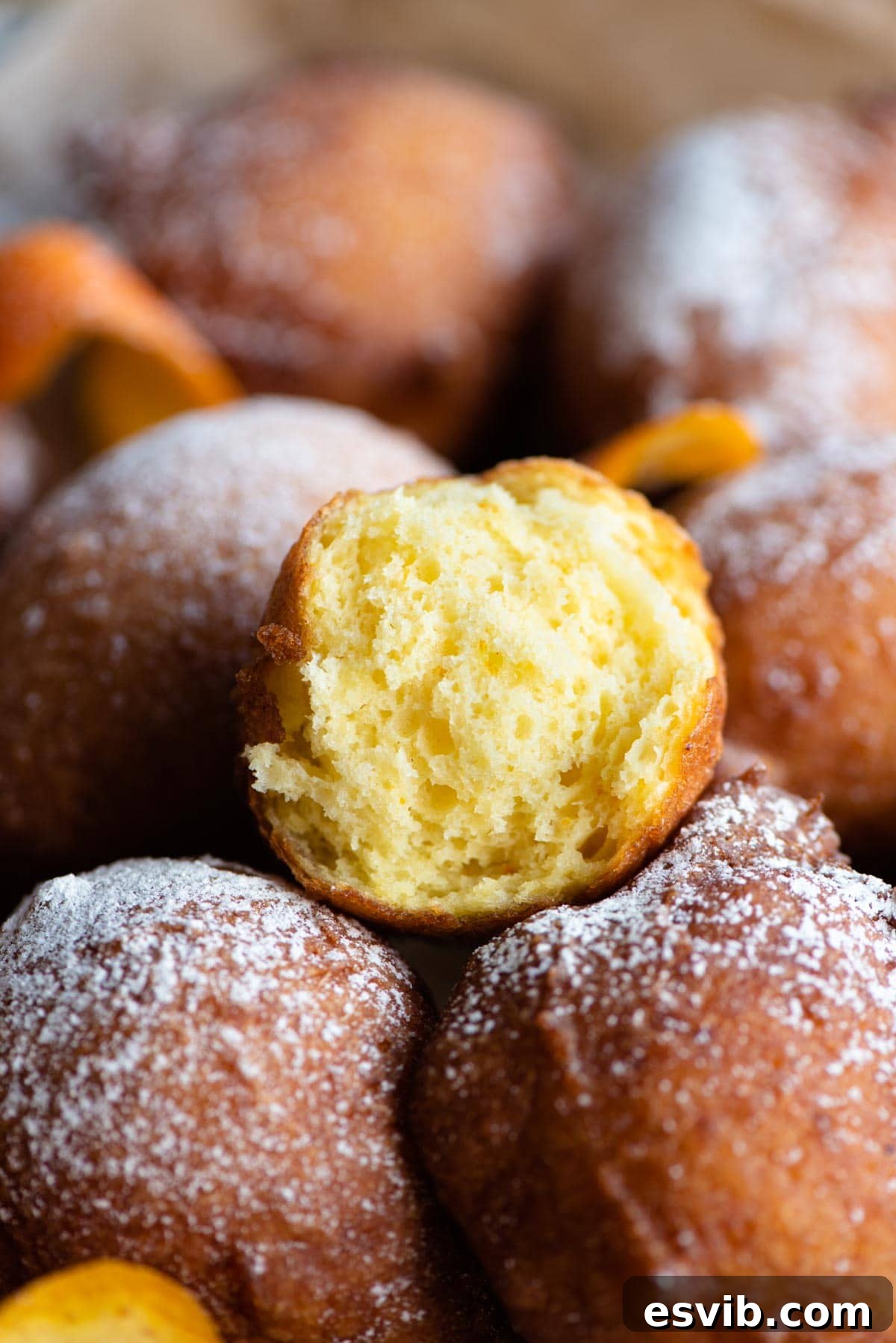
- Serving Temperature: These doughnuts are truly best served warm, shortly after frying and dusting with powdered sugar. The texture is at its peak when fresh, offering a perfect balance of crisp exterior and soft interior.
Ricotta Doughnut FAQs
Unfortunately, no. The magic of these yeast-free doughnuts lies in their quick preparation and immediate frying. The baking powder starts to react as soon as it meets the wet ingredients, creating bubbles that give the doughnuts their airy texture. If the batter sits too long, the leavening power diminishes, so the batter should be mixed just before frying to ensure maximum rise and fluffiness. The good news is, it only takes about 5 minutes to whip up, making it a quick last-minute treat!
For the absolute best texture and flavor, these ricotta doughnuts are best enjoyed on the same day they are made, ideally warm from the fryer. While they can be stored in an airtight container at room temperature for up to 2 days, their texture will soften over time, losing some of their initial crispness. A quick reheat in a toaster oven or air fryer can help revive some of their warmth and a little crispness.
Delicious Serving Suggestions for Ricotta Doughnuts
While a simple dusting of powdered sugar is the traditional and arguably most beloved way to enjoy these Italian ricotta doughnuts, their versatility allows for numerous delicious serving variations. Get creative and find your favorite way to indulge in these delightful pastries!
- Classic Powdered Sugar: The quintessential finish. A generous coating of finely sifted powdered sugar provides a delightful visual appeal and a melt-in-your-mouth sweetness that perfectly complements the warm, soft interior.
- Golden Honey Drizzle: For a more rustic and subtly sweet option, a drizzle of high-quality honey (perhaps even a touch of orange blossom honey) perfectly complements the citrus notes of the doughnuts, adding a natural sweetness and glossy sheen.
- Warm Chocolate Indulgence: Elevate the experience with a rich, warm chocolate sauce. Melted Nutella, a simple ganache made with dark chocolate and cream, or a white chocolate drizzle makes for an irresistible pairing.
- Tangy Fruit Coulis: A vibrant and tangy berry coulis (raspberry, strawberry, or mixed berry) can add a beautiful tartness that cuts through the richness of the fried pastry, creating a balanced and refreshing dessert.
- Aromatic Cinnamon Sugar: For a different spice profile, immediately after draining, toss the warm doughnuts in a mixture of granulated sugar and ground cinnamon. This adds a comforting warmth and a delightful texture.
- Sophisticated Espresso Glaze: For coffee lovers, a simple glaze made by whisking powdered sugar with a shot of strong espresso offers a sophisticated twist, adding a rich depth of flavor that pairs wonderfully with the sweet dough.
- Citrus Glaze: A simple glaze made from powdered sugar and a bit more fresh orange or lemon juice can intensify the citrus flavor, providing a bright, sweet, and slightly tangy coating.
No matter how you choose to serve them, these warm, freshly made ricotta doughnuts are sure to be a crowd-pleaser and a memorable treat that transports you straight to Italy.
We genuinely hope you enjoy making and savoring these delightful Italian Orange Ricotta Doughnuts. Their simplicity, speed, and exquisite flavor make them a truly special treat for any occasion. If you try this recipe, please take a moment to rate it and share your experience in the comments section below – your feedback is invaluable and always appreciated, helping our community of home cooks!
Don’t forget to connect with us and discover more mouth-watering Italian recipes by following us on FACEBOOK, INSTAGRAM, and PINTEREST. You can also sign up for our exclusive NEWSLETTER to receive new recipes directly in your inbox every week and stay updated with our latest culinary adventures.
This post, originally published on July 13th, 2016, has been extensively updated and adapted to provide the best possible user experience, comprehensive recipe guidance, and enhanced details for optimal results.
Step By Step Photos Above
Most of our recipes come with step by step photos, helpful tips and tricks to make it perfectly first time and even video!
Italian Ricotta Doughnuts
By Emily

Equipment
-
Candy thermometer
-
Heavy-bottomed pot or Dutch oven
-
Large mixing bowls
-
Whisk and spatula
-
Slotted spoon or spider
-
Paper towels for draining
Ingredients
- 1 loosely packed cup (130g) Italian 00 flour or all-purpose flour
- 2 tablespoons caster sugar (superfine sugar)
- 2 teaspoons baking powder
- Zest of 1 orange and 1 tablespoon of fresh orange juice
- 1 cup (250g) whole milk ricotta cheese
- 2 large eggs
- 1 pinch fine salt
- Powdered sugar (icing sugar) for dusting
- 35 fluid ounces (4 cups/ 1 liter) sunflower oil for frying
Instructions
- Heat the sunflower oil in a heavy-bottomed pot until it reaches 355°F (180°C). Prepare a plate lined with paper towels ready for draining the doughnuts.
- In a large mixing bowl, whisk together the ricotta cheese, eggs, orange zest, and orange juice until the mixture is completely smooth and well combined.
- In a separate bowl, combine all the dry ingredients: flour, caster sugar, baking powder, and salt. Whisk them together thoroughly to ensure even distribution.
- Add the dry ingredients mixture to the wet ricotta mixture. Gently fold everything together with a spatula until a smooth, slightly sticky batter forms. Be careful not to overmix, as this can lead to tough doughnuts.
- Using a tablespoon, drop spoonfuls of batter into the hot oil, frying in small batches (about 3-4 doughnuts at a time) to avoid overcrowding. Fry each batch for approximately 5 minutes, or until the doughnuts are a deep golden brown and cooked through; they will naturally turn themselves in the oil as they fry.
- Carefully remove the fried doughnuts from the oil with a slotted spoon and transfer them to the prepared paper towel-lined plate to drain any excess oil.
- Once slightly cooled to a comfortable handling temperature, generously dust the Italian ricotta doughnuts with powdered sugar and serve immediately for the best experience.
Video Tutorial
Helpful Info for All Recipes
- I always use extra virgin olive oil in all of my recipes unless stated otherwise.
- When I use canned or jarred tomatoes of any kind I always use Cirio or Mutti brands for the best results and flavour.
- All vegetables are medium sized unless stated otherwise.
- All recipes are tested and developed using a fan (convection) oven.
- Find out more about how nutrition is calculated.
- Check out our must-have Italian Pantry Staples.
- You can also find all our Essential Kitchen Tools for Italian Cooking.
Nutrition
Nutrition information is automatically calculated, so should only be used as an approximation.
More Irresistible Italian Desserts to Try
If you loved these orange ricotta doughnuts, you’re sure to enjoy exploring more traditional Italian sweet treats. Here are some of our other favorite Italian dessert recipes:
- Zeppole di San Giuseppe (St. Joseph’s Pastries): Classic fried pastries traditionally enjoyed during St. Joseph’s Day, often filled with cream and topped with cherries.
- Bomboloni – Italian Doughnuts: The beloved yeast-raised Italian doughnuts, typically filled with pastry cream or jam.
- Torta Caprese (Flourless Italian Chocolate Cake): A rich, dense, and wonderfully moist chocolate almond cake originating from the island of Capri.
- Chocolate Budino (Budino al Cioccolato): A luxurious Italian chocolate pudding, incredibly smooth and decadent.
- Cenci di Carnevale (Chiacchiere, Crostoli, Bugie) Italian Fried Pastries: Delicate, crispy fried dough ribbons, often dusted with powdered sugar, a staple during Carnival.