
A Festive Feast: Exploring Traditional Italian Christmas Food by Region
Christmas, or Natale as it is known throughout Italy, represents the pinnacle of the holiday season and a truly magical time of year. Across the entire nation, it is revered as the most significant holiday, celebrated with profound joy and enthusiasm, not only by the devout but by everyone eager to embrace the festive spirit. Italian cities and towns transform into dazzling displays of holiday cheer, adorned with twinkling lights, grand Christmas trees, and intricate nativity scenes, known as presepi. In the majestic mountainous regions, quaint Christmas markets bring main streets to life with local crafts and flavors, while breathtaking torchlight processions gracefully descend ski slopes, creating unforgettable spectacles. Elsewhere, the festive period is marked by profound religious ceremonies, lively fireworks displays, and captivating live nativity scenes that transport observers back in time.
The essence of a traditional Italian Christmas revolves around cherished moments spent with family. Days are filled with the joyous unwrapping of gifts, followed by elaborate, multi-course meals that are both hearty and profoundly satisfying. These lengthy culinary affairs are often succeeded by lively card and board games, and, of course, the quintessential Italian family discussions that can last for hours. Food, however, remains at the very heart of these celebrations, acting as a powerful unifier and a testament to Italy’s rich gastronomic heritage. It is here that the fundamental question arises for many visiting or curious about Italian customs: What do Italians truly eat for Christmas lunch?
The Diverse Tapestry of Italian Christmas Cuisine
Providing a singular answer to what constitutes a “typical Italian Christmas menu” is akin to trying to capture the diverse beauty of Italy itself within a single snapshot. The reality is far more intricate and delightful, as culinary traditions vary dramatically from one region to another, reflecting centuries of local history, available ingredients, and unique cultural influences. Each region proudly presents its own distinct interpretation of the Christmas feast, making a gastronomic tour of Italy during this season an unforgettable experience.
Despite this wonderful regional diversity, certain common threads weave through the fabric of Italian Christmas traditions. One universally observed custom is the Christmas Eve dinner (Vigilia di Natale), which is traditionally meatless. This “Feast of the Seven Fishes,” or simply a meal primarily featuring fish and vegetables, serves as a lighter prelude to the more opulent feast awaiting on Christmas Day. Beyond this, dried fruits frequently grace Italian holiday tables, offering a sweet and often symbolic element of abundance. And, almost without fail, some form of pasta invariably plays a starring role in the meal, a testament to Italy’s enduring love affair with this versatile staple. Of course, no discussion of Italian Christmas is complete without mentioning the perennial, often passionate, debate between enthusiasts of Panettone and Pandoro, the two iconic Christmas cakes that epitomize Italian festive desserts.
Join us as we embark on a delectable journey through Italy, exploring the traditional Christmas foods that define the holiday season in each unique region, revealing the diverse culinary landscape that makes Italian Christmas so special.
Northern Italy’s Hearty Christmas Feasts
In the cooler climates of Northern Italy, where winter temperatures demand more substantial fare, Christmas lunch menus are typically rich and robust. Braised meats and generously stuffed pasta dishes often take center stage, offering warmth and profound satisfaction.
- Aosta Valley: Kicking off the culinary adventure in the Aosta Valley, Christmas meals often begin with exquisite appetizers such as crostini topped with honey and Mocetta – a flavorful cured meat seasoned with aromatic mountain herbs. The main course is famously the traditional Carbonata. Not to be confused with the renowned Roman Carbonara, this regional specialty features tender strips of beef marinated in rich red wine and fragrant herbs, slow-cooked to perfection and traditionally served alongside creamy polenta, a staple in many northern Italian diets.
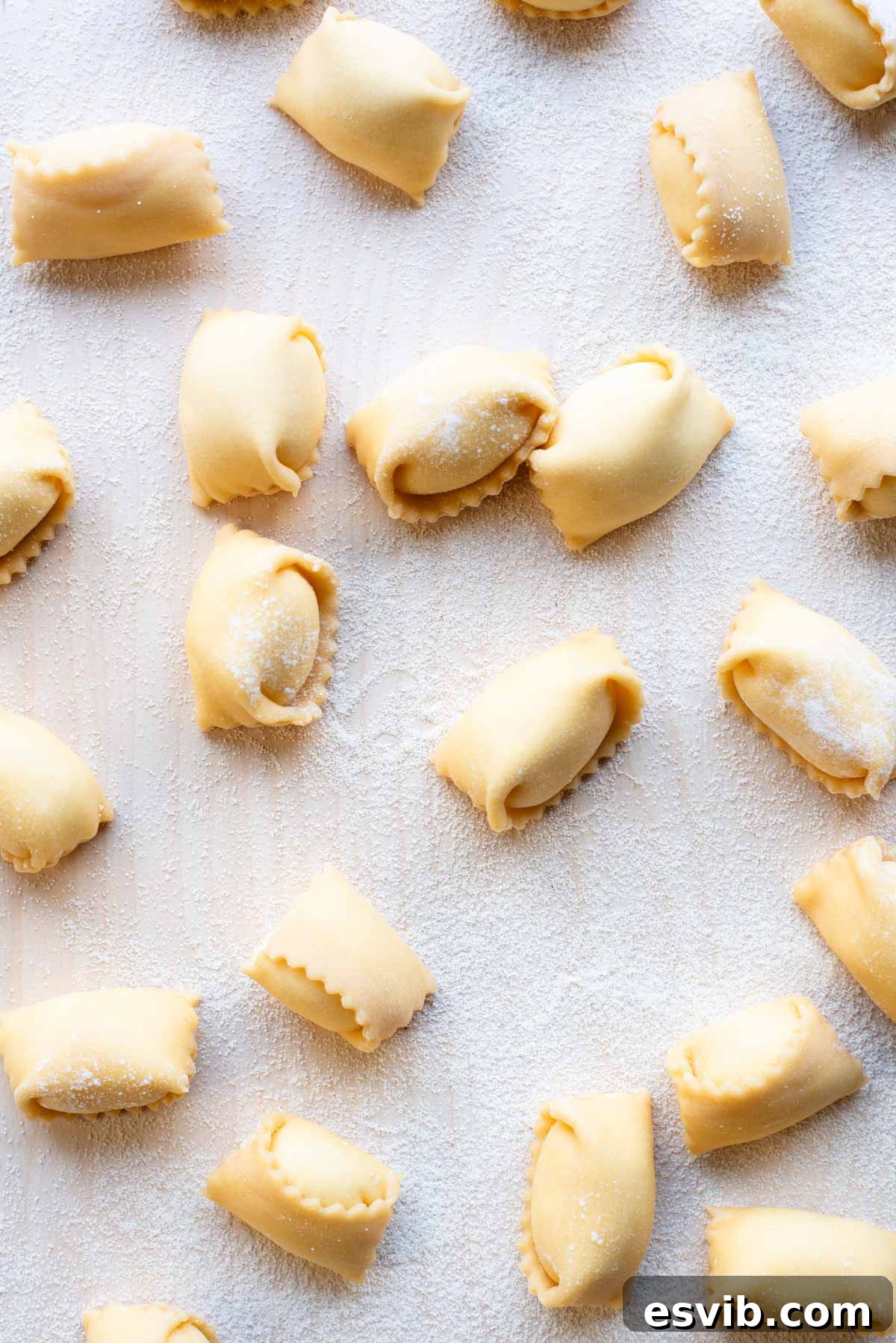
- Piedmont: In the gourmet heartland of Piedmont, no Christmas celebration is complete without Agnolotti del Plin. These delicate, delicious ravioli are meticulously filled with a savory mixture of meat and vegetables. A charming detail about their name: “Plin” translates to “pinch” in the Piedmontese dialect, referring to the characteristic pinching gesture used to enclose the filling within the pasta dough. The festive menu also traditionally includes a grand platter of mixed boiled meats (bollito misto) and, for dessert, the light and airy Zabaglione, a frothy custard cream often enriched with the region’s prestigious hazelnuts.
- Lombardy: Moving east to Lombardy, one of the most enduring traditional Christmas dishes is baked eel, though richly stuffed capon also holds immense popularity, symbolizing festive indulgence and abundance.
- Veneto: In neighboring Veneto, Christmas lunch traditionally features creamy polenta served alongside flavorful cod (baccalà) and various boiled meats. Both Lombardy and Veneto are culinary powerhouses, playing pivotal roles in establishing quintessential Italian Christmas food traditions. It is within these very regions that the two most famous and beloved (and undeniably buttery) Italian Christmas desserts, Panettone and Pandoro, originated, forever cementing their place in holiday lore.
- Liguria: Along the picturesque Ligurian coast, the Christmas menu often showcases boiled capon or exquisitely stuffed guinea fowl as a main course. For dessert, Liguria offers its unique take on the traditional Christmas cake: Genoese Panforte. This local variant of Panettone is known for being less buttery but incredibly rich in candied fruits, dried fruits, and aromatic fennel seeds, providing a distinct local flavor profile that sets it apart.
- Friuli-Venezia Giulia: In the northeastern region of Friuli, the most traditional Christmas dish is the hearty Bravada and Muset – a robust turnip and Cotechino sausage soup, typically accompanied by the ever-present polenta. Another staple is tripe served with a savory sauce and cheese. Dessert is a truly special affair, with Gubana being an absolute must-have: a fragrant and spirited pastry filled with a delightful blend of walnuts, almonds, raisins, honey, wine, and rum, making for a truly indulgent treat.
- Trentino-Alto Adige: Nestled in the stunning Dolomites of Trentino-Alto Adige, Christmas lunch commences with a comforting plate of Canederli. These delectable bread dumplings are crafted from stale bread, speck (a cured, smoked ham), flour, and cheese, often seasoned with spinach or porcini mushrooms, reflecting the alpine environment. Following this warming starter, a succulent roast venison typically takes pride of place. The festive meal culminates with the beloved traditional Strudel or the fruit-and-nut-laden Zelten, both perfect for the region’s climate.
Central Italy: A Blend of Pasta and Roasts
Journeying south into the heart of Italy, the culinary landscape shifts, yet maintains its deep reverence for traditional flavors and ingredients, often showcasing a perfect balance between land and sea produce.
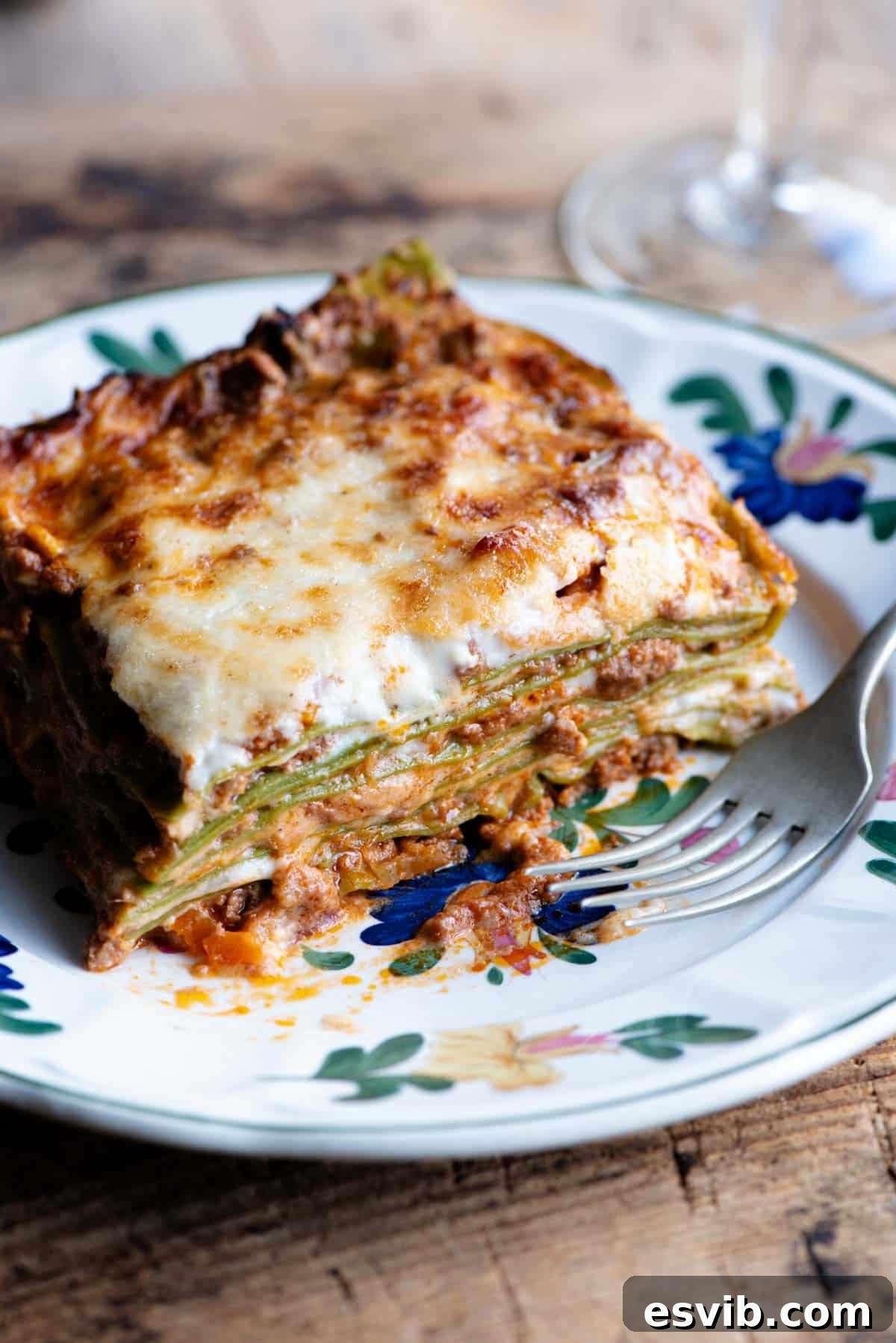
- Emilia Romagna: In Emilia Romagna, often hailed as Italy’s gastronomic capital, pasta reigns supreme on Christmas Day. The preference is overwhelmingly for fresh, stuffed pasta, showcasing the region’s artisanal prowess. Diners are spoiled for choice: delicate Tortellini or Passatelli, strictly served in a flavorful broth; broad, comforting Tagliatelle often with a rich ragù; layers of sumptuous Lasagne Bolognese; or fragrant pumpkin and aromatic herb Tortelli. Each dish is a celebration of local ingredients and time-honored techniques, deeply ingrained in the regional identity.
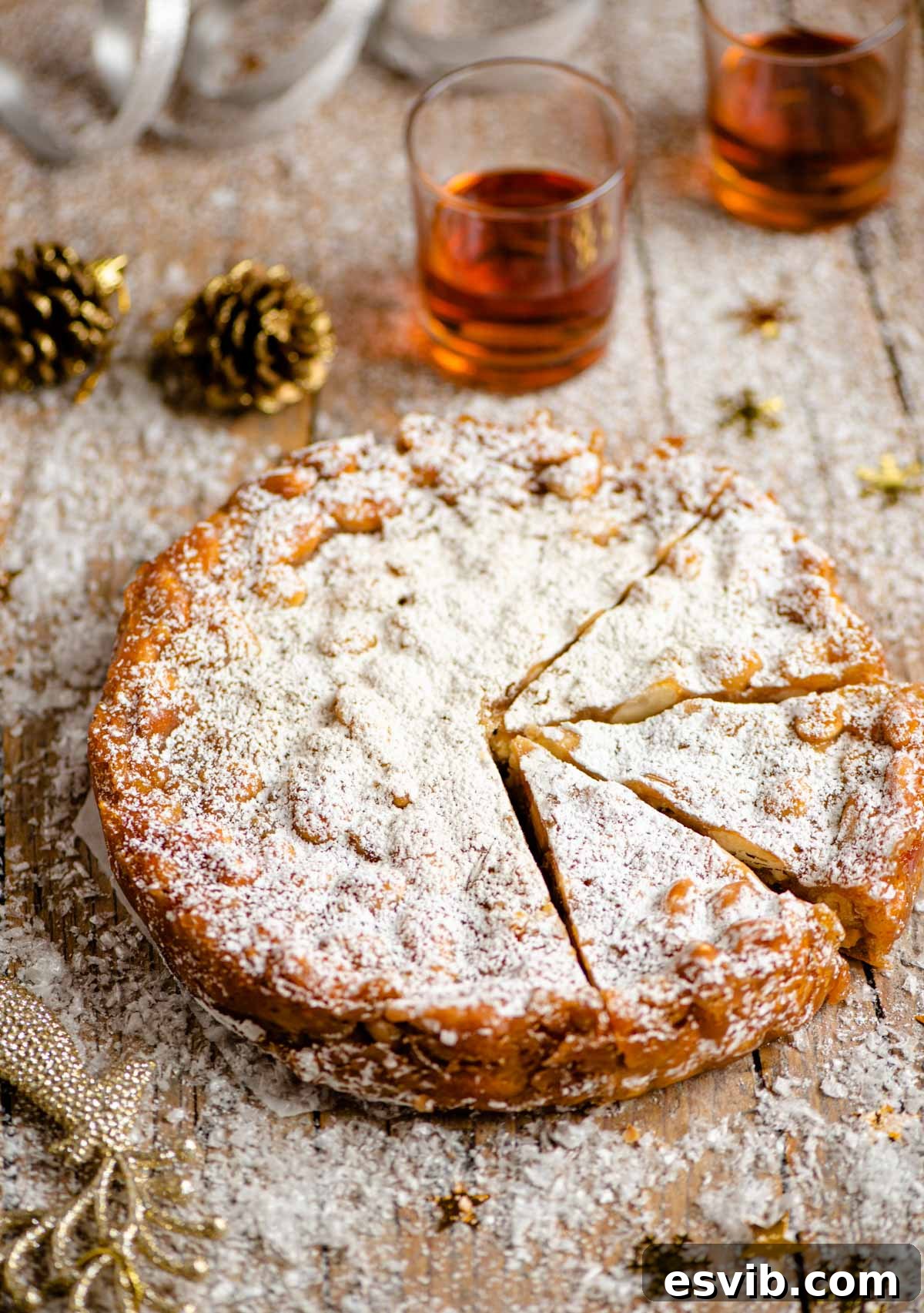
- Tuscany: In the rolling hills of Tuscany, Christmas main courses often feature elegant roast guinea fowl or perfectly stuffed capon, prepared with characteristic Tuscan simplicity and flavor that highlights the quality of the ingredients. The region’s iconic desserts hail from Siena, including the classic Panforte, a dense, chewy cake bursting with dried fruits and nuts, and the exquisite Ricciarelli, delicate almond biscuits dusted with powdered sugar, which melt in the mouth.
- Lazio: The capital region of Lazio observes Christmas with its own distinct charm. Christmas Eve dinner often consists of a delightful assortment of fried foods and baccalà (cod), a nod to the meatless tradition. On Christmas Day, echoing ancient peasant traditions, tables are laden with comforting Cappelletti in broth, tender boiled meats, and flavorful roast lamb served with crispy potatoes – a true taste of Roman hospitality and a robust celebratory meal.
- Molise: In the smaller, less-explored region of Molise, Christmas menus often start with hearty soups based on cardoons (a thistle-like vegetable) or delicate fish broth. These are typically followed by roasted cod, prepared with a fragrant crust of breadcrumbs, garlic, bay leaves, oregano, raisins, pine nuts, and walnuts, offering a complex blend of flavors and textures that speak of the region’s resourceful cooking.
- Marche, Umbria, and Abruzzo: These three central regions – the Marche, Umbria, and Abruzzo – share many culinary influences from their neighbors. Their typical Christmas dishes frequently include comforting Cappelletti in broth, rich Lasagne, succulent capon, and tender roast lamb, reflecting a blend of central Italian comfort foods. A particularly notable and celebrated dish, however, is Vincigrassi. Literally translating to ‘beat the fat’, this traditional baked pasta from the Macerata area is a luxurious creation, featuring multiple layers of pasta, cheese, and a special ragù made with various types of meat, resulting in an incredibly satisfying and flavorful dish.
Southern Italy’s Vibrant Christmas Flavors
As we venture further south, Italian Christmas dishes tend to incorporate a greater abundance of fresh vegetables and, owing to the extensive coastline, a wider variety of exquisite fish and seafood, celebrating the Mediterranean bounty.
- Campania (Naples): In the lively city of Naples and throughout the region of Campania, Christmas lunch invariably features capon, often prepared with a rich filling, symbolizing festive prosperity. Christmas Eve, however, is reserved for seafood, with spaghetti with clams being a beloved classic, often accompanied by Capitone. The use of Capitone, a female eel, holds a symbolic, almost religious significance in some traditions, representing the victory of man over Satan. For dessert, no Neapolitan Christmas would be complete without the delightful Struffoli – tiny fried honey balls adorned with colorful sprinkles, piled high like a sweet golden mountain.
- Basilicata: In the rugged region of Basilicata, Christmas menus typically begin with wholesome vegetarian soups or delicate turkey broth, followed by roasted cod. The flavors here are often rustic and deeply rooted in local produce and simple, honest cooking.
- Calabria: In stark contrast, the flavors of Calabria are bolder and more intense, reflecting the region’s spicy and robust culinary identity. Christmas lunch often features robust roast goat meat, a regional delicacy, and the impressive Pasta China. This baked pasta timbale is a veritable feast within itself, layered with savory veal meatballs, spicy salami, sweet Provola cheese, Caciocavallo, and Pecorino cheese, delivering a powerful punch of authentic Calabrian flavor.
- Puglia: In the sun-drenched region of Puglia, besides the classic pasta with turnip greens (orecchiette con le cime di rapa), it is tradition to serve roasted eel and crispy fried cod, reflecting the region’s strong coastal ties. Roast lamb accompanied by Lampascioni (local, slightly bitter wild onions) is also an immensely popular and distinctive dish, showcasing the region’s unique agricultural offerings and earthy flavors.
- Sardinia: The island of Sardinia celebrates Christmas with its own distinct culinary identity, deeply tied to its pastoral traditions. The most classic Christmas dish is a unique form of ravioli known as Culurgiones de Casu. These delectable pasta parcels are generously filled with potatoes, refreshing mint, and pungent Pecorino cheese, then typically served with a simple yet flavorful tomato sauce, a true taste of Sardinian hospitality.
- Sicily: On the vibrant island of Sicily, the Christmas menu is a delightful blend of land and sea. Offerings include comforting chicken in broth, a refreshing herring and orange salad, and Sfincione, a thick, spongy pizza typically topped with onions, tomatoes, and often anchovies. To conclude this lavish meal, one cannot miss a good pistachio nougat or the traditional Cuccidati, delightful fig cookies that perfectly capture the essence of Sicilian sweets and its Arab influences.
Beyond Christmas Day: The Enchantment of La Befana and Epiphany
In Italy, the festive spirit isn’t confined to Christmas Day; celebrations extend well into the new year, culminating on January 6th with the Feast of the Epiphany. As the popular Italian saying goes, “L’Epifania tutte le feste si porta via,” meaning “Epiphany takes all the festivities away.” This significant date marks the unofficial end of the Christmas season, but not before one final magical event that brings joy to children across the country.
On the night of January 5th, children eagerly await the arrival of La Befana, Italy’s benevolent, albeit soot-covered, Christmas Witch. According to folklore, she soars through the night sky on her broomstick, much like Santa Claus, delivering gifts. Good children wake up on the morning of January 6th to find their stockings brimming with delicious sweets, chocolates, and small toys. However, mischievous children might find their stockings filled with a lump of coal (traditionally a symbolic black candy, often made of sugar). This charming tradition adds a unique layer to the Italian holiday experience, blending ancient folklore with Christian celebrations, and ensuring the festive mood lingers.
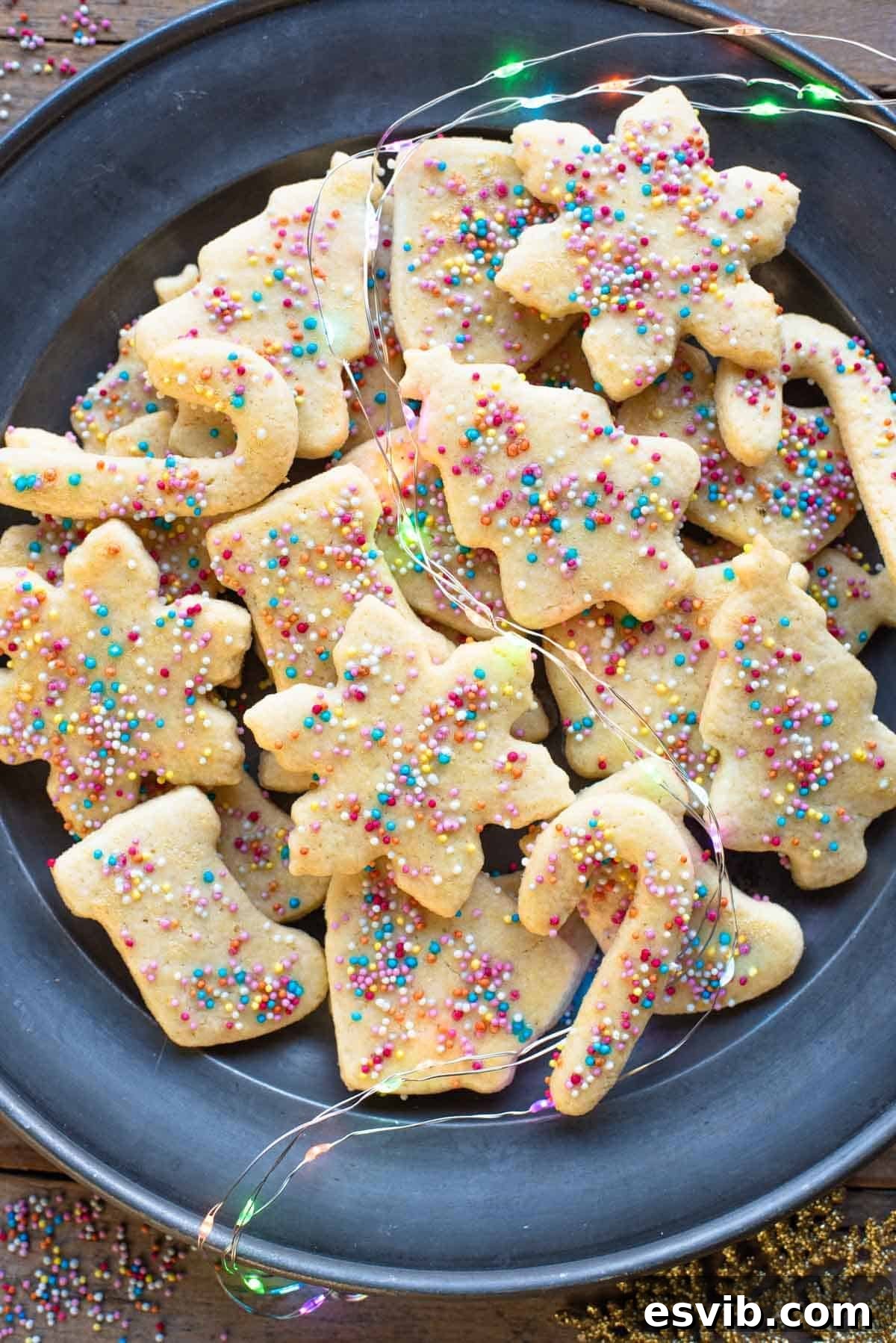
Associated with this special time, particularly in Tuscany, are the delightful Befanini cookies. These festive, often brightly decorated cookies are specially baked to celebrate La Befana and to sweetly mark the conclusion of the Christmas festivities, offering a final taste of holiday joy before everyday life resumes.
Embrace the Spirit of Italian Christmas
The vast and varied landscape of Italian Christmas foods is truly a culinary wonderland, a testament to the country’s profound love for food, family, and tradition. While it’s impossible to catalog every single exquisite dish in such a diverse nation, this regional exploration offers a tantalizing glimpse into the heart of Italian festive dining.
Each region, with its distinctive flavors and customs, contributes to a collective tapestry of celebration that is both deeply personal and universally enchanting. Whether you’re drawn to the hearty, comforting dishes of the Alpine north, the rich pasta traditions of Central Italy, or the vibrant, fresh flavors of the sun-drenched South, there’s an Italian Christmas experience waiting to be savored.
We invite you to delve deeper and bring a piece of this rich tradition into your own home. Explore our extensive Italian Christmas recipes collection to discover more delicious and authentic foods to make this year. Let the spirit of Italian Natale fill your kitchen and your home with joy, warmth, and unforgettable flavors, creating new cherished memories for your loved ones.