
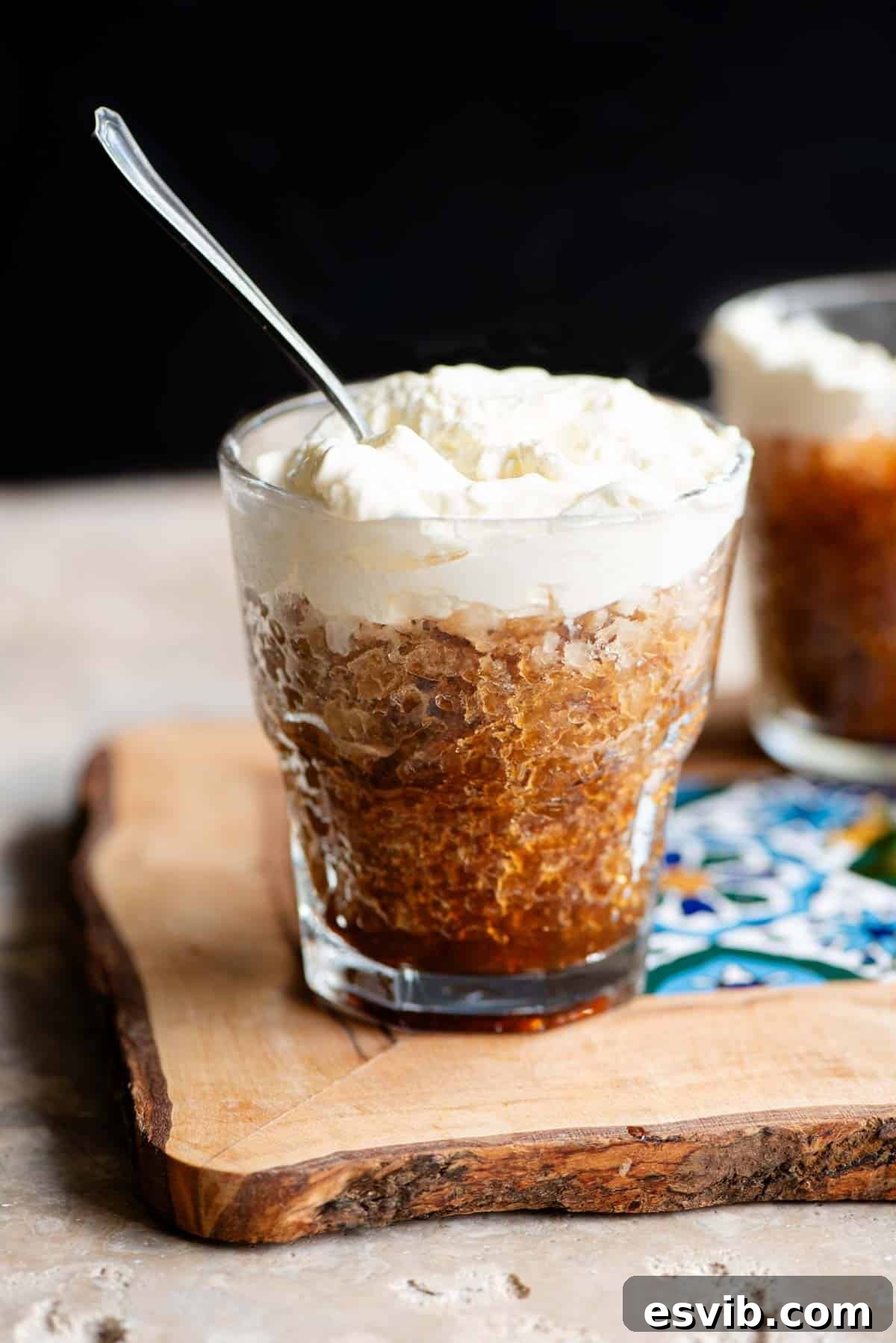
Granita al Caffè, or simply coffee granita, is a quintessential Sicilian frozen treat that embodies the spirit of Italian summer. Traditionally enjoyed for breakfast or as a delightful cooldown during the intense heat, this icy delicacy is surprisingly easy to create in your own kitchen with just three simple ingredients. Experience it the authentic Sicilian way: crown your granita with a generous dollop of freshly whipped cream and serve alongside a soft, sweet brioche bun for an unforgettable culinary experience.
Embracing the Sicilian Breakfast Tradition
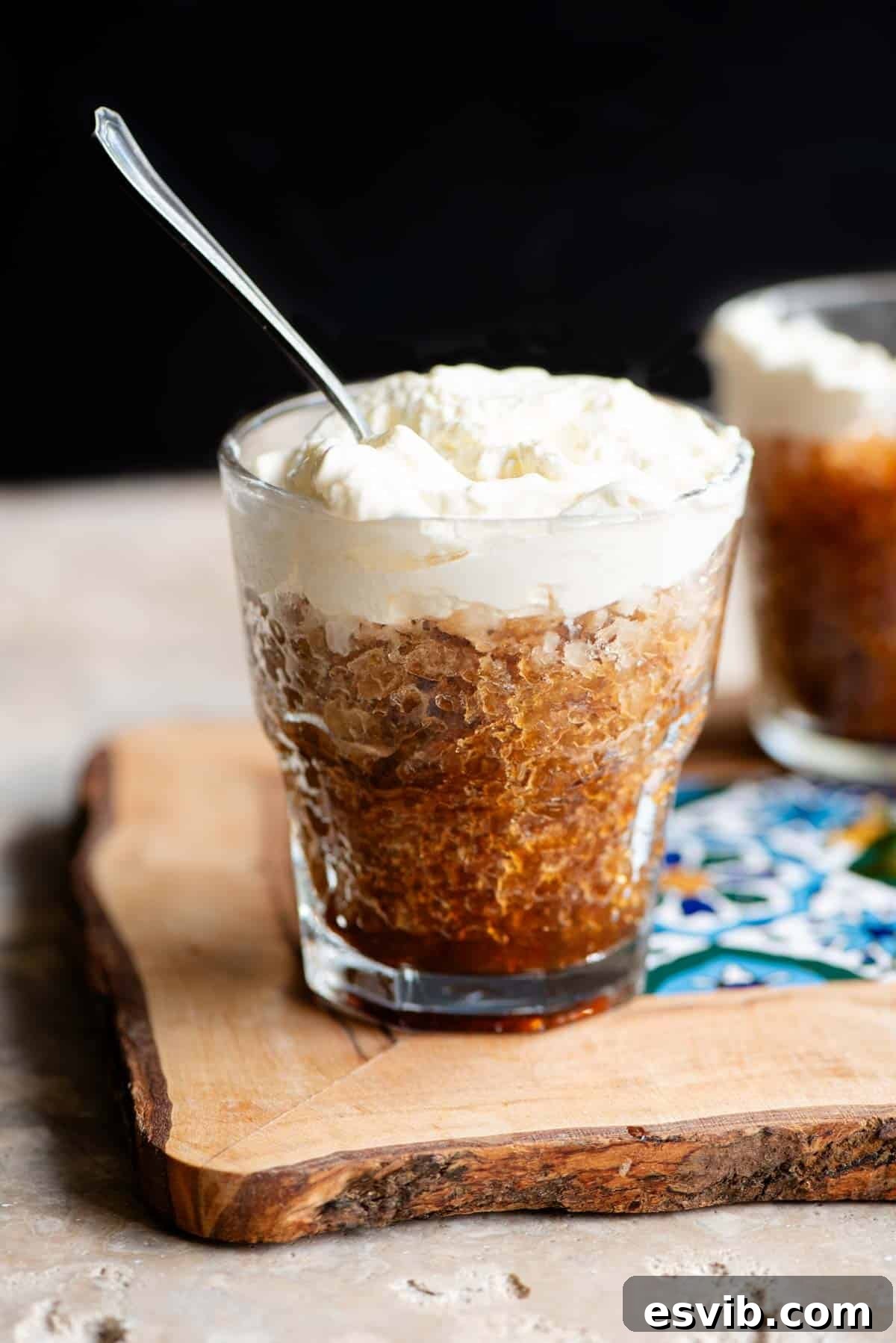
Imagine starting your day in Sicily: a cool glass of coffee granita, rich whipped cream, and a warm, fluffy brioche bun are often the delightful norm. This unique breakfast combination offers a refreshing burst of energy, perfectly merging your morning espresso with a light meal. Coffee granita, with its sweet and invigorating flavor, is the ideal companion to combat the height of the Sicilian summer, offering a sensory escape to the sun-drenched island.
While granita might seem like a gourmet endeavor, making it at home is remarkably straightforward. There are a few different techniques you can employ, each yielding a slightly distinct texture. Our preferred method, the traditional stirring technique, results in larger, more distinct ice crystals, providing that classic granita crunch. Alternatively, for those who prefer a smoother, creamier consistency—much like our beloved pistachio granita—you can use a blender or an ice cream machine. Whichever method you choose, the outcome is a supremely satisfying frozen dessert.
Passion for Sicilian flavors? Dive deeper into our exquisite collection of traditional Sicilian recipes and bring the taste of Italy to your table.
Table of Contents
- What is Granita?
- Why Coffee Granita? The Perfect Summer Brew
- Essential Ingredients for Granita al Caffè
- Step-by-Step Guide to Making Coffee Granita
- Expert Tips for the Perfect Coffee Granita
- Alternative Methods for Making Coffee Granita
- Serving Suggestions: The Sicilian Way and Beyond
- More Italian Summer Recipes to Try
What is Granita? A Sicilian Culinary Gem
Before we delve into the specifics of coffee granita, let’s understand what granita truly is. Granita is a semi-frozen dessert made from sugar, water, and various flavorings, originating in Sicily. Unlike sorbet, which is often churned to incorporate air for a smoother texture, granita typically has a coarser, more crystalline structure, achieved by regular stirring during the freezing process. It’s also distinct from gelato, which contains dairy and has a dense, creamy mouthfeel. Granita’s unique icy, yet melt-in-your-mouth quality, makes it incredibly refreshing, especially in the warm Mediterranean climate. Historically, granita was made with snow collected from Mount Etna, flavored with lemons, almonds, or coffee, showcasing its ancient roots and natural ingredients.
Why Coffee Granita? The Perfect Summer Brew
Among the myriad granita flavors—from lemon and almond to pistachio and mulberry—coffee granita holds a special place. It’s a sophisticated and deeply satisfying choice for coffee lovers. The robust, aromatic flavor of strong coffee, sweetened and then frozen into a delicate icy slush, offers a sublime contrast to the summer heat. It provides the invigorating kick of your morning coffee but in a deliciously chilled and dessert-like form. It’s not just a drink; it’s an experience, a moment of pure bliss that transports you straight to a sun-drenched piazza in Sicily.
Essential Ingredients for Granita al Caffè
Ingredient Notes and Substitutions for Optimal Flavor
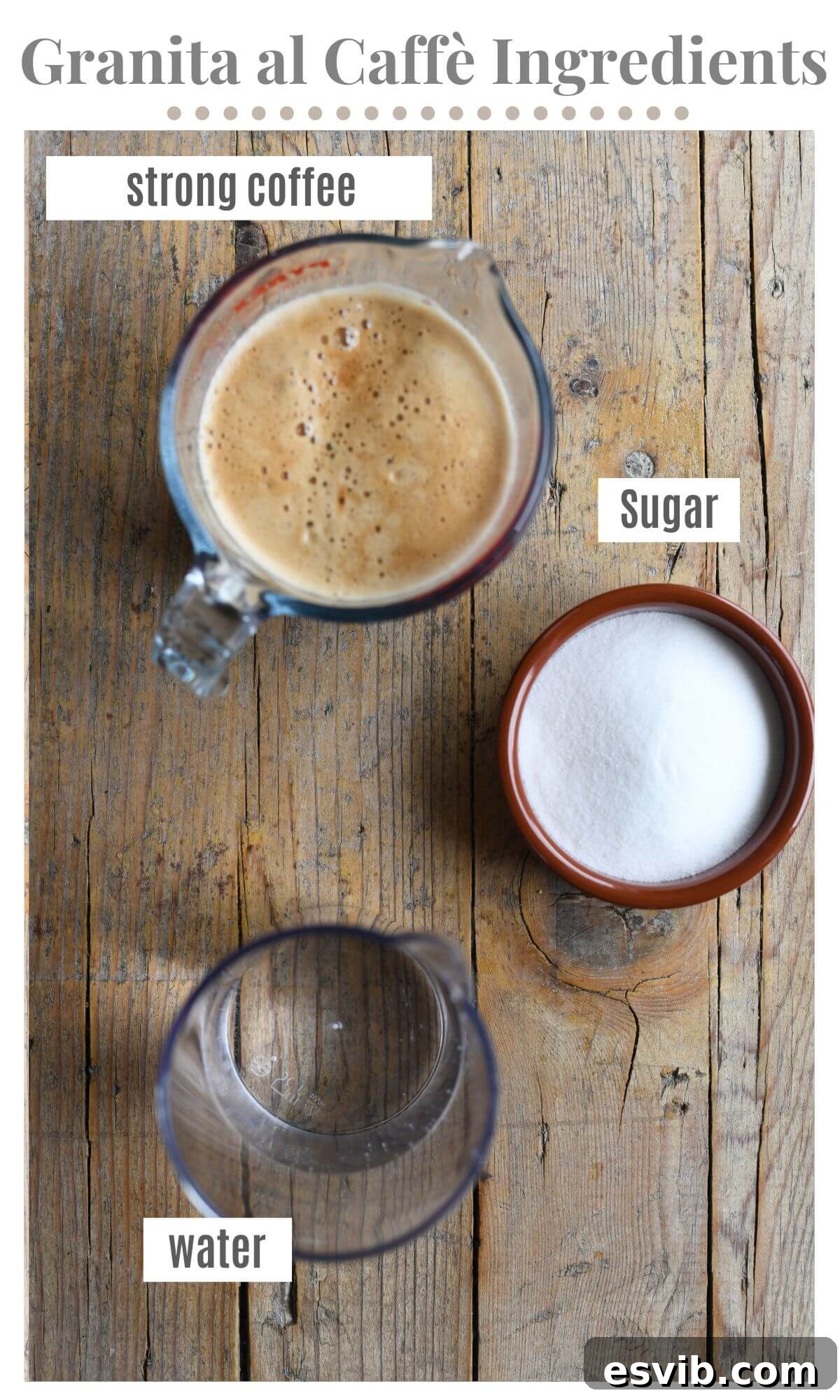
- Strong Coffee: The soul of your granita! We highly recommend using a high-quality 100% Arabica coffee for its rich, nuanced flavor and pleasant aroma. My personal favorite is Lavazza Espresso ground coffee, brewed in a traditional espresso machine. However, a Moka pot (Stovetop Espresso Maker) or a French press (Cafetiere) will yield equally excellent results, providing the necessary strength and depth of flavor. Ensure your coffee is brewed strong – this is not the time for a weak cup!
- Sugar and Water: These two form the essential sugar syrup, which is crucial for both sweetness and texture. The sugar syrup prevents the granita from freezing into a solid block of ice, ensuring those delicate, scoopable crystals. Standard caster sugar or granulated sugar works perfectly here. The ratio of sugar to water is important for achieving the right consistency and sweetness, balancing the bitterness of the coffee.
- Heavy Cream: This is for serving, and while optional, it’s highly recommended for the authentic Sicilian experience. Simply whip some heavy cream (known as double cream in the UK) until it forms soft peaks, then dollop 1-2 tablespoons generously on top of each serving. I typically don’t sweeten my cream, allowing the granita’s sweetness to shine, but feel free to add a touch of sugar to the cream before whipping, according to your taste preference.
Step-by-Step Guide to Making Coffee Granita
- Prepare the Granita Mixture: Begin by brewing your strong coffee using your preferred method (espresso machine, Moka pot, or French press). Set it aside to cool slightly. In a saucepan, combine the water and sugar to create your sugar syrup. Bring this mixture to a gentle boil, stirring continuously until all the sugar crystals have completely dissolved. Once dissolved, remove the saucepan from the heat.
- Combine and Chill: Carefully add the brewed coffee to the warm sugar syrup. Stir thoroughly to ensure everything is well combined. Allow this coffee-syrup mixture to cool down completely to room temperature. This step is crucial before freezing to ensure even crystal formation.
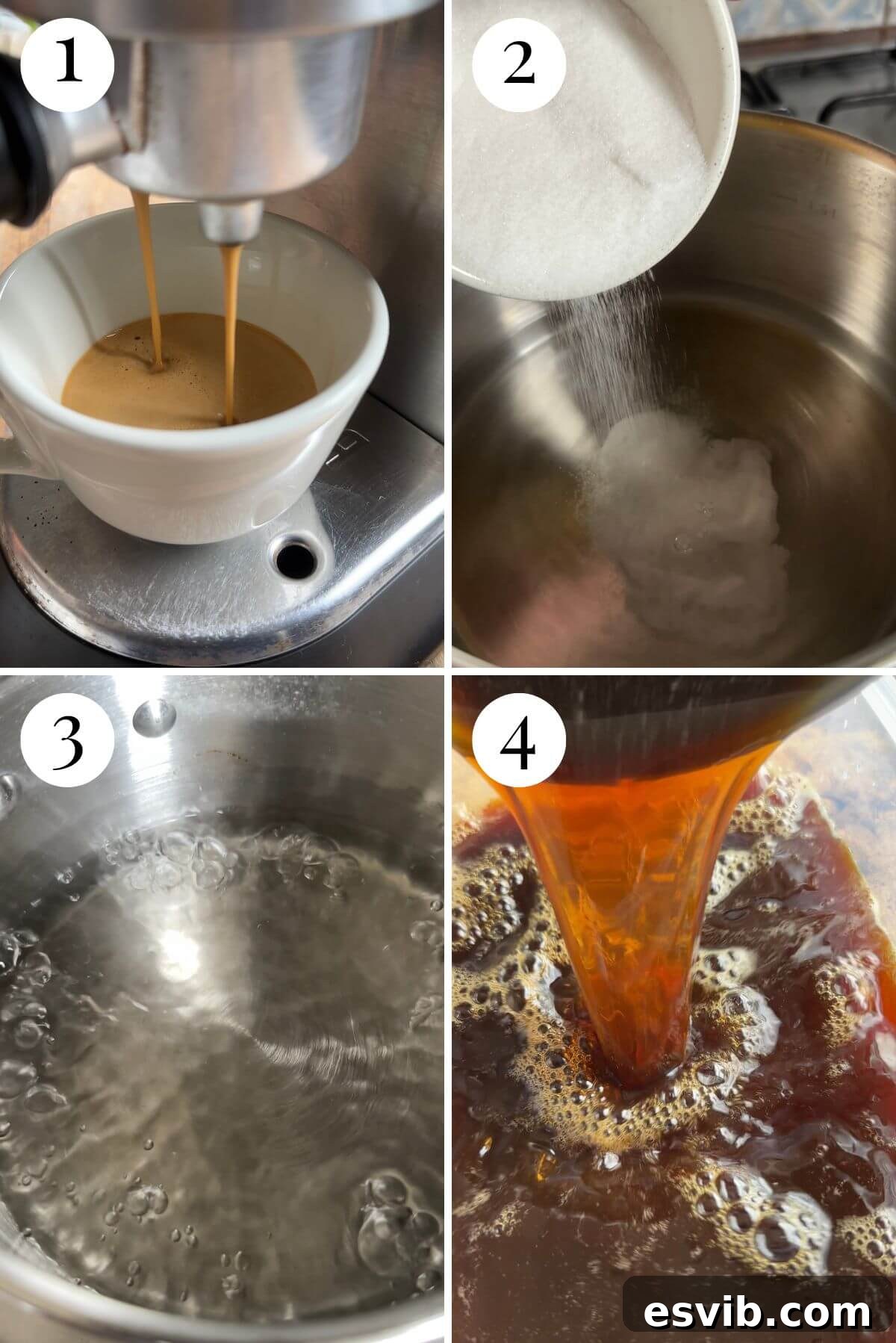
- Initial Freeze: Once the coffee mixture is entirely cold, pour it into a large, shallow freezer-proof container. A metal baking pan or a wide plastic tub works best as it allows for quicker and more even freezing. Place the container in the freezer for approximately 3 hours.
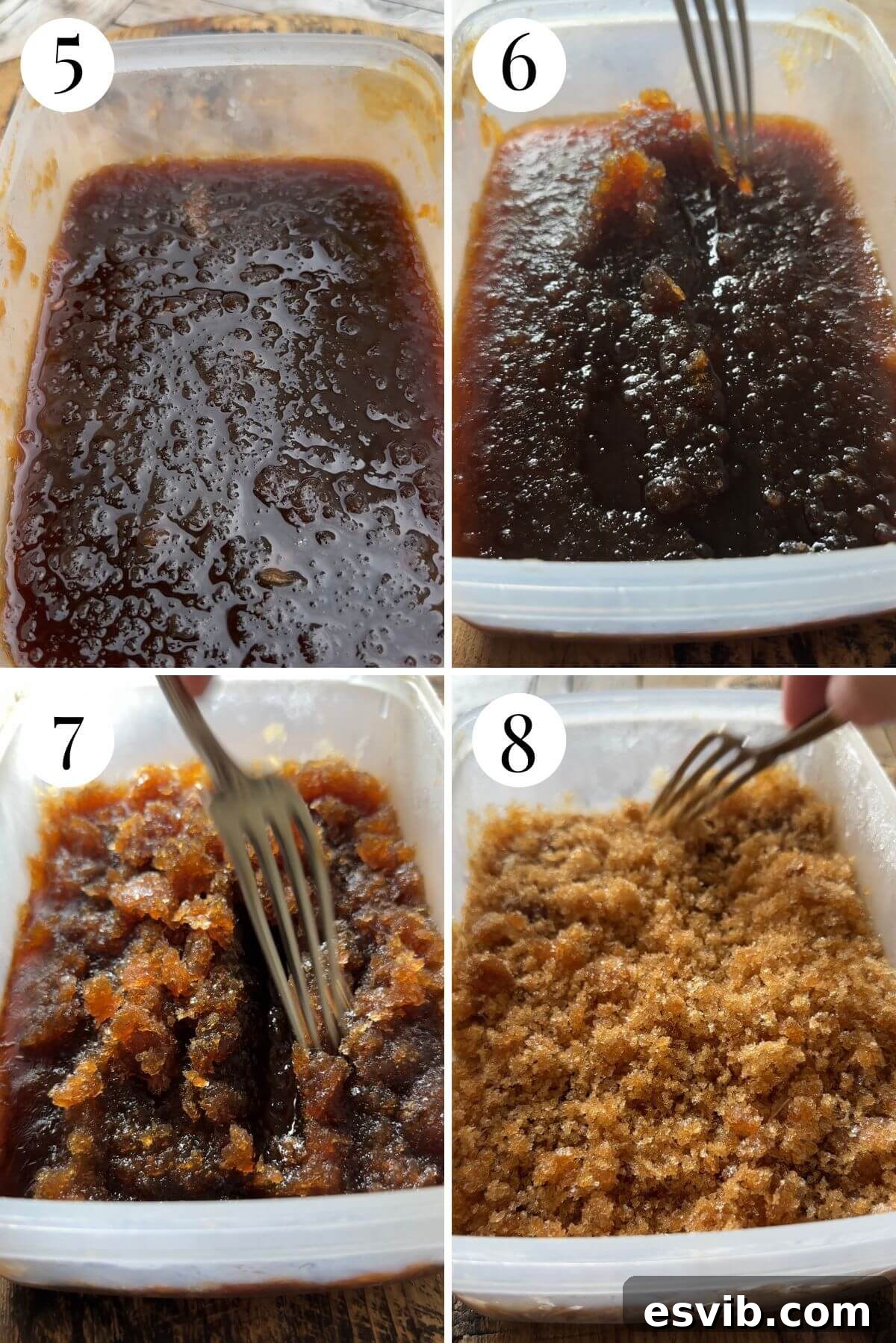
- Stir and Fluff (The Granita Method): After the initial 3 hours, remove the container from the freezer. The edges will likely be frozen solid, while the center might still be liquid or slushy. Use a fork to vigorously scrape and break up the ice crystals from the edges towards the center. Stir the mixture thoroughly until it resembles a coarse slush. Return the container to the freezer for another 2 hours.
- Repeat for Perfect Texture: Remove the granita from the freezer again. Repeat the stirring and scraping process with the fork, breaking up any large ice chunks and fluffing the mixture. Continue this stirring every hour for another 2-3 hours (or until the entire mixture has transformed into a light, fluffy, and icy consistency). This iterative stirring is key to developing those characteristic small, individual ice crystals that define granita.
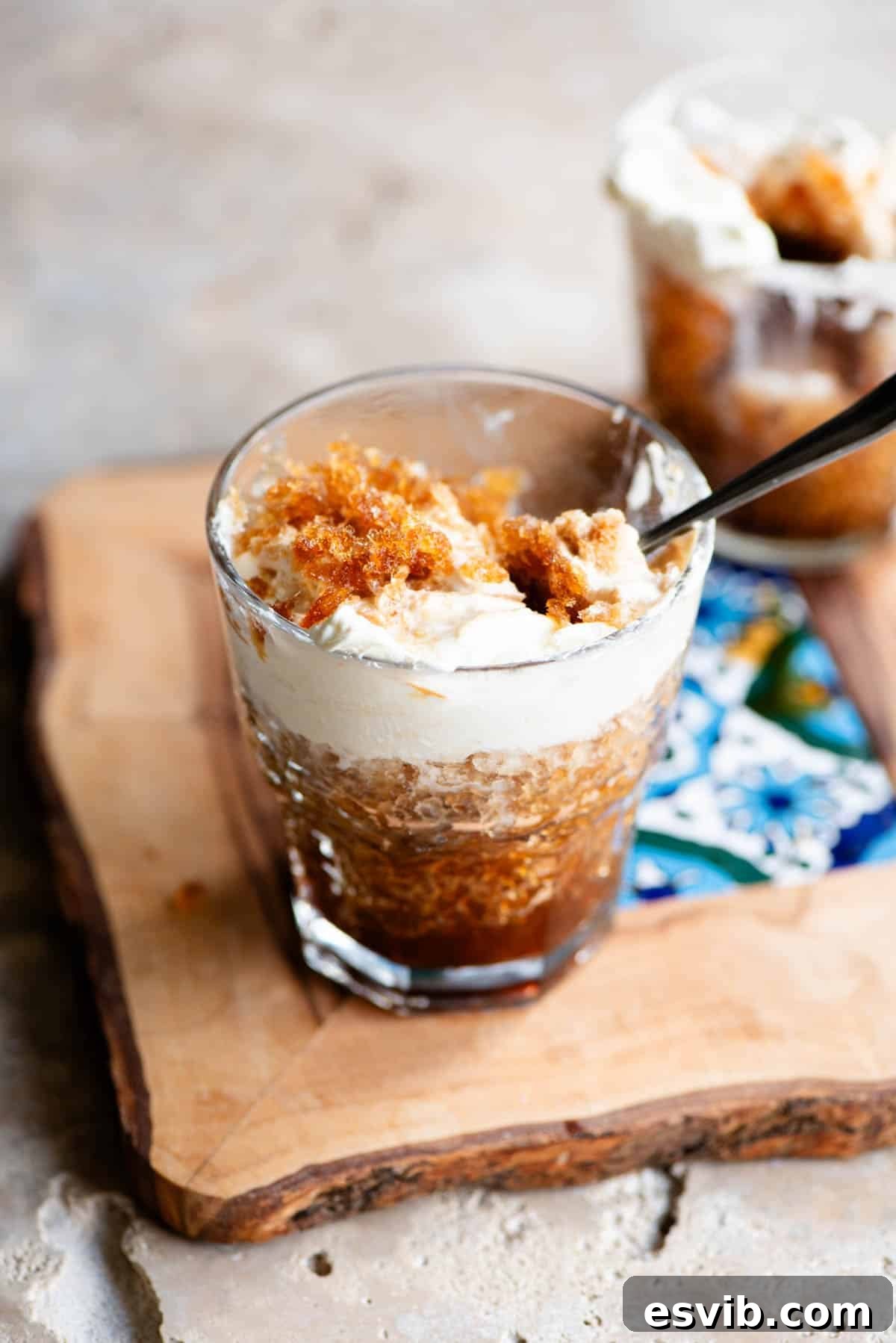
- Serve and Enjoy: Once your granita has reached its ideal fluffy texture, it’s ready to serve. Fill a small glass or serving bowl with the icy granita. For the ultimate Sicilian experience, top it generously with freshly whipped cream. As mentioned, I prefer my cream unsweetened, but sweeten it if you like. Serve immediately and savor every cooling, coffee-infused spoonful!
Expert Tips for the Perfect Coffee Granita
- Don’t Panic if it Freezes Solid: Life happens, and you might forget to stir your granita! No worries at all. If your granita freezes into a solid block, simply break it into chunks and transfer them to a food processor. Blitz it until it reaches a smooth, slushy, sorbet-like consistency. It will still be incredibly delicious, just with a slightly different texture.
- Adding a Boozy Twist: For an adult version, consider adding a coffee liqueur like Kahlúa. Incorporate it into the cold coffee mixture just before the first freeze. Add to taste, starting with a tablespoon or two, as alcohol will affect the freezing point slightly.
- Whipping Your Cream: For best results, ensure your heavy cream (or double cream) is very cold before whipping. Use a chilled bowl and whisk for faster and more stable peaks. While I enjoy it unsweetened, adding a teaspoon of powdered sugar per cup of cream before whipping will give it a subtly sweet touch. Aim for soft, billowy peaks that hold their shape.
- Container Choice Matters: Using a shallow, wide freezer-safe container helps the granita freeze more evenly and allows for easier scraping, reducing overall freezing time and effort.
- Achieving Ideal Sweetness: Taste your coffee-syrup mixture before freezing. Adjust the sugar level if you prefer it sweeter or less sweet. Remember that cold flavors tend to be less pronounced, so it might need to be slightly sweeter than you’d expect when warm.
- Storage: Coffee granita is best enjoyed fresh on the day it’s made, as repeated freezing and thawing can affect the texture. However, it can be stored in an airtight container in the freezer for up to a week. If it hardens too much, you can scrape it with a fork or blitz it in a food processor before serving.
Alternative Methods for Making Coffee Granita: Creamy vs. Icy
While the traditional stirring method yields wonderfully coarse crystals, there are alternative ways to achieve different textures:
- Blender or Food Processor Method: If you prefer a smoother, slushier, sorbet-like granita without the frequent stirring, this method is for you. Freeze the prepared coffee mixture in an ice cube tray until solid. Once frozen, transfer the coffee ice cubes to a powerful blender or food processor. Pulse and blend until the mixture is smooth and slushy. You can then serve it immediately or return it to the freezer for a slightly firmer consistency. This is also a great trick if your granita froze too hard using the traditional method.
- Ice Cream Machine Method: For a consistently smooth and creamy granita that’s close to a sorbet, an ice cream machine works wonders. Pour the completely cold coffee mixture into your ice cream machine and churn according to the manufacturer’s instructions until it reaches a soft-serve, frozen consistency. You can serve it straight away for a soft texture or transfer it to an airtight container and freeze it for a firmer result. Allow it to defrost slightly at room temperature for 5-10 minutes before scooping and serving.
Serving Suggestions: The Sicilian Way and Beyond
The classic way to enjoy Granita al Caffè is with a sweet brioche bun (often called ‘brioscia con il tuppo’ in Sicily, referring to its little top knot) and a generous swirl of whipped cream. Dunking the brioche into the icy granita and creamy topping is an experience not to be missed. However, don’t limit yourself to tradition! Here are other delicious ways to savor your homemade coffee granita:
- As a Dessert: Serve it simply in a chilled glass after dinner, perhaps with a sprinkle of cocoa powder or a few chocolate shavings.
- With Biscotti: Pair it with crunchy Italian biscotti or amaretti cookies for a delightful textural contrast.
- Layered Parfait: Create a stunning layered dessert with vanilla yogurt or mascarpone cheese, fresh berries, and coffee granita.
- Coffee Float: Add a scoop of vanilla ice cream to your granita for a luxurious coffee float.
- Afternoon Pick-Me-Up: A small glass of granita is a fantastic alternative to an iced coffee on a hot afternoon.
More Italian Summer Recipes to Try
Italian Desserts
Amalfi Lemon Sorbet (Sorbetto al Limone)
Italian Desserts
Ricotta al Caffè
Italian Desserts
Pistachio Ice Cream (Gelato al Pistacchio)
Italian Desserts
Aperol Spritz Granita
If you’ve tried this delightful Coffee Granita recipe or any other recipe on our blog, we would love to hear from you! Don’t forget to rate the recipe and share your experience in the comments section below. Your feedback inspires us to keep sharing delicious food with you. You can also follow us on Facebook, Instagram, and Pinterest, or sign up for our Newsletter to discover more of our tempting Italian creations.
Granita al Caffè con Panna (Coffee Granita)
By Emily
Ingredients
- 350 ml (1 and ½ cups) water
- 90 g (1/2 cup) white sugar
- 400 ml (13.5 fl oz/1 and 3/4 cups) strong coffee
- Whipped cream for serving, (optional)
Instructions
-
Brew your coffee and set it aside.
-
Make a sugar syrup by combining the sugar and water in a saucepan. Bring it to a boil until the sugar has completely dissolved and turn off the heat.
-
Add the coffee to the sugar syrup, stir then let it go completely cold.
-
Once cold, pour the coffee mixture into a large freezer proof container and put in the freezer for 3 hours.
-
Remove and give the mixture a stir with a fork. Freeze the granita for another 2 hours, remove it and stir it again with a fork to break up the ice crystals. Repeat this every hour until you have a fluffy granita.
-
Freeze until needed. For serving, fill a small glass with granita and top with some whipped cream. I don’t sweeten my cream but you can if you prefer. Serve and enjoy!
Video
Notes
- What if I forget to stir my granita? No problem, if your granita has frozen solid you can break it into chunks and add it to a food processor for a delicious sorbet-like consistency.
- Adding alcohol: You can add in a coffee liqueur such as Kahlúa. I recommend adding it to taste just before freezing when the mixture is cold.
- Whipped cream topping: I whip up heavy cream (double cream UK) without any added sugar although you can add sugar to taste. I tend to top each serving with about 2 tablespoons of whipped cream.
- Nutrition calculation does not include topping with whipped cream.
Helpful Info for All Recipes
- I always use extra virgin olive oil in all of my recipes unless stated otherwise.
- When I use canned or jarred tomatoes of any kind I always use Cirio or Mutti brands for the best results and flavour.
- All vegetables are medium sized unless stated otherwise.
- All recipes are tested and developed using a fan (convection) oven.
- Find out more about how nutrition is calculated.
- Check out our must-have Italian Pantry Staples.
- You can also find all our Essential Kitchen Tools for Italian Cooking.
Nutrition
Carbohydrates: 11g |
Protein: 0.1g |
Fat: 0.05g |
Saturated Fat: 0.001g |
Monounsaturated Fat: 0.01g |
Sodium: 3mg |
Potassium: 25mg |
Sugar: 11g |
Calcium: 2mg |
Iron: 0.01mg
Nutrition information is automatically calculated, so should only be used as an approximation.