

Table of Contents
- Introduction
- Regional Cuisine
- Daily Life and Eating Habits
- Family and Traditions
- A Recipe to Remember
Introduction
Can you tell us a bit about yourself? What town and region in Italy are you from?
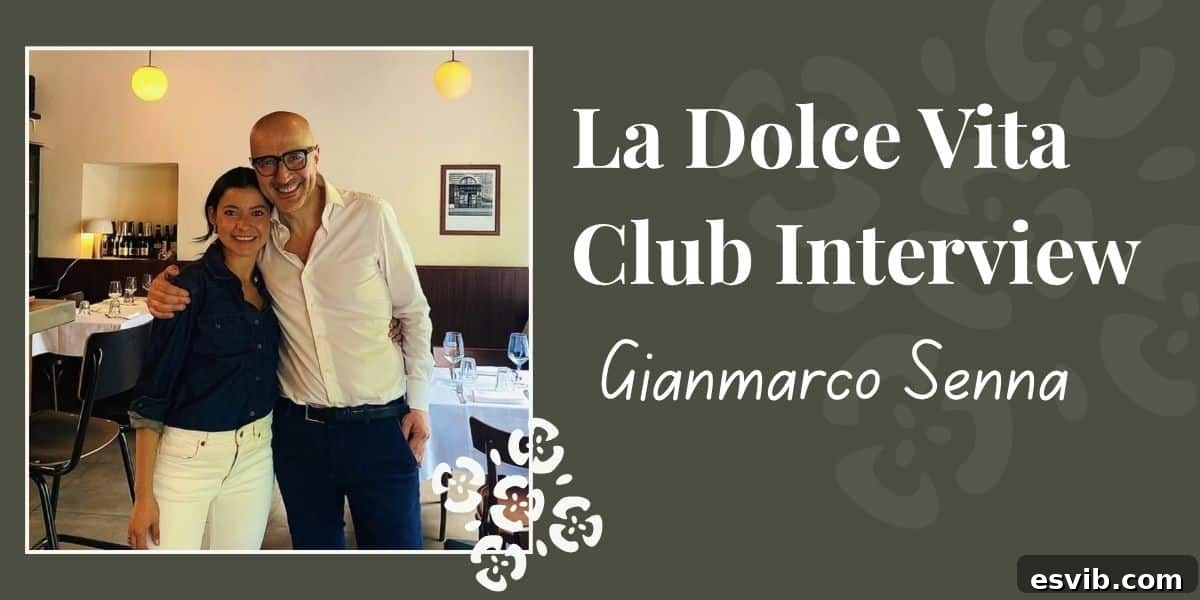
I was born in Milan in 1970. In May 2025 we opened Bela Tusa on Via Pietro Borsieri in the Isola neighbourhood. My partner Norma Galdamez runs the bar and handles the cocktail side while I look after the kitchen. We aim to serve the kind of food Milanese families used to prepare at home.
Isola sits beside the new Porta Nuova towers. Our trattoria is on the ground floor just a few metres from that development, and inside you find a different world: traditional dishes, simple hospitality, and a feeling of stepping back in time.
The trattoria’s walls display sixty years of Virgilio Carnisio’s photographs documenting working-class life in Milan: courtyards, washing lines, old trattorie and vanishing trades.
“Si mangia dentro la città che non ce l’ha fatta.”
Note: The phrase literally means “you eat inside the city that didn’t make it.” It contrasts the modern skyline outside with the older, everyday Milan revealed inside the trattoria.
Regional Cuisine
What do the locals eat in your region? Are there specific dishes your region or town is known for?
Milan is not primarily a city of pasta and tomato sauce; it’s a city of rice and butter. Rice paddies lie close to the city’s edge, and butter has long been the preferred cooking fat here. That tradition shapes much of the local repertoire.
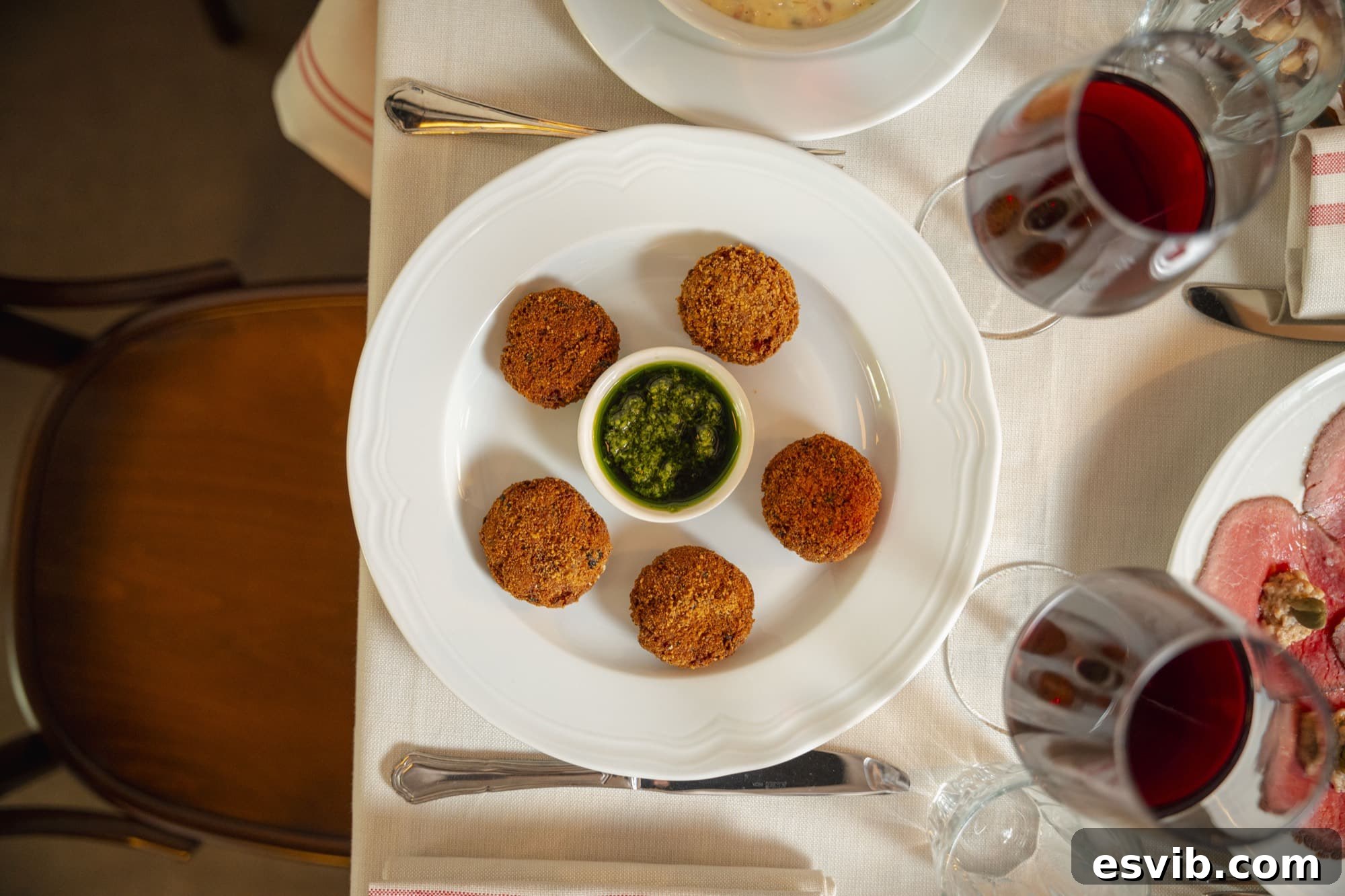
Signature dishes include saffron-yellow risotto served with ossobuco, the bone-in veal cutlet (costoletta), mondeghili (fried meatballs made from leftover boiled beef), cassoeula for cold weather, and braised beef cheek —a humble dish that many of us hold dear.
Mondeghili are worth highlighting: the name traces a line through history. It comes from the Spanish albóndiga and before that from the Arabic al-bunduqa, meaning “small hazelnut.” Milan was under Spanish rule for centuries, and many working-class recipes and names persisted in the city’s cuisine. Mondeghili were originally a way to use every scrap of cooked meat.
How does the cuisine change with the seasons?
Milanese cooking is strongly influenced by the plains and the long winters. Autumn and winter are the cuisine’s core seasons: cassoeula, for example, needs Savoy cabbage that has been touched by frost before it reaches the right texture and flavour. Spring and summer lighten the menu — risotto remains central but adapts. This past summer we served a risotto with figs, lemon zest and basil, which proved very popular.
Bread is also integral. The Milanese michetta is hollow inside and mostly crust; it was developed to be eaten the same day because the Po Valley’s humidity quickly affects a dense crumb. A michetta must be bought fresh in the morning to be at its best.
What should a first-time visitor try?
Three essential dishes at the table: saffron risotto with ossobuco, mondeghili, and the bone-in cutlet (costoletta). These are pillars of Milanese cuisine, and they represent a tradition that survives mainly in trattorie because many require time and technique — ossobuco, for example, needs hours to cook properly.
One outside-the-restaurant experience: visit a bakery before ten in the morning and ask for a michetta. Our bread comes from a small local bakery nearby that emphasises organic flours and traditional fermentation. Finally, to understand Milanese food culture, remember the Cucine Economiche that opened in 1883 —places where workers could get a cheap, filling meal. Milanese cuisine grew out of those communal kitchens and home cooking, not fine dining.
Daily Life and Eating Habits
Can you share what you eat on a typical day?
I rise early and these days I start with orange juice rather than coffee. Lunch is the main meal and tends to be substantial; dinner is usually light because I prefer not to go to bed full.
How often do you eat out?
On my days off I often eat out. I enjoy dining alone, especially at lunchtime, and I like returning to familiar places where I know the people and feel at ease. I live alone, so my fridge typically holds only fruit and dark chocolate.
Family and Traditions
What does Pranzo della Domenica (Sunday lunch) look like in your home?
Sunday lunch is more a memory than a present routine. I think back to childhood when the family was larger and my Nonna cooked. Since I began this career, many Sundays have been working days for me, often spent in a trattoria rather than at home.
What dishes are typical at Christmas?
At Christmas in Milan, ravioli in broth and capon are traditional and almost always present. For dessert we serve Panettone — a Milanese specialty — accompanied by a mascarpone cream known locally as la salsa mascherpa.
Christmas Day itself is usually celebrated with a big lunch. In my experience the family gathering often takes place in a trattoria; even when I manage to spend the holiday with relatives, we typically go out to eat rather than hosting at home.
A Recipe to Remember
Below are two recipes from our trattoria, written by chef Luca Di Lorenzo and prepared as we do them at Bela Tusa. They reflect the practical, resourceful roots of Milanese cooking.
Note on mondeghili: these are recovery meatballs. Traditionally nothing was bought specifically for them — leftover boiled or braised meat from the day before would be used. In our kitchen we often include trimmings from ossobuco and beef cheeks. If you start with fresh meat bought for the purpose, you will make a good meatball, but it won’t have the same history.
MONDEGHILI (Deep-Fried Meatballs)
Serves 5 to 6, about 28 meatballs
Ingredients
- 400 g stale bread, plus cold water to soak it
- 200 g braised veal and beef (leftover trimmings such as from ossobuco and cheeks)
- 400 g lean minced beef
- 150 g Grana Padano aged 12 months, grated
- 4 eggs
- 75 g mortadella, minced
- 30 g salt
- 3 g garlic powder
- Gremolada to taste: finely chopped parsley and grated lemon zest (ratio 10:1)
- Black pepper to taste
- Breadcrumbs for coating
- Seed oil for frying
Method
1. Soak the stale bread in cold water until softened.
2. Run the warm braised meat, the mortadella and the soaked bread through a mincer.
3. Add the minced beef, eggs, salt, pepper, garlic powder, gremolada and grated Grana Padano.
4. Work the mixture thoroughly until it is even and compact.
5. Shape into meatballs, pressing out any air and then flattening them slightly.
6. Coat in breadcrumbs and fry in seed oil at 180°C until golden. Each raw meatball weighs about 52–53 g; a portion is five.
Tips
Why these steps matter: the warm meat breaks down more easily through the mincer; working the mixture well ensures it holds together; pressing out air prevents cracking during cooking; and flattening is traditional, helping them cook evenly. Frying is our modern choice, but the flattened shape preserves the recipe’s identity.
RUSUMADA (Red Wine Zabaglione)
Serves 2
This is a memory dessert for many Milanese over sixty: egg yolks beaten with sugar and tempered with red wine — once given to children who were thin or recovering from illness. We add cream for a smoother texture.
- 4 egg yolks
- 38 g sugar
- 275 ml red wine
- 75 ml single cream
Beat the yolks with the sugar until pale and thick. Add the cream, then the wine, and continue beating until smooth. Serve chilled in a glass.
Tips
Because the yolks are not cooked, use pasteurised eggs or the freshest eggs you can obtain. For larger batches, the proportions scale: roughly 59% red wine, 16% yolk, 16% cream and 8% sugar by volume.