
The Ultimate Guide to Easy & Authentic Pasta Fagioli Soup
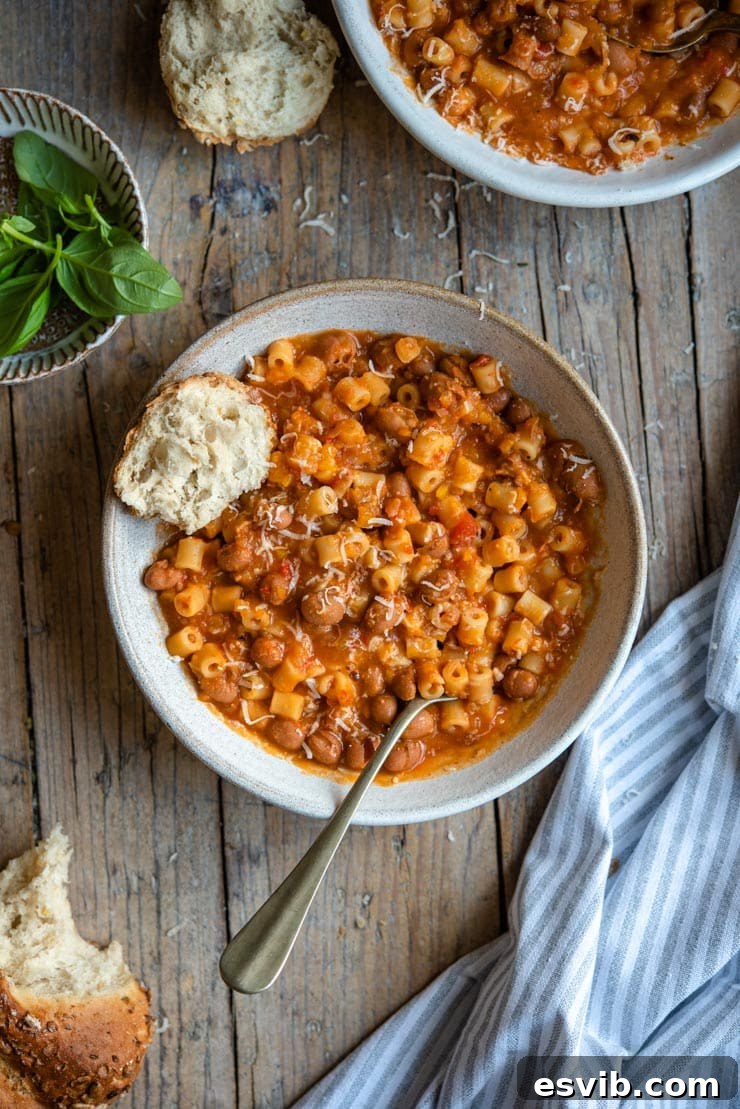
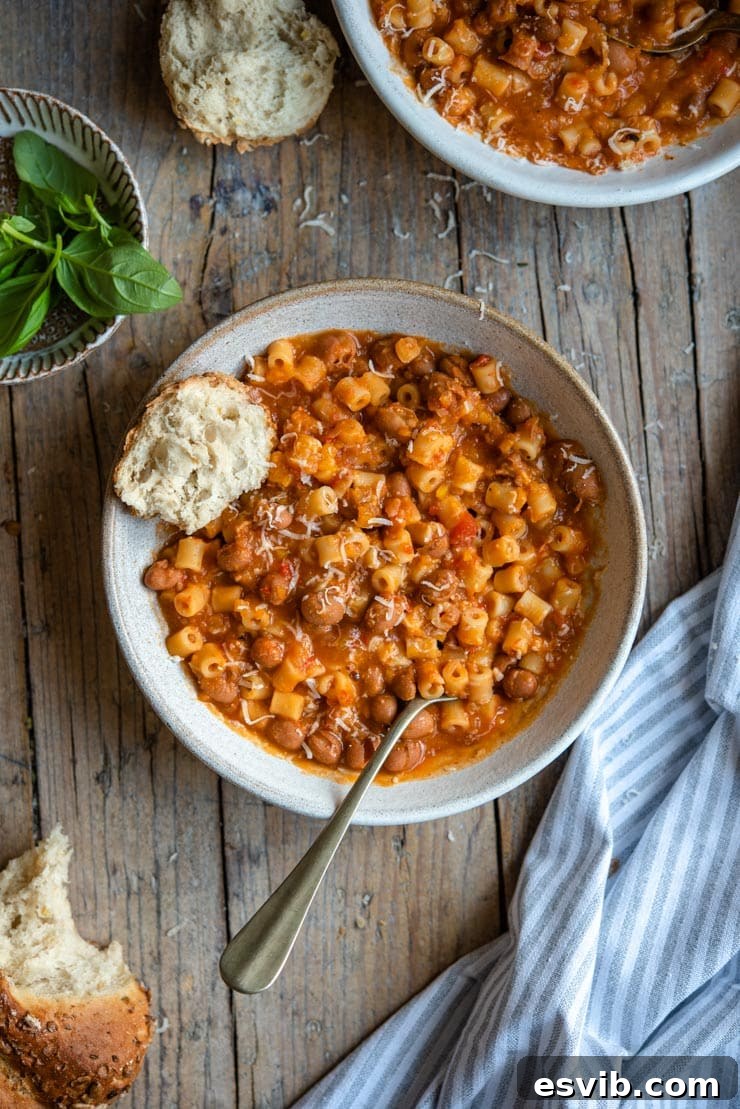
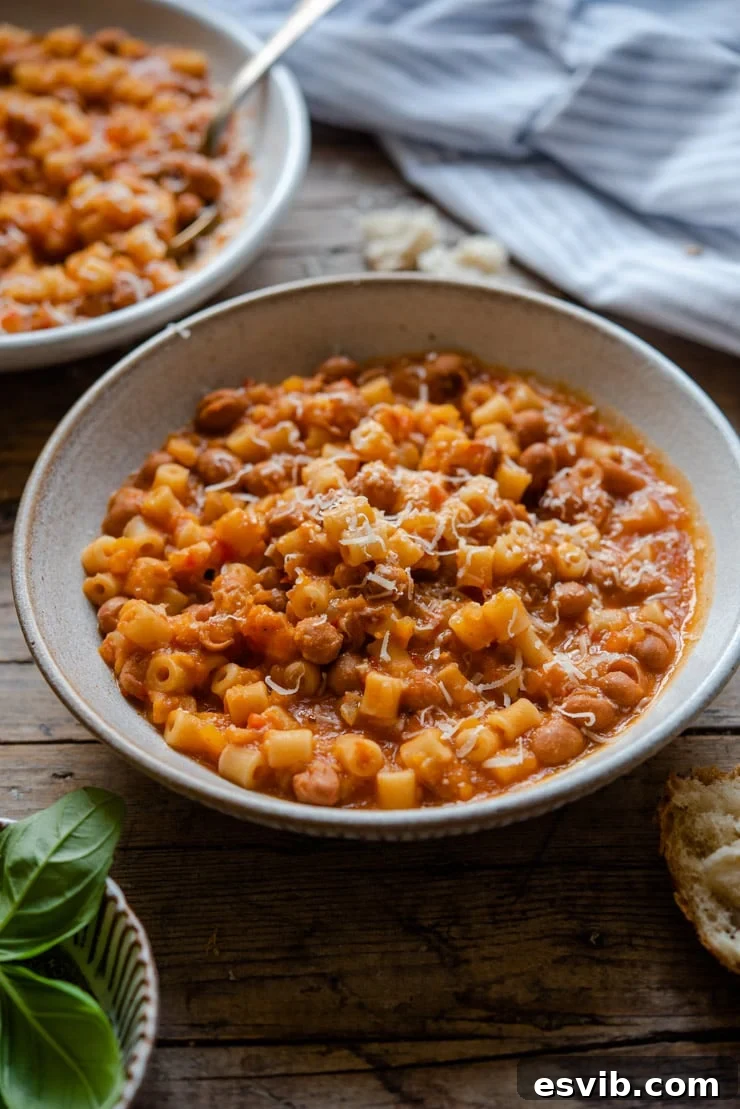
Experience the pure comfort of Pasta Fagioli Soup, also known as Pasta e Fagioli, a true Italian classic that brings warmth and satisfaction to any table. This delightful dish, literally meaning “pasta and beans,” is more than just a soup; it’s a hug in a bowl, made with a harmonious blend of sautéed vegetables, tender borlotti beans, rich tomato, and, of course, a delightful pasta shape. It’s incredibly hearty, deeply flavorful, and remarkably easy to prepare, making it a perfect weeknight dinner or a comforting weekend treat. Serve it steaming hot with a generous slice of crusty bread and perhaps a glass of your favorite Italian wine for an authentic experience.
What is Pasta Fagioli? A Beloved Italian Classic
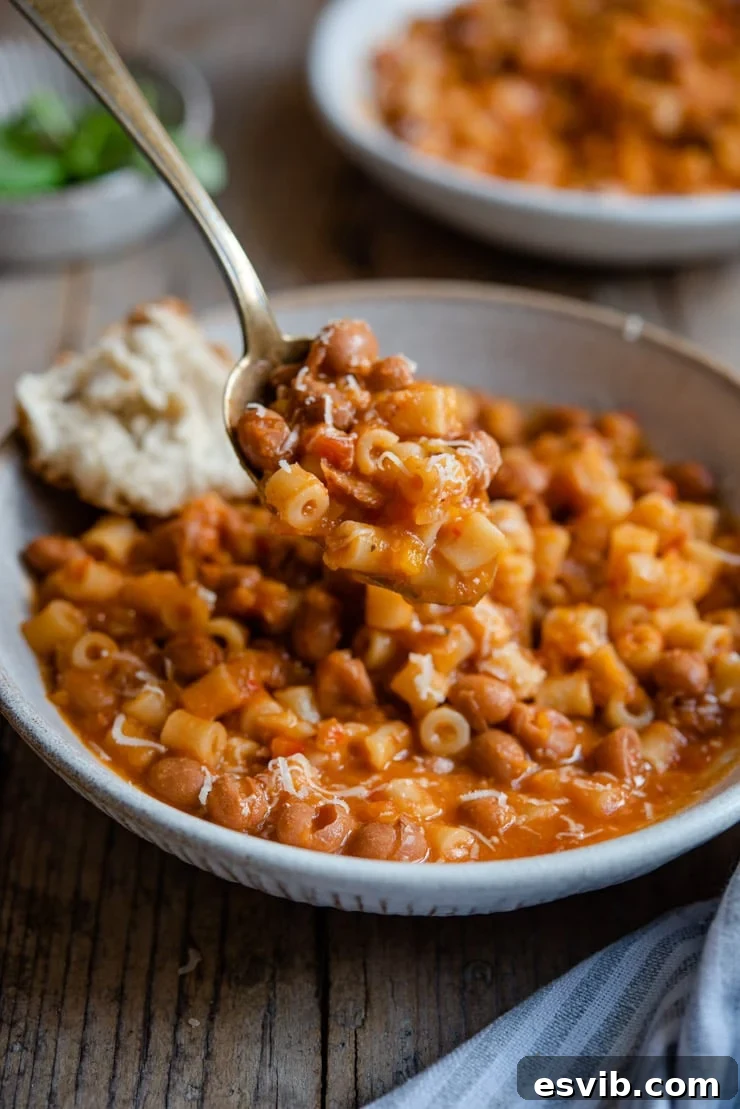
Pasta Fagioli is a cornerstone of Italian peasant cooking, celebrated for its simplicity, nourishing qualities, and incredible taste. It originated as a humble dish, utilizing readily available and inexpensive ingredients to create a fulfilling meal that sustained families. While its core ingredients remain pasta and beans, this soup boasts a myriad of regional variations across Italy, each adding a unique twist. Some versions are thicker, almost stew-like, while others are more brothy and traditional soup consistency. Our recipe aims for a perfect balance, offering a rich, satisfying texture that can be easily customized.
The choice of beans is crucial for authentic Pasta e Fagioli. Borlotti beans, also known as cranberry beans, are traditionally preferred for their creamy texture and mild, nutty flavor that beautifully complements the other ingredients. While borlotti beans are highly recommended for the best results, cannellini (white kidney beans) can serve as a suitable substitute if borlotti are unavailable. However, it’s generally best to avoid other bean varieties, as they may alter the characteristic texture and flavor profile of this beloved soup.
For the pasta, small shapes are key. Think ditali, ditalini, or tubetti. These tiny pasta pieces cook quickly and blend seamlessly into the soup, absorbing the delicious broth and contributing to its comforting heartiness. The beauty of this recipe lies in its adaptability; you can adjust the amount of stock to achieve your preferred consistency, whether you desire a lusciously thick and chunky soup or a lighter, more brothy bowl.
Pasta e Fagioli vs. Minestrone Soup: Understanding the Differences
Many often confuse Pasta e Fagioli with Minestrone Soup, but they are distinct Italian culinary creations. While both are vegetable-based Italian soups, their composition and character set them apart:
- Minestrone: Typically a versatile, seasonal soup brimming with a wide array of vegetables. There are no strict rules for Minestrone; its ingredients often change with the season, and nearly every Italian household has its unique recipe. It’s often chunky, featuring a diverse mix of diced vegetables like zucchini, green beans, potatoes, and sometimes even cabbage, reflecting the bounty of the season.
- Pasta Fagioli: In contrast, Pasta Fagioli adheres to a more consistent ingredient list. Its foundational elements are always a “soffritto” base of carrots, celery, and onion, combined with beans (primarily borlotti), tomatoes, and small pasta. While thick in texture and profoundly satisfying, it generally lacks the wide assortment of chunky vegetables found in Minestrone, focusing instead on the rich blend of its core components. The depth of flavor in Pasta Fagioli comes from the slow simmering of these few, well-chosen ingredients.
Understanding these differences helps appreciate the unique charm and traditional roots of each Italian soup.
Crafting Your Perfect Pasta Fagioli: A Simple Step-by-Step Guide
Making this authentic and comforting Pasta Fagioli Soup is surprisingly straightforward. Follow these simple steps to bring a taste of Italy into your kitchen:
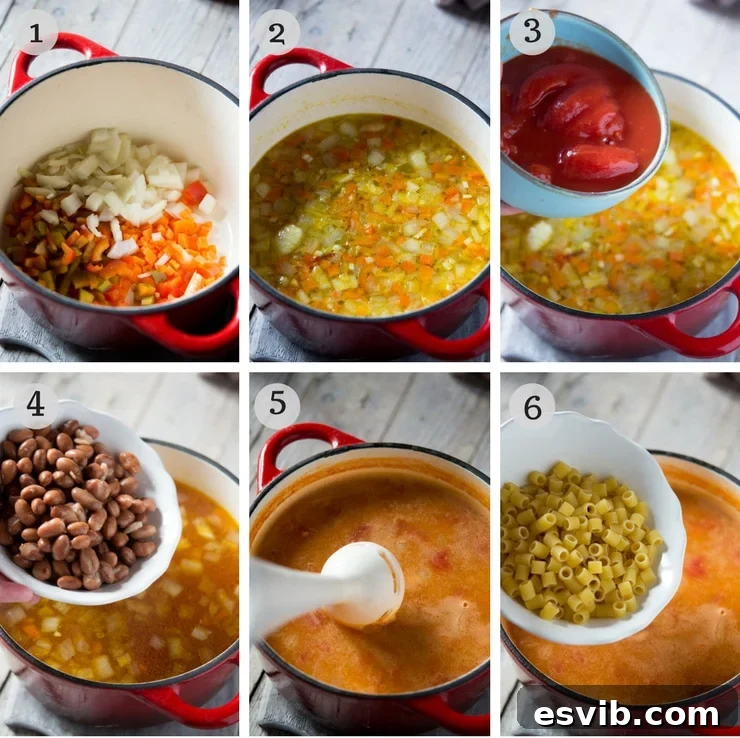
- Prepare the Soffritto: Begin by finely chopping your aromatic vegetables: carrot, celery, red bell pepper, and onion. This trio forms the essential flavor base, known as “soffritto” in Italian cooking.
- Sauté the Vegetables: Heat a large, sturdy pot or Dutch oven over medium heat and add a drizzle of olive oil. Add the chopped carrot, celery, bell pepper, and onion to the pot. Sauté for 5-10 minutes, stirring occasionally, until the vegetables soften. Be careful not to let them brown too much; the goal is to release their sweet flavors.
- Add Garlic: Once the vegetables are tender, add the finely chopped garlic to the pot. Sauté for another 1-2 minutes until fragrant. Avoid burning the garlic, as this can turn bitter.
- Introduce Liquids: Pour in the chicken or vegetable stock and the canned plum tomatoes. Bring the mixture to a boil, then reduce the heat to a gentle simmer. Let it cook for 10 minutes, allowing the flavors to meld beautifully.
- Incorporate Beans (First Half) & Blend: Add approximately half of the borlotti beans (or cannellini beans if substituting) to the simmering soup. Allow it to simmer for 1-2 minutes. For a smoother, thicker consistency that is characteristic of many traditional Pasta Fagioli recipes, use an immersion (hand-held) blender to blitz about half of the soup directly in the pot. This creates a creamy base while leaving some beans whole for texture. If you prefer a chunkier soup, you can skip this blending step entirely.
- Add Remaining Beans & Pasta: Now, add the remaining borlotti beans and your chosen small pasta shape (ditali, ditalini, or tubetti) to the pot. Continue to simmer the soup for another 7-8 minutes, or until the pasta is cooked perfectly al dente. The pasta will absorb some of the liquid and further thicken the soup.
- Season and Serve: Taste the soup and season generously with salt and freshly ground black pepper to your liking. Serve immediately while hot.
Essential Tips for the Best Pasta Fagioli Soup
Achieving a truly remarkable Pasta Fagioli is simple with these expert tips:
- Pasta Timing is Key: If you plan to enjoy this soup over multiple meals or save leftovers, do not add the pasta to the entire batch. Pasta continues to absorb liquid and will become mushy if left in the soup for too long. Instead, cook the pasta separately or add a small handful directly to individual bowls when reheating. This ensures perfectly al dente pasta every time.
- Bean Selection: For the most authentic flavor and texture, borlotti beans (cranberry beans) are highly recommended. If they’re not available, cannellini (white kidney) beans are an acceptable alternative. Avoid using other bean types that might significantly alter the soup’s character.
- Achieving Your Preferred Texture: This recipe offers flexibility for texture. If you prefer a thicker, creamier soup with a rich body, blending about half of the soup with an immersion blender before adding the pasta is an excellent technique. For a more rustic, chunkier consistency, you can simply skip the blending step. Both methods yield delicious results!
- Stock Matters: Use good quality chicken or vegetable stock. A flavorful stock will form the backbone of your soup’s taste. Homemade stock is always best, but a good store-bought brand works well too.
- Seasoning to Perfection: Don’t forget to taste and adjust the seasoning throughout the cooking process. A pinch of salt and a grind of fresh black pepper can make a huge difference in bringing out all the flavors.
- Making it Vegetarian/Vegan: This recipe is easily adaptable. Simply use vegetable stock instead of chicken stock, and ensure all other ingredients are plant-based. The soup is naturally rich and satisfying without meat.
- Storage and Freezing: Leftover Pasta Fagioli (without the pasta added) can be stored in an airtight container in the fridge for 2-3 days. It also freezes beautifully for up to 3 months. Thaw in the refrigerator overnight and reheat gently on the stovetop, adding fresh pasta just before serving.
Serving Suggestions to Elevate Your Meal
Pasta Fagioli is a wonderfully complete meal on its own, so you don’t need much to accompany it. The best way to enjoy it is with:
- Crusty Bread: A must-have for soaking up every last drop of the delicious broth. A warm baguette or a rustic Italian loaf is perfect.
- A Drizzle of Extra Virgin Olive Oil: A finishing drizzle of high-quality extra virgin olive oil adds a luxurious sheen and enhances the flavors.
- Freshly Grated Parmesan: For those who enjoy dairy, a sprinkle of freshly grated Parmigiano Reggiano or Pecorino Romano adds a salty, umami kick that complements the soup beautifully.
- Fresh Herbs: A scattering of fresh parsley or a sprig of rosemary (if not already used in the soup) can add a fresh aromatic touch.
- A Glass of Vino: Pair your meal with a glass of robust red wine, such as a Chianti or Sangiovese, for a truly authentic Italian dining experience.
Delicious Variations to Explore
While the classic Pasta Fagioli is perfect as is, it also welcomes creative twists:
- Pancetta and Rosemary: For a deeper, more savory flavor, start by frying diced pancetta in the pot before adding the vegetables. Cook until crispy, then remove and set aside. Sauté the vegetables in the rendered pancetta fat. Add a sprig of fresh rosemary when you add the stock, allowing its earthy aroma to infuse the soup. Crumble the crispy pancetta over individual bowls just before serving.
- Spicy Kick: Introduce a pinch of red pepper flakes with the garlic for a subtle heat that awakens the palate.
- Green Goodness: Stir in a handful of fresh spinach or chopped kale during the last few minutes of simmering, allowing the greens to wilt into the hearty broth. This adds extra nutrients and a lovely color.
- Smoked Paprika: A small amount of smoked paprika can add a wonderful depth and smoky note to the soup, particularly if you’re making a vegetarian version and want to replicate a savory, almost bacon-like undertone.
Why Pasta Fagioli is More Than Just a Soup
This simple dish transcends its humble ingredients to become a staple for many reasons. It’s incredibly adaptable, making it a perfect meal for feeding a family on a budget or scaling up for a gathering. Its comforting nature makes it ideal for chilly evenings, providing warmth from the inside out. Moreover, packed with fiber and protein from the beans, and a wealth of vitamins from the vegetables, Pasta Fagioli is a wholesome and nutritious option that doesn’t compromise on flavor. It’s a testament to the power of traditional Italian cooking, proving that the most satisfying meals often come from the simplest, most honest ingredients.
Frequently Asked Questions About Pasta Fagioli
Here are some common questions about making this delightful Italian soup:
Can I use dried beans instead of canned?
Absolutely! If using dried borlotti or cannellini beans, remember to soak them overnight and then cook them until tender before adding them to the soup. This will add to the overall preparation time but can result in an even richer flavor.
Is Pasta Fagioli naturally vegetarian or vegan?
Our recipe, as written, is vegetarian if you use vegetable stock. To make it vegan, ensure you use vegetable stock and omit any cheese garnishes. It’s a naturally plant-forward and satisfying meal.
How can I make my soup thicker?
Aside from blending half the beans as described in the instructions, you can also reduce the amount of stock, allow it to simmer longer (before adding pasta) to evaporate more liquid, or mash a portion of the whole beans against the side of the pot with a spoon to release their starches.
What if I don’t have bell pepper?
While red bell pepper adds a lovely sweetness and color, if you don’t have it, you can simply omit it or substitute with a small zucchini or a handful of cherry tomatoes. The core soffritto of carrot, celery, and onion is most important.
Can I add meat to Pasta Fagioli?
Yes, many regional Italian recipes include meat. As mentioned in our variations, adding pancetta or even Italian sausage (cooked and crumbled) can bring an extra layer of savory depth to the soup.
More Easy Soup Recipes You Might Like:
- Green pea soup with leek and zucchini
- Vibrant green soup with pesto and greens
- Tuscan chickpea soup
- Pappa al pomodoro – tomato bread soup
- Comforting zucchini potato soup
We hope you enjoy making and savoring this incredible Pasta Fagioli Soup. If you’ve tried this recipe or any other on our blog, please consider leaving a comment below and sharing your experience. Your feedback is invaluable! You can also connect with us on FACEBOOK, TWITTER, INSTAGRAM, and PINTEREST for more delicious recipes and kitchen inspiration.
Step-by-step photos are available above in the article.
Pasta Fagioli Soup Recipe
By Emily
Cook Time: 30 mins
Total Time: 40 mins
Servings: 4 people
This easy 30-minute Pasta Fagioli Soup is made with sautéed vegetables, borlotti beans (cranberry beans), ripe tomatoes, and tender pasta. It’s incredibly hearty, wholesome, and bursting with traditional Italian flavors.
Ingredients
- 1 tbsp olive oil
- 1 carrot, finely chopped
- 1 celery stalk, finely chopped
- 1 red bell pepper, finely chopped
- 1 yellow (white) onion, finely chopped
- 2 garlic cloves, minced
- 28 oz (800g) borlotti beans (cranberry beans), canned or pre-cooked and drained
- 1 cup (200g) small pasta shape (ditali, ditalini, or tubetti)
- 4 cups (1 liter) chicken stock (or vegetable stock for vegetarian)
- 14 oz (400g) canned plum tomatoes
- Salt and pepper to taste
Instructions
- Finely chop the carrot, celery, red bell pepper, and onion. In a large pot or Dutch oven, heat the olive oil over medium heat. Add the chopped vegetables and sauté for 5-10 minutes until soft, making sure not to brown them.
- Add the chopped garlic to the softened vegetables and sauté for another 1-2 minutes until fragrant.
- Pour in the chicken (or vegetable) stock and the canned plum tomatoes. Bring the soup to a boil, then reduce the heat and let it simmer gently for 10 minutes.
- Add half of the borlotti beans to the soup and simmer for 1-2 minutes. For a smoother, thicker texture, use an immersion blender to blitz about half of the soup directly in the pot.
- Next, add the remaining borlotti beans and the small pasta shape. Continue to simmer the soup for another 7-8 minutes, or until the pasta is cooked al dente and the soup has thickened to your desired consistency.
- Taste and season with salt and pepper as needed. Serve immediately with crusty bread.
Video
Watch the video demonstration on how to make this delicious Pasta Fagioli Soup: Pasta e Fagioli Video
Notes
- To prevent pasta from becoming mushy, add pasta only to the portion you plan to eat immediately. If storing leftovers, cook pasta separately and add it when reheating the soup.
- Cannellini (white) beans can be used as a substitute if borlotti beans are unavailable.
- Adjust the texture by blending more or less of the soup. An immersion blender makes this process quick and easy.
- Leftovers can be stored in an airtight container in the fridge for 2-3 days. The soup (without pasta) also freezes well for up to 3 months.
Helpful Info for All Recipes
- Always use extra virgin olive oil unless otherwise stated.
- For canned or jarred tomatoes, Cirio or Mutti brands are recommended for the best flavor.
- All vegetables are medium-sized unless otherwise specified.
- Recipes are tested and developed using a fan (convection) oven.
- Find out more about how nutrition is calculated.
- Check out our must-have Italian Pantry Staples.
- Discover our Essential Kitchen Tools for Italian Cooking.
Nutrition
Calories: 225 kcal | Carbohydrates: 34g | Protein: 11g | Fat: 5g | Sodium: 404mg | Potassium: 808mg | Fiber: 10g | Sugar: 6g | Vitamin A: 4355IU | Vitamin C: 56.2mg | Calcium: 74mg | Iron: 2.7mg
Nutrition information is automatically calculated and should only be used as an approximation.