
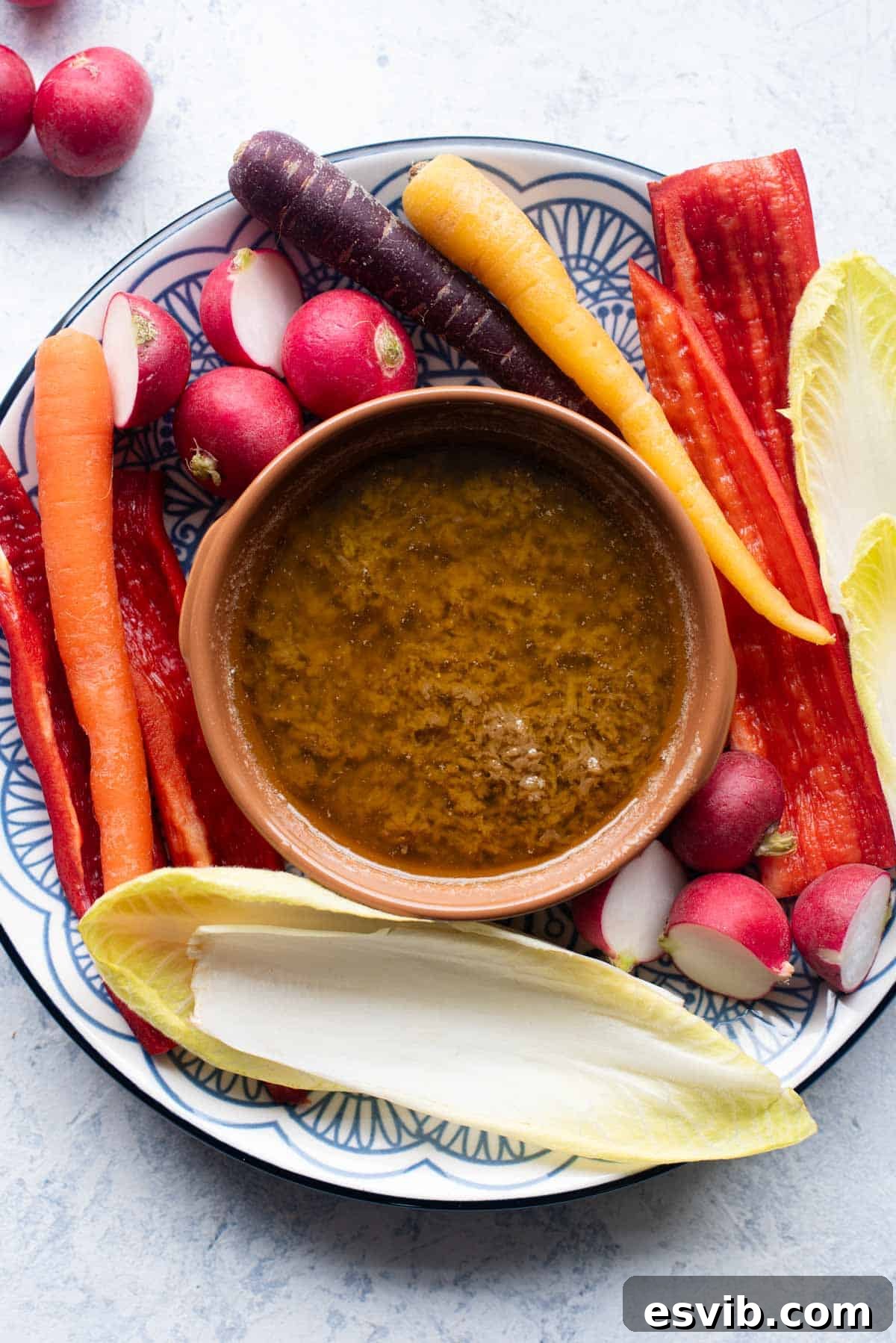
Authentic Bagna Cauda: The Irresistible Northern Italian Garlic & Anchovy Dip
Prepare your taste buds for an unforgettable culinary journey to Piedmont, Northern Italy, with Bagna Cauda. This incredibly addictive warm dip or sauce, crafted from a harmonious blend of fragrant garlic, creamy butter, and savory anchovies, is a cornerstone of Piedmontese cuisine. Traditionally presented like a rustic fondue, it invites friends and family to gather around, sharing laughter and deliciousness as they dunk an array of crisp, seasonal vegetables and robust crusty bread into its aromatic depths. Trust us, once you experience the profound, umami-laden flavor of Bagna Cauda, you’ll understand why it’s so beloved and find it almost impossible to resist.
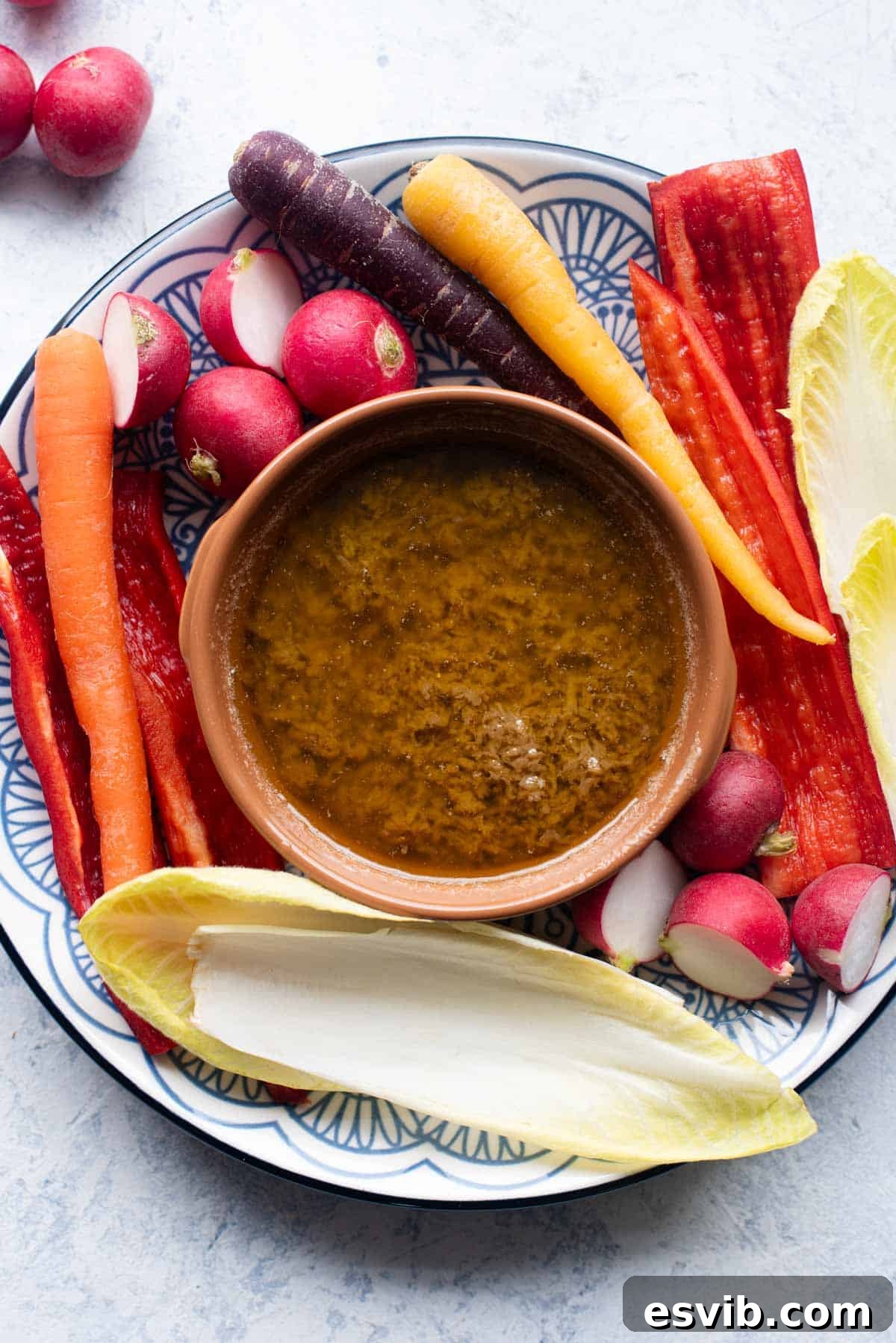
More than just a dip, Bagna Cauda represents a cherished tradition and a heartwarming social ritual. Its name, literally translating to “hot sauce” in the Piedmontese dialect (“Bagna” meaning sauce and “Cauda” meaning hot), perfectly describes this comforting dish, especially suited for warding off the chill of colder months. The magic lies in its simplicity and the depth of flavor achieved through slow, gentle cooking, transforming humble ingredients into something truly extraordinary. It’s an ideal appetizer or a light, convivial meal, fostering connection and conviviality around the table, a true testament to Italy’s rich gastronomic heritage.
The Rich History and Cultural Significance of Bagna Cauda
Bagna Cauda is more than just a recipe; it’s a culinary emblem of Piedmont, a picturesque region nestled in the foothills of the Alps, renowned for its exquisite wines, prized truffles, and hearty, authentic gastronomy. This warm, fragrant dip traces its roots back centuries, deeply intertwined with the agricultural rhythms and communal spirit of the region. Originally, Bagna Cauda was a celebratory dish, especially popular during the autumn harvest season. After long days spent in the vineyards and fields, farmers and their families would gather to enjoy this nourishing and satisfying meal, making the most of the season’s last fresh vegetables and the cured anchovies that, despite Piedmont’s inland location, were a staple brought over from the Ligurian coast via ancient trade routes.
Historically, anchovies were a valuable commodity in Piedmont, often traded for salt, as the region was a significant crossroads for ancient salt roads linking the Mediterranean to Northern Europe. This explains their prominent and cherished role in many traditional Piedmontese dishes, including Bagna Cauda, where their intense flavor is masterfully mellowed and transformed. The dish embodies the rustic elegance of Italian *cucina povera* – “poor kitchen” cuisine – where simple, readily available ingredients are transformed into dishes rich in flavor, history, and tradition. Its distinct communal presentation, much like a fondue, profoundly underscores the importance of sharing and togetherness in Italian culture, making it an indispensable centerpiece for family gatherings, festive occasions, or simply a cozy evening with loved ones.
Explore the authentic recipe below, complete with detailed notes on ingredients, step-by-step photos, expert tips, and delightful variations to customize your culinary experience. For the full printable recipe card, scroll directly to the bottom or click the dedicated recipe link.
Key Ingredients for the Perfect Bagna Cauda
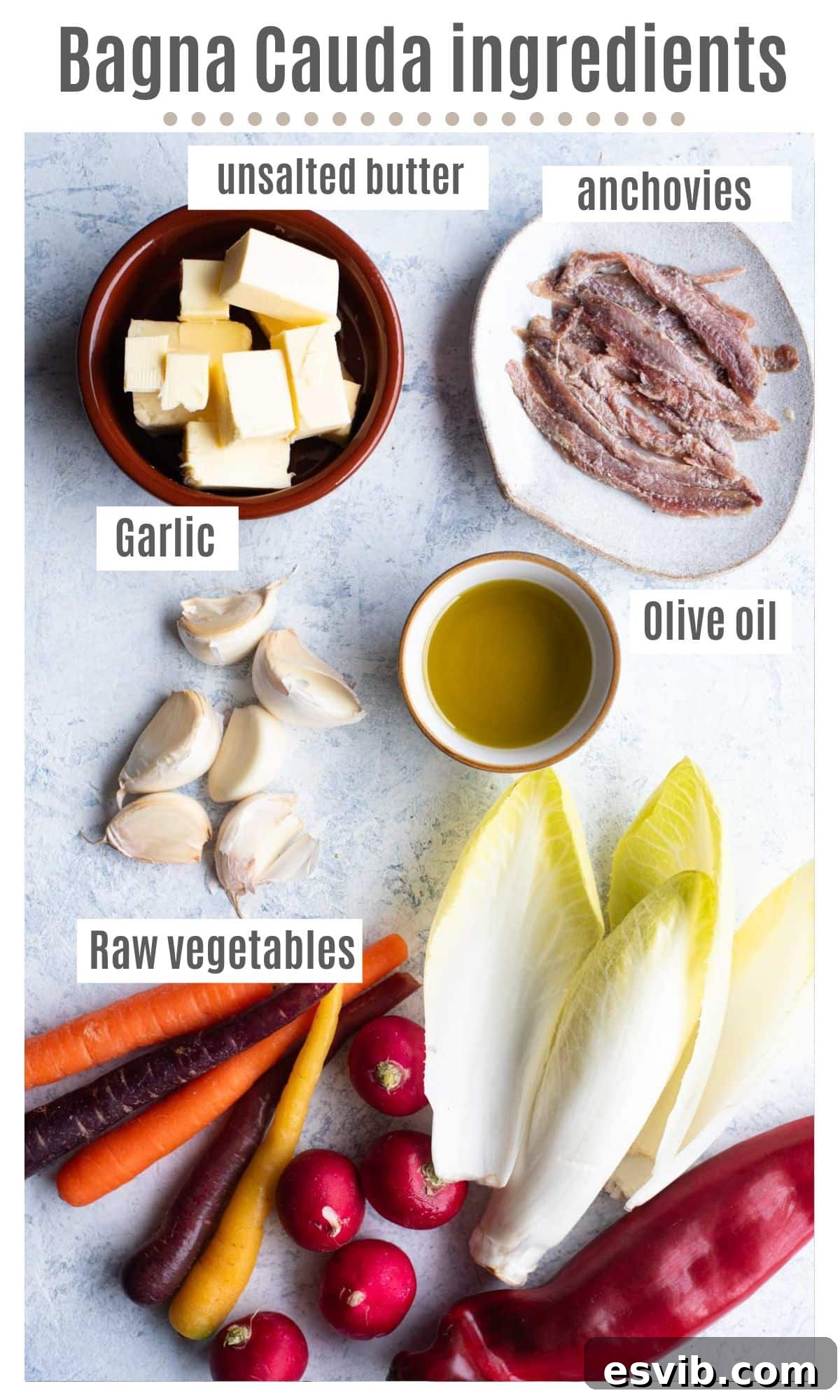
Ingredient Notes and Expert Tips for Optimal Flavor
- Extra Virgin Olive Oil: This forms the aromatic and flavorful base of your dip. Always opt for a high-quality extra virgin olive oil. Its nuanced fruity, grassy, and sometimes slightly peppery notes will contribute significantly to the overall complexity and richness of the dip, complementing the other strong flavors without overpowering them. A good olive oil makes a noticeable difference.
- Fresh Garlic: The very essence and distinctive punch of Bagna Cauda. We highly recommend using about 6 large cloves (approximately 50g) for a perfectly balanced flavor that is potent yet not overwhelmingly sharp or raw. The crucial factor is to use *fresh* garlic; pre-minced or jarred garlic will simply not yield the same vibrant, sweet, and aromatic taste. For those who prefer a mellower garlic flavor, a traditional technique involves gently poaching the finely minced garlic in milk or water until it becomes very soft and tender before adding it to the oil and anchovies. This method effectively reduces the garlic’s pungency while preserving its delightful aromatic qualities.
- Anchovy Fillets: The true star ingredient of Bagna Cauda, delivering that incredible umami depth and savory complexity. Invest in good quality anchovies, preferably salt-packed or oil-packed fillets. If you’re using salt-packed anchovies, remember to rinse them thoroughly under cold water to remove any excess salt, then carefully pat them dry before mincing. For oil-packed anchovies, ensure they are well-drained. The anchovies will completely dissolve into the oil and butter during the slow cooking process, creating an incredibly smooth, rich, and profoundly savory sauce without any discernable “fishy” taste, only a deep, alluring essence.
- Unsalted Butter: This is indispensable for adding luxurious richness and a velvety smooth texture to the dip. Since anchovies are inherently salty, using unsalted butter allows you precise control over the overall sodium level in the dish, effectively preventing it from becoming overly salty. Achieving this delicate balance between saltiness, garlic potency, and buttery richness is paramount for a perfectly seasoned and truly delicious Bagna Cauda.
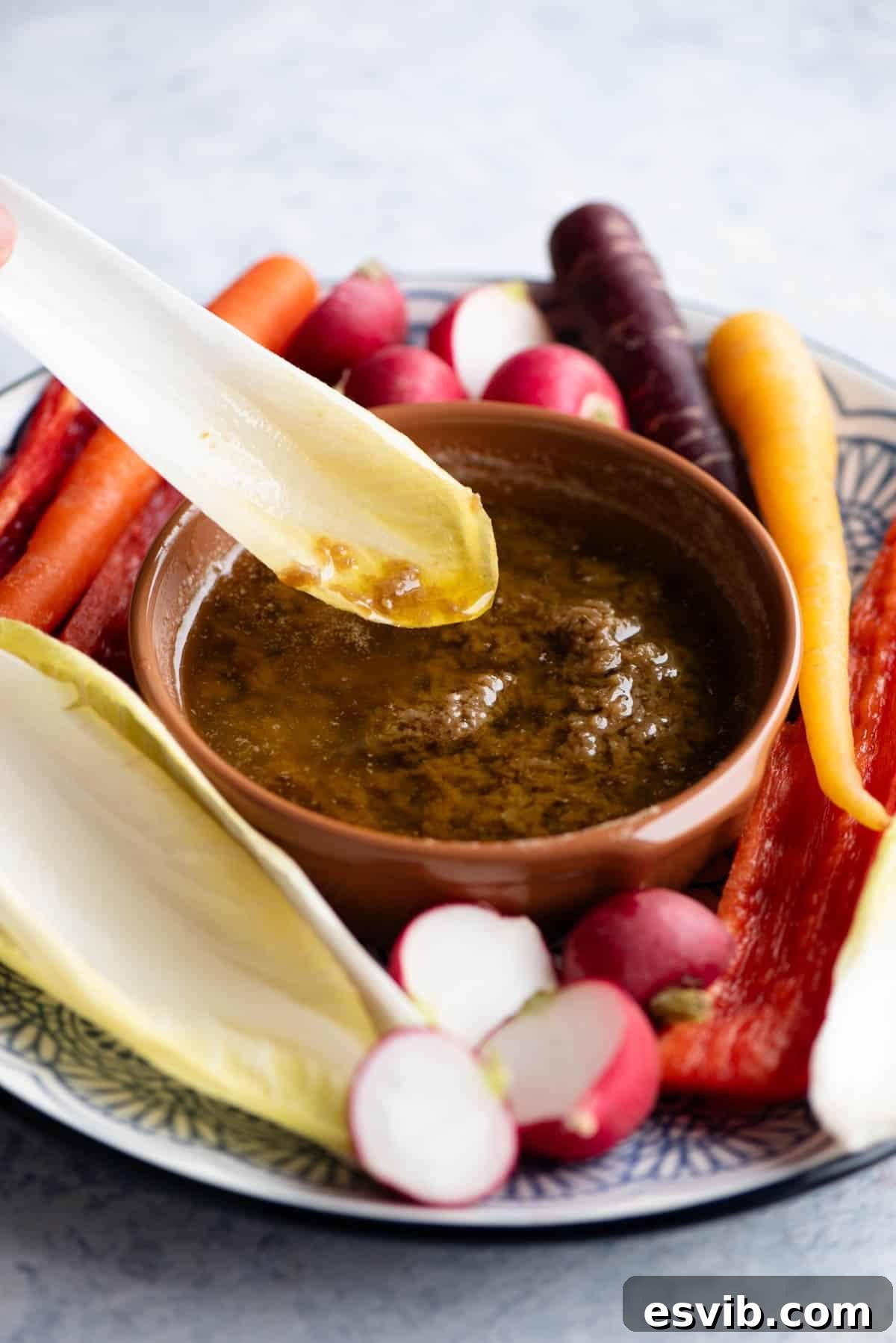
- Raw Vegetables for Dipping: The traditional and ideal accompaniment! A diverse array of fresh, vibrant, and seasonal vegetables is highly recommended. Crisp carrots, beautifully bitter radicchio (both red and green varieties), crunchy chicory, colorful bell peppers (especially red and yellow for their sweetness), peppery radishes, and refreshing celery are all fantastic choices. Other excellent, slightly more adventurous options include delicate fennel, crisp endive, blanched artichoke hearts, and even traditionally blanched cardoons (a classic Piedmontese pairing known for its subtle bitterness). The freshness, crunch, and slight bitterness of many raw vegetables provide a wonderful, invigorating contrast to the warm, rich, and intensely savory dip, making each bite exciting.
- Crusty Bread: A generous supply of robust, crusty bread is an absolute must. Think of a freshly baked baguette, a rustic sourdough loaf, or a traditional Italian country bread. The bread serves as the perfect vehicle for the glorious sauce, soaking up every last drop of the delicious, aromatic flavors. Authentic Grissini (thin Piedmontese breadsticks) are also an excellent and traditional choice, offering a satisfying crunch.
Mastering Bagna Cauda: A Step-by-Step Guide to Perfection
Creating an exquisite Bagna Cauda is a straightforward process that profoundly rewards patience and meticulous attention to detail. The fundamental key is to cook the ingredients gently and slowly, allowing their complex flavors to meld beautifully and develop depth without any risk of burning.
- Preparation is Key: Begin by thoroughly washing and chopping your chosen fresh, seasonal vegetables into easily dippable, bite-sized pieces. Artfully arrange them on a large platter or individual serving plates around where your Bagna Cauda will be presented. Slice your favorite crusty bread as well, ensuring it’s ready for immediate dunking. This pre-prep ensures a smooth, enjoyable cooking and dining experience.
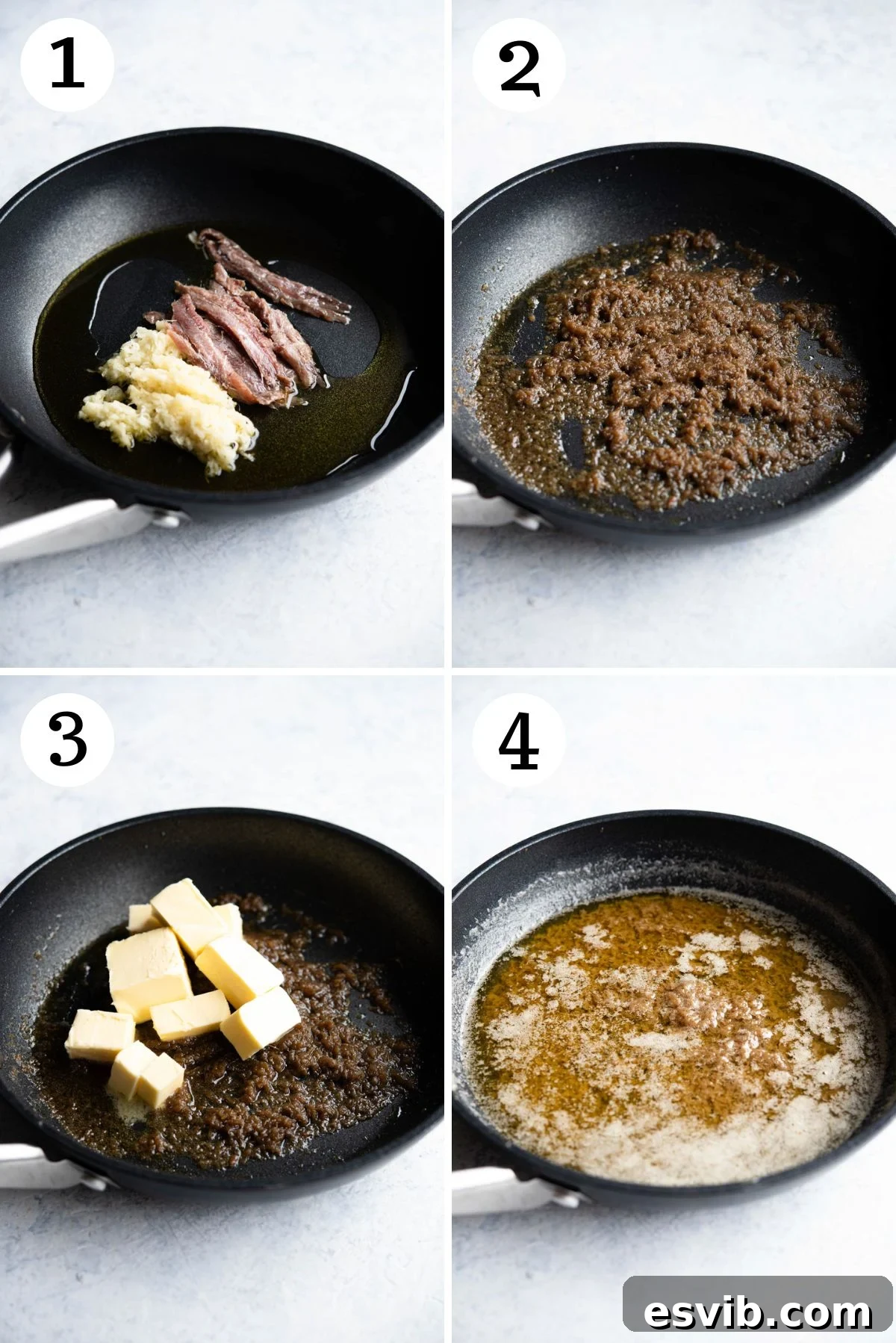
- Gentle Sauté of Garlic and Anchovies: In a medium-sized, heavy-bottomed pan or skillet, add the extra virgin olive oil. Place the pan over a very low heat setting. Add the finely minced or crushed fresh garlic and the well-drained anchovy fillets. It is absolutely paramount to maintain a consistently low heat throughout this entire cooking process to prevent bitterness.
- Slow Dissolving and Combining: Slowly heat the mixture, stirring occasionally with a wooden spoon or spatula. The primary goal is for the anchovies to gradually and completely dissolve into the warm oil and tender garlic, forming a fragrant, smooth, and paste-like consistency. This delicate process typically takes approximately 10-15 minutes. Continue to cook until the garlic is extremely soft and translucent, but *crucially*, ensure it does not brown or burn, as burnt garlic will impart an overwhelmingly acrid and bitter taste that will compromise the entire dish’s flavor.
- Incorporate the Unsalted Butter: Once the anchovies have fully dissolved and the garlic is perfectly tender, remove the pan from the heat. Add the unsalted butter in small pieces to the mixture. Stir continuously and vigorously until the butter has completely melted and is thoroughly combined and emulsified with the anchovy-garlic base, creating a wonderfully smooth, rich, and luxurious sauce. The residual heat from the pan and the warm oil will be perfectly sufficient to melt the butter into a seamless blend.
- Serve Immediately and Warm: Transfer the piping hot Bagna Cauda immediately into a pre-warmed serving vessel. Traditionally, this is a beautiful terracotta dish known as a *fujot*, specifically designed to hold a small tealight candle underneath to keep the sauce perfectly warm throughout the entire meal. If a fujot is not available, a small fondue pot is an excellent and practical substitute. Alternatively, a serving bowl warmed in a low oven or placed over a gentle heat source will work beautifully. Serve the Bagna Cauda immediately with your meticulously prepared raw vegetables and crusty bread, ideally alongside a delightful glass of regional Piedmontese red wine, and savor the communal delight!
Perfect Pairings: What to Serve with Bagna Cauda
The inherent beauty and appeal of Bagna Cauda lie in its incredible versatility as a dipping sauce. While the most traditional accompaniments are often simple, raw, and fresh seasonal vegetables, the possibilities for creating delightful and memorable pairings are vast, immeasurably enhancing the communal dining experience.
Traditional and Recommended Dipping Vegetables:
- Cardoons: A true Piedmontese classic! These thistle-like vegetables, often lightly blanched, offer a distinct, slightly bitter flavor and unique texture that are a match made in heaven for the rich Bagna Cauda.
- Radicchio & Chicory: These vibrant, bitter greens provide a fantastic and much-needed counterpoint to the rich, intensely savory dip, offering a refreshing palate cleanse with each delightful bite.
- Bell Peppers: Especially the sweet red and sunny yellow varieties, provide a delightful natural sweetness and satisfying crunch that beautifully complements and balances the salty umami notes of the sauce. Red bell peppers are often a personal favorite for their harmonious pairing!
- Carrots & Celery: Crisp, fresh, and universally loved, these classic crudités offer a refreshing snap and a mild flavor that acts as an excellent canvas for the dip.
- Fennel: Its subtle anise flavor and crisp, juicy texture are an intriguing and sophisticated addition to the vegetable platter.
- Radishes: Their distinctive peppery bite adds another exciting layer of flavor and zest, providing a refreshing kick.
- Blanched or Steamed Vegetables: Small, tender new potatoes, lightly boiled, provide a comforting, starchy base to soak up the luxurious sauce. Lightly steamed cauliflower and broccoli florets are also wonderful options, offering a softer texture.
Essential Bread Pairings:
No truly authentic Bagna Cauda experience is complete without a generous supply of hearty, crusty bread. Think of a freshly baked baguette, a robust rustic sourdough, or a traditional Italian country loaf with a dense crumb. The bread acts as a perfect, absorbent vehicle for the rich sauce, ensuring no drop of its exquisite flavor is left behind. Authentic Grissini (thin Piedmontese breadsticks) are also an excellent, traditional choice, providing a satisfying crunch and a touch of regional authenticity.
Wine Recommendations to Elevate Your Meal:
To truly embrace the authentic Piedmontese spirit and elevate your dining experience, serve your Bagna Cauda with a regional red wine. Varieties like Dolcetto d’Alba, known for its soft tannins and vibrant fruit; Barbera d’Asti, offering bright acidity and rich cherry notes; or Barbera d’Alba, a medium-bodied, versatile choice, are all excellent options. Their moderate tannins, refreshing acidity, and delicious fruity notes cut through the richness of the dip beautifully, creating a perfect balance and enhancing the overall enjoyment of the meal.
Expert Recipe Tips and Frequently Asked Questions
- The Unwavering Importance of Low Heat: This is arguably the most crucial tip for achieving a truly perfect Bagna Cauda. Always cook the garlic and anchovies on a very low heat. High heat will cause the garlic to burn quickly and become acrid, resulting in an intensely bitter flavor that will unfortunately ruin the entire dish. Patience is an absolute virtue here; allow the ingredients to slowly melt, confit, and meld together, gracefully developing a smooth, sweet, and mellow flavor profile.
- Keeping it Warm is Absolutely Key: Bagna Cauda, by its very definition, means “hot sauce,” and it is unequivocally best enjoyed warm. The most authentic and traditional method involves serving it in a specific terracotta vessel called a fujot, which is ingeniously designed with a small compartment underneath for a tealight candle. This gentle, consistent heat keeps the dip perfectly warm and inviting throughout your entire meal. If a fujot isn’t readily available, a small fondue pot is an excellent and highly recommended substitute. Alternatively, you can pre-warm your chosen serving dish in a low oven or simply place the bowl over a very low burner or a heating pad to maintain its delightful, inviting temperature.
- Can I prepare Bagna Cauda ahead of time? While Bagna Cauda is at its absolute best when served freshly made and warm, you can certainly prepare it a few hours in advance. Allow it to cool completely, then store it in an airtight container in the refrigerator for 1-2 days.
- How do I reheat Bagna Cauda? To reheat, gently warm the sauce over very low heat on the stovetop, stirring frequently, until it is thoroughly warmed through. Be extra cautious not to let the garlic burn during reheating. You can also use a microwave on a very low setting, stirring every minute to ensure even heating.
- What does Bagna Cauda literally mean? In the melodious Piedmontese dialect, “Bagna” gracefully means ‘sauce’ and “Cauda” straightforwardly means ‘hot,’ so the literal and evocative translation is indeed ‘hot sauce.’
- Is Bagna Cauda very “fishy” in flavor? Surprisingly, no, not at all! This is a common misconception. The anchovies completely dissolve and break down during the slow, gentle cooking process, transforming their intense saltiness and distinct fish flavor into a deep, incredibly savory, and profound umami richness. The resulting flavor is wonderfully complex and appealing, far from overtly fishy. Even those who claim not to like anchovies often find themselves falling head over heels in love with Bagna Cauda.
- Can I add other flavor enhancers or variations? Absolutely! Some popular variations include adding a splash of heavy cream or a touch of milk towards the end to further mellow the garlic and impart an extra layer of richness and silkiness. A tiny pinch of red pepper flakes can introduce a subtle, delightful warmth and complexity. For an extra touch of Piedmontese luxury and aroma, a delicate drizzle of high-quality white truffle oil is sometimes added, though it’s important to note this deviates from the simplest traditional recipe. Experiment to find your personal favorite!
More Irresistible Italian Recipes to Savor
Discover More Delicious Italian Dishes to Enhance Your Culinary Repertoire
Dips & Pestos
Quick & Easy Artichoke Pesto (5-Minute Recipe)
Antipasti
Homemade Grissini – Authentic Italian Breadsticks
Sides
Delightful Ricotta Chicken Croquettes
Antipasti
Savory Italian Tuna Stuffed Cherry Peppers
We sincerely hope you thoroughly enjoy preparing and sharing this authentic Bagna Cauda recipe as much as we delight in presenting it to you. If you try this, or any other delicious recipe from our extensive collection on the blog, please don’t hesitate to rate the recipe and share your wonderful experience in the comments section below. Your valuable feedback truly means the world to us and helps our community grow! For more authentic Italian dishes, expert culinary tips, and daily inspiration, be sure to follow us on Facebook, Instagram, and Pinterest. Happy cooking!
Step-by-Step Photos and Detailed Guide Provided Above
Our recipes are carefully crafted and often include comprehensive step-by-step photos, helpful tips, and clever tricks to ensure you achieve perfect results every single time!
Bagna Cauda: Authentic Warm Garlic, Anchovy & Butter Dip
⭐⭐⭐⭐⭐
By Emily
5 minutes
15 minutes
20 minutes
6
– 8 servings
Pin Recipe
Print Recipe
Ingredients
- 12 anchovy fillets, high quality, packed in oil (drained) or salt-packed (rinsed and patted dry)
- 6 large cloves fresh garlic, finely crushed or minced (about 50g)
- 125 grams unsalted butter (approx. 1 stick plus 1 tablespoon)
- 2 tablespoons extra virgin olive oil
- Assorted fresh seasonal vegetables for dipping (e.g., carrots, radicchio, chicory, bell peppers, radishes, celery, fennel, blanched cardoons, steamed potatoes or cauliflower)
- Ample crusty bread for serving (e.g., baguette, sourdough, rustic loaf, or Grissini)
- Piedmontese red wine (optional, for pairing)
Instructions
-
First, carefully prepare your selection of fresh, seasonal vegetables by washing and cutting them into dippable pieces. Slice your chosen crusty bread. Artfully arrange these accompaniments on a large platter around where your Bagna Cauda will be served. (Detailed suggestions are provided in the “What to Serve” section above).
-
In a cold, heavy-bottomed pan or skillet, add the 2 tablespoons of extra virgin olive oil, the finely crushed or minced fresh garlic, and the drained anchovy fillets. Place the pan over a very low heat setting on your stovetop.
-
Gently heat the mixture for approximately 10-15 minutes, stirring occasionally with a wooden spoon or spatula. It is absolutely crucial to maintain a very low heat; the objective is for the anchovies to gradually and completely dissolve into the warm oil and tender garlic, forming a fragrant, smooth, and paste-like consistency. Continue cooking until the garlic is very soft and translucent, ensuring it never browns or burns, as burnt garlic will impart a bitter flavor to the dip.
-
Once the anchovies have fully dissolved and the garlic is perfectly tender, remove the pan from the heat. Add the unsalted butter in small pieces. Stir continuously until the butter has completely melted and is thoroughly emulsified with the anchovy-garlic mixture, creating a wonderfully smooth, rich, and luxurious sauce. The residual heat in the pan will be sufficient to achieve this perfect emulsion.
-
Transfer the piping hot Bagna Cauda immediately to a pre-warmed serving dish. A traditional terracotta *fujot* with a tealight candle underneath is ideal for keeping it warm. If you don’t have one, a fondue pot or a serving bowl warmed in a low oven will also work beautifully. Serve immediately with your prepared raw vegetables and crusty bread, and enjoy this delightful, communal Italian tradition!
Notes
- Vegetables for Serving: The beauty of Bagna Cauda is its wonderful versatility. Traditionally, raw seasonal vegetables such as blanched cardoons, radicchio, chicory, bell peppers, fennel, carrots, celery, and radishes are served. Lightly steamed small potatoes or cauliflower florets also make excellent dippers, offering a softer texture. Always include plenty of crusty bread!
- Keeping it Warm: For the most authentic and enjoyable experience, serve Bagna Cauda in a traditional terracotta fujot, which includes a small tealight candle underneath. This ensures the sauce remains perfectly warm throughout your meal. If a fujot is unavailable, a fondue pot or a serving dish preheated in a low oven are excellent alternatives to maintain the sauce’s ideal temperature.
- Always Cook on Low Heat: This is a critical tip that cannot be overstressed. Cooking Bagna Cauda over high heat will cause the garlic to burn quickly, resulting in an acrid and unpleasant bitter taste that will ruin the entire dish. Patience and a consistently low heat are essential for the garlic to become sweet and mellow, and for the anchovies to dissolve perfectly, creating a harmonious flavor.
- Wine for Serving: To perfectly complement your Bagna Cauda, serve it with a regional Piedmontese red wine. Excellent choices include Dolcetto d’Alba, Barbera d’Asti, or Barbera d’Alba. Their vibrant acidity and fruity characteristics beautifully cut through the richness of the dip, enhancing the overall dining experience.
- Storage & Reheating: If you have any delicious leftovers, Bagna Cauda can be stored in an airtight container in the refrigerator for 1-2 days. To reheat, gently warm it over low heat on the stovetop, stirring constantly, until it is thoroughly heated through. Alternatively, use a microwave on a low setting, stirring every minute to prevent burning.
Helpful Information for All Our Recipes
- We always recommend using high-quality extra virgin olive oil in all our recipes unless otherwise specified, as it significantly enhances the flavor profile of Italian dishes.
- When utilizing canned or jarred tomatoes of any kind, we consistently opt for premium brands such as Cirio or Mutti. These brands are renowned for delivering superior results and exceptional flavor in your cooking.
- Unless explicitly stated otherwise within the recipe, please assume all vegetables mentioned are of medium size for consistent results.
- All recipes on our website are meticulously tested and developed using a fan (convection) oven. Please note that adjustments to cooking times and temperatures may be necessary if you are using a conventional oven.
- Find out more about how nutrition information is calculated on our site. Please remember that these figures are automatically generated and should be used as an approximation.
- Explore our comprehensive guide to Italian Pantry Staples to stock your kitchen with authentic ingredients.
- Discover our expertly curated list of Essential Kitchen Tools for Italian Cooking to elevate your culinary skills and make cooking authentic Italian dishes a breeze.
Nutrition Information
Carbohydrates: 1g |
Protein: 2g |
Fat: 22g |
Saturated Fat: 11g |
Polyunsaturated Fat: 1g |
Monounsaturated Fat: 8g |
Trans Fat: 1g |
Cholesterol: 50mg |
Sodium: 143mg |
Potassium: 48mg |
Fiber: 0.1g |
Sugar: 0.04g |
Vitamin A: 525IU |
Vitamin C: 1mg |
Calcium: 22mg |
Iron: 0.3mg
Nutrition information is automatically calculated, and while we strive for accuracy, it should only be used as an approximation and is not a substitute for professional nutritional advice.
Did you try this recipe?
We’d absolutely love to hear your thoughts! Kindly leave a comment below!