
Mastering Italian Sweet Shortcrust Pastry (Pasta Frolla): Your Essential Guide
Discover the delightful world of Italian Sweet Shortcrust Pastry, affectionately known as Pasta Frolla. This fundamental dough is incredibly versatile and surprisingly simple to master, serving as the foundation for countless cherished Italian desserts. From rustic Torta della Nonna to charming Italian Crostatas (traditional jam tarts) and a myriad of delectable cookies, learning this recipe unlocks a universe of authentic Italian baking. Follow our comprehensive, step-by-step guide, complete with visual aids, to create impeccably tender and flavorful Pasta Frolla every single time.
Pasta Frolla is not just a pastry; it’s a cornerstone of Italian baking tradition, celebrated for its delicate texture and subtly sweet flavor. Once you’ve mastered this straightforward recipe, you’ll be empowered to experiment and craft an array of Italian sweet delights right in your own kitchen. The secret to its exquisite texture lies in using cold butter straight from the refrigerator, ensuring a light and crumbly result that melts in your mouth. This guide will walk you through every nuance, transforming you into a Pasta Frolla expert.
The Essential Ingredients for Perfect Pasta Frolla
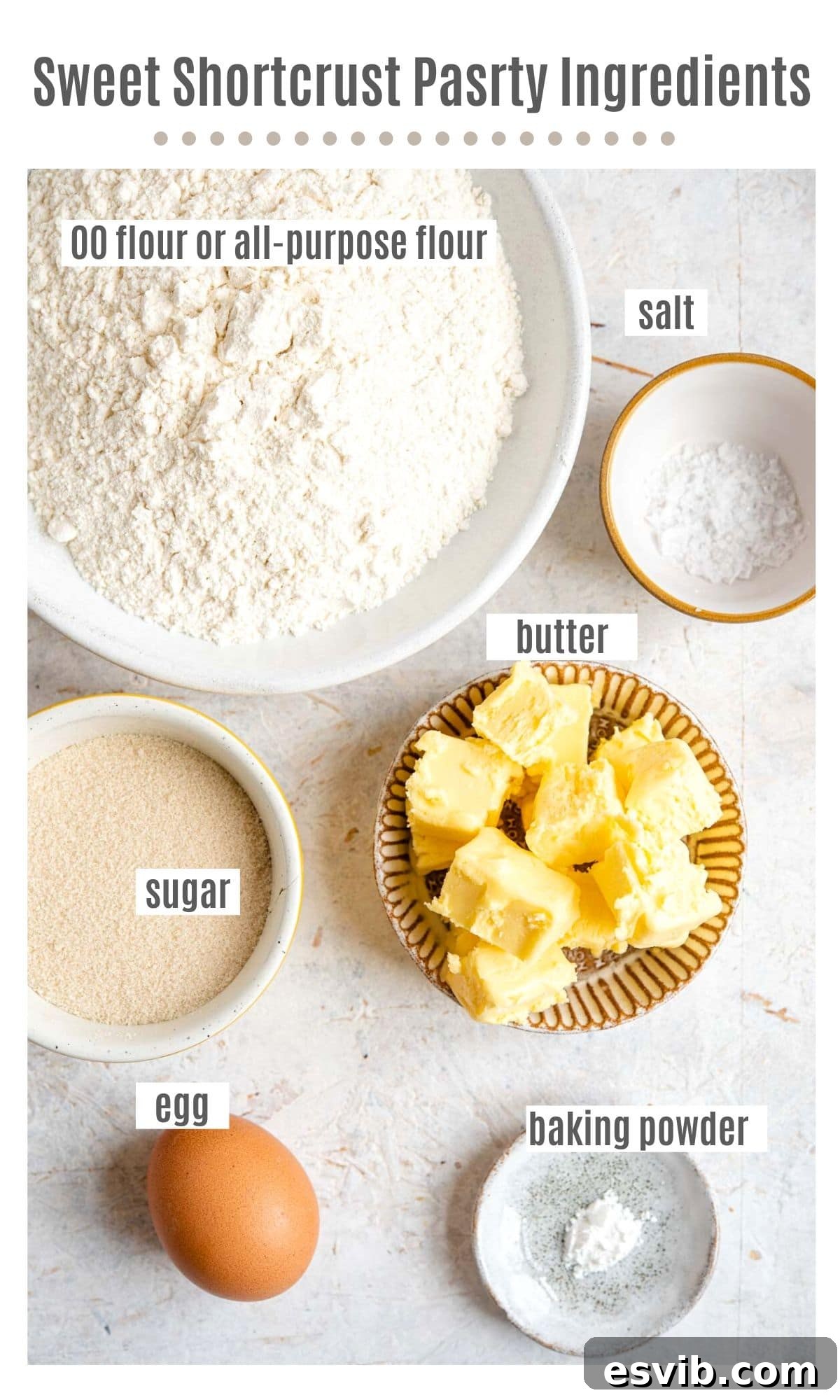
Crafting this classic Italian sweet shortcrust pastry requires only a handful of common pantry staples, each playing a vital role in achieving its signature texture and taste. You will need:
- Flour: Traditionally, Italian “00” flour is preferred for its fine texture, which contributes to a very tender crumb. However, unbleached all-purpose flour works beautifully as a readily available alternative. The key is to avoid high-protein flours that develop too much gluten.
- Sugar: Caster sugar (also known as superfine sugar) or regular granulated white sugar can be used. Caster sugar dissolves more easily, resulting in a smoother dough. Golden caster sugar can also add a subtle caramel note.
- Cold Butter: This is arguably the most crucial ingredient. Using unsalted butter, cut into small cubes and kept very cold, prevents it from melting too quickly into the flour. This creates pockets of butter that release steam during baking, leading to a wonderfully flaky and tender pastry.
- Egg: A single large egg acts as a binding agent, enriching the dough and providing structure. Ensure it’s also relatively cool.
- Lemon Zest: A hallmark of authentic Italian sweet pastries, the finely grated zest of one organic lemon infuses the Pasta Frolla with a bright, aromatic, and distinctly Italian flavor that beautifully complements its sweetness.
- Baking Powder: Just a touch of baking powder gives the pastry a slight lift and contributes to a more tender texture, preventing it from becoming too dense.
- Salt: A pinch of salt is essential to balance the sweetness and enhance all the other flavors, elevating the overall taste profile of your pastry.
Using quality ingredients makes a noticeable difference. See the photo below illustrating all the simple ingredients you’ll need to begin your Pasta Frolla journey!
Crafting Italian Sweet Shortcrust Pastry: A Step-by-Step Guide
Creating perfect Pasta Frolla is a straightforward process, but paying attention to a few key techniques will ensure outstanding results. Follow these steps for success:
Step 1: Combine Dry Ingredients
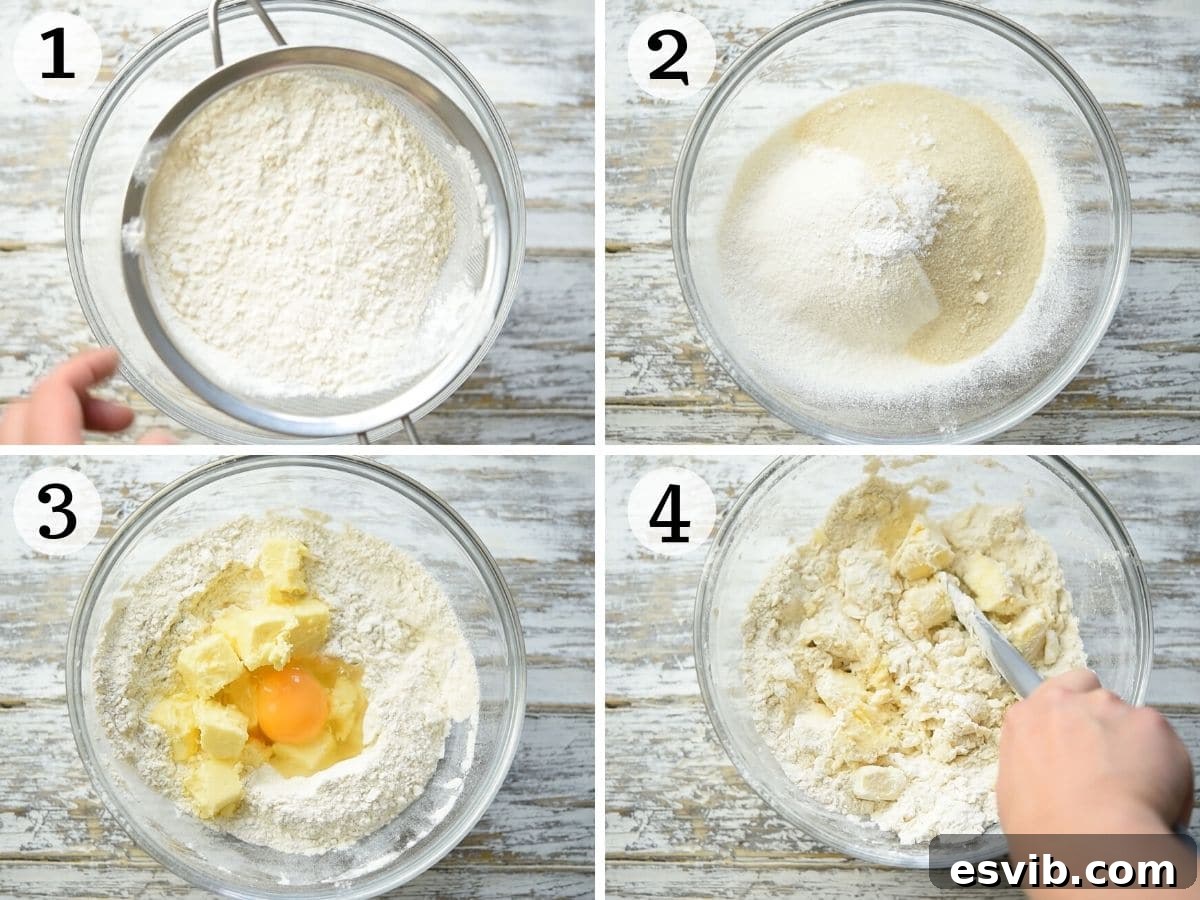
Begin by sifting your flour into a large mixing bowl. Sifting ensures there are no lumps and helps aerate the flour. Next, add the sugar, baking powder, and salt. If using, add the finely grated lemon zest at this stage as well. Stir these dry ingredients together thoroughly with a whisk or spoon until they are well combined. This ensures even distribution of flavor and leavening throughout the dough.
Step 2: Incorporate Butter and Egg
Add the cold, cubed butter directly into the dry ingredient mixture. Using a pastry blender, two knives, or even your fingertips (working quickly to minimize butter warming), cut the butter into the flour until the mixture resembles coarse crumbs, with some pea-sized butter pieces still visible. This is crucial for developing a flaky texture. Then, add the large egg. Continue to cut it into the mixture until just combined, forming rough, shaggy crumbs.
Step 3: Form the Dough and Chill
Gently bring the mixture together with your hands, pressing it until it forms a cohesive dough ball. Avoid excessive kneading; overworking the dough can develop too much gluten, resulting in a tough pastry. Knead just enough until all the flour is fully absorbed and the dough forms a smooth, uniform ball. It might seem dry initially, but resist the urge to add extra water – it will come together. Wrap the dough tightly in plastic wrap and refrigerate for a minimum of 30 minutes, or up to 1 hour. This chilling period is essential for resting the gluten, firming up the butter, and making the dough much easier to roll.
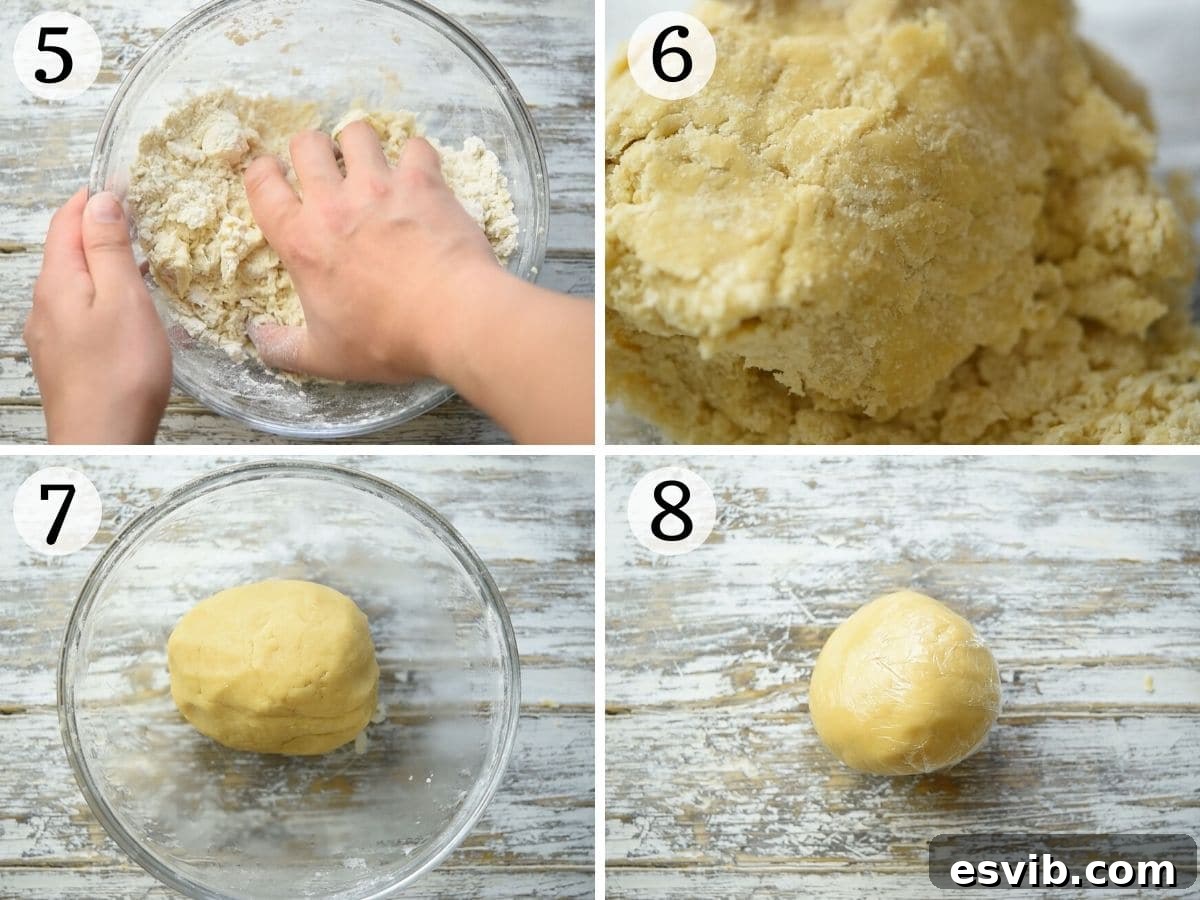
Step 4: Roll Out the Pastry
Once chilled, remove the dough from the fridge. Lightly dust a clean work surface with flour. Using a rolling pin, roll out the pastry evenly to your desired thickness. For pies and tarts, aim for approximately ¼ inch (or ½ cm) thick. If you’re making cookies, you can roll it slightly thinner. Work efficiently to keep the dough cool.
Step 5: Line Your Tart or Pie Tin
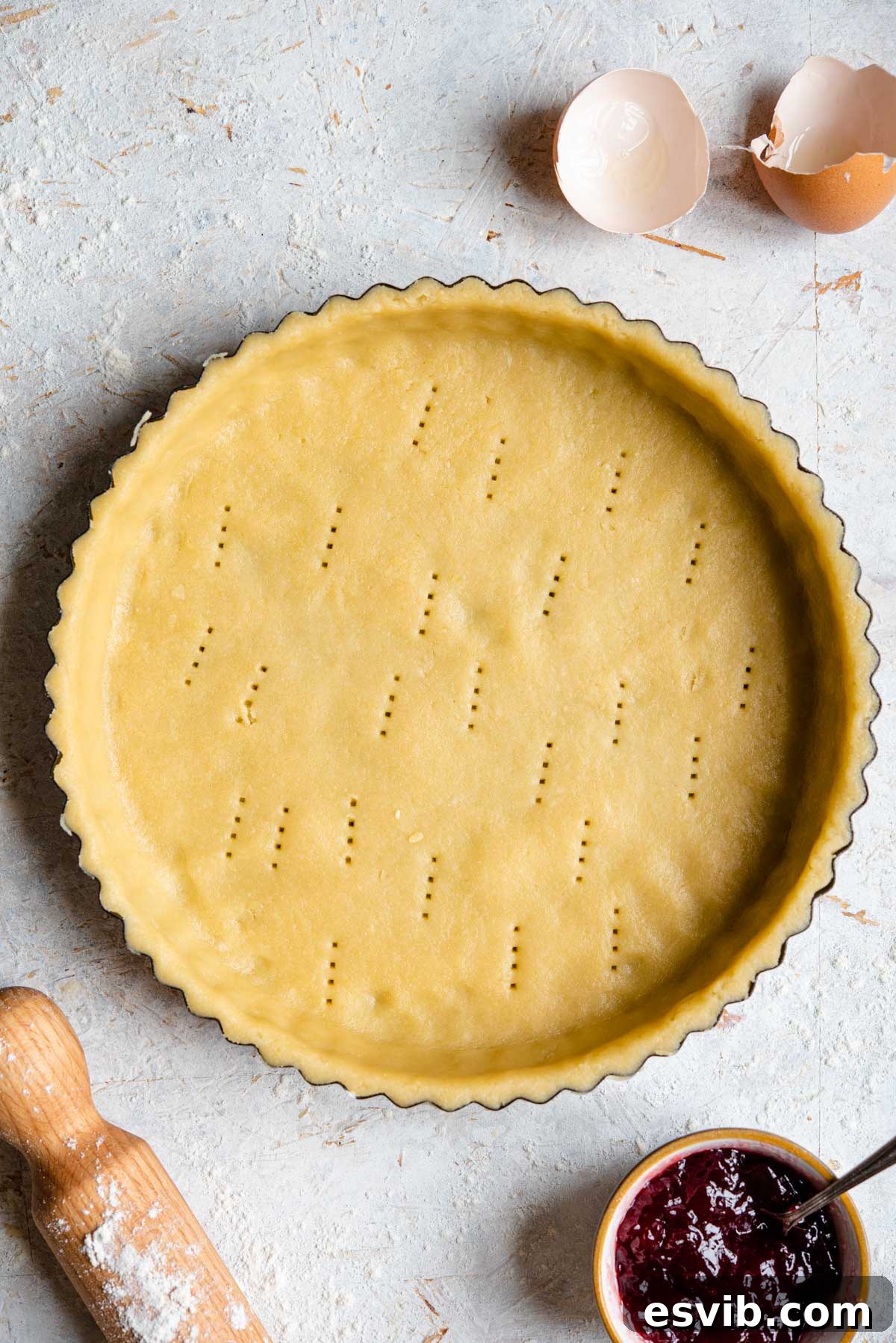
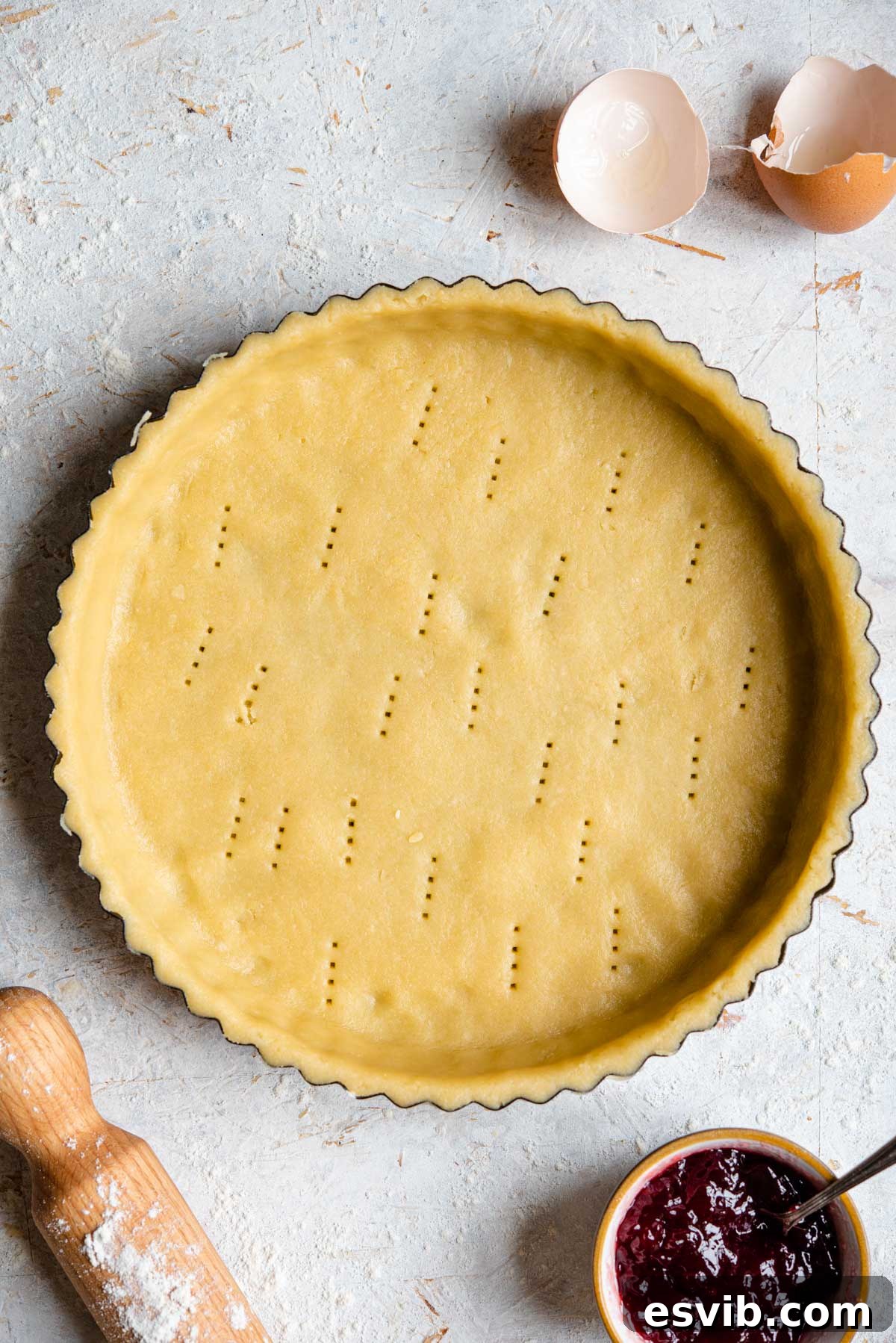
Carefully transfer the rolled-out pastry to your tart or pie tin. The easiest way to do this is to gently roll the pastry around your rolling pin, then unroll it over the greased tin. Gently press the pastry into the sides and base of the tin, ensuring it fits snugly without stretching. For clean edges, roll your rolling pin over the top of the tart case to neatly trim off the excess pastry, or use a sharp knife for a precise cut.
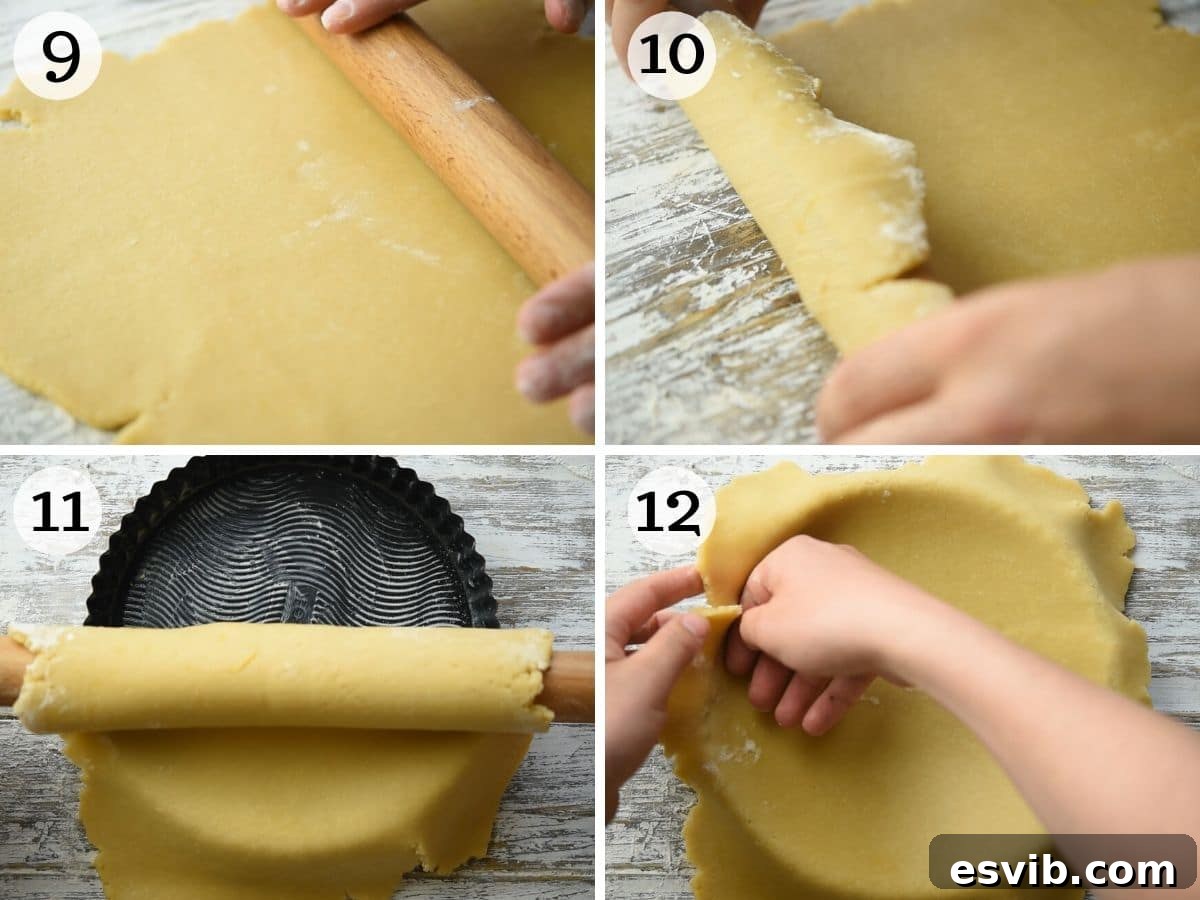
Step 6: Final Chill and Prep for Baking
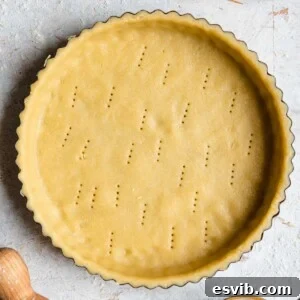
Prick the base of the pastry-lined tin all over with a fork. This prevents air bubbles from forming and keeps the base flat during baking. Return the lined tin to the refrigerator for another 30 minutes. This second chill helps the pastry hold its shape better during baking, preventing shrinkage. After chilling, fill with your chosen filling and bake as directed in your recipe.
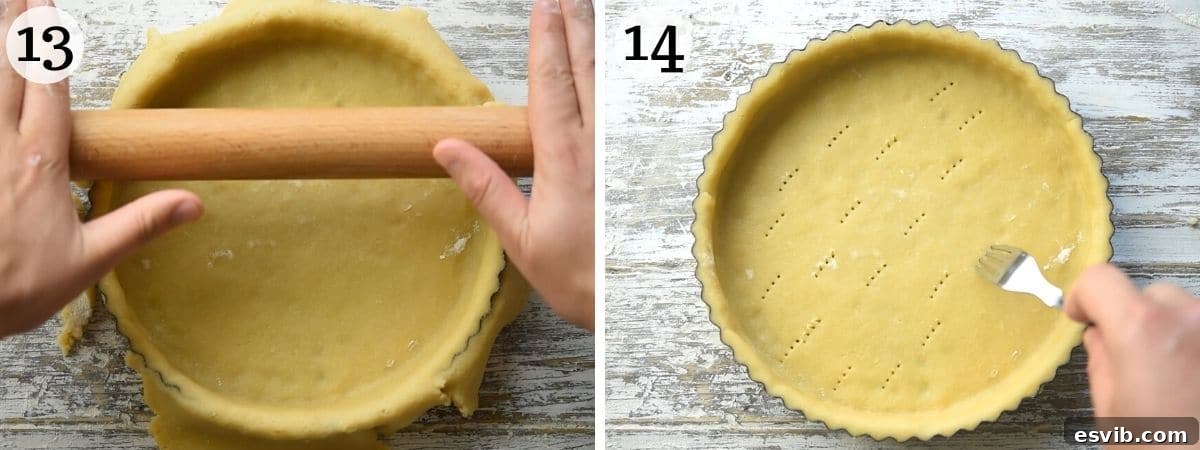
Versatile Creations: What to Make with Italian Sweet Shortcrust Pastry
Once you have your beautifully prepared Pasta Frolla, the possibilities for creating delicious Italian desserts are virtually endless. This pastry is the ideal canvas for both classic and innovative sweet treats.
Torta della Nonna: The Grandmother’s Cake
One of the most beloved Italian uses for Pasta Frolla is the enchanting Torta della Nonna. This iconic “Grandmother’s Cake” features a tender Pasta Frolla crust generously filled with luscious Italian vanilla pastry cream (crema pasticcera), and traditionally topped with a sprinkle of pine nuts and a dusting of powdered sugar. It’s a comforting, elegant dessert that delights with every spoonful.
Crostata: The Quintessential Italian Jam Tart
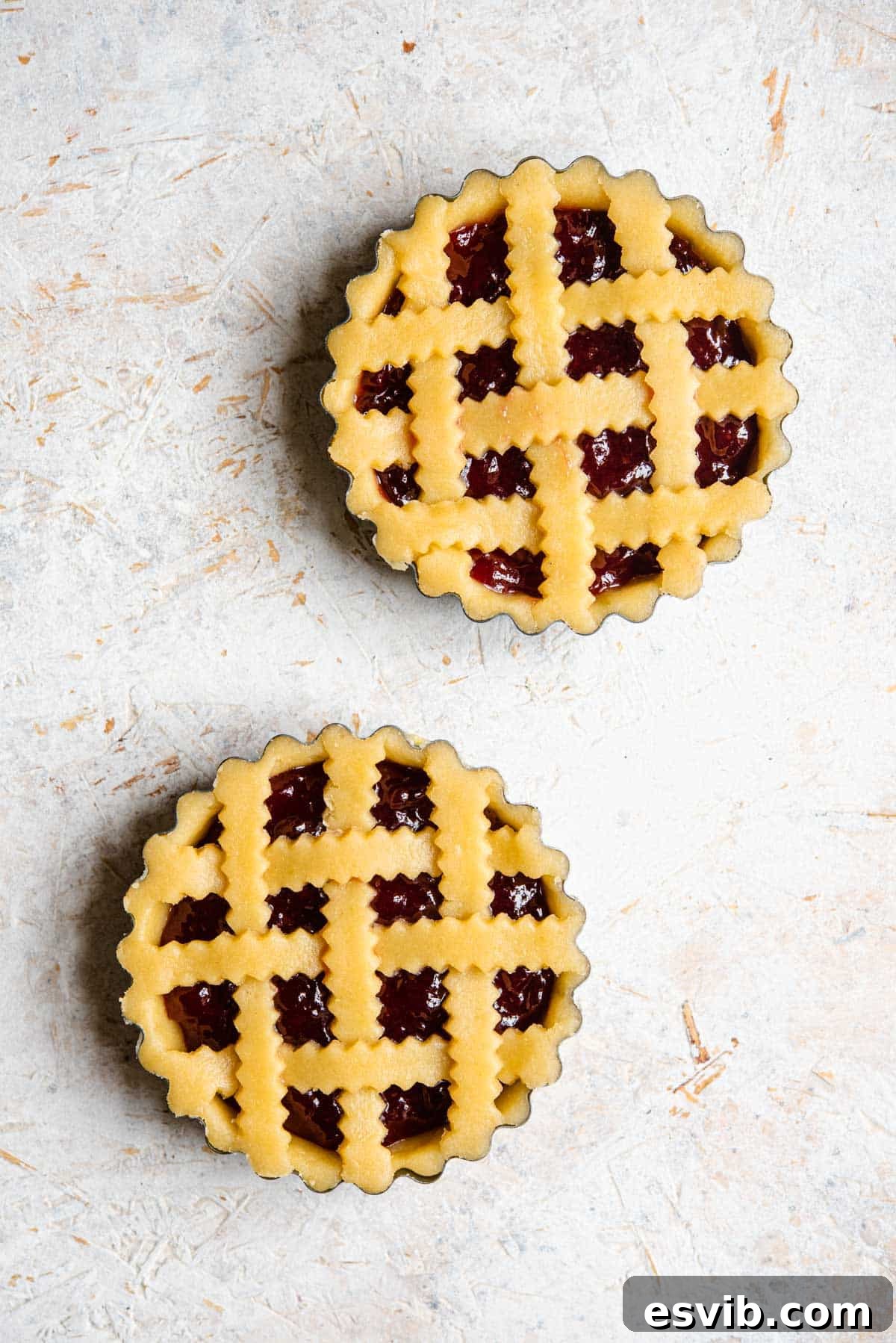
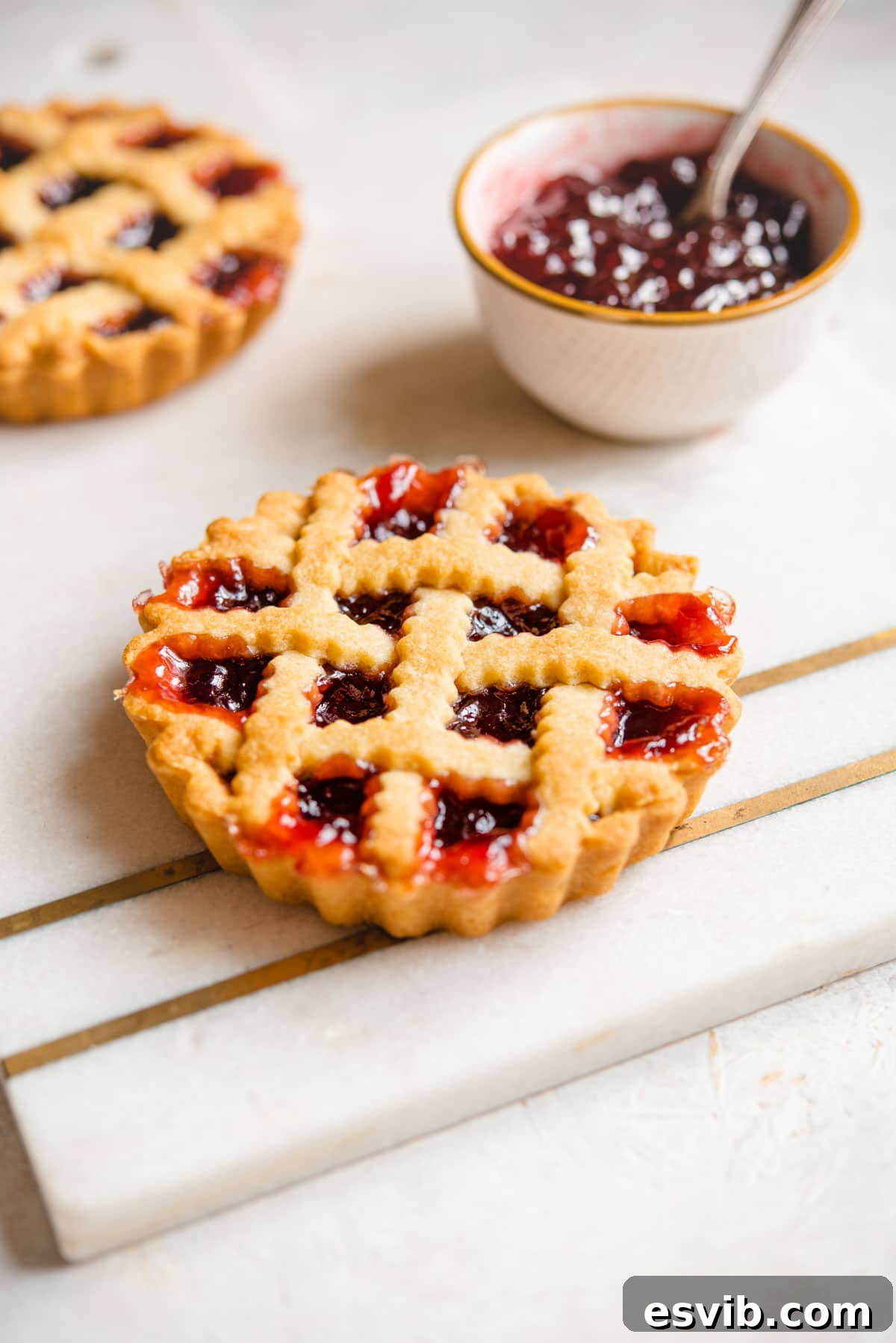
Another staple of Italian pastry shops and home kitchens alike is the Crostata. This charming tart showcases Pasta Frolla as both the base and a decorative lattice top, typically filled with vibrant fruit preserves such as strawberry, raspberry, apricot, or fig. Crostatas are incredibly simple to make, yet yield a strikingly beautiful and immensely satisfying dessert, perfect for breakfast, an afternoon snack, or a sweet ending to any meal.
Fruit Pies and Tarts: Seasonal Delights
Embrace the bounty of the seasons by filling your Pasta Frolla with fresh or cooked fruits. Imagine pies and tarts bursting with juicy berries, tender apples, tangy rhubarb, or sweet peaches. The sturdy yet delicate nature of Pasta Frolla makes it an excellent choice for holding various fruit fillings. When using fresh or very wet fruit fillings, remember the importance of blind baking the pastry first to prevent a soggy bottom. Get creative and explore your favorite fruit combinations!
Italian Cookies (Biscotti): Small Bites of Joy
Beyond tarts and pies, Pasta Frolla is also the base for many delightful Italian cookies. Roll it out and cut it into various shapes, bake until golden, and fill with jam (like *occhi di bue* – ox-eye cookies), chocolate, or simply enjoy them plain with a cup of coffee or tea. Their delicate sweetness and crumbly texture make them irresistible.
Top Tips and Frequently Asked Questions for Pasta Frolla Perfection
Achieving outstanding Pasta Frolla is simple when you know a few tricks. Here are our expert tips and answers to common questions:
Top Tips for Success:
- Accurate Flour Measurement (Especially in Cups): If you’re measuring flour by volume (cups), always spoon the flour gently into the measuring cup, then level it off *without* compacting it. Scooping directly can pack in too much flour, leading to a dry, tough dough. For best accuracy, we recommend using a kitchen scale to measure by weight.
- The Crucial Role of Cold Butter: This cannot be stressed enough. Ensure your butter is ice-cold, straight from the fridge, and cut into small pieces. Work quickly when incorporating it to prevent it from melting. The colder the butter, the flakier and more tender your final pastry will be. If your kitchen is warm, you can even chill your mixing bowl and tools.
- Understanding Dough Texture: Don’t be alarmed if the mixture seems very dry and crumbly after adding the butter and egg. Resist the temptation to add extra water or butter. Continue to gently bring it together; within a couple of minutes of light kneading, the dough will miraculously cohere into a smooth, perfect ball. Trust the process!
- The Importance of Chilling the Dough: Allowing the dough to rest and stiffen in the refrigerator for at least 30 minutes (or up to an hour) is vital. This process allows the gluten to relax, preventing shrinkage during baking, and firms up the butter, making the dough much easier to roll out without sticking or tearing.
- Flavor Variations: While lemon zest is traditional, feel free to experiment with other flavorings. Orange zest adds a different citrusy note, while a hint of vanilla extract (added with the egg) or almond extract can also be lovely. For a warming touch, a pinch of ground cinnamon or nutmeg can be incorporated with the dry ingredients.
Frequently Asked Questions (FAQs):
Absolutely! Pasta Frolla is excellent for make-ahead convenience. You can prepare the dough up to the point of forming a ball, wrap it tightly in plastic wrap, and store it in the refrigerator for 3-4 days. Alternatively, you can roll it out and line your pie or tart cases, then wrap them well and refrigerate for the same duration. However, it’s generally not recommended to fill a pie or tart more than 2-3 hours in advance, as very wet fillings can make the pastry base soggy. Always keep unbaked, filled pies or tarts in the fridge until ready to bake.
Blind baking is essential if your filling is particularly wet (like fresh or frozen fruit) or if your tart has a creamy, unbaked filling. To blind bake, line the pastry-filled tart shell with parchment paper, then fill it with baking weights, dried beans, or rice to weigh down the crust. Bake for approximately 10-15 minutes, then remove the weights and parchment and continue baking for another 5-10 minutes until lightly golden, depending on your recipe’s instructions. This creates a crisp barrier and prevents a “soggy bottom.”
Yes, a stand mixer can certainly simplify the process. Use the paddle attachment and add all the ingredients to the bowl. Mix on low speed until the dough just comes together and forms a cohesive mass. Be careful not to overmix. Once it forms a dough, tip it out, briefly form it into a ball by hand, and then wrap it in plastic wrap for chilling.
Yes, Pasta Frolla freezes beautifully! You can freeze the prepared and unbaked dough ball. Wrap it very tightly in several layers of plastic wrap, then place it in an airtight freezer-safe bag or container. It will keep in the freezer for up to 3 months. Thaw it completely overnight in the refrigerator before using. Once thawed, you can roll it out from chilled as usual. You can also freeze unbaked pastry shells (lined and pricked) for future use; just ensure they are well-wrapped.
If your dough is too sticky, it might be too warm or you might have added too much liquid (though this recipe typically doesn’t add extra water). Try chilling it for an additional 30 minutes. If it’s too crumbly, ensure you’ve kneaded it just enough for the ingredients to come together without overworking. Sometimes, a tiny splash of ice water (half a teaspoon at a time) can help stubborn doughs cohere, but this is rarely needed for Pasta Frolla if butter and egg quantities are correct and cold enough.
Baked cookies made with Pasta Frolla can be stored in an airtight container at room temperature for up to a week. Tarts and pies, especially those with creamy or fruit fillings, should be covered and refrigerated. Most baked tarts will remain fresh for 2-3 days in the fridge. For optimal flavor and texture, allow refrigerated items to come closer to room temperature before serving.
More Irresistible Italian Desserts You Might Like
If you’ve enjoyed mastering Pasta Frolla, explore these other fantastic Italian sweet treats:
- Bomboloni:Italian Filled Doughnuts – Light and fluffy, filled with cream or jam.
- Torta della Nonna:Italian Custard Tart – The classic tart featuring Pasta Frolla and rich pastry cream.
- Affogato:Ice Cream and Coffee Dessert – A simple yet elegant dessert with hot espresso over vanilla ice cream.
- Tiramisu:Authentic Italian Coffee Dessert – The timeless layered dessert with mascarpone and coffee-soaked ladyfingers.
- White Chocolate Panna Cotta:Creamy Italian Pudding – A silky smooth, melt-in-your-mouth dessert.
We love hearing from you! If you tried this Italian Sweet Shortcrust Pastry recipe or any other delightful recipes on our blog, please be sure to leave a comment below to let us know how your culinary adventure turned out. Your feedback is invaluable to us. You can also FOLLOW US on FACEBOOK, INSTAGRAM, and PINTEREST for more delicious food inspiration and updates on what we’re cooking up next.
Step-by-Step Photos Above
Our recipes often include step-by-step photos, helpful tips, and tricks to ensure perfect results every time.
Italian Sweet Shortcrust Pastry: Pasta Frolla
By Emily
1 hr 45 mins
1 hr 45 mins
10 servings
Italian Sweet Shortcrust Pastry (Pasta Frolla) is super easy to whip up and can be used to make so many different cookies, pies, and tarts such as Torta della Nonna or Italian Crostata (jam tart). Follow this step-by-step photo guide to make perfect Pasta Frolla!
Ingredients
- 2 cups 00 flour or unbleached all-purpose (250g)
- ½ cup caster sugar, golden or white (80g)
- 8.5 tbsp cold butter, cubed (120g)
- 1 large egg
- Zest of 1 lemon
- ¼ tsp baking powder
- 1 pinch of salt
Instructions
- Sift the flour into a large bowl. Add the caster sugar, lemon zest, baking powder, and salt. Stir to combine all the dry ingredients evenly.
- Add the cold, cubed butter and the large egg. Using a pastry scraper or your fingertips (working quickly), cut the butter and egg into the flour mixture until rough crumbs form. Be careful not to overwork the dough or allow the butter to warm too much.
- Gently bring the mixture together with your hands to form a cohesive dough. Knead minimally, just until all the flour is fully absorbed and the mixture forms a smooth ball. Wrap the dough tightly in plastic wrap and refrigerate for 30 minutes to 1 hour to allow the gluten to relax and the butter to firm up.
- Once chilled, remove the dough from the fridge and lightly dust a clean work surface with flour. Roll out the dough using a rolling pin until it is approximately ¼ inch (½ cm) thick for pies and tarts. For cookies, roll to your desired thinner thickness.
If making pies and tarts
- Carefully transfer the rolled-out pastry to a greased tart or pie tin. The easiest method is to roll the pastry around your rolling pin, then unroll it over the tin. Gently press it into the base and sides, ensuring an even fit without stretching. Roll the rolling pin over the top edge of the tart case to trim off excess pastry, or use a sharp knife.
- Prick the base of the pastry-lined tin all over with a fork to prevent bubbling during baking. Place the tin back in the fridge for another 30 minutes. This second chill helps the pastry hold its shape.
- Fill the chilled pastry shell with your desired filling and bake according to your specific recipe’s instructions.
Video
A video guide demonstrating the steps for making perfect Italian Sweet Shortcrust Pastry (Pasta Frolla) is often available on the original blog post to complement these instructions.
Notes
- Measuring in cups: When measuring flour in cups, always spoon the flour into the cup and level off, rather than scooping directly, to avoid over-packing.
- Cold butter: Using very cold, cubed butter is critical for a flaky, tender pastry. Work quickly to keep it from melting.
- Dough texture: The dough may initially seem dry and crumbly, but it will come together into a smooth ball with minimal kneading. Do not add extra liquid.
- Chill the dough: Chilling the dough twice (after mixing and after lining the tin) is essential for gluten relaxation and to prevent shrinkage during baking.
- Variations: Enhance the flavor by adding zest from other citrus fruits like orange, or a touch of vanilla extract.
Helpful Info for All Recipes
- I always use extra virgin olive oil in all of my recipes unless stated otherwise.
- When I use canned or jarred tomatoes of any kind, I always recommend Cirio or Mutti brands for the best results and flavor.
- All vegetables are medium-sized unless stated otherwise.
- All recipes are tested and developed using a fan (convection) oven.
- Find out more about how nutrition is calculated.
- Check out our must-have Italian Pantry Staples.
- You can also find all our Essential Kitchen Tools for Italian Cooking.
Nutrition
Nutrition information is automatically calculated and should only be used as an approximation per serving (based on 10 servings):
- Calories: 221 kcal
- Carbohydrates: 29g
- Protein: 3g
- Fat: 10g
- Saturated Fat: 6g
- Cholesterol: 42mg
- Sodium: 219mg
- Potassium: 33mg
- Fiber: 1g
- Sugar: 10g
- Vitamin A: 321 IU
- Calcium: 15mg
- Iron: 1mg
Did you try this recipe?
Leave a comment below!