
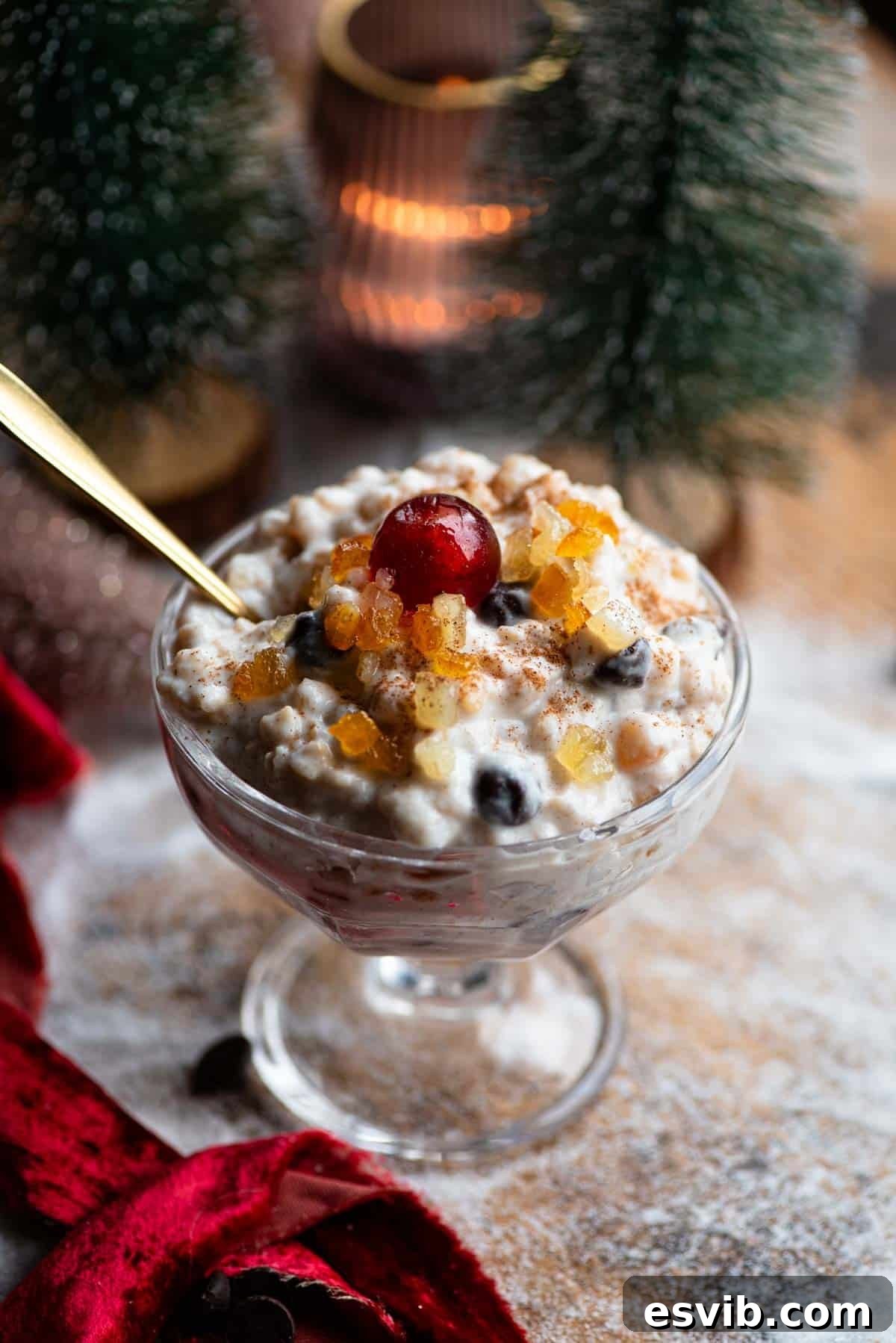
Cuccia: A Timeless Sicilian Dessert Honoring Santa Lucia
Step into the heart of Sicilian culinary tradition with Cuccia, a deeply cherished dessert prepared annually on December 13th to commemorate the Feast of Santa Lucia. This exquisite dish, crafted from tender cooked wheatberries (known as grano cotto), is beautifully sweetened with rich ricotta cheese, a touch of sugar, decadent chocolate chips, vibrant candied fruit, and a warming hint of cinnamon. It’s more than just a dessert; it’s a centuries-old celebration on a spoon, perfect for adding a unique and festive touch to your holiday season.
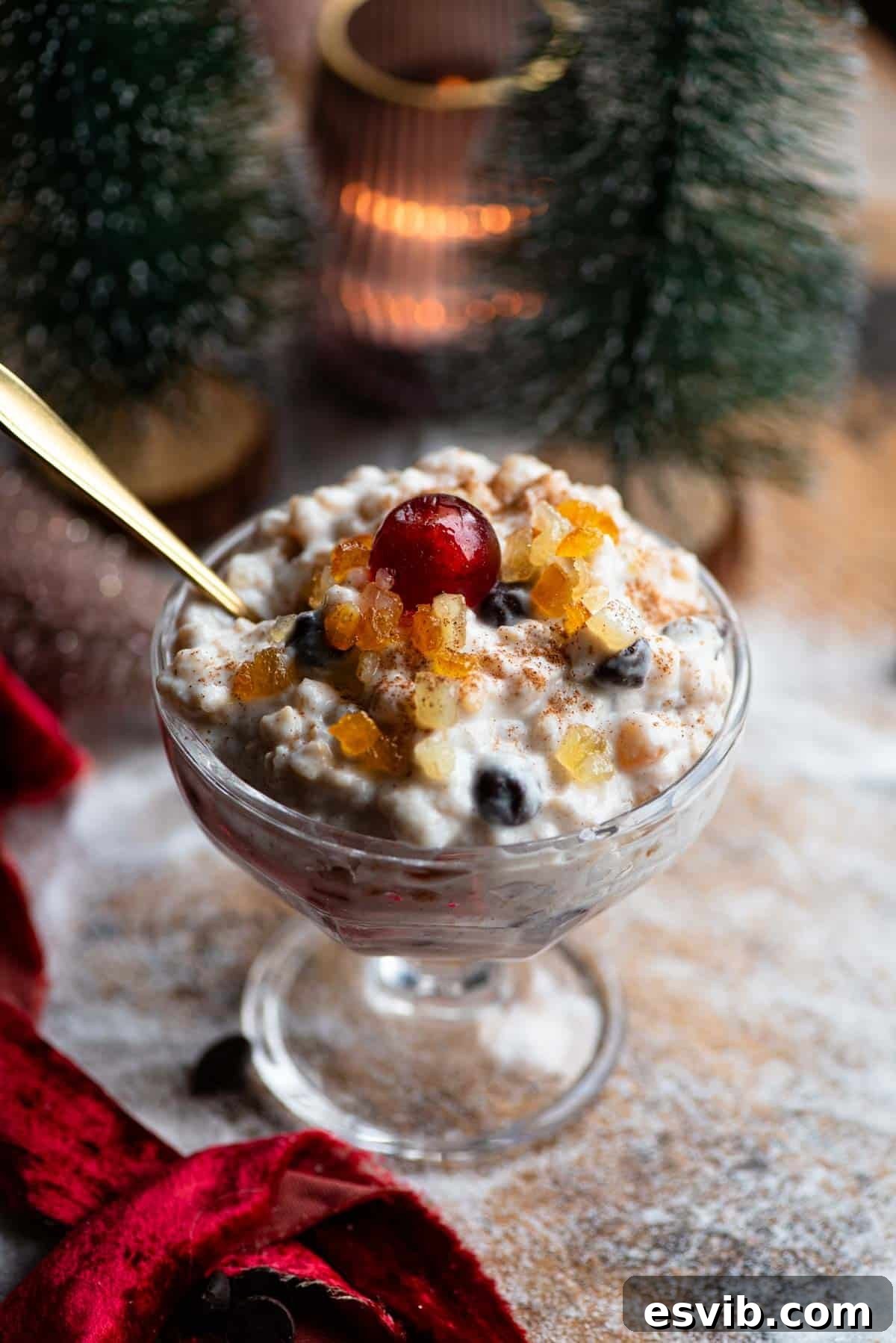
The Enduring Tradition of Cuccia and Santa Lucia
Cuccia holds a special place in the hearts of Sicilians, not only for its comforting flavors but also for its profound cultural and religious significance. The dessert is inextricably linked to the Feast of Santa Lucia (Saint Lucy), observed annually on December 13th. For many, including my own family, this day is a treasured occasion, often coinciding with significant personal milestones like name days (Onomastico), which further deepens the desire to uphold such beautiful traditions.
The origins of Cuccia trace back to a devastating famine that struck Sicily in 1646. Legend has it that on December 13th, a ship laden with grain miraculously arrived in the harbor of Palermo, bringing salvation to the starving population. In their immense gratitude, the Sicilians abstained from eating bread and pasta, instead boiling the wheat grain and consuming it as a simple, hearty dish. This act of humility and thankfulness evolved over time into the sweet, luxurious dessert we know today as Cuccia.
Beyond its historical roots, Cuccia symbolizes abundance and gratitude. Preparing and sharing this dessert is a way to honor the past, celebrate resilience, and embrace the festive spirit that heralds the coming Christmas season. It’s a testament to the power of food to connect generations and preserve stories.
What Makes Cuccia So Irresistible? Flavor and Texture Profile
Cuccia offers a unique sensory experience, distinct from many other Italian desserts. The star of the show is undoubtedly the wheatberry, which, when cooked to perfection, provides a delightful chewiness that contrasts beautifully with the other ingredients. This isn’t your average creamy pudding; it’s a dessert with satisfying substance.
The creamy base comes from fresh ricotta cheese, which is gently sweetened and infused with cinnamon, creating a mild, comforting foundation. Swirled throughout are rich dark chocolate chips, adding pockets of intense cocoa flavor, and colorful candied fruits that burst with sweet, tangy notes. Together, these elements create a harmonious blend of textures—from the tender grain to the smooth ricotta and the soft chew of the candied fruit—and a sophisticated flavor profile that is both rustic and refined. It’s a dessert that feels both ancient and comforting, perfect for a cold winter’s day.
Essential Ingredients for Your Cuccia
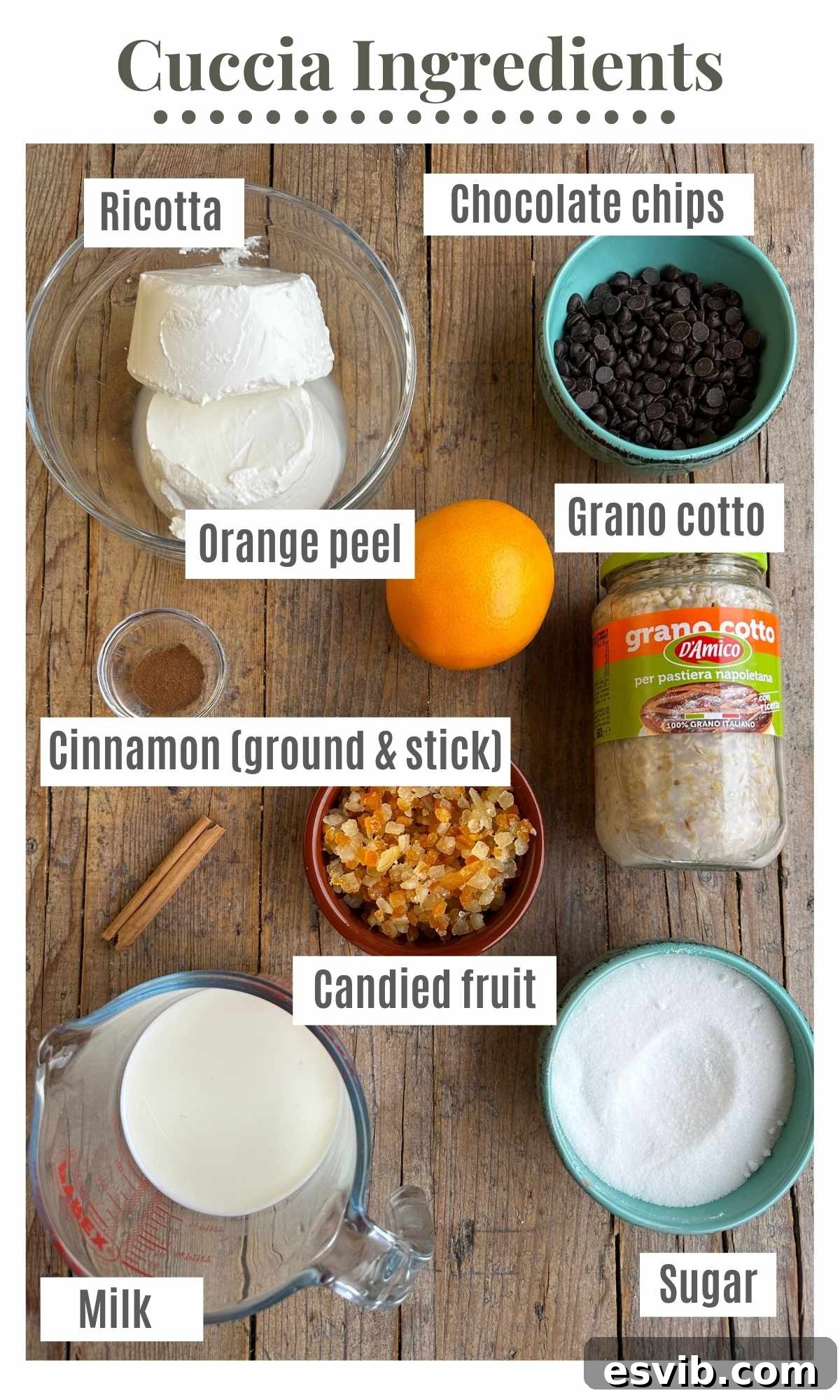
Ingredient Notes and Substitutions to Perfect Your Cuccia
- Wheatberries (Grano Cotto): This is the soul of Cuccia. You have two primary options:
- Raw Wheatberries: For the most traditional approach, requiring an overnight soak and longer cooking time. This yields a slightly firmer, more pronounced bite.
- Pre-cooked Grano Cotto: Widely available in jars at Italian food stores, especially during the festive season. This is the same product used in La Pastiera Napoletana and offers a significant time-saving advantage. Many, myself included, find its softer, creamier texture particularly appealing in Cuccia. Look for 580g (20.5oz) jars.
- Ricotta Cheese: Crucial for the creamy texture. Always use fresh, good-quality ricotta and ensure it’s well-drained to prevent your Cuccia from becoming watery. You can drain it in a fine-mesh sieve over a bowl for a few hours or even overnight in the refrigerator for the best results.
- Sugar: Caster sugar dissolves easily, but granulated sugar works perfectly fine, providing the necessary sweetness. Adjust the amount to your personal preference; some prefer a less sweet dessert, while others enjoy a richer sugary balance.
- Candied Fruit (Frutta Candita): A hallmark of Italian holiday desserts. A mix of candied lemon and orange peel, along with bright candied cherries, adds vibrant color and a delightful chew. Feel free to use your favorite combination or what’s readily available.
- Chocolate Chips: Dark chocolate chips are highly recommended for their depth of flavor, which beautifully complements the sweetness of the other ingredients. High-quality chocolate makes a noticeable difference. Milk or white chocolate can also be used for a different twist.
- Cinnamon: Essential for its warm, aromatic spice, used both within the mix and as a fragrant garnish. A cinnamon stick is also used to infuse the wheatberries during cooking, adding a subtle depth.
- Whole Milk (for Grano Cotto): Used to gently simmer the pre-cooked wheatberries, enriching their flavor and softening their texture.
- Orange Peel: A strip of fresh orange peel infuses the wheatberries with a bright, citrusy aroma, elevating the overall flavor.
Preparing Your Wheatberries: Traditional vs. Convenient
The choice between raw and pre-cooked wheatberries largely depends on how much time you have and your preferred texture. Both methods yield a delicious Cuccia, but understanding the nuances will help you achieve your perfect dessert.
Method 1: The Traditional Approach with Raw Wheat Grain
Embracing the traditional method requires patience but is incredibly rewarding. Raw wheatberries, once cooked, offer a distinct al dente bite that many purists appreciate.
- Soak: Begin by placing 1 cup (200g) of raw wheatberries in a large bowl and cover them generously with cold water. Let them soak for a full 24 hours. This crucial step rehydrates the grains, significantly reducing their cooking time and ensuring they cook evenly.
- Cook: After soaking, drain the wheatberries thoroughly and transfer them to a large pot. Add enough cold water to cover the grain by 2-3 inches (about 5-7 cm). Introduce a strip of orange peel, a cinnamon stick, and a pinch of salt to the pot. Bring the water to a boil, then reduce the heat, cover the pot with a lid, and simmer for 60-70 minutes. Note that cooking times can vary significantly depending on the wheatberries, sometimes extending up to 2 hours. Start testing for tenderness after 1 hour and continue until the grains are pleasantly tender but still retain a slight chew.
- Cool: Once cooked, drain the wheatberries and spread them out in a thin layer on a baking sheet or a large plate. Allow them to cool completely to room temperature. This prevents the warmth from melting the chocolate chips or curdling the ricotta when mixed.
Method 2: The Speedy Way with Pre-Cooked Grano Cotto
For those seeking a quicker, simpler route without sacrificing flavor, pre-cooked grano cotto is a fantastic option. This method is not only faster but often results in a creamier, softer Cuccia texture, which is a personal favorite for many.
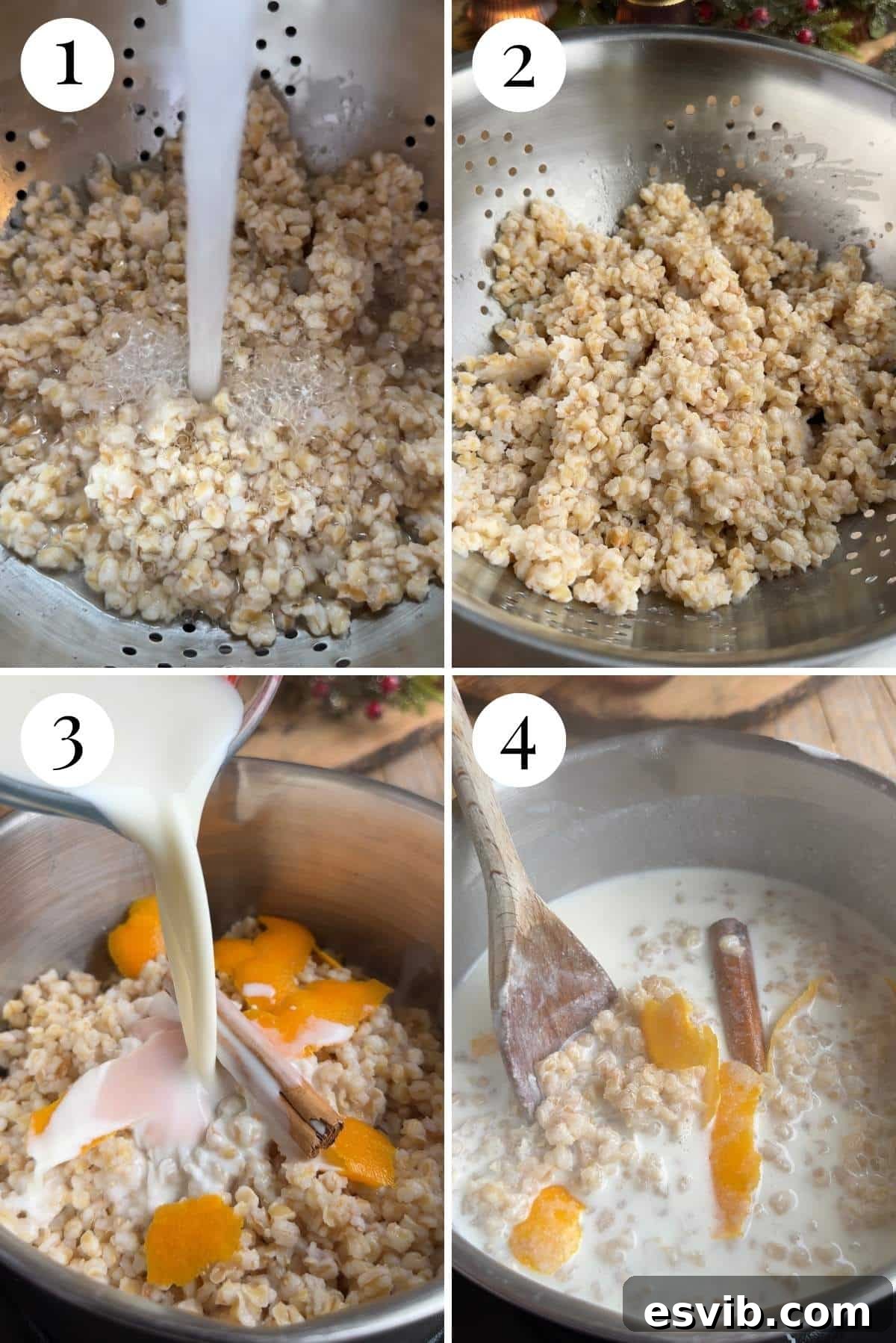
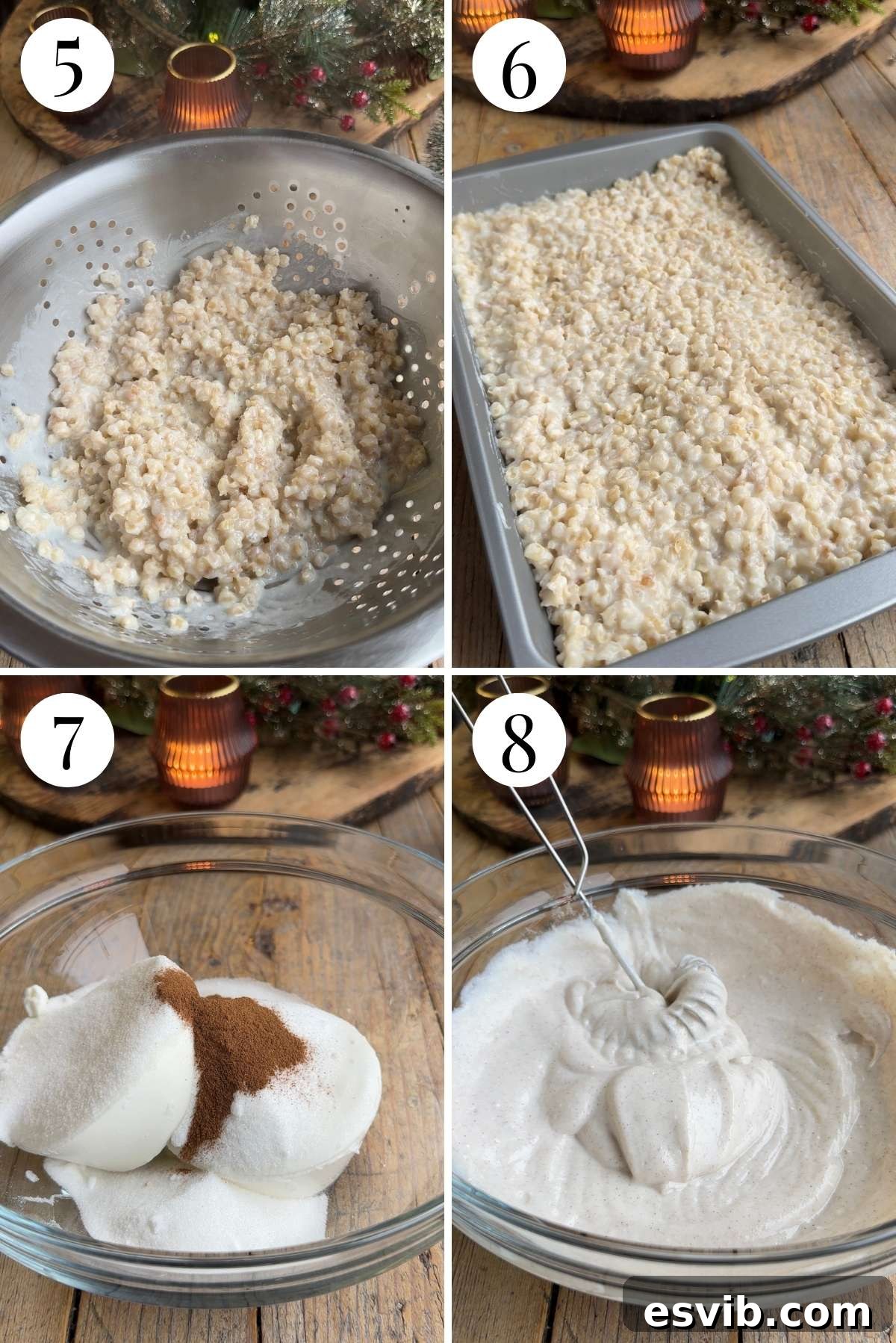
- Rinse the Wheat: Open a jar of grano cotto (580g/20.5oz). Drain the contents into a sieve and rinse thoroughly under cold running water. This removes any excess liquid from the jar and ensures a clean flavor.
- Infuse with Milk: Transfer the rinsed grano cotto to a saucepan. Add the peel of 1 orange and 1 cinnamon stick. Pour in enough whole milk to just cover the wheatberries. Bring the mixture to a gentle simmer over medium heat.
- Cook and Cool: Continue to simmer the wheatberries on low heat for about 10 minutes, stirring frequently to prevent sticking. This step allows the wheatberries to absorb the milk and spices, becoming even more tender and flavorful. After simmering, drain the wheatberries and spread them in a thin, even layer on a large plate or baking sheet to cool completely. Ensure they are fully cooled before proceeding to the next step.
Crafting the Irresistible Cuccia Mixture
Once your wheatberries are perfectly cooked and cooled, the magic truly begins as you combine them with the creamy ricotta and other delightful additions.
- Prepare the Ricotta Mixture: In a large mixing bowl, combine the well-drained ricotta cheese, caster sugar (or granulated sugar), and ½ teaspoon of cinnamon. Mix these ingredients thoroughly until they are well combined and the mixture is smooth and evenly sweetened.
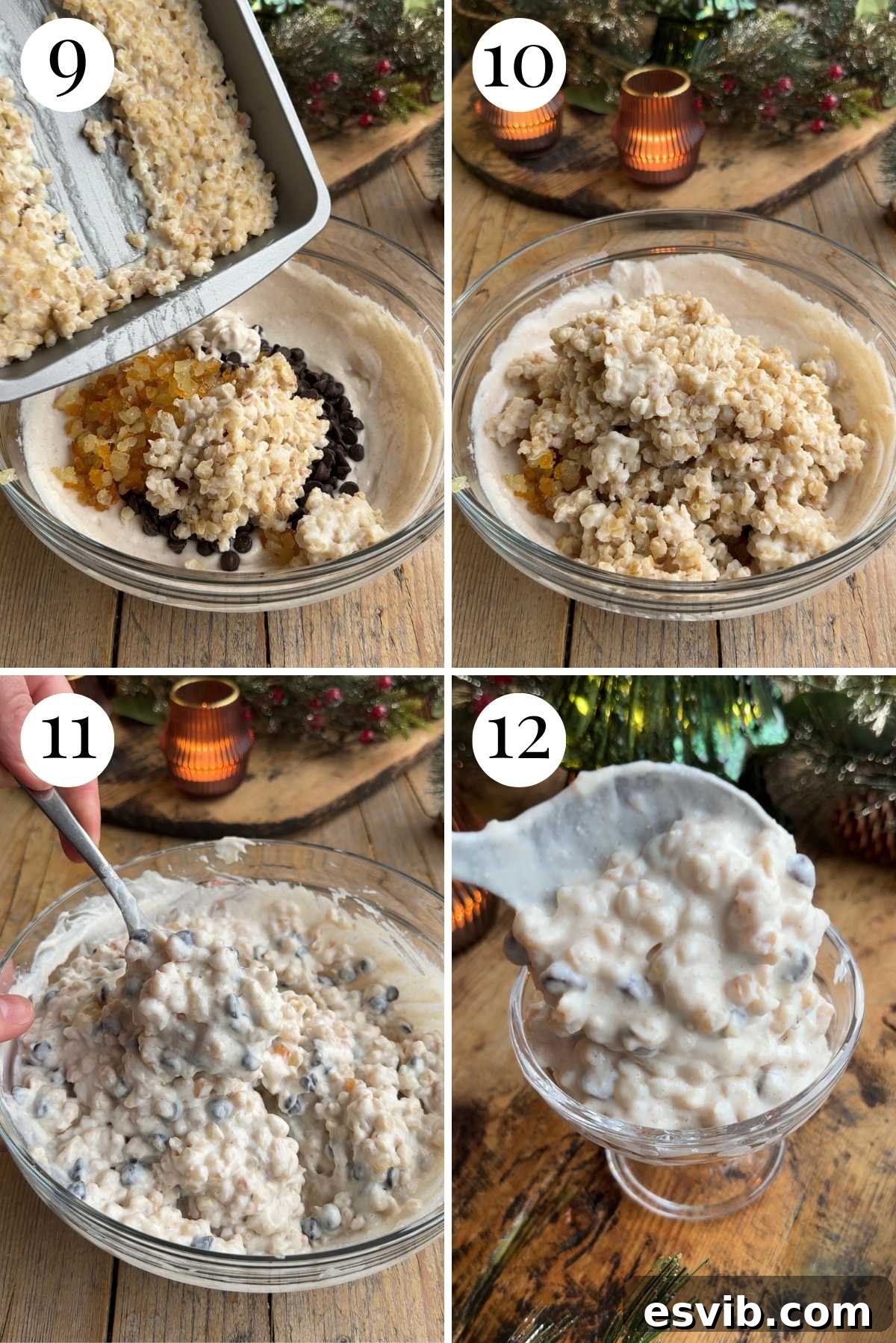
- Combine All Ingredients: To the ricotta mixture, add the cooled wheatberries, ½ cup (100g) of dark chocolate chips, and ¾ cup (100g) of chopped candied fruit.
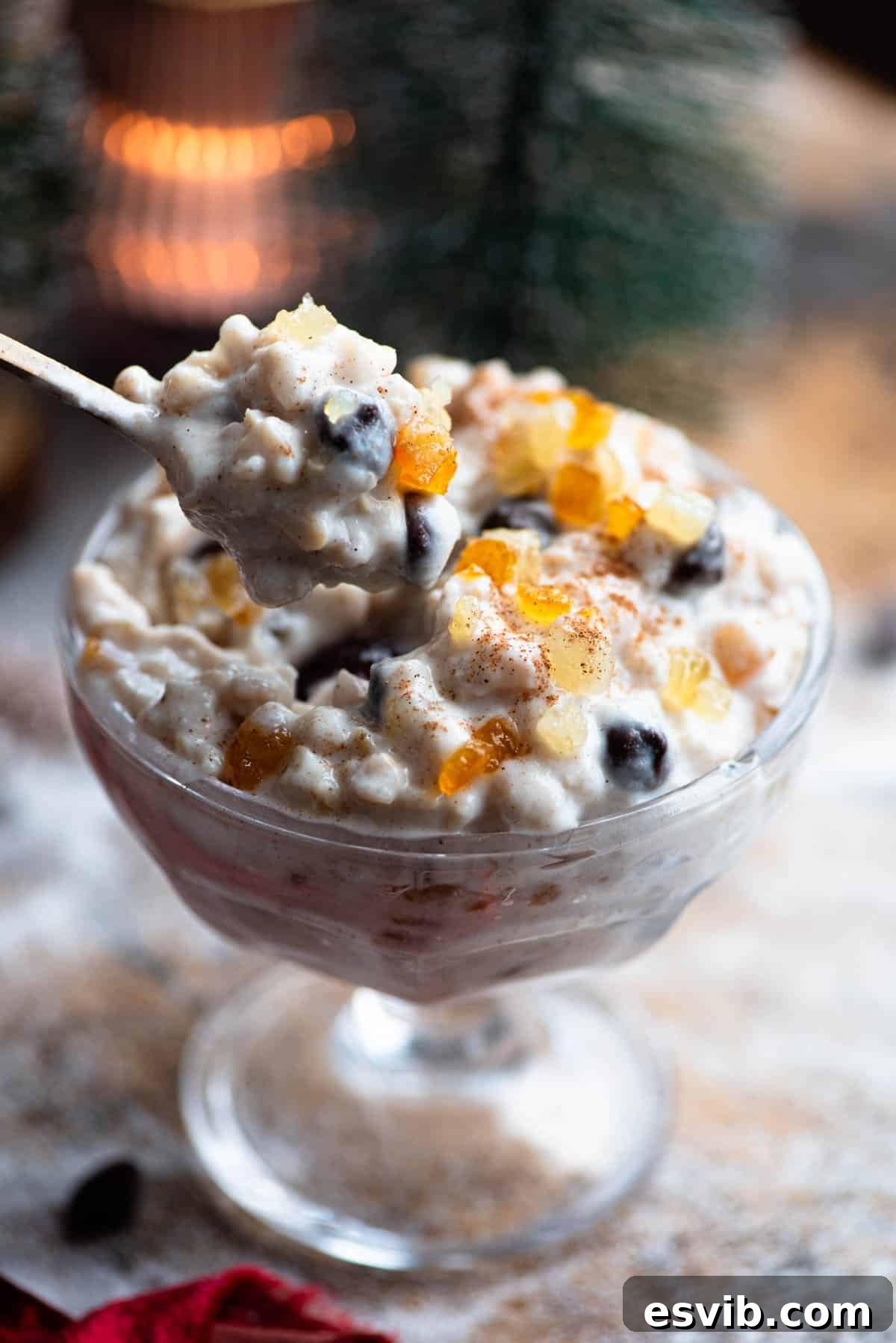
- Gentle Fold and Serve: Gently fold all the ingredients together until they are uniformly distributed. Be careful not to overmix, as this can break down the wheatberries. The goal is a cohesive yet textured dessert. Spoon the Cuccia into individual small bowls or a large serving dish. Garnish generously with extra candied fruit and a final dusting of cinnamon. For an extra touch of elegance, you can add a candied cherry on top.
Creative Variations to Personalize Your Cuccia
While the classic Cuccia recipe is divine on its own, don’t hesitate to experiment with additions and tweaks to suit your palate. Here are some delightful variations:
- Add Nuts for Crunch: Toasted and chopped pistachios or hazelnuts introduce a wonderful crunch and nutty depth that complements the creamy base and chewy wheatberries beautifully. Stir them into the mixture or sprinkle on top as a garnish.
- Chocolate Choices: Experiment with different types of chocolate chips. Milk chocolate offers a sweeter, milder profile, while white chocolate adds a creamy, vanilla note. A combination of dark and milk chocolate can also be very appealing.
- Indulgent Drizzles: For an extra layer of decadence, consider drizzling your Cuccia with a rich sauce. My absolute favorite is a spoonful of Italian pistachio cream mixed directly into the Cuccia or artfully drizzled over the top. Alternatively, hazelnut spread or a swirl of cooled melted chocolate would also be incredibly delicious.
- Citrus Zest: For an even brighter flavor, finely grate some fresh orange or lemon zest into the ricotta mixture. This will amplify the existing citrus notes from the candied fruit.
Storage and Make-Ahead Tips
Cuccia is a fantastic dessert to prepare in advance, as the flavors meld and deepen over time, making it even more delicious on the second day. Once assembled, cover the Cuccia tightly with plastic wrap or transfer it to an airtight container. It will keep beautifully in the refrigerator for up to 3 days. We do not recommend freezing Cuccia, as the texture of the ricotta and wheatberries can change upon thawing.
Frequently Asked Questions About Cuccia
What if I can’t find Grano Cotto (pre-cooked wheatberries)?
If pre-cooked grano cotto is unavailable, you can always use raw wheatberries. Just remember to soak them for 24 hours and cook them for a longer period (1-2 hours) as detailed in the “Traditional Approach” section. Specialty Italian delis or larger supermarkets might carry grano cotto, especially around holiday times.
Can I make Cuccia less sweet?
Absolutely. The amount of sugar in this recipe is a guideline. You can reduce the sugar slightly if you prefer a less sweet dessert, or increase it if you have a pronounced sweet tooth. Taste the ricotta mixture before adding the wheatberries and adjust accordingly.
Is Cuccia suitable for dietary restrictions?
Cuccia typically contains dairy (ricotta, milk) and gluten (wheatberries). For a gluten-free version, you could try substituting traditional wheatberries with a gluten-free grain like cooked farro or even quinoa, though the texture and traditional flavor would be altered. For a dairy-free option, plant-based ricotta alternatives might work, but results may vary.
What’s the best way to drain ricotta?
To ensure your ricotta is perfectly drained, place it in a fine-mesh sieve lined with cheesecloth or a coffee filter, set over a bowl. Let it drain in the refrigerator for at least 2-3 hours, or preferably overnight. This removes excess moisture, ensuring a firm, creamy texture in your Cuccia.
More Italian Christmas Recipes to Try
Explore More Festive Italian Delights
Christmas
Panettone Biscotti
Christmas
Panpepato (Christmas Spiced Cake)
Italian Cookies
Cuccidati (Italian Fig Cookies)
Italian Desserts
Struffoli – Italian Honey Balls
We hope you enjoy preparing and sharing this authentic Cuccia recipe as much as we do. If you try it, please consider leaving a comment below and rating the recipe – your feedback is invaluable! You can also connect with us and explore more delicious food by following us on Facebook, Instagram, and Pinterest, or by subscribing to our Newsletter.
Cuccia (Sicilian Ricotta & Wheatberry Dessert)
By Emily
Prep Time: 10 mins
Cook Time: 10 mins (for grano cotto) / 60-120 mins (for raw wheatberries)
Cooling Time: 1 hr
Total Time: 1 hr 20 mins (using grano cotto) / 2 hrs+ (using raw wheatberries)
Servings: 8-10 servings
Cuccia is a delicious Sicilian dessert traditionally made on December 13th to celebrate Santa Lucia. It’s made with cooked wheatberries (grano cotto) sweetened with ricotta, sugar, chocolate chips, candied fruit and cinnamon. It’s so delicious and perfect for celebrating the festive season!
Ingredients
If using raw wheat grain:
- 1 cup (200g) raw wheat berries
- Peel of 1 orange
- 1 cinnamon stick
- Pinch of salt
- Cold water (for soaking and cooking)
If using Grano Cotto (pre-cooked wheatberries):
- 1 jar Grano Cotto (580g/20.5oz), drained
- 1 cinnamon stick
- Peel of 1 orange
- Whole milk (to just cover wheatberries)
For the Cuccia Mixture:
- 2 cups (500g) ricotta, well drained
- ¾ cup (150g) caster sugar (or granulated sugar)
- ½ cup (100g) dark chocolate chips
- ¾ cup (100g) chopped candied fruit, plus extra for garnish
- ½ teaspoon cinnamon, plus extra for garnish
- Candied cherries for garnish (optional)
Instructions
If using raw wheat grain:
- Soak the wheat in a bowl of water for 24 hours.
- Drain the wheat, then add to a large pot. Cover the grain by 2-3 inches with cold water, then add the orange peel, cinnamon stick, and a pinch of salt.
- Bring to a boil, then cover with a lid and cook for 60-70 minutes. Some wheat can take up to 2 hours, so test after 1 hour and continue until tender.
- Drain and let cool completely.
If using Grano Cotto:
- Drain the grano cotto in a sieve and rinse it under cold running water.
- Add it to a saucepan with the peel of 1 orange and 1 cinnamon stick. Cover the wheatberries with whole milk until just covered, then bring to a simmer.
- Simmer the wheatberries on low for 10 minutes, stirring often. Drain the wheatberries and spread them in a thin layer to cool completely.
Make the Cuccia Mixture:
- Add the drained ricotta, sugar, and ½ teaspoon cinnamon to a bowl and mix until well combined.
- Add the chocolate chips, candied fruit, and cooled wheatberries to the ricotta mixture.
- Mix everything together until well combined, then serve in small bowls topped with extra candied fruit and a sprinkling of cinnamon.
Video
Watch how to make Cuccia:
Notes
- Draining the ricotta: For best results, drain the ricotta while preparing the wheatberries, or even overnight in the fridge. This ensures a firm, creamy texture.
- Optional extras/variations: Chopped pistachios or hazelnuts add great texture. You can also mix in or drizzle with pistachio cream or hazelnut spread.
- Sweetness: Adjust the sugar to taste.
- Storage: Cuccia keeps well in the fridge for up to 3 days. Freezing is not recommended.
Helpful Info for All Recipes
- Always use extra virgin olive oil unless otherwise stated.
- For canned or jarred tomatoes, we recommend Cirio or Mutti brands for best flavor.
- All vegetables are medium-sized unless specified.
- Recipes are tested and developed using a fan (convection) oven.
- Find out more about how nutrition is calculated.
- Check out our must-have Italian Pantry Staples.
- Discover our Essential Kitchen Tools for Italian Cooking.
Nutrition Information (Approximate per serving)
Calories: 283kcal | Carbohydrates: 38g | Protein: 8g | Fat: 12g | Saturated Fat: 9g | Polyunsaturated Fat: 0.3g | Monounsaturated Fat: 2g | Cholesterol: 30mg | Sodium: 71mg | Potassium: 145mg | Fiber: 1g | Sugar: 29g | Vitamin A: 277IU | Vitamin C: 0.4mg | Calcium: 186mg | Iron: 1mg
Nutrition information is automatically calculated and should only be used as an approximation.