
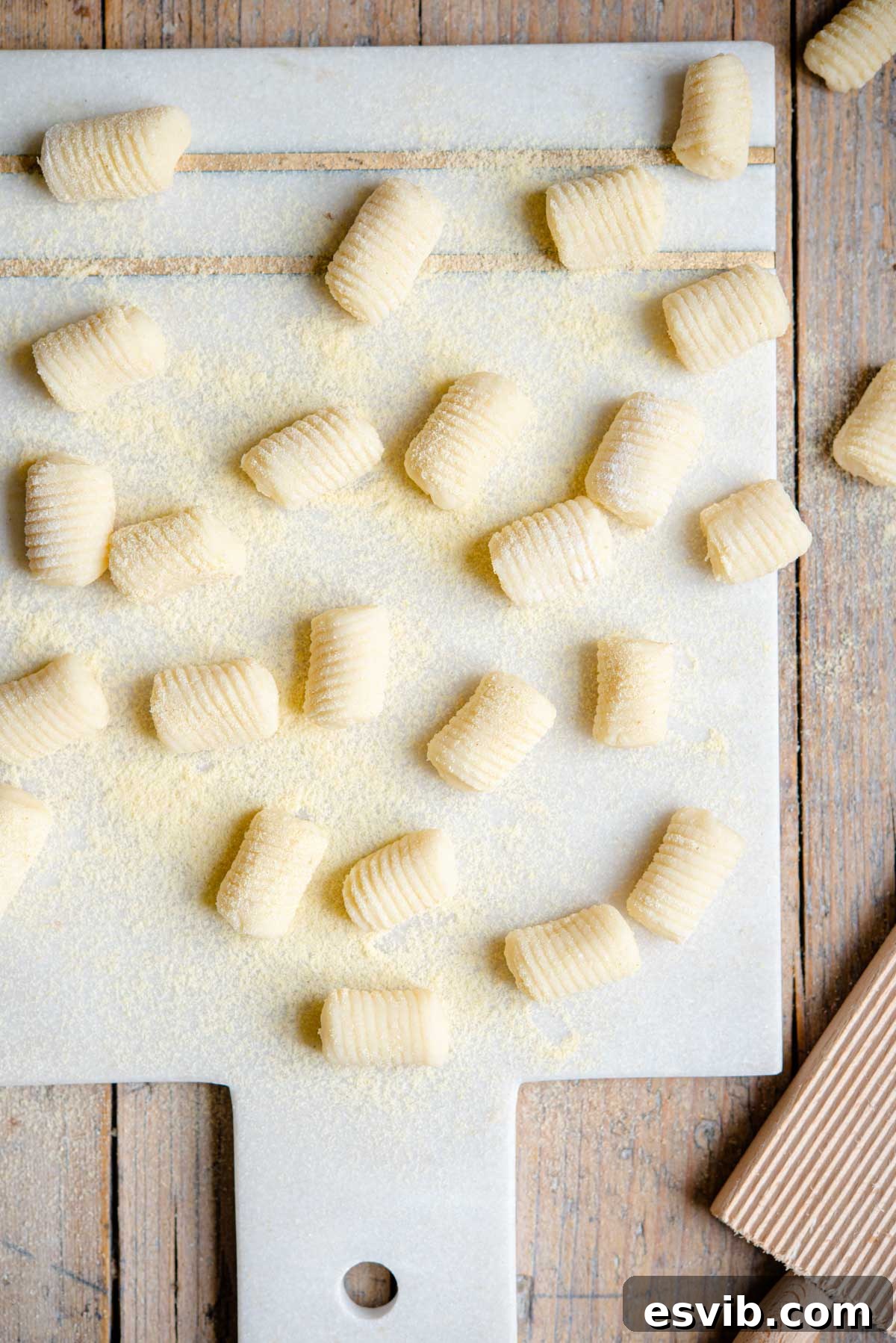
Unlock the secrets to crafting exquisite, super soft, and delightfully light Homemade Potato Gnocchi with this ultimate step-by-step guide. From selecting the right ingredients to shaping and pairing with the perfect sauce, this comprehensive tutorial makes achieving authentic Italian gnocchi easier than you ever imagined.
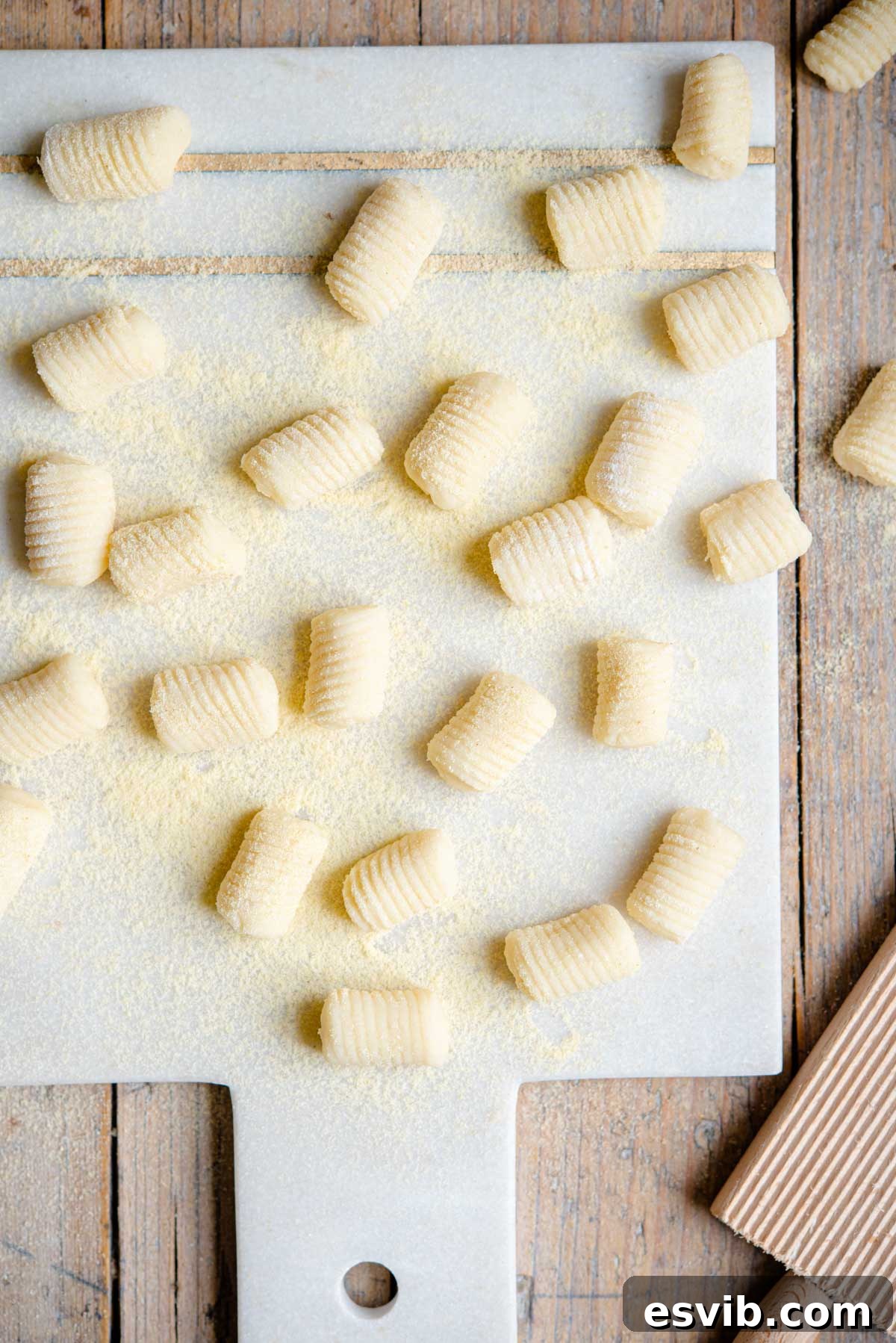
In the heart of Italy, gnocchi hold a revered place at the dinner table. Traditionally served as a primo, or first course, these delightful little potato dumplings offer a comforting and satisfying alternative to traditional pasta. Their signature soft and light texture makes them incredibly versatile, capable of absorbing the rich flavors of a wide array of sauces, from hearty meat ragùs and vibrant tomato sauces to the simple elegance of butter and sage.
While the idea of making gnocchi from scratch might seem daunting, much like homemade pasta, the effort is profoundly rewarding. The unparalleled taste and texture of homemade gnocchi elevate a simple meal into a memorable culinary experience, far surpassing anything found pre-packaged in a supermarket. Imagine a generous bowl of warm, pillowy gnocchi, bathed in a flavorful sauce – it’s the epitome of Italian comfort food.
Fear not, aspiring gnocchi makers! This recipe is designed to demystify the process, guiding you through each stage with clear instructions. The key to success lies in understanding a few crucial tips regarding ingredient selection and the preparation process, all of which are detailed below to ensure your gnocchi turn out perfectly soft and tender every time.
Essential Ingredients for Perfect Potato Gnocchi
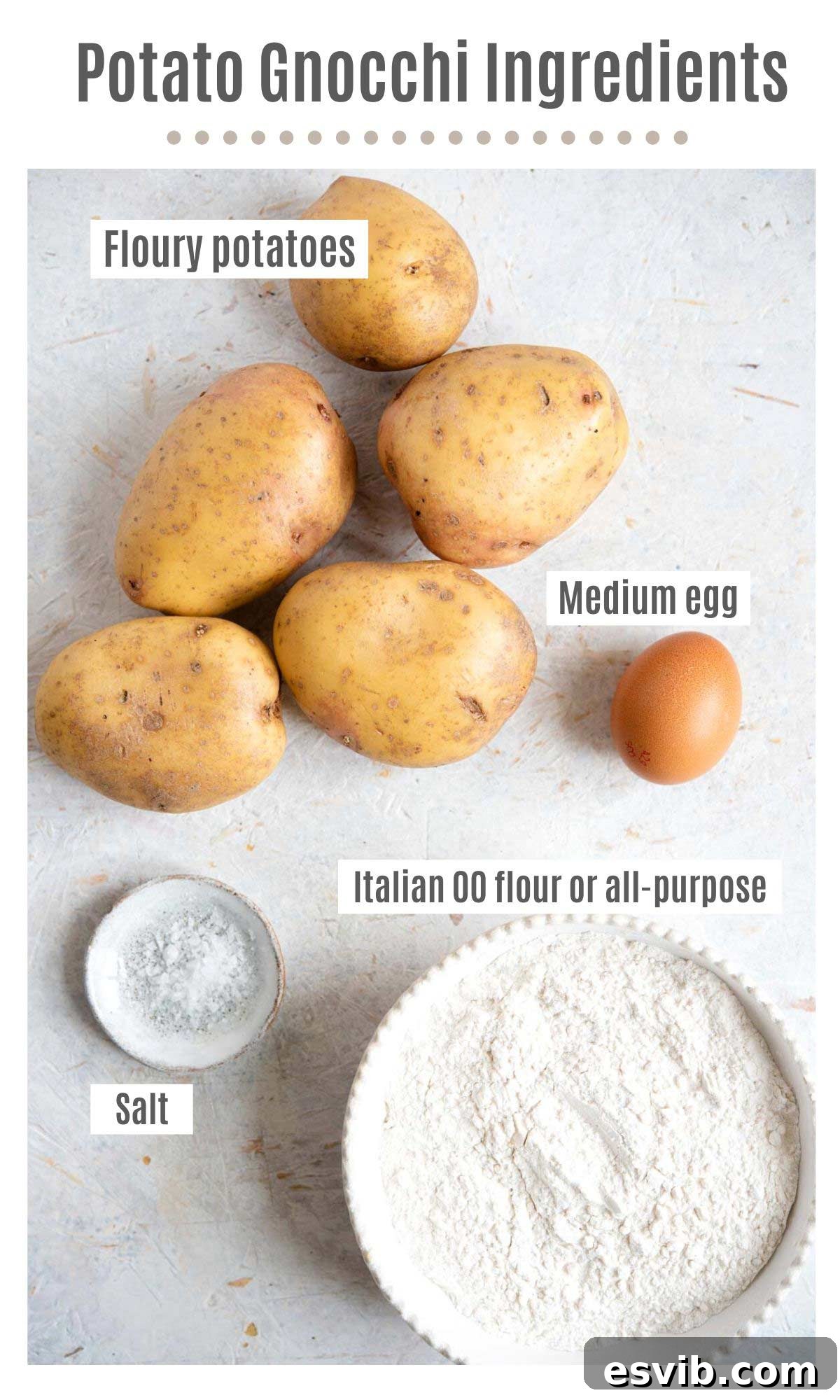
Creating potato gnocchi requires just a handful of incredibly simple ingredients, making it an accessible yet impressive dish. You’ll need:
- Potatoes: The foundation of your gnocchi! Selecting the correct type of potato is paramount for achieving that desirable light and fluffy texture. Always opt for starchy, floury varieties such as Yukon Gold, Russet, or Maris Piper. Waxy potatoes contain too much moisture and will result in a dense, gluey gnocchi that simply won’t work.
- Flour: The binding agent. Italian Tipo 00 flour is often recommended by chefs for its fine texture, which contributes to a more tender gnocchi. However, if 00 flour is not readily available, a good quality all-purpose (plain) flour will also yield excellent results.
- Egg: A single medium-sized egg acts as a binder, helping the dough come together smoothly and preventing it from crumbling. While traditional gnocchi recipes sometimes omit the egg, its inclusion makes the dough much easier to handle, especially for beginners.
- Salt: Essential for seasoning the potatoes and bringing out their natural flavor. Don’t skimp on the salt!
How to Make Homemade Potato Gnocchi – A Detailed Guide
Follow these steps closely to ensure your gnocchi are light, tender, and truly exceptional.
Step 1: Preparing the Potatoes for Gnocchi
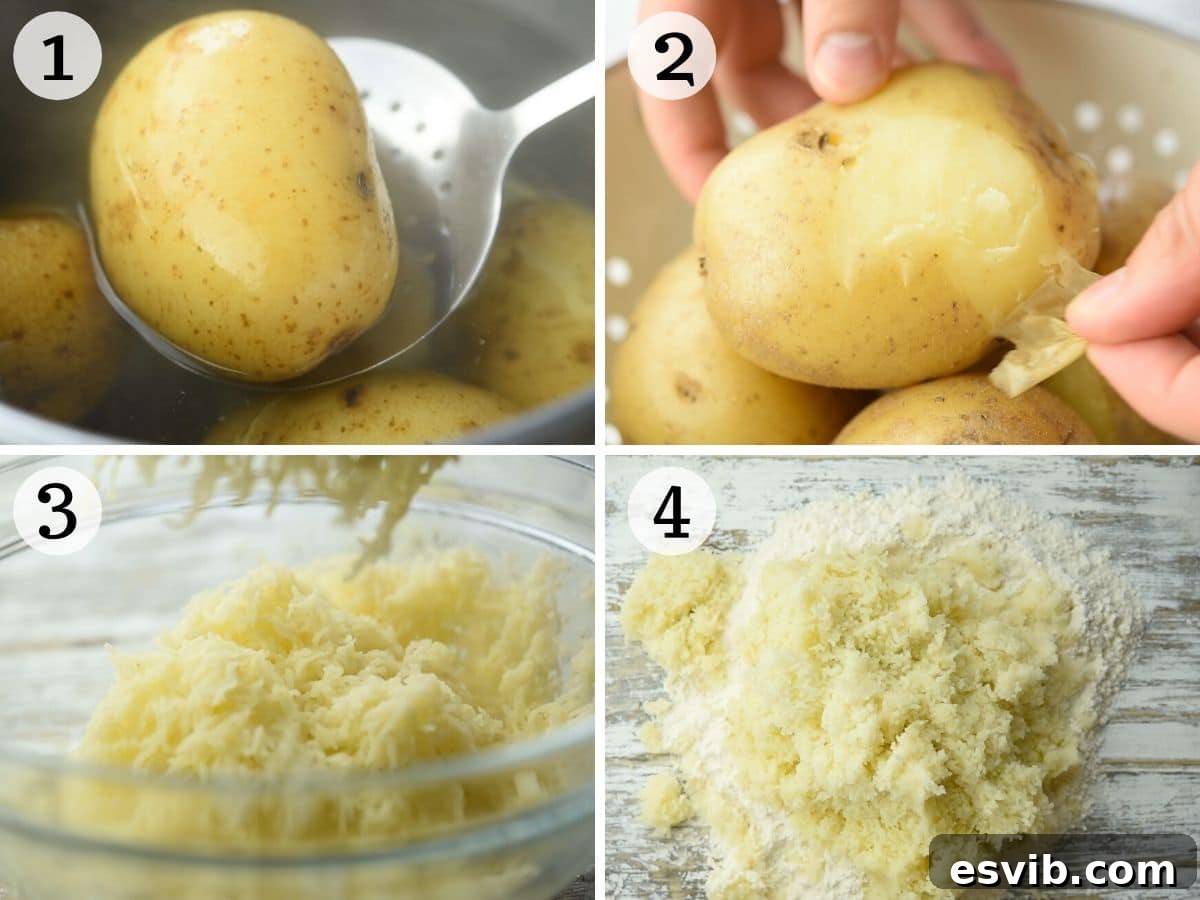
- Begin by thoroughly cleaning your chosen floury potatoes, but resist the urge to peel them at this stage. Leaving the skins on prevents the potatoes from absorbing excess water during cooking, which is crucial for a light gnocchi dough.
- Place the unpeeled potatoes in a large pot and cover them completely with cold water. Slowly bring the water to a boil over medium-high heat.
- Once boiling, reduce the heat and simmer the potatoes until they are fork-tender. This typically takes around 30 minutes, depending on the size of your potatoes.
- To confirm doneness, carefully insert a knife into the center of the largest potato. If it slides in and out with ease, the potato is cooked through. Avoid piercing the potatoes too many times, as each incision creates an entry point for water.
- Once cooked, immediately drain the potatoes. Allow them to cool just enough so you can handle them comfortably. The skin should now easily rub off. Peeling them while still warm is important, as it helps release steam and reduces moisture content.
- While the peeled potatoes are still warm, pass them through a potato ricer directly onto a clean work surface. This creates a fine, airy texture that is essential for delicate gnocchi. Avoid using a food processor, which can over-process the potatoes and make them gummy.
Step 2: Crafting the Gnocchi Dough
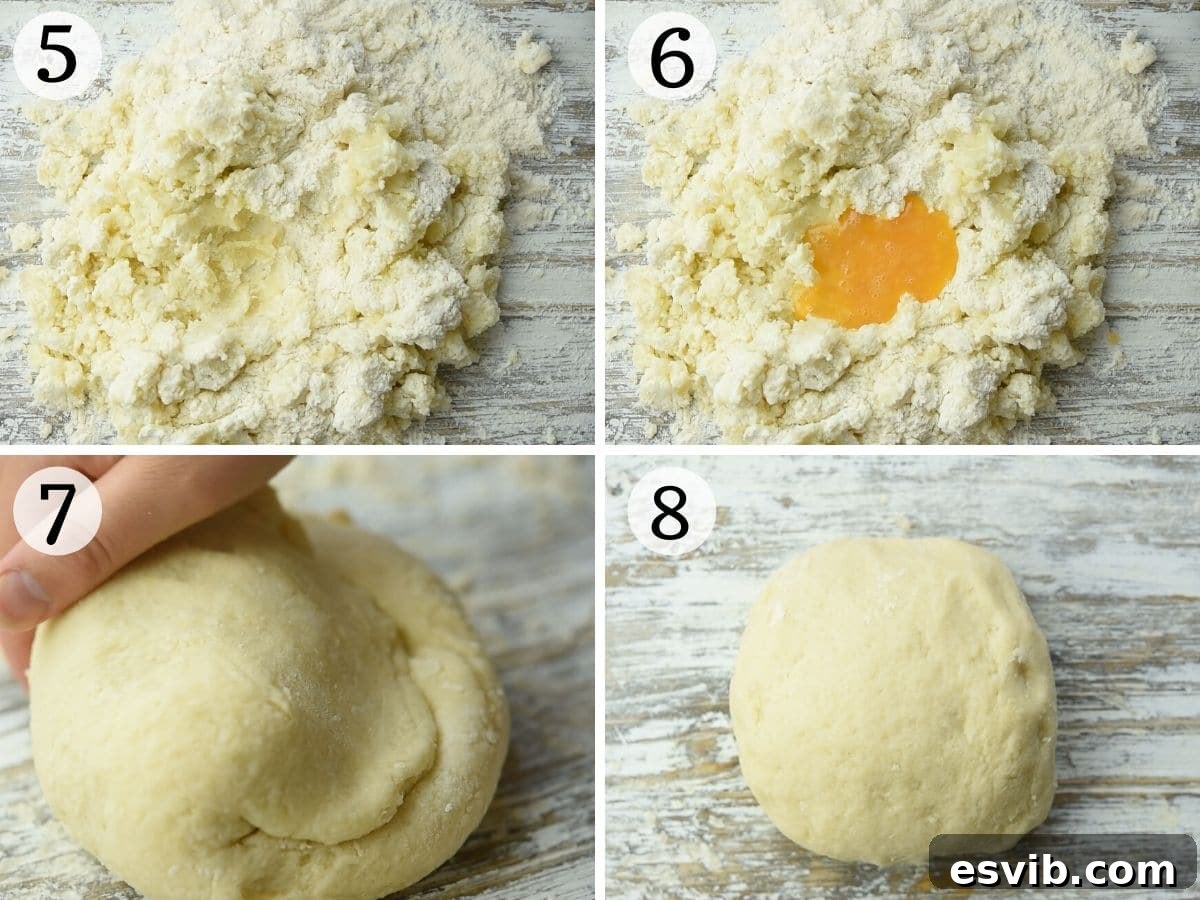
- Create a well in the center of your riced potatoes on the work surface. Sprinkle the flour evenly over and around the potatoes.
- In a separate bowl, lightly beat the medium egg with a pinch of salt. Pour the beaten egg into the well of the potatoes and flour.
- Gently begin to incorporate the flour and potatoes with your hands, gradually working in the egg and salt. The goal is to bring the mixture together into a cohesive dough without overworking it.
- Knead the mixture very gently until it forms a smooth, soft dough that is no longer sticky to the touch. The less you knead, the lighter your gnocchi will be, so work quickly and with a light hand. If the dough is still too sticky, add a very small amount of flour, a tablespoon at a time, until it reaches the desired consistency. It’s better to have a slightly softer dough than a tough, floury one.
Step 3: Cutting and Shaping Your Gnocchi
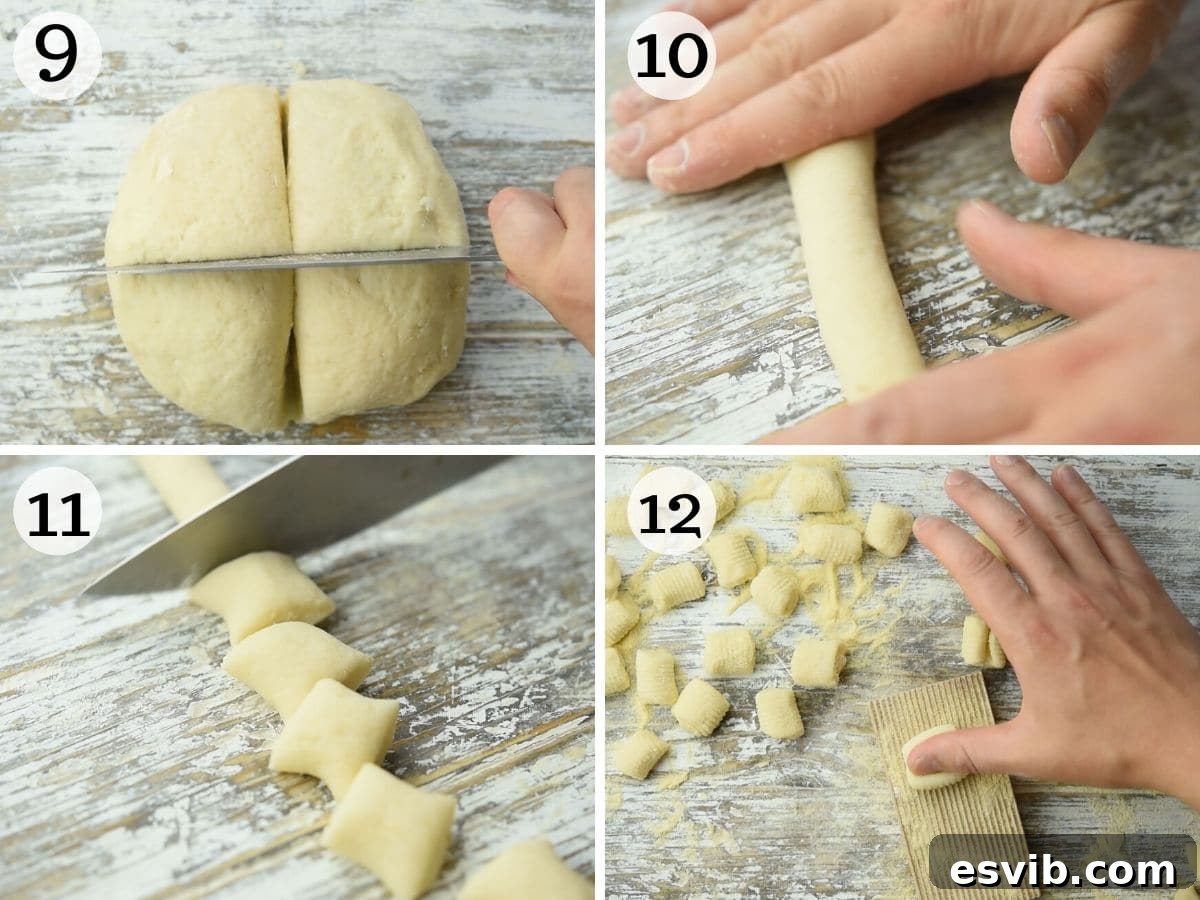
- Divide the gnocchi dough into four equal portions.
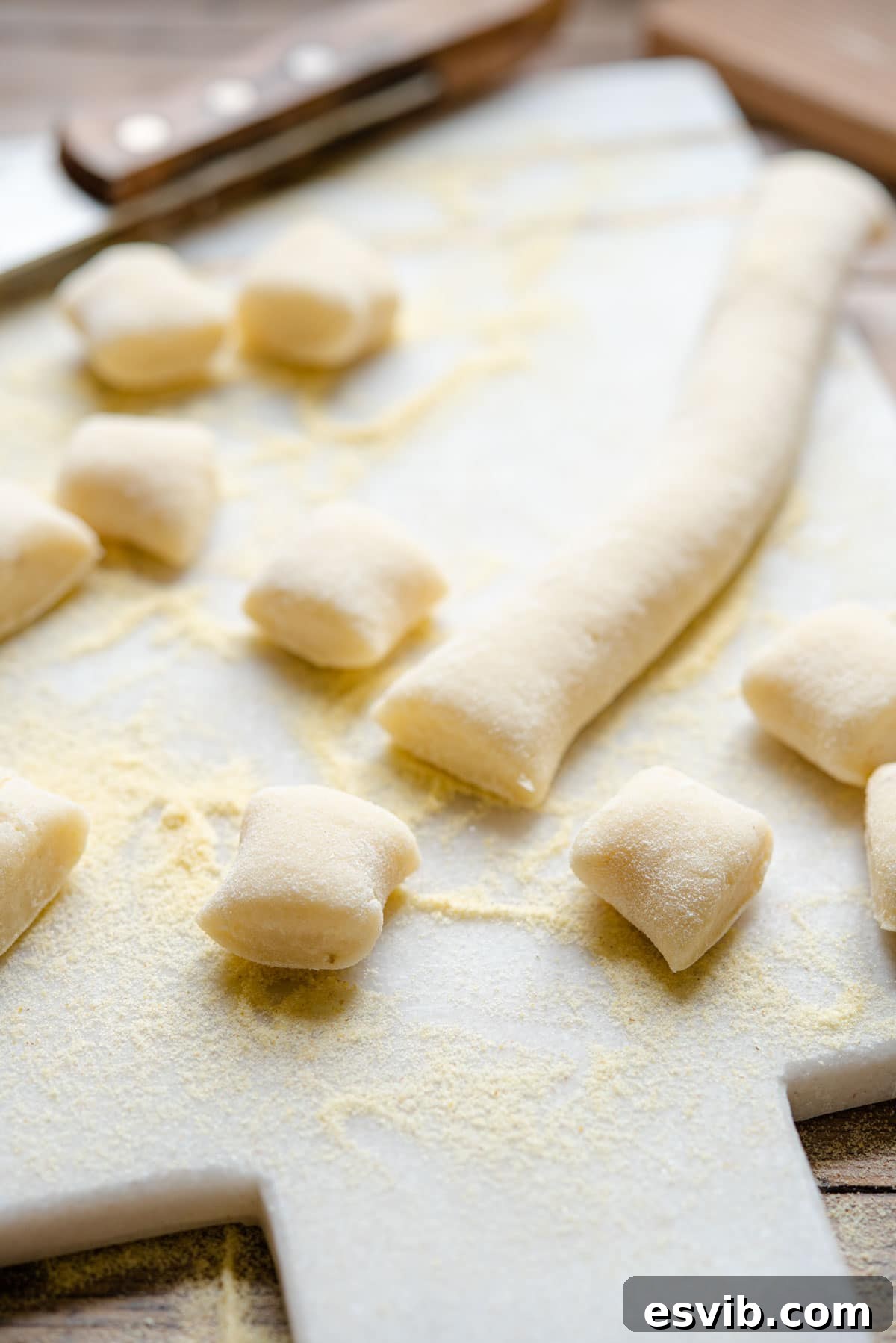
- Working with one quarter of the dough at a time, gently roll it into a long, cylindrical log, approximately 2 cm (1 inch) thick.
- Using a sharp knife, cut each log into 2 cm (1 inch) pieces. These are your basic gnocchi pieces.
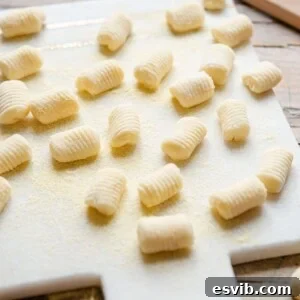
- You can cook the gnocchi as simple pillows, or you can impart the traditional ridges. The ridges help the sauce cling better to the gnocchi, enhancing every bite. To create ridges, you can use a traditional gnocchi board or the back of a fork.
- To shape using a gnocchi board or fork, lightly dust the board with flour or semolina. Place one gnocchi piece at the top of the board. With your thumb, gently but firmly roll the dough piece down and away from you, creating an indentation on one side and distinct ridges on the other. Repeat with the remaining dough.
- Place the shaped gnocchi on a lightly floured baking sheet or tray to prevent sticking until ready to cook.
Step 4: Cooking Your Homemade Gnocchi
- Bring a large pot of water to a rolling boil. It’s essential to salt the water generously, much like you would for pasta, to season the gnocchi from the inside out.
- Carefully add the gnocchi to the boiling water in batches to avoid overcrowding the pot, which can lower the water temperature and lead to uneven cooking.
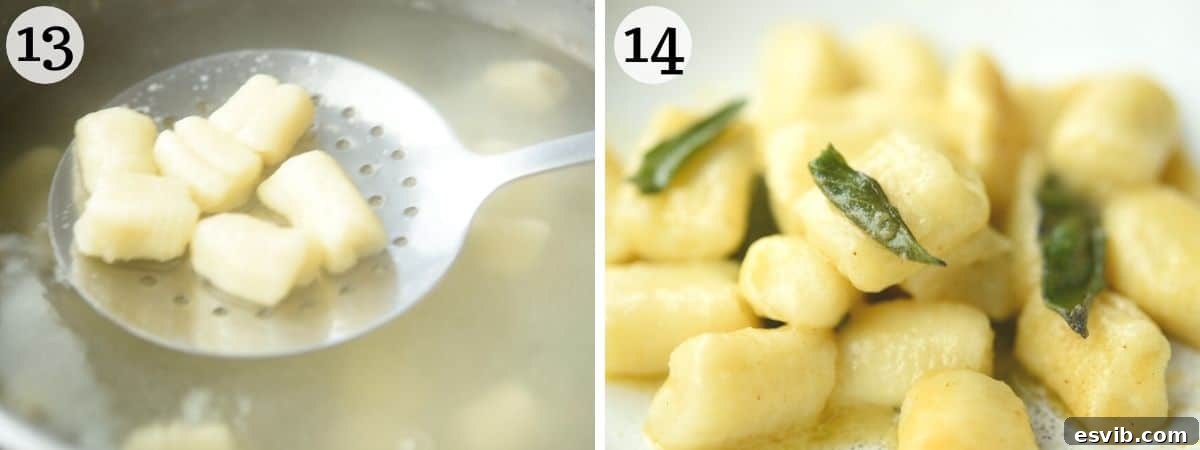
- Gnocchi cook very quickly! Once they float to the surface of the water, they are cooked and ready. This typically takes only 1-2 minutes.
- Using a slotted spoon, carefully remove the cooked gnocchi from the water and transfer them directly into your pre-heated sauce.
- Gently toss the gnocchi in the sauce to ensure they are thoroughly coated before serving immediately.
Choosing the Perfect Sauce for Your Gnocchi
The beauty of homemade gnocchi lies in its incredible versatility when it comes to pairings. Its delicate texture and mild potato flavor provide the perfect canvas for a multitude of sauces. Whether you crave a hearty, comforting meal or something lighter and more vibrant, there’s a gnocchi sauce for every palate.
Here are some popular and incredibly delicious sauce options that perfectly complement homemade potato gnocchi:
- Rich Meat Ragu: A slow-cooked, deeply flavored meat sauce like a classic Italian beef ragu or a rustic sausage ragu creates a truly satisfying and decadent dish. The gnocchi readily absorb the complex flavors of the slow-simmered meat and tomatoes.
- Fresh Tomato Sauce: For a lighter yet equally satisfying option, a simple, fresh tomato sauce made with ripe tomatoes, garlic, and basil allows the gnocchi’s natural flavor to shine. Consider a “Gnocchi alla Sorrentina” where the gnocchi are baked with tomato sauce, mozzarella, and basil.
- Creamy Brown Butter and Sage: This minimalist sauce is a classic for a reason. Nutty brown butter infused with fragrant sage leaves offers a luxurious and aromatic coating for the gnocchi, creating an elegant and deeply flavorful dish.
- Pesto: A vibrant basil pesto, whether homemade or store-bought, provides a burst of fresh, herbaceous flavor that beautifully contrasts with the soft gnocchi.
- Walnut Sauce (Salsa di Noci): A lesser-known but incredibly delicious Ligurian specialty, this creamy, rich sauce made from walnuts, garlic, bread, and olive oil offers a unique and sophisticated pairing.
Expert Tips and Frequently Asked Questions for Gnocchi Success
To ensure your homemade gnocchi consistently achieve that desired pillowy perfection, keep these crucial tips in mind:
- Potato Type is Key: Re-emphasizing this point because it’s paramount! Always use a floury, starchy potato variety like Yukon Gold, Russet, or Maris Piper. These potatoes have a dry, mealy texture when cooked, which results in light gnocchi. Waxy or new potatoes, with their high moisture content, will lead to a heavy, gummy dough.
- Never Peel Before Boiling: Resist the temptation to peel your potatoes before boiling. The skin acts as a protective barrier, preventing the potatoes from absorbing too much water. Excess water is the enemy of light gnocchi, as it requires more flour to compensate, leading to a tough texture.
- Start Potatoes in Cold Water: Always place your potatoes in a pot of cold water and then bring it to a boil. Adding them directly to boiling water can shock the potatoes, causing their exteriors to cook much faster than their centers and potentially leading to uneven cooking and cracked skins, allowing water to seep in.
- Flour Choice Matters: While all-purpose flour works, Italian Tipo 00 flour is milled extra fine and has a lower protein content, which contributes to an even lighter and more tender gnocchi. If you have it, use it!
- Don’t Overwork the Dough: This is perhaps the most critical tip. The more you knead or handle gnocchi dough, the more gluten develops, leading to a chewy, tough texture. Work quickly and gently, combining the ingredients just until a smooth dough forms.
- Use a Potato Ricer: A potato ricer is an indispensable tool for gnocchi. It creates an incredibly fine, airy potato pulp without mashing, which can activate starches and make the potatoes gummy.
Frequently Asked Questions
While some traditional gnocchi recipes are made without egg, its inclusion makes the dough much easier to handle and less prone to falling apart during cooking. If you’re an experienced gnocchi maker, you might experiment without it, but for consistent results, especially for beginners, a medium-sized egg is recommended.
Gnocchi dough doesn’t hold up well for extended periods, as it can become very sticky. However, you can prepare the shaped gnocchi up to an hour in advance. Store them in a single layer on a lightly floured or semolina-dusted tray, covered with plastic wrap, and placed in the refrigerator. This prevents them from sticking together.
Absolutely! Freezing gnocchi is a fantastic way to enjoy homemade goodness whenever you crave it. After cutting and shaping your gnocchi, arrange them in a single, even layer on a baking tray lined with parchment paper. Freeze until solid. Once frozen, you can transfer them to a freezer-safe bag or airtight container to save space. Cook the gnocchi directly from frozen – there’s no need to thaw them first.
If you’ve tried this Homemade Potato Gnocchi Recipe or any other recipe on the blog, please let me know how you got on in the comments below – I love hearing from you! You can also FOLLOW ME on FACEBOOK, INSTAGRAM and PINTEREST to see more delicious food and what I’m getting up to.
Step By Step Photos Above
Most of our recipes come with step-by-step photos, helpful tips and tricks to make it perfectly the first time.
Potato Gnocchi
By Emily
30
35
1
5
8
– 10 servings
Ingredients
-
2
lbs
floury potatoes,
Yukon Gold, Russet or Maris Piper (1 kg) -
2
cups
flour,
Italian 00 flour or all-purpose (plain) (250g) -
1
medium egg - Salt
Instructions
How to prepare the potatoes
-
Clean the potatoes but do not peel them, then place them in a large pot of cold water. Bring to a boil and cook until tender, about 30 minutes.
-
To check for doneness, insert a knife into the center of the largest potato; if it enters easily, they are cooked. Try to avoid frequent piercing.
-
Once cooked, drain the potatoes. Peel them when they are cool enough to handle, as the skin should rub off easily.
-
While the peeled potatoes are still warm, pass them through a potato ricer.
How to make potato gnocchi dough
-
Tip the flour onto a clean work surface and place the riced potatoes on top. Start to gently incorporate the flour into the potatoes, then add the beaten egg and salt.
-
Knead the mixture minimally until the dough is smooth, soft, and no longer sticky. Be careful not to overwork the dough, or it will become tough. If needed, add extra flour a little at a time until the dough reaches the correct consistency.
How to cut and shape the gnocchi
-
Cut the dough into 4 portions. Work with one quarter at a time, shaping it into 2 cm / 1 inch thick logs. Cut each log into 1 inch / 2 cm pieces.
-
You can cook the gnocchi as simple pillows, or shape them using a gnocchi board or the back of a fork for ridges.
-
To shape, sprinkle flour or semolina onto a gnocchi board or fork. Place a piece of dough on the board and roll it away from you, pressing firmly with your thumb to create ridges.
Cooking the gnocchi
-
Bring a large pot of water to a boil and salt it generously. Add the gnocchi to the boiling water; they are cooked once they float to the surface.
-
Remove the cooked gnocchi from the water with a slotted spoon directly into your prepared sauce. Toss to coat and serve immediately.
Video
Notes
- Potato type: As mentioned, always use floury potatoes such as Yukon Gold, Russet, or Maris Piper. Waxy potatoes will not work and will result in a heavy, dense dough.
- Peeling the potatoes: DO NOT peel potatoes before boiling. The skin protects them from absorbing too much water, which would negatively affect the gnocchi dough’s texture.
- Boiling Potatoes: Always add potatoes to a pot of cold water and then bring it to a boil. Adding them directly to already boiling water can shock them, potentially causing the skin to split and allowing excessive water absorption.
- Flour: Italian 00 flour is recommended for a lighter texture, but good quality all-purpose (plain) white flour can also be used successfully.
Helpful Info for All Recipes
- I always use extra virgin olive oil in all of my recipes unless stated otherwise.
- When I use canned or jarred tomatoes of any kind, I always recommend Cirio or Mutti brands for the best results and flavor.
- All vegetables are medium-sized unless stated otherwise.
- All recipes are tested and developed using a fan (convection) oven.
- Find out more about how nutrition is calculated.
- Check out our must-have Italian Pantry Staples.
- You can also find all our Essential Kitchen Tools for Italian Cooking.
Nutrition
Calories: 234kcal
|
Carbohydrates: 50g
|
Protein: 6g
|
Fat: 1g
|
Saturated Fat: 1g
|
Cholesterol: 20mg
|
Sodium: 53mg
|
Potassium: 635mg
|
Fiber: 5g
|
Sugar: 8g
|
Vitamin A: 24052IU
|
Vitamin C: 25mg
|
Calcium: 55mg
|
Iron: 2mg
Nutrition information is automatically calculated, so should only be used as an approximation.