
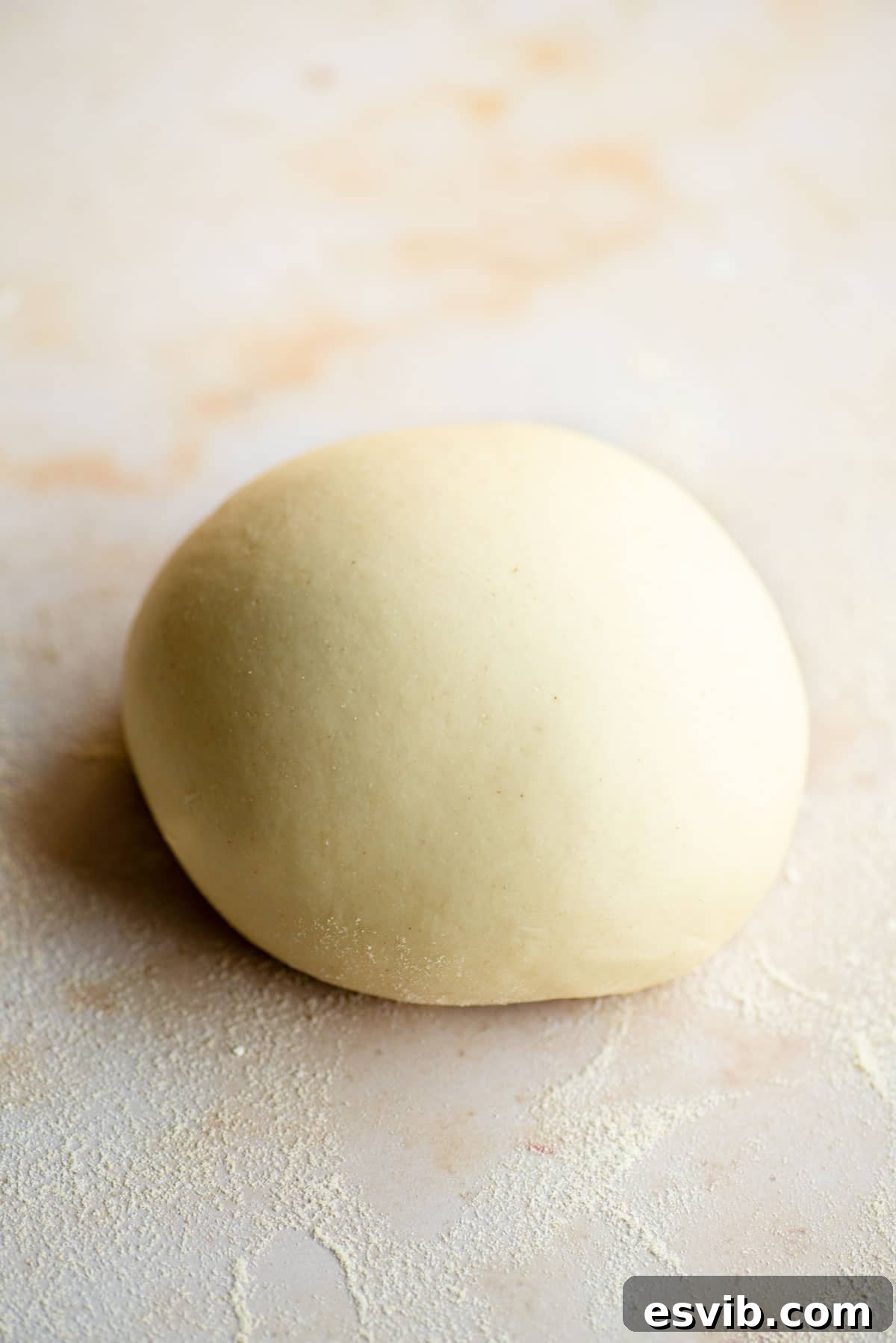
Embark on a culinary journey to the heart of Italy by mastering the art of homemade semolina pasta dough. This comprehensive guide will show you how to craft exquisite Italian semolina pasta using just two simple, accessible ingredients. Known for its distinct bite and robust texture, this completely egg-free dough is incredibly quick and easy to prepare, making it an ideal project for both novice and experienced pasta makers. Once perfected, this versatile dough is your canvas for creating a multitude of traditional Italian shapes, including the beloved Cavatelli, charming Gnocchetti Sardi, and iconic Orecchiette.
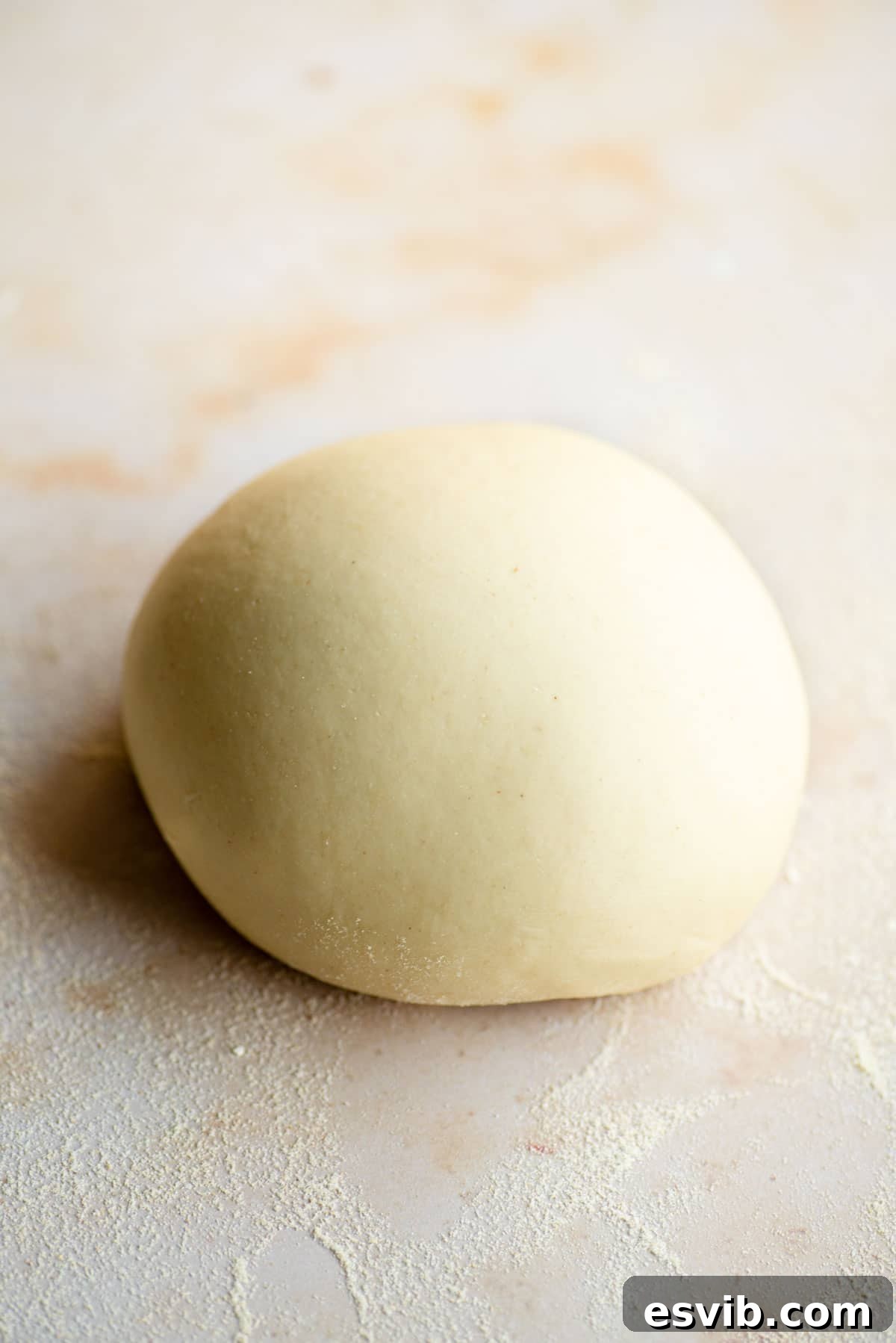
The Magic of Semolina: Why This Dough Stands Apart
While many homemade pasta recipes focus on “00” flour and eggs, semolina pasta dough often gets overlooked, despite being one of the most rewarding and forgiving doughs to work with. What makes it so special? It’s all about the flour: Semola Rimacinata. This finely ground durum wheat semolina is a staple in Southern Italian kitchens, imparting unique characteristics to the pasta that cannot be replicated with other flours.
Unlike softer common wheat flours, durum wheat is incredibly hard, resulting in a pasta that maintains a firm, al dente chew even after cooking. This sturdier nature also makes the dough exceptionally resilient and easy to shape by hand, without the need for delicate handling often associated with egg-based doughs. From the intricate ridges of Cavatelli to the ear-like cups of Orecchiette, semolina dough holds its form beautifully, making it perfect for an endless array of traditional Italian shapes like Cavatelli, Gnocchetti Sardi, Orrechiette, and even hand-cut Spaghetti alla Chitarra. Embracing this traditional Italian dough opens up a world of pasta-making possibilities, allowing you to experiment with various forms and pair them with your favorite rich or simple sauces.
Essential Ingredients: Simple Yet Powerful
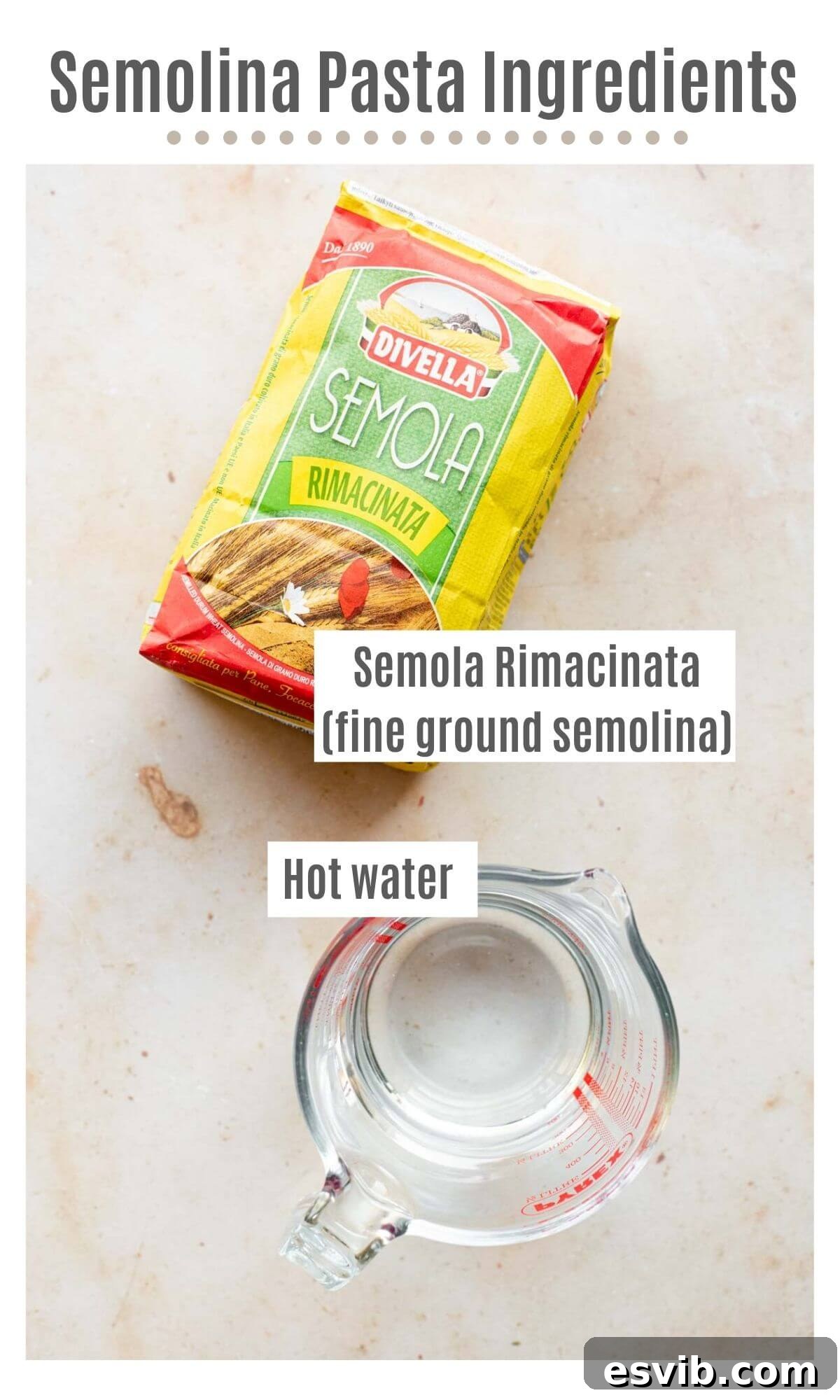
Crafting perfect semolina pasta requires only two core ingredients, but selecting the right quality makes all the difference. Below, we’ll delve into what you need and offer crucial tips for sourcing and preparation:
- Semola Rimacinata (300g / 2 cups): This is the star of our recipe. “Semola Rimacinata” translates to “re-milled semolina,” indicating its very fine, flour-like consistency. It’s milled from hard durum wheat, which is rich in gluten and protein, giving the pasta its distinctive golden color and robust, chewy texture when cooked. Unlike standard semolina, which is coarser and often used for polenta, Semola Rimacinata has the texture of a fine powder, making it ideal for pasta dough. It can be easily found online, in specialty Italian food stores, or increasingly, in well-stocked supermarkets.
- Hot Water (150ml / 2/3 cup): While cold water can technically be used, hot or warm water is highly recommended. The warmth helps to relax the gluten in the flour, making the dough much easier to knead and more pliable. It also aids in achieving a smoother, more elastic dough in less time. Ensure the water is warm to the touch, but not scalding hot, to avoid “cooking” the flour prematurely.
Key Ingredient Tip: Precision in Measurement
For consistent, perfect results every time, especially when making pasta, a kitchen scale is your best friend. Weighing flour provides far more accuracy than volume measurements. If you must use measuring cups, spoon the semolina into the cup loosely and then level it off with a straight edge. Never scoop directly from the bag, as this compacts the flour and will result in using too much, leading to a dry, crumbly dough that won’t come together properly.
Step-by-Step Guide: Crafting Your Semolina Dough
Follow these detailed instructions to create a silky, elastic semolina pasta dough, perfectly ready for shaping.
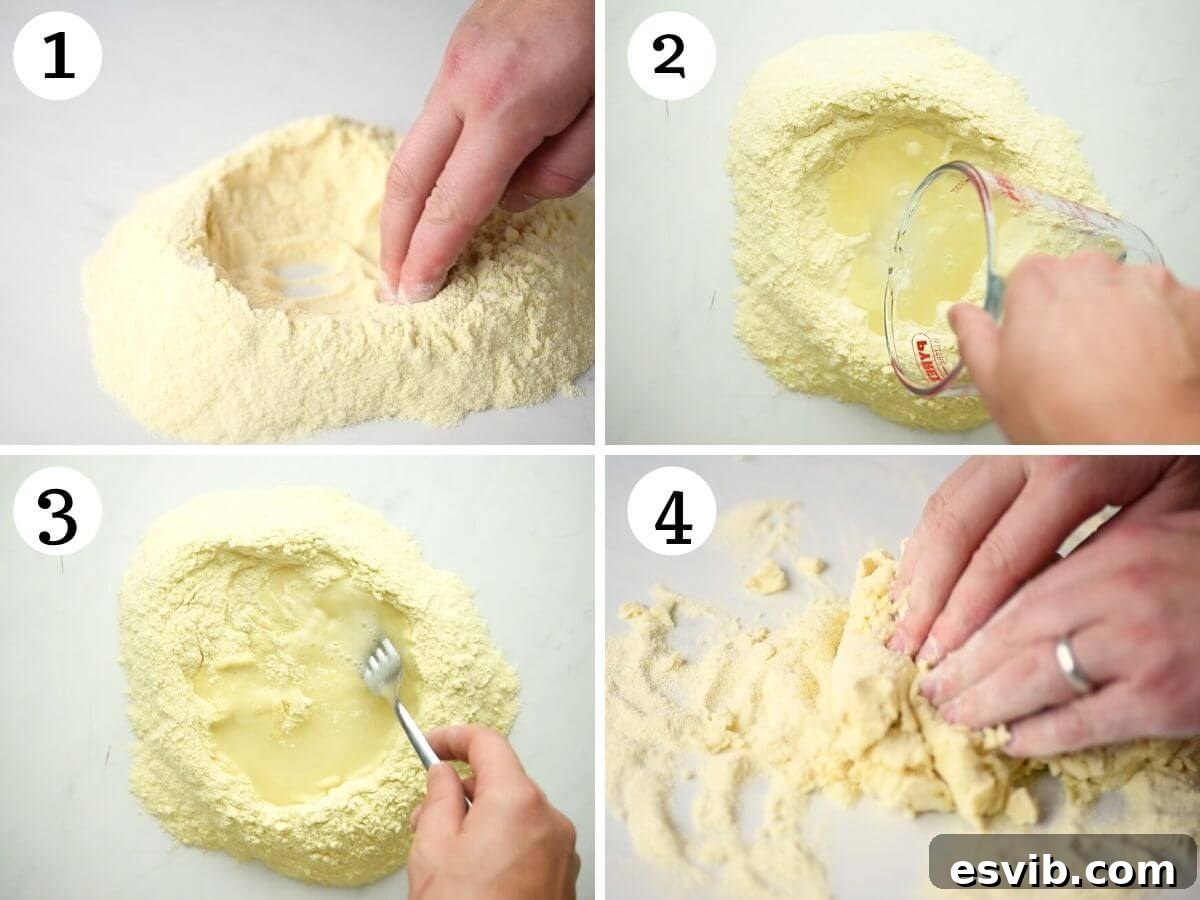
- Prepare Your Workspace: Begin by tipping the specified amount of Semola Rimacinata onto a clean, dry work surface – a large wooden board is traditional and excellent for kneading, but a clean countertop or a spacious mixing bowl works just as well. Create a wide, deep well in the center of the flour, resembling a volcano. This well will hold the water.
- Hydrate the Flour: Carefully pour the hot water into the well. Using a fork, gradually start to incorporate small amounts of semolina from the inner edges of the well into the water. Work slowly, drawing the flour into the liquid until a shaggy, wet mixture forms in the center. Avoid letting the water spill out of the well.
- Form the Dough: Once most of the water has been absorbed and a rough, sticky dough has formed, scrape any remaining flour into the central mass. At this stage, discard your fork and use your hands to bring the dough together. It will feel quite stiff and a bit crumbly at first.
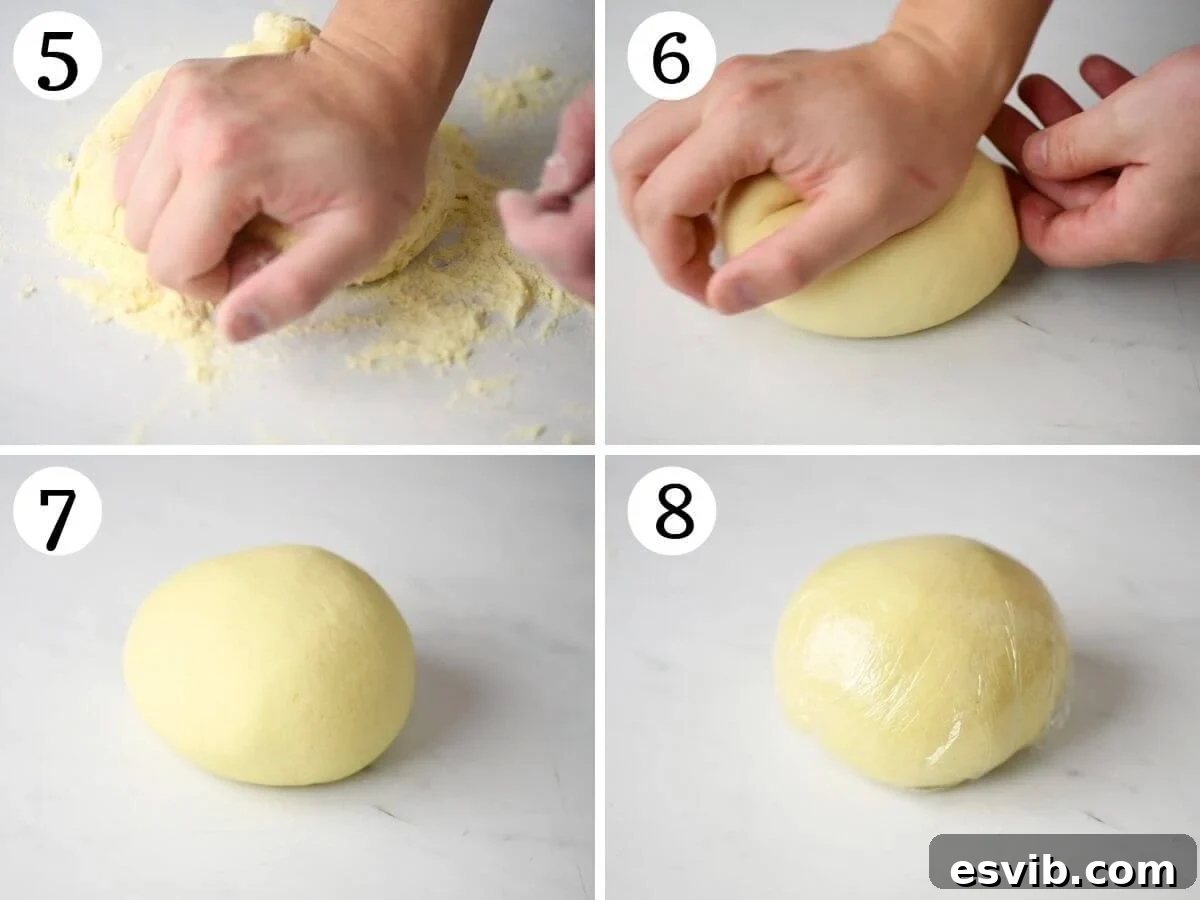
- Knead to Perfection: Begin kneading the dough with the heels of your hands, pushing it away from you and then folding it back. This process develops the gluten, making the dough smooth and elastic. Knead for a full 10-15 minutes. The dough will transform from coarse and tough to smooth, supple, and noticeably elastic. If you find the dough too tough to knead initially, wrap it tightly in plastic wrap and let it rest for 5-10 minutes. This brief rest allows the gluten to relax, making it much softer and easier to work with. Continue kneading after the rest until the desired texture is achieved.
- Rest the Dough: After kneading, form the dough into a smooth ball. Wrap it tightly in plastic wrap (cling film) to prevent it from drying out. Let the dough rest at room temperature for at least 30 minutes. This resting period is crucial; it allows the gluten to relax completely, making the dough incredibly pliable and easy to roll and shape without tearing or shrinking back.
- Ready to Shape: Your perfectly prepared semolina dough is now ready for shaping! Explore our detailed tutorials for Homemade Cavatelli Pasta or Gnocchetti Sardi – two very easy and simple shapes that are incredibly satisfying to make with this robust dough. Or, unleash your creativity and form it into any shape your heart desires.
Expert Tips and Frequently Asked Questions for Semolina Pasta
Troubleshooting & Best Practices:
- Dough is too dry/crumbly: Add water, one teaspoon at a time, kneading well after each addition until the dough comes together. Remember, humidity can affect flour absorption, so minor adjustments might be needed.
- Dough is too sticky: Lightly dust your work surface and hands with a tiny bit more Semola Rimacinata, kneading it in until the stickiness disappears. Be careful not to add too much flour, or the pasta will be tough.
- Kneading by hand vs. stand mixer: While kneading by hand is traditional and therapeutic, you can use a stand mixer with a dough hook for about 7-10 minutes on medium speed. The dough is ready when it pulls away from the sides of the bowl and is smooth.
- Work Surface Matters: A wooden pasta board (spianatoia) is traditional for semolina pasta. Its slightly porous surface helps the dough grip, making it easier to knead and shape without excessive flour. If you don’t have one, a clean marble or laminate countertop is also fine.
FAQs:
For superior results, always opt for very finely ground semolina, also known as Semola Rimacinata or Semola di Gran Duro Rimacinata. Its texture is akin to a very fine powder, which is essential for a smooth, cohesive dough.
Absolutely! You can make this semolina dough 1-3 days ahead of time. Store it tightly wrapped in plastic wrap in the refrigerator. Remember to remove it from the fridge at least 30 minutes to 1 hour before you plan to use it, as cold dough will be stiff and very difficult to shape.
Yes, the dough can be frozen. However, because it’s so quick to prepare fresh, we generally recommend shaping your pasta first, then freezing the individual pasta shapes. When you’re ready to cook, boil your frozen pasta shapes directly in salted water, no need to thaw.
Creative Shaping & Delicious Pairings
The beauty of semolina pasta lies in its versatility. Its firm yet pliable nature makes it ideal for a vast array of shapes that beautifully capture and hold sauces. Here are some popular shapes you can create and fantastic sauces to serve them with:
Traditional Semolina Pasta Shapes:
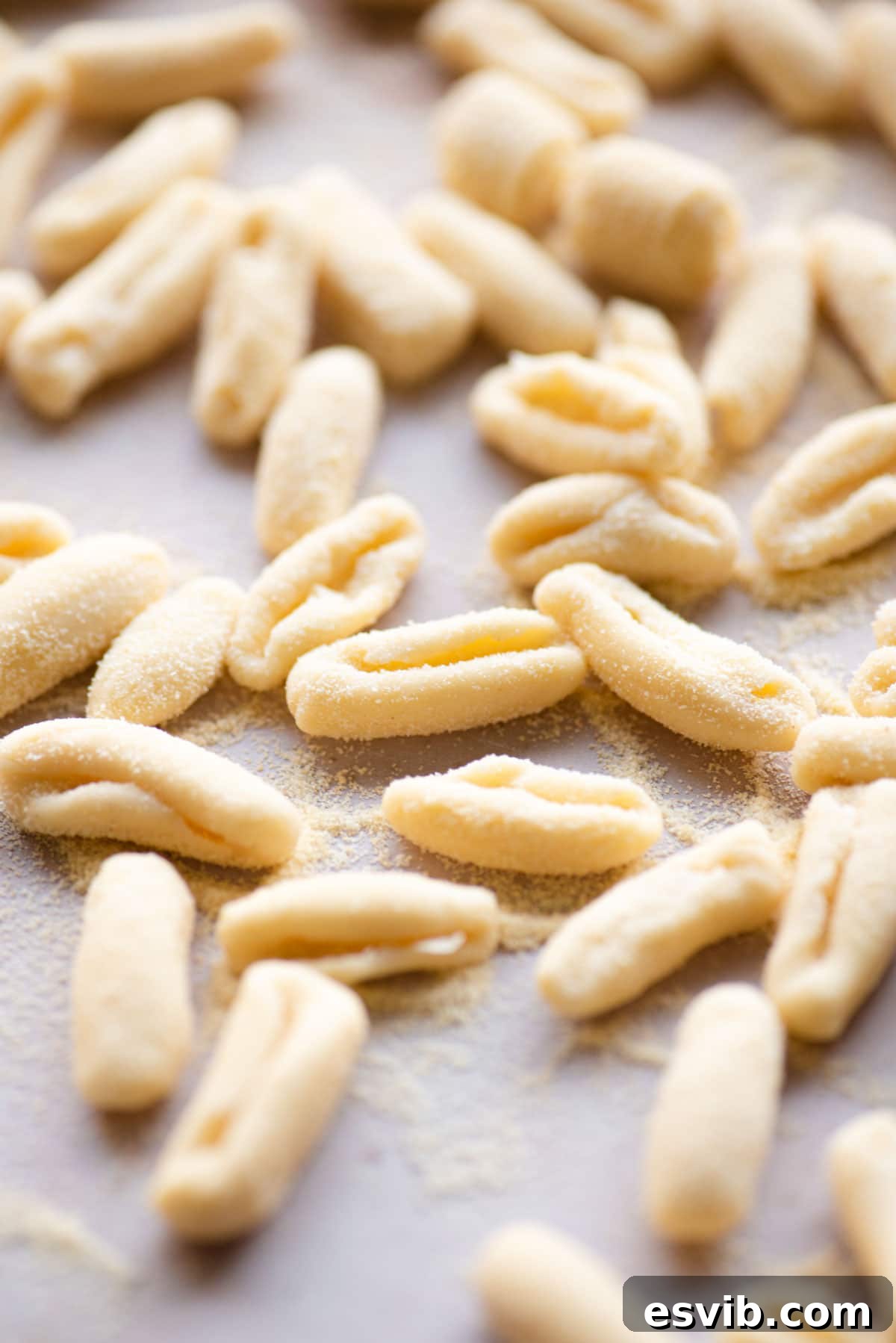
- Homemade Cavatelli: These charming small shells are incredibly easy to make with semolina dough. Their open shape is perfect for catching hearty sauces.
- Gnocchetti Sardi: Also known as Malloreddus, these are similar to cavatelli but feature distinctive grooves created by rolling them on a ridged board. The grooves are fantastic for clinging onto sauces.
- Orecchiette: Meaning “little ears,” these round, concave shapes are a hallmark of Puglia. They require a bit more practice but are incredibly rewarding to make and serve.
- Strangozzi: A hand-rolled, twisted spaghetti-like pasta from Umbria, perfect for capturing pesto or olive oil-based sauces.
- Spaghetti alla Chitarra: A square-cut spaghetti, traditionally made by pressing dough through a “chitarra” (guitar) frame. This creates a rough, porous texture that loves to absorb sauces.
Sauces to Elevate Your Semolina Pasta:
- Cavatelli and Broccoli: A classic Southern Italian pairing where tender broccoli florets and garlic infuse the pasta with incredible flavor. This simple yet satisfying dish is a staple.
- Gorgonzola Cream Sauce: A super quick and decadent cheesy sauce that coats the pasta beautifully. The sharp, tangy notes of Gorgonzola are balanced by a creamy base.
- Pomodoro Sauce: The quintessential Italian tomato and basil sauce. Its fresh, vibrant flavors allow the natural taste and texture of the semolina pasta to shine. A truly timeless pairing.
- Italian Beef Ragu: A rich, slow-cooked meat sauce, deeply comforting and packed with flavor. The robust nature of semolina pasta stands up perfectly to such a hearty sauce.
- Pesto Genovese: The fresh, aromatic blend of basil, pine nuts, Parmesan, and olive oil is fantastic with many semolina shapes, especially those with nooks and crannies.
- Aglio e Olio: A simple sauce of garlic and olive oil, often with a hint of chili, that highlights the pasta’s texture and inherent flavor.
Once you’ve formed your pasta into small shapes, cook them in a generous amount of salted boiling water. Fresh semolina pasta cooks quickly, typically in just 2-3 minutes, retaining its delightful al dente bite. Serve immediately with your chosen sauce and enjoy the unparalleled taste of truly homemade Italian pasta.
If you’ve tried this Semolina Pasta recipe or any other recipe on the blog, please don’t forget to rate the recipe and share your experience in the comments below – we love hearing from you! You can also FOLLOW US on FACEBOOK, INSTAGRAM, and PINTEREST, or sign up for our NEWSLETTER to receive more of our delicious recipes directly to your inbox.
Step-By-Step photos and helpful tips are provided above for easy reference.
Semolina Pasta Dough (Egg-Free)
By Emily
30 mins
30 mins
1 hr
4 servings (makes approximately 1 pound/450g)
Print Recipe
Learn how to make authentic Italian semolina pasta dough from scratch with just two ingredients. This easy, egg-free recipe is perfect for shaping traditional pasta.
Equipment
- Plastic wrap (cling film)
- Large mixing bowl or clean work surface
- Fork
- Kitchen scale (optional, but recommended for accuracy)
Ingredients
- 300 g Semola Rimacinata, (extra fine semolina) 2 cups* (see notes for measuring with cups)
- 150 ml hot water, ⅔ cup (warm to the touch, not boiling)
Instructions
-
Tip the Semola Rimacinata onto a clean work surface or into a large mixing bowl and create a wide well in the middle. Pour the hot water into the well, then slowly begin to incorporate the semolina into the water using a fork. Continue until a shaggy dough forms.
-
Once the dough starts to come together, use your hands to knead the dough for 10-15 minutes until it becomes smooth and elastic. If the dough feels tough to knead, wrap it in plastic wrap and let it rest for 5-10 minutes before continuing to knead. This will make it much softer and easier to work with.
-
After kneading, wrap the dough tightly in plastic wrap (cling film) and let it rest at room temperature for at least 30 minutes. This resting period allows the gluten to relax, making the dough pliable and easy to shape.
-
Your dough is now perfectly ready to shape! Refer to our detailed tutorials on how to make cavatelli pasta or gnocchetti sardi (two very easy and simple shapes for beginners), or choose to form it into any other desired pasta shape.
-
Once your pasta shapes are formed, cook them immediately in a pot of generously salted boiling water for approximately 2-3 minutes. Serve your fresh homemade pasta with your favorite sauce.
Notes
- *Measuring with cups: If you are using cups instead of a kitchen scale, it is crucial to spoon the semolina into the measuring cup and then level it off with a knife. Scooping the flour directly will compact it, leading to an inaccurate measurement and potentially a dry, unworkable dough.
- Preparing in advance: This semolina dough can be prepared 1-3 days ahead of time. Store it tightly wrapped in plastic wrap in the refrigerator. Before use, allow it to come to room temperature for at least 30 minutes to an hour, as cold dough will be too stiff to shape.
- Storage and freezing: While the dough itself can be frozen, we highly recommend shaping the pasta first and then freezing the individual shapes. Spread the shaped pasta in a single layer on a floured baking sheet and freeze until solid, then transfer to an airtight container or freezer bag. Cook the frozen pasta directly from the freezer in boiling water – there’s no need to thaw.
Helpful Info for All Recipes
- We always use extra virgin olive oil in all of our recipes unless stated otherwise.
- When using canned or jarred tomatoes of any kind, we recommend Cirio or Mutti brands for the best results and flavor.
- All vegetables are medium-sized unless specified differently.
- All recipes are tested and developed using a fan (convection) oven.
- Find out more about how nutrition is calculated.
- Check out our must-have Italian Pantry Staples.
- You can also find all our Essential Kitchen Tools for Italian Cooking.
Nutrition Information (per serving)
| Carbohydrates: 53 g
| Protein: 10 g
| Fat: 2 g
| Saturated Fat: 1 g
| Polyunsaturated Fat: 1 g
| Monounsaturated Fat: 1 g
| Sodium: 3 mg
| Potassium: 323 mg
| Calcium: 27 mg
| Iron: 3 mg
Nutrition information is automatically calculated and should only be used as an approximation.
Did you try this recipe?
Leave a comment below!