
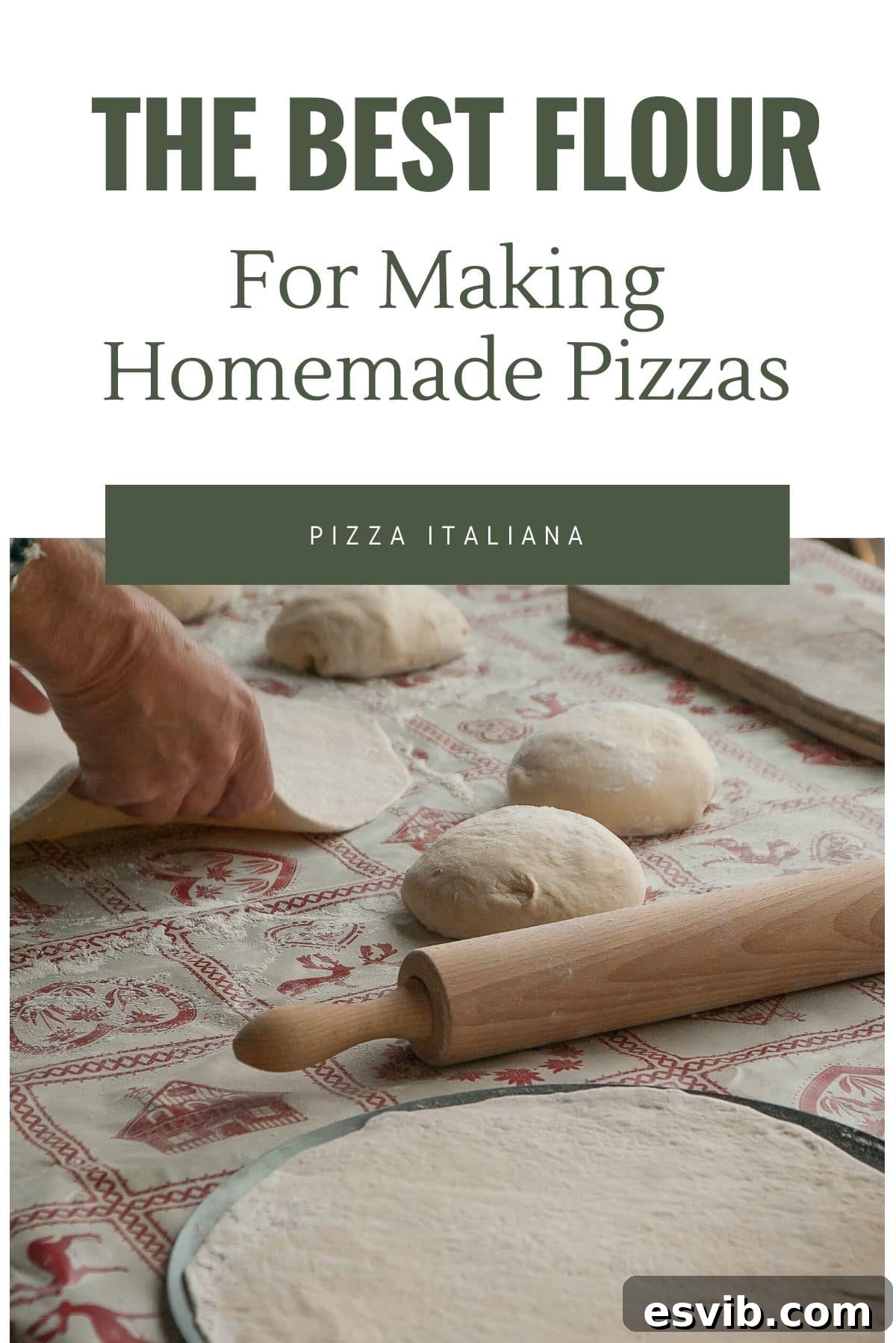
Embarking on the journey of homemade pizza is a rewarding culinary adventure. Whether you’re a seasoned pizzaiolo or just starting to experiment, the secret to an outstanding crust often lies in a single, fundamental ingredient: flour. This comprehensive guide will demystify the world of pizza flours, helping you select the perfect type to achieve your desired texture, flavor, and overall pizza perfection. Prepare to elevate your homemade pizzas from good to unforgettable!
The allure of a perfectly baked homemade pizza is undeniable. The aroma filling your kitchen, the bubbling cheese, and that quintessential chewy-yet-crisp crust—it’s a gastronomic experience that brings joy and satisfaction. Like many home cooks, I’m deeply passionate about pizza, often making it a bi-weekly ritual. But what truly sets a mediocre pizza apart from an exceptional one? Beyond the toppings and sauce, the flour you choose for your dough plays an incredibly pivotal role.
This detailed guide is designed to be your ultimate resource for understanding different flours used in pizza making. We’ll break down their unique characteristics, explain how they impact your dough, and help you decide which one is best for your culinary aspirations. We’ll explore everything from readily available all-purpose flour to specialized Italian varieties, ensuring your next pizza creation is your best one yet.
To further enhance your pizza-making journey, don’t forget to check out our essential guide to the best tools for homemade pizza (no fancy gadgets required, just smart tips!). Once you’re equipped with the knowledge and tools, dive into our amazing collection of pizza doughs and recipes to start cooking!
The Science of Pizza Flour: Understanding Gluten and Protein
Before we delve into specific flour types, it’s crucial to understand the science behind what makes a great pizza crust. The key lies in two primary components: protein and gluten. Flour, especially wheat flour, contains proteins called glutenin and gliadin. When these proteins interact with water and are kneaded, they form gluten, a complex elastic network.
This gluten network is what gives dough its elasticity, allowing it to stretch without tearing, and its strength, enabling it to trap the carbon dioxide produced by yeast, leading to a light, airy, and well-risen crust. The higher the protein content in flour, generally the stronger the potential gluten development, which translates to a chewier, more structured crust. Conversely, lower protein flours result in a softer, more tender crumb. Understanding this fundamental principle will help you appreciate the nuances of each flour type and make informed choices for your homemade pizzas.
The Quest for the Perfect Crust: A Deep Dive into Pizza Flours
All-Purpose Flour: The Accessible Starting Point
Let’s begin with the most common flour found in virtually every kitchen: all-purpose (AP) or plain flour. This flour is milled from a blend of hard and soft wheats, giving it a moderate protein content, typically ranging from 10% to 12%. Its versatility makes it suitable for a wide array of baked goods, from cookies to cakes, and yes, even pizza.
While convenient and widely available, AP flour is a middle-ground option. Its moderate protein level means it develops a decent gluten structure, but it doesn’t absorb liquid as effectively as higher-protein flours. This can result in a pizza crust that is less chewy and somewhat softer, with less structural integrity, especially when aiming for a robust, airy rim or a very thin, crisp base. For casual home bakers or those who don’t bake frequently, AP flour is perfectly acceptable and will yield average to good results. However, if your goal is to elevate your pizza game and achieve truly remarkable crusts, you’ll likely want to explore other specialized options.
Tip: If using all-purpose flour, always opt for unbleached varieties when possible. Bleached AP flour undergoes a chemical process that can further soften the flour and weaken its gluten-forming potential, making it even less ideal for yeast-leavened doughs like pizza.
Bread Flour: Building a Stronger Foundation
Taking a significant step up from all-purpose flour is bread flour. As its name suggests, this flour is specifically designed for bread making, boasting a higher protein content, typically between 12% and 14%, and consequently, a greater potential for gluten development. This extra insoluble protein and gluten are precisely what make bread flour an excellent choice for pizza dough.
The robust gluten network formed by bread flour allows the dough to absorb more liquid, leading to a stronger, more elastic dough. This elasticity is crucial for stretching pizza dough thin without tearing and for creating a crust that holds its shape beautifully. The increased protein also contributes to a higher rise and a more satisfyingly chewy texture, which is often a hallmark of a great pizza crust. Compared to all-purpose flour, bread flour will consistently give you a more structured crust with a better chew and rise. In terms of overall flavor and texture for yeast-leleavened doughs, we strongly recommend using bread flour over all-purpose flour if Italian specialty flours are not an option.
Farina Tipo 00: The Italian Secret for Neapolitan Perfection
When discussing authentic Italian pizza, especially the revered Neapolitan style, Farina Tipo 00 (double zero) is often the star. In Italy, flours are graded based on their milling fineness and the amount of bran and germ removed, ranging from 00, 0, 1 and 2. Type 00 is the finest grind, meaning it has virtually all the bran and germ removed, resulting in an incredibly soft and silky texture. Type 2, on the other end, is wholemeal.
In recent years, Italian 00 flour has surged in popularity among food enthusiasts and home cooks outside of Italy, becoming a staple for homemade pasta and, crucially, pizza. Its increasing demand means it’s now much easier to find, stocked even in smaller supermarkets, eliminating the need for an online search.
Despite its incredibly fine texture, Tipo 00 flour contains a good protein content (often around 11-12.5%, similar to or slightly higher than AP flour, but with unique gluten characteristics). This unique combination allows it to produce a dough that is both soft and pliable, yet strong enough to create a delicate, crispy crust with a characteristic puffy, airy rim (cornicione) when baked at very high temperatures, as is typical for Neapolitan pizza. The fine milling also helps prevent the crust from burning too quickly in extremely hot ovens, allowing the interior to cook through perfectly. While it creates a much softer dough to work with initially, the results are consistently fantastic. For these reasons, and its increasing accessibility, we rate Tipo 00 flour as the 2nd best flour for making homemade pizzas! It’s also the perfect flour for pasta making, producing wonderfully smooth and tender sheets.
Farina Tipo 0: The True Pizzeria Standard and Our Top Recommendation
Stepping into the realm of professional Italian pizzerias, Farina Tipo 0 (zero) flour is often the preferred choice. While slightly less refined than 00 flour—meaning it retains a minimal amount of bran and germ—this subtle difference is precisely what gives it a unique edge. Tipo 0 flour typically has a protein content similar to or slightly higher than Tipo 00 (around 12-13.5%), but its less fine milling results in a slightly different gluten structure that many pizzaiolos consider ideal.
The additional gluten and specific characteristics of Type 0 flour allow for the creation of a dough that strikes a perfect balance: it’s incredibly soft and elastic, making it easy to stretch, yet it possesses superior strength and extensibility. This balance results in a pizza crust that is both light and airy, with a delightful chewiness and a beautiful rise, capable of holding up to various toppings without becoming dense or soggy. When we moved to Italy, the ease of access to Type 0 flour in every supermarket quickly revealed why it’s the most common flour used in authentic Italian pizzerias and households alike.
Unfortunately, outside of Italy, Tipo 0 flour remains relatively difficult to source. Unless you are an avid baker or dedicated pizza maker with access to specialty Italian food stores or specific online suppliers, you might not have encountered it. However, if you can find it, it’s worth the effort.
While Farina Tipo 00 is an excellent substitute and readily available, our absolute top recommendation for making truly exceptional homemade pizzas is Farina Tipo 0! Its ability to produce a dough that is both tender and robust, with that sought-after authentic Italian texture, makes it the ultimate choice for serious pizza makers.
Crafting Your Masterpiece: Our Favorite Pizza Dough Recipes
Now that you’re well-versed in the different types of flour and their impact on pizza dough, it’s time to put that knowledge into practice. Choosing the right flour is the first step; the next is finding a recipe that perfectly complements it and your desired pizza style. We’ve curated a list of our go-to pizza dough recipes, detailing which flours are best suited for each. Get ready to create some culinary magic!
Basic Pizza Dough: Your Everyday Go-To
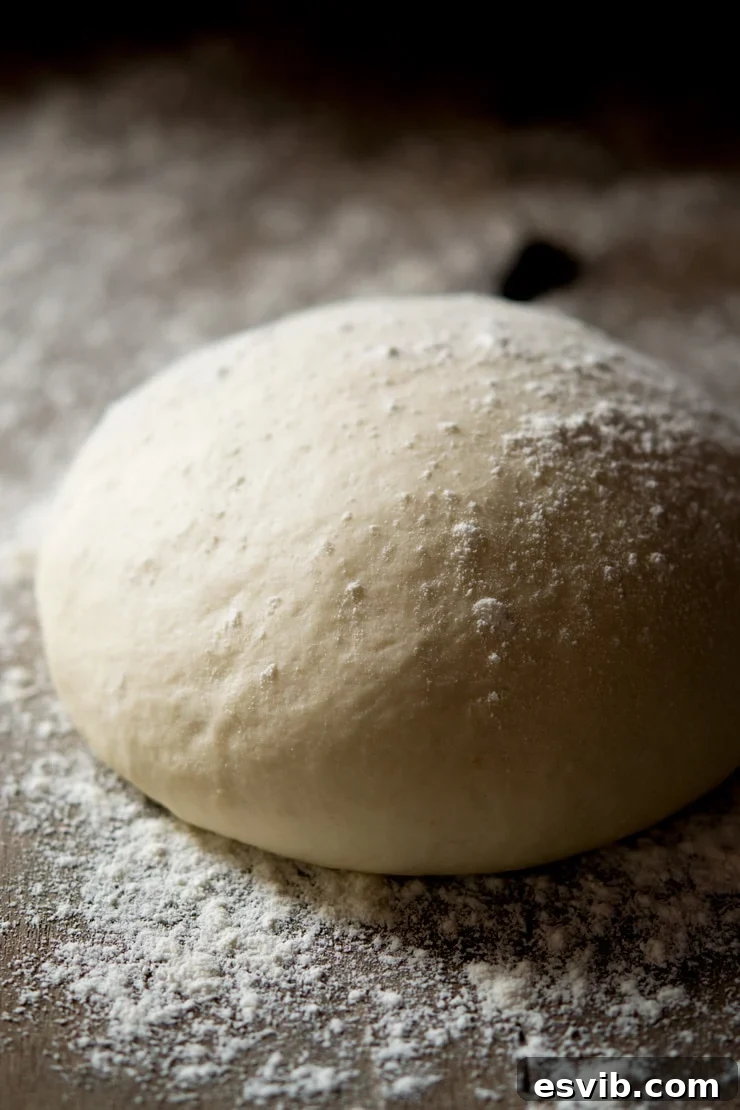
This recipe is a fantastic starting point for any home pizza maker. It’s an easy-to-follow guide for crafting thin to medium-sized pizza crusts, adaptable to whatever baking equipment you have—be it regular baking trays, a dedicated pizza stone, or even a specialized pizza oven. The process is straightforward, and we provide a comprehensive step-by-step guide to ensure your success.
The beauty of this basic pizza dough recipe lies in its versatility regarding flour choice. While you can certainly achieve good results with any of the flours mentioned above, for an elevated experience, we highly recommend using Type 0 or Tipo 00 flour. These Italian flours will impart a superior texture and flavor, resulting in a crust that is delightfully crisp on the outside and wonderfully airy on the inside. If Italian flours are unavailable, bread flour is your next best option for a chewy and robust crust.
Sfincione (Sicilian Pizza): A Hearty, Focaccia-Style Treat
For those who appreciate a thicker, more substantial pizza, Sfincione is an absolute must-try. This traditional Sicilian pizza bread is baked in a deep rectangular baking tray, resulting in a glorious, thick, and spongey crust that shares characteristics with a classic focaccia. Its unique texture demands a slightly richer dough, typically incorporating a generous amount of olive oil to achieve its characteristic moist crumb and crisp exterior.
The robust nature of Sfincione dough benefits greatly from flours that provide good structure and chewiness. To make this delightful pizza, you’ll find excellent results using Type 0, Tipo 00, or high-quality bread flour. These flours provide the necessary gluten development to create a dough that rises beautifully, offering that satisfying, bread-like chew while remaining tender. Sfincione is perfect for feeding a crowd and makes for a truly hearty meal or appetizer.
Instant Pizza Dough: Quick Fix, Delicious Results
Life happens, and sometimes, the craving for homemade pizza strikes when you simply don’t have hours to wait for dough to prove. We’ve all been there! That’s precisely why we developed our quick-fix instant pizza dough. This ingenious recipe allows you to whip up a delicious pizza base in just 10 minutes, requiring absolutely no yeast and no rising time!
This dough is designed for speed and convenience, producing thin-crust pizzas that are almost flatbread-like in texture. While you won’t achieve the light and fluffy, airy crust of a traditional yeast-leavened dough, this instant version offers a wonderfully crisp base that’s a fantastic compromise for a quick and satisfying pizza. It’s the perfect solution for impromptu pizza nights or when time is of the essence. We’ve rigorously tested this recipe with both 00 (double zero) flour, which is my personal preference for its delicate texture, and all-purpose flour, which also works wonderfully, making this recipe incredibly accessible.
We hope this comprehensive guide has illuminated the nuanced world of pizza flours and empowered you to make the best choices for your homemade pizzas. Understanding the role of each flour type is a game-changer for achieving that perfect crust. Don’t stop here—continue your pizza journey by exploring our guide on the best tools to use, and delve into our extensive collection of pizza recipes to truly master the art of homemade pizza. Happy baking!