
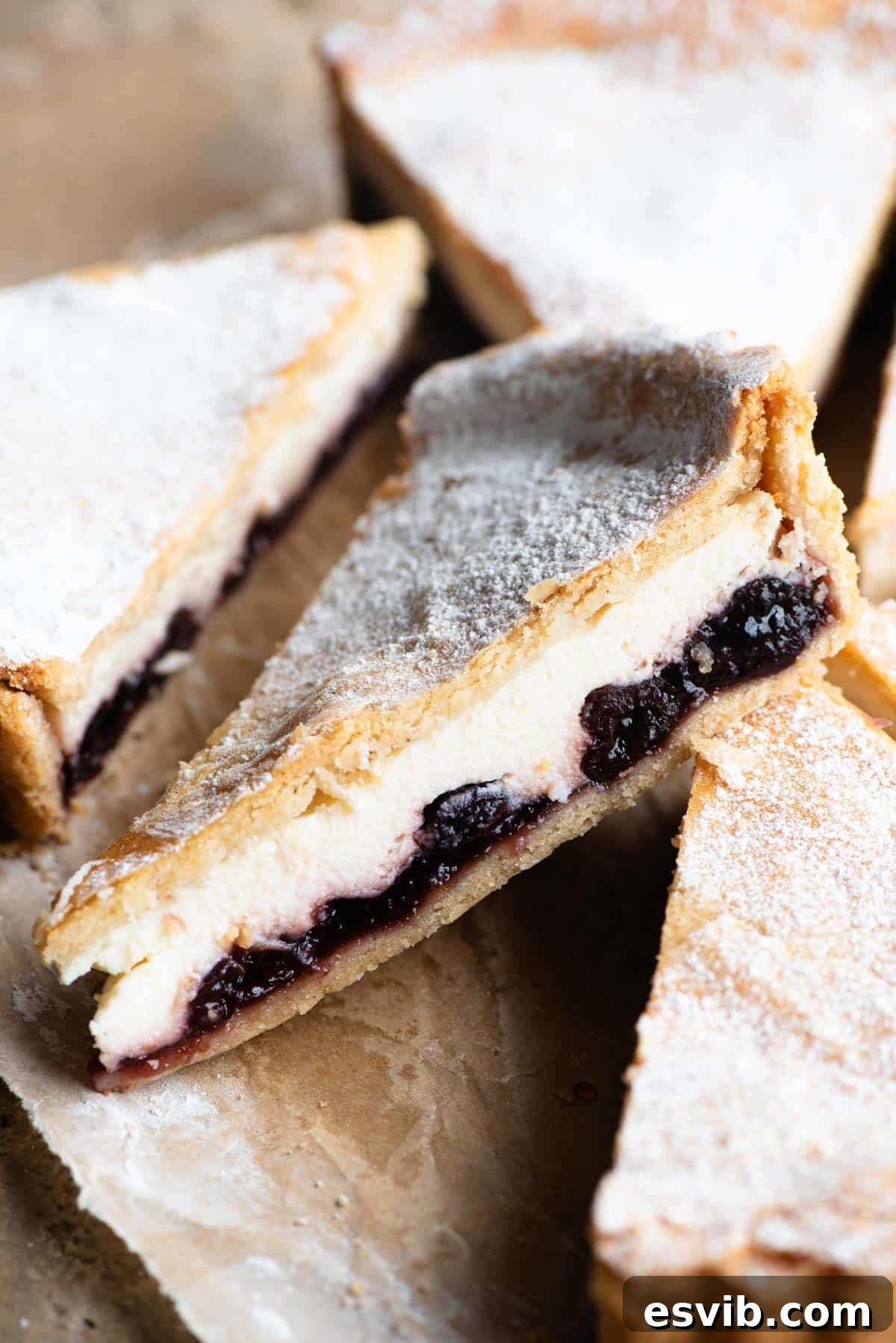
Crostata Ricotta e Visciole: An Authentic Roman Ricotta and Sour Cherry Tart
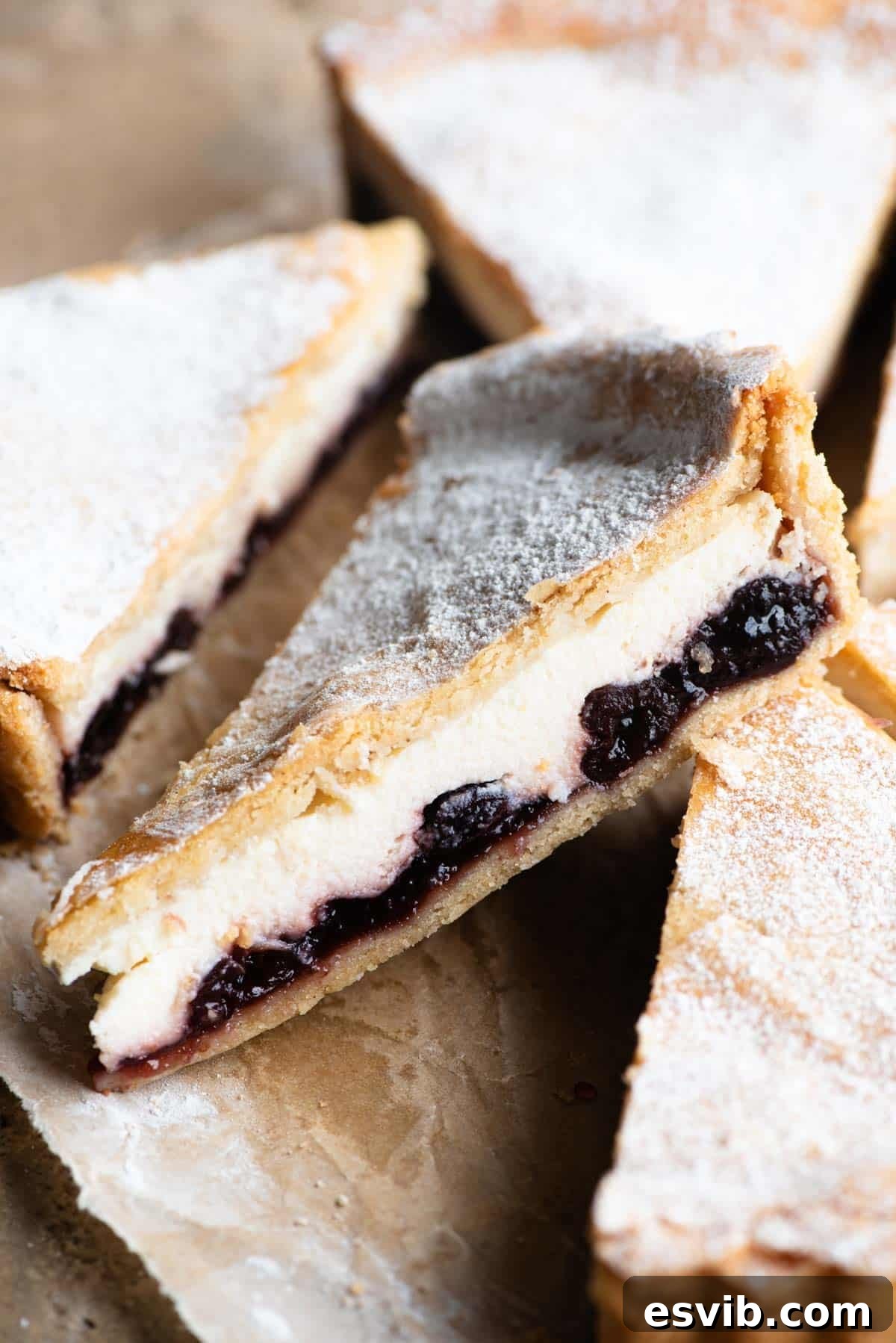
Step into the heart of Roman culinary tradition with Crostata Ricotta e Visciole, a truly iconic Italian tart. This delightful dessert features a rich, buttery pasta frolla (Italian sweet shortcrust pastry) base generously filled with a creamy ricotta cheese blend and a vibrant layer of tangy sour cherry jam. Simple to prepare yet profoundly satisfying, this crostata is an irresistible treat perfect for starting your day with a cappuccino or concluding an evening meal.
The Storied History of Crostata Ricotta e Visciole
Crostata Ricotta e Visciole isn’t just a dessert; it’s a piece of Roman history, renowned as one of the most famous sweet treats in the Eternal City. Its roots trace back to the 19th century, specifically originating from the historic Jewish Ghetto (Ghetto Ebraico) district of Rome. This area, rich in culture and culinary innovation, gave birth to many unique dishes, and this crostata stands out as a testament to its vibrant gastronomic heritage.
Legend has it that one particular historic bakery holds the secret to the original recipe: Pasticceria Boccione. This revered establishment is said to have perfected the Crostata Ricotta e Visciole, crafting a version so exquisite that its recipe remains a closely guarded secret to this day. While Pasticceria Boccione’s exact method may be elusive, countless Roman families and bakeries have created their own beloved interpretations, ensuring this timeless tart remains a staple in Italian homes.
Our recipe aims to capture the essence of this traditional Roman masterpiece, offering a taste of authentic Italian baking in your own kitchen. While we might not have Boccione’s ancient secrets, we bring you a rendition that honors its legacy.
Crafting the Perfect Italian Sweet Shortcrust Pastry (Pasta Frolla)
At the heart of any great crostata lies an exceptional pasta frolla. This buttery, crumbly Italian sweet shortcrust pastry provides the perfect foundation for our ricotta and sour cherry filling. Our recipe utilizes a simple yet effective method, combining flour, sugar, egg, cold butter, a touch of baking powder, and a pinch of salt to create a tender, flavorful crust.
Traditionally, pasta frolla is kept quite simple, allowing the quality of the butter and flour to shine. However, modern additions like lemon zest and a hint of cinnamon have become increasingly popular, enhancing the overall aroma and flavor profile. These subtle notes complement the sweet ricotta and tart cherries beautifully, adding an extra layer of complexity to each bite. If you prefer to stick to the purest tradition, you can certainly omit these additions, but we highly recommend trying them for a truly elevated experience.
The Creamy Ricotta Filling
The star of the Crostata Ricotta e Visciole is undoubtedly its creamy, dreamy ricotta filling. The key to a perfect ricotta filling is using fresh, high-quality ricotta cheese and ensuring it is thoroughly drained. Traditionally, sheep’s milk ricotta (ricotta di pecora) is favored in Roman baking for its richer flavor and silkier texture. However, good quality cow’s milk ricotta, which is much more widely available, works wonderfully and delivers equally delicious results, provided it’s well-drained to prevent a watery filling.
The ricotta is gently sweetened with sugar and brightened with lemon zest, creating a delicate balance that perfectly offsets the tartness of the cherries. A single egg binds the mixture, ensuring a smooth, custard-like consistency when baked.
The Distinctive Sour Cherry Jam (Visciole)
What truly sets this crostata apart is the use of *visciole*, or wild sour cherries. These cherries boast a unique tartness and depth of flavor that is distinct from regular sweet cherries, providing a beautiful contrast to the sweet pasta frolla and creamy ricotta. Authentic *visciole* preserves can be a little tricky to source outside of Italy, often requiring an online order from specialist Italian food stores.
However, don’t let the availability of *visciole* deter you from making this incredible tart! Any good quality sour cherry jam or even a sweet cherry jam can be used as a delicious substitute. While it might not deliver the exact traditional *visciole* flavor, the result will still be absolutely scrumptious and a wonderful homage to this Roman classic. The combination of fruit and cheese in a sweet tart is universally appealing, no matter the specific cherry variety.
A Versatile Treat for Any Time of Day
One of the many charms of Crostata Ricotta e Visciole is its incredible versatility. I personally adore a small slice for breakfast, paired with my morning cappuccino. The gentle sweetness and satisfying texture make for a perfect start to the day. It’s equally wonderful served as a light dessert after lunch or dinner. It’s not overly sweet, which means it satisfies your sweet tooth without being heavy, making it a crowd-pleaser for any occasion. Its rustic charm and authentic flavors are sure to impress guests and transport you straight to the charming streets of Rome with every bite.
Table of Contents
- Ingredient Insights
- Step-by-Step Visual Guide
- Expert Baking Tips and Variations
- More Italian Crostata Recipes to Try
- Full Recipe Card
Ingredient Insights for Success
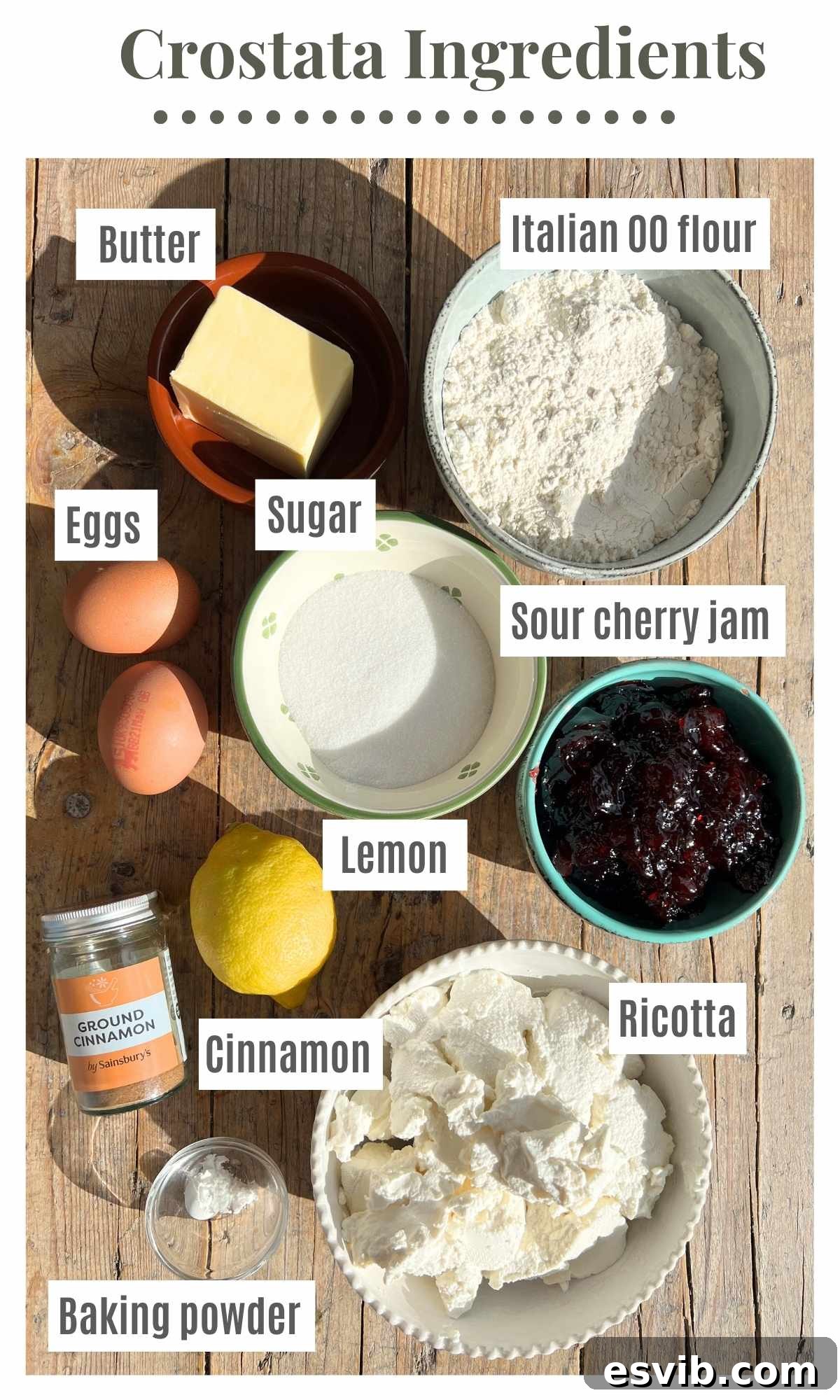
- Pasta Frolla: Our standard sweet shortcrust pastry recipe forms the delicious base. We’ve included a hint of cinnamon and lemon zest for an aromatic touch, which, while modern, enhances the traditional flavors beautifully. You can easily find our detailed pasta frolla recipe if you wish to prepare it from scratch.
- Ricotta: For the most authentic taste, sheep’s milk ricotta is traditionally preferred in Roman crostatas. However, high-quality cow’s milk ricotta is an excellent and more accessible alternative. The absolute most critical step for a perfect, non-watery filling is to ensure your ricotta is well-drained. Place it in a fine-mesh sieve lined with cheesecloth and let it drain in the fridge for at least an hour, or ideally overnight, to remove excess moisture.
- Cherry Jam: The star flavor! If you can get your hands on *visciole* preserves (wild sour cherry jam), that will offer the most authentic Roman experience. Failing that, a good quality sour cherry jam is your next best bet. If neither is available, don’t fret! A delicious sweet cherry jam will still make a wonderful and enjoyable crostata, though with a slightly different flavor profile. The tartness of sour cherries provides a fantastic counterpoint to the sweet ricotta.
- Lemon Zest: Freshly grated lemon zest adds a bright, fragrant lift to both the pasta frolla and the ricotta filling. It’s a simple addition that makes a significant difference in the overall flavor.
- Cinnamon: Just a pinch of ground cinnamon in the pasta frolla adds warmth and a subtle complexity that beautifully complements the fruit and cheese.
Step-by-Step Visual Guide to Baking Your Crostata
Creating this Roman classic is a rewarding experience. Follow these detailed steps to ensure a perfect Crostata Ricotta e Visciole every time.
Step 1: Preparing the Pasta Frolla Dough
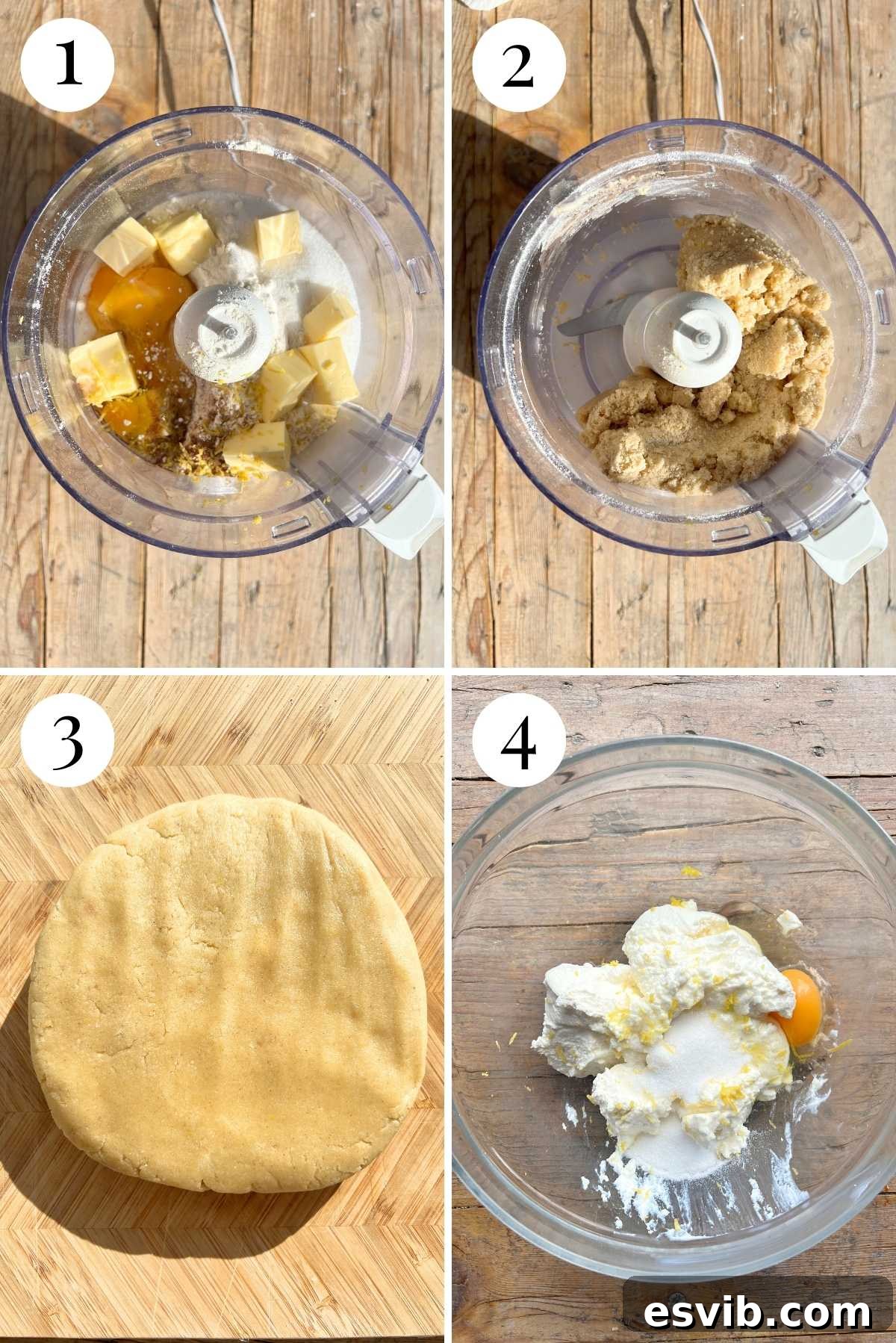
Begin by combining all the pasta frolla ingredients—flour, sugar, egg, cold cubed butter, baking powder, cinnamon, lemon zest, and a pinch of salt—in a food processor. Pulse until the mixture forms a rough, crumbly dough. Avoid overmixing, as this can lead to a tough pastry. Transfer the dough onto a clean, lightly floured work surface. Briefly knead it by hand just until it comes together into a smooth, cohesive ball. Flatten the dough into a disc, wrap it tightly in plastic wrap, and refrigerate for at least 1 hour. Chilling is crucial for the butter to firm up, making the dough easier to roll and ensuring a flaky crust. (You can prepare the dough 1-2 days in advance and keep it refrigerated).
Step 2: Crafting the Creamy Ricotta Filling
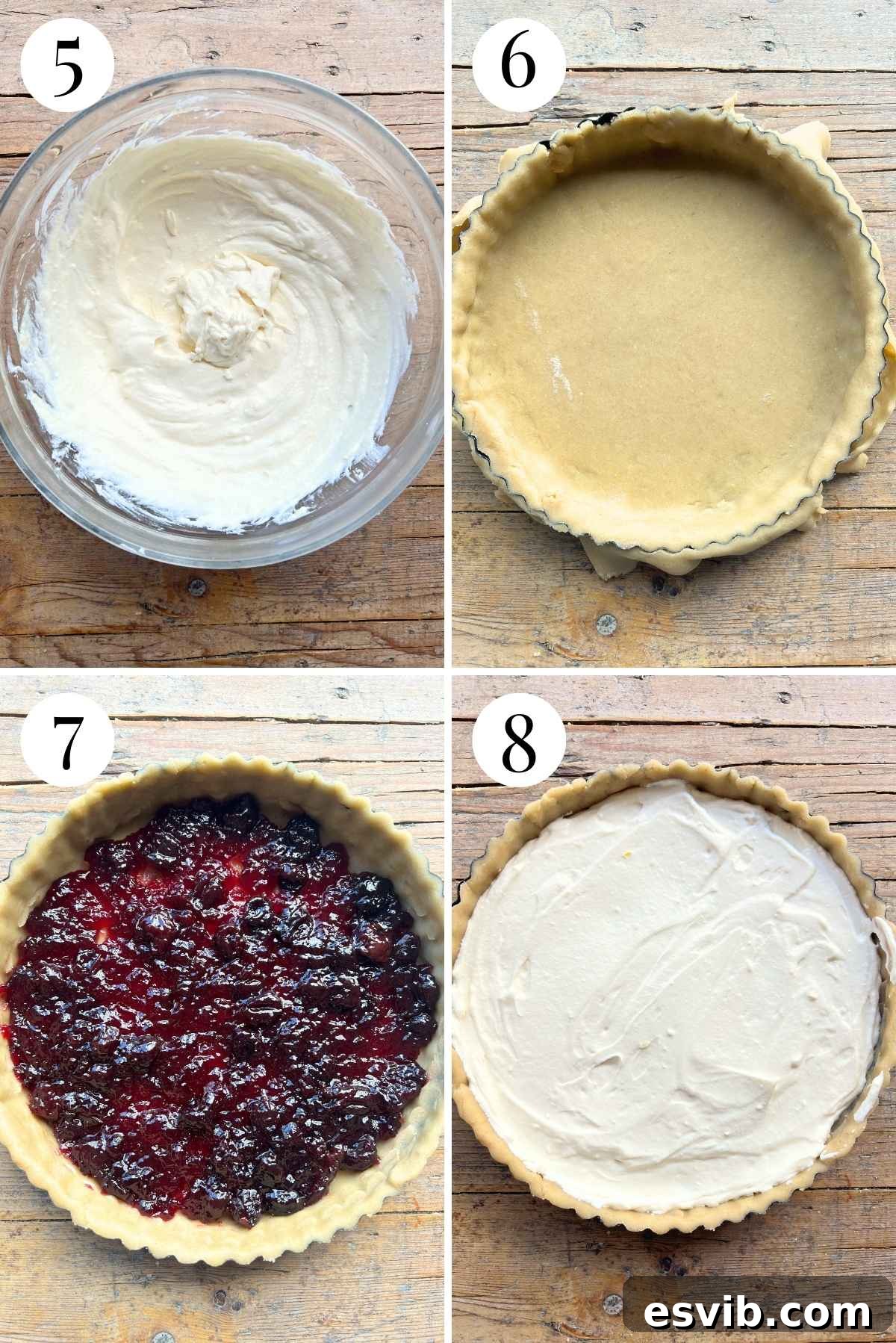
While your dough chills, prepare the rich ricotta filling. In a medium bowl, combine the well-drained ricotta cheese (remember to drain it thoroughly!), granulated sugar, a large egg, and fresh lemon zest. Whisk these ingredients together until the mixture is completely smooth and creamy. Ensure there are no lumps for a velvety texture. Set this delectable filling aside until needed.
Step 3: Rolling Out the Pastry Base
Remove your chilled pasta frolla from the refrigerator. Cut off slightly more than half of the dough; this larger portion will form the base of your tart. Lightly dust your work surface and rolling pin with a little flour. Roll out the dough evenly to a thickness of approximately 1/4 inch (about 0.5 cm). Aim for a circle large enough to comfortably line your 9-inch tart tin, with a slight overhang. If the pastry seems to be breaking or difficult to roll, knead it gently for a few seconds to warm the butter slightly, then continue rolling. Use extra flour as needed to prevent sticking.
Step 4: Lining the Tart Pan
Carefully drape the rolled-out pastry over your tart tin. Gently press the dough into the bottom and up the sides, ensuring it fits snugly into all the fluted edges. For a clean finish, roll your rolling pin across the top of the tart tin to trim away any excess pastry hanging over the edges. This leaves a neat, even crust. If any small cracks or tears appear, simply patch them with leftover dough; they won’t be noticeable after baking.
Step 5: Filling the Crostata
Now it’s time to assemble your tart! First, spread an even layer of your chosen cherry jam (preferably sour cherry or visciole) across the entire base of the pastry-lined tart tin. Next, carefully spoon dollops of the creamy ricotta filling over the jam layer. Using an offset spatula or the back of a spoon, gently spread the ricotta into an even, smooth layer, extending almost to the edges of the pastry. Be careful not to disturb the jam layer underneath.
Step 6: Adding the Top Pastry Layer and Chilling
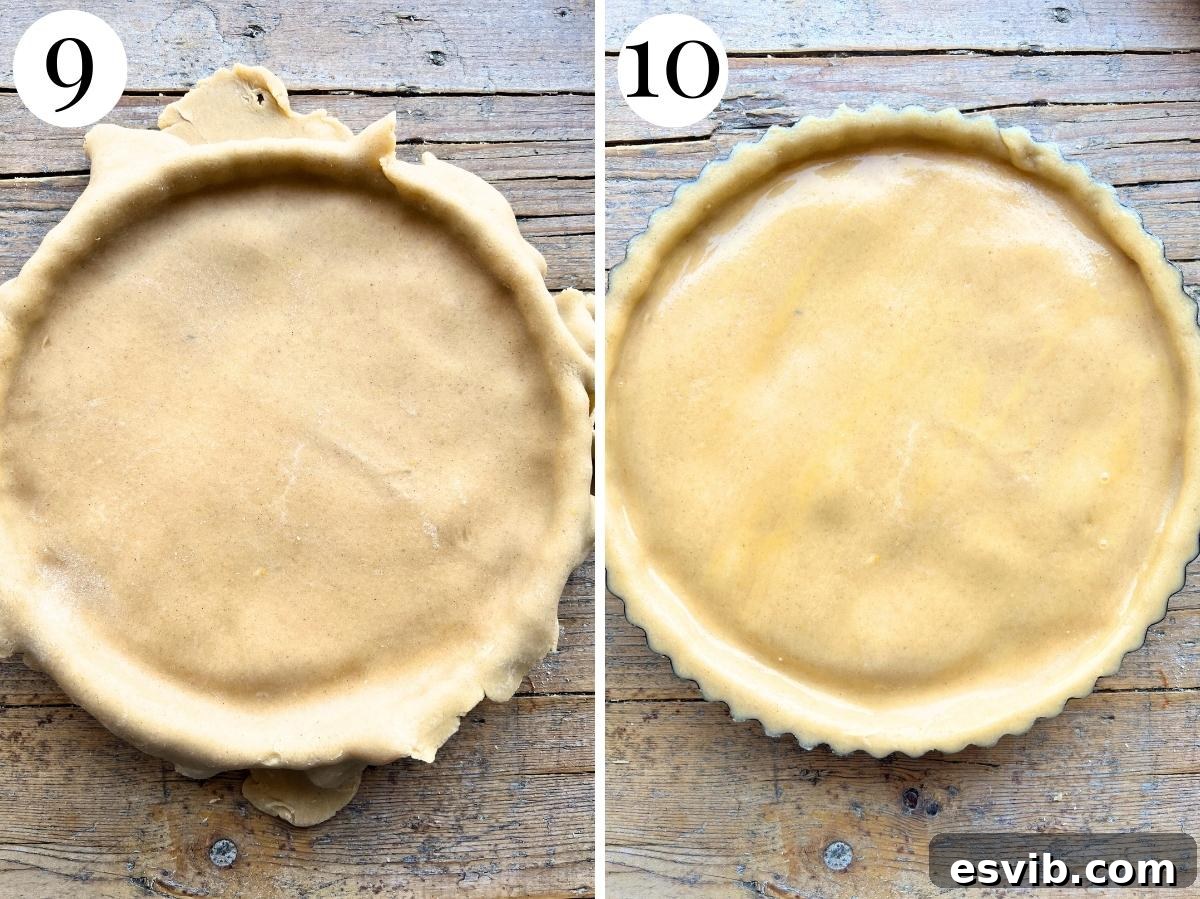
Take the remaining piece of pasta frolla dough. On your lightly floured surface, roll it out to a size that will cover the top of your crostata. You can choose to create a simple full top crust or opt for a traditional lattice pattern for a more decorative finish. Carefully lay the rolled pastry over the ricotta filling. If making a full top, gently press the edges together to seal them with the base pastry. If creating a lattice, arrange your strips artfully. Roll your rolling pin over the top edges of the tart tin once more to ensure a neat seal and trim any excess. Place the assembled crostata in the fridge for at least 30 minutes. This second chilling step is vital as it allows the butter in the pastry to firm up again, which helps the crust maintain its shape and flakiness during baking.
Step 7: Baking Your Roman Crostata
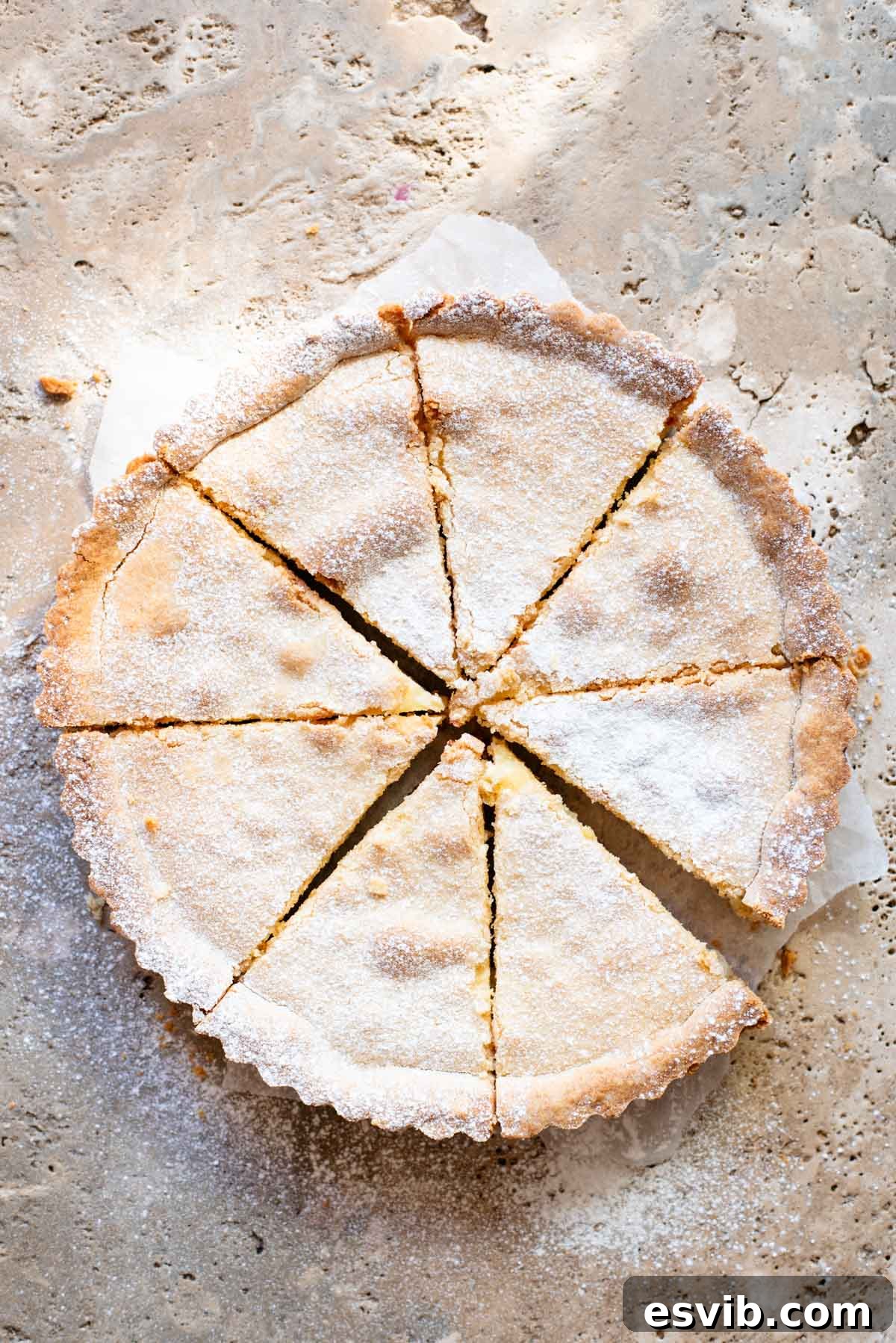
Preheat your oven to 180°C (350°F). Just before baking, brush the top surface of the crostata with a beaten egg. This egg wash will give your tart a beautiful golden sheen and a slightly crispier crust. Carefully place the tart into the preheated oven and bake for 45-50 minutes, or until the pastry is golden brown and the filling is set. Keep an eye on it to prevent over-browning. Once baked, remove the crostata from the oven and allow it to cool completely on a wire rack before serving. This allows the filling to firm up properly. For an extra touch of elegance, dust the cooled crostata generously with powdered sugar just before slicing.
Expert Baking Tips and Variations
- Drain the Ricotta Thoroughly: This cannot be stressed enough! Excess moisture in the ricotta will result in a soggy crust and a loose filling. Ideally, place the ricotta in a sieve lined with cheesecloth over a bowl and let it drain in the refrigerator overnight. If you’re short on time, at least 1-2 hours will make a significant difference.
- Chill Dough Twice for Flaky Perfection: The initial chilling of the pasta frolla dough is crucial for ease of handling and preventing shrinkage. The second chilling after assembling the crostata (for at least 30 minutes) is equally important. It ensures the butter in the pastry is firm before hitting the hot oven, leading to a wonderfully flaky and crisp crust.
- Jam Alternatives: While visciole or sour cherry jam provides the authentic flavor, feel free to experiment with other fruit jams you love. Apricot, raspberry, or even fig jam could offer delightful variations on this classic theme. Just ensure it’s a good quality jam that isn’t too runny.
- Prevent Pastry Breakage: If your pasta frolla dough keeps breaking while rolling, it might be too cold. Gently knead it for a few seconds to warm the butter slightly, which will make it more pliable. If it’s too warm and sticky, chill it for another 15-20 minutes. Don’t be afraid to patch up any tears with small pieces of dough; they will blend in during baking.
- Serve Warm or Cold: Crostata Ricotta e Visciole is delicious both warm and at room temperature. For breakfast, I prefer it slightly warm. For dessert, room temperature slices dusted with powdered sugar are delightful.
- Garnish Ideas: Beyond powdered sugar, consider a dollop of fresh whipped cream, a scoop of vanilla bean ice cream, or a few fresh mint leaves for an elegant presentation.
Don’t worry, this is a common issue! If your pasta frolla pastry breaks as you’re trying to roll it out, you have a couple of options. You can either carefully patch the broken pieces back together directly in the tart tin (once baked, these patches will be barely noticeable). Alternatively, if the dough is very crumbly and difficult, gather it back into a ball and knead it briefly for a few seconds. This gentle kneading will slightly warm the butter in the dough, making it more pliable and easier to roll out evenly. Ensure your work surface is lightly floured to prevent sticking.
Yes, absolutely! You can prepare the pasta frolla dough 1-2 days in advance and store it wrapped in plastic in the refrigerator. The assembled, unbaked crostata can also be made up to 24 hours ahead of time and stored in the fridge. This is especially helpful for entertaining. We don’t recommend leaving it longer than 24 hours pre-bake, as the pastry might start absorbing too much moisture from the filling.
Leftover Crostata Ricotta e Visciole should be stored in an airtight container in the refrigerator. It will keep well for up to 4-5 days. While delicious cold, you can also gently warm a slice in the oven for a few minutes before serving for a freshly baked taste.
More Italian Crostata Recipes to Try
If you’ve fallen in love with the art of Italian tarts, here are more delicious crostata recipes to explore and master:
Italian Desserts
Crostata di Frutta (Italian Fruit Tart)
A fresh and vibrant Italian fruit tart, perfect for summer gatherings.
Italian Desserts
Apple Crostata with Apricot Jam
A comforting and rustic apple tart, enhanced with a hint of apricot.
Italian Desserts
Torta della Nonna: Italian Custard Tart
A beloved “Grandma’s tart” featuring a creamy lemon custard filling and pine nuts.
Italian Desserts
Rich Chocolate Tart with Hazelnuts
Indulge in this decadent chocolate tart, elevated with the crunch of roasted hazelnuts.
We hope you enjoy baking and savoring this delightful Crostata Ricotta e Visciole recipe as much as we do. If you try this, or any other recipe from our collection, please remember to rate it and share your feedback in the comments section below – we truly love hearing from you! For more authentic Italian recipes and culinary inspiration, follow us on Facebook, Instagram, and Pinterest, or subscribe to our Newsletter.
Crostata Ricotta e Visciole
By Emily
30 mins
50 mins
1 hr 30 mins
2 hrs 50 mins
12 servings
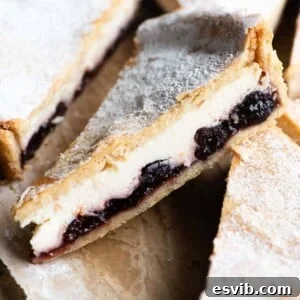
Crostata Ricotta e Visciole is a classic Roman tart made with buttery pasta frolla (pastry) and a creamy and delicious ricotta and sour cherry jam filling. This crostata is so simple to make and is perfect served for breakfast with a cappuccino or for dessert.
Equipment
- Food processor
- Rolling pin
- 9 inch loose bottom non-stick tart pan
Ingredients
For the pasta frolla
- 250 g (2 cups) Italian 00 flour, or all-purpose flour
- 80 g (1/2 cup) sugar
- 1 large egg
- 120 g (8.5 tablespoons) cold butter, cubed
- ¼ teaspoon baking powder
- ¼ teaspoon cinnamon
- Zest of half a lemon
- 1 pinch salt
For the filling
- 500 g (2 cups) ricotta, (well drained)
- 2 tablespoons sugar
- Zest of half a lemon
- 340 g (1 cup) cherry jam, (preferably sour cherry)
- 1 large egg
Topping
- 1 beaten egg, for brushing on top
- powdered sugar (icing sugar), for dusting on top
Instructions
- Put all the pasta frolla ingredients (flour, sugar, egg, cold butter, baking powder, cinnamon, lemon zest, salt) into a food processor and blitz until a rough dough has formed. Tip it out onto a clean work surface and knead it together into a smooth ball. Flatten it out into a round disc, then cover in plastic wrap and place in the fridge for 1 hour (can also be prepped 1-2 days in advance).
- Put the drained ricotta in a bowl with the egg, sugar, and lemon zest. Whisk together until smooth and creamy, then set aside.
- Remove the pastry from the fridge and cut slightly more than half for the base.
- Lightly sprinkle your work surface and rolling pin with flour. Roll out the larger piece of dough to about 1/4 inch (1/2cm) thick and large enough to fit your tart tin. If your pastry is breaking, knead it for a few seconds to warm it up then start rolling it out again.
- Lift the pastry up with the help of your rolling pin and drape it over the tart tin. Carefully tuck it into the sides then roll your rolling pin over the top to cut off the excess.
- Next, spread the cherry jam all over the base of the tart. Dollop the ricotta on top then spread it out into an even layer.
- Roll your remaining piece of pastry out and lay it carefully over the top of the crostata (or create a lattice). Roll your rolling pin over the top to seal the edges then place it in the fridge for 30 minutes.
- Preheat the oven to 180°C (350°F).
- Brush the top of the crostata with beaten egg then bake it in the oven for 45-50 minutes, or until golden brown. Remove and let it cool completely before serving. Dust with powdered sugar on top!
Notes
- Prep ahead: You can assemble the crostata and keep it stored in the fridge for up to 24 hours. I wouldn’t leave it any longer than this, as the pastry will absorb too much moisture.
- Leftovers: You can store leftover crostata in the fridge for up to 4-5 days in an airtight container.
Helpful Info for All Recipes
- I always use extra virgin olive oil in all of my recipes unless stated otherwise.
- When I use canned or jarred tomatoes of any kind I always use Cirio or Mutti brands for the best results and flavor.
- All vegetables are medium sized unless stated otherwise.
- All recipes are tested and developed using a fan (convection) oven.
- Find out more about how nutrition is calculated.
- Check out our must-have Italian Pantry Staples.
- You can also find all our Essential Kitchen Tools for Italian Cooking.
Nutrition
Calories: 345kcal
|
Carbohydrates: 45g
|
Protein: 8g
|
Fat: 15g
|
Saturated Fat: 9g
|
Polyunsaturated Fat: 1g
|
Monounsaturated Fat: 4g
|
Trans Fat: 0.3g
|
Cholesterol: 77mg
|
Sodium: 134mg
|
Potassium: 103mg
|
Fiber: 1g
|
Sugar: 23g
|
Vitamin A: 485IU
|
Vitamin C: 2mg
|
Calcium: 108mg
|
Iron: 1mg
Nutrition information is automatically calculated, so should only be used as an approximation.
Did you try this recipe?
Leave a comment below!