
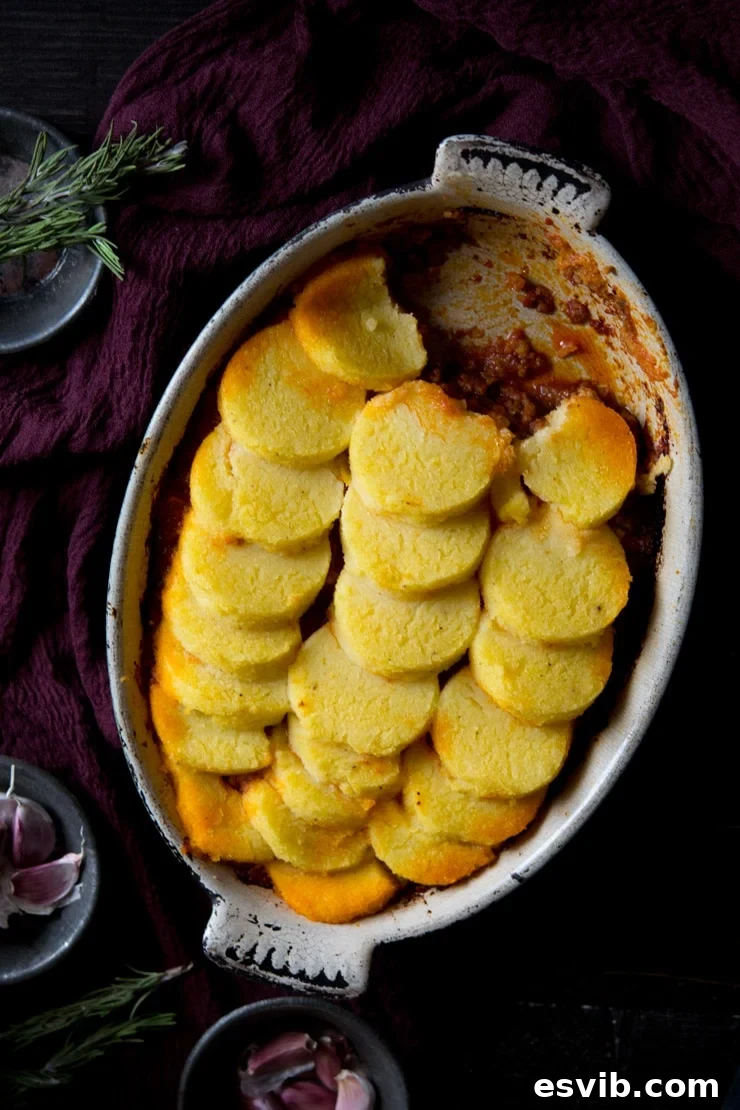
Hearty Baked Polenta with Rich Beef and Sausage Ragu: The Ultimate Italian Comfort Food
As the days grow shorter and the air bites with a crisp chill, our culinary desires naturally gravitate towards dishes that offer warmth, comfort, and deep satisfaction. This baked polenta with a rich beef and sausage ragu is precisely that kind of meal – a quintessential Italian comfort food designed to envelop you in coziness when the temperatures plummet. It’s a dish that speaks of tradition, slow cooking, and the joy of sharing hearty flavors with loved ones.
Polenta, a humble yet incredibly versatile staple of Northern Italian cuisine, forms the creamy base of this delightful creation. When cooked to perfection, it transforms into a smooth, velvety canvas ready to absorb the robust flavors of a savory ragu. While delicious on its own, its true magic shines when paired with a slow-simmered sauce, providing a comforting contrast of textures and tastes.
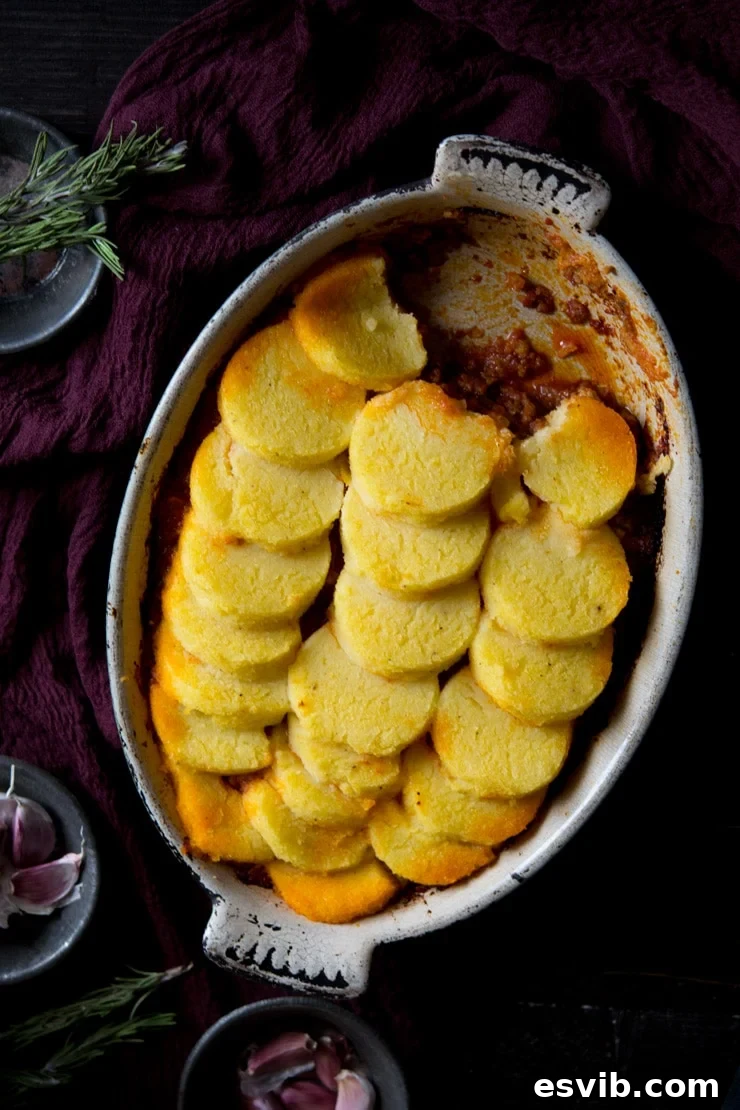
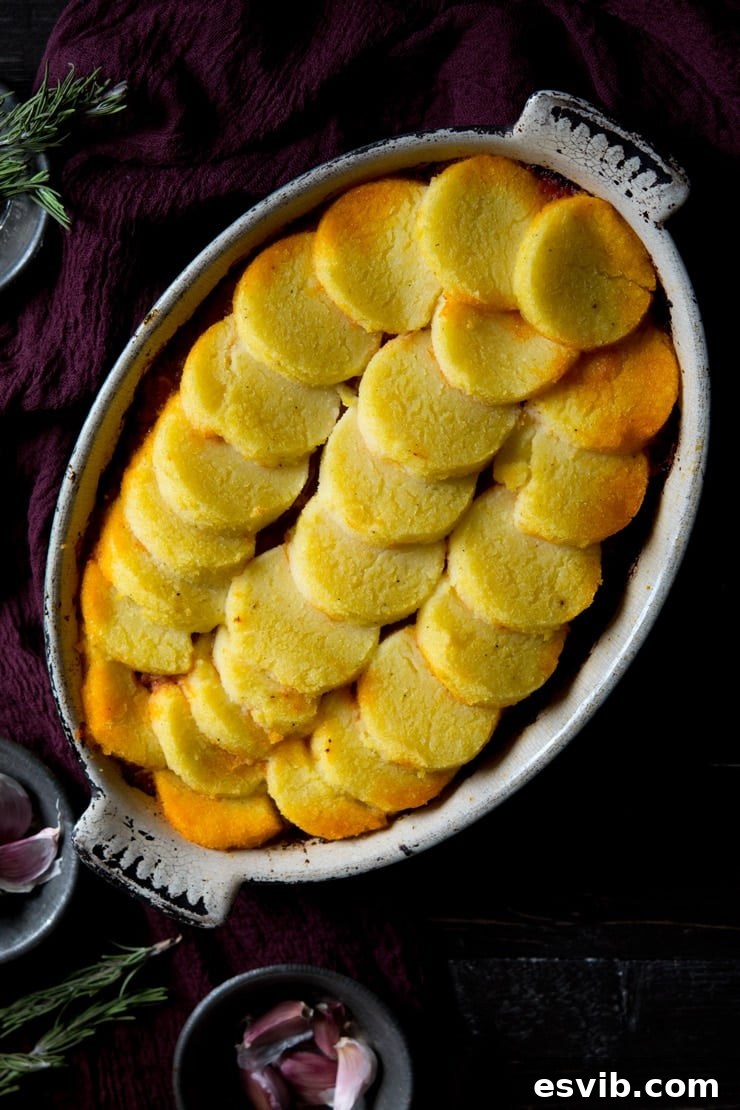
Imagine a generous bowl of steaming, creamy polenta, crowned with a deeply flavorful meat ragu that has lovingly simmered for hours, allowing its myriad ingredients to meld into a harmonious symphony of taste. This recipe elevates that experience by baking the polenta right on top of the ragu, creating a beautiful golden-brown crust that adds a delightful textural contrast to the soft, luscious polenta beneath. It’s a wonderful alternative to classic mashed potatoes or pasta, offering a unique Italian twist that will surely impress your family and friends.
For this particular recipe, we take freshly prepared polenta, enriched with butter and grated Parmesan cheese for an extra layer of richness and umami. Once cooled and firmed, it’s artfully cut into rounds and carefully arranged over an incredibly delicious beef and sausage ragu. The baking process in the oven not only brings the dish to a perfect serving temperature but also develops that irresistible crunchy crust on the polenta, while keeping its interior wonderfully soft and creamy. This interplay of textures and the deep, savory flavors of the ragu make this dish an absolute winner for any occasion that calls for something truly special and comforting.
The Heart and Soul of Italian Cooking: A Perfect Ragu
At the core of many beloved Italian dishes lies the ragu – a slow-cooked meat sauce renowned for its depth of flavor and rich texture. Unlike a quick pasta sauce, a true ragu is a labor of love, patiently simmered for hours until the meat is tender and the sauce is thick and intensely aromatic. Our beef and sausage ragu begins with a classic Italian ‘soffritto’ – a flavor base of finely diced carrots, celery, and onions. This aromatic trinity is gently sautéed to release its sweet essence, forming the foundation upon which the robust flavors of the meat are built.
The combination of beef mince (ground beef) and Italian sausage meat adds a magnificent complexity to the sauce. The beef contributes a rich, savory backbone, while the sausage, with its inherent spices and fattiness, introduces layers of herbaceousness and a satisfying mouthfeel. A splash of red wine is crucial, deglazing the pan and infusing the sauce with its fruity, acidic notes, which then mellow beautifully during the long simmer. Finally, good quality pureed tomatoes (passata) tie all these elements together, slowly transforming into a luscious, velvety sauce that clings perfectly to every bite of polenta. The patience required for this ragu is truly rewarded with an unparalleled depth of flavor that defines authentic Italian cooking.
Crafting Your Rich Beef and Sausage Ragu
Creating this deeply satisfying ragu is a straightforward process, though it requires a bit of patience to allow the flavors to truly develop. Start by preparing your aromatic vegetables, which are the secret to any great Italian sauce. Fine dicing ensures they melt into the sauce, providing flavor without noticeable chunks.
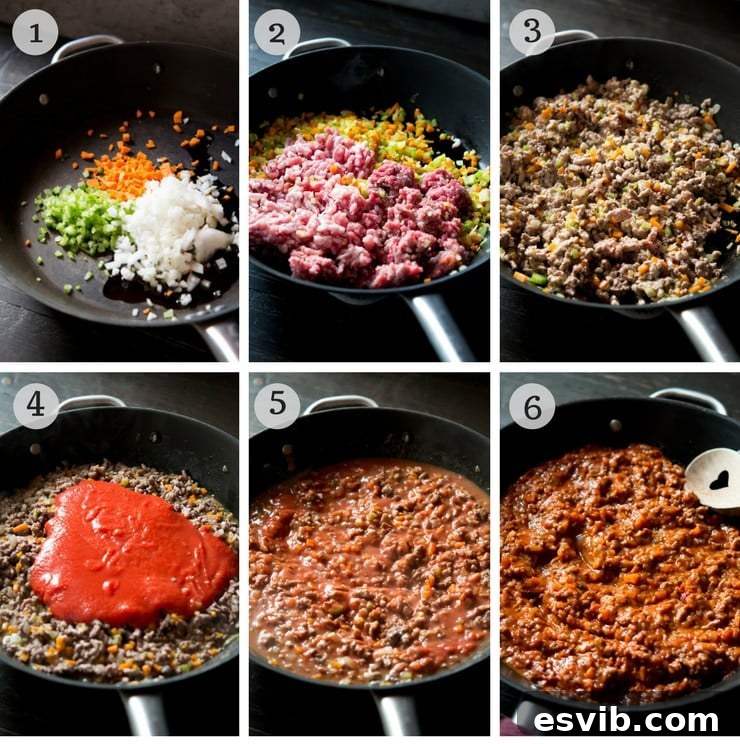
- Prepare the Soffritto: Begin by finely chopping one carrot, one onion, one stalk of celery, and two garlic cloves. In a large, heavy-bottomed pan or Dutch oven, heat one tablespoon of olive oil over medium heat. Add the chopped carrot, onion, and celery (reserving the garlic for later). Sauté gently for about 6-7 minutes. The goal here is to soften the vegetables and coax out their natural sweetness without browning them, which would add a bitter note. Stir occasionally to ensure even cooking.
- Brown the Meats: Once the vegetables are tender, add the 15 oz (430g) of beef mince and the meat removed from two Italian sausages (ensure they are not spicy, unless preferred). Crumble the meats with a spoon as they cook, breaking them into small pieces. Add the reserved finely chopped garlic to the pan. Brown the meat thoroughly, stirring frequently, until no pink remains. This step is vital for developing rich, savory flavors. If the sausages release an excessive amount of fat, carefully spoon out some of the excess to keep the ragu from becoming greasy.
- Deglaze and Add Tomatoes: Pour in 1/2 cup (125ml) of red wine. Increase the heat slightly and let the wine simmer vigorously, reducing by about half. This deglazing process scrapes up any flavorful browned bits from the bottom of the pan, adding another layer of complexity to the sauce. Once the wine has reduced, add 3 1/4 cups (750g) of pureed tomatoes (passata), along with a couple of tablespoons of water to adjust the consistency. Season generously with a good pinch of salt and freshly ground black pepper.
- Slow Simmer for Flavor: Stir the ragu thoroughly to combine all the ingredients. Reduce the heat to low, cover the pan, and let it simmer gently for 1 and a half to 2 hours. This slow cooking allows the flavors to meld and deepen, and the meat to become incredibly tender. Check occasionally to ensure it’s not sticking, and if the sauce reduces too much and becomes too thick, top it up with a little more water, a tablespoon at a time, until the desired consistency is achieved. The longer it simmers, the richer and more complex your ragu will be.
Mastering Creamy Baked Polenta
While your ragu is luxuriating on the stovetop, developing its incredible flavors, you can turn your attention to the polenta. The key to truly creamy polenta is constant stirring and the right ratio of liquid to polenta. We’ll be using fast-action polenta for this recipe, which significantly cuts down on cooking time without sacrificing creaminess, making it perfect for a weeknight comfort meal or a special weekend treat.
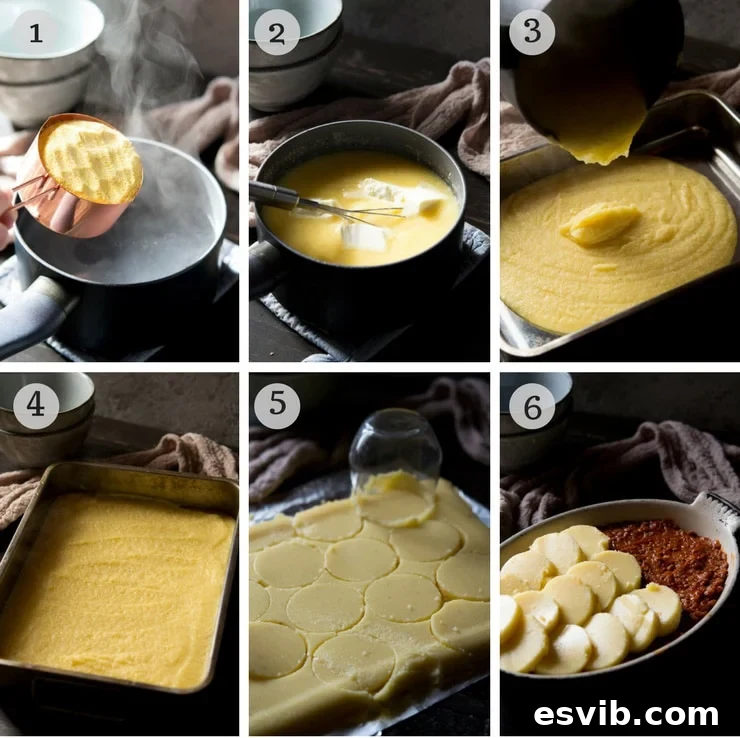
- Prepare the Polenta: Bring 4 cups (1 liter) of water to a rolling boil in a medium-sized saucepan. Add a generous pinch of salt to the water – this seasons the polenta from within. Slowly pour 1 cup (165g) of fast-action polenta into the boiling water in a thin, steady stream while continuously whisking or stirring vigorously. This crucial step prevents lumps from forming, ensuring a silky-smooth texture.
- Cook to Perfection: Once all the polenta is incorporated, reduce the heat to medium-low. Continue to stir constantly with a wooden spoon or whisk. The polenta will gradually thicken and pull away from the sides of the pan. Keep stirring until it becomes thick, smooth, and creamy, which typically takes about 5-8 minutes for fast-action polenta. The consistency should be like a thick porridge.
- Enrich the Polenta: Remove the pan from the heat. Stir in 1.7 oz (50g) of butter and one tablespoon of freshly grated Parmesan cheese. The butter adds richness and gloss, while the Parmesan contributes a delightful savory depth. Stir until both are completely melted and fully incorporated. Taste the polenta and adjust the seasoning with more salt or pepper if needed.
- Cool and Firm: Pour the hot polenta onto a large, rimmed baking tray or a shallow dish, spreading it out evenly with a spatula to about 1/2 to 3/4 inch thickness. Allow it to cool completely at room temperature, then transfer it to the fridge. Chill for at least 30 minutes, or until the ragu is ready and the polenta has firmed up enough to be easily cut. This firming process is essential for creating the neat polenta rounds for baking.
Assembling and Baking Your Masterpiece
With both the ragu and polenta prepared, the final stage involves bringing these two components together and baking them to a golden, bubbly perfection. This step is where the magic truly happens, transforming simple ingredients into an extraordinary dish.
- Preheat the Oven: When your ragu is ready and the polenta has chilled and firmed, preheat your oven to 180°C (350°F / Gas Mark 4). Ensure your oven is fully preheated for even baking and a perfectly crisp polenta topping.
- Assemble the Dish: Transfer the rich beef and sausage ragu into a large, oven-safe baking dish. Spread it out evenly across the bottom. Next, retrieve the firmed polenta from the fridge. Using a round cookie cutter or the rim of a small glass, cut out neat polenta rounds. Alternatively, you can simply cut the polenta into strips or squares. Arrange these polenta pieces directly on top of the ragu, covering the surface as much as possible.
- Bake to Perfection: Place the baking dish into the preheated oven and bake for approximately 30 minutes. During this time, the ragu will become gloriously bubbly and hot, while the polenta topping will develop a beautiful golden-brown color and a slightly crunchy crust. The interior of the polenta will remain wonderfully soft and creamy, offering a delightful contrast.
- Rest and Serve: Once baked, carefully remove the dish from the oven. Allow it to cool and rest for about 5 minutes before serving. This brief resting period helps the dish settle and makes it easier to serve. Garnish with a sprinkle of fresh parsley or extra Parmesan if desired.
Tips for Success & Variations
To ensure your baked polenta with beef and sausage ragu is nothing short of spectacular, here are a few expert tips and delightful variations:
- Choosing Your Polenta: While this recipe calls for fast-action polenta for convenience, you can certainly use traditional coarse polenta. Just be aware that it will require a longer cooking time (around 40-50 minutes) and more frequent stirring to achieve that signature creamy texture.
- Enhancing the Ragu: Feel free to customize your ragu! A bay leaf or a sprig of fresh rosemary added during simmering can infuse deeper herbal notes. A pinch of red pepper flakes will add a subtle warmth if you enjoy a touch of heat. Some chefs like to add a splash of milk or cream towards the end of simmering for an even richer texture.
- Cheese, Please! Don’t limit yourself to Parmesan. Other excellent melting cheeses for polenta include Fontina, Gruyère, or even a sharp cheddar. A sprinkle of mozzarella over the polenta rounds before baking will create a wonderfully gooey, cheesy topping.
- Make-Ahead Marvel: Both the ragu and the cooked polenta can be prepared a day or two in advance. Store them separately in airtight containers in the refrigerator. When ready to bake, gently reheat the ragu on the stovetop before assembling the dish with the chilled polenta. This makes it a perfect dish for entertaining!
- Serving Suggestions: This hearty dish is substantial enough on its own, but it pairs beautifully with a simple, crisp green salad dressed with a vinaigrette to cut through the richness. A side of crusty Italian bread is also perfect for soaking up any leftover ragu.
- Storage and Leftovers: Leftovers can be stored in an airtight container in the refrigerator for up to 3-4 days. Reheat gently in the oven or microwave.
Why This Dish is a Winter Favorite
There’s a reason certain foods become synonymous with comfort and warmth, especially during the colder months. This baked polenta with beef and sausage ragu embodies all those qualities. The slow-cooked ragu fills your kitchen with an intoxicating aroma, hinting at the rich flavors to come. The creamy polenta provides a smooth, satisfying texture that cradles the robust meat sauce. And the final bake, creating that golden crust, adds a layer of anticipation and delight. It’s a meal that not only nourishes the body but also soothes the soul, creating moments of culinary joy and togetherness. Perfect for family dinners, cozy evenings, or impressive gatherings, this dish truly is the ultimate winter warmer.
More Heartwarming Italian Comfort Food Recipes:
- Pizzoccheri pasta with potatoes and cabbage
- Tuscan farro soup with beans
- Broccoli rabe ricotta gnudi with parmesan cream
- Parmigiana di melanzane (eggplant parmigana)
- Tuscan bean stew with sausages
We truly hope you enjoy making and savoring this incredible Baked Polenta with Beef and Sausage Ragu. It’s a recipe close to our hearts, bringing warmth and flavor to any table. If you try this recipe, please let us know how it turned out in the comments below – we absolutely love hearing from you! You can also FOLLOW US on FACEBOOK, TWITTER, INSTAGRAM, and PINTEREST for more delicious recipes and culinary adventures.
Baked Polenta with Beef and Sausage Ragu – Recipe Card
By Emily
Prep Time: 20 mins
Cook Time: 2 hrs
Total Time: 2 hrs 20 mins
Servings: 4 – 6 people
A rich and flavourful beef and sausage ragu topped with creamy polenta and baked in the oven. A delicious comfort food dish to keep you warm this winter.
Ingredients
For the ragu
- 1 carrot
- 1 onion
- 1 stalk celery
- 2 garlic cloves
- 15 oz (430g) beef mince
- 2 Italian sausages, not spicy (meat removed from skins)
- 3 1/4 cups (750g) pureed tomatoes/passata
- 1/2 cup (125ml) red wine
- Salt and pepper, to season
- 1 tbsp of olive oil
For the polenta
- 1 cup (165g) fast action polenta
- 4 cups (1 litre) water
- Salt
- 1.7 oz (50g) butter
- 1 tbsp parmesan, freshly grated
Instructions
- Finely chop the carrot, onion, celery, and garlic. Add everything apart from the garlic to a large pan with the olive oil and sauté gently for around 6-7 minutes until the vegetables are soft but not browned.
- Add the beef mince, sausage meat (removed from their skins), and garlic to the pan and brown the meat, breaking it up with a spoon. If a lot of fat comes out of the sausages, spoon some of the excess out.
- Once browned, add the red wine and let it reduce by half, scraping up any browned bits from the bottom of the pan.
- Then add the passata/pureed tomatoes with a couple of tablespoons of water and a good pinch of salt and pepper. Stir the ragu so everything is combined.
- Let the ragu simmer gently, covered, for 1 and a half to 2 hours. If the sauce reduces too much, top it up with a little water.
- While the ragu is simmering, make the polenta. Bring 4 cups (1 litre) of water to a boil, adding a good pinch of salt to the water.
- Pour the polenta into the water whilst constantly stirring with a whisk to prevent lumps. Turn the heat down to medium/low and keep stirring until the polenta becomes thick and smooth (about 5-8 minutes for fast-action polenta).
- Turn off the heat and add the butter and Parmesan cheese. Stir them into the polenta until melted and fully incorporated. Check if it needs more seasoning and add accordingly.
- Pour the polenta onto a large baking tray and smooth it out evenly. Let it cool, then place it in the fridge until the ragu is ready and the polenta has firmed up.
- When the ragu is ready, preheat the oven to 180°C/350F/gas mark 4.
- Transfer the ragu into a large baking dish. Remove the polenta from the fridge and cut out rounds using a cookie cutter or glass, or cut it into strips. Place these polenta pieces on top of the ragu, covering the surface.
- Bake in the oven for 30 minutes. The polenta will be slightly crunchy on top, and the ragu will be bubbling. Let it cool for 5 minutes before serving.
Helpful Info for All Recipes
- I always use extra virgin olive oil in all of my recipes unless stated otherwise.
- When I use canned or jarred tomatoes of any kind, I always use Cirio or Mutti brands for the best results and flavour.
- All vegetables are medium-sized unless stated otherwise.
- All recipes are tested and developed using a fan (convection) oven.
- Find out more about how nutrition is calculated.
- Check out our must-have Italian Pantry Staples.
- You can also find all our Essential Kitchen Tools for Italian Cooking.
Nutrition
Calories: 400kcal
Nutrition information is automatically calculated, so should only be used as an approximation.