
Carabaccia: The Ancient Tuscan Onion Soup – A Renaissance Delicacy
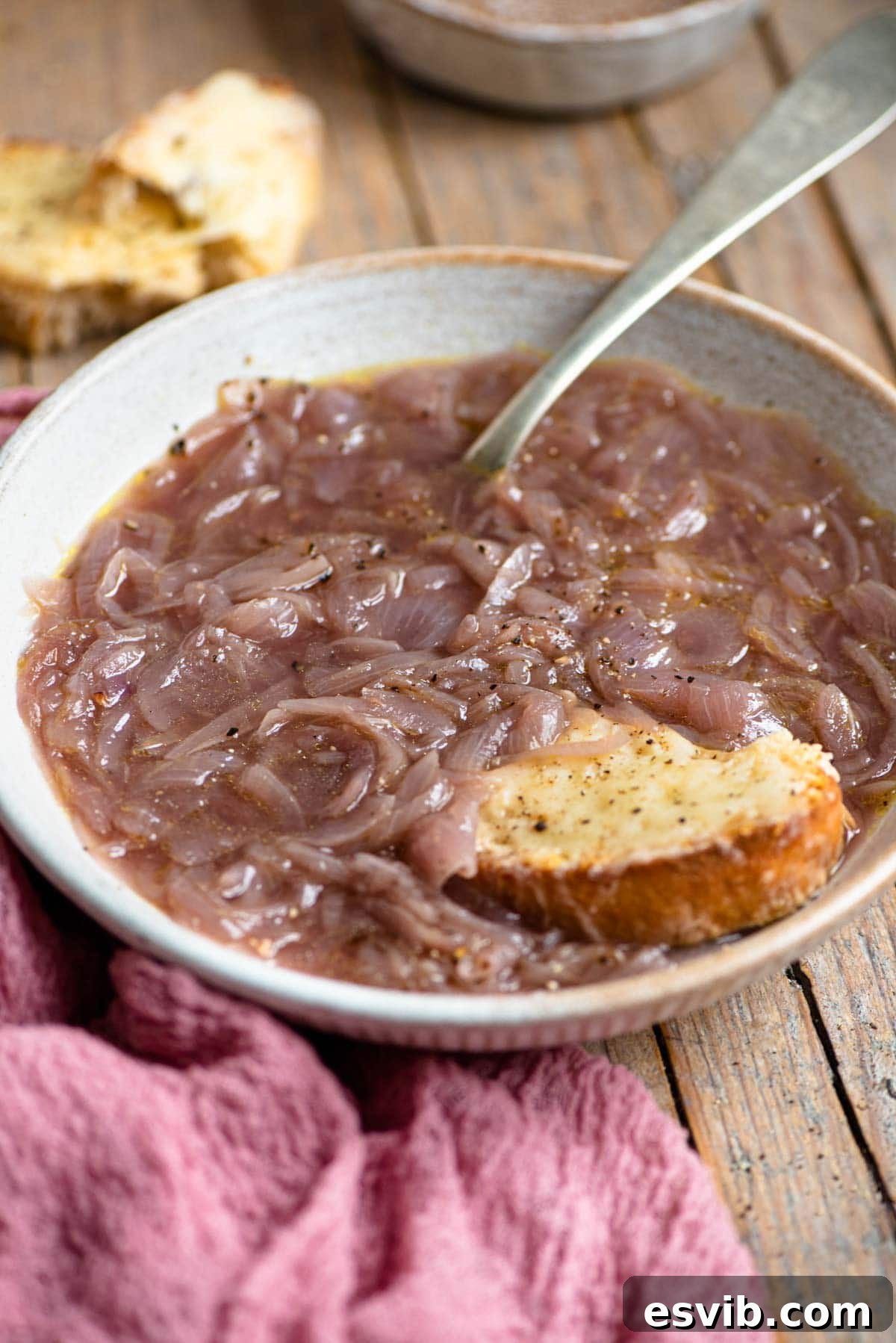
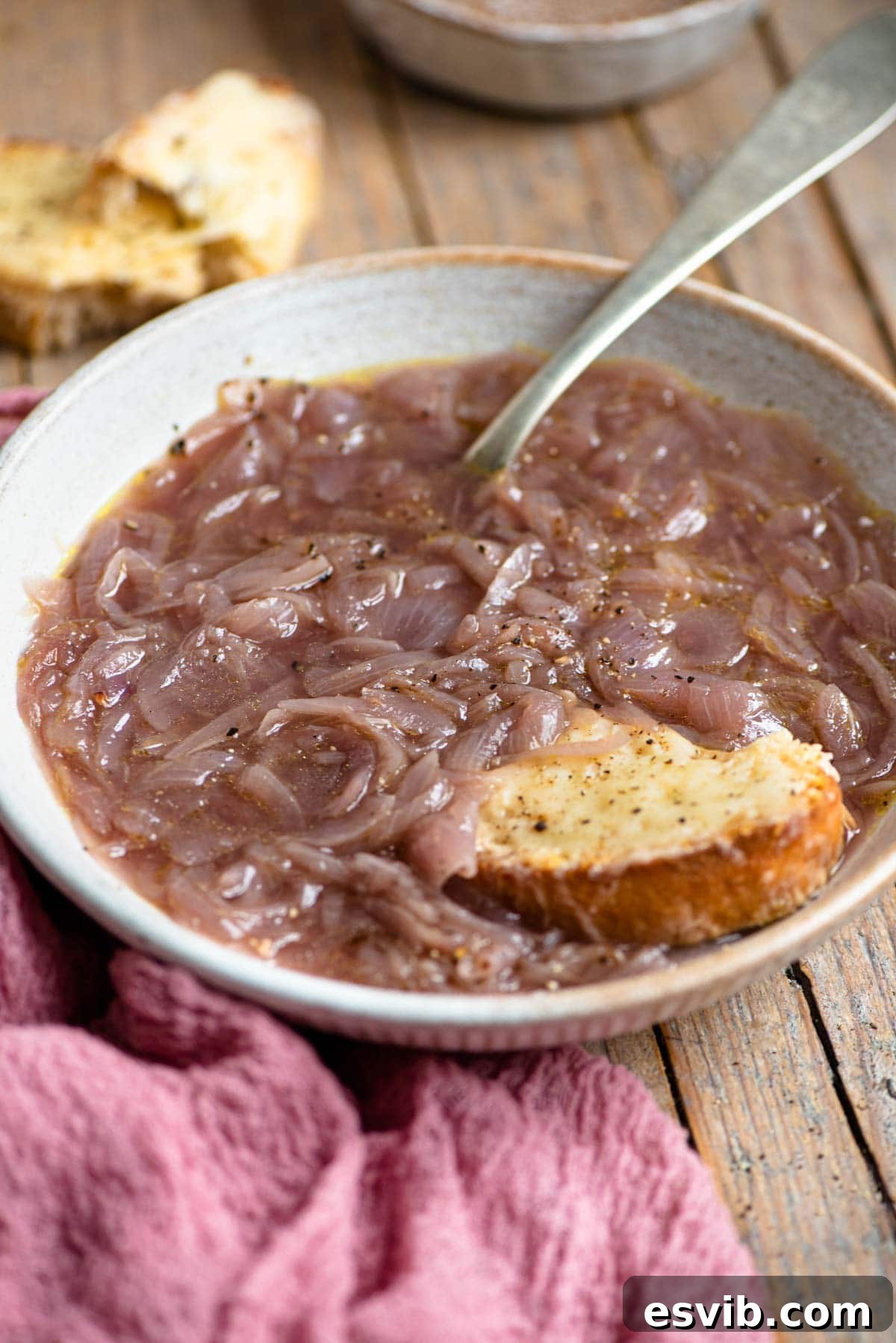
Carabaccia is far more than just a soup; it’s a culinary journey back to the heart of Tuscany, a sweet and savory masterpiece that has graced Italian tables since the Renaissance. This delightful Tuscan onion soup is characterized by its intensely flavored, slow-cooked red onions, enriched with the subtle notes of white wine and a whisper of cinnamon. It’s a wonderfully comforting dish, surprisingly easy to prepare, and absolutely bursting with flavor. Served piping hot, often with a generous slice of toasted bread crowned with melted cheese, Carabaccia offers a soul-warming experience that truly embodies rustic Italian charm.
The Rich History of Carabaccia: A Soup for the Ages
Tracing its origins back to the vibrant Renaissance period in Tuscany, Carabaccia holds a fascinating place in culinary history. Legend has it that this very soup was a favorite of none other than Leonardo da Vinci himself, a testament to its enduring appeal and simple elegance. The original Renaissance recipe for Carabaccia was typically prepared with slowly cooked red onions, vegetable stock, a hint of cinnamon, and traditionally thickened with ground almonds. This method provided a unique texture and richness, indicative of the era’s culinary preferences.
While the historical rendition with ground almonds certainly delivered a delicious flavor, its texture could be somewhat unusual, often leading to a porridge-like consistency, especially when stored. Over the centuries, as tastes evolved and culinary techniques advanced, the Carabaccia recipe naturally adapted to modern palates. Our favorite contemporary version streamlines the process while enhancing the flavor profile, ensuring a silky-smooth, deeply satisfying soup without the textural quirks of its ancient ancestor.
In this refined adaptation, we’ve opted to omit the ground almonds, replacing their subtle richness with the vibrant depth of dry white wine. This addition not only prevents any undesirable textures but also introduces a beautiful layer of acidity and complexity that complements the sweetness of the caramelized onions perfectly. This modern take on Carabaccia honors its heritage while delivering an even more appealing and flavorful experience for today’s home cooks and diners.
Essential Ingredients for an Authentic Carabaccia
Crafting a truly exquisite Carabaccia requires a few simple yet crucial ingredients, each playing a vital role in building the soup’s distinctive sweet and savory character. The beauty of this recipe lies in the quality of its components and the patience applied during their preparation.
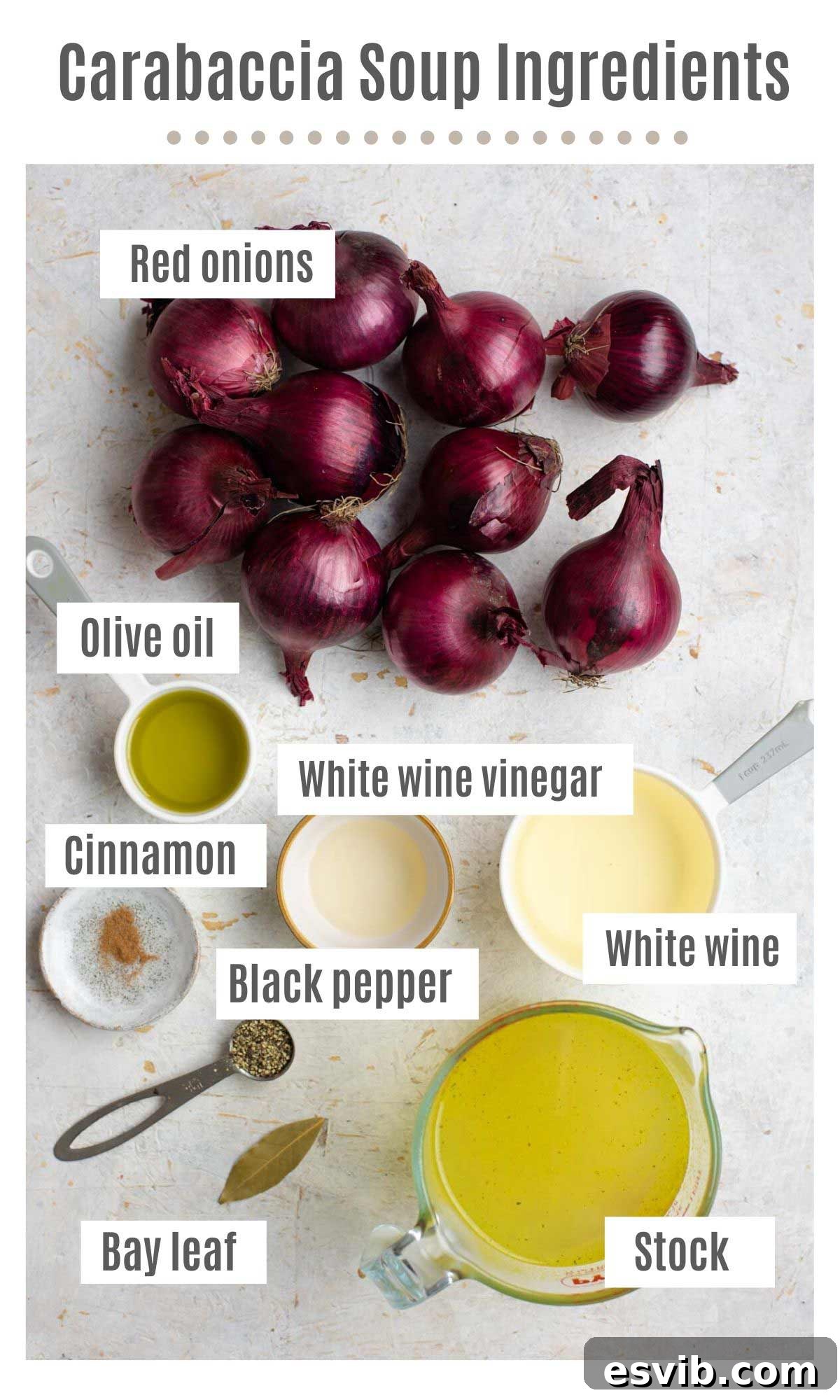
- Red Onions: While you could use white or brown onions, red onions are absolutely essential for achieving the authentic Tuscan flavor and beautiful color of Carabaccia. Their natural sweetness intensifies beautifully as they slowly caramelize, forming the backbone of this rich soup. We recommend using a generous amount—about 2 pounds (1 kg)—to ensure a robust and deeply flavored broth.
- Cinnamon: This might surprise some, but a mere pinch (no more than ¼ teaspoon) of ground cinnamon is key. Its role is to add a subtle hint of warmth and aromatic complexity, not to make the soup taste overtly like cinnamon. Be judicious; a little goes a long way in enhancing the historical essence of the dish.
- Stock: Traditionally, vegetable stock is used for Carabaccia, allowing the onion flavors to truly shine. However, chicken stock can also be an excellent alternative, adding another layer of savory depth. It’s important to steer clear of beef stock, as its robust flavor would overpower the delicate sweetness of the onions and the overall balance of the soup.
- Dry White Wine: A dry Italian white wine is highly recommended. Varieties like Pinot Grigio, Vermentino, or a dry Vernaccia will add essential acidity and a complex fruitiness that complements the caramelized onions beautifully, lifting the entire dish.
- Olive Oil: As with most Italian cooking, a high-quality extra virgin olive oil is indispensable. It’s used to slowly cook the onions, imparting its fruity, peppery notes to the base of the soup.
- White Wine Vinegar: A small amount of white wine vinegar brightens the flavors and adds a gentle tang, balancing the richness of the onions.
- Bay Leaf: One bay leaf infuses the soup with a subtle, aromatic herbal note, adding depth without dominating.
- Salt and Freshly Ground Black Pepper: Seasoning is crucial to bring out all the inherent flavors. Adjust to taste throughout the cooking process.
Crafting Carabaccia: A Step-by-Step Guide
The secret to a remarkable Carabaccia lies in the slow, patient cooking of the onions. This process transforms them into a meltingly tender, deeply sweet foundation for your soup. Follow these steps for a perfect batch:
Step 1: Preparing the Onions for Maximum Flavor
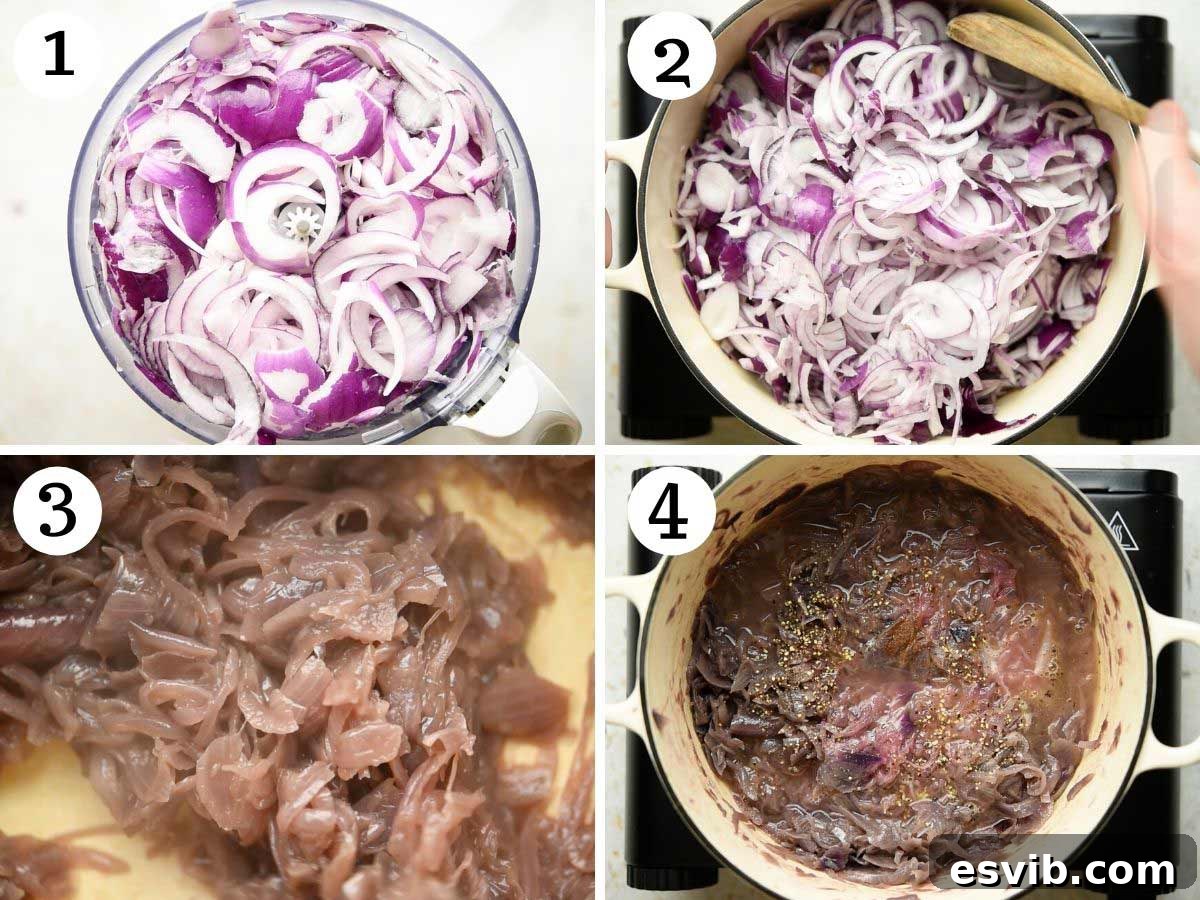
Begin by peeling the red onions and trimming their ends. Halve each onion and then slice them as thinly as possible. The thinner the slices, the quicker and more evenly they will soften and caramelize. A food processor with a slicing attachment can make this task incredibly fast and uniform, but a sharp knife and a steady hand work just as well. Aim for translucent, almost paper-thin strips.
Step 2: The Art of Slow Caramelization
Heat 2-3 tablespoons of olive oil in a large, heavy-bottomed pot or Dutch oven over a medium-low flame. Add the finely sliced onions and a generous pinch of salt. Stir well to ensure all the onions are coated in the oil. This is where patience is paramount: cook the onions very slowly, stirring occasionally, until they become incredibly soft, almost melting, and begin to break apart. This process will take approximately 40-45 minutes. It’s crucial that the onions do not brown or crisp; they should remain pale and translucent, releasing their natural sugars and becoming wonderfully sweet.
Step 3: Deglazing and Infusing Aromatics
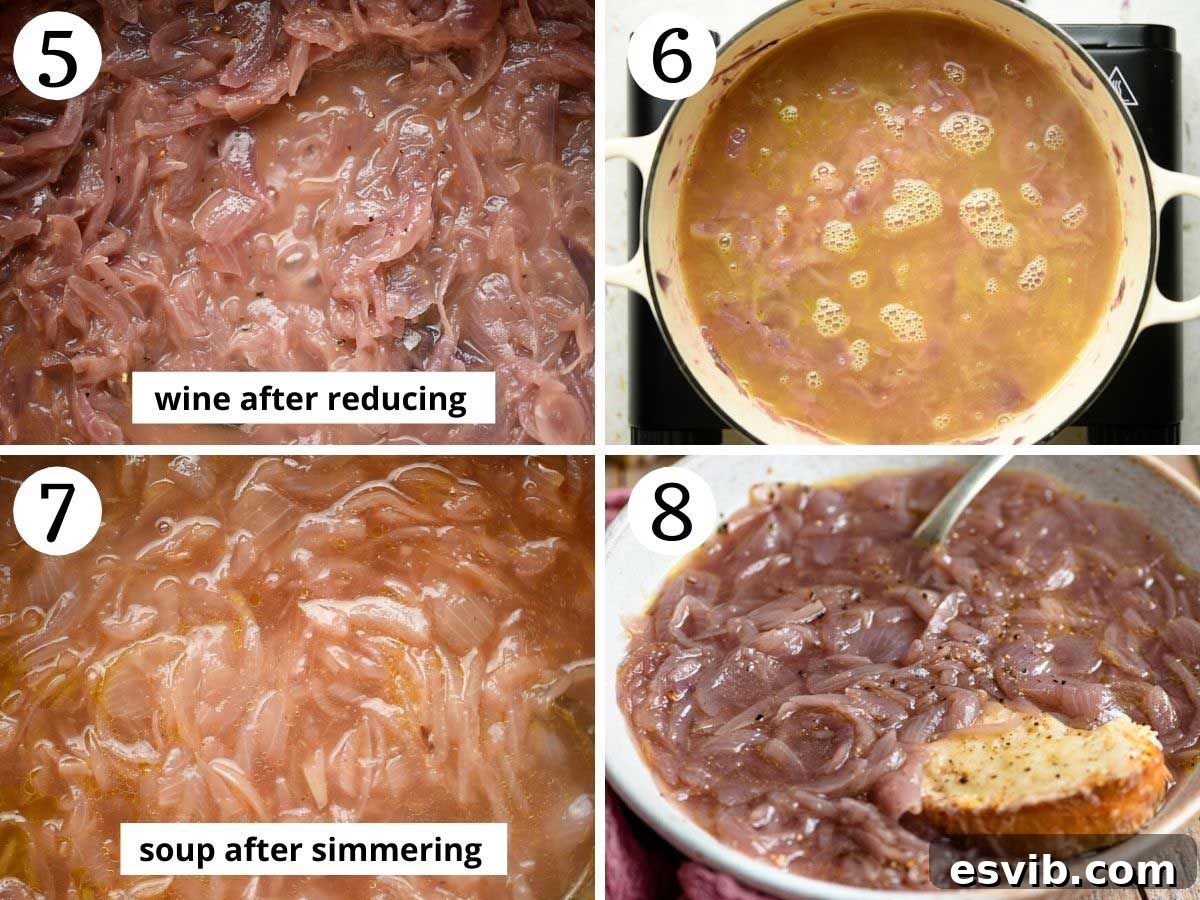
Once the onions have reached their perfect, tender sweetness, pour in 1 tablespoon of white wine vinegar, 1 cup (240ml) of dry white wine, a small pinch of cinnamon (remember, just a hint!), and ½ teaspoon of freshly ground black pepper. Increase the heat slightly and allow the mixture to simmer gently. Continue to cook until the wine has reduced by half, allowing its rich flavors to meld with the caramelized onions. This step, known as deglazing, lifts any flavorful bits from the bottom of the pot, adding even more depth to the soup.
Step 4: Simmering to Perfection
Finally, add 4 cups (1 liter) of vegetable stock and the bay leaf to the pot. Bring the soup to a gentle simmer, then reduce the heat to low, cover, and let it cook for another 30 minutes. This simmering time allows all the flavors to fully develop and integrate, resulting in a cohesive and deeply satisfying soup. Taste and adjust seasoning with salt and pepper as needed.
Step 5: Serving Your Carabaccia
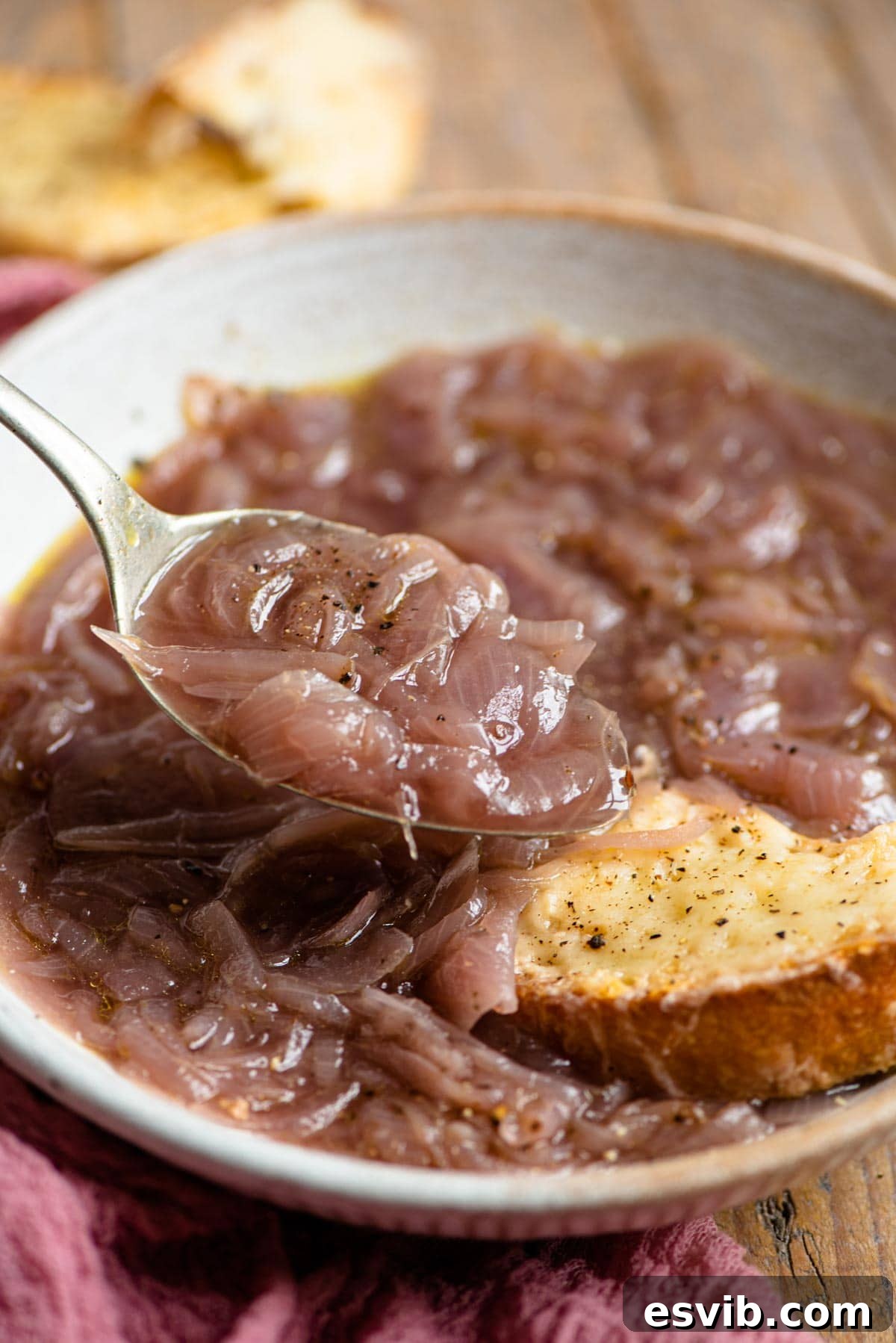
Carabaccia is traditionally served with a slice of toasted or grilled crusty bread placed at the bottom of the bowl, allowing it to soak up the delicious broth. For an extra touch of indulgence, top your bread with a generous sprinkle of Parmigiano Reggiano cheese and allow it to melt under a broiler or with the hot soup. This cheesy toast is perfect for dunking and adds a wonderful textural contrast to the silky soup. A drizzle of fresh extra virgin olive oil before serving can also elevate the flavors.
Recipe Notes and FAQs for the Perfect Carabaccia
Serving Suggestions
- Traditional Tuscan Style: In Tuscany, it’s common practice to place a slice of crusty, toasted bread at the bottom of each bowl before ladling in the hot soup. This allows the bread to absorb the rich broth, becoming wonderfully tender and flavorful.
- Our Favorite Way: For an irresistible twist, we love to serve Carabaccia topped with a slice of toasted (or grilled) crusty bread that has been generously sprinkled with Parmigiano Reggiano and melted until golden and bubbly. The crisp, cheesy bread provides a fantastic textural counterpoint and an extra layer of savory goodness.
- Garnish Ideas: A sprinkle of fresh parsley or chives, or a final drizzle of high-quality extra virgin olive oil can add a fresh finish to your soup.
Achieving Desired Texture
If you prefer a thicker soup, you can easily achieve this by creating a cornstarch (cornflour) slurry. Mix 1 tablespoon of cornstarch with 2 tablespoons of cold water until smooth. Stir this mixture into the simmering soup and continue to cook for a few more minutes until it slightly thickens. Remember, a little thickening goes a long way, so add gradually.
Choosing Your Stock Wisely
When using store-bought stock, always opt for a good quality, low-sodium variety. This gives you complete control over the salt content of your soup, allowing you to season it precisely to your taste without risking it becoming overly salty.
Carabaccia vs. French Onion Soup: A Delicious Comparison
While both Carabaccia and French Onion Soup celebrate the humble onion, they are distinct culinary creations. Carabaccia is a sweet and savory Tuscan delight made with red onions, vegetable stock, and a unique hint of cinnamon, offering a lighter, more aromatic profile. French Onion Soup, on the other hand, is characterized by its rich beef stock, the addition of garlic, and is traditionally thickened with flour, often topped with a substantial crouton and a thick layer of Gruyère cheese, resulting in a more robust and umami-driven experience.
Storage and Freezing Guidelines
Carabaccia is a fantastic soup for making ahead. Leftovers will keep beautifully in an airtight container in the refrigerator for 1-2 days. For longer storage, this soup freezes exceptionally well for up to 3 months. To reheat, simply thaw completely in the refrigerator overnight, then gently warm on the stovetop until piping hot, stirring occasionally.
More Italian Soup Recipes You Might Enjoy
If you love the comforting flavors of Italian soups, explore these other delightful recipes from our kitchen:
- Italian Lentil Soup (Zuppa di Lenticchie)
- Green Pea Soup with Crispy Prosciutto
- Tuscan Chickpea Soup
- Pastina Soup (Italian Chicken Noodle Soup)
- Tuscan Farro Soup with Beans
The Carabaccia (Tuscan Onion Soup) Recipe
This recipe combines the historical essence of Carabaccia with modern culinary preferences, resulting in a rich, flavorful, and incredibly comforting soup. It serves 4, making it perfect for a cozy dinner or a starter for a larger meal.
Carabaccia (Tuscan Onion Soup)
By Emily
Carabaccia is a sweet and savoury Tuscan onion soup that dates back to the Renaissance. Made with slow-cooked red onions and white wine this rich tasting soup is really easy to make and packed with flavour, perfect served with a cheesy slice of toasted bread!
Ingredients
- 2 lbs (1kg) red onions
- 1 cup (240ml) dry white wine
- 4 cups (1 litre) vegetable stock
- 1 bay leaf
- 1 small pinch cinnamon (around ¼ tsp)
- 1 Tbsp white wine vinegar
- 2-3 Tbsp olive oil
- ½ tsp freshly ground black pepper
- Salt, to taste
Instructions
- Peel and cut the ends off of the onions (2 lbs/1 Kg) and slice them in half. Finely slice the onions as thin as you can, ideally using a food processor with a slicing attachment for speed and consistency.
- Heat the olive oil in a large, deep pot over medium-low heat. Add the sliced onions and stir to coat them thoroughly in the oil. Add a pinch of salt. Cook the onions very slowly, stirring occasionally, until they are incredibly soft, translucent, and breaking apart. This process typically takes 40-45 minutes. Ensure the onions do not brown; the goal is deep caramelization, not scorching.
- Once the onions are perfectly tender, add the white wine vinegar (1 Tbsp), dry white wine (1 cup/240ml), the small pinch of cinnamon, and freshly ground black pepper (1/2 tsp). Increase the heat slightly and let the mixture simmer until the wine has reduced by half, allowing the flavors to concentrate.
- Pour in the vegetable stock (4 cups/1 litre) and add the bay leaf. Bring the soup to a gentle simmer, then reduce the heat to low. Cover the pot and let it simmer for an additional 30 minutes, allowing all the ingredients to meld beautifully.
- Serve the Carabaccia hot with a slice of toasted or grilled crusty bread, optionally topped with melted Parmigiano Reggiano cheese. Enjoy your taste of Tuscany!
Recipe Video
Watch how to make this delicious Carabaccia in our step-by-step video:
Click the image above to watch the video.
Chef’s Notes
- Serving suggestion: For a true Tuscan experience, place a piece of toasted bread at the bottom of the bowl before pouring in the soup. Alternatively, serve with grilled bread topped with melted Parmigiano Reggiano – a personal favorite!
- Texture: If you prefer a slightly thicker soup, create a cornstarch slurry by mixing 1 tbsp cornstarch with 2 tbsp cold water. Stir into the simmering soup and cook until slightly thickened.
- Store-bought stock: Always opt for good quality, low-sodium stock to better control the overall saltiness of your dish.
- Leftovers & freezing: Leftover soup can be stored in an airtight container in the fridge for 1-2 days or frozen for up to 3 months. Ensure it’s fully thawed before reheating until piping hot.
Nutrition Information (per serving, approximate)
Calories: 256 kcal | Carbohydrates: 39g | Protein: 3g | Fat: 7g | Saturated Fat: 1g | Sodium: 954mg | Potassium: 452mg | Fiber: 13g | Sugar: 13g | Vitamin A: 557IU | Vitamin C: 17mg | Calcium: 223mg | Iron: 2mg
Nutrition information is automatically calculated and should be used as an approximation.
Helpful Information for All Our Recipes
- We consistently use extra virgin olive oil in all our recipes unless otherwise specified, for its superior flavor and health benefits.
- When canned or jarred tomatoes are called for, we recommend premium brands like Cirio or Mutti for the best possible results and authentic Italian flavor.
- Unless explicitly stated, all vegetables mentioned in our recipes are assumed to be of medium size.
- All recipes published on this blog are carefully tested and developed using a fan (convection) oven. Adjustments may be necessary for conventional ovens.
- Find out more about how nutrition is calculated for our recipes.
- Check out our must-have Italian Pantry Staples to stock your kitchen.
- You can also find all our Essential Kitchen Tools for Italian Cooking to equip yourself for success.
If you’ve tried this Carabaccia recipe or any other recipe on the blog, please don’t forget to rate the recipe and let me know how you got on in the comments below. I love hearing from you! You can also FOLLOW ME on FACEBOOK, INSTAGRAM and PINTEREST to see more delicious food and what I’m getting up to.