
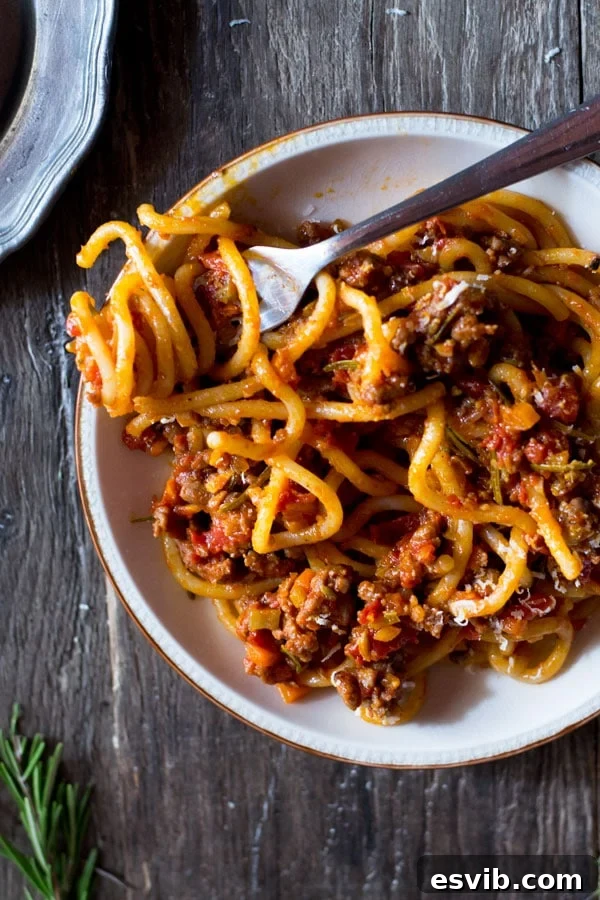
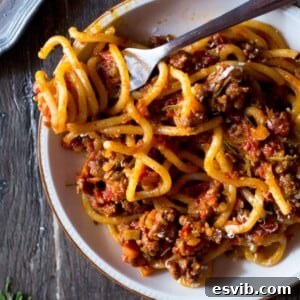
Indulge in the rich, deep flavors of an authentic Tuscan Sausage Ragu, a culinary masterpiece crafted from the finest Italian sausages, fragrant fennel seeds, robust red wine, and luscious plum tomatoes. This slow-cooked wonder, simmered to perfection, finds its ideal companion in the rustic charm of Pici pasta, promising a truly unforgettable Italian dining experience.
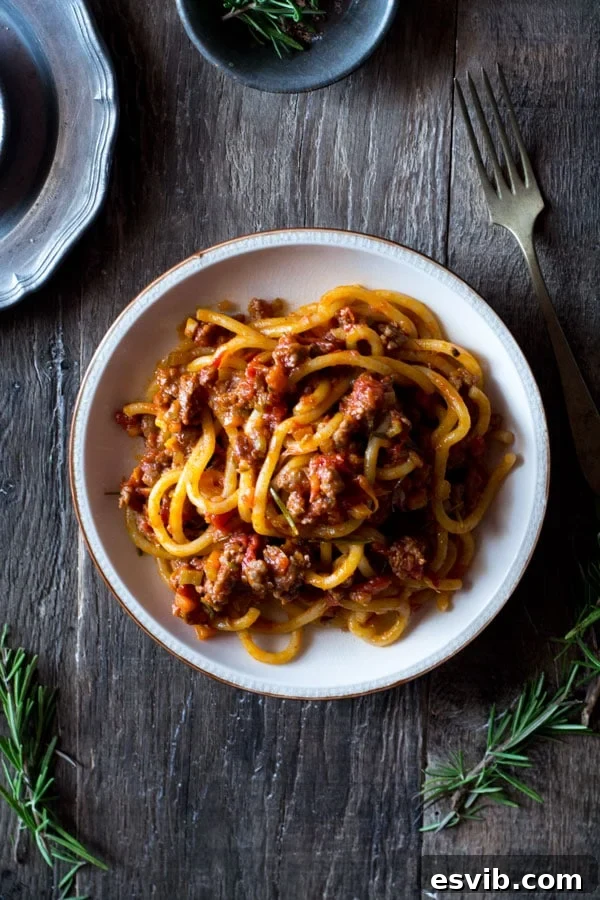
This Tuscan sausage ragu holds a special place in my heart, a recipe I’ve lovingly perfected over many years, even long before I made my home in the beautiful Italian countryside. My passion for Italian cuisine often led me to cook for hours during my holidays in Bella Italia, savoring every moment of creating something truly authentic. This ragu is a testament to that dedication – simple in its components yet profound in its flavor. While it requires a little patience for the flavors to fully meld and deepen, the process is far from laborious, yielding a sauce that is exquisitely rich and complex.
The Essence of Tuscan Sausages
At the heart of this magnificent dish lies the sausage. It is not merely an ingredient; it is the undisputed star. Therefore, the importance of selecting high-quality sausages cannot be overstated. In Italy, the standard for all food, especially sausages, is exceptional. They are consistently bursting with natural flavors and are impeccably seasoned, making a world of difference to any dish they grace.
One notable characteristic of Italian sausages, particularly those from Tuscany, is their robust seasoning. This inherent flavor profile often means that very little, if any, additional salt is required in the cooking process. These sausages carry all the necessary spices within them. Unlike many varieties found elsewhere, traditional Tuscan sausages typically do not contain chili or hot pepper flakes (unless specifically labeled salsicce piccante). Instead, they are generously infused with aromatic fennel seeds, fragrant rosemary, a hint of red wine, and pungent garlic. Reading the ingredient list on an authentic Italian sausage package is always a delight; you’ll find no preservatives or artificial additives, just pure, honest food and natural herbs. This commitment to quality and simplicity is precisely why they taste so incredibly delicious. When sourcing your sausages, look for varieties that mirror this profile – coarse-ground pork seasoned with fennel, garlic, and herbs. If authentic Tuscan sausages are unavailable, a high-quality Italian pork sausage will serve as a wonderful substitute, perhaps with a touch more fennel seed added to the ragu.
Il Soffritto: The Flavor Foundation
Like countless cherished Italian sauces, hearty stews, and comforting soups, our Tuscan sausage ragu begins with the revered foundation known as Il Soffritto. This simple yet profoundly effective technique involves slowly sautéing finely chopped vegetables to create a deep, aromatic base that elevates the entire dish.
At its core, Il Soffritto is a harmonious blend of finely chopped carrot, celery, and white onion, gently cooked in a touch of olive oil. The key is patience; these humble vegetables are sautéed slowly over a low to medium heat for about 10 minutes, allowing them to soften and release their natural sweetness and complex aromas without browning. This careful process extracts maximum flavor, building an incredible depth that resonates throughout the ragu. Beyond being a cornerstone for classic Italian recipes, a batch of soffritto can even be prepared in advance and stored, ready to add an instant punch of flavor to weeknight meals.
Crafting the Perfect Soffritto
To create the ideal soffritto for this Tuscan sausage ragu, begin by finely chopping equal amounts of carrot, white onion, and celery. Precision isn’t strictly necessary, but aim for roughly similar quantities. For this particular recipe, I recommend using one medium-sized carrot, one celery stalk, and one small white onion. The goal is to achieve small, consistent pieces that will soften evenly and melt into the sauce, rather than standing out as distinct vegetable chunks.
Once your vegetables are prepared, add a tablespoon of good quality olive oil to a large, heavy-bottomed pan. Heat it gently over a low to medium flame, then add the chopped carrot, celery, and onion. Stir them occasionally with a wooden spoon, ensuring they cook slowly and evenly. The objective is to render them soft and translucent, particularly the onions, without allowing them to brown or burn. This slow caramelization process is what draws out their essential flavors, forming the aromatic bedrock of your ragu.
The Delight of Pici Pasta
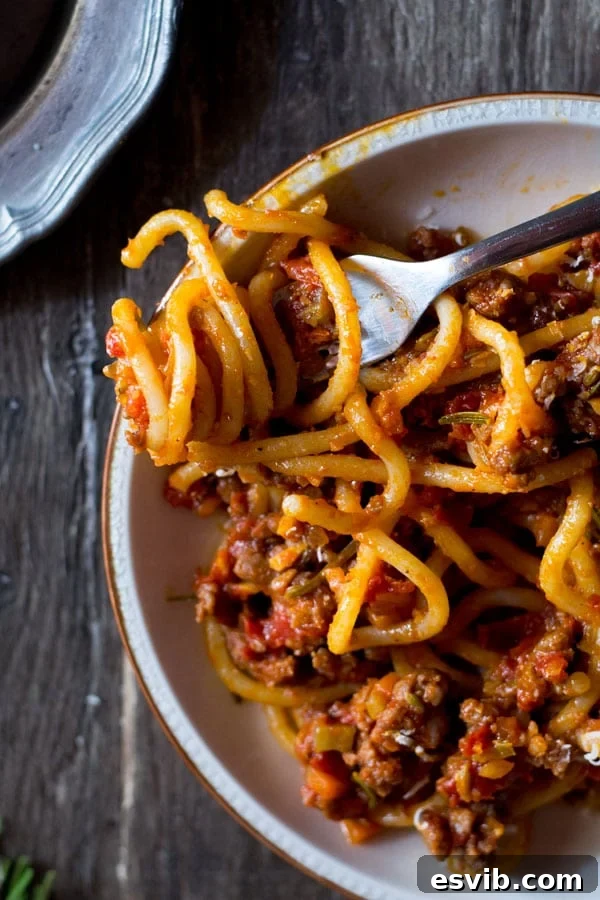
Now, let’s talk about the incredible Pici pasta, a true gem of Tuscan cuisine. This hand-rolled pasta is a specialty of Siena and the Val d’Orcia region, celebrated for its wonderfully rustic texture and delightful chewiness. Pici is often described as thick, hand-rolled spaghetti, distinguished by its irregular shape and satisfyingly substantial bite. Each strand is lovingly rolled by hand, giving it a unique, artisanal quality that no machine-made pasta can replicate.
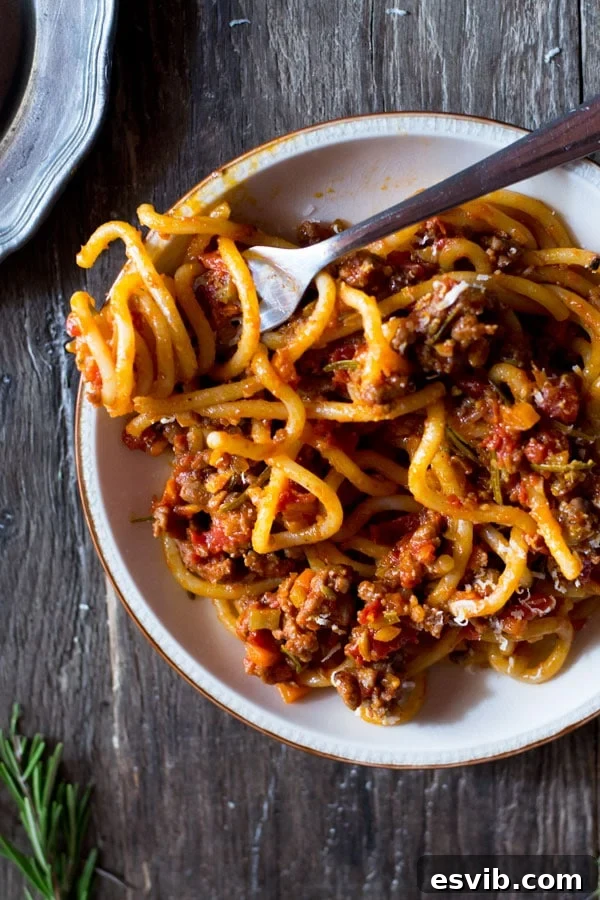
Pici is famously paired with hearty sauces, as its robust structure and porous surface are perfectly designed to cling to rich ragus. It’s most famously known for its role in Cacio e Pepe, a deceptively simple yet incredibly flavorful dish featuring cheese and black pepper, often affectionately called “Pici e Pepe.” But its versatility extends far beyond, making it an exquisite match for this Tuscan sausage ragu. The thick strands absorb the savory sauce beautifully, ensuring every mouthful is packed with flavor and textural contrast. The chewiness of Pici stands up to the richness of the ragu, creating a harmonious and deeply satisfying eating experience.
A Versatile Ragu for Any Occasion
This Tuscan sausage ragu is remarkably versatile, fitting seamlessly into both busy weeknight schedules and leisurely weekend meals. Its make-ahead potential makes it a true culinary hero; you can prepare it the day before, allowing the flavors to deepen even further, or freeze it in portions for a speedy, comforting supper whenever cravings strike. Reheating is a breeze, and the quality remains impeccable.
But don’t reserve this dish solely for convenience. It’s equally special for weekend gatherings or intimate date nights. Imagine serving this rich ragu in elegant bowls, perhaps alongside a crusty loaf of bread and a crisp green salad, creating a sophisticated yet comforting meal. Alternatively, embrace its rustic charm and enjoy it on the sofa in your comfiest pajamas, accompanied by a generous glass of vino rosso. A robust Chianti Classico or a full-bodied Montepulciano d’Abruzzo would be an ideal pairing, complementing the savory notes of the sausage and the rich tomato base.
For those who appreciate the finer details, a sprinkle of freshly grated Pecorino Romano or Parmesan cheese over the top adds a final touch of salty, umami goodness, enhancing the overall profile of this exquisite Tuscan delight.
Serving Suggestions and Variations
While Pici pasta is the traditional and highly recommended pairing for this Tuscan sausage ragu, its versatility allows for other excellent choices. You can serve this robust sauce with other thick, rustic pasta shapes such as pappardelle, tagliatelle, or even a hearty rigatoni. The broad surface of pappardelle or tagliatelle is superb for catching every last drop of the rich sauce, while the ridges of rigatoni act as perfect little pockets for the crumbled sausage.
To vary the ragu itself, consider adding a pinch of chili flakes for a subtle kick, or a splash of balsamic vinegar towards the end of cooking for an added layer of tangy sweetness. A bay leaf simmered with the sauce can also introduce a nuanced herbal aroma. For a creamier finish, a small dollop of mascarpone stirred in just before serving can add a luxurious texture.
Beyond pasta, this ragu makes a fantastic topping for creamy polenta, creates a magnificent filling for lasagna, or even serves as a hearty sauce for bruschetta.
Make-Ahead and Storage Tips
One of the many joys of this Tuscan sausage ragu is how beautifully it develops flavor over time, making it an ideal candidate for meal prepping.
- Refrigeration: Once cooled completely, transfer the ragu to an airtight container and store it in the refrigerator for up to 3-4 days. The flavors will deepen overnight, often tasting even better the next day.
- Freezing: For longer storage, the ragu freezes exceptionally well. Allow it to cool completely, then portion it into freezer-safe containers or heavy-duty freezer bags. It can be frozen for up to 3 months. Thaw overnight in the refrigerator before gently reheating on the stovetop over low heat, adding a splash of water or broth if it thickens too much.
- Reheating: When reheating, whether from the fridge or thawed from frozen, do so slowly over medium-low heat. Stir frequently to ensure even heating and to prevent sticking. A little extra liquid (water, broth, or red wine) can be added if the sauce seems too thick.
For More Easy Pasta Recipes Try:
- Mafalde pasta with butter and parmesan
- Farfalle pasta with pancetta, chili and garlic
- Creamy butternut squash pasta
- Spicy sausage pasta bake
- Bucatini with roasted red pepper cream sauce
If you’ve had the pleasure of trying this Pici with Tuscan sausage ragu, or any other delicious recipe from our blog, we would be absolutely delighted to hear about your experience in the comments below. Your feedback means the world to us! You can also FOLLOW US on FACEBOOK, TWITTER, INSTAGRAM, and PINTEREST to stay updated with more delectable food creations and behind-the-scenes glimpses into our rustic kitchen adventures.
Follow the step-by-step photos above for visual guidance!
Most of our recipes come with helpful tips and tricks to ensure perfect results on your first attempt.
Authentic Pici with Tuscan Sausage Ragu
By Emily
Ingredients
- 1 lb (490g) Tuscan or high-quality Italian sausages
- 1 medium carrot
- 1 celery stalk
- 1 small white onion
- 2 cloves garlic, minced
- 1 tsp fennel seeds
- 1 large sprig fresh rosemary
- 1 tbsp olive oil
- 1/2 cup (120ml) dry red wine (such as Chianti or Sangiovese)
- 28 oz (800g) canned whole plum tomatoes, crushed by hand
- 3/4 cup (200ml) water or low-sodium chicken/vegetable broth
- Salt and freshly ground black pepper to taste
- 1 lbs (500g) Pici pasta
- Freshly grated Pecorino Romano or Parmesan cheese for serving
Instructions
- Very finely chop the carrot, onion, celery, and garlic. Set these aside. Remove the sausages from their casings and add the meat to a large, heavy-bottomed pan over medium heat. Break up the sausage meat with the side of a wooden spoon as it browns. Once thoroughly browned, transfer the cooked sausage to a plate and set aside, draining any excess fat from the pan.
- Add 1 tablespoon of olive oil to the same pan and reduce the heat to medium-low. Add the finely chopped carrot, celery, and onion (your soffritto base). Sauté gently for approximately 10 minutes, stirring occasionally with a wooden spoon, until the vegetables are very soft and the onions are translucent but not browned. This slow cooking is crucial for flavor development.
- Return the browned sausage meat to the pan with the softened vegetables. Add the minced garlic and cook for 1 minute until fragrant. Pour in the red wine, stirring well and allowing it to simmer for another minute to deglaze the pan and let the alcohol evaporate.
- Stir in the canned plum tomatoes (crushed by hand or with a fork) and the water (or broth). Add a generous pinch of freshly ground black pepper, the fennel seeds, and the sprig of fresh rosemary. Bring the ragu to a gentle simmer.
- Reduce the heat to its lowest setting, cover the pan partially, and let the ragu simmer slowly for 45-50 minutes, stirring occasionally. This extended simmering time allows the flavors to meld beautifully and the sauce to thicken. If the sauce begins to reduce too much or becomes too thick, add another splash of water or broth halfway through the cooking time.
- Once the ragu is ready, turn off the heat or keep it on the lowest setting. Meanwhile, bring a large pot of salted water to a rolling boil. Add the Pici pasta and cook according to the package instructions until al dente.
- Using a spaghetti spoon or tongs, transfer the cooked pasta directly from the boiling water into the ragu. Toss the pasta thoroughly with the sauce, ensuring every strand is well coated.
- Serve immediately in large bowls, garnished with freshly grated Pecorino Romano or Parmesan cheese and an optional sprig of fresh basil or parsley. Enjoy!
Notes
This recipe generously serves 4, but can easily be stretched to 6 with smaller portions or an additional side dish.
Please note that this recipe was developed and tested using metric measurements. All imperial measurements provided are approximate conversions for convenience.
Helpful Info for All Recipes from Our Kitchen
- We consistently use extra virgin olive oil in all our recipes unless explicitly stated otherwise, favoring its superior flavor and quality.
- For the best results and most authentic Italian flavor, we highly recommend using premium brands like Cirio or Mutti for all canned or jarred tomatoes.
- Unless specified, all vegetables referenced in our recipes are assumed to be medium-sized.
- All recipes published on this blog are meticulously tested and developed using a fan (convection) oven.
- Find out more about how nutrition information is calculated on our site, which serves as an approximation.
- Discover our essential Italian Pantry Staples to stock your kitchen for authentic cooking.
- Explore our comprehensive guide to Essential Kitchen Tools for Italian Cooking to equip yourself for success.
Nutrition Information (Approximate per serving)
Calories: 774kcal
Nutrition information is automatically calculated and should be used only as an approximation, as ingredient variations can occur.
Did you try this irresistible recipe?
We’d love to hear your thoughts! Leave a comment below and share your experience!