
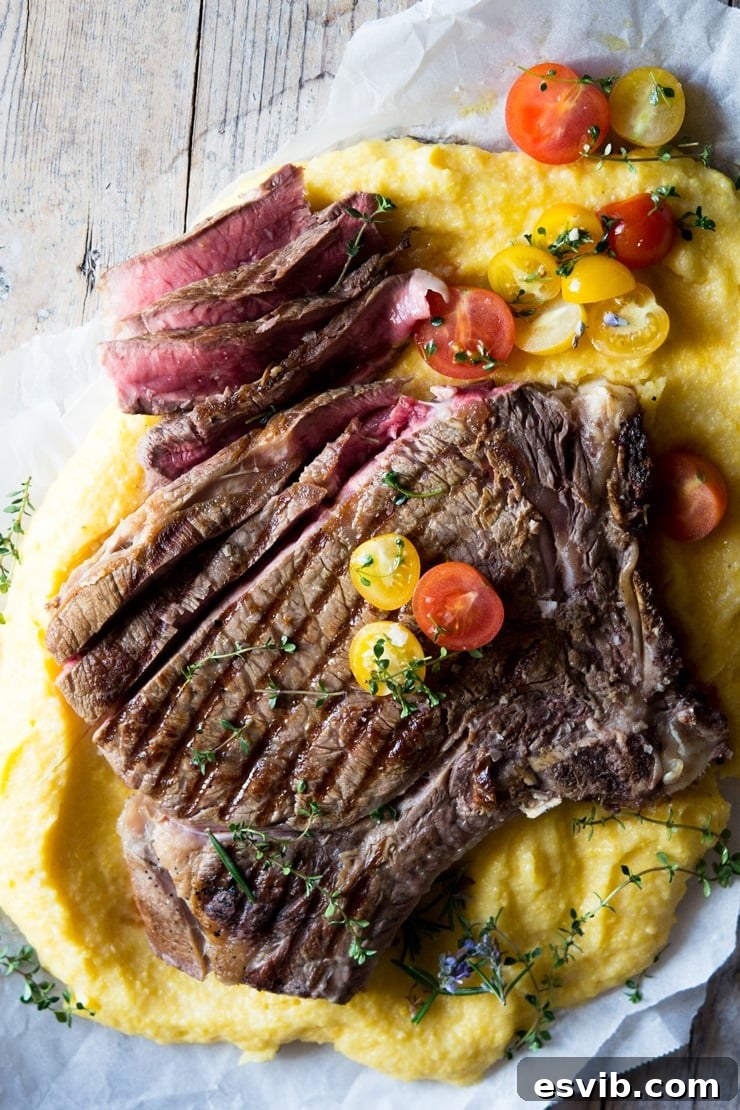
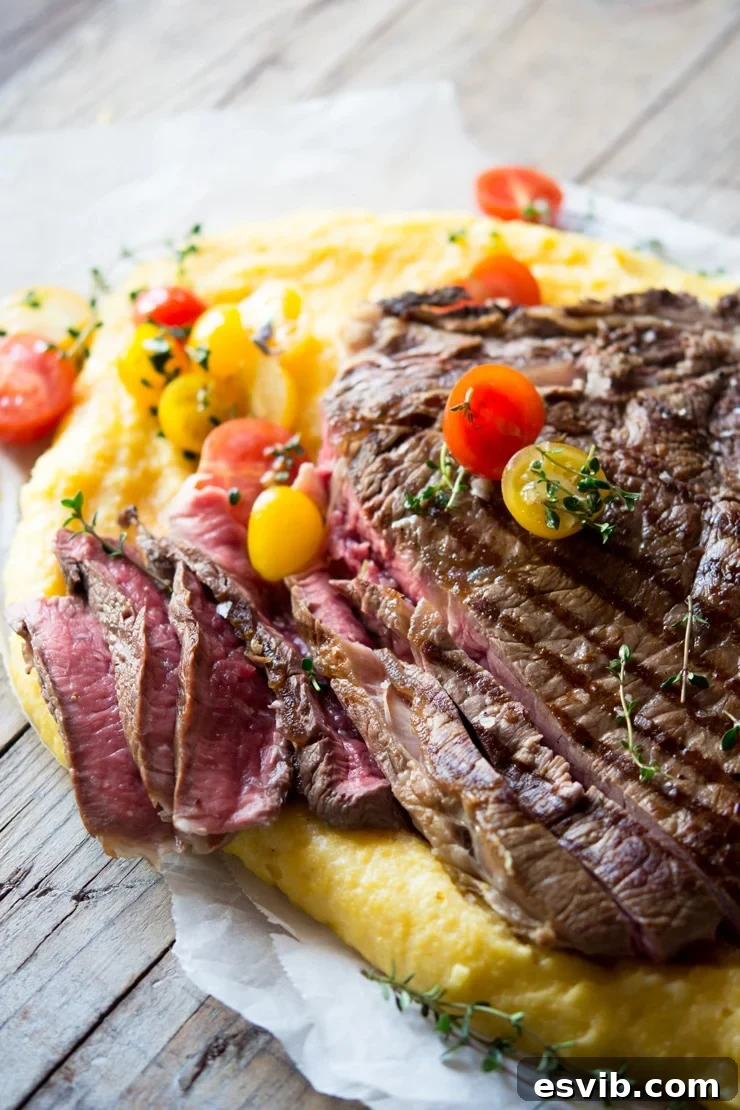
Experience the unparalleled taste of a chargrilled porterhouse steak, famously known as Bistecca alla Fiorentina. This authentic Florentine steak is renowned as one of the most delicious steaks you’ll ever savor. Prepared simply, seasoned only with sea salt and a touch of olive oil, it’s cooked to a perfect rare — a tradition deeply cherished in Florence. The result is an insanely flavorful, incredibly juicy, and utterly perfect steak, embodying the heart of Tuscan culinary excellence.
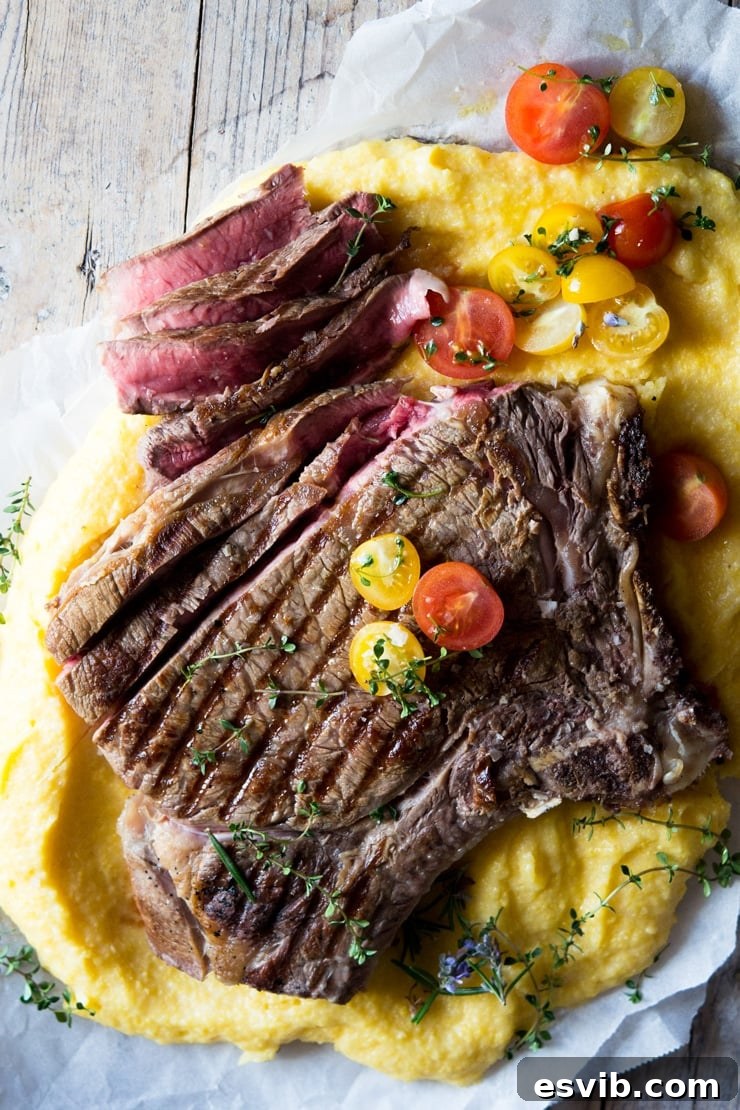
Bistecca alla Fiorentina: The Definitive Guide to Florentine Steak
The Bistecca alla Fiorentina holds a special place in the hearts of meat lovers and Italian food enthusiasts worldwide. Before experiencing Italy firsthand, a quality fillet steak was a rare indulgence, reserved for special occasions. However, upon moving to Italy, my culinary world was forever changed by the sheer magnificence of Bistecca alla Fiorentina. This robust, generously cut porterhouse or T-bone steak became my ultimate go-to whenever a craving for exceptional beef struck.
If your travels ever lead you to the picturesque city of Florence, ordering one of these iconic steaks is not just a recommendation—it’s an absolute imperative. Be warned, though: this culinary masterpiece is not for those who prefer their steak well-done. In Florence, you won’t even be offered a choice in how your Bistecca alla Fiorentina is cooked. It’s rare, or it’s simply not Florentine. The locals, rightly so, take immense pride in their precious steak, and its preparation is a testament to centuries of tradition.
The History and Heritage of Bistecca alla Fiorentina
The origins of Bistecca alla Fiorentina are steeped in history, dating back to the Medici family and their lavish celebrations. The term “Bistecca” itself is thought to derive from the English “beef steak,” introduced during a feast of San Lorenzo in the 16th century, where English knights apparently exclaimed “beef steak!” upon tasting the grilled meat. Over centuries, this dish evolved into the icon it is today, deeply intertwined with Tuscan identity and culinary pride. It’s not just a meal; it’s a celebration of exceptional produce and simple, unadulterated flavors.
Understanding the Cut: Porterhouse vs. T-Bone
At the heart of Bistecca alla Fiorentina lies a substantial cut of beef. Traditionally, this is either a porterhouse or a T-bone steak. While both cuts feature the distinctive T-shaped bone separating the tenderloin (fillet) and the strip steak (sirloin), a porterhouse is typically larger and boasts a more generous portion of the tenderloin. Often referred to as the “king” of T-bones, the porterhouse is generally preferred for its impressive size and dual texture, offering both the buttery tenderness of the fillet and the robust flavor of the sirloin. For an authentic Florentine experience, aim for a porterhouse, but a well-marbled T-bone will also yield fantastic results.
The Art of the Rare Steak: Addressing the “Blood” Misconception
For those unaccustomed to rare steak, the sight of “blood” on the plate can be off-putting. However, what appears to be blood is actually myoglobin, a protein responsible for the red color in meat and for carrying oxygen within muscle cells. A perfectly rare Florentine steak should never have actual blood pooling on the plate. If you’re concerned about juices running into your creamy polenta or roasted vegetables, the solution is remarkably simple and universally applicable to all steaks: **let it rest!**
Why Resting Your Steak Is Non-Negotiable
Resting is the single most crucial step after cooking any steak, and especially a thick cut like Bistecca alla Fiorentina. When meat cooks, its muscle fibers contract, forcing the internal juices towards the center. Cutting into the steak immediately will cause these concentrated juices to flood out onto your plate, leaving you with a dry, less flavorful piece of meat. By allowing the steak to rest, the muscle fibers relax, and the juices redistribute evenly throughout the meat. This results in an incredibly succulent, tender, and flavorful steak, with all the delicious juices retained within each slice, not on your plate.
For a steak of this caliber, allow it to rest for at least 5-10 minutes, or even longer for very thick cuts, before transferring it to your serving board. This simple step transforms a good steak into a truly unforgettable one.
Top Tips for Mastering Authentic Bistecca alla Fiorentina
Achieving the perfect Florentine steak involves adherence to a few fundamental principles:
- Thickness is Key: Your steak must be thick-cut, ideally 1 to 2 inches (2.5-5 cm), but even better if you can find one that is three finger-widths thick. This thickness is essential for achieving a charred exterior while maintaining a rare, cool center.
- Quality Meat Matters: Invest in the best, highest-quality beef you can find. The traditional beef used for Bistecca alla Fiorentina is Chianina beef, renowned for its impressive size, lean meat, and exceptional flavor. If Chianina is unavailable, opt for a well-marbled, dry-aged porterhouse or T-bone from a reputable butcher.
- Minimal Seasoning: Authenticity dictates seasoning your steak with only coarse sea salt. Avoid pepper during the cooking process, as it can burn on the high heat grill and impart a bitter flavor. A pinch of flaky sea salt after cooking is also welcome.
- Mild Olive Oil: Use olive oil sparingly, and ensure it’s a mild variety. The goal is to facilitate searing, not to impart a strong olive oil flavor that might overpower the natural taste of the beef.
- Room Temperature Start: Always bring your steak out of the refrigerator well in advance, allowing it to reach near room temperature before cooking. This promotes more even cooking throughout the thick cut.
- Smoking Hot Griddle: The cooking surface must be incredibly hot – smoking hot, in fact. Traditionally, Bistecca alla Fiorentina is cooked over a roaring wood-fired grill. Replicate this intensity with a heavy cast-iron griddle pan or outdoor grill to achieve that coveted charred crust.
How To Make a Florentine Steak (Bistecca alla Fiorentina) – Step By Step
Follow these steps to recreate the magic of Florentine steak in your own kitchen:
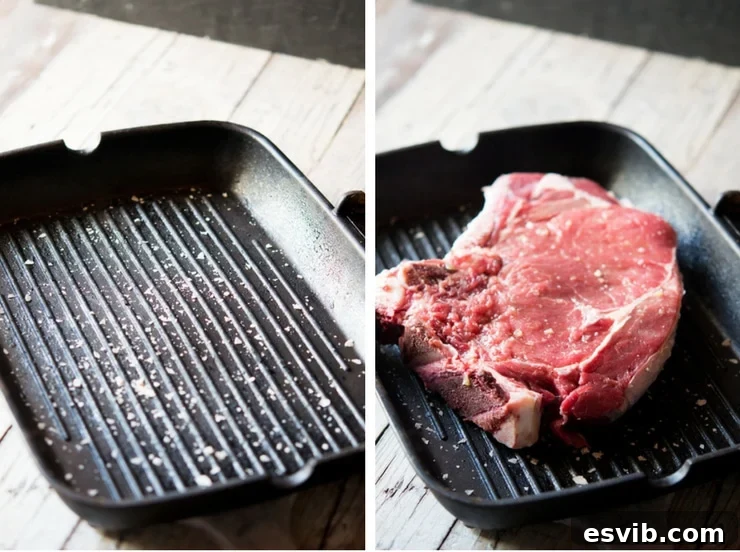
- Prepare the Pan: Heat a heavy cast-iron griddle pan (or outdoor grill) until it is smoking hot. For an extra touch, you can lightly sprinkle a few sea salt flakes onto the pan, which will dissolve and create a flavorful crust.
- Season the Steak: Season the thick porterhouse or T-bone steak generously with a pinch of coarse sea salt on each side. Lightly rub a very small amount of mild olive oil over the surface to help with searing.
- First Sear: Carefully place the seasoned steak onto the smoking hot griddle. Sear undisturbed on one side for approximately 3 minutes. You should see a deep, dark char and a beautiful crust forming.
- Second Sear: Flip the steak and sear the other side for another 3 minutes, aiming for a similar crust. These timings are for a 1-inch (2.5cm) thick steak cooked to a rare doneness. Adjust times for different thicknesses (see guide below).
- Sear the Bone (for thicker cuts): For exceptionally thick steaks, particularly porterhouse with a large bone, use kitchen tongs to hold the steak upright on its bone side for a few minutes. This allows the bone to heat through and evenly cook the meat surrounding it, ensuring no part is left cold.
- Crucial Resting: Once cooked, immediately transfer the steak to a cutting board. Cover it loosely with foil or another warm plate and let it rest for at least 5-10 minutes. This is vital for the juices to redistribute, ensuring a tender and succulent result.
- Serve: Carve the steak off the bone and slice it against the grain into thick pieces. Arrange on a large platter or cutting board, often served with just a drizzle of good quality olive oil and a final sprinkle of flaky sea salt.
Customizing Your Florentine Steak: Subtle Herb Infusions
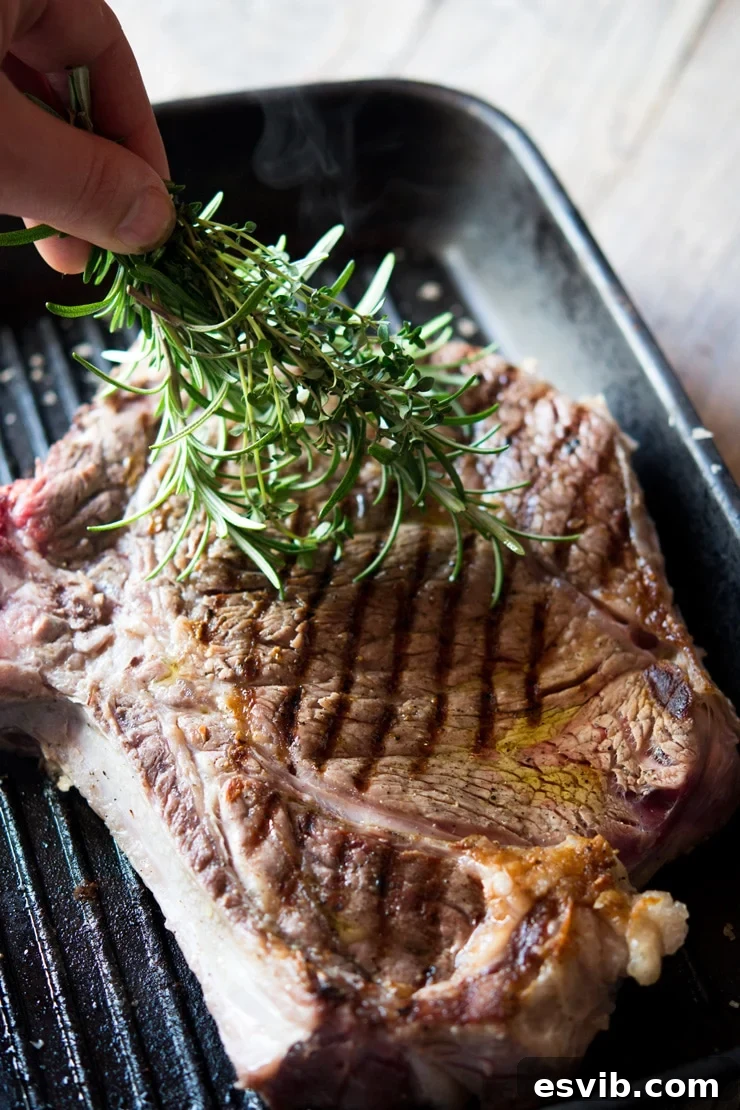
While the traditional method emphasizes simplicity, a slight deviation can enhance the experience without compromising authenticity. If you wish to introduce a subtle aromatic note, try creating a “herb brush.” Simply tie a few sprigs of fresh thyme and rosemary together. As you turn the steak on the griddle pan, use this herb brush to lightly baste the steak with a touch of olive oil, imparting a delicious, understated herby fragrance to the meat.
Perfect Pairings: Ways to Serve Your Florentine Steak
Bistecca alla Fiorentina is often enjoyed as the star of the meal, with simple, complementary sides that allow its robust flavor to shine. Here are some classic and delicious serving suggestions:
- Family Style: Present the whole steak on a large chopping board. Carve it into thick slices right at the table, allowing guests to help themselves, fostering a communal dining experience.
- Creamy Polenta: The rich, smooth texture of creamy polenta provides a comforting contrast to the firm, meaty steak.
- White Bean Mash with Rosemary & Lemon: A rustic and flavorful side, this mash offers an earthy counterpoint to the beef and is a beloved Tuscan accompaniment.
- Italian Green Beans in Tomato Sauce: Another quintessential Florentine dish, these tender green beans in a vibrant tomato sauce add a fresh, tangy element.
- Fresh Green Salad: A simple mixed green salad, dressed lightly with a vinaigrette, offers a refreshing palate cleanser.
- Griddled Ciabatta with Garlic & Beans: Grill thick slices of ciabatta bread, rub them with a fresh garlic clove, and serve alongside the steak, perhaps with a simple bean salad. The bread is perfect for soaking up any remaining steak juices.
- Classic Potato Wedges: For a more familiar and hearty side, perfectly seasoned and crispy potato wedges are always a crowd-pleaser and complement the steak beautifully.
- A Robust Red Wine: Don’t forget the perfect beverage pairing! A bold Tuscan red wine like Chianti Classico or Brunello di Montalcino will beautifully enhance the flavors of the Bistecca.
Florentine Steak Cooking Times (for a Rare Steak)
These timings are a guide for achieving a true rare steak. Adjust slightly based on your grill’s heat and personal preference. Remember, a meat thermometer is your best friend for precision.
- 1 inch (2.5 cm) thick steak: Approximately 3 minutes per side for rare (internal temperature ~120-125°F / 49-52°C after resting).
- 1.5 inch (3.5-4 cm) thick steak: Approximately 4 minutes per side for rare (internal temperature ~125-130°F / 52-54°C after resting).
- 2 inch (5 cm) thick steak: Approximately 5 minutes per side for rare (internal temperature ~130-135°F / 54-57°C after resting).
Always factor in the resting time, as the internal temperature will continue to rise a few degrees, a phenomenon known as carryover cooking.
Frequently Asked Questions About Bistecca alla Fiorentina
Can I cook Florentine steak to a medium-rare or medium?
While traditional Florentine steak is always served rare, you can certainly adjust the cooking time to suit your preference. For medium-rare, aim for an internal temperature of 130-135°F (54-57°C) before resting. For medium, target 135-140°F (57-60°C). However, be aware that in Florence, asking for anything other than rare might raise an eyebrow!
What kind of salt should I use?
Coarse sea salt or flaky sea salt is ideal. Its larger crystals adhere well to the meat, creating a delicious crust and enhancing flavor without making the steak overly salty. Fine table salt can dissolve too quickly and result in a salty exterior.
Can I use a regular frying pan instead of a griddle?
A heavy cast-iron griddle pan or an outdoor grill is highly recommended for achieving the intense heat and char marks characteristic of Florentine steak. A regular thin frying pan might not retain heat sufficiently to create the desired crust and even cooking.
Is it possible to over-rest a steak?
While resting is crucial, leaving a steak for an excessively long time can cause it to cool down too much. For a thick Florentine steak, 5-10 minutes is generally sufficient. If you’re resting for longer, make sure it’s loosely tented with foil to retain some heat.
Where can I find Chianina beef?
Outside of Tuscany, finding authentic Chianina beef can be challenging. Your best bet is to ask a specialty butcher. If Chianina is unavailable, a high-quality, well-marbled USDA Prime or Wagyu porterhouse or T-bone steak will provide an exceptional experience.
Florentine Steak – Bistecca Alla Fiorentina Recipe
Rated 5 out of 5 stars by 5 votes
By Emily
2 mins
10 mins
5 mins
12 mins
2 -3 people
Print Recipe
Ingredients
- 1 Porterhouse or T-bone steak, (1-2inches/2.5-5cm thick)
- 1 pinch sea salt flakes
- 1/2 tbsp mild olive oil
Instructions
-
Heat a griddle pan until smoking hot. Sprinkle over some sea salt flakes (this is optional).
-
Season the steak with a pinch of salt on each side and very lightly rub over some olive oil. Place the steak on the hot grill and sear on one side for 3 minutes. It should be charred and have a nice crust on the outside.
-
Turn it around and fry it again for another 3 minutes. These cooking times are for a 1-inch sized steak. See notes below for more suggested cooking times.
-
Tip: For thicker steaks, you will need to sit the steak upright on the bone for a few minutes to fry that too, hold it using a pair of kitchen tongs.
-
Rest the steak for 5-10 minutes before slicing and serving.
Helpful Info for All Our Recipes
- We always recommend using extra virgin olive oil in all of our recipes unless stated otherwise.
- For canned or jarred tomatoes, we recommend Cirio or Mutti brands for the best results and flavor.
- All vegetables are assumed to be medium-sized unless specified.
- All recipes are tested and developed using a fan (convection) oven.
- Find out more about how nutrition is calculated.
- Check out our must-have Italian Pantry Staples.
- You can also find all our Essential Kitchen Tools for Italian Cooking.
Nutrition
Calories:
377kcal
|
Protein:
35g
|
Fat:
25g
|
Saturated Fat:
10g
|
Cholesterol:
95mg
|
Sodium:
111mg
|
Potassium:
525mg
|
Calcium:
10mg
|
Iron:
3.4mg
Nutrition information is automatically calculated, so should only be used as an approximation.
Did you try this recipe?
Leave a comment below and share your experience! We love hearing from you.
If you’ve tried this Florentine steak (Bistecca Alla Fiorentina) or any other recipe on the blog, don’t forget to rate the recipe and let me know how you got on in the comments below. You can also FOLLOW ME on FACEBOOK, TWITTER, INSTAGRAM, and PINTEREST to see more delicious food and what I’m getting up to.