
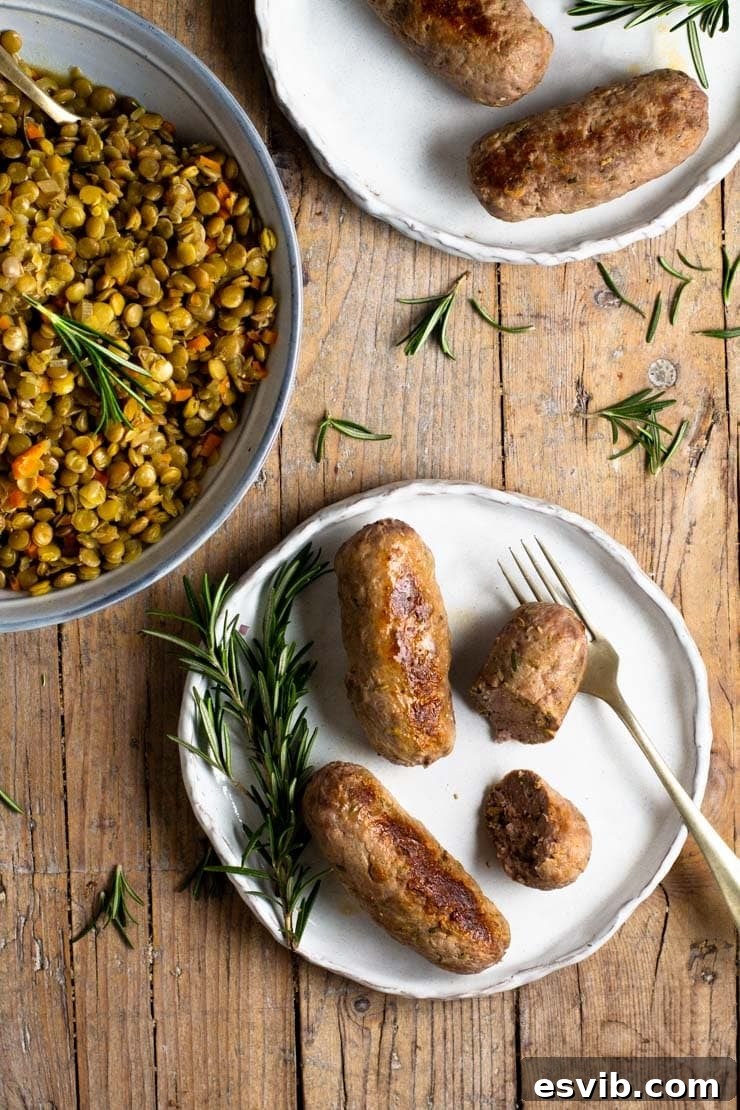
Imagine sinking your teeth into a perfectly cooked, incredibly juicy sausage, bursting with the aromatic flavors of Italy. Now imagine making that sausage right in your own kitchen, with minimal fuss and no need for casings or special machines. This comprehensive guide will show you exactly how to create delectable homemade Italian sausages, infused with classic notes of fennel seeds, fresh garlic, and robust red wine. Prepare for a culinary experience that will transform your home cooking and delight your taste buds.
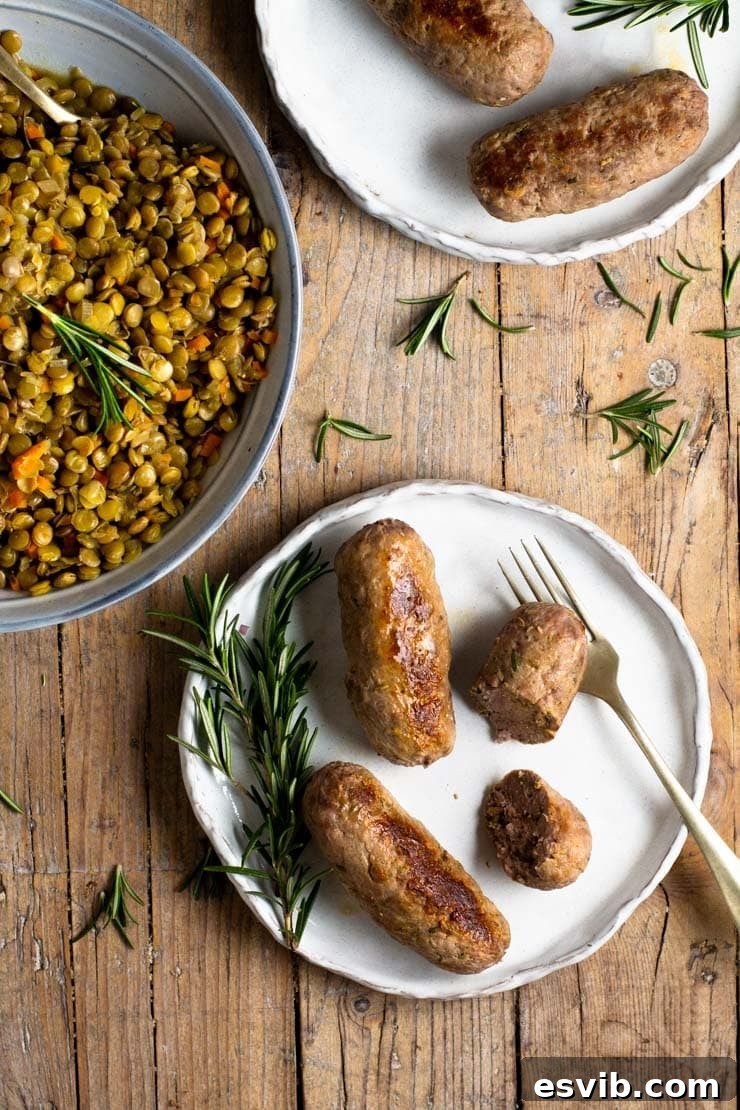
Crafting Authentic Homemade Italian Sausage: A No-Casing Method
Italian sausages are a culinary marvel, celebrated for their unique blend of savory, salty, and aromatic qualities. Their distinctive flavor profile, often featuring fresh herbs, pungent garlic, and a hint of red wine, sets them apart. These versatile sausages can elevate countless dishes, from enriching a hearty tomato ragu to crumbling over a comforting pasta bake, or even as a tantalizing topping for a homemade pizza. The possibilities are truly endless, and the promise of an utterly delicious outcome is always guaranteed.
Why Opt for Homemade Italian Sausages?
Making your own Italian sausages offers several distinct advantages over store-bought varieties. Firstly, you gain complete control over the ingredients, ensuring only the freshest, highest-quality meat and seasonings are used. This allows you to avoid unwanted fillers, preservatives, or artificial flavors often found in commercial products. Secondly, tailoring the flavor profile to your exact preferences becomes effortless. Want a spicier sausage? Add more chili. Prefer a richer, more herbaceous note? Adjust the rosemary and fennel. Finally, there’s an immense sense of satisfaction that comes from creating something so delicious from scratch, a true testament to the joy of home cooking.
Unlocking Authentic Italian Flavors: The Essential Seasoning Blend
The soul of an Italian sausage lies in its seasoning. While certain herbs are classically associated with Italian sausages, the beauty of homemade allows for experimentation and personalization. The most common and beloved herbs that impart that signature Italian taste are **fennel (seeds), rosemary, and oregano**. However, don’t shy away from exploring other aromatic additions to truly make these sausages your own.
- Fennel Seeds: These are arguably the most crucial ingredient for that quintessential Italian sausage flavor, offering a sweet, anise-like aroma.
- Fresh Garlic: Minced fresh garlic provides a robust, pungent base that complements the richness of the pork.
- Red Wine: A splash of red wine not only adds a delicious depth and richness to the flavor but also helps tenderize the meat.
- Fresh Rosemary: Finely chopped fresh rosemary contributes a fragrant, slightly piney note. It’s vital to use fresh rosemary, as dried versions often lack the vibrant intensity needed.
- Sea Salt & Freshly Ground Black Pepper: These foundational seasonings are indispensable for enhancing and balancing all the other flavors.
- Optional Flavor Boosters for Customization:
- Chili Flakes: For those who crave a fiery kick, dried or jarred chili flakes can be added to taste.
- Nduja: Incorporating a small amount of this spicy, spreadable Calabrian salami adds incredible depth, umami, and heat.
- Marjoram (Dried): Similar to oregano but with a sweeter, more delicate flavor, dried marjoram can add an earthy, aromatic layer.
- Fresh Sage: Finely chopped fresh sage offers a warm, woody, slightly peppery flavor that pairs wonderfully with pork.
- Fresh Parsley: A burst of fresh, finely chopped parsley can brighten the overall profile and add a hint of peppery freshness.
Choosing the Best Meat for Juicy Homemade Sausages
The secret to an incredibly juicy Italian sausage lies in the meat choice and its fat content. Traditional Italian sausages are crafted from pork and boast a significant percentage of fat, and for good reason: fat equals flavor and succulence! To achieve the best texture and taste for your homemade sausages, I wholeheartedly recommend using **minced pork shoulder**.
Important Tip: Avoid Lean Ground Pork! You might be tempted to use regular ground pork or lean pork mince from your local supermarket, but I strongly advise against it. Even the fattiest varieties of supermarket ground pork typically lack the sufficient fat content required for these sausages to remain truly juicy and flavorful. Furthermore, pre-ground pork often has a very fine texture, which can result in a sausage that more closely resembles a dense burger rather than the delightful, coarse texture characteristic of an authentic Italian sausage.
The optimal approach is to **purchase diced pork shoulder and process it yourself in a food processor at home**. This simple trick allows you to control the exact texture, ensuring it’s finely ground but still contains discernible chunks of fat, which are crucial for that coveted juiciness and authentic mouthfeel. This also guarantees you’re working with a high-quality cut of meat from the start.
How to Make Homemade Italian Sausage (Without Casings or Special Equipment) – A Step-by-Step Guide
Creating these flavorful sausages is a straightforward process, even without casings or a sausage machine. Follow these steps for perfect results:
Preparing the Meat Mixture
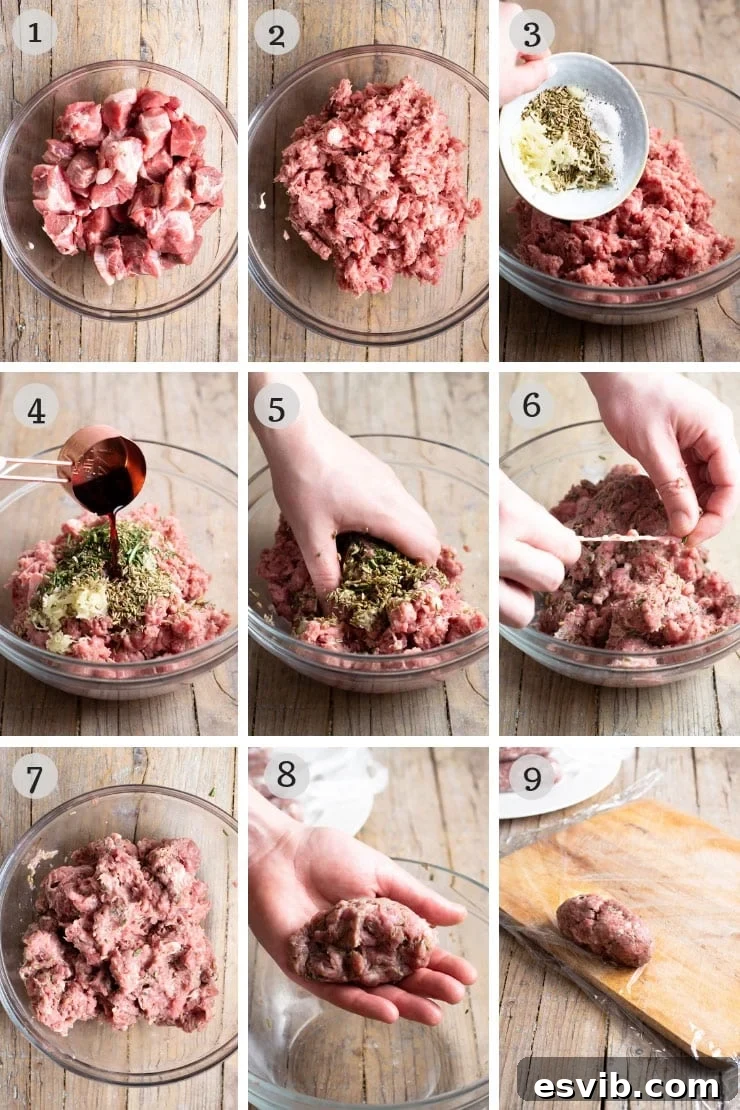
- Process the Pork Shoulder: Begin by adding your diced pork shoulder to a food processor. Blitz for approximately 30-60 seconds. The goal is a fine mince with visible chunks of fat. Depending on the power of your food processor, you might need to work in two batches to achieve an even consistency. (Refer to initial process photos for visual guidance.)
- Combine with Aromatics and Herbs: Transfer the minced pork to a large mixing bowl. Add the minced garlic, the vital fennel seeds, finely chopped fresh rosemary, sea salt, and freshly ground black pepper. Remember, using fresh rosemary is key here; dried rosemary simply won’t deliver the same aromatic punch. (This step corresponds to the mixing phase in the photos.)
- Add Red Wine and Mix Thoroughly: Pour the red wine over the meat and seasonings. Now, it’s time to get your hands dirty! Mix everything together thoroughly, ensuring all the spices are evenly distributed throughout the pork. This hands-on approach guarantees a well-incorporated mixture. As you mix, keep an eye out for any tough sinew or long, stringy pieces of fat and remove them. While there shouldn’t be much, removing them will improve the texture of your final sausage. (Follow the mixing process in the accompanying photos, specifically photo 6 for sinew removal example.)
- Marinate for Enhanced Flavor: Once mixed, cover the bowl tightly with cling film and refrigerate the meat mixture for at least 30 minutes. This marinating step is optional but highly recommended, as it allows the flavors to meld and deepen, resulting in a more robust and aromatic sausage.
Forming the Sausages Without Casings
- Portion and Shape: After marinating, divide the seasoned pork mixture into 8 equal portions. Gently form each portion into a rough sausage shape. Don’t worry about perfection at this stage; we’ll refine the shape in the next step. (See photo 8 for an example of rough shaping.)
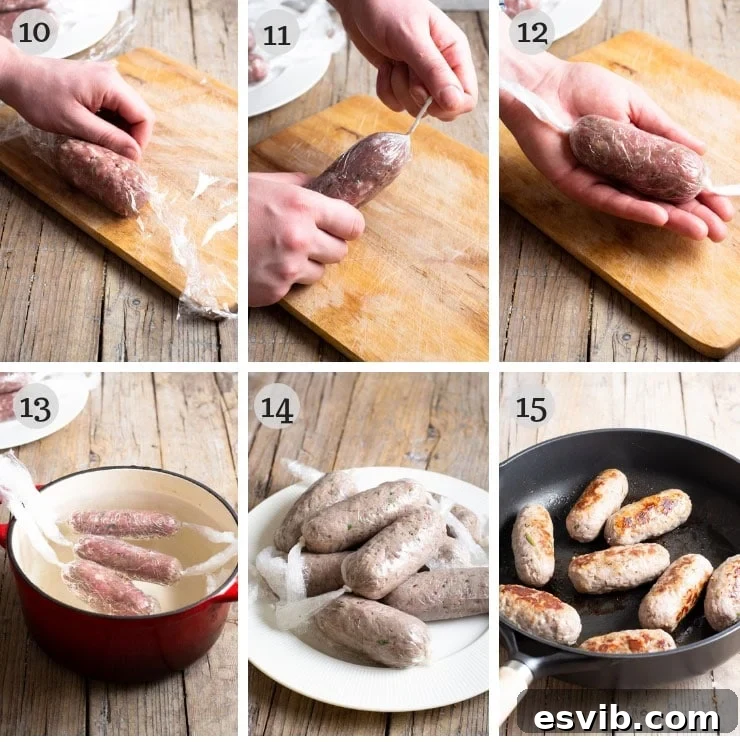
- The Cling Film Method: Lay out a small sheet of cling film (plastic wrap) on a clean surface. Place one of your sausage portions along one of the widest edges of the cling film. Carefully and tightly roll the meat, ensuring there are no air pockets. Once rolled, twist and tie the ends of the cling film securely to create a compact, well-formed sausage. Repeat this process for all remaining portions. (Photos 10-12 beautifully illustrate this wrapping technique.)
Setting and Cooking Your Homemade Sausages
- Brief Poaching for Shape Retention: Bring a pot of water to a boil, then immediately turn off the heat. Carefully add the cling-wrapped sausages to the hot (but not boiling) water for approximately 30 seconds. This quick poaching step is essential as it helps the sausages firm up and hold their shape during subsequent cooking.
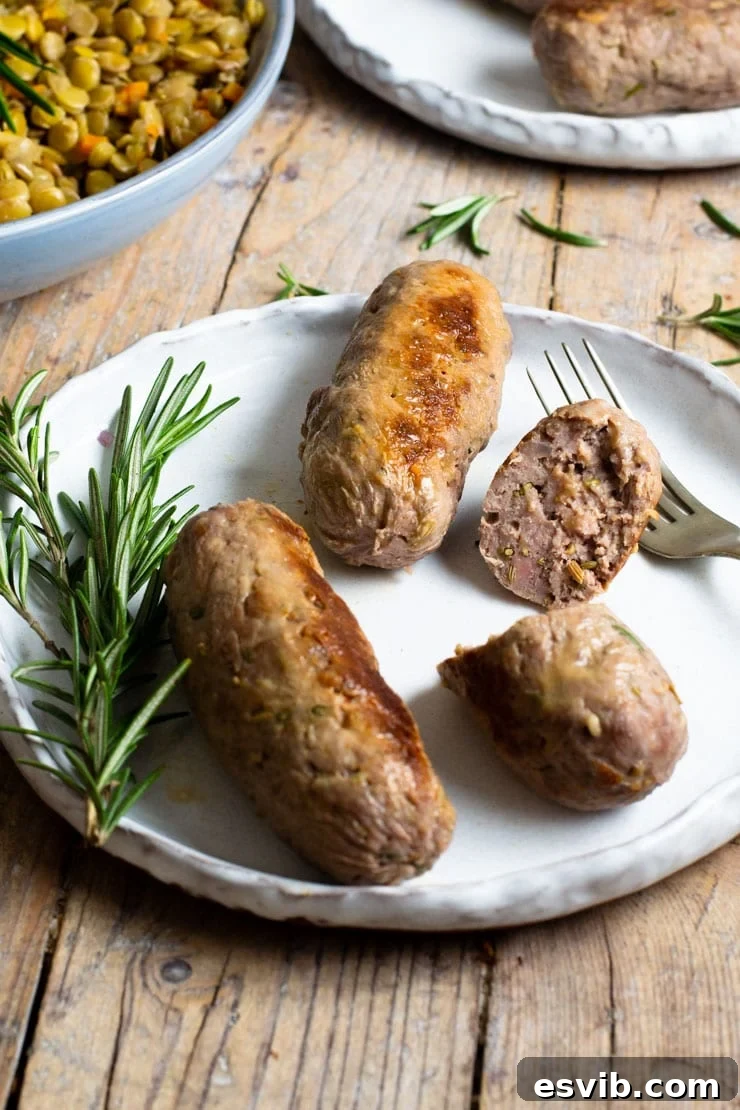
- Ready to Cook or Store: Remove the sausages from the hot water and place them on a plate. Carefully cut the twisted ends of the cling film to unwrap each sausage. Your homemade Italian sausages are now firm and ready for the pan! You can either let them cool completely and refrigerate them until you’re ready to cook, or proceed to fry them immediately. To cook, heat a large pan with a little olive oil, add the sausages, and fry until they are beautifully browned on all sides and cooked through, which usually takes about 10 minutes. (Photo 15 shows the sausages browning in a pan.)
The Casing Conundrum: Flavor Retention vs. Simplicity
It’s true that traditional sausages are made with casings, and for a good reason: casings help to lock in moisture and flavor, keeping the sausage incredibly juicy. However, the process of stuffing sausages into casings can be quite fiddly and often requires specialized equipment like a meat grinder with a stuffing attachment. For the home cook seeking delicious results without the hassle, the no-casing method is a fantastic compromise.
While sausages made without casings might be *slightly* less juicy than their cased counterparts, this recipe ensures maximum flavor. By poaching them briefly in hot water, we help them firm up and retain moisture, ensuring they are still incredibly delicious and satisfying. You gain all the incredible taste without any of the laborious casing work or the need for expensive machinery, making homemade sausage accessible to everyone.
Delightful Ways to Serve Your Homemade Italian Sausages
These homemade Italian sausages are incredibly versatile and can be the star of many delicious meals. Here are some classic and creative serving suggestions:
- Classic Italian Lentil Pairing: In Italy, especially to ring in the New Year, sausages are traditionally served with lentils. This pairing is believed to bring good luck and wealth for the coming year. It’s a surprisingly delicious, healthy, and easy meal that offers a wonderful contrast in textures and flavors.
- Hearty Sauces: Pair your sausages with a rich red pepper sauce or a classic tomato sauce. The sausages infuse the sauce with their incredible flavor, making a comforting and robust meal.
- Creamy Polenta & Roast Potatoes: For an ultimate comfort food experience, serve the cooked sausages alongside creamy, silky-soft polenta. The soft polenta beautifully complements the savory sausages. Alternatively, enjoy them with crispy Italian roast potatoes for a satisfying and hearty plate.
- Sandwiches & Hoagies: Slice the cooked sausages and serve them in a crusty roll with sautéed peppers and onions for an irresistible Italian sausage sandwich.
- Breakfast: Don’t limit sausages to dinner! Crumble and cook the sausage meat to serve with scrambled eggs or in a frittata for a savory breakfast or brunch.
Creative Recipes Using Your Flavorful Sausage Meat:
Beyond serving them whole, the seasoned sausage meat itself is a fantastic ingredient for various dishes:
- Easy Sausage Ragu with Ricotta Gnocchi – Simply use the seasoned sausage meat and crumble it directly into your ragu without forming it into sausages.
- Stracchino and Sausage Crostini – This recipe calls for raw sausage meat, making it a perfect application for your homemade mixture.
- Sausage Stuffing Balls – Instead of forming traditional sausage shapes, roll the seasoned meat into smaller balls for a delicious side dish or appetizer.
- Pizza Topping: Crumble the raw seasoned meat directly onto your pizza before baking for an explosion of flavor.
- Frittatas or Omelets: Sauté the loose sausage meat and incorporate it into eggs for a protein-packed meal.
Essential Tips for Crafting the Best Homemade Italian Sausages
To ensure your homemade Italian sausages turn out perfectly every time, keep these expert tips in mind:
- Quality Meat is Key: Always prioritize high-quality pork meat with a good ratio of fat. Pork shoulder is consistently the best choice for its flavor and juiciness. A good fat content (around 20-30%) is essential for a moist and flavorful sausage.
- Tight Wrapping for Integrity: When using the cling film method, make sure to wrap the sausage meat as tightly as possible. This prevents water from seeping in during the poaching step and helps the sausages maintain their ideal shape.
- Meal Prep & Storage: These sausages are excellent for meal prepping! You can prepare them in advance up to the poaching and unwrapping step (step 7/8). Store the un-cooked sausages in an airtight container in the fridge for up to 2-3 days, or freeze them for up to 3 months. Thaw in the refrigerator overnight before cooking.
- Versatility of Unformed Sausage Meat: Remember that if you plan to incorporate the meat into dishes like ragu, sauces, or pizza, there’s no need to go through the shaping and poaching process. Simply use the marinated, seasoned meat mixture as is, crumbling it directly into your recipe.
- Taste Test: Before forming all the sausages, cook a tiny patty of the seasoned meat mixture. Taste it and adjust the salt, pepper, or other seasonings as needed. This ensures your final product will be perfectly seasoned to your liking.
Frequently Asked Questions (FAQ) About Homemade Sausages
- Can I use ground pork from the supermarket?
- While technically possible, it’s not recommended for the best results. Supermarket ground pork is often too lean and finely ground, leading to drier sausages with a less authentic texture. Dicing and processing pork shoulder yourself ensures the ideal fat content and coarse texture for juicy, flavorful sausages.
- How long can I store homemade sausages?
- Once formed and poached (but before frying), the sausages can be stored in an airtight container in the refrigerator for 2-3 days. For longer storage, freeze them for up to 3 months. Ensure they are completely cooled before freezing.
- Can I make these sausages spicy?
- Absolutely! This recipe is a fantastic base for customization. Add more chili flakes to the seasoning mixture, or incorporate a spoonful of ‘nduja for a Calabrian-inspired kick and rich flavor.
- What if I don’t have a food processor?
- If you don’t have a food processor, you can finely chop the diced pork shoulder by hand. This will require more effort and time but is certainly achievable. Aim for a very fine dice, ensuring some fat pieces remain distinct.
- Can I substitute red wine?
- Red wine adds a unique depth, but if you prefer not to use it, you can substitute with a splash of chicken or vegetable broth, or even a little water mixed with a dash of balsamic vinegar for a slight tang.
Your Feedback Matters!
If you’ve tried this delightful recipe for Homemade Italian Sausage or any other recipe on our blog, we would love to hear about your experience! Please share your thoughts, tips, and any variations you tried in the comments section below. Your feedback is invaluable and helps our community of home cooks. Don’t forget to connect with us and discover more delicious food ideas by following us on Facebook, Twitter, Instagram, and Pinterest!
Homemade Italian Sausages Recipe
A simple and incredibly flavorful recipe for making juicy Italian sausages from scratch, without the need for casings or a sausage stuffer. Bursting with classic Italian herbs, garlic, and red wine, these sausages are perfect for any meal!
By Emily
Prep Time: 30 minutes | Cook Time: 10 minutes | Marinating Time (optional): 30 minutes | Total Time: 40 minutes (excluding optional marinating)
Yields: 8 sausages (serves 4)
User Rating: ★★★★★ (5 from 6 votes)

Save Recipe |
Pin Recipe |
Print Recipe
Ingredients
- 1.7 lbs (800g) pork shoulder, diced
- 2 tbsp fennel seeds
- 4 large cloves garlic, minced
- 1/4 cup (60ml) dry red wine
- 4 sprigs fresh rosemary, finely chopped
- 2 tsp sea salt
- 1 tsp freshly ground black pepper
Special Equipment (Recommended)
- Cling film (plastic wrap)
- Food processor (for best texture)
Instructions
- Prepare the Pork: Place the diced pork shoulder in a food processor. Blitz for 30-60 seconds until the meat is finely minced but still has visible chunks of fat. If your processor is small, do this in two batches.
- Combine Seasonings: Transfer the minced pork to a large bowl. Add the fennel seeds, minced garlic, finely chopped fresh rosemary, sea salt, and freshly ground black pepper.
- Add Wine & Mix: Pour the red wine over the ingredients. Using your clean hands, thoroughly mix everything together until all the seasonings are evenly distributed throughout the pork. Remove any tough sinew or stringy fat pieces you find.
- Marinate (Optional): Cover the bowl with cling film and refrigerate the mixture for at least 30 minutes to allow the flavors to deepen.
- Portion & Shape: Divide the seasoned pork mixture into 8 equal portions. Gently form each portion into a rough sausage shape.
- Wrap with Cling Film: Lay out a small sheet of cling film. Place one sausage portion at one of the widest edges and roll it tightly, twisting and tying the ends securely to form a compact sausage. Repeat for all portions.
- Poach to Set: Bring a pot of water to a boil, then turn off the heat. Carefully add the cling-wrapped sausages to the hot water for about 30 seconds. This step helps them firm up and retain their shape.
- Unwrap & Cook: Remove the sausages from the water, place them on a plate, and carefully cut the cling film to unwrap them. Your homemade sausages are now ready to be cooked.
- Serve: To cook, heat a large pan with a little olive oil over medium heat. Fry the sausages until they are beautifully browned on all sides and cooked through, approximately 10 minutes. Alternatively, let them cool completely and store in the fridge or freezer for later use.
Recipe Notes & Expert Tips
- Pork Quality: Use high-quality pork shoulder with a good fat ratio for optimal juiciness and flavor.
- Tight Wrapping: Ensure the cling film is wrapped very tightly around the sausage meat to maintain shape during poaching.
- Advance Prep: Sausages can be prepared up to step 8 (unwrapped after poaching) and stored in the fridge for 2-3 days, or frozen for up to 3 months.
- Versatile Meat: If using the sausage meat for sauces, ragu, or pizza, there’s no need to form individual sausages; simply use the seasoned mixture as is.
Nutrition Information (per serving)
Calories: 101kcal | Carbohydrates: 1g | Protein: 11g | Fat: 4g | Saturated Fat: 1g | Cholesterol: 39mg | Sodium: 627mg | Potassium: 240mg | Vitamin C: 1.2mg | Calcium: 28mg | Iron: 1.1mg
Nutrition information is automatically calculated and should only be used as an approximation. Actual values may vary based on ingredients and preparation methods.
Did you try this recipe?
We’d love to hear from you! Leave a comment below with your feedback and experience. Share your culinary creations with us!