
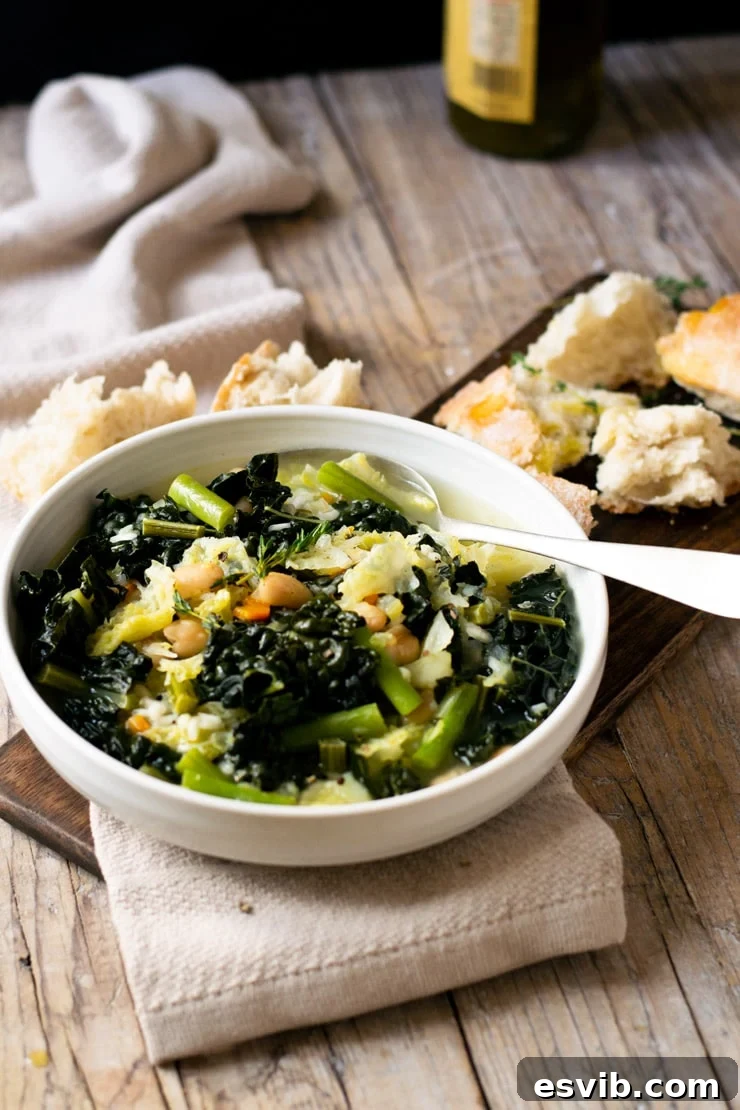
Authentic Tuscan Minestrone Soup: A Hearty & Healthy Italian Winter Classic
As the cooler weather sets in, there’s nothing quite as comforting and satisfying as a warm, hearty bowl of homemade soup. While some might traditionally think of soup as a lighter starter, this Tuscan Minestrone Soup is crafted to be a substantial, flavorful, and incredibly nourishing dish that will leave you feeling cozy and content. It’s a celebration of fresh, seasonal vegetables, hearty beans, and satisfying rice, making it the perfect antidote to chilly nights and a brilliant way to utilize any leftover produce you might have on hand. Prepare to curl up with a blanket, a generous bowl of this rustic Italian delight, and truly savor the simple pleasures of comfort food.
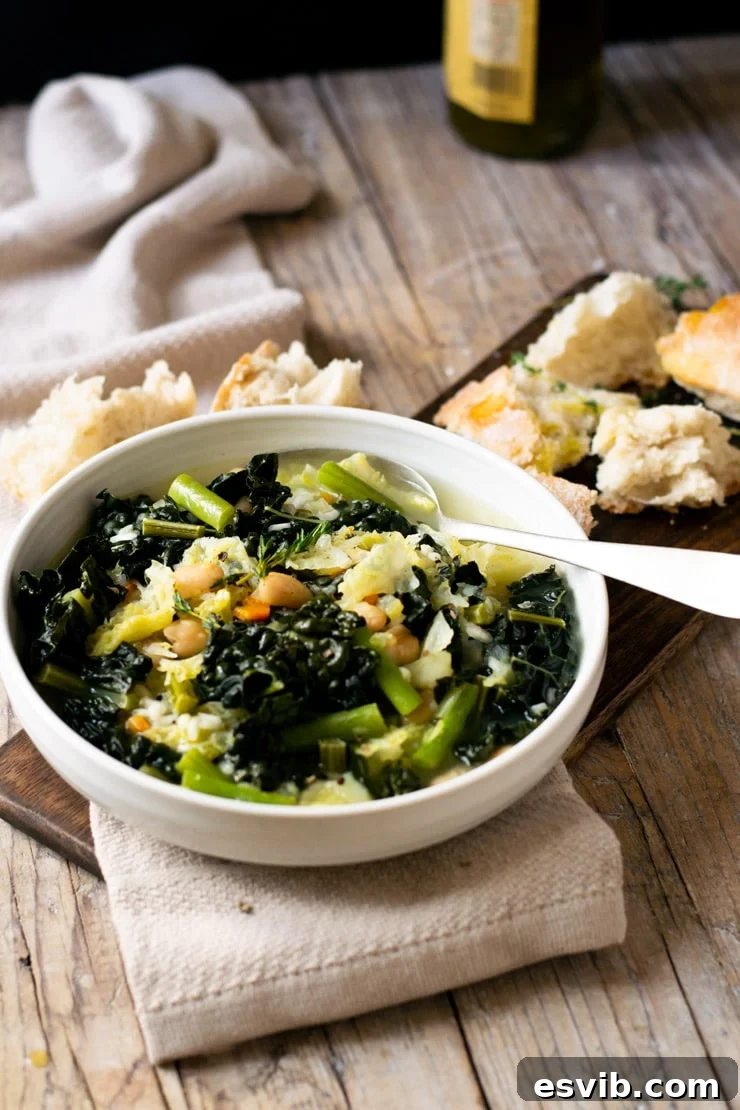
The Philosophy Behind Minestrone: A Seasonal Italian Staple
Minestrone is not just a soup; it’s a testament to Italian culinary wisdom – a dish born from the principle of using whatever fresh, seasonal ingredients are available. Unlike many recipes with rigid guidelines, minestrone embraces variation, evolving with the seasons and regions. A summer minestrone might feature zucchini, fresh peas, and garden tomatoes, while a winter version, like this Tuscan delight, focuses on robust greens and root vegetables. This adaptable nature is part of its enduring charm and why it remains a beloved staple in Italian homes, offering endless possibilities for delicious improvisation.
In Italy, the exact composition of minestrone can vary not only by region but even from one household to another. This regional diversity is a hallmark of authentic Italian cuisine. While many modern interpretations include tomatoes, you might be surprised to learn that traditionally, especially in certain regions such as Tuscany, tomatoes are often omitted, allowing the natural, earthy flavors of the vegetables and beans to shine through. Our Tuscan version leans into this tradition, prioritizing vibrant green vegetables and the creamy richness of cannellini beans. Furthermore, you’ll often find rice used as a thickening agent and a source of hearty carbohydrates instead of small pasta, a choice we’ve embraced here for its delightful texture and authentic regional touch.
Why You’ll Love This Tuscan Minestrone Recipe
- Unrivaled Comfort: This soup is the epitome of comfort food, warming you from the inside out on the coldest days. It’s the perfect meal for a cozy evening indoors.
- Packed with Nutrients: Loaded with a diverse array of fresh vegetables and beans, it’s a powerhouse of vitamins, minerals, and fiber, making it an incredibly healthy and wholesome meal option for the entire family.
- Economical & Resourceful: Made with simple, affordable seasonal ingredients, this soup is budget-friendly and an excellent way to prevent food waste by incorporating leftover vegetables from your fridge.
- Naturally Hearty & Filling: With tender potatoes, creamy cannellini beans, and satisfying Arborio rice, it’s remarkably substantial and satisfying, making it a complete meal on its own or a delicious course.
- Simple to Make: Despite its rich, complex flavors, the preparation for this minestrone is straightforward and doesn’t require advanced culinary techniques, making it accessible for home cooks of all skill levels.
- Highly Adaptable: Easily customize the vegetables based on what’s fresh and available, swap the stock for a vegetarian version, or experiment with different grains or small pasta shapes to suit your preferences.
Essential Winter Vegetables for an Authentic Tuscan Minestrone
The secret to an exceptional minestrone lies in using vegetables that are at their peak freshness and flavor. For a true winter Tuscan minestrone, focus on robust green and root vegetables that thrive in colder months, contributing to a deeply savory and wholesome broth. Here’s a list of the most common and flavorful vegetables to include in your soup:
- Cavolo Nero (Tuscan Kale): A true Tuscan culinary star, this dark, leafy green, sometimes known as ‘dinosaur kale,’ adds a wonderful depth of flavor, a slight bitterness, and a pleasing texture that holds up well during simmering.
- Savoy Cabbage: With its crinkly leaves and mild, slightly sweet flavor, savoy cabbage is a perfect addition, softening beautifully into the broth and providing a delicate chewiness.
- The Soffritto Trio (Onions, Carrots, Celery): This aromatic base is fundamental to almost all Italian cooking. Finely chopped and slowly sautéed, it provides a sweet and savory foundation that builds the entire flavor profile of the soup, setting the stage for all subsequent ingredients.
- Potatoes: Adding a comforting starchiness, potatoes not only contribute to the soup’s hearty and satisfying texture but also help naturally thicken the broth as they cook down.
- Green Beans: These offer a pleasant bite and vibrant green color, adding another fresh layer of texture and taste to the medley of vegetables.
- Garlic & Thyme: Essential aromatics that infuse the soup with classic Italian warmth, pungency, and a deeply fragrant herbaceousness, elevating the overall aroma and taste.
- Leeks: While not strictly traditional in all versions, leeks can provide a milder, sweeter onion flavor and an elegant touch. They can be used in addition to or as a partial substitute for the onion.
While other delicious winter vegetables like broccoli, cauliflower, turnips, and various types of squash are also in season, they are less commonly featured in a strictly traditional Tuscan minestrone, which typically prioritizes the aforementioned green, leafy varieties and hearty beans to achieve its distinctive flavor profile.
Crafting Your Tuscan Minestrone Soup: A Detailed Step-by-Step Guide
Creating this flavorful and authentic soup is a truly rewarding process. Follow these detailed steps to achieve a rich, delicious, and comforting Tuscan Minestrone that will impress your taste buds.
1. Master the Soffritto Base for Maximum Flavor
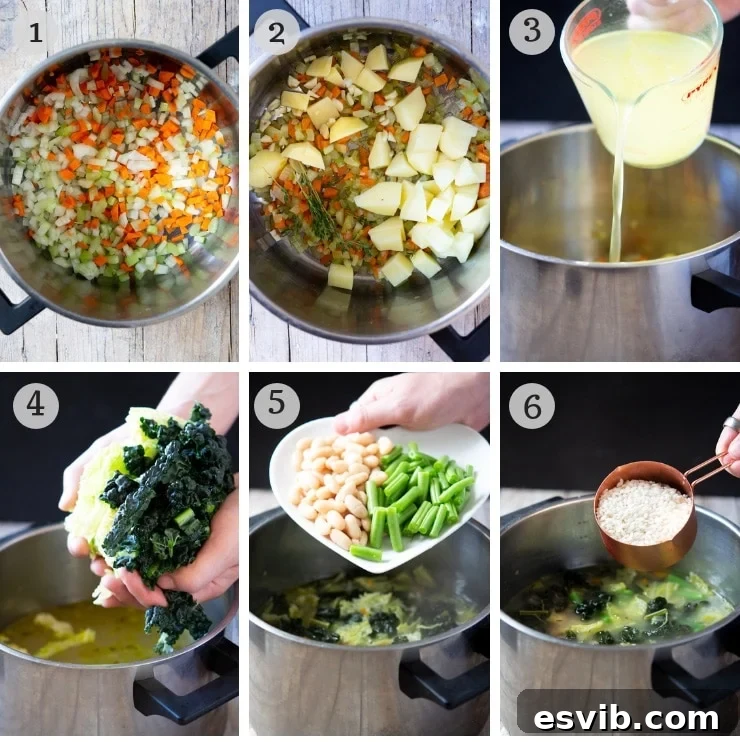
The foundation of this superb soup begins with a patiently cooked *soffritto*. In a large, heavy-bottomed pot or a Dutch oven, gently sauté equal amounts of finely chopped carrots, celery, and onion with a generous tablespoon of olive oil. This initial step is absolutely crucial for flavor development; resist the urge to rush it by increasing the heat. Allow these aromatic vegetables to soften slowly and caramelize over a low to medium heat for approximately 10 minutes, stirring occasionally. This slow cooking process allows their natural sugars to develop and their flavors to fully concentrate, forming the sweet and savory core of your minestrone. Rushing or burning the soffritto will impart an undesirable bitter taste, so gentle heat and patience are key here.
2. Build Layers of Hearty Ingredients and Broth
Once your soffritto is perfectly tender and fragrant, add the cubed potatoes, fresh thyme sprigs, and finely chopped garlic. Continue to sauté for another 1-2 minutes, just until the garlic becomes wonderfully aromatic and the thyme releases its essential oils. Be vigilant to avoid burning the garlic, as it can quickly turn bitter. Next, pour in the ample chicken stock (or vegetable stock for a vegetarian/vegan option). Bring the entire mixture to a rolling boil, then immediately reduce the heat to a gentle simmer, cover the pot, and cook for about 30 minutes. At this point, the potatoes should be tender and easily pierced with a fork. For a naturally thicker and creamier soup, use the back of a wooden spoon to gently crush some of the cooked potatoes against the side of the pot; this releases their starch and enriches the broth beautifully.
3. Incorporate the Vibrant Greens and Creamy Beans
Now it’s time to add the vibrant greens that give Tuscan minestrone its characteristic look and flavor. Stir in the chopped cavolo nero and savoy cabbage. Cover the pot once more and continue to simmer for another 15 minutes, or until the cabbage and kale are tender but still retain some of their delightful texture. While the greens are simmering, prepare the cannellini beans: take half of the canned cannellini beans, place them in a small bowl with a spoonful or two of the hot soup liquid, and mash them thoroughly with a fork or use an immersion blender until completely smooth. This creates a wonderfully creamy texture for the soup without needing any added dairy. Add both the mashed beans and the remaining whole cannellini beans, along with the trimmed and cut green beans, to the pot. Stir everything well to combine, ensuring the creamy bean paste disperses throughout the soup.
4. Finish with Rice, Season, and Serve
Finally, add the Arborio rice to the simmering soup. Continue to cook for 10-15 minutes, or until the rice is tender, has absorbed some of the flavorful liquid, and has thickened the soup to your desired consistency. Taste the soup and adjust the seasoning with salt and freshly ground black pepper as needed. Remember that the amount of salt might vary depending on the saltiness of your stock and canned beans. Serve this magnificent Tuscan Minestrone piping hot, ideally with a generous drizzle of high-quality extra virgin olive oil over each bowl and several slices of crusty artisan bread for dipping. A sprinkle of freshly grated Parmesan or Pecorino Romano cheese is also a delightful and traditional addition for those who enjoy it.
Delicious Variations & Customizations for Your Minestrone
The true beauty of minestrone lies in its incredible flexibility, allowing you to adapt this Tuscan recipe to your personal taste, dietary needs, or simply what you have readily available in your pantry and fridge. Don’t hesitate to experiment!
- Pasta vs. Rice: While this recipe champions Arborio rice for its classic Tuscan character and thickening properties, small pasta shapes like Ditalini, elbow macaroni, or small shells are also excellent alternatives. If using pasta, cook it directly in the soup or separately and add at the very end to prevent it from getting overly mushy, especially if you plan on having leftovers.
- Regional Touches from Beyond Tuscany: To explore broader Italian flavors, consider these additions: In Liguria, it’s common to finish minestrone with a spoonful of fresh basil pesto swirled in at the end, adding a burst of fresh, herbaceous flavor – a highly recommended variation! In Milan, you might find canned chopped tomatoes or a tablespoon of tomato paste added for a richer, more reddish broth.
- Vegetarian/Vegan Adaptations: This soup is inherently packed with plant-based goodness. Simply swap the chicken stock for a good quality vegetable broth to make this soup suitable for vegetarians and vegans. Ensure all other ingredients remain plant-based as well.
- Add More Seasonal Vegetables: Feel free to incorporate other seasonal vegetables that you enjoy. In warmer months, this could include zucchini, bell peppers, or fresh peas. For a quick addition, a handful of fresh spinach can be stirred in at the very end to wilt.
- Boost Protein Content: For an even more substantial and protein-packed meal, consider adding cooked shredded chicken, browned Italian sausage, or additional varieties of beans like kidney beans or chickpeas.
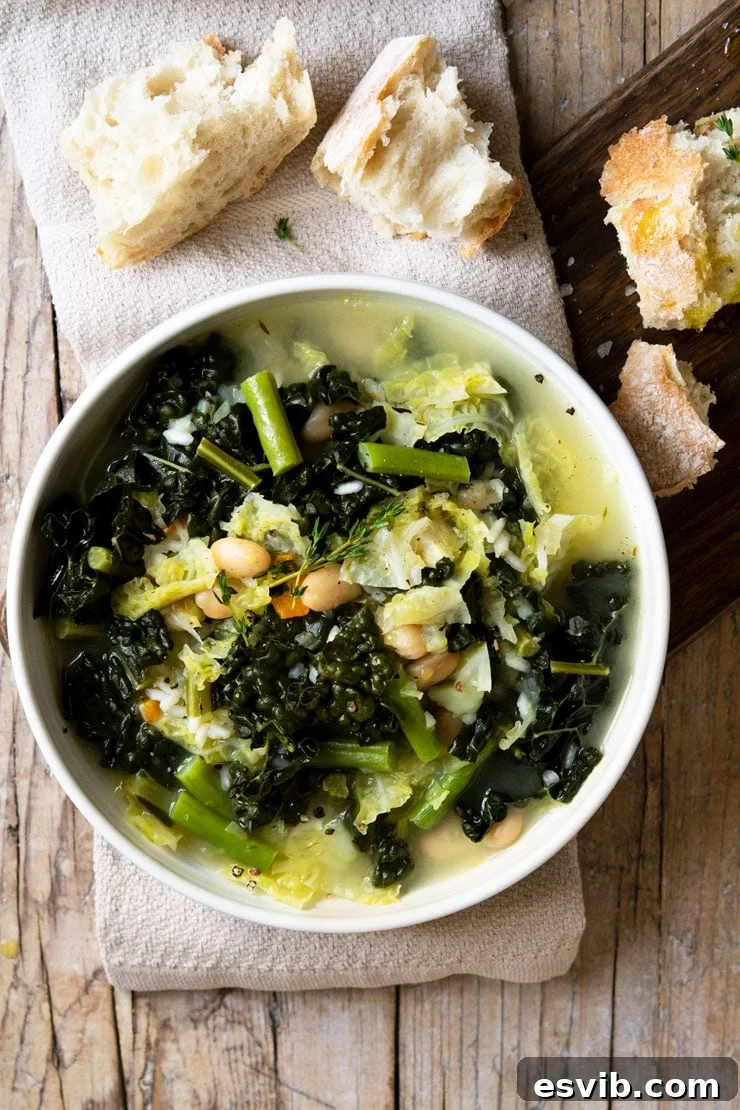
Serving Suggestions for Your Tuscan Minestrone
This Tuscan minestrone is truly a satisfying meal in itself, but a few simple additions and accompaniments can elevate the dining experience and make it even more delightful:
- Crusty Artisan Bread: Absolutely essential for soaking up every last drop of the incredibly flavorful broth. A good quality sourdough, ciabatta, or a rustic focaccia would be perfect choices.
- Freshly Grated Cheese: A generous sprinkle of freshly grated Parmesan or Pecorino Romano cheese adds a wonderful salty, umami kick and creamy texture as it melts into the hot soup.
- Extra Virgin Olive Oil Drizzle: A final drizzle of high-quality, peppery extra virgin olive oil over each bowl before serving enhances the richness and adds a fresh, vibrant, aromatic note.
- Fresh Herbs: A garnish of fresh parsley or basil, finely chopped, can add a burst of color and a fresh, herbaceous aroma that brightens the entire dish.
- Simple Side Salad: For a complete and beautifully balanced meal, pair your hearty minestrone with a light, crisp green salad dressed with a simple vinaigrette to cut through the richness.
Make-Ahead & Storage Tips for Busy Cooks
This minestrone soup is an excellent candidate for meal prepping, as its flavors often deepen and improve overnight. Here’s how to maximize its shelf life and enjoy it conveniently:
- Meal Prep Perfection: You can prepare the entire soup in advance, following all steps *except* adding the rice (or pasta). This foresight ensures the best texture when you’re ready to serve.
- Prevent Mushy Rice/Pasta: It’s crucial to only add the rice (or pasta) when you are ready to serve the soup. If cooked too far in advance and left to sit in the broth, rice and pasta will continue to absorb liquid, becoming mushy and altering the soup’s desired texture. Cook them fresh just before eating.
- Refrigeration: Store leftover soup (without rice or pasta) in an airtight container in the refrigerator for up to 3-4 days. This allows the flavors to meld beautifully.
- Freezing for Future Meals: For longer storage, freeze the soup (again, without the rice or pasta) in individual freezer-safe containers or bags for up to 3 months. This makes for quick and easy wholesome meals on demand.
- Reheating: Thaw frozen soup overnight in the refrigerator. When reheating, gently warm the soup on the stovetop. You may need to add a splash of extra broth or water to achieve the desired consistency, as the soup will naturally thicken upon cooling. Add freshly cooked rice (or pasta) to the reheated soup bowls.
Frequently Asked Questions About Tuscan Minestrone
- Can I make this minestrone vegetarian or vegan?
- Absolutely! This recipe is inherently rich in plant-based ingredients. To make it completely vegetarian or vegan, simply substitute the chicken stock with a good quality vegetable broth, and ensure all other ingredients you use are plant-based.
- What’s the best way to thicken the soup?
- Our recipe already incorporates traditional methods for natural thickening: crushing some of the cooked potatoes and blending half of the cannellini beans. These steps release starches and create a wonderful, creamy texture without adding dairy. The Arborio rice also contributes significantly to thickening as it cooks. If you desire an even thicker consistency, you can mash more potatoes or blend a larger portion of the beans.
- Can I use other types of beans?
- While cannellini beans are traditional for Tuscan minestrone due to their creamy texture and mild flavor, you can certainly experiment with other white beans like great northern beans, or even chickpeas for a different texture and slightly nutty flavor profile.
- How long does homemade minestrone last?
- When stored correctly in an airtight container in the refrigerator (without added rice or pasta), the soup will maintain its quality for 3-4 days. It can be safely frozen for up to 3 months, making it perfect for batch cooking.
- Is it okay to add tomatoes to Tuscan Minestrone?
- While this specific Tuscan recipe focuses on green vegetables and eschews tomatoes to highlight those flavors, many minestrone variations from other Italian regions do include tomatoes. If you prefer a tomato base, you can add a can of quality chopped tomatoes or a tablespoon of concentrated tomato paste along with the stock, adjusting the total liquid content as needed to maintain consistency.
More Delicious & Comforting Soup Recipes to Explore
If you loved this hearty Tuscan Minestrone and are looking for more warming and flavorful soup creations to add to your repertoire, explore these other delightful recipes:
- Roasted Red Pepper Soup
- Tuscan Farro Soup with Beans
- Green Pea Soup with Leek and Zucchini
- Pappa al Pomodoro – Tomato Bread Soup
- Wild Mushroom Soup
- Roasted Tomato Soup – Creamy and Healthy
We sincerely hope you enjoy preparing and savoring this authentic Tuscan Minestrone Soup. If you try this recipe, please let us know how you got on by leaving your thoughts and experiences in the comments below – we always appreciate hearing from our wonderful readers! You can also connect with us on FACEBOOK, TWITTER, INSTAGRAM, and PINTEREST for more delicious recipes, kitchen inspiration, and updates on what we’re cooking up next.
Step By Step Photos Above
Most of our recipes come with step by step photos, helpful tips and tricks to make it perfectly first time and even video!
Tuscan Minestrone Soup
★★★★★ 5 from 5 votes
By Emily
10
50
1
6 servings

Pin
Ingredients
- 1 large carrot, finely chopped
- 1 large celery stalk, finely chopped
- 1 onion, finely chopped
- 2 medium sized potatoes, cut into cubes
- 2 cloves garlic, finely chopped
- 8.5 cups (2 litres) chicken stock
- 2 sprigs thyme
- 1/2 small savoy cabbage, finely chopped
- 6 leaves cavolo nero, finely chopped
- 3.5 oz (100g) green beans, trimmed and cut into 3
- 14 oz (400g) cannellini beans, canned
- 3/4 cup (150g) arborio rice
- 1 tbsp olive oil
Instructions
- Saute equal amounts of finely chopped carrots, celery and onion with the olive oil on a low to medium heat until soft (around 10 minutes).
- Top Tip: This is an important part and the only part of the soup you need to pay extra attention with. You need to saute the veggies slowly for around 10 minutes until they are soft. Don’t be tempted to turn up the heat because the flavours won’t really develop and it’s more likely to burn which will ruin the flavour of the soup.
- Once the veggies are soft add the chopped potatoes, thyme and chopped garlic. Fry everything for 1-2 minutes until the garlic and thyme are fragrant then add the chicken stock.
- Bring the soup to a boil then turn down to simmer and cover for 30 minutes. The potatoes should be cooked through at this point. Using the side of a wooden spoon crush some of the potatoes against the side of the pot.
- Add the chopped cavolo nero and savoy cabbage, cover again and simmer for 15 minutes.
- Next, put half of the cannellini beans in a bowl with a spoonful of soup liquid and blitz until completely smooth using an immersion blender or use a regular blender, add to the soup along with the other half of cannellini beans and green beans.
- Finally, add the rice and simmer for 10-15 minutes, add salt if needed and serve with some crusty bread.
Notes
Extra Tips For Making This Minestrone Soup
- To speed things up, prep all the veg in advance.
- Make sure to cut the cabbage into small to medium chunks so they are easier to eat.
- I cut the green beans into 3 after removing the top and tails.
- If you want to make this soup in advance, follow all the steps apart from adding the rice. Only do this when serving as it will soak up a lot of moisture and turn mushy; this goes for pasta too.
- You can store this soup in the fridge or freezer, but again, do this before adding the rice.
Calories from Fat 36
Helpful Info for All Recipes
- I always use extra virgin olive oil in all of my recipes unless stated otherwise.
- When I use canned or jarred tomatoes of any kind I always use Cirio or Mutti brands for the best results and flavour.
- All vegetables are medium sized unless stated otherwise.
- All recipes are tested and developed using a fan (convection) oven.
- Find out more about how nutrition is calculated.
- Check out our must-have Italian Pantry Staples.
- You can also find all our Essential Kitchen Tools for Italian Cooking.
Nutrition
Carbohydrates: 42g |
Protein: 13g |
Fat: 4g |
Saturated Fat: 1g |
Sodium: 265mg |
Potassium: 492mg |
Fiber: 5g |
Sugar: 2g |
Vitamin A: 3280IU |
Vitamin C: 18.2mg |
Calcium: 88mg |
Iron: 3.9mg
Nutrition information is automatically calculated, so should only be used as an approximation.
Did you try this recipe?
Leave a comment below!