
Table of Contents
- Introduction: Meet Luca
- The Unique Flavors of Friuli Venezia Giulia
- A Day on Luca’s Plate: Daily Eating Habits
- Cherished Family Food Traditions
- Celebrating with Food: Festive Italian Meals
- Jota Triestina: A Recipe to Remember
Introduction: Meet Luca
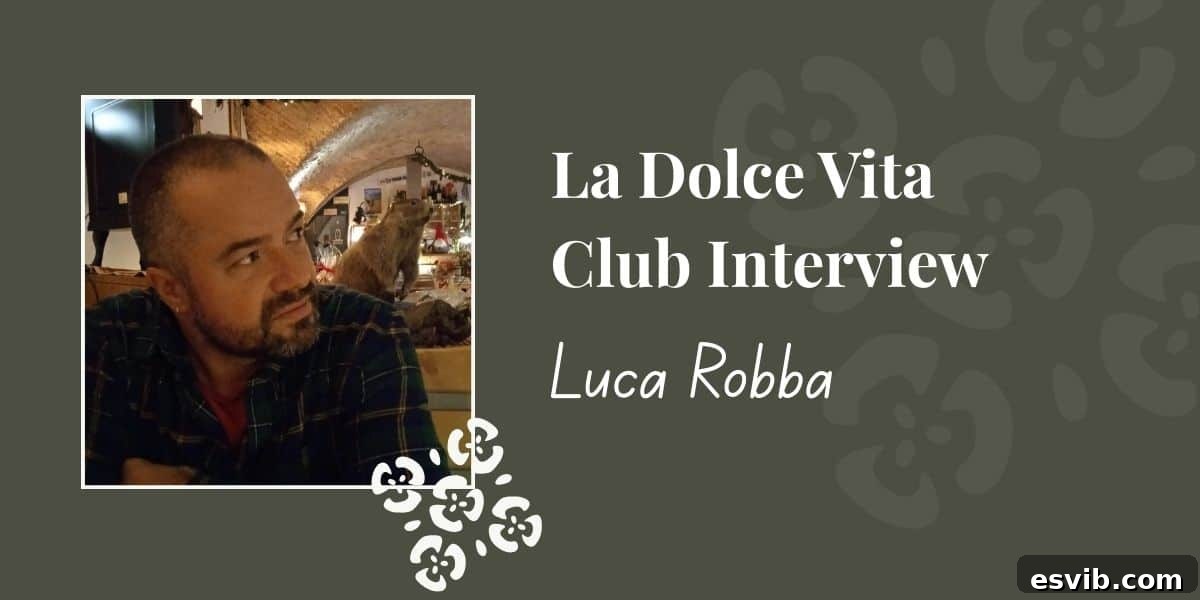
In this exclusive interview, we delve into the heart of Italian culinary heritage with Luca, a fascinating individual whose life journey spans diverse regions and professions. Luca, 51, originally hails from Trieste, a vibrant city nestled in the unique region of Friuli Venezia Giulia. His early career saw him immerse himself in the world of sound, culminating in 18 years in London where he honed his skills and graduated in sound art and design. This blend of artistic sensibility and a meticulous approach now subtly influences his current work in Tuscany, where he thrives in the accommodation and hospitality sector. His passion for creating memorable experiences, whether through sound or through the art of hosting, perfectly aligns with his deep-rooted connection to Italian food culture. Luca offers us a window into the authentic flavors and cherished traditions that define his native region and his personal culinary philosophy.
The Unique Flavors of Friuli Venezia Giulia
Friuli Venezia Giulia stands as a culinary crossroads, a region of breathtaking diversity where majestic mountains meet the serene Adriatic coast. Its complex history, shaped by influences from the Austro-Hungarian Empire, Slavic cultures, and Venetian Republic, has forged a cuisine that is a vibrant tapestry of flavors and traditions, truly distinct from other Italian regions. This rich heritage is beautifully reflected in its iconic dishes, each telling a story of the land and its people.
Among the most celebrated dishes, you’ll find Jota, a hearty and warming soup that perfectly embodies the region’s peasant origins, ideal for the colder months. Gnocchi di Susine offers a sweet and savory experience, plum dumplings often served with butter and cinnamon, a delightful nod to Central European influences. Presnitz is a traditional sweet pastry roll, brimming with dried fruit, nuts, and spices – a true festive delight. For those seeking something truly unique, Brovada e Muset presents a robust combination of fermented turnips (brovada) served with a flavorful sausage (muset), akin to cotechino. And, of course, there’s Frico, a savory cheese and potato cake, a staple that comes in many variations, from crispy to soft and creamy, showcasing the versatility of local cheeses.
The distinctiveness of Friuli Venezia Giulia’s cuisine is further elevated by its unique and traditional ingredients, many of which are rarely found elsewhere. The world-renowned San Daniele raw ham, celebrated for its delicate sweetness and melt-in-your-mouth texture, is a cornerstone. Montasio cheese, ranging from fresh and mild to aged and pungent, is a versatile local gem. The region also boasts specialized greens like Radic de Mont, a wild radicchio with a slightly bitter, earthy flavor, and the exquisite Rosa di Gorizia, a specific variety of radicchio known for its beautiful rose-like shape and delicate taste. Adding a pungent kick to many dishes is horseradish, a common ingredient that reflects the region’s historical ties to Central Europe.
The cuisine of Friuli Venezia Giulia beautifully mirrors the changing seasons. As autumn transitions into winter, the focus shifts to robust, warming dishes. Hearty meats and game, such as wild boar and venison, become prevalent, often slow-cooked to perfection. Muset, served with turnips cooked in wine, makes frequent appearances, providing comfort on chilly evenings. Mushroom-based dishes, rich with the bounty of the forests, are also a highlight. And, as mentioned, the nourishing Jota soup is a winter essential, offering a perfect blend of warmth and flavor. Conversely, with the arrival of summer, the coastal influence takes center stage. Lighter fare, especially fresh fish and seafood, becomes the preference. Dishes like Scampi alla Busara, a flavorful prawn dish in a tomato-based sauce, or the delicate Brodetto di Grado, a rich fish stew, are sought after by locals and visitors alike, celebrating the fresh catches from the Adriatic Sea.
For a first-time visitor, Luca strongly recommends a culinary journey that embraces these regional specialties. “You absolutely must try Jota soup,” he insists, highlighting its cultural significance and comforting appeal. “Capuzzi Garbi (sauerkraut) with sausages is another essential taste of our traditions, a savory experience unique to the area.” And for a truly memorable sweet and savory delight, “Gnocchi di Susine are a must-try.” Beyond specific dishes, Luca urges visitors to explore the enchanting Carnia region, the mountainous heart of the Udine province. This area is particularly renowned for its deeply preserved food traditions, offering an immersive experience into the rustic and authentic flavors of Friuli Venezia Giulia.
A Day on Luca’s Plate: Daily Eating Habits
Luca’s daily eating habits reflect a commitment to simple, fresh, and wholesome Italian cuisine, punctuated by moments of pure enjoyment. His day typically begins with a cherished ritual: a perfectly frothed cappuccino paired with homemade biscuits. “There’s nothing quite like the comfort of homemade treats,” he shares, emphasizing the warmth and personal touch they bring to the start of his day. Lunch, for Luca, often centers around the beloved Italian staple: pasta. “My ideal lunch is pasta with any kind of fresh vegetables,” he explains, highlighting seasonal greens, ripe tomatoes, or garden-fresh herbs. A generous sprinkle of Parmesan cheese adds that essential umami, followed by a light serving of cheese and a crisp salad, ensuring a balanced and satisfying midday meal.
Dinner takes on a lighter, more varied character. During the colder winter months, nourishing vegetable soups are a favorite, providing warmth and comfort. Summer evenings, on the other hand, call for fresh, vibrant salads. Autumn brings a special treat: bruschetta adorned with freshly harvested extra virgin olive oil, a true celebration of the season’s bounty. Homemade hummus and various bread snacks also feature in his evening repertoire, showcasing his appreciation for healthy, flavorful small plates. When time allows for a relaxing aperitif, Luca indulges in a crisp glass of Prosecco, often accompanied by a small bowl of olives and savory crisps, a delightful way to unwind and savor the moment before dinner.
Cherished Family Food Traditions
Food, for Luca, is deeply intertwined with family and cherished memories. He fondly recalls his grandmother, a formidable cook whose culinary prowess shaped his early understanding of Italian home cooking. “My grandmother was truly a great cook,” he reminisces, his voice warm with affection. “For every special occasion, her kitchen would transform into a hub of activity.” Her signature dishes included homemade gnocchi, meticulously crafted and served with a rich, slow-simmered beef sauce, a testament to her dedication. Her chicken, cooked to perfection in white wine, and her golden roasted potatoes were always highlights. But it was her homemade apple strudel that truly captivated young Luca. “I went mad for her apple strudel,” he confesses, painting a vivid picture of a dessert infused with love and tradition, a memory that still brings a smile to his face.
While Luca’s family is relatively small, with no siblings, the tradition of Pranzo della Domenica (Sunday lunch) holds a special place, albeit on a more intimate scale. “We’ve never had huge Sunday lunches,” he notes, emphasizing quality over quantity. The meal typically commences around 1 PM and extends leisurely until about 2:30 PM, allowing ample time for conversation and enjoyment. Sundays are often dedicated to cooking fresh, high-quality ingredients. “We like to prepare fresh fish, such as delicate sole or flavorful sea bream,” he shares, highlighting the region’s access to excellent seafood. Alternatively, succulent lamb chops bathed in a rich red wine sauce might grace the table, offering a more indulgent option. No Sunday lunch is complete without a fine bottle of regional wine; Luca often opts for a crisp Friulano or a robust Refosco, carefully selected to complement the meal and enhance the convivial atmosphere.
Celebrating with Food: Festive Italian Meals
Christmas in Friuli Venezia Giulia is a truly special time, and the local cuisine plays an integral role in the festivities, especially when it comes to sweet treats. The region boasts a delightful array of traditional Christmas desserts that are deeply rooted in its cultural heritage. Among the most famous are Presnitz, a rich sweet bread roll filled with dried fruits, nuts, and spices; Gubana, a spiral-shaped cake often made with a yeast dough and an elaborate filling similar to Presnitz, sometimes including grappa; and Putizza, another exquisite cake, very similar to Gubana, known for its dense, flavorful filling of walnuts, raisins, chocolate, and apples. These sweets are more than just desserts; they are symbols of holiday cheer and communal sharing, each bite steeped in generations of tradition.
Luca’s family, though small, upholds a warm and intimate Christmas Day tradition, revolving around a shared feast where everyone contributes. “Usually, there are about six of us,” he explains, describing a gathering filled with personal touches and culinary collaboration. The meal is a true potluck, with each family member showcasing their unique cooking skills. “My mother always makes homemade tortellini,” Luca proudly states, describing the delicate pasta parcels filled with creamy ricotta and fresh spinach, a labor of love that is a Christmas staple. Luca himself takes on a significant role: “I usually make a huge lasagna,” he shares, detailing his version with tender lamb, vibrant fresh tomatoes, and the distinct flavor of Montasio cheese, creating a hearty and comforting center-piece. Friends and other close relatives contribute to the spread, bringing a variety of appetizers and additional desserts. He fondly mentions his mother’s best friend, who consistently brings a “mouth-watering homemade Putizza,” a rich cake generously filled with walnuts, raisins, chocolate, and apples. This tradition of shared cooking and communal enjoyment ensures that their Christmas Day meal is not just a feast for the palate but a heartwarming celebration of family, friendship, and cherished culinary heritage.
Jota Triestina: A Recipe to Remember
Among the many culinary treasures of Friuli Venezia Giulia, Jota Triestina holds a special place in Luca’s heart. This hearty, warming soup, with its humble peasant origins, is his personal favorite during the chilly winter months. It’s a dish that truly embodies comfort and tradition, offering a nourishing embrace on even the coldest days. While its preparation requires a bit of patience and time, Luca assures us that the wait is undoubtedly worth it, promising a bowlful of rich, satisfying flavors that are a true panacea for the soul.
Ingredients for 4 people:
- 700 g of sour/fermented cabbage (homemade or purchased ready-made)
- 300 g of red-eyed or black-eyed peas
- 4 medium potatoes
- 2 bay leaves
- 4 cloves of garlic
- 2-3 fresh smoked sausages (or smoked pork ribs or a cooked ham bone for extra flavor)
- 50 g of butter
- 2 tablespoons of corn flour
- Approximately 1.5 – 2 liters of good quality vegetable stock
- Salt, freshly ground black pepper, and olive oil to taste
Instructions:
Begin by preparing the sour cabbage. In a large pot, gently brown the butter with 2 lightly crushed garlic cloves over medium heat. Once the garlic turns a golden hue and its aroma fills the kitchen, remove it from the pot. Add the sour cabbage, covering it generously with warm water. Allow it to simmer gently over low heat for approximately half an hour, ensuring the cabbage softens and its flavors meld.
Simultaneously, in a separate pot, cook the beans. Place the red-eyed or black-eyed peas in vegetable broth along with the 2 bay leaves. Bring to a boil, then reduce heat and simmer for about an hour, or until the beans are tender. Next, cut the fresh smoked sausages into convenient pieces and add them to the cooking beans. Continue to simmer for an additional 15 minutes, allowing the smoky flavors to infuse the broth. Peel and cut the potatoes into medium-sized pieces and add them to the bean and sausage broth. Cook for another 20 minutes, or until the potatoes are fork-tender.
Once the potatoes and beans are cooked, remove the pot from the heat. Carefully transfer about half of the potato and bean mixture to a blender or food processor. Blend until you achieve a smooth, creamy consistency. This step is crucial for thickening the soup and imparting a wonderful texture. Now, gently incorporate this blended mixture back into the pot with the remaining whole beans and potatoes, and then add everything to the pot with the cooked cabbage. Stir well to combine all the ingredients and flavors.
For the final touch, prepare the roux. In a smaller pan, heat a drizzle of olive oil, then slowly whisk in the corn flour, stirring constantly to prevent any lumps from forming. Cook the flour mixture over low heat until it turns a light golden brown and smells slightly nutty – this indicates it’s toasted. Once ready, pour this toasted flour mixture into the main soup pot. Stir everything together thoroughly, ensuring the roux is fully incorporated and helps to thicken the Jota to its characteristic rich consistency. Adjust seasoning with salt and pepper to your preference. Serve this comforting Jota Triestina immediately, piping hot, to truly savor its hearty flavors on a cold winter’s day. Enjoy this authentic taste of Friuli Venezia Giulia!