
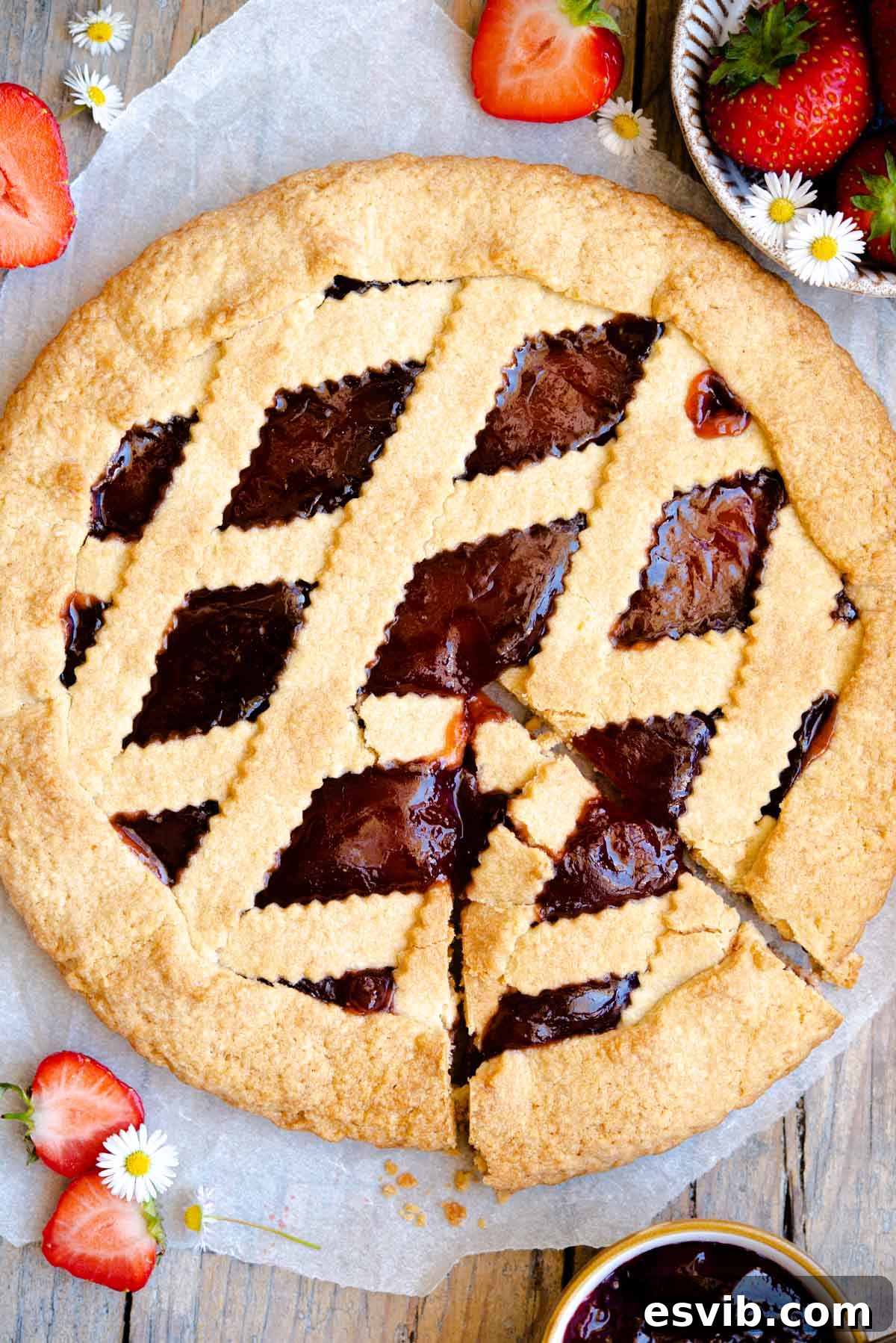
The Crostata stands as a timeless culinary gem, a cherished Italian jam tart deeply woven into the fabric of Italian home baking. It’s an embodiment of rustic charm meeting exquisite flavor, crafted with a delicate shortcrust pastry, famously known as Pasta Frolla, and generously filled with a vibrant, sweet fruit jam. This classic Italian pastry is remarkably straightforward to prepare, yielding a dessert that is both effortlessly delicious and universally loved. Whether presented for a leisurely breakfast alongside a steaming cappuccino or served as a comforting dessert after a family meal, this Italian jam tart promises to be a delightful addition to any occasion.
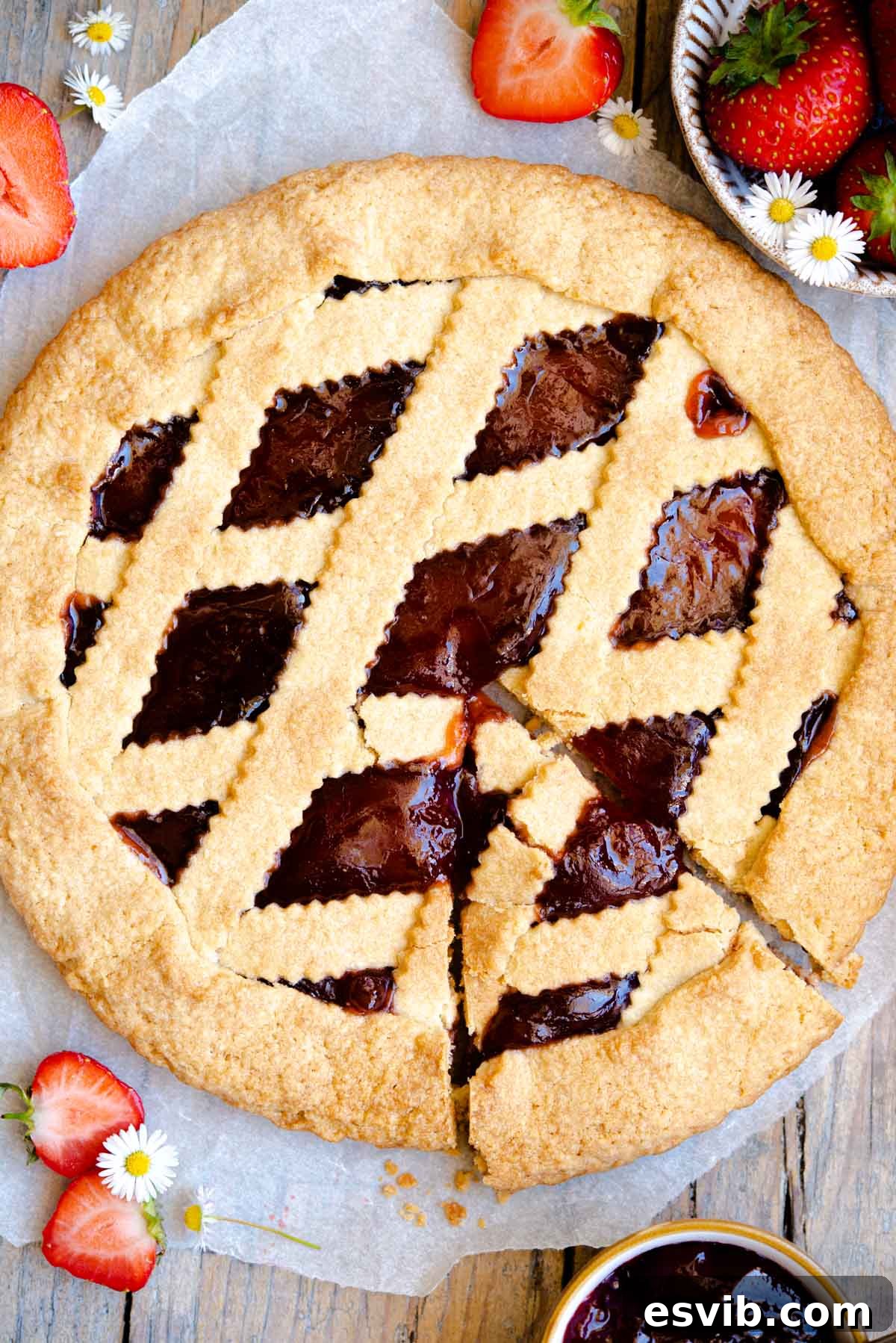
The Enduring Appeal of Italian Crostata: A Sweet Tradition
When one contemplates iconic Italian desserts, images of a classic Tiramisu, elegant Cannoli, or creamy Panna Cotta often spring to mind. Yet, the humble Crostata holds an equally esteemed position in the hearts of Italians, frequently ranking among the most beloved traditional sweets. Its widespread popularity stems not only from its delectable taste but also from its profound connection to Italian culture and home cooking across all regions.
This charmingly rustic jam tart is a ubiquitous presence in Italian households and local bakeries, gracing tables from morning to night. It serves as a wonderfully satisfying breakfast, pairing exquisitely with a strong espresso or a creamy cappuccino to kickstart the day. During the afternoon, it transforms into a perfect pick-me-up or a delightful accompaniment to tea or coffee. And, of course, it makes for a comforting and satisfying dessert after dinner, providing a sweet conclusion to any meal. Beyond its incredible flavor and versatility, the Crostata is celebrated for its straightforward preparation and remarkable longevity; a well-baked tart can remain fresh and delicious for an entire week when stored properly. This combination of ease, taste, and tradition makes it an indispensable recipe for anyone looking to delve into authentic Italian baking.
For those eager to explore the diverse world of Crostata, we encourage you to also try our enticing Crostata di Ricotta e Visciole (Cherry Ricotta Tart), a delightful blend of creamy ricotta cheese and tart wild cherries, and our comforting Apple Crostata, which offers a warm, spiced embrace perfect for any season.
Essential Ingredients for an Authentic Italian Crostata
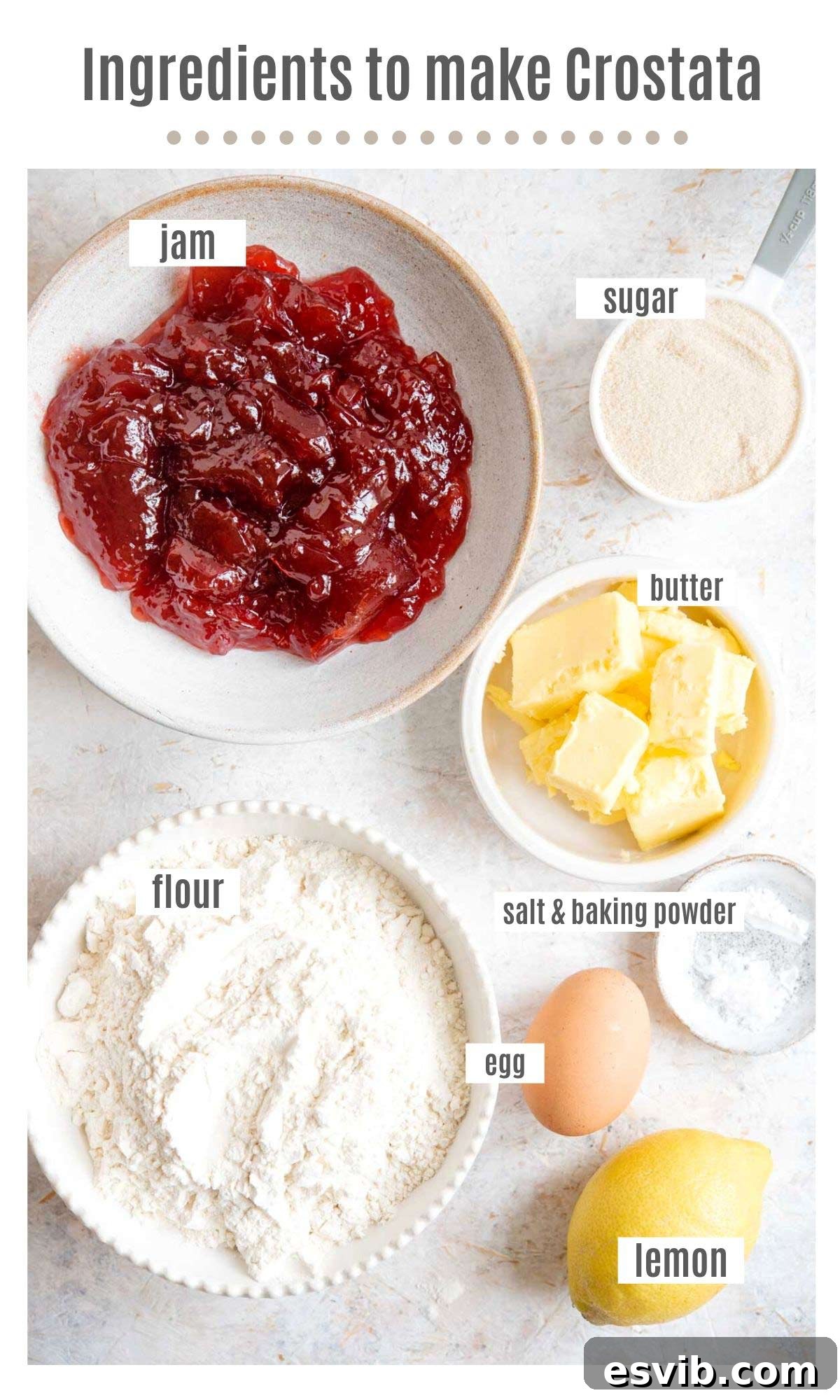
Crafting a truly authentic and delicious Italian Crostata requires a selection of fundamental, high-quality ingredients. The success of this dessert hinges on the careful balance and proper combination of these simple components, which come together to form the perfect Pasta Frolla pastry and a rich, flavorful filling. Here’s a comprehensive list of what you’ll need to create your masterpiece:
- All-Purpose Flour: This forms the essential structure of our tender shortcrust pastry. Using a good quality unbleached all-purpose flour or Italian “00” flour will yield the best texture.
- Cold Butter: Crucial for achieving the signature flaky and tender texture of Pasta Frolla. The cold butter prevents it from fully incorporating into the flour, creating pockets that steam during baking.
- Granulated Sugar: Provides sweetness to both the pastry, ensuring it’s not bland, and helps to balance the tartness of the fruit jam filling.
- Large Egg: Acts as a binding agent for the dough, adding richness and helping to create a cohesive, workable pastry.
- Lemon Zest: A traditional and vital ingredient in Italian pastries. The finely grated zest of one lemon infuses the dough with a bright, aromatic fragrance that beautifully complements the fruit filling.
- Baking Powder: A small amount provides a subtle lift to the pastry, making it wonderfully tender and light, rather than dense.
- A Pinch of Salt: Essential for enhancing all the other flavors in the pastry, bringing out the sweetness and the citrus notes.
- Fruit Jam: The heart of your Crostata’s filling. While strawberry jam is a popular and classic choice for its vibrant flavor and color, feel free to explore other fruit jams based on your preference.
Ensure all your ingredients are measured accurately before you begin. Quality ingredients, particularly the jam, will significantly elevate the overall taste experience of your homemade Crostata. (Refer to the photograph below for a clear visual guide to all the ingredients required for this delightful Italian creation!)
Crafting Your Perfect Italian Crostata: A Detailed Step-by-Step Guide
Follow these meticulously detailed instructions to create a visually stunning and incredibly flavorful Crostata from scratch. This process is divided into two principal phases: mastering the Pasta Frolla, the soul of the tart, and then assembling and baking your delightful creation.
Part 1: Mastering the Classic Pasta Frolla (Italian Sweet Shortcrust Pastry)
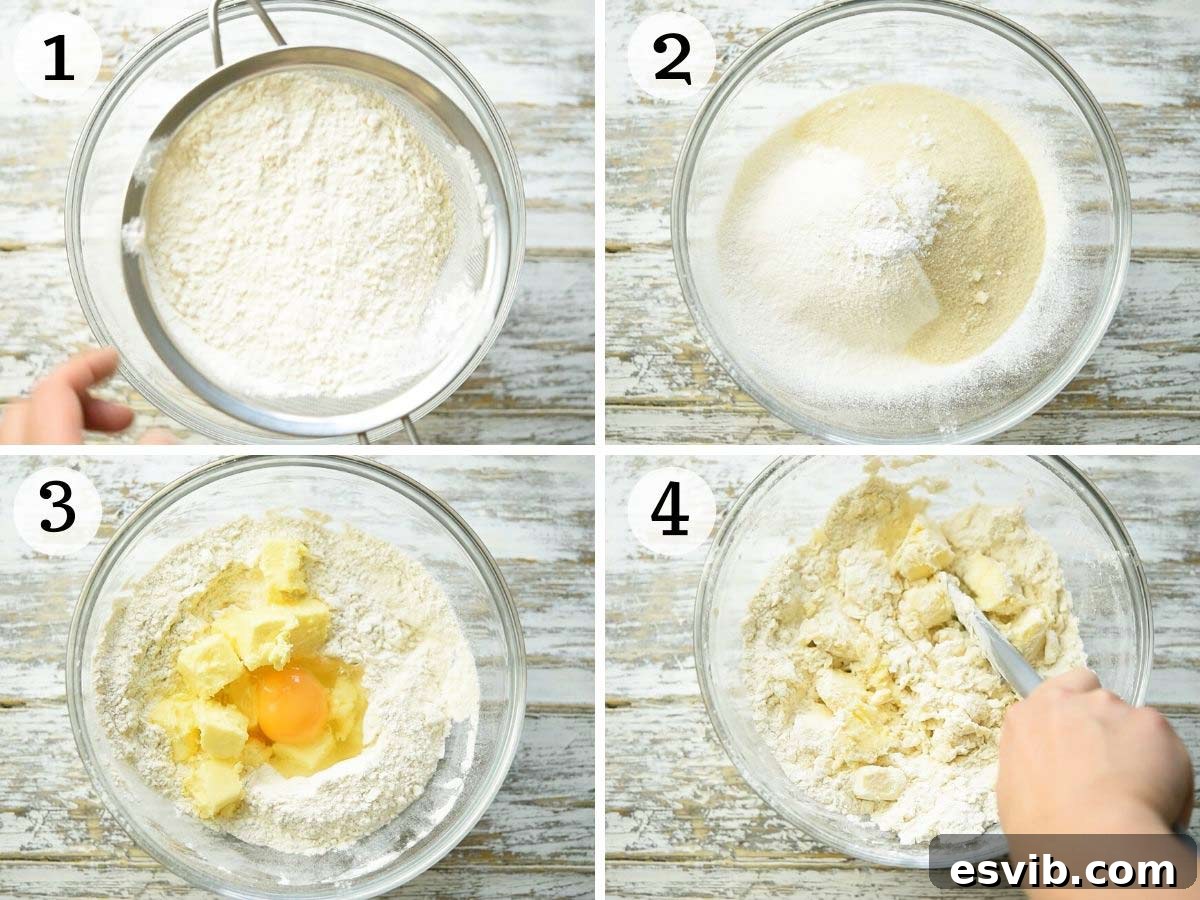
- Prepare Dry Ingredients: Begin by sifting the flour into a large mixing bowl. Sifting is an important step as it aerates the flour and removes any potential lumps, ensuring a smoother dough. Add the granulated sugar, baking powder, and a delicate pinch of salt to the sifted flour. Next, finely grate the zest of one fresh lemon directly into the bowl. This ensures that the fragrant, aromatic oils from the lemon zest are evenly distributed throughout the dry mixture. Use a spoon or whisk to gently stir these dry ingredients together until they are thoroughly combined. This foundational step is key for an even flavor distribution in your finished pastry.
- Incorporate Butter and Egg: Now, introduce the cold butter, which should be cut into small, uniform cubes, into the bowl with the dry mixture. Using a pastry scraper, a fork, or even just your fingertips, work the cold butter into the flour until the mixture takes on the texture of coarse crumbs, resembling wet sand. The goal here is to coat the flour particles with butter without melting the butter entirely. This technique is vital for creating those pockets of butter that release steam during baking, resulting in a wonderfully flaky and tender pastry. Once the butter is incorporated, add the large egg and continue to work the mixture gently, bringing it together.
- Form the Dough: Gradually begin to gather and press the mixture together with your hands. Work the dough just enough for it to come together into a cohesive, smooth ball. It’s crucial to avoid overworking the dough at this stage, as excessive kneading can develop the gluten in the flour too much, leading to a tough, rather than tender, pastry. Once a smooth, uniform ball of dough is formed, wrap it tightly in plastic wrap to prevent it from drying out.
- Chill the Dough: Place the tightly wrapped dough in the refrigerator to chill for a minimum of 30 minutes, and ideally up to 1 hour. This chilling period is a critical step in the Pasta Frolla making process. It allows the gluten in the dough to relax, which makes the dough significantly easier to roll out without tearing or shrinking excessively during baking. Furthermore, chilling firms up the butter, contributing immensely to the desirable flaky texture of the baked crust. Do not skip this essential resting period.
Part 2: Assembling and Baking Your Exquisite Crostata
- Pre-heat Your Oven: While your carefully prepared dough is chilling in the refrigerator, pre-heat your oven to 350°F (180°C). Ensuring the oven is at the correct temperature before the tart goes in is fundamental for even baking and achieving a beautifully golden crust.
- Roll Out the Dough: Once the chilling period is complete, remove the dough from the refrigerator. On a lightly floured surface, use a rolling pin to carefully roll out approximately two-thirds of the dough into a uniform circle. Aim for a thickness of about ¼ inch (½ cm). This portion of the dough will form the sturdy and delicious base of your tart.
- Line the Tart Pan: Gently and carefully transfer the rolled-out pastry circle over a 10-inch tart or pie pan. A pan with a removable bottom is highly recommended as it greatly simplifies the removal of the baked crostata. Carefully press the pastry into the bottom and up the sides of the pan, ensuring it fits snugly and evenly without stretching or tearing. Trim any excess dough from the edges, making sure to leave about ½ inch (1 cm) of overlap. This overlap will later be folded over the decorative lattice, creating a beautifully rustic and neat finish.
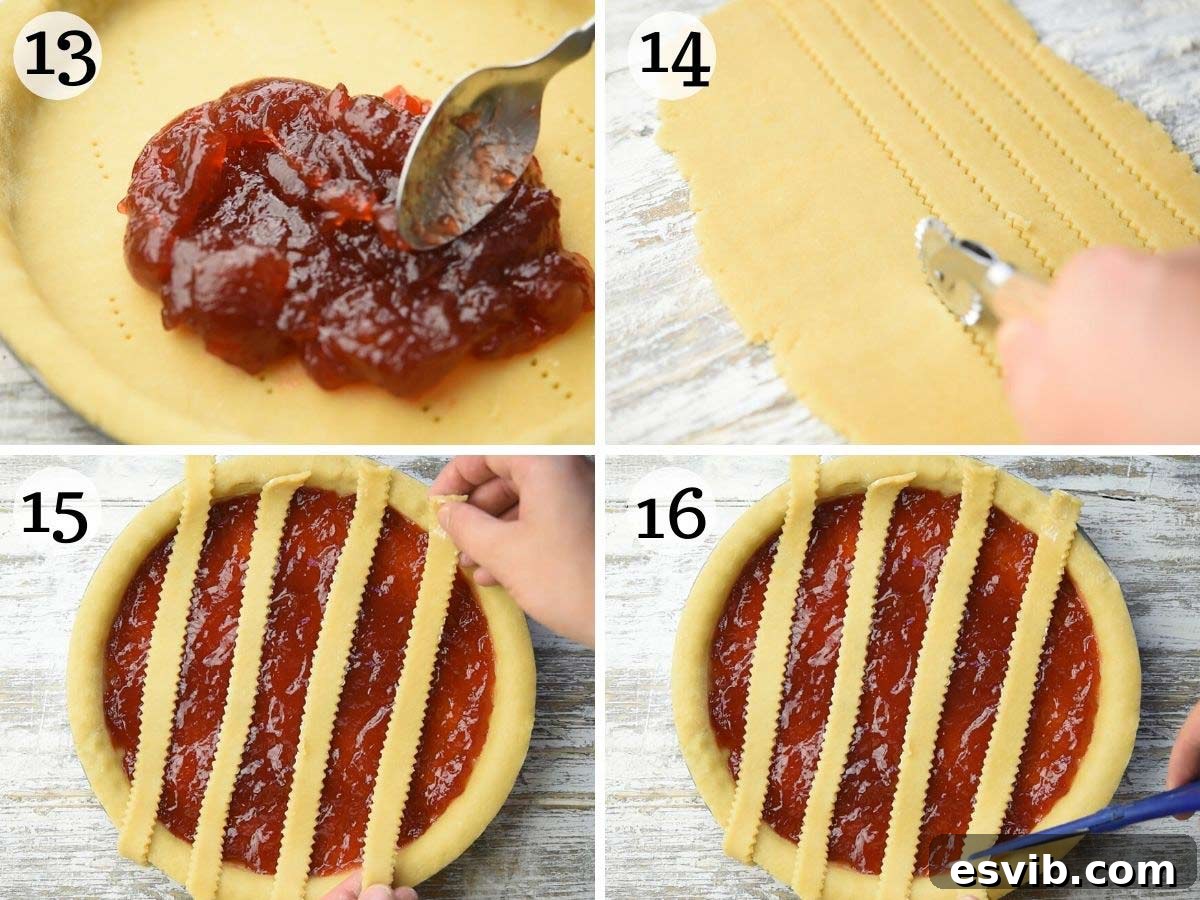
- Prepare the Filling: Using a fork, prick the base of the pastry several times. This vital step allows steam to escape during baking, preventing the crust from puffing up and ensuring a flat, even base for your filling. Next, generously spoon your chosen jam (such as strawberry, as per our classic recommendation) into the pastry-lined tart pan. Use the back of a spoon to spread the jam evenly over the entire base, ensuring a consistent layer from edge to edge.
- Create the Lattice Top: Gather the reserved scrap pastry dough and gently knead it back into a ball. On a lightly floured surface, roll it out again to the same thickness of about ¼ inch (½ cm). Using a sharp knife, a fluted pastry wheel, or a specialized pastry cutter, cut the dough into uniform strips. These strips will form the traditional and visually appealing lattice pattern over your jam filling. Carefully arrange the strips over the crostata in a classic criss-cross pattern, or get creative with any decorative design you prefer.
- Finish and Bake: Once your lattice design is complete, gently fold the ½ inch (1 cm) pastry edges of the base over the ends of the lattice strips. Press them lightly to seal them in place, creating a charmingly rustic and secure rim. Place the assembled crostata into your pre-heated oven. Bake for approximately 45 minutes, or until the pastry achieves a beautiful golden-brown color and the jam filling appears bubbly and slightly set.
- Cool and Serve: Once baked to perfection, remove the crostata from the oven. Carefully transfer it to a wire rack and allow it to cool completely before attempting to slice and serve. Adequate cooling time is paramount, as it allows the jam filling to set properly and the pastry to firm up, ensuring clean, elegant slices and the best possible texture.
Explore Diverse Crostata Filling Options for Every Palate
While a vibrant fruit jam remains the quintessential Crostata filling, the true charm of this Italian tart lies in its incredible versatility. It’s a canvas for culinary creativity, allowing you to personalize it with an array of delectable fillings to suit any taste. Here are some popular and exciting alternatives to inspire your next baking adventure:
- Assorted Fruit Jams and Preserves: Beyond the classic strawberry, the options are limitless. Raspberry and apricot jams are incredibly common and highly favored throughout Italy, offering distinct flavor profiles and beautiful colors. Consider exploring other seasonal options like fig, cherry, peach, or a rich mixed berry preserve. For the best results, always opt for high-quality jams with a significant fruit content for a truly rich and authentic taste experience.
- Rich Hazelnut Chocolate Spread (Nutella): For devotees of chocolate, a Crostata generously filled with Nutella is an absolute dream come true. To prepare this decadent version, simply follow the Crostata recipe exactly as directed, replacing the fruit jam with a thick, luscious layer of hazelnut chocolate spread. The gentle warmth from the baked pastry wonderfully enhances the gooey, rich chocolate, creating an irresistible treat. For an extra special touch, you might even consider making your own Homemade Nutella.
- Creamy Italian Pastry Cream (Crema Pasticcera): If you are captivated by the silky smooth, rich texture of Italian pastry cream, it offers an exquisitely elegant and sophisticated filling option. This versatile custard can be enjoyed on its own for a pure, creamy experience, or serve as a luxurious base for fresh fruit. To delve into pastry cream fillings, you can follow our beloved recipe for Torta della Nonna (Grandma’s Tart), which often features a delicate lemon-infused pastry cream. Alternatively, explore our Crostata di Frutta (Fresh Fruit Tart) for a vibrant tart adorned with a layer of pastry cream and an artful arrangement of seasonal fresh berries and fruits.
Embrace your culinary adventurousness and don’t hesitate to experiment with these, or any other, delicious fillings to discover your ultimate Crostata combination!
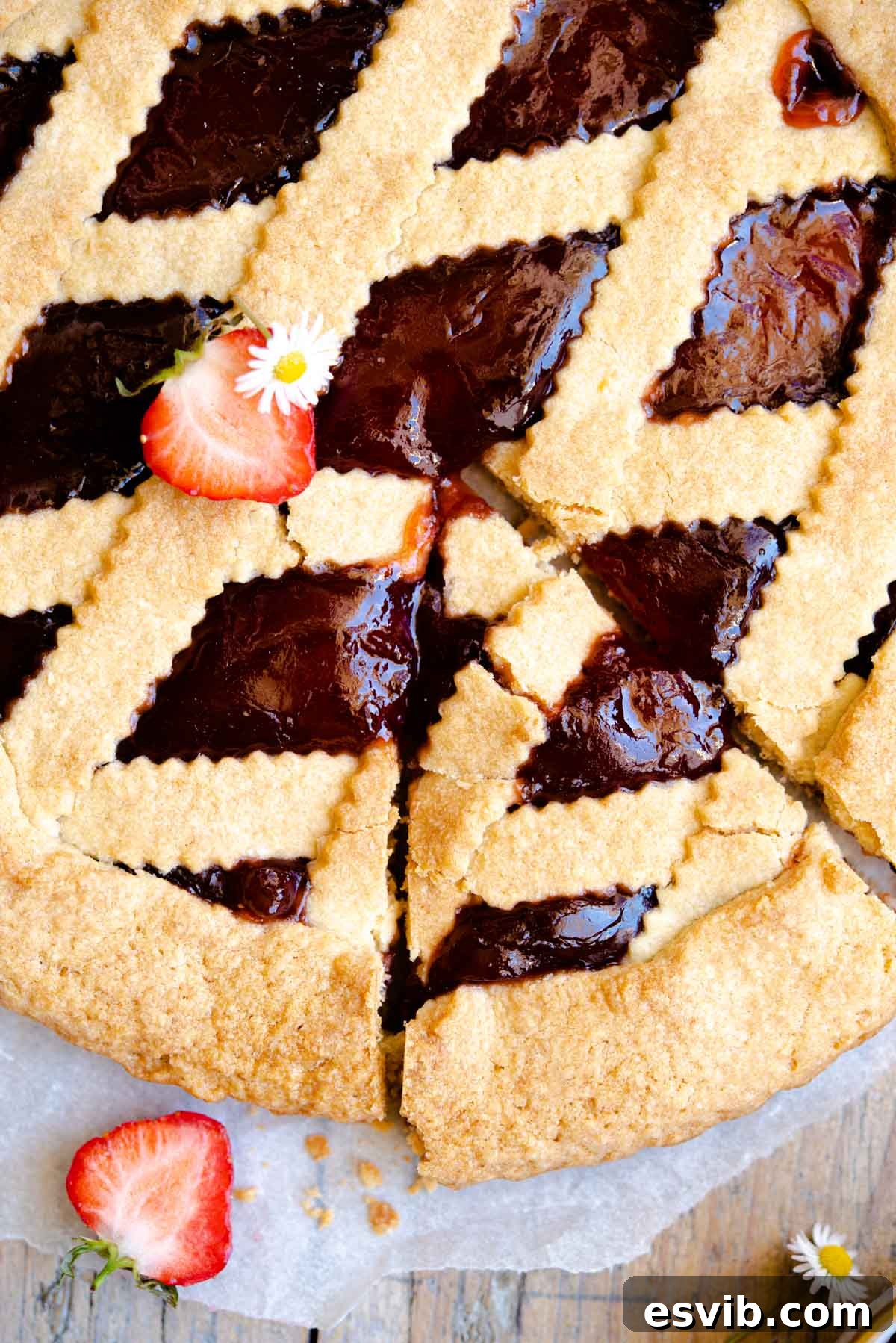
Perfect Ways to Serve Your Homemade Crostata
The beauty of a Crostata lies not only in its delicious taste but also in its incredible versatility, making it a fitting treat for a wide array of occasions and times of the day. Here are some delightful suggestions on how to serve and savor your freshly baked Italian jam tart:
- An Authentic Italian Breakfast: Elevate your morning routine by indulging in a slice of Crostata paired with a freshly brewed, rich cappuccino or a strong, aromatic espresso. The delicate sweetness of the tart provides a wonderful contrast to the robust coffee, creating a truly authentic Italian breakfast experience. For a charming touch, consider baking individual-sized tarts using smaller tart or pie pans; they are not only visually appealing but also perfect for a personalized breakfast treat.
- A Comforting Afternoon Snack: When the afternoon slump hits, a slice of Crostata becomes the perfect antidote. Enjoy it with a soothing cup of tea or a fresh mug of coffee for a comforting and satisfying snack. It’s an ideal accompaniment for a quiet moment of reflection or for sharing light conversation with friends.
- An Elegant Dessert Course: Transform your rustic Crostata into an elegant dessert that will impress your guests. Serve it slightly warm, accompanied by a generous scoop of premium vanilla bean ice cream, a dollop of freshly whipped cream, or a drizzle of a fruit coulis. The delightful contrast between the warm, fruity tart and the cool, creamy topping is a symphony of textures and flavors that is simply divine.
- Ideal for Picnics and Potlucks: Thanks to its sturdy nature and ability to travel well, Crostata is an excellent choice for outdoor gatherings, picnics, or potluck events. It holds its shape beautifully and its charming, rustic appeal combined with its universally loved taste makes it a guaranteed crowd-pleaser that requires minimal fuss.
No matter how you choose to serve it, your homemade Crostata is sure to bring joy and a taste of Italy to any moment.
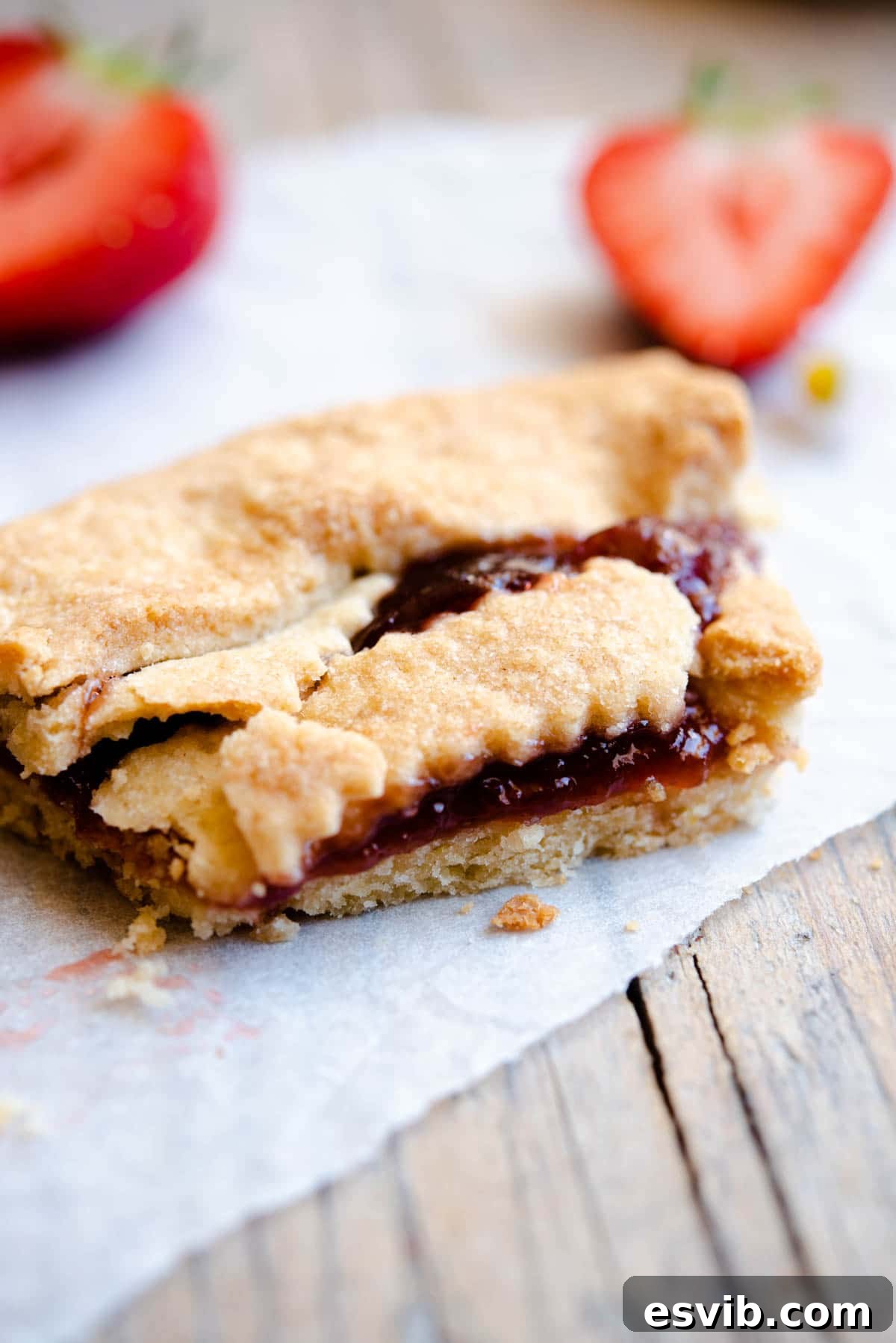
Expert Tips & Frequently Asked Questions for Crostata Perfection
Achieving a perfect Crostata is simpler than you might think, especially when armed with a few expert tips and answers to common questions. Here’s everything you need to know to ensure your Crostata turns out beautifully every time:
- Accurate Flour Measurement: If you are measuring flour by volume using cups, the method is critical. It’s important to lightly spoon the flour into the measuring cup and then level it off with a straight edge, without compacting it. For the most precise and consistent baking results, particularly vital for pastry, we highly recommend using a kitchen scale to measure ingredients by weight (250g for flour). This significantly reduces the chance of adding too much flour, which can lead to a dry, tough, and crumbly crust.
- The Crucial Role of Cold Butter: Always use butter that is very cold, straight from the refrigerator, and cut it into small, uniform cubes. Cold butter is paramount for creating that wonderfully flaky and tender shortcrust pastry. When cold butter pieces bake, they release steam, which pushes apart the layers of dough, resulting in the desired flaky texture. If the butter melts too much into the flour before baking (due to warm butter or overworking the dough), you will likely end up with a dense rather than flaky crust.
- Understanding Dough Texture: When you initially combine the ingredients for the Pasta Frolla, the mixture might seem quite dry and crumbly. This is a normal and expected texture at the outset. As you continue to gently bring the mixture together and lightly work it with your hands, the butter will gradually incorporate, and the dough will transform into a smooth, cohesive ball. If, after several minutes of gentle kneading, your dough still appears excessively dry and stubbornly refuses to come together, you can add cold water, one tablespoon at a time, until it reaches a workable consistency. Be very cautious not to add too much water, as this can make the pastry tough and difficult to handle.
- The Importance of Chilling the Dough: Chilling the dough for at least 30 minutes, and ideally up to 1 hour, is a non-negotiable step that should not be skipped. This essential resting period allows the gluten strands in the flour to relax, which is crucial for preventing the pastry from shrinking excessively during baking. It also allows the cold butter to firm up again, making the dough much easier to roll out smoothly without tearing or becoming sticky. Rushing this step can lead to frustration and a less-than-perfect, unevenly baked crust.
- Preventing a Soggy Bottom: To guarantee a crisp, golden bottom crust, especially when working with juicy fruit fillings, a few tricks can be employed. Lightly pricking the base of the pastry with a fork before adding the jam allows steam to escape, preventing a soggy base. Additionally, for extra insurance, you can sprinkle a thin, even layer of fine breadcrumbs or almond meal onto the bottom crust before spreading the jam. This acts as a barrier, absorbing any excess moisture that might release from the fruit filling during the baking process.
- Perfecting the Lattice Top: For uniform and elegant lattice strips, we recommend using a ruler along with a pastry wheel or a sharp knife when cutting the dough. For even easier handling and to prevent the strips from breaking or sticking, gently chill the cut pastry strips for 10-15 minutes in the refrigerator before carefully arranging them over the tart. This small step can make a big difference in achieving a professional-looking finish.
Frequently Asked Questions about Crostata
What’s the difference between a Galette and a Crostata?
While both “Galette” and “Crostata” refer to rustic, free-form tarts and are often used interchangeably in casual culinary discourse, “Galette” is the French term, and “Crostata” is Italian. The primary distinguishing feature often lies in their traditional presentation: Crostatas typically boast a distinctive and often intricate pastry lattice top, whereas Galettes are more commonly free-form, with the pastry dough simply folded over the edges of the filling without an elaborate lattice design. Both are equally delicious!
Can I prepare Crostata in advance?
Yes, certain components of the Crostata can be prepared in advance. The Pasta Frolla dough can be made ahead of time and stored, tightly wrapped in plastic, in the refrigerator for up to 2-3 days. However, it is generally not recommended to fully assemble and fill the entire crostata significantly in advance of baking, as the moisture from the jam can cause the pastry base to become soggy. The excellent news is that a fully baked crostata stores exceptionally well! Once it has cooled completely, you can store it in an airtight container at room temperature for up to 3 days, or in the refrigerator for up to 1 week.
Can you freeze Crostata?
Absolutely, Crostata freezes beautifully, making it an excellent option for meal prep or enjoying later. Once your crostata is fully baked and has cooled completely, wrap the entire tart (or individual slices, if preferred) very tightly first in plastic wrap (cling film) and then in aluminum foil. This double layer helps to prevent freezer burn and maintain freshness. It can be safely frozen for up to 2-3 months. To enjoy, simply thaw the tart completely in the refrigerator, ideally overnight. Once thawed, you can bring it to room temperature or warm it slightly in a low oven for a few minutes to refresh the crust before serving.
Discover More Irresistible Italian Desserts to Savor
If the charm and deliciousness of Crostata have captivated your palate, you’ll undoubtedly enjoy exploring other authentic Italian sweet treats from our extensive collection. Italy’s dessert repertoire is rich and varied, offering something for every sweet tooth. Here are some more delightful recipes from our kitchen that we think you’ll love:
- Italian Bomboloni Doughnuts (Filled Doughnuts): Indulge in these light, fluffy Italian doughnuts, typically filled with luscious pastry cream or sweet fruit jam and dusted with sugar.
- Torta della Nonna (Italian Custard Tart): A truly classic “Grandma’s Tart” featuring a rich, creamy lemon-infused pastry cream nestled in a sweet shortcrust pastry, often topped with pine nuts.
- Authentic Tiramisu: Master the iconic Italian coffee-flavored dessert, layered with delicate ladyfingers soaked in espresso, rich mascarpone cheese, and a dusting of cocoa powder.
- White Chocolate Panna Cotta: A luxurious and smooth cooked cream dessert, enriched with white chocolate for an extra touch of indulgence and elegance.
- Chocolate Semifreddo: Discover this decadent semi-frozen Italian dessert, akin to a frozen mousse, offering a rich and creamy chocolate experience without an ice cream machine.
We sincerely hope that you find immense joy and satisfaction in baking this traditional Italian Crostata, bringing a piece of Italy’s sweet heritage into your own home. If you’ve tried this Crostata (Jam Tart) recipe or any of our other recipes featured on the blog, please don’t hesitate to leave us a comment below. Your feedback and culinary creations mean the world to us! You can also FOLLOW US on FACEBOOK, INSTAGRAM, and PINTEREST to stay updated with our latest delicious food inspirations and behind-the-scenes adventures.
Crostata (Jam Tart) – Classic Italian Recipe
This authentic Italian Crostata recipe brings the comforting flavors of Italy directly to your kitchen. Featuring a tender, homemade Pasta Frolla pastry and a luscious fruit jam filling, it’s a versatile dessert perfect for any time of day.
Recipe Overview
- Prep Time: 1 hour 30 minutes
- Cook Time: 45 minutes
- Total Time: 2 hours 15 minutes
- Yields: 12 servings
Pin Recipe
Print Recipe
Equipment Needed
- 10-inch tart pan with removable bottom
- Large mixing bowl
- Pastry scraper or spatula
- Rolling pin
- Sharp knife or pastry cutter
- Wire rack
Ingredients
For the Pastry (Pasta Frolla)
- 2 cups (250g) 00 flour or unbleached all-purpose flour
- ½ cup (80g) caster sugar (golden or white)
- 8.5 tbsp (120g) cold butter, cubed
- 1 large egg
- Zest of 1 lemon
- ¼ tsp baking powder
- 1 pinch of salt
For the Filling
- 1 cup (320g) strawberry jam (or your preferred fruit jam)
Instructions
How to Make the Pastry (Pasta Frolla)
- Sift the flour into a large bowl. Add the caster sugar, lemon zest, baking powder, and salt. Stir gently to combine all the dry ingredients evenly.
- Add the cold, cubed butter and the large egg to the dry mixture. Using a pastry scraper or your fingertips, cut the butter into the flour until the mixture resembles coarse crumbs.
- Gently bring the mixture together with your hands to form a dough. Knead minimally until all the flour is fully absorbed and the dough forms a smooth ball. Avoid overworking the dough to ensure a tender pastry.
- Wrap the dough tightly in plastic wrap and place it in the fridge to chill for 30 minutes to 1 hour. This resting period is crucial for the dough to relax and firm up.
How to Prepare and Bake the Crostata
- Pre-heat your oven to 350°F (180°C).
- Once the dough has chilled, remove it from the fridge. On a lightly floured surface, roll out about two-thirds of the dough into a circle approximately ¼ inch (½ cm) thick.
- Carefully lay the rolled pastry over a 10-inch tart or pie pan (preferably one with a removable bottom). Gently tuck in the sides to ensure it fits evenly. Trim the edges, leaving around ½ inch (1 cm) overlap.
- Prick the base of the pastry with a fork multiple times. Spread the strawberry jam (or your chosen fruit filling) evenly over the base.
- Roll the remaining scrap pastry back into a ball and roll it out again to about ¼ inch (½ cm) thick. Cut out strips for the top of the tart using a knife or pastry cutter.
- Arrange the pastry strips over the jam in a classic criss-cross (lattice) pattern, or any decorative design you prefer. Fold the ½ inch (1 cm) pastry edges of the base over the lattice strips to secure them, creating a rustic rim.
- Bake in the pre-heated oven for 45 minutes, or until the pastry is golden brown and the jam is bubbling slightly.
- Remove from the oven and allow the crostata to cool completely on a wire rack before slicing and serving. This allows the jam to set properly and the pastry to firm up.
Recipe Notes for Optimal Success
- Flour Measurement Precision: For consistently accurate baking results, especially with delicate pastry, using a kitchen scale to measure flour by weight (250g) is strongly recommended over volumetric cup measurements. If using cups, ensure you spoon the flour lightly into the cup and level it off without compacting it.
- Butter Temperature: Always use butter that is very cold, directly from the refrigerator, and cut into small cubes. This technique is fundamental for creating a flaky and tender shortcrust pastry.
- Dough Consistency Guidance: The dough for Pasta Frolla will initially appear dry and crumbly. Continue to gently work it with your hands; it will gradually come together into a smooth ball. If it remains excessively dry and won’t combine, add 1 tablespoon of cold water at a time until it reaches a workable consistency, being careful not to add too much.
- The Importance of Chilling: Never skip the chilling step for the dough. This allows the gluten to relax, making the dough much easier to roll out and significantly reducing shrinkage during baking.
- Versatile Filling Options: Feel empowered to experiment with a variety of fruit jams, such as tangy raspberry, sweet apricot, or rich fig. A decadent hazelnut chocolate spread (Nutella) also makes an incredibly popular and delicious alternative filling.
- Storage Best Practices: A fully baked Crostata will keep beautifully. Store it in an airtight container at room temperature for up to 3 days, or extend its freshness by storing it in the refrigerator for up to 1 week.
- Freezing for Future Enjoyment: Crostata freezes exceptionally well. Once completely cooled, wrap the tart tightly first in plastic wrap and then in aluminum foil to protect it from freezer burn. It can be frozen for up to 2-3 months. To serve, thaw it overnight in the refrigerator before bringing it to room temperature or warming it slightly.
Helpful Information for All Our Recipes
- We consistently use high-quality extra virgin olive oil in all our recipes unless a different oil is specifically stated.
- For recipes calling for canned or jarred tomatoes, we highly recommend using premium brands like Cirio or Mutti for the best possible flavor and authentic Italian taste.
- Unless explicitly specified otherwise, please assume that all vegetables referred to in our recipes are of a medium size.
- All our recipes are thoroughly tested and meticulously developed using a fan (convection) oven to ensure reliable and consistent results for your home baking and cooking.
- For those interested in the nutritional aspects, you can find more details on how our nutrition information is calculated on our website.
- Discover our essential guide to stocking your kitchen with key items in our list of Italian Pantry Staples.
- Equip yourself for authentic Italian cooking with our comprehensive guide to Essential Kitchen Tools for Italian Cooking.
Approximate Nutrition Information Per Serving
Please note that all nutrition information provided is automatically calculated and should be considered an approximation for dietary planning.
- Calories: 263 kcal
- Carbohydrates: 44g
- Protein: 3g
- Fat: 9g
- Saturated Fat: 5g
- Cholesterol: 35mg
- Sodium: 191mg
- Potassium: 49mg
- Fiber: 1g
- Sugar: 22g
- Vitamin A: 268 IU
- Vitamin C: 2mg
- Calcium: 18mg
- Iron: 1mg
Did you try this delectable Crostata recipe?
We’d absolutely love to hear about your experience! Please feel free to leave a comment below and share your culinary adventure with us.