
How to stock a pantry with our Italian Pantry Essentials. These are all the must-have ingredients I have in my kitchen and would truly be lost without them. The fundamentals to good cooking and beautiful tasting food is using quality ingredients so I’ve broken it down to what I use and why!
Stocking your pantry with the right ingredients is like setting the stage for endless delicious possibilities. These aren’t just pantry staples; they are the bedrock of authentic Italian cuisine, forming the basis of the incredible-tasting meals we create every single week. Understanding and choosing quality ingredients is the secret to unlocking the true flavors of Italy in your own kitchen.
Having spent years exploring Italy, living and working amidst its vibrant culture, and developing a profound obsession with its food, I can confidently tell you that the quality of your ingredients makes all the difference. This isn’t merely about good food; it’s about transforming an average meal into something truly extraordinary, a culinary journey that transports you directly to the sun-drenched landscapes and bustling trattorias of Italy.
From discerning how to select the finest olive oil, the most flavorful tomatoes, and the perfect pasta, to stocking your cupboard with essential items that inject a burst of authentic flavor into even the simplest of dishes, this guide covers it all. We’ll delve into the nuances that distinguish truly exceptional ingredients from the everyday, ensuring your efforts in the kitchen yield consistently delicious results.
I am eager to share the fundamental ingredients I always keep stocked in my pantry and fridge. With these essentials on hand, you’ll be empowered to whip up something truly delicious whenever inspiration strikes, or even when you need a quick, satisfying meal. This comprehensive guide is designed to equip you with the knowledge to make informed choices, elevate your home cooking, and embrace the joy of Italian gastronomy.
So, let’s embark on this delicious journey together!
Feel free to read this post in its entirety to absorb all the insights, or use the convenient table of contents below to jump directly to any particular section that piques your interest. There’s a wealth of information here to help you build the Italian pantry of your dreams.
Table of Contents
- Olive Oil: The Liquid Gold of Italy
- Salt and Black Pepper: The Foundation of Flavor
- High-Quality Tomatoes: The Heart of Italian Cuisine
- Dried Pasta: Choosing the Right Shape and Quality
- Cheese: The Irresistible Italian Staple
- Flour, Rice, and Potatoes: Versatile Staples
- Wine (Vino): Enhancing Flavors in Cooking
- Vinegars: A Touch of Acidity and Sweetness
- Gli Odori (Soffritto): The Aromatic Base
- Garlic: The Pervasive Aromatic
- Herbs and Spices: Freshness and Fragrance
- Other Store Cupboard Ingredients: Essential Flavor Boosters
Olive Oil: The Liquid Gold of Italy
Extra virgin olive oil (EVOO) is more than just an ingredient in Italian cuisine; it’s a way of life, an essential component of the renowned Mediterranean diet, revered for both its exceptional flavor and its significant health benefits. It brings a robust, fruity, or peppery note to dishes and acts as a fundamental binding agent for countless recipes.
Here are some crucial tips for identifying and purchasing high-quality extra virgin olive oil, ensuring you get the best for your cooking:
- Origin Matters: Always seek out olive oil explicitly labeled “100% Italian olive oil.” If a label states “EU” or “EU olives,” it signifies a blend from various European Union countries, meaning it doesn’t originate from a single, identifiable source or olive grove. Authentic Italian oil will have a distinct flavor profile unique to its region.
- Packaging is Key: Good quality olive oil should always be bottled in dark glass bottles or opaque tins. This critical detail helps protect the oil from light exposure, which can degrade its delicate flavor, aroma, and beneficial properties over time.
- Avoid Decanting: Once you’ve opened a bottle or tin of olive oil, keep it in its original container with the lid tightly secured. Olive oil reacts negatively to oxygen, which accelerates its deterioration. Decanting it into a decorative clear bottle, while aesthetically pleasing, will diminish its quality.
- Check the Harvest Date: Unlike fine wine, extra virgin olive oil does not improve with age. It is at its peak flavor and nutritional value when consumed within 12-18 months of its harvest date. Don’t hoard your good oil; enjoy it while it’s fresh for the best culinary experience.
To be completely transparent, truly high-quality extra virgin olive oil, especially that sourced directly from a single, independent grove, can often be quite expensive. This cost is entirely justified by the immense labor, expertise, and passion involved in producing exceptional oil. These small, often family-run farms prioritize quality over quantity, resulting in an unparalleled product.
The challenge, however, is that such premium oil can be out of reach for everyday cooking for many people, myself included. So, finding a sustainable balance is important.
This is our practical approach to enjoying excellent olive oil:
I’ve personally adopted an olive oil tree from a small, independent olive grove in Sicily. This initiative not only allows me to directly support a small business but also ensures I receive incredible quality olive oil delivered to my doorstep quarterly (four times a year). Each shipment includes three 500ml cans, and at the end of the year, I eagerly anticipate the arrival of Olio Nuovo—the liquid gold, the first-pressed oil of the new season, a truly sublime experience.
In addition to this premium supply, I supplement our daily needs by purchasing 100% Italian olive oil from my local store, which is typically a blend of olives from various regions within Italy.
We reserve our higher-quality, single-grove oil for delicate applications: dressings, drizzling over finished dishes, incorporating into fresh pesto, or baking focaccia. The more affordable, blended oil is used for sautéing, general cooking, and other preparations where its nuanced flavor might be less prominent. This two-tiered system allows us to savor the taste and health benefits of superior olive oil while remaining affordable for our everyday culinary adventures.
Deep Frying with Olive Oil
While extra virgin olive oil can be safely used for deep frying, boasting a smoke point between 190°C and 220°C (374°F-428°F) which is more than adequate for most deep-frying needs, it is simply too costly for me to use in such large quantities. The delicate flavors and premium cost of EVOO are best preserved for other cooking methods.
For deep frying, I typically opt for more neutral and economical options like vegetable or sunflower oil (known as olio di semi in Italy). This practice is also common in Italian households, where these oils are frequently preferred for high-heat frying. It’s worth noting that deep frying is not a frequent occurrence in my kitchen.
However, when it comes to shallow frying or sautéing, extra virgin olive oil remains our steadfast choice, imparting its characteristic richness and depth to our dishes.
Salt and Black Pepper: The Foundation of Flavor
Salt (sale) is arguably one of the most critical ingredients to always have stocked in your kitchen. It’s not just about adding a salty taste; proper seasoning with salt throughout the cooking process is how you meticulously build and layer flavor in any dish. It is absolutely essential to taste your food as you go to avoid both under and over-seasoning. The goal is never to taste the salt itself, but rather for it to subtly enhance and elevate the inherent flavors of your ingredients.
In Italy, you’ll commonly encounter two primary types of salt: Sale Grosso (large salt crystals) and Sale Fino (fine salt). Historically, you might also find artisanal sea salt flakes, though these have become more widespread in larger towns and specialty shops.
Sale Grosso is predominantly used for salting pasta water, where its larger crystals dissolve more slowly, providing a consistent salinity to the pasta as it cooks. Sale Fino, on the other hand, is the go-to for virtually all other seasoning needs, from baking to finishing dishes.
In my own kitchen, I primarily stock sale fino for pasta water and everyday cooking, alongside Maldon sea salt flakes for finishing dishes, salads, and situations where a delicate crunch and burst of salinity are desired. It’s fascinating how accustomed one can become to a particular brand or texture of salt; a change can be surprisingly noticeable. Some salts are inherently “saltier” than others, so it’s a process of adding, tasting, and familiarizing yourself with the specific salt you’re using to achieve perfect balance.
With a young toddler at home, I’ve often had to cook with minimal or no salt. In these instances, we’ll cook the main dish unseasoned and then divide our portions, adding salt to taste at the table. If you’re accustomed to seasoning throughout the cooking process, the difference is stark. Adding the majority of salt at the very end, rather than building it up in layers, can result in food tasting merely “salty” instead of harmoniously flavored. This reinforces the importance of seasoning judiciously as you cook.
Freshly ground black pepper is another indispensable ingredient we incorporate into most dishes. I prefer to buy whole peppercorns and grind them freshly at the end of cooking or as a topping for certain dishes. The aromatic punch and subtle heat of freshly ground pepper are far superior to pre-ground varieties, adding a vibrant finish to your culinary creations.
High-Quality Tomatoes: The Heart of Italian Cuisine
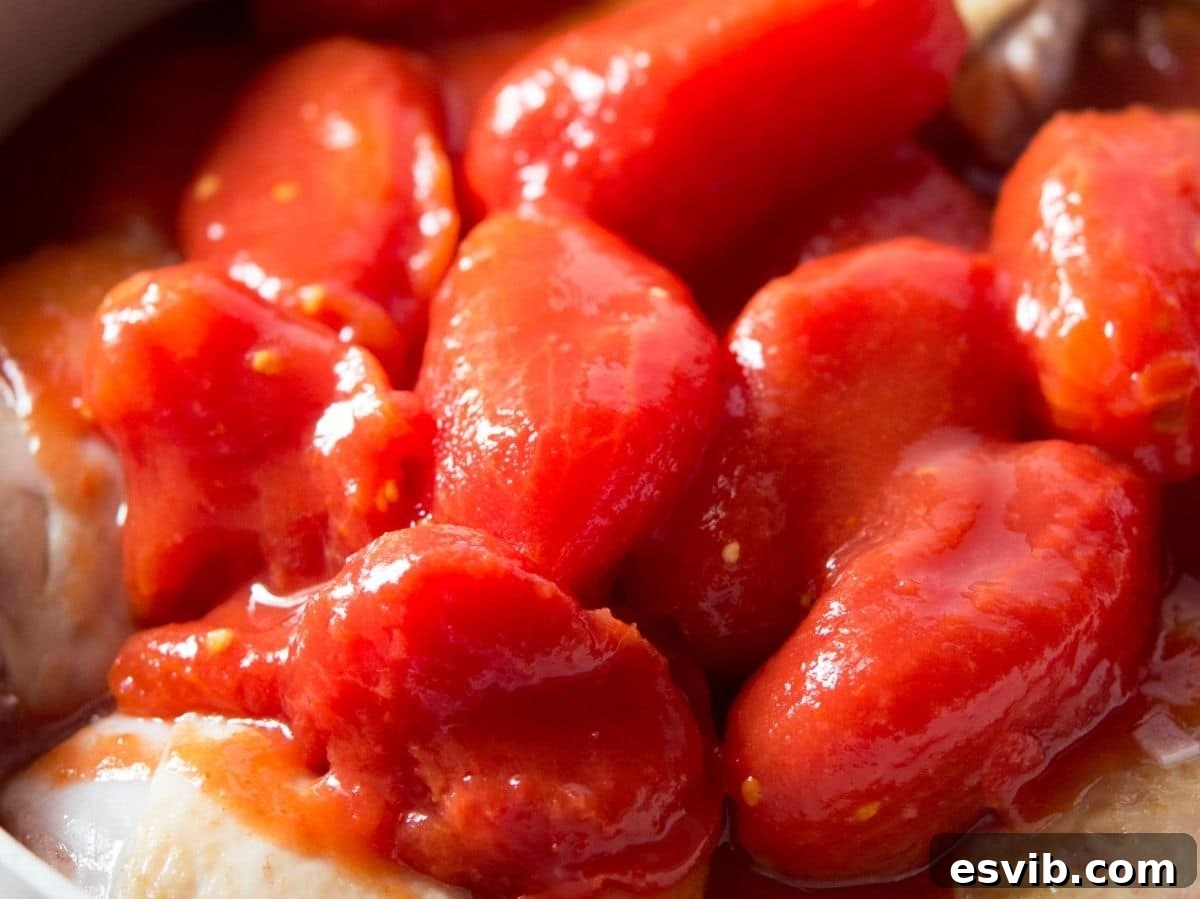
High-quality canned tomatoes are absolutely essential in my kitchen. They possess the power to either elevate a dish to sublime heights or, regrettably, compromise its potential. And let me clarify, achieving this doesn’t strictly necessitate the use of San Marzano tomatoes, though they are undeniably excellent (that’s a topic for another detailed discussion!). The key lies in understanding the types and qualities that truly make a difference.
So, what varieties of canned tomatoes should you be stocking?
Chopped or Crushed Tomatoes (Polpa)
In Italy, these are commonly known as ‘polpa.’ These are tomatoes that have been finely chopped or crushed and canned in a rich, thick tomato juice. It’s a crucial distinction: I emphatically never purchase canned chopped tomatoes that are packed in water. The quality of the juice significantly impacts the depth of flavor in your sauces and stews, providing a robust tomato base from the start.
Plum Tomatoes (Pelati)
Canned plum tomatoes, or ‘pelati,’ are incredibly versatile and packed with flavor, provided you select a good brand. These consist of whole, peeled tomatoes, also preserved in a thick, rich tomato juice. Their whole form makes them ideal for breaking up into rustic sauces or crushing by hand for a naturally textured consistency. A little-known fact: if you blitz or blend whole tomatoes, the seeds can introduce a bitter note to your sauce. To avoid this, it’s best to crush them by hand or use a potato masher, preserving their pure, sweet flavor.
Passata (Tomato Purée in the US)
Passata refers to tomatoes that have been passed through a ‘Passaverdura’ or a fine strainer, resulting in a smooth, thick consistency, usually free of skins and seeds. While the classic version is impeccably smooth, you can also find ‘passata rustica,’ which retains a slightly pulpier, more rustic texture. I almost exclusively opt for a classic smooth passata. It can be used interchangeably with chopped or plum tomatoes but will yield a richer taste and a wonderfully thick, velvety consistency, making it perfect for smooth sauces and soups.
Tomato Paste (Concentrate)
Tomato paste is a highly concentrated form of tomato, typically sold in tubes or small cans. Its intense flavor means a little goes a long way; you only need 1-2 tablespoons to add a significant depth of tomato flavor to dishes like stews, hearty soups, risottos, and slow-simmered pasta sauces. Once opened, a tube of tomato paste stores remarkably well in the fridge, lasting for an extended period (always check the specific packaging instructions for best practice).
What brands to use?
Currently, Mutti is my preferred brand for canned tomatoes, used approximately 99% of the time. Their products consistently deliver excellent quality, are widely accessible in my local stores, and are reasonably priced, offering an optimal balance. I previously used Cirio tomatoes quite frequently, but in recent times, I’ve observed a slight decline in their quality. I will still use them if Mutti isn’t readily available, but Mutti remains my first choice.
For those in the US, I’ve heard positive reviews about Cento as a reliable and accessible brand, particularly their San Marzano varieties if you choose to explore them.
I cannot overemphasize the transformative impact of using high-quality tomatoes. It empowers you to create a delicious 10-minute pasta sauce that truly shines, rather than simmering a sauce, soup, or stew for hours only to achieve an “okay” flavor. The foundation provided by superior tomatoes drastically reduces the effort required to achieve exceptional taste.
Of course, there are ultra-premium, incredibly flavorful tomato brands available, often with a significant price tag. However, for everyday cooking, their cost is often unrealistic and unsustainable. My recommendations are therefore based on finding the sweet spot where consistent quality meets affordability, ensuring you can enjoy authentic Italian flavors without breaking the bank.
Here’s exactly what I have stocked in my pantry
- Crushed Tomatoes (Mutti Polpa): I typically keep 1-2 cans of Mutti Polpa. These are perfect for quick sauces, or as a base for many dishes, providing a fresh, vibrant tomato flavor.
- Plum Tomatoes (Mutti Pelati): I ensure I have 1-2 cans of Mutti plum tomatoes on hand. Their versatility, allowing them to be crushed by hand for a rustic texture, makes them invaluable.
- Passata (Mutti Passata Classica): I generally stock 3-4 jars of Mutti Passata Classica (smooth tomato purée in the US). While you rarely need more than one jar for a single meal, having spares is convenient for last-minute cooking or larger batches.
- Tomato Paste (Mutti Doppio Concentrato di Pomodoro): One tube of this concentrated paste is a pantry staple. Once opened, it’s stored in the fridge and lasts for a considerable time, offering an intense burst of tomato flavor whenever needed.
Easy Recipes Using Tomatoes
- Penne al Pomodoro
- Super Quick Tomato Sauce
- Creamy Tomato Risotto
- Green Beans in Tomato Sauce
- Fagioli all’uccelletto
- Braciole
Dried Pasta: Choosing the Right Shape and Quality
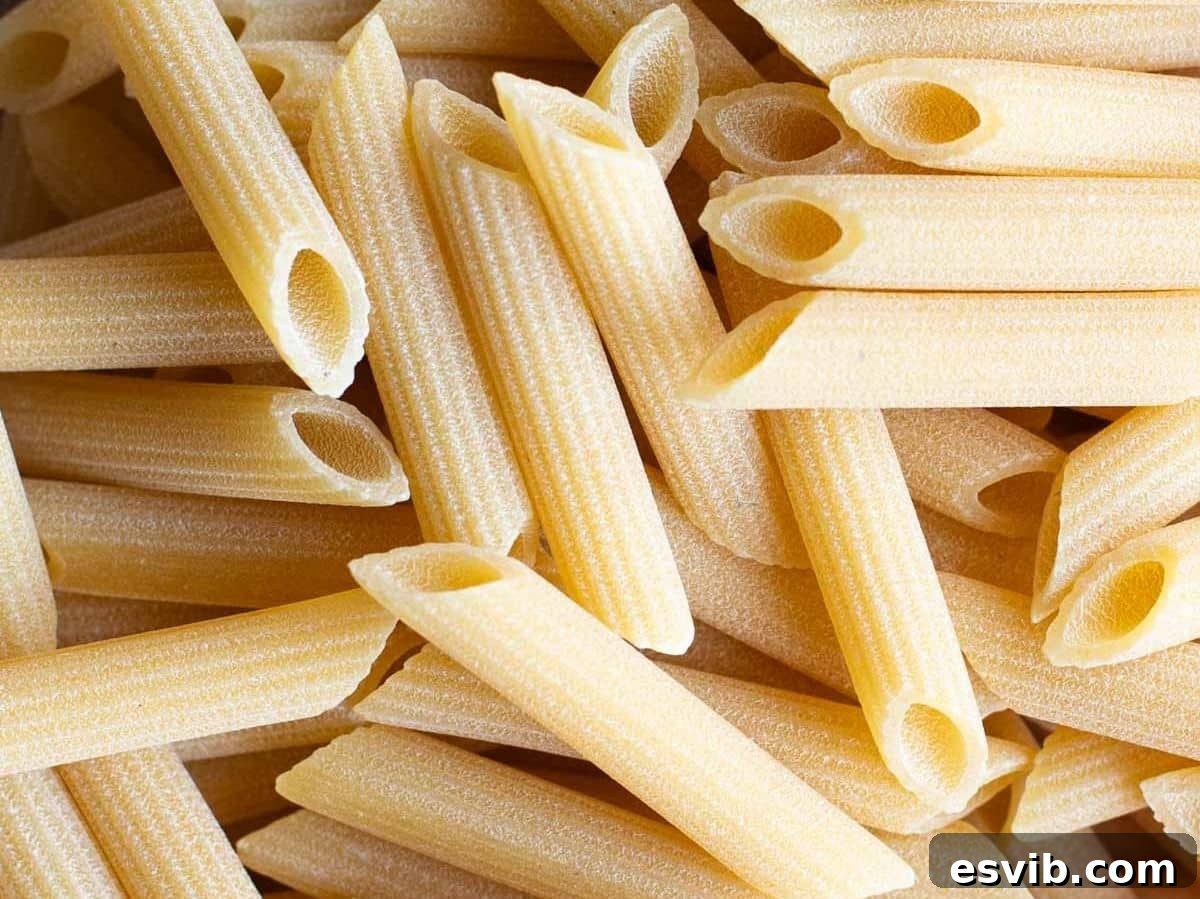
When it comes to dried pasta, the choice of a high-quality brand is absolutely paramount. It truly makes a tangible difference in the final taste and texture of your dish. A few key considerations, often overlooked, can elevate a simple pasta meal from mediocre to magnificent. Understanding these tips before you buy can make or break even the most straightforward pasta preparation.
- Ingredients: Simplicity is Key. The ingredient list for authentic, high-quality dried pasta should be incredibly simple: Durum Wheat Semolina (Semola di Grano Duro) and water (Acqua), which is sometimes explicitly listed. Avoid pastas that include additional ingredients or artificial colorings. The purity of these two components is crucial for proper cooking and flavor absorption.
- Origin of the Wheat: A Mark of Authenticity. While not always prominently displayed, looking for the origin of the wheat is a significant indicator of quality. Ideally, you want pasta made from 100% Italian wheat. Brands like La Molisana are excellent examples; they consistently use Italian wheat, ensuring a product with a distinct taste and texture that speaks to its heritage. Sourcing locally minimizes transportation and supports traditional agricultural practices.
- Color and Texture: The Bronze Die Difference. Observe the pasta’s color and texture carefully. High-quality dried pasta should possess a rough, opaque, and somewhat dusty texture, rather than appearing bright yellow and overly smooth. This rough surface is a direct result of being extruded through bronze dies (often labeled “bronze cut” or trafilata al bronzo). Bronze dies create microscopic imperfections on the pasta’s surface, which are essential for allowing sauces to cling beautifully, enhancing every bite. Conversely, pasta that is bright yellow and very smooth has often been dried at high temperatures and at an accelerated pace. This rapid drying process not only strips away many of the natural nutrients but also results in brittle pasta that, when cooked, tends to be chewy, gummy, and notably less flavorful, failing to properly absorb the sauce.
Essential Pasta Shapes I Love to Have Stocked: Having a variety of shapes ensures versatility for different sauces and culinary moods.
- Rigatoni: Its wide, ridged tubes are perfect for capturing chunky meat sauces or robust vegetable ragùs.
- Spaghetti: The classic long pasta, ideal for simple tomato sauces, carbonara, or aglio e olio.
- Linguine: With its flat, narrow shape, linguine is my personal favorite for seafood dishes, as it beautifully coats delicate fish and shellfish sauces.
- Penne: A versatile short, tubular pasta, great for baked dishes (pasta al forno) or creamy sauces.
- Orzo and Ditalini: These small, soup-friendly shapes (or other small pastina varieties) are indispensable for enriching broths and hearty minestrones.
My husband, Nathan, has a particular fondness for Paccheri, a large, wide tubular pasta that truly shines with rich, hearty ragù sauces. I, on the other hand, adore Pappardelle, with its broad, flat ribbons, especially when paired with slow-cooked game or mushroom sauces; I always grab it when I see a good quality one. Beyond dried options, I also frequently enjoy making fresh pasta with my homemade pasta dough, which offers an unparalleled freshness and texture.
Cheese: The Irresistible Italian Staple
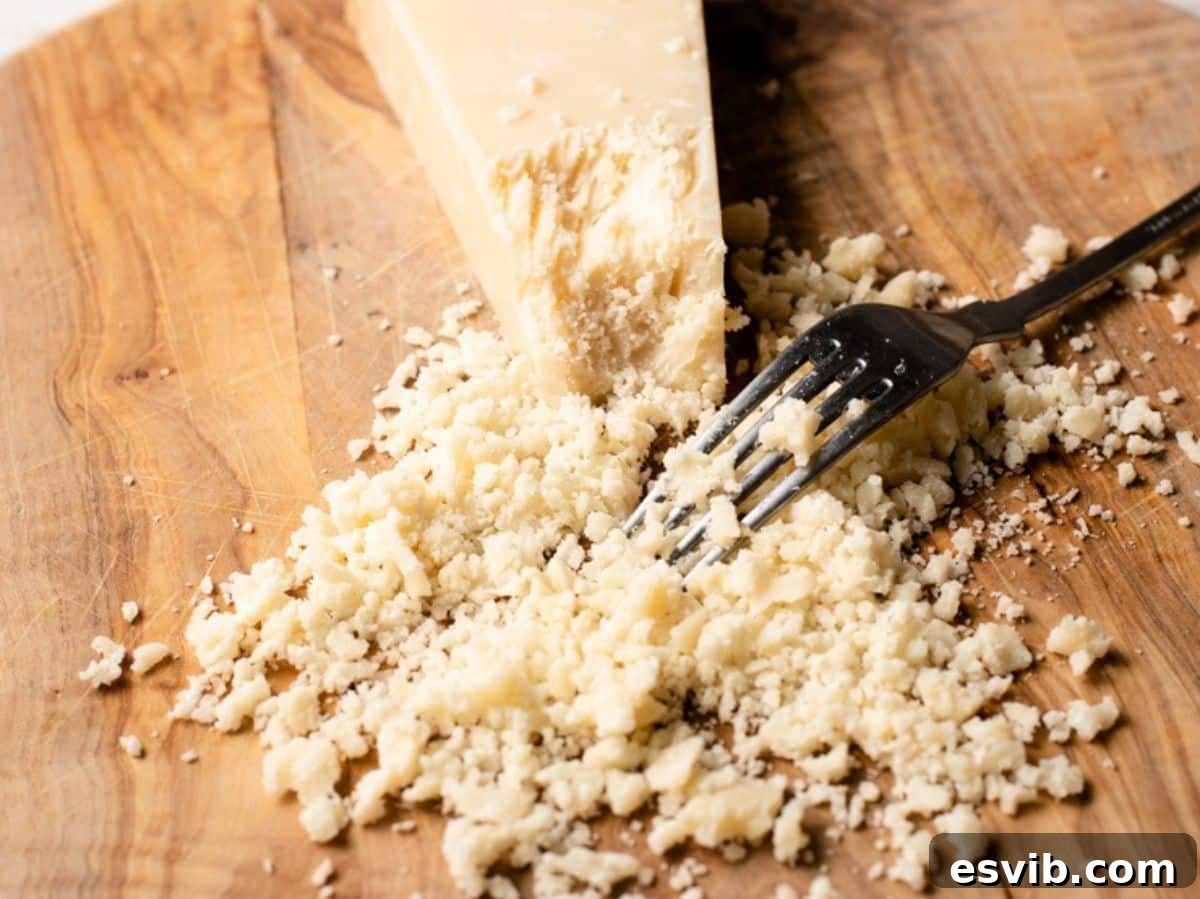
Parmigiano Reggiano is truly an indispensable ingredient in my kitchen, a cornerstone I always keep meticulously stocked in my fridge. Its role extends far beyond merely topping pasta dishes; it imparts the most incredible cheesy, salty, umami-rich flavor that can profoundly transform any meal, or even stand as the star of a dish all on its own.
I recall a memorable visit to Lake Como where we were served simple ribbons of Mafalde pasta, tossed with nothing more than coarsely grated Parmigiano Reggiano and a generous knob of butter. When I tell you it was pure comfort food heaven, I am not exaggerating. This humble yet sublime dish has become my go-to when a day hasn’t gone as planned, when time is short, or when I’m simply too exhausted to cook anything elaborate. It’s a testament to the power of quality ingredients and minimal preparation.
Beyond pasta, I frequently shave delicate curls of Parmigiano Reggiano into salads, particularly those featuring peppery arugula (rocket). Drizzled with a good quality olive oil, a squeeze of fresh lemon juice, and a generous crack of freshly ground black pepper, it creates a simple yet exquisitely delicious side dish or a robust base for a more complex salad.
To ensure you’re getting the authentic product, always make sure to buy Parmigiano Reggiano DOP (Denominazione d’Origine Protetta). You’ll recognize the genuine article by the distinctive stamp embossed repeatedly on the rind of the cheese. This certification guarantees its origin, quality, and traditional production methods.
It is crucial to always purchase Parmigiano Reggiano in a whole wedge or chunk, rather than pre-grated or pre-shaved forms. Freshly grating your own cheese will always deliver a flavor that is at least ten times superior to any pre-packaged option. The aromas, texture, and intensity are incomparable.
The longer Parmigiano Reggiano has been aged, the more profound and complex its flavor profile becomes. You can typically find Parmigiano Reggiano aged anywhere from 12 to 40 months. While the cheese we usually purchase is aged for 24 months, I encourage you to experiment and discover which aging period best suits your personal preference.
Chef’s Tip: Never discard your Parmigiano Reggiano rinds! These flavor powerhouses can be tossed into soups, stews, and sauces (especially tomato-based ones) to infuse them with an incredible depth of umami. Before adding, remember to lightly scrape the surface of the rind. Any rinds you don’t use immediately can be frozen, ready to impart their magic whenever your next culinary creation calls for it.
Recipes to Try with Parmigiano Reggiano
Explore the versatility of Parmigiano Reggiano with these delightful recipes:
- Parmigiano and Butter Pasta: A deceptively simple yet profoundly comforting dish that highlights the cheese’s pure flavor.
- Arugula (Rocket) and Parmigiano Salad: A fresh, peppery salad elevated by the sharp, salty notes of Parmigiano.
Flour, Rice and Potatoes: Versatile Staples
Italian 00 Flour
Italian Tipo “00” flour, often referred to simply as “double zero” flour, is Italy’s equivalent of all-purpose flour, though with distinct characteristics that make it exceptional for specific uses. It is incredibly finely milled and possesses a lower protein content compared to many bread flours, resulting in a soft, silky texture. This makes it the ubiquitous go-to flour for a vast array of Italian baking, including classic Neapolitan pizza, light and airy focaccia, delicate fresh pasta, and a variety of cakes and pastries. It is a flour I consistently keep in ample supply in my pantry due to its frequent use.
While you *could* substitute standard all-purpose flour in a pinch, it genuinely will not yield the same superior results. The texture, elasticity, and overall rise of your baked goods will be noticeably different. In Italy, Tipo “0” (single zero) flour is traditionally favored for certain pizzas, but it is notoriously difficult to find outside of Italy. For most Italian-inspired baking, focaccias, and pizzas made at home, Tipo “00” flour remains the gold standard, delivering authenticity and exceptional quality.
Semola Rimacinata
Another essential flour that holds a permanent spot in my pantry is Semola Rimacinata. This is a super finely ground durum wheat semolina, presenting a texture that is slightly grainier than Tipo 00 flour but still remarkably fine. Its unique properties make it invaluable for specific Italian culinary applications. Most notably, it’s the traditional flour for making egg-free pasta, where just semola and water combine to create a pasta with exceptional structure and a delightful bite.
Beyond pasta, Semola Rimacinata is a game-changer for homemade pizza making, which is a beloved weekly ritual in our household. If you’re not a frequent pizza maker, you might not need to stock it consistently, but for enthusiasts, it’s a revelation. Use it generously to dust your pizza trays or pizza peel; its fine, slightly coarser texture acts as a perfect lubricant, making the process of sliding pizzas in and out of the hot oven incredibly smooth and effortless, preventing sticking.
If the thought of making homemade pasta feels daunting, embarking with Semola Rimacinata is the ideal starting point. You can use it either on its own with water, or blend it with Italian 00 flour. It imparts remarkable structure and elasticity to the pasta dough, making it unbelievably easy and forgiving to work with, even for beginners. It’s particularly fantastic for crafting traditional southern Italian pasta shapes like cavatelli, gnocchetti sardi, and many others, offering a robust texture that holds up beautifully to rich sauces.
Rice: The Heart of Risotto
Risotto rice is an incredibly versatile and convenient ingredient to keep stocked in your pantry. The classic Italian varieties—Arborio, Carnaroli, or Vialone Nano—are specifically cultivated for their high starch content and ability to absorb liquids slowly, resulting in the creamy, al dente texture characteristic of a perfect risotto. Carnaroli is often considered the “king of risotto rice” for its superior ability to maintain its shape and absorb flavor without becoming mushy.
Risotto itself is a remarkably adaptable, filling, and deeply satisfying meal, offering endless possibilities for flavor combinations. It’s the ideal dish to whip up when your fresh ingredient supply might be dwindling, but you still want something hearty and delicious. With a good risotto rice, some stock, and a few pantry staples, you can conjure up a gourmet meal.
For inspiration and expert tips on mastering this beloved Italian dish, explore our dedicated risotto recipe category!
Potatoes and/or Polenta: Earthy Versatility
If you have a fondness for polenta and incorporate it regularly into your meals, it’s a truly useful pantry item to keep stocked. You can opt for quick-cook polenta for a faster preparation or choose traditional polenta, which requires about 40 minutes of simmering. When mixed with milk or broth, generous amounts of butter, and grated cheese, polenta transforms into an incredibly comforting and versatile side dish, perfect for soaking up rich sauces or accompanying braised meats.
I mention “and/or potatoes” because, in our household, potatoes are utilized far more frequently as a side dish than polenta, showcasing their immense versatility in Italian cooking. They are indispensable for crafting ethereal, pillowy homemade gnocchi, which are a delightful alternative to pasta. Potatoes are also fundamental for classic Italian roast potatoes, lending a tender interior and crispy exterior. Surprisingly, they can even be incorporated into certain pasta sauces, adding a unique creaminess and texture—yes, it’s a delightful regional tradition!
Furthermore, potatoes are the star of numerous incredible side dishes and salads, such as the hearty Patate alla Lucana and the refreshing Insalata Pantesca. Their humble nature belies their profound importance in Italian culinary traditions, providing body, texture, and flavor to a wide array of dishes.
Wine (Vino): Enhancing Flavors in Cooking
Wine, both red and white, plays a significant and often underestimated role in Italian cooking and is a frequent ingredient in many of our recipes. It’s not just for drinking with a meal; it’s a fundamental flavor builder. Wine is skillfully employed to deglaze pans, capturing all the delicious browned bits (fond) from sautéing meats or vegetables, thereby adding immense depth to sauces. It enriches the flavor profiles of meat dishes, contributes to the distinctive creaminess of risotto, and forms a crucial component of many traditional pasta sauces, among countless other applications.
A crucial principle in my kitchen is that we never use expensive wine for cooking, unless it’s for a truly special occasion dish like Brasato al Barolo, which happens very rarely. More importantly, the wine we use for everyday cooking is always wine that we would genuinely enjoy drinking. I have personally never used “cooking wine” before and strongly advise against it. These products often contain added salt, sugar, or preservatives and lack the nuanced flavors that make proper wine such a valuable culinary tool, inevitably leading to an inferior tasting dish.
Here’s a List of Some of Our Go-To Italian Wines for Cooking and Enjoying:
These varieties offer a good balance of flavor, acidity, and affordability, making them perfect for both your glass and your pan.
White Wines
- Pecorino: A crisp, aromatic white with good minerality, excellent for seafood risottos or light sauces.
- Pinot Grigio: Widely accessible and famously dry, it’s a versatile choice for deglazing or adding to delicate white sauces.
- Vermentino: Often citrusy and herbaceous, it pairs well with fish and Mediterranean vegetable dishes.
- Falanghina: A Southern Italian gem, offering floral notes and good acidity, wonderful for chicken or clam pasta.
- Grillo: From Sicily, it’s full-bodied with notes of citrus and herbs, great for richer white wine applications.
Red Wines
- Barbera d’Asti: A delightful, fruit-forward wine with soft tannins and vibrant acidity, ideal for ragùs and robust meat dishes.
- Nero d’Avola: Sicily’s flagship red, offering dark fruit flavors and a hint of spice, perfect for slow-cooked beef or game.
- Nero di Troia: A lesser-known but rewarding Puglian grape, providing structure and complexity to hearty stews.
- Barbera d’Alba: Similar to d’Asti but often a bit more intense, excellent for tomato-based meat sauces.
- Sangiovese: The backbone of Chianti, known for its savory, earthy notes and high acidity, indispensable for many Tuscan dishes.
- Chianti: A classic for good reason, its dry, tannic profile is superb for braised meats and rich tomato sauces.
- Morellino di Scansano: A Sangiovese-based wine from Tuscany, often softer and more approachable, suitable for everyday cooking.
Vinegars: A Touch of Acidity and Sweetness
In my pantry, I maintain a steady stock of both red and white wine vinegars, alongside balsamic vinegar. These offer a vital source of acidity, essential for balancing flavors and adding brightness to many dishes. My primary use for wine vinegars is in crafting light and tangy salad dressings, often combined with olive oil and a pinch of salt and pepper. I must admit, I don’t use them extensively for cooking, which means a bottle lasts a considerable amount of time, making them an economical long-term investment.
When it comes to purchasing good quality balsamic vinegar, there are several key indicators that distinguish an authentic, superior product from mass-produced, often watery alternatives. A truly good balsamic vinegar should:
- Be in a Small Bottle: Quality balsamic vinegar, especially “Aceto Balsamico Tradizionale di Modena DOP,” is typically sold in distinctively small bottles, often resembling perfume bottles. This signifies its preciousness and concentrated nature, as it undergoes a lengthy aging process.
- Bear the Name “Aceto Balsamico di Modena”: Look for “Aceto Balsamico di Modena IGP” (Protected Geographical Indication) or, for the highest quality, “Aceto Balsamico Tradizionale di Modena DOP” (Protected Designation of Origin). These certifications guarantee adherence to traditional production methods and strict quality standards.
- Have a Thick, Viscous Texture: A hallmark of excellent balsamic vinegar is its rich, syrupy, and naturally thick consistency. It should coat the back of a spoon rather than run off like water. This viscosity is developed through extended aging in wooden barrels, concentrating its flavors and sugars. Avoid thin, watery balsamic vinegars, as these often indicate lower quality and a less authentic product, sometimes even artificially thickened.
These vinegars, particularly a good quality balsamic, can elevate simple preparations, adding a complex sweet-sour note that is uniquely Italian.
Gli Odori (Soffritto): The Aromatic Base
In Italian culinary tradition, carrot, celery, and onion are known collectively as ‘il soffritto’ or ‘gli odori’ (the aromas). This humble trio forms the aromatic foundation for an immense number of Italian dishes. When finely chopped and slowly sautéed in olive oil for 10-15 minutes until they become tender and translucent, but crucially, not browned, they release their sweet, savory essence. This patient cooking process unlocks an incredible depth of flavor that becomes the soulful backbone of your culinary creations.
Whether you’re preparing rich pasta sauces, hearty ragùs, comforting stews, or nourishing soups, the soffritto is your starting point—this is precisely how authentic flavor is built. The gentle caramelization and softening of these vegetables provide a complex sweetness and umami that permeates the entire dish, creating layers of taste that are both subtle and profound.
In Italy, particularly in local supermarkets and food markets, you’ll often find ‘Gli Odori’ conveniently bundled together. These bundles typically include carrots, celery, and either red or brown onions, often accompanied by fresh parsley. Occasionally, you might also find fresh garlic, a sprig of rosemary, or a bay leaf included, further enhancing the aromatic potential. This pre-packaged convenience highlights their universal importance in the Italian kitchen, making it easy for home cooks to start their dishes with this essential flavor base.
Garlic: The Pervasive Aromatic
Garlic is a ubiquitous aromatic in Italian cuisine, but its application often surprises those unfamiliar with traditional methods. Contrary to popular belief, garlic is frequently used sparingly in dishes, with 1 or 2 cloves being the norm. More often than not, it is kept whole, lightly crushed, or thinly sliced, then gently sautéed in olive oil to infuse the oil with its delicate flavor. Once its essence has been extracted, the garlic is often removed before serving, ensuring its flavor is present without being overpowering.
Of course, there are notable exceptions where garlic takes center stage and is used in more generous quantities, such as in the robust Piedmontese sauce Bagna Càuda, which is inherently garlic-rich.
A firm stance in authentic Italian cooking, and certainly in my kitchen, is the complete avoidance of garlic powder. I have never once encountered garlic powder being used in Italy, and we never use it in our cooking. The same principle applies to onion powder. To me, these powdered forms possess a rather artificial, often cloying, and intensely overpowering flavor that bears little resemblance to the fresh ingredient. The nuanced sweetness and pungent aroma of fresh garlic and onion are irreplaceable, offering a depth and freshness that processed powders simply cannot replicate. Opting for fresh aromatics is key to achieving genuine Italian flavors.
Herbs and Spices: Freshness and Fragrance
In Italian cooking, there is a distinct preference for fresh herbs over dried, though a select few dried varieties are absolutely indispensable. Our approach prioritizes the vibrant flavors and aromas that fresh herbs bring to a dish. Here’s a breakdown of the essential herbs and spices we consistently keep stocked, balancing the convenience of dried with the irreplaceable character of fresh.
Dried Herbs and Spices
While fresh is often best, these dried essentials offer concentrated flavor and convenience for various dishes:
Dried Oregano
When selecting dried oregano, look for Italian oregano that has been dried in bunches, often originating from Sicily. This specific type boasts an incredibly intense and aromatic flavor profile, and its beautiful scent is unmistakable. I use oregano extensively in a variety of tomato sauces, where its robust character truly shines, and also to season meats such as chicken or pork, imparting that quintessential Mediterranean taste.
Chilli Flakes (Peperoncino)
Chilli flakes, or peperoncino, are a fantastic ingredient to keep readily available in your pantry. They feature prominently in a multitude of Italian dishes, particularly those from the southern regions. If you desire to introduce a gentle warmth or a fiery kick to a dish, a simple sprinkle of these flakes can instantly elevate its complexity and character.
Fennel Seeds
I have an absolute adoration for fennel seeds and consider them an indispensable part of my spice collection. Their distinctive anise-like flavor is often found in traditional Italian sausages or salami, such as the delectable Finocchiona (which happens to be my favorite salami!). Beyond cured meats, fennel seeds are wonderfully delicious when incorporated into pasta sauces, where they add a subtle sweetness and aromatic depth, or as a seasoning for roast meats, creating a fragrant crust.
And that completes my list of essential dried herbs and spices. It’s crucial to reiterate: dried onion or garlic powder are never used in my Italian-inspired cooking.
Fresh Herbs and Spices
The vibrancy of fresh herbs is truly unparalleled and contributes significantly to the bright, clean flavors of Italian cuisine.
Fresh Chili
While not a daily fixture in my kitchen/pantry, fresh chili is a frequent and important component in Italian cuisine, particularly for adding immediate heat and a fresh, pungent note. If I purchase fresh chili for a specific dish, such as the fiery Pasta all’Arrabbiata, I make it a practice to freeze any leftover chillies that I don’t use right away. This ensures I always have a supply for future culinary endeavors.
Fresh Herbs
Basil, parsley, sage, and bay leaf (which can also be used in its dried form) are the fresh herbs I prioritize. Basil stands out as the main fresh herb I consistently keep stocked. Its incredible versatility makes it invaluable: from garnishing pizzas and salads to being the star of homemade basil pesto—a glorious go-to over pasta when time is of the essence. Fresh parsley brightens savory dishes, sage is wonderful with butter sauces or roast pork, and bay leaves add a subtle, earthy aroma to long-simmered stews and soups.
Other Store Cupboard Ingredients: Essential Flavor Boosters
Beyond the core essentials, a well-stocked Italian pantry benefits immensely from these additional store cupboard items, each bringing its own unique flavor and utility to your cooking:
- Brodo (Stock): Chicken, vegetable, and beef stock are all indispensable for various dishes. I meticulously keep all three stocked and consistently opt for low-sodium versions. This allows me to control the seasoning precisely, as you can always add salt to taste, but you can never remove it, and I find many regular stock pots to be excessively salted. Stock forms the base of countless soups, risottos, and sauces.
- Anchovies: Don’t let their strong aroma deter you; anchovies are a secret weapon for adding an incredible depth of umami without imparting a “fishy” taste when cooked properly. Melt 2-3 anchovies in hot olive oil with some garlic to create an instant flavor bomb for pasta sauces. They’re also fantastic on pizza, focaccia, or even spread on bread with butter – if you haven’t tried this, you absolutely must!
- Capers: These tiny, briny flower buds pack a powerful punch of salty, tangy flavor. I love adding capers to sauces (especially puttanesca), pizzas, and fresh salads for a bright, piquant note. I typically use capers in brine as they are widely available and can be used straight from the jar, offering convenience and consistent flavor.
- Olives: A true staple of the Mediterranean diet, olives are incredibly versatile. Whether added to pasta dishes, sprinkled over pizza, incorporated into main courses like Carne alla Pizzaiola, or simply tossed into salads, their briny, sometimes fruity or buttery flavors are always welcome. Keep a jar of good quality, pitted olives (like Castelvetrano or Kalamata) on hand.
- Beans and Pulses: My go-to selection includes jars of cannellini beans, chickpeas, and lentils. These are incredibly quick and easy to add to a wide range of dishes: enriching soups, thickening stews, providing texture to sauces, or bulking up salads for a nutritious and hearty meal. They are a fantastic source of plant-based protein and fiber.
- Sundried Tomatoes: Jarred in oil, sun-dried tomatoes are a remarkably handy ingredient to have stocked. Their intensely concentrated, sweet-tart tomato flavor is phenomenal. Use them to make an incredible sun-dried tomato pesto to toss through pasta, spread on crostini, or chop them up and add them to pasta sauces or vibrant salads for a burst of Mediterranean sunshine.
- Dried Porcini Mushrooms: These mushrooms are an absolute must-have for imparting an incredible, earthy, and deep umami flavor to ragùs, soups, and rich sauces. A small handful, rehydrated and chopped, can elevate a dish to a new level of complexity, mimicking the flavor profile of freshly foraged mushrooms.
- Breadcrumbs (Pangrattato): Authentic Italian breadcrumbs are typically fine, unseasoned, and often made from stale bread. They are used for breading meats, vegetables, arancini, and much more. They’re also famously used as pangrattato, a “poor man’s Parmesan,” toasted in olive oil and sprinkled over pasta for texture and flavor. Having these stocked in your pantry is incredibly handy for a myriad of culinary applications.
- Yeast: For any home baker or pizza enthusiast, instant yeast is a crucial pantry item. We love having it stored so we can spontaneously make fresh breads, soft focaccia, and our weekly homemade pizzas. We’re also currently experimenting with sourdough starters, often having one actively going, but instant yeast provides reliability and speed.
- Coffee: An absolute necessity in our house and, I guarantee, in almost every Italian household across Italy. Coffee is not just a drink; it’s a ritual. We rely on Lavazza 100% Arabica Espresso coffee for our coffee machine, using it to craft creamy cappuccinos in the morning and invigorating espressos in the afternoon. Beyond the daily ritual, good quality coffee is also an essential ingredient for making delicious desserts, most notably the iconic and beloved Tiramisu!