
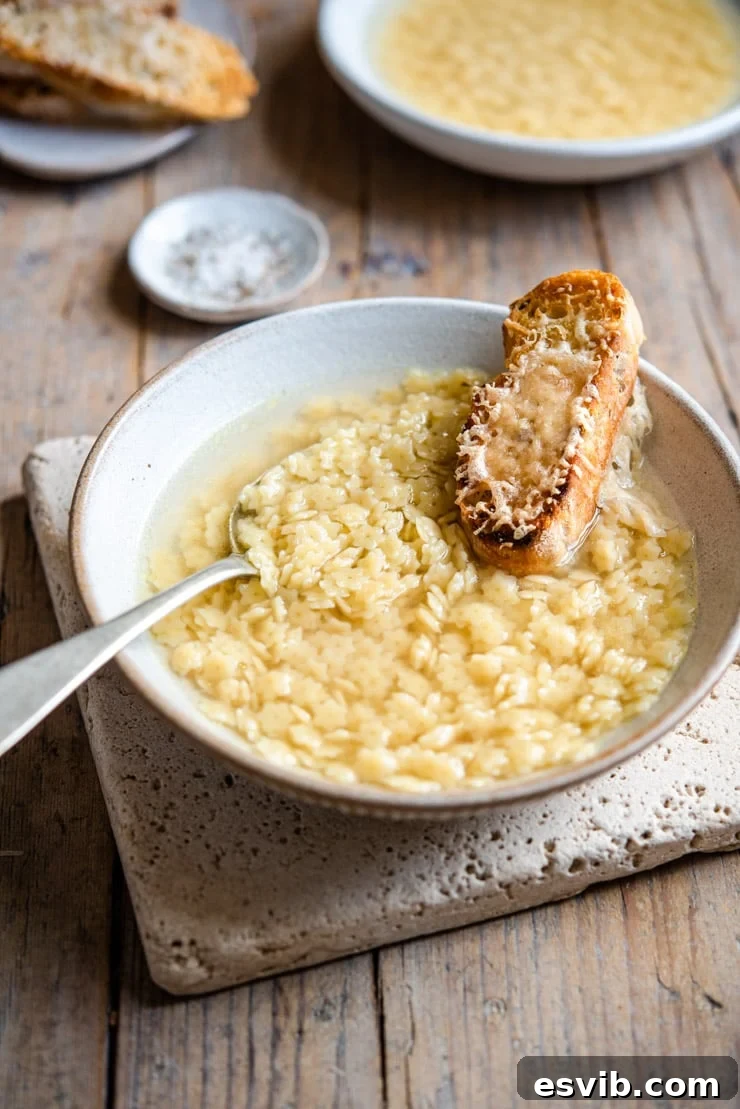
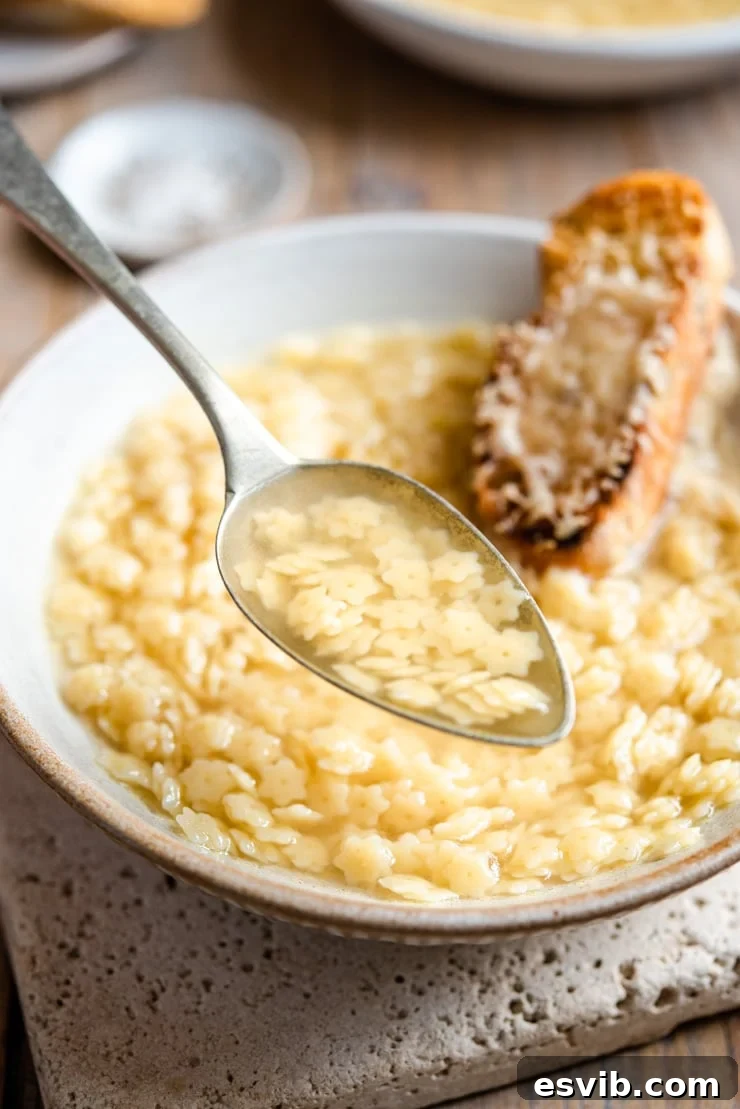
Experience the ultimate comfort with our heartwarming Italian Pastina Soup recipe. Crafted with rich, homemade chicken broth and delightful tiny pasta stars, this easy-to-follow recipe is your perfect companion against the winter chill. Wholesome ingredients come together to create a nourishing bowl of goodness, traditionally served with a golden, cheesy Parmesan crouton.
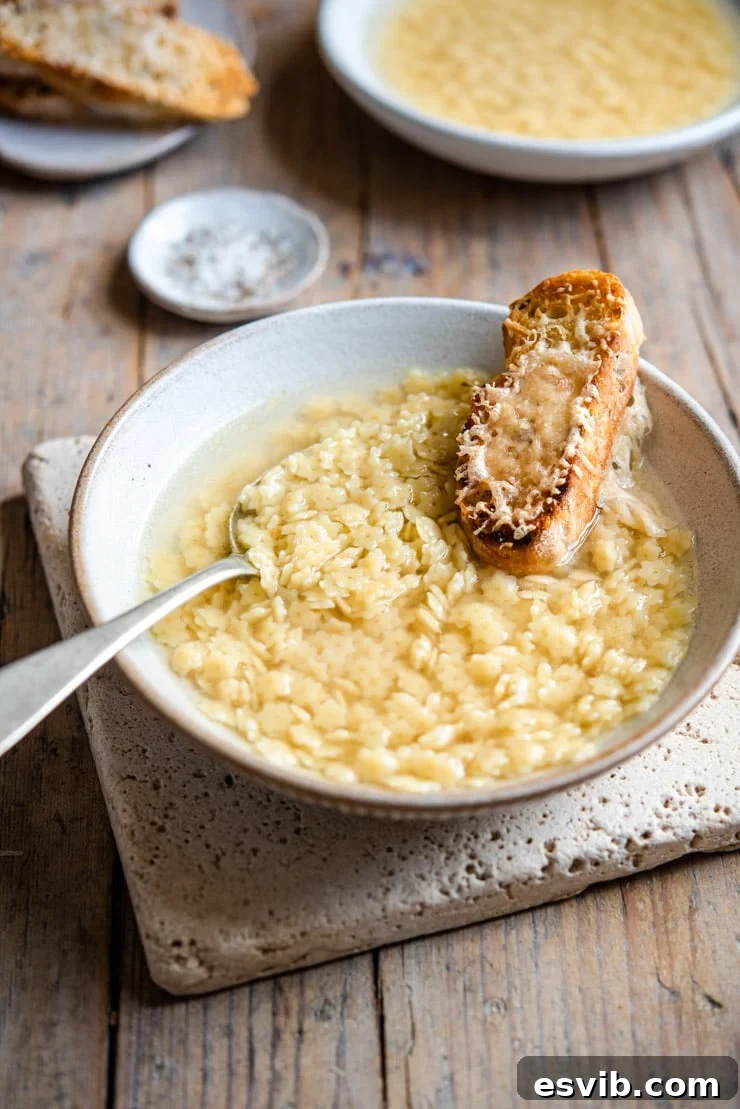
The Ultimate Comfort: Heartwarming Italian Pastina Soup
When the colder months arrive, bringing with them short days and frosty nights, there’s an instinctive craving for meals that warm the body and soul. For many, that means a classic bowl of chicken noodle soup. However, in Italy, a different, equally beloved tradition takes center stage: Pastina Soup. This exquisite dish is more than just a simple meal; it’s a time-honored remedy, a gentle comfort food, and a staple of Italian home cooking, cherished by all ages. Our comprehensive guide will walk you through creating an easy, wholesome, and profoundly comforting Pastina Soup, ensuring every spoonful brings a sense of well-being.
Pastina Soup is often the first meal offered to someone feeling under the weather or simply needing a little extra care. Its simplicity belies a depth of flavor and nourishment that can truly uplift spirits and aid recovery. Made with minimal ingredients, its magic lies in the quality of each component, especially the broth. This recipe emphasizes the benefits of preparing your own chicken broth, transforming a humble soup into a culinary masterpiece that caters to both your health and your palate.
What Exactly is Pastina? The Tiny Stars of Italian Comfort
The term “Pastina” translates directly to “little pasta” in Italian, accurately describing a variety of miniature pasta shapes designed specifically for soups. While the star-shaped Stelline is the most famous choice for Pastina Soup, other delightful forms are also popular. These include Anellini (tiny rings), Alfabeto (alphabet letters), Grattini (small grains), and even Fregola (a Sardinian pasta similar to Israeli couscous). What makes pastina so special for soup is its delicate size and texture. It cooks incredibly quickly, absorbing the rich flavors of the broth to become soft and tender, yet still holding its shape beautifully. This makes it an ideal ingredient for a soothing meal, perfect for children, adults, and anyone needing an easily digestible, comforting dish.
The charm of pastina extends beyond its practicality. For generations, these tiny pasta shapes have symbolized care and comfort within Italian families. Serving a bowl of Pastina Soup is an act of love, offering warmth and simple goodness. It’s a reminder of home, tradition, and the nourishing power of uncomplicated ingredients.
The Heart of the Soup: Unlocking Flavor with Homemade Chicken Broth
The true essence and unrivaled flavor of an authentic Pastina Soup undeniably come from its foundation: a rich, homemade chicken broth. While convenience often leads us to store-bought options, taking the time to prepare your own broth elevates this humble soup into a deeply satisfying and remarkably nutritious meal. Homemade broth is a powerhouse of essential vitamins, minerals, and collagen, offering significant immune-boosting properties and aiding digestion. It’s a genuine elixir for overall well-being and a secret weapon against common colds and fatigue.
Beyond its health benefits, homemade chicken broth delivers a depth of flavor that simply cannot be matched by commercial products. The slow simmering of chicken bones and a medley of aromatic vegetables coaxes out complex flavors, creating a savory richness that infuses every spoonful of the soup. Furthermore, making your own broth is an economical and sustainable practice, allowing you to utilize leftover chicken carcasses and vegetable scraps that might otherwise go to waste. We wholeheartedly recommend making a generous batch; it can be easily stored in the freezer, providing you with a readily available, nourishing base for countless delicious meals whenever you desire comfort and flavor.
How to Make Homemade Chicken Broth for a Nourishing Soup – Step by Step
Crafting your own chicken broth is a surprisingly simple and incredibly rewarding process. Follow these steps for a rich and flavorful base:
- Prepare the Carcass: Start by carefully removing as much cooked chicken meat and skin as possible from a leftover chicken carcass. Reserve the meat for another dish or shred a small amount to add to your finished Pastina Soup later.
- Assemble Aromatics: Place the cleaned chicken carcass and any additional chicken bones into a large, deep stockpot. Add your chosen aromatic vegetables and herbs. Classic additions include one whole or halved carrot, one celery stalk cut into 2-3 pieces, one onion cut in half (no need to peel any vegetables, as they will be strained out), two cloves of garlic (also unpeeled), one bay leaf, and 1-2 sprigs of fresh rosemary or thyme.
- Begin the Simmer: Fill the pot with cold water, ensuring the chicken and vegetables are fully submerged. Cover the pot with a lid and bring the contents to a rolling boil over high heat.
- Skim Impurities: Once the water reaches a boil, remove the lid and reduce the heat to a gentle simmer. As the broth heats, you may observe foam or “scum” rising to the surface. Use a spoon or a fine-mesh skimmer to carefully remove this, as it helps to keep your finished broth clear and pure-tasting.
- Slow Simmer for Deep Flavor: Continue to simmer the stock, uncovered, for a minimum of 2-3 hours. For a significantly more concentrated flavor and a richer nutrient profile, you can extend the simmering time to 4-6 hours, or even longer. Be aware that a longer simmer will result in more liquid reduction, yielding a more potent but smaller volume of broth.
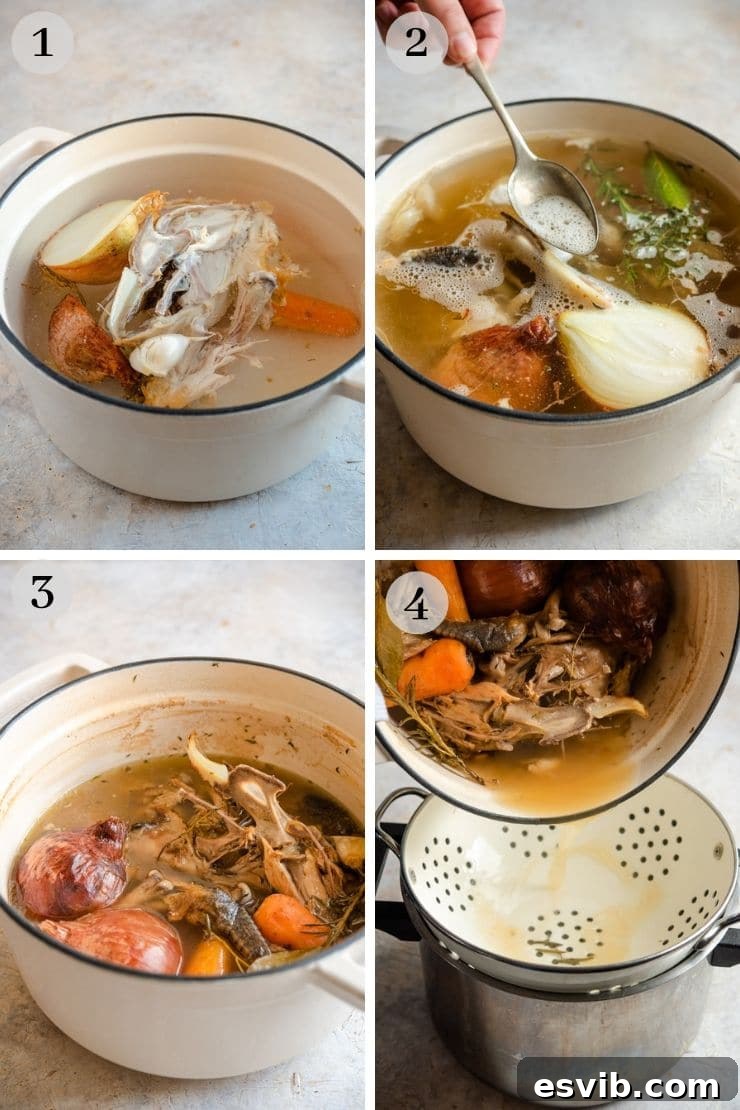
- Strain and Store: After simmering, remove the pot from the heat. Place a fine-mesh sieve or colander over a large, clean bowl or another pot. Carefully pour the entire contents of the stockpot through the sieve, allowing the flavorful liquid to collect. Discard the spent bones, vegetables, and herbs. You now have a batch of exquisite homemade chicken broth, perfectly ready for your Pastina Soup!
Making Perfect Pastina Soup – Step by Step
Once your homemade broth is prepared, assembling the Pastina Soup is a remarkably swift and straightforward process. This method ensures your pastina is cooked to perfection, maintaining its delicate texture within the comforting broth.
- Heat the Broth: Pour the desired amount of your prepared chicken broth into a saucepan. Bring it to a gentle, steady boil over medium-high heat.
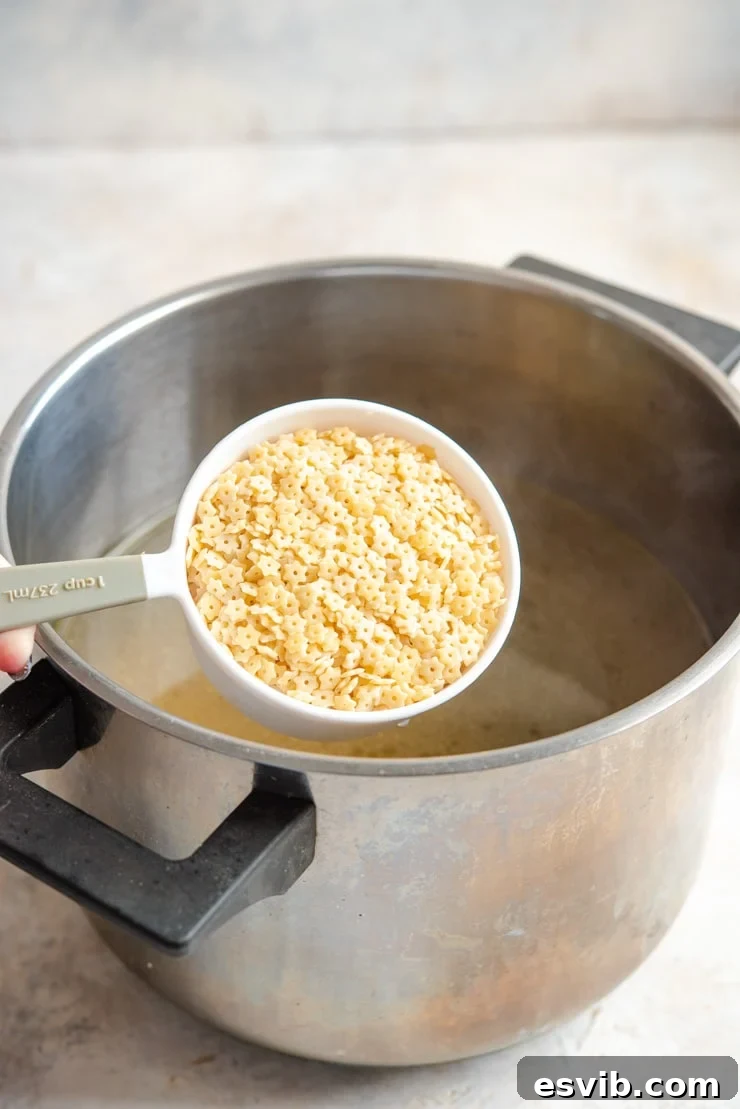
- Add the Pastina: Once the broth is actively simmering, carefully add the pastina pasta to the pot. Stir gently but continuously for the first minute or two to prevent the tiny pasta pieces from sticking together or to the bottom of the pan.
- Cook to Al Dente: Boil the pastina for approximately 3-4 minutes, or until it reaches an al dente texture. Due to their small size, pastina shapes cook much faster than larger pasta, so it’s crucial to watch them closely to avoid overcooking. Taste a piece to confirm it has your desired tenderness.
- Serve Immediately: Ladle the hot Pastina Soup into individual serving bowls as soon as it’s ready. Serve promptly to enjoy the best possible texture and freshest flavor.
Enhancing Your Pastina Soup: Cheesy Parmesan Croutons and Beyond
While the inherent deliciousness of Pastina Soup stands strong on its own, a thoughtful garnish can undeniably elevate the entire dining experience. Our preferred accompaniment is a crisp, savory Cheesy Parmesan Crouton, offering a delightful textural contrast. However, a simple, hearty piece of crusty bread remains an equally wonderful choice.
How to Make a Cheesy Parmesan Crouton:
- Prepare the Bread: Begin with thick slices of sturdy, crusty bread, such as a baguette or a good quality Italian country loaf. Drizzle both sides generously with your finest extra virgin olive oil.
- Toast for Crunch: Heat a griddle pan over medium-high heat until hot. Place the bread slices on the pan and toast them on each side until they turn golden brown and develop a slight char, creating a satisfying crunch. Alternatively, this can be achieved efficiently under a broiler, but remain vigilant to prevent burning.
- Add the Cheese: Once toasted, remove the bread from the heat (or keep it under the broiler for convenience). Sprinkle a generous tablespoon of freshly grated Parmesan cheese over each slice.
- Melt to Perfection: Return the cheesy bread briefly under the broiler until the Parmesan melts into a bubbly, lightly golden crust. Serve these warm, irresistible croutons immediately alongside your steaming bowl of Pastina Soup. The salty, umami crunch of the crouton beautifully complements the delicate, comforting soup.
Other Delightful Serving Suggestions:
- Fresh Herb Finish: A light sprinkle of freshly chopped parsley, chives, or a few torn basil leaves can introduce a vibrant pop of color and a burst of herbaceous freshness.
- Aromatic Olive Oil Drizzle: A final drizzle of high-quality extra virgin olive oil over your finished soup not only enhances its aroma but also adds a luxurious, silky mouthfeel.
- Extra Parmesan on the Side: Provide a small bowl of grated Parmesan at the table, allowing each diner to customize their soup with an additional layer of savory, nutty flavor.
- Brightening Lemon Wedge: For a subtle zesty lift, especially if you’re seeking a revitalizing kick, a squeeze of fresh lemon juice just before serving can brighten all the flavors.
- Shredded Chicken Boost: If you saved some cooked chicken meat from making your homemade broth, shred it finely and add it to the soup during the final minute of cooking for an extra protein punch.
Preparing Pastina Soup in Advance: Key Tips for Optimal Freshness
When it comes to preparing Pastina Soup, one crucial consideration for maintaining its quality is understanding how pasta behaves in broth over time. Unlike some soups that improve with age, pasta-based soups, particularly those with tiny shapes like pastina, do not store well once the pasta has been added. The delicate pastina will continue to absorb liquid, swelling considerably and eventually turning mushy, which unfortunately diminishes the soup’s delightful texture.
- Broth is Your Make-Ahead Hero: The most effective strategy for enjoying Pastina Soup on demand is to prepare a large batch of your homemade chicken broth well in advance and store it separately. This ensures you always have a deeply flavorful and nourishing base ready to go at a moment’s notice.
- Smart Broth Storage: Your freshly made chicken broth can be stored safely in an airtight container in the refrigerator for up to 3-4 days. For extended freshness, freeze the broth in freezer-safe containers or bags for several months. When you’re ready to make soup, simply thaw the desired amount of broth overnight in the refrigerator or gently on the stovetop.
- Cook Pasta Just Before Serving: To guarantee the best possible texture and taste, only cook enough pastina pasta for immediate consumption. Bring your thawed or refrigerated broth to a gentle simmer, then add the dry pastina and cook until it reaches an al dente state just before serving. This simple tip ensures every spoonful of your Pastina Soup is fresh, perfectly textured, and utterly delicious.
Top Tips for Making Your Best Pastina Soup
- Uncompromising Broth Quality: The foundation of exceptional Pastina Soup is undoubtedly its broth. Homemade chicken broth or stock offers unparalleled nutritional value and flavor depth. If using store-bought, always opt for the highest quality available, ideally a liquid stock sold in cartons or pouches, which typically surpasses the flavor and purity of bouillon cubes.
- Leverage Leftover Chicken: Our homemade broth recipe brilliantly utilizes a cooked, leftover chicken carcass, making it an environmentally friendly and cost-effective choice. It’s a wonderful way to extend the life of your roast chicken!
- Embrace Any Tiny Pasta: While star-shaped pastina is traditional and charming, don’t feel limited. Any small pasta shape specifically designed for soups and stews will work beautifully. Experiment with different varieties like orzo, anellini, or alphabets to find your personal favorite.
- Precision Pasta Cooking: Pastina cooks incredibly quickly due to its small size. It’s vital to watch the pot carefully and aim for an al dente texture. Overcooked pastina can become mushy, compromising the soup’s appeal.
- Season Throughout for Perfection: Don’t wait until the end to season. Taste and adjust the seasoning of your broth periodically during simmering and then again just before adding the pastina. A good pinch of salt and a fresh grind of black pepper are transformative. A touch of garlic powder or onion powder can also add an extra layer of savory depth.
- Avoid Overcrowding: Ensure your pot is large enough to comfortably hold the broth and pastina. Adequate space prevents the pasta from clumping together and ensures even cooking, contributing to a superior final texture.
Frequently Asked Questions About Pastina Soup
- Can I add vegetables to Pastina Soup?
- Absolutely! For added nutrition and a subtle textural contrast, you can finely dice vegetables such as carrots, celery, or spinach. Add them to the broth approximately 5-7 minutes before the pastina, allowing them to soften slightly before the pasta cooks.
- Can I make Pastina Soup vegetarian?
- Yes, adapting this recipe for a vegetarian diet is straightforward. Simply substitute the chicken broth with a high-quality vegetable broth. The rest of the cooking method for the pastina remains unchanged, offering a comforting meat-free option.
- What if I don’t have pastina? What are good substitutes?
- If traditional pastina is unavailable, any small pasta shape can serve as an excellent substitute. Popular alternatives include orzo, acini di pepe, alphabet pasta, or even broken vermicelli. Remember to adjust the cooking times according to the specific pasta you choose, as their sizes and densities vary.
- How can I make this soup more substantial or a full meal?
- To transform Pastina Soup into a heartier dish, consider adding shredded cooked chicken (if using chicken broth), small, pre-cooked Italian meatballs, or a can of drained and rinsed white beans (such as cannellini or great northern beans) during the last few minutes of cooking.
More Italian Soup Recipes You Might Enjoy
- Pasta Fagioli Soup – Pasta & Beans
- Tuscan Minestrone Soup
- Roasted Red Pepper Soup – Creamy, Healthy And Delicious
- Tuscan Farro Soup with Beans
- Ribollita – Tuscan Vegetable Soup
- Tuscan Chickpea Soup
If you’ve tried this comforting Pastina Soup recipe or any other delicious dish from our blog, please don’t hesitate to leave a comment below and share your experience. Your feedback is invaluable to us, and we genuinely love hearing from you! You can also FOLLOW US on FACEBOOK, INSTAGRAM, and PINTEREST to discover more wonderful recipes, culinary tips, and what we’re cooking up next.
Pastina Soup Recipe
Cosy and comforting Italian Pastina Soup made with homemade chicken broth and tiny pasta stars. This easy soup recipe is the perfect way to beat those winter blues, made with wholesome ingredients and served with a cheesy parmesan crouton!
Prep time: 5 mins
Cook time: 10 mins
If making homemade broth: 3 hrs
Total time: 15 mins (excluding broth preparation)
Servings: 4 – 6 servings
Ingredients
For the Pastina Soup:
- 1.5 cups pastina pasta (210g)
- 6 cups chicken broth or stock (1.5 litres)
For Homemade Chicken Broth (Optional, but highly recommended):
- 1 cooked leftover chicken carcass, with skin and meat removed
- 1 carrot, whole or cut in half
- 1 celery stalk, cut into 2 or 3 pieces
- 1 onion, cut in half
- 2 cloves garlic
- 1 bay leaf
- 1-2 rosemary sprigs or other herbs of choice (e.g., thyme, parsley stems)
Instructions
To Make Homemade Chicken Broth:
- Remove as much cooked chicken meat and skin from the carcass as possible. Add the chicken carcass and any other chicken bones to a large, deep pot. Add the vegetables and herbs (no need to peel vegetables).
- Fill the pot with water until the chicken is covered. Cover with a lid and bring to a boil.
- Once boiling, uncover and reduce to a simmer. Skim off any scum that comes to the surface.
- Simmer the stock (uncovered) for 2-3 hours or longer. The longer it simmers, the more concentrated the flavor will be (though less stock will remain due to reduction).
- Pass the liquid through a sieve or colander to separate the homemade stock from the solids. Discard the bones, vegetables, and herbs.
To Make Pastina Soup:
- Bring 6 cups of chicken broth to a boil in a saucepan.
- Add the pastina pasta and boil for 3-4 minutes or until al dente. Tiny pasta shapes cook much faster than regular pasta, so watch carefully.
- Ladle into bowls and serve immediately with crusty bread or cheesy Parmesan croutons.
Notes
- Homemade chicken broth is always more nutritious and flavorful. If using store-bought, choose a high-quality variety, preferably liquid stock in a carton rather than a cube.
- For the homemade broth, ensure you use a cooked, leftover chicken carcass.
- Any type of tiny pastina (not just stars) can be used. Look for small shapes made for soups and stews.
- Pasta soup does not store well as the pasta will swell and become mushy. Only cook enough pasta for immediate consumption.
- You can store cooked chicken broth or stock in the fridge for 3-4 days or freeze it for several months.
Nutrition Information (Approximate per serving)
Calories: 286 kcal | Carbohydrates: 51g | Protein: 15g | Fat: 3g | Saturated Fat: 1g | Sodium: 129mg | Potassium: 545mg | Fiber: 3g | Sugar: 4g | Vitamin A: 2593 IU | Vitamin C: 4mg | Calcium: 44mg | Iron: 2mg
Nutrition information is automatically calculated and should be used as an approximation.
Helpful Info for All Our Recipes
- We consistently use extra virgin olive oil in all our recipes unless otherwise specified.
- For canned or jarred tomatoes, we recommend Cirio or Mutti brands for optimal flavor and results.
- All vegetables mentioned are assumed to be medium-sized unless indicated differently.
- All our recipes are tested and developed using a fan (convection) oven.
- Find out more about how nutrition is calculated on our site.
- Explore our essential Italian Pantry Staples.
- Discover all our Essential Kitchen Tools for Italian Cooking.