
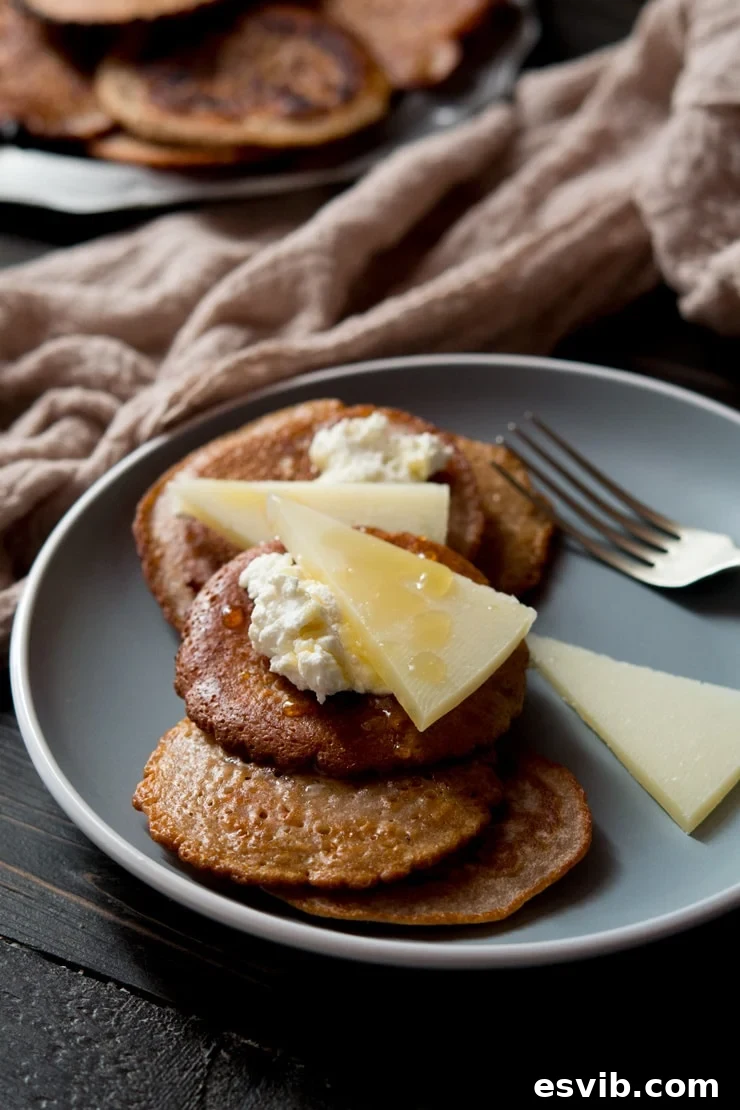
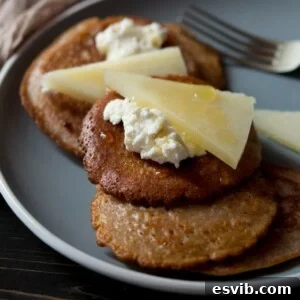
Indulge in the rustic charm of the Italian countryside with these incredibly simple chestnut fritters, crafted from just three wholesome ingredients. Served warm and adorned with creamy ricotta, pungent pecorino cheese, and a lavish drizzle of aromatic truffle honey, these fritters are an absolute autumnal delight, ready to grace your table in a matter of minutes. Their naturally sweet profile, combined with a satisfyingly chewy texture, makes them a truly unforgettable snack or a unique treat for any occasion.
These naturally sweet and utterly delicious fritters are more than just a quick bite; they are a culinary experience. Made with a straightforward batter, their inherent earthiness and subtle sweetness perfectly complement the rich, creamy ricotta, the salty tang of pecorino, and the luxurious, complex notes of truffle honey. If truffle isn’t to your taste, a fragrant floral honey offers a beautiful alternative, allowing the chestnut’s delicate flavor to shine. Enjoy these festive fritters with small glasses of a robust red wine or a warming grappa for an authentic Tuscan experience.
A Taste of Tuscany: The Story Behind These Rustic Chestnut Fritters
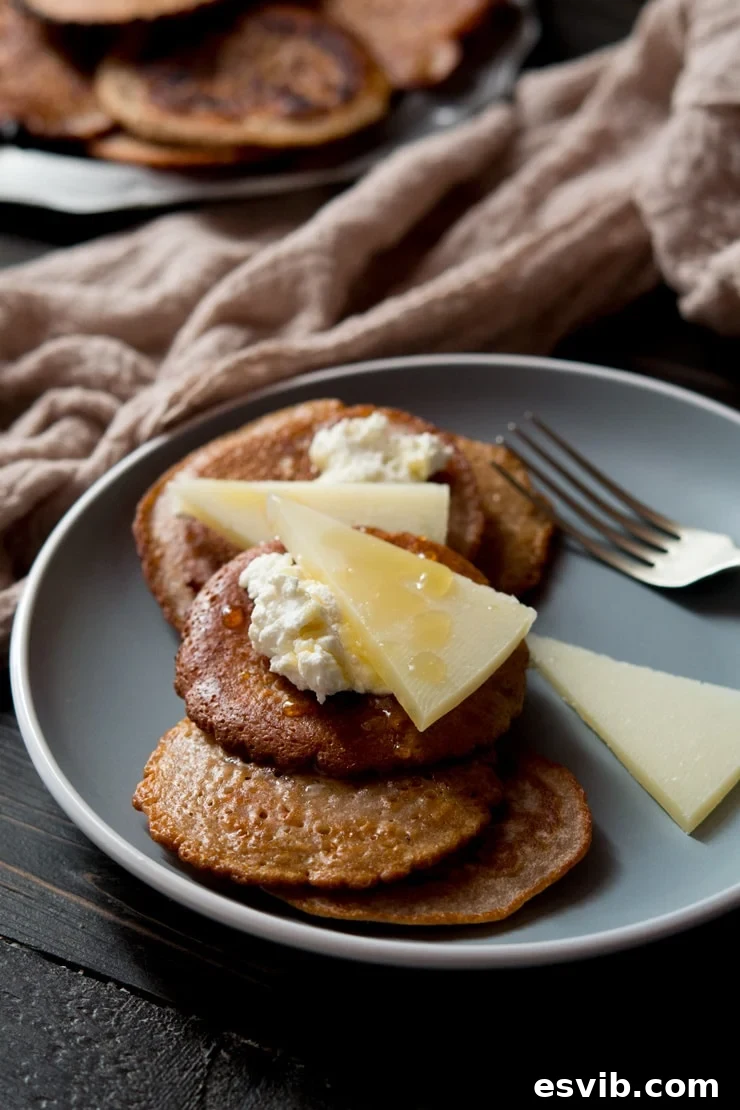
My journey to discovering these delightful chestnut fritters began six years ago during a transformative period of travel and volunteering in the heart of Tuscany. I was incredibly fortunate to have an elderly Italian Nonna as a neighbor, whose greatest joy in life was to gather people around her table and feed them with love and exquisite homemade dishes. It was on one particularly chilly morning – yes, a morning! – that these very chestnut fritters, accompanied by generous dollops of ricotta, thin slices of pecorino, and a golden stream of honey, were served. They were truly “scoffed” with gusto, alongside convivial sips of red wine and even grappa, a testament to the Italian spirit of savoring life’s simple pleasures.
This experience cemented my love for traditional Tuscan cooking, where quality ingredients and straightforward preparation yield profound flavors. The memory of that morning, the warmth of the Nonna’s hospitality, and the unique taste of these fritters inspired me to recreate and share this authentic Italian culinary gem. They embody the essence of rustic Italian cuisine: humble, wholesome, and deeply satisfying.
Why Chestnut Flour is a Culinary Gem for Your Pantry
Have you ever explored the wonders of chestnut flour? It’s a truly remarkable ingredient, celebrated in Italian cooking for its distinctive qualities. Derived from ground, dried chestnuts, this flour boasts a naturally sweet, earthy flavor profile that sets it apart from conventional flours. It’s incredibly versatile, brilliant for a wide array of dishes from delicate gnocchi and hearty pasta to tender cakes and fluffy pancakes.
One of its defining characteristics is its unique chalky, yet ultimately smooth, texture when properly hydrated, which lends a particular rustic charm to baked goods. Because of its inherent sweetness, you’ll often find yourself needing to add less sugar when incorporating it into your baking recipes, making it a healthier alternative. Beyond its flavor and texture, chestnut flour is also naturally gluten-free, making these fritters an excellent option for those with gluten sensitivities or dietary preferences. It’s a pantry staple worth exploring for anyone eager to infuse their cooking with authentic Italian flair and nutritional benefits.
The Magic of Simplicity: Just Three Core Ingredients
What truly makes these chestnut fritters exceptional is their astonishing simplicity. At their heart, they require only three fundamental ingredients, proving that extraordinary flavor doesn’t need a complicated list. This minimalist approach allows the natural goodness of the chestnuts to take center stage, creating a snack that is both pure and profoundly satisfying.
I’ve experimented with variations, including the addition of leavening agents like baking powder or bicarbonate of soda. While these do create a lighter, more pancake-like texture, they deviate from the authentic, rustic character these fritters are meant to possess. The traditional method, relying solely on chestnut flour, water, and a pinch of salt, yields small, delightfully chewy bites that are perfect for a special breakfast, a fulfilling afternoon snack, or even a unique dessert. Their harmonious blend of sweet and savory notes makes them incredibly versatile and utterly irresistible.
Key Ingredients for Authentic Chestnut Fritters
- **Chestnut Flour:** The star of the show. Ensure you use good quality chestnut flour for the best flavor and texture. It provides the signature sweetness and earthy undertones.
- **Water:** Essential for hydrating the flour and forming the batter. The quantity is crucial for achieving the right consistency.
- **Salt:** A mere pinch is enough to enhance the natural flavors of the chestnut flour and balance the sweetness, bringing out the best in every bite.
Essential Accompaniments for Serving
- **Ricotta Cheese:** Offers a delightful creamy coolness that contrasts beautifully with the warm fritters.
- **Pecorino Cheese:** Its sharp, salty, and slightly tangy flavor provides a wonderful counterpoint to the fritters’ sweetness and the ricotta’s richness.
- **Truffle Honey:** A luxurious touch that introduces an earthy, musky aroma and a complex sweetness. If unavailable or not preferred, any good quality floral honey (such as acacia or chestnut honey itself) will work beautifully.
- **Sunflower Oil (for frying):** A neutral oil is best to ensure the flavors of the chestnut and toppings are not overpowered.
Crafting Your Chestnut Fritters: A Step-by-Step Guide
Making these chestnut fritters is surprisingly quick and straightforward, perfect for a spontaneous treat or a thoughtful autumnal gathering. Follow these simple steps to achieve perfect, rustic fritters every time.
Preparation Steps
-
Prepare the Batter:
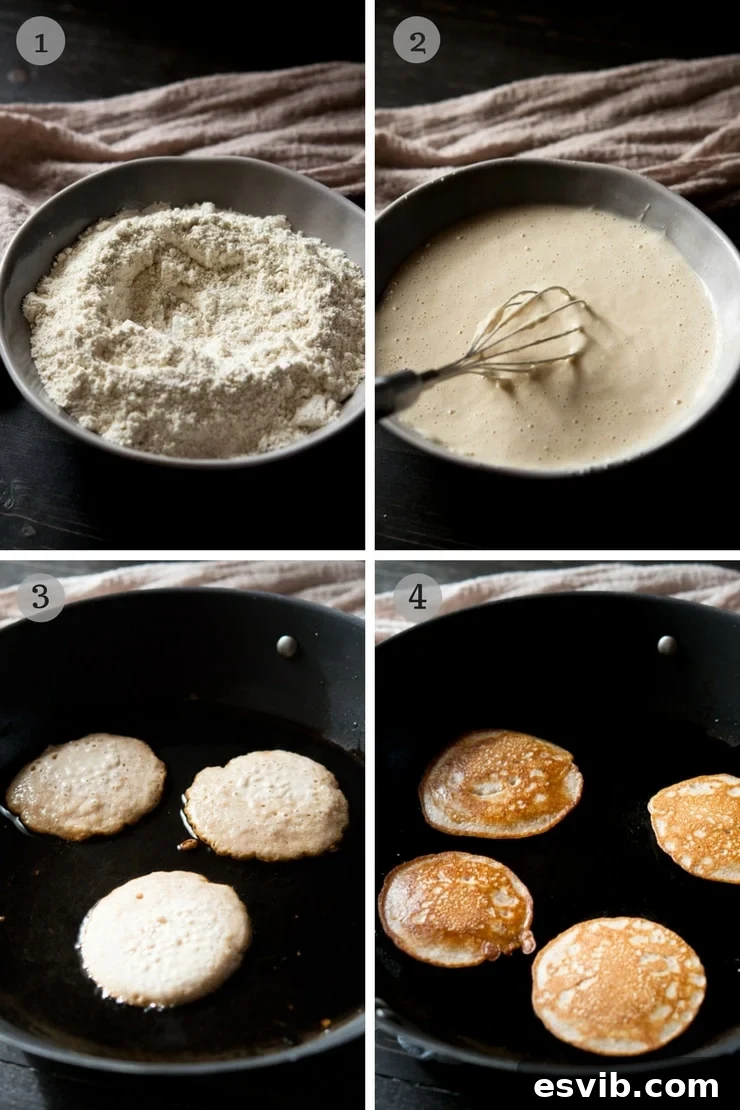
In a medium-sized mixing bowl, combine the chestnut flour, salt, and water. Whisk vigorously until the mixture is completely smooth and free of lumps. The batter should be slightly thick, resembling a pancake batter but a touch denser. Adjust water very slightly if needed to reach this consistency – it shouldn’t be too runny or too stiff.
-
Frying to Perfection:
Heat about 3 tablespoons of sunflower oil in a large, non-stick frying pan over medium heat. Once the oil is hot and shimmering, carefully drop heaped tablespoons of the batter into the pan, forming small fritters. Be sure not to overcrowd the pan; fry in batches to ensure even cooking. Fry the fritters on one side for approximately one minute, or until they are golden brown and crispy at the edges. Using a spatula, carefully flip them over and fry for just a few more seconds on the second side until equally golden and cooked through.
-
Drain and Serve:
Once cooked, remove the fritters from the pan and place them on a plate lined with kitchen paper to drain any excess oil. This step is crucial for maintaining their crispiness. Serve the chestnut fritters immediately while they are still warm, as their flavor and texture are best appreciated fresh from the pan.
Expert Tips for Flawless Fritters
- **Batter Consistency is Key:** The batter should be thick enough to hold its shape when dropped into the pan, but still pourable. If it’s too thick, add a tiny splash more water; if too thin, a spoonful more chestnut flour.
- **Manage Oil Temperature:** Ensure your oil is hot but not smoking. Too cool, and your fritters will absorb too much oil; too hot, and they’ll burn before cooking through. Medium heat is typically ideal. You may need to add a little more oil between batches if the pan becomes too dry.
- **Don’t Overcrowd:** Frying in smaller batches ensures that each fritter cooks evenly and crisps up perfectly. Overcrowding can lower the oil temperature and lead to soggy fritters.
- **Serving Temperature:** These fritters are truly best served warm, right off the pan. The contrast of the warm fritter with cool ricotta and honey is divine.
- **Substitutions for Toppings:** While truffle honey offers a unique flavor, feel free to use local wildflower honey, acacia honey, or even a drizzle of maple syrup for a different sweet note. For cheese, a fresh, mild goat cheese could substitute ricotta, or a good quality aged Parmesan could replace Pecorino for a slightly different savory kick.
- **Make Ahead & Reheating:** While best fresh, you can make the batter an hour or two ahead and keep it covered in the fridge. Leftover fritters can be reheated gently in a dry frying pan or a toaster oven to regain some crispiness.
Serving Suggestions & Pairings
These versatile chestnut fritters transcend the boundaries of a simple snack, lending themselves beautifully to various culinary contexts throughout the day. Their unique sweet and savory balance makes them adaptable for almost any course.
- **Breakfast or Brunch:** Serve them alongside your morning coffee or espresso for a truly special start to the day. The mild sweetness pairs wonderfully with a dark roast.
- **Elegant Appetizer or Snack:** They shine as a sophisticated appetizer for a gathering, especially when paired with a light-bodied red wine, such as a young Chianti, or a crisp sparkling Prosecco that cuts through the richness of the cheese and honey.
- **Unique Dessert:** Don’t limit them to savory occasions! Try them as a dessert, perhaps with a scoop of vanilla bean ice cream, a dollop of sweetened mascarpone, or a warm fruit compote for an indulgent treat.
- **Italian Pairings:** Embrace their Tuscan roots by serving them with a tiny glass of grappa, as tradition dictates, or a sweet Vin Santo if enjoying them post-dinner.
- **Seasonal Delight:** They are particularly fitting for autumn gatherings, holiday celebrations, or any time you want to evoke the cozy feeling of the harvest season.
Frequently Asked Questions (FAQ) About Chestnut Fritters
We’ve gathered some common questions to help you master these delicious fritters and enjoy them to the fullest.
- Is chestnut flour gluten-free? Yes, pure chestnut flour is naturally gluten-free, making these fritters a fantastic option for individuals avoiding gluten. Always check the label to ensure no cross-contamination if you have severe allergies.
- Can I use other types of flour? While chestnut flour gives these fritters their distinctive flavor and texture, you could experiment with other gluten-free flours like buckwheat or rice flour, though the taste and consistency will vary significantly. For a closer match, a blend might be necessary.
- How should I store leftover chestnut fritters? Leftover fritters can be stored in an airtight container in the refrigerator for up to 2-3 days.
- What’s the best way to reheat them? For optimal crispiness, reheat leftover fritters in a dry frying pan over medium heat for a few minutes per side, or in a toaster oven until warmed through. Microwaving is not recommended as it can make them soggy.
- I don’t like truffle honey, what can I use instead? No problem! Any floral honey works wonderfully. Acacia honey, wildflower honey, or even a local varietal will provide a lovely sweetness. For a less sweet alternative, a balsamic glaze could be interesting.
- Can I bake these fritters instead of frying? The traditional method calls for frying to achieve their characteristic rustic texture and slight crispiness. While you could attempt to bake them, the result would be different, likely softer and less “fritter-like.”
Step-by-step photos above guide you through the process, ensuring perfect results every time!
Most of our recipes come with helpful tips, tricks, and sometimes even video tutorials to make it perfectly first time.
Chestnut Fritters with Pecorino, Ricotta and Truffle Honey
By Emily
5 mins
10 mins
15 mins
15 fritters
Print Recipe
Ingredients
- 1 1/2 cups (150g) chestnut flour
- 2/3 + 1/4 cup (220ml) water
- 1 pinch of salt
- sunflower oil, for frying
- pecorino cheese, for serving
- ricotta cheese, for serving
- truffle honey, or floral honey, for drizzling
Instructions
-
Mix together the chestnut flour, salt and water until smooth and slightly thick.
-
Heat 3 tbsp of oil in a large frying pan and drop a heaped tablespoon of batter onto the hot pan in batches. You may need to add more oil in between batches. Fry the fritters on one side until browned and crispy then flip over, fry for a few seconds and place on top of kitchen paper to drain.
-
Serve the chestnut fritters warm with slices of pecorino cheese, a spoonful of ricotta and a drizzle of truffle honey.
Notes
- Please note this recipe was tested and developed using metric measurements; all imperial measurements are approximate.
Nutrition
Nutrition information is automatically calculated, so should only be used as an approximation.
Explore More Rustic Italian Delights
If you’ve enjoyed these simple yet exquisite chestnut fritters, we encourage you to explore other delightful and easy-to-make snacks from our kitchen:
- Bagna Cauda: Anchovy, Garlic & Butter Dip
- Cecina Toscana: Tuscan Chickpea Flatbread
- Artichoke Dip: Parmesan, Lemon, Garlic
- Mozzarella in Carrozza: Fried Mozzarella Sandwiches
Essential Kitchen Knowledge for Authentic Italian Cooking
To help you achieve perfect results with all our recipes, here are some helpful tips and resources:
- I always use extra virgin olive oil in all of my recipes unless stated otherwise, for its superior flavor and quality.
- When I use canned or jarred tomatoes of any kind, I exclusively use Cirio or Mutti brands for the best results and authentic Italian flavor.
- All vegetables are assumed to be medium-sized unless specifically stated otherwise in the recipe.
- All recipes on this blog are tested and developed using a fan (convection) oven for consistent performance.
- Find out more about how nutrition is calculated for our recipes.
- Check out our must-have Italian Pantry Staples to stock your kitchen.
- You can also find all our Essential Kitchen Tools for Italian Cooking to equip your culinary space.
Join Our Culinary Community!
We absolutely love hearing from you! If you’ve tried this delightful Chestnut Fritter recipe or any other on our blog, please don’t hesitate to rate the recipe and share your experience in the comments section below. Your feedback inspires us to keep creating and sharing more delicious food!
You can also **FOLLOW US** on FACEBOOK, TWITTER, INSTAGRAM, and PINTEREST to stay updated with our latest culinary creations and behind-the-scenes adventures. Join our growing community of food lovers today!
Did you try this recipe?
Leave a comment below!